ARTICLE · 1202477
26文学翻译真题第一篇“燕赵大地”原文与解析













原文:
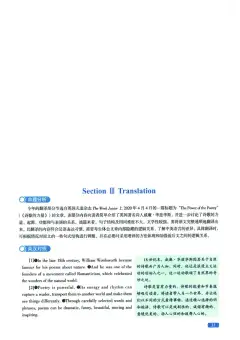
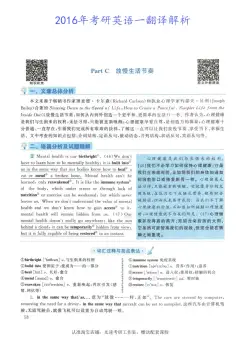
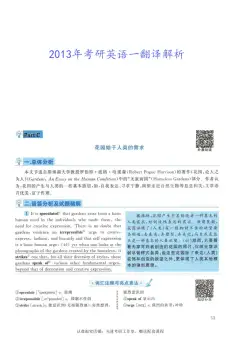
燕赵大地的神奇之处还在于,她养育出来的侠客与好汉,并不是简单的武人,像我们所理解的四肢发达、头脑简单那种。
译文:
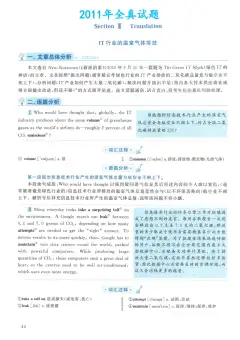
What makes the land of Yan‑Zhao extraordinary also lies in the chivalrous heroes it nurtures,who are no mere warriors of brawn over brain.
解析:
原文描绘了燕赵大地孕育的独特人物形象。在翻译时,我们需要注意"侠客与好汉"的译法,"chivalrous heroes"比较贴切。而"四肢发达、头脑简单"这个俗语,用"brawn over brain"来表达非常地道。燕赵大地译为the land of Yan‑Zhao,
语境层面:译文通过"it nurtures"作后置定语修饰侠客好汉,再用"no mere warriors of brawn over brain"精准传达了原文对"简单武人"的否定,清晰地体现出"不是……那种"的对比意味。
原文:
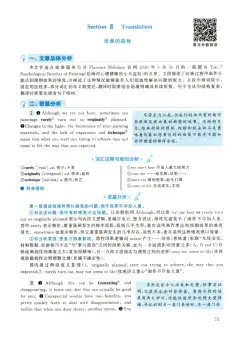
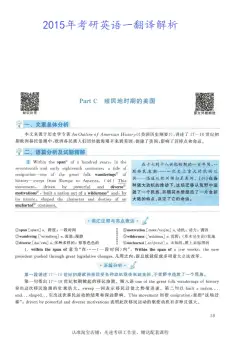
她的土壤可以培育出儒与侠、文与武高度契合的君子
译文:
This land gave birth to noble gentlemen embodying a perfect integration of Confucianscholarship and chivalry, of literary refinement and martialspirit.
解析:
第二句体现了燕赵文化的精髓。这里的"儒与侠"、"文与武"是两组对仗的概念,翻译时要保持其平行结构。
词汇层面:儒与侠译为Confucian scholarship and chivalry,文与武译为literary refinement and martial spirit,君子译为noble gentlemen。
语境层面:译文使用了"embodying"这个现在分词,简洁地连接了主语和后面的复杂修饰成分,并用两个"of"短语来对应原文的两组概念,结构工整,语义清晰。
原文:
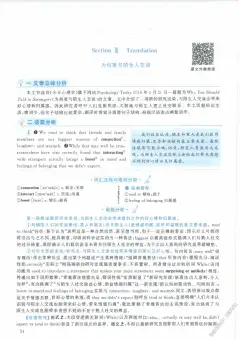
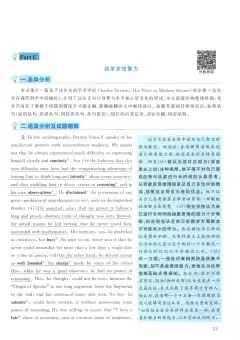
战国末期赵国人(同位语)荀子在儒家思想形成过程中,属于一个特立独行的人物。
译文:
Xunzi, a native of the State of Zhao in the late Warring States Period,stoodout as a strang and unique figure in the formation of Confucianthought.
解析:
原文介绍了荀子的身份和历史地位。
词汇层面:战国末期译为the late Warring States Period,特立独行的人译为iconoclastic figure。将"战国末期赵国人"处理为插入语,使句子结构更灵活。
原文:
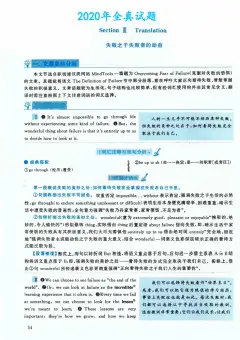
在孔子已经构建了知天命的重要性之后,荀子却破天荒地主张人定胜天。
译文:
After Confucius established the significance of "knowing themandate of heaven", Xunzi madea groundbreaking argument that "man can conquernature".
解析:
这一句对比了孔子与荀子在天命观上的巨大差异。
词汇层面:孔子的"知天命"译为"knowing the mandate of heaven",准确传达了其思想内核;荀子的"人定胜天"译为"man can conquer nature",直接明了。
翻译亮点:对于"构建了...的重要性",使用了非常正式的学术表达"established the significance of"。而最出彩的是将"破天荒地主张"译为"made a groundbreaking argument","groundbreaking"这个词极具画面感,完美捕捉了荀子挑战传统、另辟蹊径的革命性姿态。
原文:
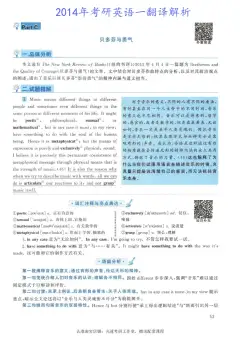
在孟子的性善论流行之时,荀子却主张性恶论。
译文:
While(表对比) Mencius' theory of human goodness prevailed, Xunzi advocated the theory of human evil.
解析:
第五句继续对比,这次是孟子和荀子在人性论上的对立。
词汇层面:性善论译为theory of human goodness,性恶论译为theory of human evil,流行之时用prevailed精准传达风行的态势。
译文使用"When...prevailed"这个时间状语从句,清晰地设定了对比的背景,即"当孟子的理论盛行时",然后引出荀子的不同主张。这种结构很好地还原了原文的对比逻辑。
原文:
荀子的思想不同于当时儒家的道德理想主义,他重构了一个社会批判的观念体系,因而被后世称为儒家中的游侠。
译文:
Departing from the moral idealism of mainstream(增译)Confucianism of his time, he reconstructed anideological system of social critique,earning him the later‑day title of"theknight‑errant among Confucians".
解析:
这里阐述了荀子思想的独特贡献。原文的"不同于"在译文中被处理为现在分词短语"Departing from...",置于句首,既简洁又突出了与主流思想的分离。
词汇层面:道德理想主义译为 moral idealism,重构译为 reconstructed,社会批判译为 social critique。
语境层面:Departing from 引出对比关系,准确传达了荀子与主流儒学的分野;reconstructed an ideological system of socialcritique 精准表达了"重构社会批判观念体系"这一复杂概念。
通过真题的几个句子,分析译文如何处理文化负载词、如何构建复杂句式以及如何传达原文的语气和逻辑。希望大家有所收获。