ARTICLE · 1205070
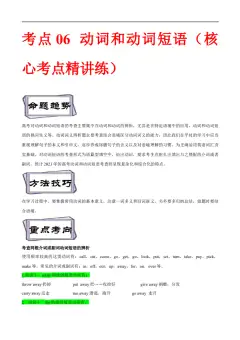
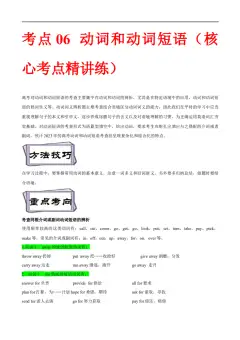
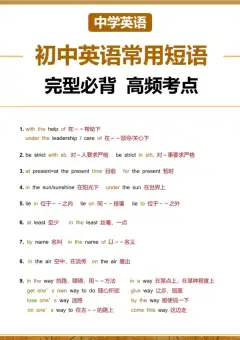
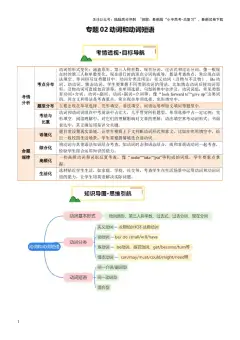
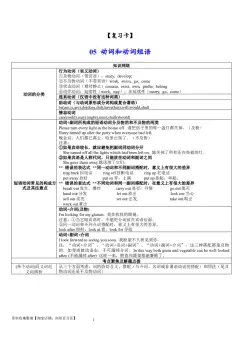
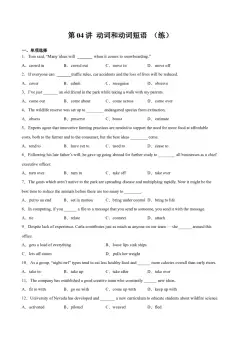
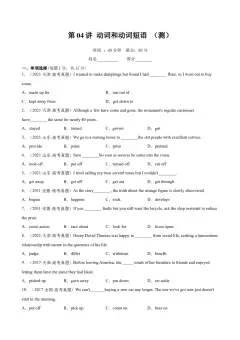
中考英语必背动词短语50个精讲与专项突破
📌 高频考点全覆盖|✅ 核心用法与变形 | 🎯 易混辨析与例句| 📅 5天打卡过关表
【适用年级】初二下 / 初三年级【资料定位】早读背诵单· 晚自习复习打卡表 · 考前冲刺语法与写作满分手册【使用建议】早读 15 分钟出声朗读「短语+释义+例句」;晚自习 10 分钟遮住中文回译默写;第 5 天集中完成当堂自测。
📅 5 天打卡通关计划表
验收 | 打卡日期 | 天数 | 短语范围与核心主题 | 自评(✔/✘) |
☐ | ____月____日 | 第 1 天 | 1–10 look / take 组:照顾、寻找、查阅、期待、参加、发生 | |
☐ | ____月____日 | 第 2 天 | 11–20 put / give / turn 组:穿戴、推迟、张贴、扑灭、放弃、开关电器 | |
☐ | ____月____日 | 第 3 天 | 21–30 turn / get / come 组:音量调节、上下车、相处、克服、想出、实现 | |
☐ | ____月____日 | 第 4 天 | 31–40 成长社交、设立编造、锻炼复习、注意与 used to 体系 | |
☐ | ____月____日 | 第 5 天 | 41–50 追赶互助、达成熬夜、削减指出、耗尽提交与综合通关 |
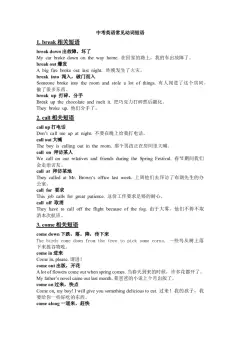
🔑 核心动词短语 50 个精讲清单(按场景分组 · 每天 10 个)
▸ 第 1 天|看、照顾、参加、发生(1–10)
1. look after /lʊk ˈɑːftə(r)/ v.phr. 照顾;照料
▸ 例句:Could you look after my little sister this afternoon?(今天下午你能帮我照顾一下妹妹吗?)
▸ 核心用法:look after sb/sth(后接名词/代词),不能写成 look aftering;宾语是人时等于 take care of。
▸ 形式变化:looked after / looked after(规则变化) | ▸ 近义拓展:take care of / care for
2. look for /lʊk fɔː(r)/ v.phr. 寻找(强调动作过程)
▸ 例句:Tom is looking for his basketball in the gym.(汤姆正在体育馆里找他的篮球。)
▸ 核心用法:look for sb/sth;进行时很常见。不要和 find 混用:找的过程用 look for,找到结果用 find。
▸ 形式变化:looked for / looked for | ▸ 近义拓展:search for / seek
3. look up /lʊk ʌp/ v.phr. 查阅(词典等);抬头看
▸ 例句:If you don't know the word, look it up in the dictionary.(如果这个词不认识,就去词典里查一下。)
▸ 核心用法:look up a word;代词作宾语必须放中间:look it up,不能说 look up it。
▸ 形式变化:looked up / looked up | ▸ 近义拓展:check / consult
4. look forward to /lʊk ˈfɔːwəd tuː/ v.phr. 期待;盼望
▸ 例句:We look forward to seeing you at the school art festival.(我们盼着在学校艺术节上见到你。)
▸ 核心用法:look forward to doing sth / n.;这里的 to 是介词,后面绝对不能接动词原形 to do。
▸ 形式变化:looked forward to / looked forward to | ▸ 近义拓展:expect / can't wait to
5. look out /lʊk aʊt/ v.phr. 当心;留神
▸ 例句:Look out! A bike is coming toward you.(小心!一辆自行车朝你冲过来了。)
▸ 核心用法:常单独作警示语;也可接 look out for sth(留意某物)。不等于 look outside(往外看)。
▸ 形式变化:looked out / looked out | ▸ 近义拓展:watch out / be careful
6. look through /lʊk θruː/ v.phr. 浏览;快速翻看;审核
▸ 例句:Please look through your test paper before you hand it in.(交卷前请把试卷再快速检查一遍。)
▸ 核心用法:look through sth(报纸、笔记、试卷);强调“快速过一遍”,不是 look for 的“寻找”。
▸ 形式变化:looked through / looked through | ▸ 近义拓展:go through / browse
7. take care of /teɪk keə(r) əv/ v.phr. 照顾;保管;处理
▸ 例句:I have to take care of my grandpa this weekend.(这个周末我得照顾爷爷。)
▸ 核心用法:take care of sb/sth;take 随主语变:takes / took / taken。Take care! 是“保重”,后面不加 of。
▸ 形式变化:took care of / taken care of | ▸ 近义拓展:look after / care for
8. take off /teɪk ɒf/ v.phr. 脱下(衣帽);起飞;突然走红
▸ 例句:The plane will take off in ten minutes. Please take off your headphones.(飞机十分钟后起飞。请把耳机摘下来。)
▸ 核心用法:脱衣服:take off sth / take it off;飞机起飞作不及物动词。反义短语:put on(穿上)。
▸ 形式变化:took off / taken off | ▸ 近义拓展:remove(脱下)/ set off(出发,不完全等同)
9. take part in /teɪk pɑːt ɪn/ v.phr. 参加(活动、比赛)
▸ 例句:More than 200 students took part in the school sports meeting.(两百多名学生参加了校运会。)
▸ 核心用法:take part in + 活动/比赛;加入社团/组织常用 join the club / join the league。
▸ 形式变化:took part in / taken part in | ▸ 近义拓展:join in / participate in
10. take place /teɪk pleɪs/ v.phr. 发生;举行(无被动)
▸ 例句:The final exam will take place next Monday.(期末考试将在下周一举行。)
▸ 核心用法:不及物短语,无被动语态、无进行时!不能写成 be taken place;happen 偏偶然发生。
▸ 形式变化:took place / taken place | ▸ 近义拓展:happen / be held
▸ 第 2 天|穿戴收纳、放弃分发、开关电器(11–20)
11. put on /pʊt ɒn/ v.phr. 穿上;戴上;上演;增加(体重)
▸ 例句:It's cold outside. Put on your coat before you go out.(外面冷,出门前把外套穿上。)
▸ 核心用法:put on sth / put it on。强调“穿上”的动作;表示“穿着的状态”要用 wear。
▸ 形式变化:put on / put on(原形=过去式=过去分词) | ▸ 近义拓展:wear(状态)/ dress(给某人穿衣)
12. put off /pʊt ɒf/ v.phr. 推迟;延期
▸ 例句:Don't put off today's work until tomorrow.(别把今天的事拖到明天。)
▸ 核心用法:put off sth / put off doing sth。不能接 to do;不要和 take off(脱下)混淆。
▸ 形式变化:put off / put off | ▸ 近义拓展:delay / postpone
13. put up /pʊt ʌp/ v.phr. 张贴;举起;搭建
▸ 例句:They put up a “No Parking” sign in front of the gate.(他们在大门口贴了一张“禁止停车”的告示。)
▸ 核心用法:put up a poster / a tent / one's hand。拓展:put up with 表示“忍受”。
▸ 形式变化:put up / put up | ▸ 近义拓展:hang / raise / set up
14. put away /pʊt əˈweɪ/ v.phr. 把……收起来放好
▸ 例句:Put away your books. It's time for dinner.(把书收好,该吃饭了。)
▸ 核心用法:put away sth / put them away。强调归位放好,不是 throw away(扔掉)。
▸ 形式变化:put away / put away | ▸ 近义拓展:tidy up / pack away
15. put out /pʊt aʊt/ v.phr. 扑灭;熄灭;伸出
▸ 例句:The firefighters put out the fire in twenty minutes.(消防员用二十分钟把火扑灭了。)
▸ 核心用法:put out a fire / a cigarette。关灯、关电器用 turn off,不用 put out。
▸ 形式变化:put out / put out | ▸ 近义拓展:extinguish
16. give up /ɡɪv ʌp/ v.phr. 放弃;戒掉
▸ 例句:He gave up smoking last year.(他去年戒烟了。)
▸ 核心用法:give up doing sth / give up sth。后接动名词,不能接 to do;不加宾语时表示“认输”。
▸ 形式变化:gave up / given up | ▸ 近义拓展:quit / stop
17. give away /ɡɪv əˈweɪ/ v.phr. 赠送;捐赠;泄露(秘密)
▸ 例句:She gave away her old toys to the children's home.(她把旧玩具捐给了儿童福利院。)
▸ 核心用法:give away sth;泄露:give away a secret。不要和 give out(分发)混淆。
▸ 形式变化:gave away / given away | ▸ 近义拓展:donate / reveal
18. give out /ɡɪv aʊt/ v.phr. 分发;用尽;发出(光、热、气味)
▸ 例句:The teacher gave out the test papers to the class.(老师把试卷发给了全班。)
▸ 核心用法:及物:give out sth(分发);不及物:Our money gave out.(钱用光了)。
▸ 形式变化:gave out / given out | ▸ 近义拓展:hand out / run out
19. turn on /tɜːn ɒn/ v.phr. 打开(电器、水龙头、煤气)
▸ 例句:It's dark. Please turn on the light.(太暗了,请把灯打开。)
▸ 核心用法:turn on sth / turn it on。开门、开窗用 open,不用 turn on。
▸ 形式变化:turned on / turned on | ▸ 近义拓展:switch on
20. turn off /tɜːn ɒf/ v.phr. 关闭(电器、水龙头、煤气)
▸ 例句:Remember to turn off the tap after you wash your hands.(洗完手记得关上水龙头。)
▸ 核心用法:turn off sth / turn it off。关门用 close / shut,不用 turn off。
▸ 形式变化:turned off / turned off | ▸ 近义拓展:switch off
▸ 第 3 天|音量态度、出行相处、想出实现(21–30)
21. turn up /tɜːn ʌp/ v.phr. 调大(音量);出现;到达
▸ 例句:I can't hear the news. Could you turn up the radio?(我听不清新闻,能把收音机开大声点吗?)
▸ 核心用法:调音量:turn up the radio;露面:He didn't turn up at the party.(他没在聚会露面)。
▸ 形式变化:turned up / turned up | ▸ 近义拓展:appear / show up / increase
22. turn down /tɜːn daʊn/ v.phr. 调小(音量);拒绝
▸ 例句:He turned down the invitation because he had to study.(他拒绝了邀请,因为他得复习。)
▸ 核心用法:turn down sth(音量/邀请/工作申请)。拒绝邀请不能写成 refuse off。
▸ 形式变化:turned down / turned down | ▸ 近义拓展:refuse / reject / lower
23. get on /ɡet ɒn/ v.phr. 上车(公交/火车/飞机);相处;进展
▸ 例句:Hurry up, or we can't get on the bus.(快点,否则我们就赶不上这班公交车了。)
▸ 核心用法:get on the bus/train;相处:get on (well) with sb。上小轿车常用 get in the car。
▸ 形式变化:got on / got on (美式 gotten on) | ▸ 近义拓展:board / get along
24. get off /ɡet ɒf/ v.phr. 下车;下班;脱下
▸ 例句:You should get off at the next stop and then walk for two minutes.(你应该在下一站下车,再走两分钟。)
▸ 核心用法:get off the bus/train。下小轿车常用 get out of the car;注意 off 是双写 f。
▸ 形式变化:got off / got off | ▸ 近义拓展:alight(书面)
25. get along with /ɡet əˈlɒŋ wɪð/ v.phr. 与……相处
▸ 例句:Lucy gets along with her classmates very well.(露西和同学相处得非常好。)
▸ 核心用法:get along (well) with sb = get on (well) with sb。with 后接人,不能漏掉介词 with。
▸ 形式变化:got along with / got along with | ▸ 近义拓展:get on with / be friendly with
26. get over /ɡet ˈəʊvə(r)/ v.phr. 克服;从(疾病、挫折)中恢复
▸ 例句:It took him two weeks to get over the flu.(他花了两周才从流感中恢复过来。)
▸ 核心用法:get over sth(困难/疾病/失败/打击)。不是 get on(上车)。
▸ 形式变化:got over / got over | ▸ 近义拓展:overcome / recover from
27. pick up /pɪk ʌp/ v.phr. 捡起;学会(偶然地);接送(人);好转
▸ 例句:My dad will pick me up at the school gate at 5 p.m.(爸爸下午五点会来校门口接我。)
▸ 核心用法:接人:pick sb up;捡起:pick it up。代词必须放中间。注意不是 pick out(挑选)。
▸ 形式变化:picked up / picked up | ▸ 近义拓展:collect / learn / lift
28. find out /faɪnd aʊt/ v.phr. 查明;弄清(事实、真相、信息)
▸ 例句:Please find out when the train leaves.(请查一下火车几点开。)
▸ 核心用法:find out sth / + 从句 / about sth。找具体实物用 look for / find,不用 find out。
▸ 形式变化:found out / found out | ▸ 近义拓展:discover / figure out
29. come up with /kʌm ʌp wɪð/ v.phr. 想出(主意、计划、答案)
▸ 例句:Who came up with the idea of holding a food festival?(是谁想出办美食节这个主意的?)
▸ 核心用法:come up with an idea / a plan / a solution。必须带 with,主语是人。
▸ 形式变化:came up with / come up with | ▸ 近义拓展:think of / think up
30. come true /kʌm truː/ v.phr. (梦想、愿望)实现
▸ 例句:If you keep working hard, your dream will come true.(只要你一直努力,梦想就会实现。)
▸ 核心用法:无被动语态:Dreams come true. 不能说 dreams are come true;主语通常是 dream/wish。
▸ 形式变化:came true / come true | ▸ 近义拓展:be realized / be achieved
▸ 第 4 天|成长社交、确认编造、复习注意、used to(31–40)
31. grow up /ɡrəʊ ʌp/ v.phr. 长大;成长;成熟
▸ 例句:I want to be a doctor when I grow up.(我长大后想当一名医生。)
▸ 核心用法:grow up 多作不及物动词;种植庄稼用 grow,不用 grow up。
▸ 形式变化:grew up / grown up | ▸ 近义拓展:become an adult
32. hang out /hæŋ aʊt/ v.phr. 闲逛;待在一起(消磨时光)
▸ 例句:I like to hang out with my friends at the weekend.(我周末喜欢和朋友一起出去逛逛。)
▸ 核心用法:hang out with sb / hang out at + 地点。口语高频;hang on 是“稍等/抓紧”。
▸ 形式变化:hung out / hung out | ▸ 近义拓展:spend time / get together
33. set up /set ʌp/ v.phr. 建立;设立;搭建
▸ 例句:They set up a volunteer club to help the old people.(他们成立了一个志愿者社团去帮助老人。)
▸ 核心用法:set up a company / a club / a tent。set 的三种形式同形:set / set / set。
▸ 形式变化:set up / set up | ▸ 近义拓展:establish / found / put up
34. make sure /meɪk ʃʊə(r)/ v.phr. 确保;务必弄清楚
▸ 例句:Make sure you lock the door before you leave.(走之前一定要确保锁好门。)
▸ 核心用法:make sure + that 从句 / make sure of sth。一般不直接说 make sure doing。
▸ 形式变化:made sure / made sure | ▸ 近义拓展:ensure / be sure
35. make up /meɪk ʌp/ v.phr. 编造;组成;和解;化妆
▸ 例句:Don't make up excuses. Tell me the truth.(别编借口了,跟我说实话。)
▸ 核心用法:编造:make up a story;组成:be made up of;和解:make up with sb。
▸ 形式变化:made up / made up | ▸ 近义拓展:invent / consist of / make peace
36. work out /wɜːk aʊt/ v.phr. 算出;制定出;锻炼身体;进展顺利
▸ 例句:I work out at the gym three times a week.(我每周去健身房锻炼三次。)
▸ 核心用法:解决/算出:work out the problem;锻炼身体通常作不及物动词。
▸ 形式变化:worked out / worked out | ▸ 近义拓展:calculate / exercise / figure out
37. go over /ɡəʊ ˈəʊvə(r)/ v.phr. 复习;仔细检查
▸ 例句:Let's go over the key points before the exam.(考试前我们把重点再过一遍吧。)
▸ 核心用法:go over sth(笔记、错题、课文)。不要和 go on(继续)混淆。
▸ 形式变化:went over / gone over | ▸ 近义拓展:review / check
38. pay attention to /peɪ əˈtenʃn tuː/ v.phr. 注意;留心
▸ 例句:You should pay attention to your spelling in writing.(写作时你要注意拼写。)
▸ 核心用法:pay attention to n. / doing。这里的 to 是介词,不能接动词原形。
▸ 形式变化:paid attention to / paid attention to | ▸ 近义拓展:notice / take notice of
39. used to /juːst tuː/ v.phr. / aux. 过去常常(现在已不)
▸ 例句:My father used to walk to work, but now he takes the subway.(我爸爸以前常走路上班,现在改坐地铁了。)
▸ 核心用法:used to do sth(接动词原形)。否定句:didn't use to / used not to。
▸ 形式变化:used to(固定谈论过去的习惯与状态) | ▸ 近义拓展:would(过去反复发生,但不强调现在的对比)
40. be used to /bi juːst tuː/ v.phr. 习惯于……
▸ 例句:She is used to getting up early on weekdays.(工作日她已经习惯早起了。)
▸ 核心用法:be / get used to doing sth / n.。这里的 to 是介词;区别于 be used to do(被用来做)。
▸ 形式变化:was used to / been used to | ▸ 近义拓展:be accustomed to
▸ 第 5 天|追赶互助、达成熬夜、削减指出、耗尽提交(41–50)
41. catch up with /kætʃ ʌp wɪð/ v.phr. 追上;赶上(落后追赶)
▸ 例句:Work hard, and you will catch up with your classmates.(努力学习,你就会赶上你的同学。)
▸ 核心用法:强调从“落后状态”追赶上去;catch up with sb。区别:keep up with 是“并驾齐驱/保持不落后”。
▸ 形式变化:caught up with / caught up with | ▸ 近义拓展:keep pace with / overtake
42. hear from /hɪə(r) frɒm/ v.phr. 收到……的来信 / 消息
▸ 例句:I am very glad to hear from you.(收到你的来信我非常高兴。)
▸ 核心用法:hear from sb(宾语只能是写信人/发信人)。区别:hear of / hear about 是“听说某事”。
▸ 形式变化:heard from / heard from | ▸ 近义拓展:receive a letter from / get news from
43. stay up /steɪ ʌp/ v.phr. 熬夜;深夜不睡
▸ 例句:Don't stay up late, or you will feel sleepy in class.(别熬夜太晚,否则上课会犯困。)
▸ 核心用法:stay up late 熬夜到很晚;stay up 作不及物短语。写作健康类常考短语。
▸ 形式变化:stayed up / stayed up | ▸ 近义拓展:sit up / burn the midnight oil
44. cheer up /tʃɪə(r) ʌp/ v.phr. (使)振作起来;(使)高兴起来
▸ 例句:We told some funny jokes to cheer him up.(我们讲了些笑话让他振作起来。)
▸ 核心用法:及物:cheer sb up(代词放中间);不及物:Cheer up! Things will get better.(振作点!一切都会好起来的。)
▸ 形式变化:cheered up / cheered up | ▸ 近义拓展:comfort / encourage
45. clean up /kliːn ʌp/ v.phr. 打扫干净;清理;整顿
▸ 例句:Let's clean up the classroom before going home.(回家前咱们把教室彻底打扫干净吧。)
▸ 核心用法:clean up sth / clean it up。常用于志愿者、环保、大扫除情境。区别:clean out 彻底清理内部。
▸ 形式变化:cleaned up / cleaned up | ▸ 近义拓展:tidy up / sweep
46. agree with /əˈɡriː wɪð/ v.phr. 同意(某人/观点);(气候、食物)适宜
▸ 例句:I completely agree with what you said just now.(我完全同意你刚才说的话。)
▸ 核心用法:agree with sb / one's idea / opinion;agree to 后面常接 plan/suggestion;agree on 达成一致协议。
▸ 形式变化:agreed with / agreed with | ▸ 近义拓展:approve of / be in favor of
47. cut down /kʌt daʊn/ v.phr. 砍倒;削减;缩减(开支/数量)
▸ 例句:We should stop people from cutting down too many trees.(我们应该阻止人们乱砍滥伐树木。)
▸ 核心用法:砍倒:cut down trees;削减:cut down the cost / spending。环保与节约主题高频词。
▸ 形式变化:cut down / cut down(cut/cut/cut 同形) | ▸ 近义拓展:chop down / reduce
48. point out /pɔɪnt aʊt/ v.phr. 指出;指明(错误、事实)
▸ 例句:The teacher pointed out my mistakes in the composition.(老师指出了我作文里的错误。)
▸ 核心用法:point out sth / point it out。代词居中。区别:point at 指着近处;point to 指向远处。
▸ 形式变化:pointed out / pointed out | ▸ 近义拓展:indicate / show
49. run out of /rʌn aʊt əv/ v.phr. 用完;耗尽(及物,主语为人)
▸ 例句:We have run out of water, so we need to buy some.(我们的水用完了,得去买点。)
▸ 核心用法:人 + run out of + 物(及物);物 + run out(不及物,主语是物,无被动)。
▸ 形式变化:ran out of / run out of | ▸ 近义拓展:use up / exhaust
50. hand in /hænd ɪn/ v.phr. 上交;递交(作业、试卷、报告)
▸ 例句:Please hand in your English exercises before 4 o'clock.(请在4点前交上你的英语作业。)
▸ 核心用法:hand in sth / hand it in。代词必须放中间。区别:hand out 是“分发”;hand in 是“上交”。
▸ 形式变化:handed in / handed in | ▸ 近义拓展:submit / turn in
⚠️ 易混短语辨析专区(中考命题十大高频陷阱)
【辨析 1】look for / find / find out
短语 / 词汇 | 词性 / 释义 | 核心侧重点 | 经典考点例句 |
look for | v.phr. 寻找 | 强调动作过程(找没找到不知道) | I'm looking for my keys.(我在找钥匙。) |
find | v. 找到 | 强调动作结果(已经找到) | I found my keys under the desk.(我在桌下找到了钥匙。) |
find out | v.phr. 查明 | 强调弄清事实/信息/真相 | Please find out when the train leaves.(请查清火车几点开。) |
🎯 考试绝杀点:考试最爱考:look for 是过程(常用于进行时),find 是结果,find out 查明抽象信息。
【辨析 2】look after / take care of / take care
短语 / 词汇 | 词性 / 释义 | 核心侧重点 | 经典考点例句 |
look after | v.phr. 照顾 | 口语常用,后接 sb/sth | Can you look after my dog?(能帮我照看狗吗?) |
take care of | v.phr. 照顾;处理 | 比 look after 更正式,可表示负责处理事情 | She takes care of the baby.(她负责带宝宝。) |
take care | v.phr. 保重;小心 | 后面不加 of,常作告别独立成句 | Take care! Have a good trip.(多保重!祝旅途愉快。) |
🎯 考试绝杀点:考试最爱考:告别祝福用 Take care! 后面绝不能多写 of。
【辨析 3】put on / wear / dress / in
短语 / 词汇 | 词性 / 释义 | 核心侧重点 | 经典考点例句 |
put on | v.phr. 穿上 | 强调穿戴的动作 | He put on his coat and went out.(他穿上大衣就出去了。) |
wear | v. 穿着;戴着 | 强调穿戴的状态(衣服/眼镜/手表/香水) | She wears glasses every day.(她天天戴眼镜。) |
dress | v. 给……穿衣服 | 及物动词接人:dress sb / dress oneself | The mother dressed her son.(妈妈给儿子穿好衣服。) |
🎯 考试绝杀点:考试最爱考:He is putting on his shirt(正在穿);He is wearing a red tie(正戴着)。
【辨析 4】take off / put off / take place
短语 / 词汇 | 词性 / 释义 | 核心侧重点 | 经典考点例句 |
take off | v.phr. 脱下;起飞 | 脱掉衣服 / 飞机离地起飞 | The plane took off on time.(飞机准点起飞。) |
put off | v.phr. 推迟 | 推迟活动/会议/计划(put off doing) | They put off the sports meeting.(他们推迟了运动会。) |
take place | v.phr. 发生;举行 | 有计划的发生;无被动语态 | Great changes took place here.(这里发生了巨大变化。) |
🎯 考试绝杀点:考试最爱考:脱衣服是 take off,推迟是 put off;take place 严禁加 be(无被动)。
【辨析 5】turn on / turn off / open / close / turn up / turn down
短语 / 词汇 | 词性 / 释义 | 核心侧重点 | 经典考点例句 |
turn on / off | v.phr. 开 / 关 | 针对电器、水龙头、煤气电源 | Turn off the TV, please.(请把电视关掉。) |
open / close | v. 开 / 关 | 针对门窗、书本、盒子、眼睛、嘴巴 | Please open the window.(请把窗户打开。) |
turn up / down | v.phr. 调大 / 调小 | 针对音量、声音大小;turn down还可表拒绝 | Turn down the radio.(把收音机音量调小。) |
🎯 考试绝杀点:考试最爱考:开灯是 turn on the light,开门是 open the door,写反直接零分!
【辨析 6】used to do / be used to doing / be used to do
短语 / 词汇 | 词性 / 释义 | 核心侧重点 | 经典考点例句 |
used to do | aux./v. 过去常常 | 表示过去有、现在已停止的习惯 | He used to smoke.(他过去常常抽烟。) |
be used to doing | v.phr. 习惯于…… | to 是介词,后接动名词/名词 | He is used to getting up early.(他习惯早起。) |
be used to do | 被动结构被用来做…… | use的被动语态,to do是不定式表目的 | Wood is used to make paper.(木材被用来造纸。) |
🎯 考试绝杀点:考试最爱考:看 to 后面接动名词(习惯于)还是原形(过去常常 / 被用来做)。
【辨析 7】take part in / join / join in / attend
短语 / 词汇 | 词性 / 释义 | 核心侧重点 | 经典考点例句 |
take part in | v.phr. 参加活动 | 参加群众性活动、运动会、讨论并发挥作用 | She took part in the race.(她参加了跑步比赛。) |
join | v. 加入组织 | 加入党派、军队、俱乐部成为一员 | He joined the army last year.(他去年参军了。) |
attend | v. 出席;参加 | 出席会议、婚礼、讲座、典礼等较正式场合 | Who will attend the meeting?(谁去参加会议?) |
🎯 考试绝杀点:考试最爱考:join the club(俱乐部),take part in the sports meeting(运动会),attend the meeting(出席会议)。
【辨析 8】give up / give in / give out / give away
短语 / 词汇 | 词性 / 释义 | 核心侧重点 | 经典考点例句 |
give up | v.phr. 放弃;戒除 | 及物,后接 doing/n.;也可不及物表认输 | Never give up your dream.(永远不要放弃梦想。) |
give in | v.phr. 屈服;让步 | 不及物;give in to sb 向某人屈服 | He didn't give in to difficulties.(他没向困难低头。) |
give out / away | v.phr. 分发 / 赠送泄露 | out=分发(试卷);away=捐赠(物品)/泄露(秘密) | She gave away old books.(她捐出了旧书。) |
🎯 考试绝杀点:考试最爱考:放弃用 give up,屈服用 give in;give out 分发,give away 捐赠/泄密。
【辨析 9】catch up with / keep up with
短语 / 词汇 | 词性 / 释义 | 核心侧重点 | 经典考点例句 |
catch up with | v.phr. 赶上;追上 | 强调从“落后差距”中迎头赶上 | Study hard to catch up with others.(努力赶上别人。) |
keep up with | v.phr. 跟上;并驾齐驱 | 强调“保持同等速度,不落后” | Walk slowly, I can't keep up with you.(走慢点,我跟不上了。) |
🎯 考试绝杀点:考试最爱考:落后要追赶用 catch up with;已经齐平要保持用 keep up with。
【辨析 10】run out / run out of
短语 / 词汇 | 词性 / 释义 | 核心侧重点 | 经典考点例句 |
run out | v.phr. 用完;耗尽 | 不及物短语,主语通常是物,绝无被动语态 | My money has run out.(我的钱花光了。) |
run out of | v.phr. 用完;耗尽 | 及物短语,主语通常是人,后接耗尽的物品 | I have run out of money.(我已经用光了钱。) |
🎯 考试绝杀点:考试最爱考:主语是人选 run out of;主语是物选 run out(物 run out 严禁被动!)。
🔁 一词多义与熟词生义(完形与阅读提分专区)
单词 | 初中常见义 | 中考高频生义 | 真题例句与中文翻译 |
book | n. 书本 | v. 预订(房间/票) | We booked two tickets for the movie.(我们订了两张电影票。) |
last | adj. 最后的 | v. 持续;够用 | The heavy rain lasted for three days.(大雨持续了三天。) |
right | adj. 正确的;右边的 | n. 权利 / adv. 正好 | Everyone has the right to get an education.(人人享有受教育的权利。) |
light | n. 灯;光线 | adj. 轻的;浅色的 / v. 点燃 | The luggage is light enough to carry.(行李很轻,拿得动。) |
free | adj. 免费的;空闲的 | adj. 自由的 / v. 释放 | The captured bird was set free.(被抓的那只鸟被放生了。) |
poor | adj. 贫穷的 | adj. 可怜的;糟糕的 | He got poor grades because of carelessness.(他因粗心成绩很差。) |
leave | v. 离开 | v. 落下;遗留 / n. 假期 | I left my umbrella on the bus.(我把雨伞落在公交车上了。) |
mean | v. 意思是;打算 | adj. 刻薄的;吝啬的 | Don't be mean to the newcomers.(不要对新来的人太刻薄。) |
📌 中考动词短语 6 大满分速记铁律
铁律 1【介词 to 陷阱】:look forward to / pay attention to / be (get) used to 里的 to 全部是介词(prep.),后接动名词 doing 或名词 n.,绝对不是动词原形!
铁律 2【代词居中法则】:动副短语接代词时,代词必须放中间:pick me up、look it up、put it on、turn it off、hand it in、point it out。接名词时放中间或后面皆可。
铁律 3【无被动语态四剑客】:take place / come true / happen / run out(物作主语)都是不及物性质,中考绝无被动语态!选项中出现 is taken place / was come true 直接排除。
铁律 4【开关看对象法则】:电器、水源、煤气开关用 turn on / off;门窗、书本、箱子用 open / close;声音音量用 turn up / down;衣帽穿脱用 put on / take off。
铁律 5【放弃 vs 屈服】:give up doing(主动放弃做某事);give in to sb(向某人/困难妥协屈服)。up 是彻底放手,in 是顶不住低头。
铁律 6【用完耗尽人与物】:人作主语及物用 run out of(We have run out of time);物作主语不及物用 run out(Time has run out)。
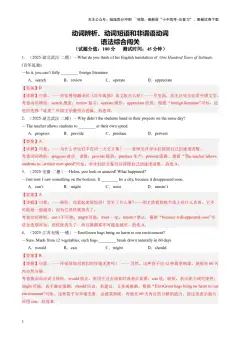
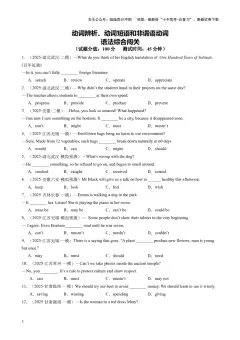
🏆 当堂过关专项训练(20题全真突破 + 逐题解析)
一、选词填空(从方框中选出合适短语并用其正确形式填空)
【备选短语】look up / put off / be used to / pick up / came up with / catch up with / hear from / cheer up / run out of / hand in
1. If you don't know the new word, please ________ it ________ in the dictionary.
✅ 答案:look; up 💡 解析:祈使句用动词原形。look up 为“查阅”,代词 it 必须居中。
2. The sports meeting was ________ ________ because of the heavy rain yesterday.
✅ 答案:put off 💡 解析:被动语态 was + 过去分词 put off,表示运动会“被推迟”。
3. He used to hate sports, but now he ________ ________ ________ jogging every morning.
✅ 答案:is used to 💡 解析:now 提示现在的状态,be used to doing 习惯于做某事,后接 jogging。
4. Could you please ________ me ________ at the airport at 8:00 tomorrow?
✅ 答案:pick; up 💡 解析:pick sb up 表示“开车接某人”,代词 me 放中间。
5. Who ________ ________ ________ the great idea of starting a reading club last week?
✅ 答案:came up with 💡 解析:last week 提示用一般过去时 came up with,表示“想出好主意”。
6. Don't worry! If you keep working hard, you will ________ ________ ________ your classmates soon.
✅ 答案:catch up with 💡 解析:will 后接动词原形 catch up with,表示落后追赶并“赶上同班同学”。
7. I am really looking forward to ________ ________ you as soon as possible.
✅ 答案:hearing from 💡 解析:look forward to 中 to 为介词,接动名词 hearing from,表示“收到你的来信”。
8. Let's make a fruit cake to ________ ________ the little boy who is crying.
✅ 答案:cheer up 💡 解析:不定式 to 后接动词原形 cheer up,表示“使……振作/高兴起来”。
9. We must hurry up because our car has ________ ________ ________ petrol (汽油).
✅ 答案:run out of 💡 解析:现在完成时 has + 过去分词 run out of,主语是 our car(此处指车上的人消耗掉了汽油),后接宾语 petrol。
10. Students are required to ________ ________ their homework on time every day.
✅ 答案:hand in 💡 解析:be required to do sth 要求做某事,接动词原形 hand in 表示“按时交作业”。
二、根据汉语完成句子(每空一词或按括号要求翻译)
11. 我非常期待在即将到来的夏令营里见到你。(look forward to) I'm looking forward to ________ you at the coming summer camp.
✅ 答案:seeing 💡 解析:look forward to doing sth,to 是介词,后接 see 的动名词形式 seeing。
12. 离开教室之前,请务必确保关掉所有灯。(make sure / turn off) ________ ________ you ________ ________ all the lights before leaving.
✅ 答案:Make sure; turn off 💡 解析:祈使句 Make sure + that 从句;关灯用 turn off。
13. 这项重要的英语演讲比赛将在下周五举行。(take place) The important English speech competition will ________ ________ next Friday.
✅ 答案:take place 💡 解析:will 后接动词原形 take place;take place 无被动语态,不可写成 will be taken place。
14. 他去年戒烟了,而且从此再也没熬过夜。(give up / stay up) He ________ ________ smoking last year and never ________ ________ late.
✅ 答案:gave up; stayed up 💡 解析:根据 last year 判定两处动词均使用一般过去时:gave up 和 stayed up。
15. 老师经常指出我们在发音上的错误。(point out) The teacher often ________ ________ our mistakes in pronunciation.
✅ 答案:points out 💡 解析:often 表示经常性动作,主语 the teacher 为第三人称单数,动词加 -s 写作 points out。
三、中考真题单项选择(直击中考考点)
16. — The dictionary is so useful. Where did you buy it?— Oh, I didn't buy it. My uncle ________ to me as a birthday present. A. gave it up B. gave it away C. gave it out D. gave it in
✅ 答案:B. gave it away 💡 解析:give away 赠送/捐赠;give up 放弃;give out 分发;give in 屈服。句意为叔叔作为生日礼物送给我。代词 it 居中。
17. — Jack, remember to ________ the lights when you leave the classroom.— OK, I won't forget. A. close B. turn off C. take off D. put off
✅ 答案:B. turn off 💡 解析:关灯、电器用 turn off;close 针对门窗;take off 为脱下/起飞;put off 为推迟。
18. — Why are you in such a hurry, Linda?— The plane will ________ in thirty minutes. I must get to the airport now. A. take off B. put on C. get off D. turn on
✅ 答案:A. take off 💡 解析:飞机“起飞”用 take off。put on 穿上;get off 下车;turn on 打开电器。
19. — I find it hard to ________ with Tony. He is always changing his mind.— Just give him some time. A. catch up B. get along C. come up D. stay up
✅ 答案:B. get along 💡 解析:get along (well) with sb 与某人相处。catch up with 赶上;come up with 想出;stay up 熬夜。
20. — We should do something to save energy.— Exactly! For example, we shouldn't ________ the tap running after washing hands. A. leave B. take C. make D. keep
✅ 答案:A. leave 💡 解析:leave the tap running 表示“任凭水龙头一直流着(不关)”,leave + 宾语 + 宾补(形容词/分词)表示“使处于某种状态”。考查熟词生义与短语搭配。
声明:素材源于网络,经整理分享,仅供交流学习,未经同意,禁止商用、转载或修改,特此说明!