ARTICLE · 1261325
grammar系列9——高中英语语法 非谓语动词Non-finite verbs作状语 Adverbial

一、示例:
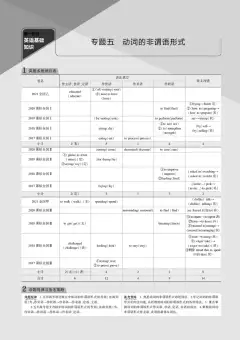
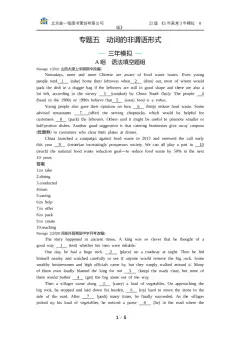
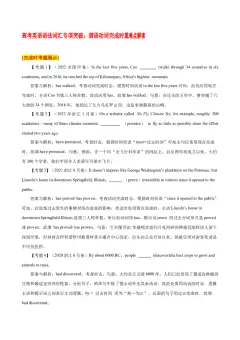
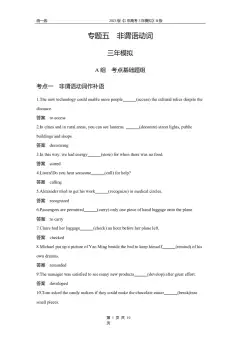
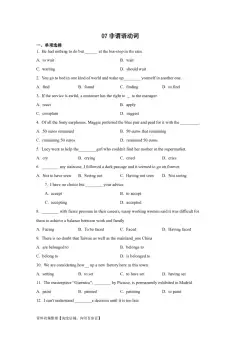
为了让表达更流畅,更简洁,有些从句以“非谓语动词”充当完整的句子成分,今天我们需要了解的是非谓语动词(to do,doing,done)作状语(Adverbial)的知识,首先看几个句子:
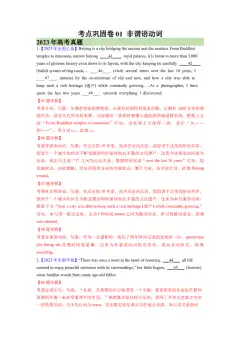
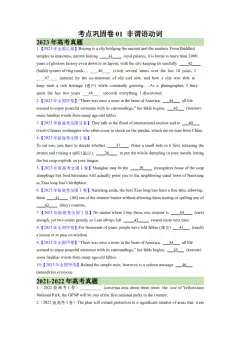
① Having realizedthe seriousness of global warming, many countries are taking action to cut carbon emissions.(having done 主动先发生,现在分词充当原因状语成分)
② Seen from space, the Earth looks like a blue jewel covered with oceans.(done 被动,过去分词作时间 / 条件状语)
③ To protectusers’ privacy, many apps are upgrading their safety systems.(to do 作目的状语)
二、概念解释:
1. 什么是非谓语动词?
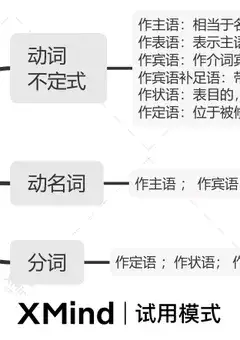
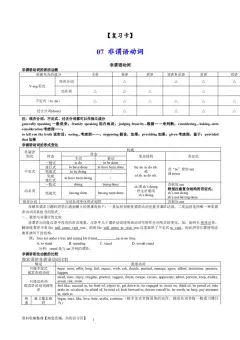
三种形式:to do / doing / done
形式 | 含义 | 逻辑关系 | 常用功能 |
to do | 要去做(将来) | 主动 | 目的、结果(出乎意料)、原因(情绪形容词后) |
doing | 正在做/ 经常做 | 主动 | 伴随、时间、原因、条件、让步;动作和主句同步 |
done | 被做完 | 被动 | 时间、原因、条件、让步;动作先发生、表被动 |
2.什么是状语?什么是状语从句?
状语:用来修饰动词、形容词、副词,或者修饰整个句子,交代动作的【时间、地点、原因、方式、条件、让步、目的、结果、程度】等信息的成分。例如:
① He runs fast. fast 状语,修饰动词 runs → 跑得怎么样(程度/ 方式)
② He will arrive tomorrow. tomorrow 状语 → 什么时候到
③ We study in the classroom. in the classroom 状语 → 在哪里学习
④ To protect the environment, we choose public transport. To protect the environment 状语 → 为什么(目的)
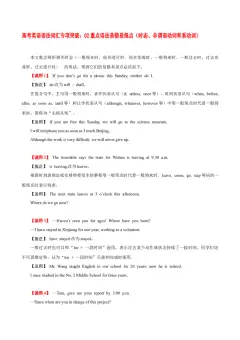
状语从句= 从句作状语,修饰主句里的动词、形容词、副词或者整个主句,说明:时间、地点、原因、条件、让步、目的、结果、比较、方式,状语从句在主从句主语一致的情况下,可以简化为 非谓语动词形式。状语从句在主从句主语一致的情况下,可以简化为 非谓语动词形式。例如:
① When spring comes, the ice melts. 春天到来时,冰雪消融。(时间状语从句)
② Plant trees where there is plenty of sunshine. 在阳光充足的地方种树。(地点状语)
③ He stayed homebecause he was ill. 他待在家里,因为生病了。(原因状语)
④ You will succeed if you keep trying. 如果你坚持尝试,就会成功。(条件状语)
⑤ Although it is cold, the explorers continue their work. 尽管天气寒冷,探险者们继续工作。(让步状语)
⑥ He takes notes so that he won’t forget. 他记笔记免得忘记。(目的状语)
⑦ It was so cold that the water froze. 天太冷,水都结冰了。(结果状语)
⑧ He runs faster than I(do). 他跑得比我快。(比较状语)
⑨ Do as I told you.照我说的做。(方式状语)
三、详细分析:
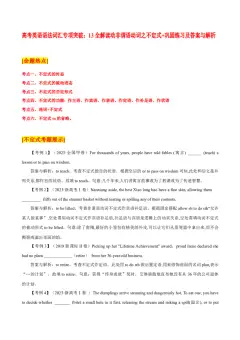
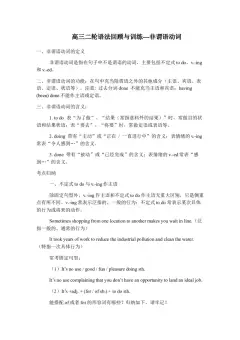
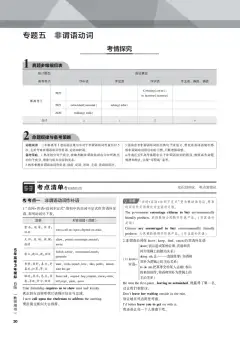
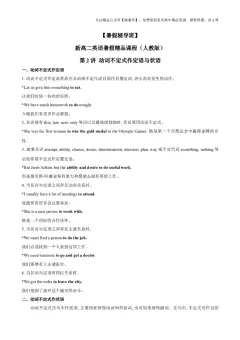
1. to do(不定式 )作状语
规则:一般表示目的,结果,将来
To protectusers’ privacy, many apps are upgrading their safety systems.为了保护用户的隐私,很多app都升级了安保系统。(To protect...作目的状语)
To catch the early bus, he got up early. 为赶上早班车,他早起了。(to catch..作目的状语)
He hurried to the station, only to find the train had left. 他赶到车站,结果发现火车已经开走。(only to find ...作结果状语)
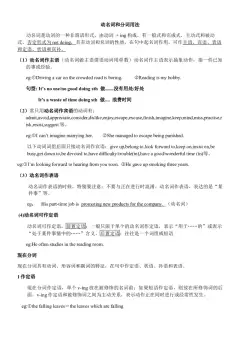
2. doing(现在分词)作状语
规则:逻辑主语= 主句主语,主动关系,动作大多和主句同时发生
时间状语:Walking along the street, I saw many flowers.
原因状语:Being ill, he didn’t go to school.
伴随状语:He sat there, reading a book.
伴随状语:The rain lasted a week, causing serious flood.
...
3. done(过去分词)作状语
① 使用规则:逻辑主语= 主句主语,被动关系
Seen from the top, the park looks beautiful. 从山顶看,公园很美。(park “被看”) having been done 被动 + 动作先完成(强调先后),例如:
Having been told many times, he still made the mistake.被多次告知,他仍然犯错误。(先多次被告知,后仍然犯错误,强调明显的先后顺序)
3.与状语从句的关系
主从句主语一致时,状语从句可以简化为分词做状语的形式,例如:
① While he was travelling in Antarctica, he took many photos. = (While) travelling in Antarctica, he took many photos.(时间状语,主从句主语都是he)
② As he knew the danger, he prepared well. = Knowing the danger, he prepared well.(原因状语,主从句主语都是he)
③ Because the weather was terrible, we put off the trip.不能改成:Being terrible, we put off the trip.(原因状语从句,从句主语weather,主句主语we,主语不一致,不能直接用现在分词表示)
4.时态、语态
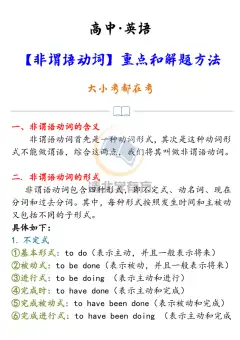
形式 | 主动 | 被动 | 时间含义(相对于主句动词) |
一般式 | to do | to be done | 后于/ 同时 |
进行式 | to be doing | — | 和主句动作同时进行 |
完成式 | to have done | to have been done | 先于主句动作 |
现在分词一般式 | doing | being done | 同时发生 |
现在分词完成式 | having done | having been done | 先于主句动作 |
过去分词 | — | done | 被动、已完成 |
常见用法如下(判断主动被动关系+动作时间+动作先后,确认表达形式)
① having done主动,先做完,再发生主句动作Having collectedenough data, he wrote the paper.(先收集,再写论文)
② being done被动,同步(很少作状语,多用于定语)The house being builtis a museum.(正在被建造)
③ having been done被动,先被做完Having been warnedmany times, he still made mistakes.(先被警告,之后还犯错)
④ to be done(一般被动)将要被… The meeting is to be heldtomorrow.
⑤ to be doing(进行主动)正在(和主句同步)He seems to be thinkingabout the plan.
⑥ to have done(完成主动)已经做完(早于主句)He is glad to have finishedthe task.(先完成,再感到开心)
5.否定式
not 放在非谓语动词的最前面,not to do/not doing / not having done/not having been done...例如:
Not knowinghim, I can’t tell you about him.
Not having receivedthe letter, he felt worried.
Not to belate, she took a taxi.
Not being noticed, he slipped out.
Not having been informed, she missed the meeting.
四、非谓语动词做状语知识总结:
形式 | 关系 | 时间特点 | 主要功能(做状语) |
to do | 主动 | 后于主句动作 | 目的、出乎意料的结果、情绪形容词后原因 |
doing | 主动 | 和主句同步发生 | 时间、原因、条件、让步、伴随、自然而然的结果 |
having done | 主动 | 先于主句动作 | 时间、原因(强调动作先后) |
done | 被动 | 已完成 | 时间、原因、条件、让步 |
having been done | 被动 | 先被完成 | 时间、原因(强烈强调先后;多数情况可直接用done 替代) |
being done | 被动 | 同步正在被… | 极少作状语,多用于定语 |
好了,今天一篇文章将三种非谓语动词做状语融合在一篇文章里,内容比较多,欢迎大家收藏转发,互相讨论!