专题 07 高频词汇 1
目 录
01 挑战真题·查知识漏洞
02 回顾教材·补知识漏洞
回顾知识体系
回顾核心考点
易混易错归纳
03 知识通关演练
(2023年全国统一高考英语试卷(新高考Ⅰ)On March 7,1907,the English statistician Francis
Galton published a paper which illustrated what has come to be known as the "wisdom of crowds"
effect.The experiment of estimation he conducted showed that in some cases,the average of a
large number of independent estimates could be quite accurate.
This effect capitalizes on the fact that when people make errors,those errors aren't always the
same.Some people will tend to overestimate,and come to underestimate.When enough of these
errors are averaged together,they cancel each other out,resulting in a more accurate estimate.If
people are similar and tend to make the same errors,then their errors won't cancel each other
out.In more technical terms , the wisdom of crowds requires that people's estimates be
independent.If for whatever reasons,people's errors become correlated or dependent,the
accuracy of the estimate will go down.
But a new study led by Joaquin Navajas offered an interesting twist (转折) on this classic
phenomenon.The key finding of the study was that when crowds were further divided into smallergroups that were allowed to have a discussion,the averages from these groups were more
accurate than those from an equal number of independent individuals.For instance,the average
obtained from the estimates of four discussion groups of five was significantly more accurate than
the average obtained from 20 independent individuals.
In a follow-up study with 100 university students,the researchers tried to get a better sense of
what the group members actually did in their discussion.Did they tend to go with those most
confident about their estimates?Did they follow those least willing to change their minds?This
happened some of the time,but it wasn't the dominant response.Most frequently,the groups
reported that they "shared arguments and reasoned together." Somehow,these arguments and
reasoning resulted in a global reduction in error.
Although the studies led by Navajas have limitations and many questions remain,the potential
implications for group discussion and decision-making are enormous.
1.What is paragraph 2 of the text mainly about? ______
A. The methods of estimation.
B. The underlying logic of the effect.
C. The causes of people's errors.
D. The design of Galton's experiment.
2.Navajas' study found that the average accuracy could increase even if ______
A. the crowds were relatively small
B. there were occasional underestimates
C. individuals did not communicate
D. estimates were not fully independent
3.What did the follow-up study focus on? ______
A. The size of the groups. B. The dominant members
C. The discussion process. D. The individual estimates.
4.What is the author's attitude toward Navajas' studies? ______
A. Unclear. B. Dismissive. C. Doubtful. D. Approving.
回顾核心考点
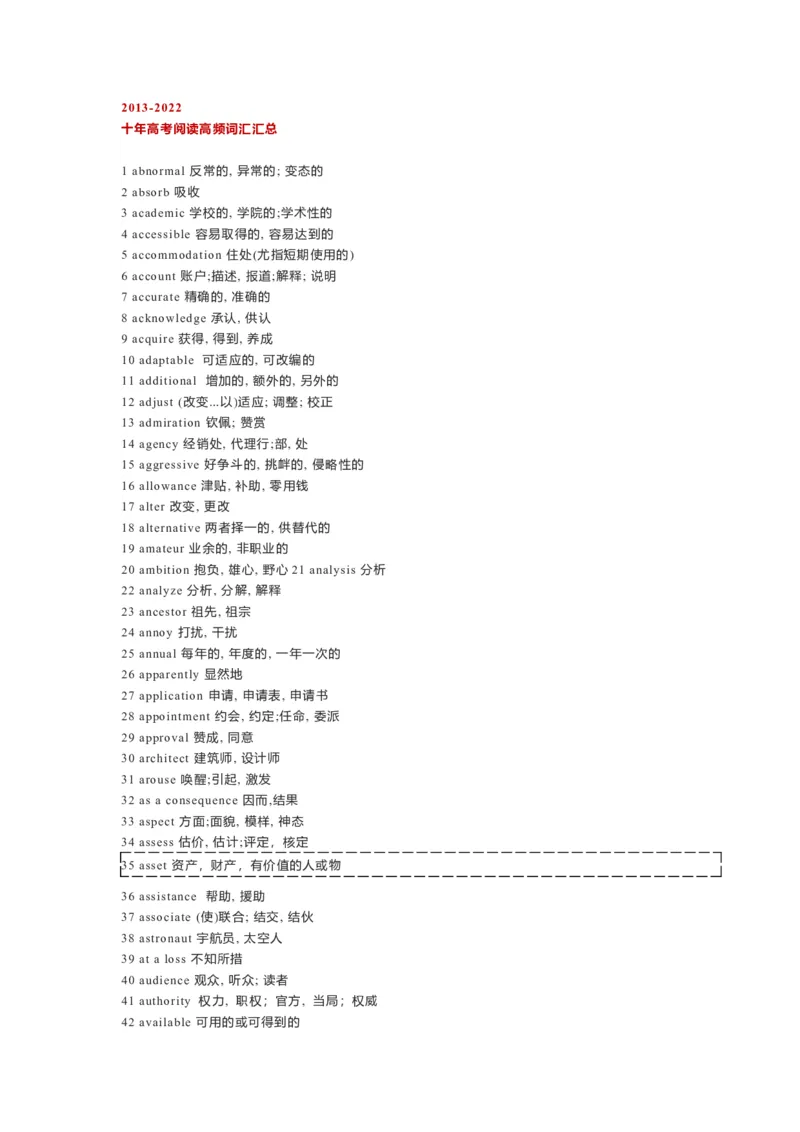
考点一2013-2022
十年高考阅读高频词汇汇总
1 abnormal 反常的, 异常的; 变态的
2 absorb 吸收
3 academic 学校的, 学院的;学术性的
4 accessible 容易取得的, 容易达到的
5 accommodation 住处(尤指短期使用的)
6 account 账户;描述, 报道;解释; 说明
7 accurate 精确的, 准确的
8 acknowledge 承认, 供认
9 acquire 获得, 得到, 养成
10 adaptable 可适应的, 可改编的
11 additional 增加的, 额外的, 另外的
12 adjust (改变…以)适应; 调整; 校正
13 admiration 钦佩; 赞赏
14 agency 经销处, 代理行;部, 处
15 aggressive 好争斗的, 挑衅的, 侵略性的
16 allowance 津贴, 补助, 零用钱
17 alter 改变, 更改
18 alternative 两者择一的, 供替代的
19 amateur 业余的, 非职业的
20 ambition 抱负, 雄心, 野心21 analysis 分析
22 analyze 分析, 分解, 解释
23 ancestor 祖先, 祖宗
24 annoy 打扰, 干扰
25 annual 每年的, 年度的, 一年一次的
26 apparently 显然地
27 application 申请, 申请表, 申请书
28 appointment 约会, 约定;任命, 委派
29 approval 赞成, 同意
30 architect 建筑师, 设计师
31 arouse 唤醒;引起, 激发
32 as a consequence 因而,结果
33 aspect 方面;面貌, 模样, 神态
34 assess 估价, 估计;评定,核定
35 asset 资产,财产,有价值的人或物
36 assistance 帮助, 援助
37 associate (使)联合; 结交, 结伙
38 astronaut 宇航员, 太空人
39 at a loss 不知所措
40 audience 观众, 听众; 读者
41 authority 权力, 职权;官方, 当局;权威
42 available 可用的或可得到的43 ban 取缔, 查封, 禁止;禁止, 禁令
44 barrier 栅栏,障碍, 隔阂
45 block 街区, 街段;大块;障碍(物)
46 breed 生育; 繁殖;饲养, 培养
47 budget 预算; 政府预算案
48 by design 故意地; 蓄意地
49 calculate 计算, 估计
50 calorie 卡路里, 卡(热量单位)
51 campaign 运动;战役
52 cautious 小心的, 谨慎的
53 channel 海峡;通道; 水沟, 水渠
54 characteristics 特有的, 典型的
55 charity 慈爱, 仁慈; 救济金
56 chase 追捕, 追逐
57 circulate (使)循环, (使)流通
58 circumstance 环境, 条件, 情况
59 civilization 文明, 文化
60 clue 线索, 提示
61 column 栏, 专栏(文章)
62 combination 联合体, 组合物
63 comment 评论, 意见, 解释, 批评
64 commercial 商业的, 商务的
65 community 社区, 社会, 团体;大众, 公众
66 complaint 抱怨, 诉苦;投诉, 控告
67 complicated 结构复杂的
68 composer (尤指古典音乐)作曲家
69 concentration 专心, 专注
70 concept 概念; 观念; 想法
71 confess 承认, 供认
72 conflict 冲突, 抵触, 争论
73 conscious 神志清醒的
74 consequence 结果, 后果
75 considerable 相当大(或多)的
76 constantly 不变地,经常地,坚持不懈地
77 consume 消耗, 消费, 耗尽
78 convince 使相信; 使明白
79 cooperation 合作
80 count 有价值, 有重要意义;认为, 看作
81 cover 涉及, 包含;控制, 支配
82 crash (使)猛撞, (使)撞毁
83 creativity 创造力,创造
84 credit 借款; 贷款
85 criminal 刑事的, 犯罪的
86 data 资料, 材料87 decline 下降, 减少, 衰退
88 decoration 装饰, 装潢
89 defend 辩护; 辩解
90 define 精确地解释; 界定
91 deliver 递送, 交付
92 demonstrate 论证, 证明
93 description 描述, 形容
94 desert 舍弃, 遗弃
95 deserve 应受, 应得, 值得
96 desirable 可取的, 值得拥有的, 合意的
97 destructive 破坏性的, 毁灭性的
98 device 装置, 设备, 器具
99 discipline 训练, 训导;处罚, 惩罚
100 dismiss 使退去; 解散
101 distinction 区别, 明显差别, 特征
102 distribute 散发; 散播; 分布
103 document 公文, 文件, 文献
104 domestic 本国的, 国内的; 家用的;驯养的
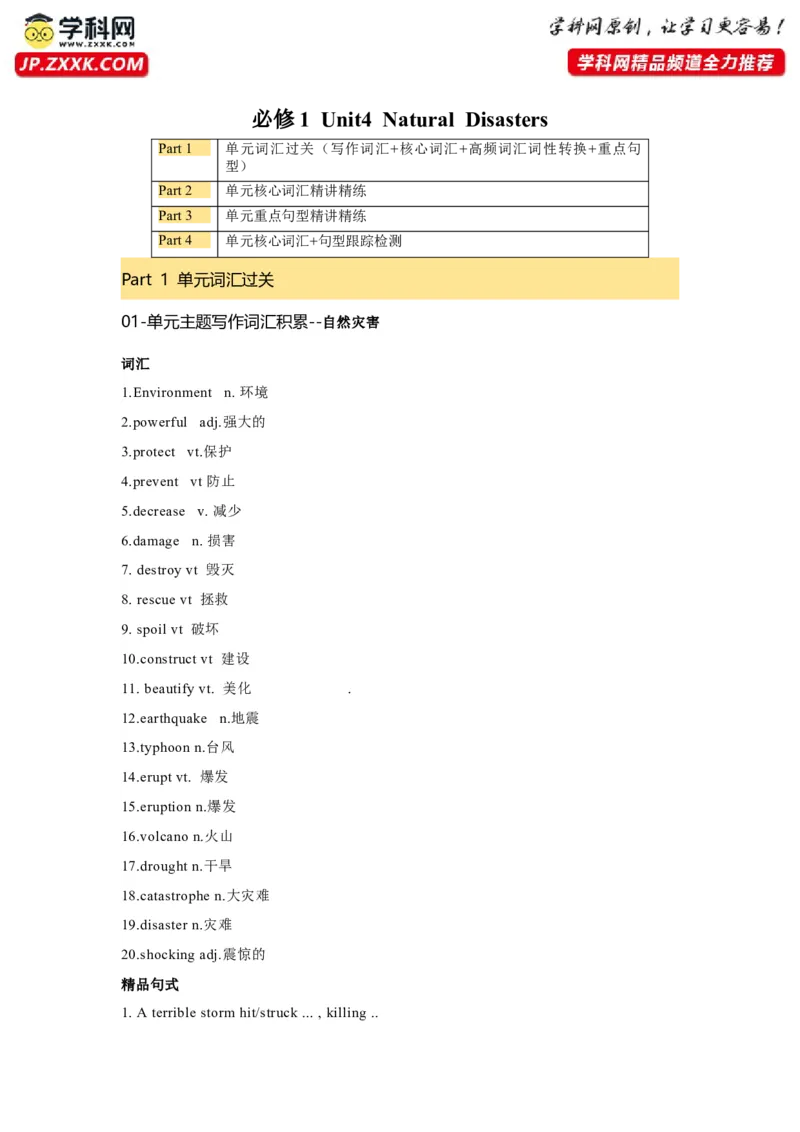
105 drought 干旱(时期)
106 ecosystem 生态系统
107 efficient 有能力的, 效率高的
108 element 要素;基础, 纲要, 原理
109 embarrass (使)窘迫; (使)局促不安
110 emergency紧急情况, 不测事件, 非常时刻
111 emotion 情感, 感情, 激情
112 emphasis 强调, 重点
113 endure 忍受, 忍耐, 容忍
114 enrich 使富有, 使富裕
115 entertain 款待, 招待
116 enthusiastic 满腔热情的,极感兴趣的
117 entirely 全部地, 整体地
118 essential 必不可少的, 绝对必要的
119 establish 建立, 成立
120 estimate 估计, 估价
121 evaluation 估价,评价,赋值
122 evaporate (使某物)蒸发掉
123 eventually 终于, 最后
124 evidence 证词; 证据; 迹象
125 exception 例外
126 exhausted 疲倦地
127 expense 消耗, 花费
128 explore 勘查, 探测, 勘探
129 export 出口, 输出
130 extent 长度, 面积, 范围131 extinguish 使熄灭, 扑灭
132 extremely 极端; 极其; 非常
133 facial 面孔的; 面部用的
134 facility 设备, 设施
135 factor 因素, 要素
136 fasten 系紧, 拴牢
137 figure 数字;图表; 图案;画像, 肖像
138 finance 财政, 金融
139 flexible 灵活的, 可变通的;柔韧的
140 frame 框架
141 funeral 葬礼, 丧礼
142 garage 车库;汽车修理站; 加油站
143 grateful 感激的, 感谢的
144 guarantee 保证; 担保
145 guilty 内疚的
146 habitat (动物的)栖息地, 住处
147 handle 处理, 应付, 对待;手柄, 把手
148 hesitate 犹豫; 踌躇
149 historian 历史学家, 史学工作者
150 hospitality 殷勤, 好客
151 identity 身份
152 ignore 不顾, 不理, 忽视
153 illegal 不合法的, 违法的
154 illustration 插图, 图表, 图案;例证, 实例
155 imitate 模仿
156 immigrant 移民
157 implication 含义, 暗示, 暗指,卷入, 牵连
158 incredible 不能相信的, 不可信的
159 independent 独立的, 自主的, 自立的
160 indicate 标示, 指示, 指出
161 inhabit 居住于, 栖居于
162 inspiration 灵感;鼓舞人心的人[事物]
163 instructive 有益的, 供给知识的, 教育的
164 instructor 指导者, 教师
165 insurance 保险
166 intelligent 聪明的; 理解力强的
167 interact 相互作用[影响], 互相配合
168 interactive 一起活动或互相合作的
169 interfere 干预; 调停;妨碍
170 invaluable 无法估计的, 非常宝贵的
171 invest 投资; 花费
172 investigator 调查者; 审查者
173 involve 使参与, 牵涉
174 isolation 隔离, 与世隔绝175 kindergarten 幼儿园
176 landscape 风景, 景色
177 layer 层, 层次
178 license 批准, 许可, 颁发执照
179 maintain 保持; 继续;坚持; 主张
180 manufacturer 制造商, 制造厂
181 mathematical 数学的, 数学上的;精确的
182 maximum 最大值的, 最大量的
183 meanwhile 同时; 其间
184 memorize 记住, 熟记
185 mental 精神的, 头脑的, 心理的
186 merely 仅仅, 只不过
187 migrate 迁移; 移往
188 motivate 作为…的动机; 激发; 诱发
189 negative 消极的, 非建设性的
190 neglect 疏忽; 忽略; 遗漏
191 nevertheless 仍然, 然而, 不过
192 objective 客观的; 不带偏见的
193 occasional 偶尔的, 不经常的
194 optimistic 乐观的, 乐观主义的
195 original 起初的; 原来的
196 overcome 战胜; 克服
197 overwhelming 势不可挡的,巨大的
198 panic 恐慌, 惊慌, 慌乱
199 participant 参加者, 参与者
200 passive 被动的; 消极的; 不抵抗的
201 peculiar 奇怪的, 异常的
202 permanent 永久(性)的, 固定的
203 persuasive 能说服的; 善于游说的
204 physically 身体上地;健康地
205 potential 潜在的, 有可能的
206 preserve 保护
207 privacy 私事, 隐私
208 profit 利润, 收益, 赢利
209 prohibite 禁止; 阻止
210 promote 提升, 提拔
211 prosperity 兴旺, 繁荣
212 psychologist 心理学研究者; 心理学家
213 purchase 购买
214 rarely 不常, 很少地, 难得地
215 reaction 反应; 回应
216 realistic 现实的, 实际可行的; 现实主义的
217 recognition 认识; 认出; 承认
218 register 记录; 登记; 注册219 relatively 相关地
220 release 发布; 发行; 发售
221 relevant 有关的, 切题的
222 reliable 可靠的, 可信赖的
223 remark 话语, 评论
224 reputation 名气, 名声, 名誉
225 rescue 营救, 救援
226 reservation 预订;保留意见; 保留态度
227 resist 抵抗; 对抗
228 resolve 决定; 决心
229 resume 履历
230 rhythm 节奏, 韵律
231 schedule 时间表, 日程安排表;清单
232 scholarship 奖学金
233 scratch 抓, 搔
234 security 安全
235 sensitive 易受影响的; 敏感的
236 shorten 弄短, 缩短
237 signal 信号, 暗号
238 significant 重要的, 重大的, 可观的
239 slightly 轻微地, 微不足道地
240 smoothly 顺利地、光滑地
241 source 发源地、出处
242 specialize 专门从事, 专攻
243 species 物种, 种
244 specific 明确的, 确切的, 详尽的
245 splendid 壮丽的; 辉煌的
246 standard 标准, 水准, 规范
247 state 陈述; 敘述
248 statististcs 数据
249 status 情形, 状况
250 stimulate 刺激; 激励
251 sting 螫伤; 刺伤
252 strategy 战略, 策略
253 strengthen 加强, 巩固
254 stretch 伸展; 拉紧
255 studio 播音室; 录音室
256 substitute 代替, 替换, 代用
257 supervisor 监督者, 管理者
258 survey 眺望; 纵览
259 survive 幸存, 活下来
260 suspect 怀疑; 不信任
261 suspicious 猜疑的, 疑心的
262 symbol 象征, 标志263 sympathize 同情, 支持
264 symptom 症状;征兆
265 talkative 健谈的; 多嘴的; 喜欢说话的
266 tame 驯服的, 温顺的
267 temporary 临时的, 暂时的, 短时间的
268 tendency 倾向, 趋势
269 threaten 恐吓, 威胁
270 timely 适时的; 合时宜的
271 tolerance 宽容, 容忍
272 traffic jam 塞车,交通拥塞
273 tragedy 惨事, 灾难
274 trap 困住, 使陷入绝境
275 tuition 学费
276 unbearable 难以忍受的; 不能忍受的
277 unconscious 失去知觉的
278 uniform 制服
279 unique 独一无二的, 仅有的, 惟一的
280 universal 广泛的, 普遍的
281 update 更新; 使现代化
282 vary (使)变化, 改变
283 vehicle 交通工具, 车辆
284 victim 牺牲者, 受害者, 受灾者
285 vital 极重要的, 必不可少的
286 vitamin 维生素
287 volcanoe 火山
288 volunteer 自动提供, 自愿效劳
289 welfare 健康, 幸福, 繁荣,福利
290 withdraw 取[收]回,(使)撤退[出]
考点二
十年高考(2014-2023)阅读超高频词词汇表 (话题分类,含音标)
教育与学术:
1.academic /ækəˈdɛm.ɪk/ (adj) 学术的
2.accessible /əkˈsɛs.əbəl/ (adj) 可接近的,易获得的
3.accommodation /əˌkɒməˈdeɪʃən/ (n) 住宿
4.account /əˈkaʊnt/ (n) 账户;解释
5.acquire /əˈkwaɪər/ (v) 获得,学到
6.analyze /ˈæn.əˌlaɪz/ (v) 分析
7.analysis /əˈnæl.əsɪs/ (n) 分析
8.amateur /ˈæməˌtyər/ (n) 业余爱好者
9.ambition /æmˈbɪʃ.ən/ (n) 雄心,抱负10.asset /ˈæs.ɛt/ (n) 资产,优点
11.aspect /ˈæs.pɛkt/ (n) 方面
12.associate /əˈsoʊ.ʃieɪt/ (v) 联系;(n) 同事
个人与社会:
13.abnormal /æbˈnɔːrməl/ (adj) 异常的
14.aggressive /əˈɡrɛs.ɪv/ (adj) 侵略性的
15.allowance /əˈlaʊ.əns/ (n) 津贴
16.alter /ˈɔːltər/ (v) 改变,修改
17.alternative /ɔːlˈtɜːr.nə.tɪv/ (adj) 供选择的
18.annual /ˈæn.juəl/ (adj) 每年的
19.apparent /əˈpær.ənt/ (adj) 显然的
20.approval /əˈpruːv.əl/ (n) 批准,认可
21.application /ˌæp.lɪˈkeɪ.ʃən/ (n) 申请
22.appointment /əˈpɔɪnt.mənt/ (n) 约会,任命
23.architect /ˈɑːrkɪtect/ (n) 建筑师
24.astronaut /ˈæstrəˌnɔːt/ (n) 宇航员
25.audience /ˈɔːd.ɪəns/ (n) 观众
情感与行为:
26.admiration /ˌæd.məˈreɪ.ʃən/ (n) 钦佩,赞美
27.admire /ədˈmaɪr/ (v) 钦佩
28.annoy /əˈnɔɪ/ (v) 使恼怒
29.arouse /əˈraʊz/ (v) 唤醒,引起
30.as a consequence /əz ə kənˈsɛkwəns/ (phr) 因此
31.at a loss /æt ə lɒs/ (phr) 茫然,困惑
物质与环境:
32.absorb /əbˈsɔːrb/ (v) 吸收
33.additional /ˌæd.ɪˈʃən.əl/ (adj) 附加的
34.adjust /əˈdʒʌst/ (v) 调整
35.accommodation /əˌkɒməˈdeɪʃən/ (n) 住处
36.account /əˈkaʊnt/ (n) 账户;描述
37.accurate /ˈæk.jərɪt/ (adj) 准确的
38.acknowledge /əkˈnɔl.ɪdʒ/ (v) 承认
39.acquire /əˈkwaɪər/ (v) 获得,习得
40.adaptable /əˈdæpt.əbəl/ (adj) 适应能力强的
41.asset /ˈæs.ɛt/ (n) 资产,有用的东西
42.assistance /əˈsɪst.əns/ (n) 帮助,协助
政治与权力:
43.authority /ɔːˈθɒr.ɪ.ti/ (n) 权威
44.ban /bæn/ (v) 禁止社会与文化:
45.available /əˈveɪ.lə.bəl/ (adj) 可用的
46.barrier /ˈbæri.ər/ (n) 障碍
47.breed /briːd/ (v) 繁殖
48.campaign /kæmˈpæɪn/ (n) 运动
49.charity /ˈtʃær.ɪ.ti/ (n) 慈善
50.civilization /ˌsɪv.ələˈzeɪ.ʃən/ (n) 文明
51.community /kəˈmjuː.nɪ.ti/ (n) 社区
52.complaint /kəmˈpleɪnt/ (n) 抱怨
53.conflict /ˈkɒn.flɪkt/ (n) 冲突
54.cooperation /kəʊˌɒp.əˈreɪ.ʃən/ (n) 合作
经济与商业:
55.budget /ˈbʌd.ʒɪt/ (n) 预算
56.by design /baɪ dɪˈzaɪn/ (phr) 故意地
57.commercial /kəˈmɜː.ʃəl/ (adj) 商业的
58.consume /kənˈsjuːm/ (v) 消耗
法律与秩序:
59.ban /bæn/ (v) 禁止
60.chase /tʃeɪs/ (v) 追逐
传播与信息:
61.channel /ˈtʃæn.əl/ (n) 频道
62.characteristics /ˌkær.ɪktəˈrɪst.ɪks/ (n) 特征
63.clue /kluː/ (n) 线索
64.comment /ˈkɒment/ (n) 评论
65.column /ˈkɒl.əm/ (n) 专栏
66.combination /ˌkɒmbɪˈneɪ.ʃən/ (n) 组合
67.news /njuːz/ (n) 新闻
科学与健康:
68.calculate /ˈkælk.jʊ.leɪt/ (v) 计算
69.calorie /ˈkæl.ə.ri/ (n) 卡路里
70.circulate /ˈsɜːk.jʊ.leɪt/ (v) 循环
71.circumstance /ˈsɜːk.əmstəns/ (n) 环境
72.concentration /ˌkɒns.ənˈtreɪ.ʃən/ (n) 浓度
73.concept /ˈkɒnsept/ (n) 概念
艺术与音乐:
74.composer /kəmˈpəʊzər/ (n) 作曲家
75.music /ˈmjuːz.ɪk/ (n) 音乐个人行为与心理:
76.available /əˈveɪ.lə.bəl/ (adj) 可用的
77.cautious /ˈkɔː.ʃəs/ (adj) 谨慎的
78.chase /tʃeɪs/ (v) 追逐
79.conscious /ˈkɒn.ʃəs/ (adj) 有意识的
80.confess /kənˈfɛs/ (v) 承认
81.consequence /ˈkɒnsɪkwəns/ (n) 后果
82.considerable /kənˈsɪd.ər.ə.bəl/ (adj) 相当的
83.constantly /ˈkɒns.tən.tli/ (adv) 不断地
84.convince /kənˈvɪns/ (v) 说服
85.conflict /ˈkɒn.flɪkt/ (n) 冲突
86.consume /kənˈsjuːm/ (v) 消耗
Day 3
媒体与传播:
87.cover /ˈkʌv.ər/ (v) 覆盖
88.data /ˈdeɪ.tə/ (n) 数据
89.document /ˈdɒk.jʊ.mənt/ (n) 文件
90.news /njuːz/ (n) 新闻
科学与技术:
91.crash /kræʃ/ (v) 崩溃
92.creativity /ˌkriː.eɪˈtɪv.ə.ti/ (n) 创造力
93.device /dɪˈvaɪs/ (n) 设备
94.discipline /ˈdɪs.ɪplɪn/ (n) 纪律
95.efficient /ɪˈfɪʃ.ənt/ (adj) 高效的
96.element /ˈɛl.əmənt/ (n) 元素
97.ecosystem /ˈiː.koʊ.sɪst.əm/ (n) 生态系统
98.drought /draʊt/ (n) 干旱
99.emergency /ɪˈmɜː.dʒən.si/ (n) 紧急情况
100.estimate /ˈɛst.ɪmeɪt/ (v) 估计
经济与商业:
101.credit /ˈkre.dɪt/ (n) 信用
102.decline /dɪˈklaɪn/ (v) 下降
103.deliver /dɪˈlɪv.ər/ (v) 交付
104.distribute /dɪˈtrɪb.jʊt/ (v) 分发
105.domestic /dəˈmɛst.ɪk/ (adj) 国内的
法律与秩序:
106.criminal /ˈkrɪm.ɪnəl/ (adj) 犯罪的
107.defend /dɪˈfɛnd/ (v) 防御
108.dismiss /dɪsˈmɪs/ (v) 解散109.distinction /dɪˈstɪŋk.ʃən/ (n) 区别
110.emphasis /ˈɛm.fəs.ɪs/ (n) 强调
社会问题与环境:
111.destructive /dɪˈstrʌkt.ɪv/ (adj) 破坏性的
112.desirable /dɪˈzaɪ.ər.əbəl/ (adj) 可取的
113.desert /ˈdez.ərt/ (n) 沙漠
114.deserve /dɪˈzɜːrv/ (v) 应得
115.discipline /ˈdɪs.ɪplɪn/ (n) 纪律
116.embarrass /ɪmˈbær.əs/ (v) 尴尬
117.emotion /ɪˈmoʊ.ʃən/ (n) 情感
118.endure /ɪnˈdʊr/ (v) 忍受
119.enrich /ɪnˈrɪtʃ/ (v) 丰富
120.entertainment /ˌɛnt.əˈteɪn.mənt/ (n) 娱乐
121.enthusiastic /ɪnˌθuː.ziˈæst.ɪk/ (adj) 热情的
122.entirely /ɪnˈtaɪ.ər.li/ (adv) 完全地
123.essential /ɪˈsɛn.ʃəl/ (adj) 必要的
124.establish /ɪˈstæblɪʃ/ (v) 建立
个人行为与心理:
125.crash /kræʃ/ (v) 崩溃
126.creativity /ˌkriː.eɪˈtɪv.ə.ti/ (n) 创造力
127.defend /dɪˈfɛnd/ (v) 防御
128.define /dɪˈfaɪn/ (v) 定义
129.deliver /dɪˈlɪv.ər/ (v) 交付
130.demonstrate /ˈdem.ənstreɪt/ (v) 演示
131.describe /dɪˈskraɪb/ (v) 描述
132.deserve /dɪˈzɜːrv/ (v) 应得
133.discipline /ˈdɪs.ɪplɪn/ (n) 纪律
134.dismiss /dɪsˈmɪs/ (v) 解散
135.embarrass /ɪmˈbær.əs/ (v) 尴尬
136.emotion /ɪˈmoʊ.ʃən/ (n) 情感
137.emphasis /ˈɛm.fəs.ɪs/ (n) 强调
138.endure /ɪnˈdʊr/ (v) 忍受
139.enrich /ɪnˈrɪtʃ/ (v) 丰富
140.entertain /ˌɛnt.əˈteɪn.mənt/ (n) 娱乐
141.enthusiastic /ɪnˌθuː.ziˈæst.ɪk/ (adj) 热情的
142.entirely /ɪnˈtaɪ.ər.li/ (adv) 完全地
143.essential /ɪˈsɛn.ʃəl/ (adj) 必要的
144.establish /ɪˈstæblɪʃ/ (v) 建立
145.estimate /ˈɛst.ɪmeɪt/ (v) 估计
Day 4
政治与权力:
146.evaluation /ˌɛv.əˈlɛɪ.ʃən/ (n) 评估147.evidence /ˈɛv.ɪd.əns/ (n) 证据
148.exception /ɪkˈsɛp.ʃən/ (n) 例外
149.figure /ˈfɪg.ər/ (n) 人物
150.guarantee /ˌɡær.ənˈtɪ/ (n) 保证
151.guilty /ˈɡɪlt.i/ (adj) 有罪的
152.identity /aɪˈdent.ɪti/ (n) 身份
153.illegal /ɪˈlɛg.əl/ (adj) 非法的
154.implication /ˌɪmplɪˈkeɪ.ʃən/ (n) 含义
经济与商业:
155.expense /ɪkˈspens/ (n) 费用
156.finance /ˈfæn.sɪns/ (n) 金融
157.fasten /ˈfæs.ən/ (v) 固定
158.handle /ˈhænd.əl/ (v) 处理
159.illustration /ˌɪl.strəˈteɪ.ʃən/ (n) 插图
160.immigrant /ˈɪm.ɪ.grənt/ (n) 移民
法律与秩序:
161.eventually /ɪˈvɛnt.ʊ.əl.i/ (adv) 最终地
162.exhausted /ɪɡˈzɔː.stɪd/ (adj) 筋疲力尽的
163.extent /ɪkˈstɛnt/ (n) 程度
164.extinguish /ɪkˈstɪŋ.ɡwɪʃ/ (v) 熄灭
165.funeral /ˈfjuː.nər.əl/ (n) 葬礼
166.garage /ˈɡær.ɑːʒ/ (n) 车库
167.grateful /ˈɡreɪ.tfl/ (adj) 感激的
168.guilty /ˈɡɪlt.i/ (adj) 有罪的
169.guarantee /ˌɡær.ənˈtɪ/ (n) 保证
传播与信息:
170.explore /ɪkˈsplɔːr/ (v) 探索
171.export /ˈɛks.pɔːrt/ (v) 出口
172.figure /ˈfɪg.ər/ (n) 数字
173.historian /hɪˈstɔːriən/ (n) 历史学家
174.hospitality /ˌhɑːspɪˈtæl.ɪti/ (n) 好客
175.ignore /ɪɡˈnɔːr/ (v) 忽视
176.illustration /ˌɪl.strəˈteɪ.ʃən/ (n) 插图
177.imitate /ˈɪm.ɪteɪt/ (v) 模仿
178.incredible /ɪnˈkrɛd.əbəl/ (adj) 难以置信的
179.independent /ˌɪndɪˈpɛndənt/ (adj) 独立的
艺术与音乐:
180.facial /ˈfeɪ.ʃəl/ (adj) 面部的
181.facility /fəˈsɪl.ɪti/ (n) 设施
182.flexible /ˈflɛks.əbəl/ (adj) 灵活的
183.frame /freɪm/ (n) 框架个人行为与心理:
184.hesitant /ˈhez.ɪ.tənt/ (adj) 犹豫的
185.historian /hɪˈstɔːriən/ (n) 历史学家
186.hospitality /ˌhɑːspɪˈtæl.ɪti/ (n) 好客
187.ignore /ɪɡˈnɔːr/ (v) 忽视
科技与环境:
188.handle /ˈhænd.əl/ (v) 处理
189.habitat /ˈhæb.ɪt/ (n) 栖息地
190.implication /ˌɪmplɪˈkeɪ.ʃən/ (n) 含义
191.extent /ɪkˈstɛnt/ (n) 程度
192.explore /ɪkˈsplɔːr/ (v) 探索
193.export /ˈɛks.pɔːrt/ (v) 出口
194.immigrant /ˈɪm.ɪ.grənt/ (n) 移民
195.independent /ˌɪndɪˈpɛndənt/ (adj) 独立的
Day 5
教育与学习:
196.instructive /ɪnˈstrʌkt.ɪv/ (adj) 有益的
197.instructor /ɪnˈstrʌktər/ (n) 指导者
198.kindergarten /ˈkɪndəˌɡɑːrt.n/ (n) 幼儿园
199.memorize /ˈmɛm.əˌraɪz/ (v) 记忆
200.mathematical /ˌmæθ.əˈmæt.ɪk.əl/ (adj) 数学的
工作与职业:
201.investigator /ɪnˈvɛst.ɪˌɡeɪ.tər/ (n) 调查员
202.manufacturer /ˌmæn.jʊˈfæktʃ.ər/ (n) 制造商
203.license /ˈlaɪ.sns/ (n) 许可证
204.participant /pɑːrˈtɪs.ɪp.ənt/ (n) 参与者
社会与环境:
205.insurance /ɪnˈʃʊr.əns/ (n) 保险
206.intelligent /ɪnˈtɛl.ɪdʒ.ənt/ (adj) 聪明的
207.interactive /ˌɪnt.ərˈækt.ɪv/ (adj) 互动的
208.landscape /ˈlændˌskeɪp/ (n) 风景
209.layer /ˈleɪ.ər/ (n) 层
210.mental /ˈmɛnt.əl/ (adj) 精神的
科技与创新:
211.invest /ɪnˈvɛst/ (v) 投资
212.maximum /ˈmæk.sɪm.əm/ (adj) 最大的
213.meanwhile /ˈmiːn.wɛl/ (adv) 同时
214.original /əˈrɪdʒ.ən.əl/ (adj) 原始的
215.overcome /ˌoʊ.vərˈkʌm/ (v) 克服个人发展与心态:
216.inspiration /ˌɪn.spɪˈreɪ.ʃən/ (n) 灵感
217.motivation /ˌmoʊt.ɪˈveɪ.ʃən/ (n) 动机
218.negative /ˈnɛg.ət.ɪv/ (adj) 消极的
219.optimistic /ɒptɪˈmɪst.ɪk/ (adj) 乐观的
220.neglect /nɪˈɡlɛkt/ (v) 忽视
221.nevertheless /ˌnɛv.ərðəˈlɛs/ (adv) 尽管如此
222.objective /əbˈdʒɛkt.ɪv/ (adj) 客观的
223.occasional /əˈkɜːʒ.ən.əl/ (adj) 偶尔的
224.overwhelming /ˌoʊ.vərˈhwɛlmɪŋ/ (adj) 压倒性的
225.panic /ˈpæn.ɪk/ (n) 恐慌
生活与行为:
226.inhabit /ɪnˈhæb.ɪt/ (v) 居住
227.interact /ˌɪn.tərˈækt/ (v) 交互
228.isolate /ˈaɪ.səˌleɪt/ (v) 隔离
229.maintain /meɪnˈteɪn/ (v) 维持
230.migrate /ˈmaɪ.ɡreɪt/ (v) 迁移
231.merely /ˈmɛr.li/ (adv) 仅仅
232.memorize /ˈmɛm.əˌraɪz/ (v) 记忆
233.kindergarten /ˈkɪndəˌɡɑːrt.n/ (n) 幼儿园
234.landscape /ˈlændˌskeɪp/ (n) 风景
235.layer /ˈleɪ.ər/ (n) 层
236.mental /ˈmɛnt.əl/ (adj) 精神的
Day 6
个人特质与行为:
237.peculiar /pɪˈkjuː.ɪər/ (adj) 奇特的
238.persuasive /pərˈsweɪ.sɪv/ (adj) 有说服力的
239.rare /reər/ (adj) 罕见的
240.reliable /rɪˈlaɪ.əbl/ (adj) 可靠的
241.sensitive /ˈsen.sɪ.tɪv/ (adj) 敏感的
社会关系与互动:
242.privacy /ˈprɪ.vɜː.si/ (n) 隐私
243.profit /ˈprɒf.ɪt/ (n) 利润
244.reputation /ˌrep.jʊˈteɪ.ʃən/ (n) 名声
245.rescue /ˈres.kjuː/ (v) 救援
246.remark /rɪˈmɑːrk/ (v) 评论
247.scholarship /ˈskɒl.ə.ʃɪp/ (n) 奖学金
心理状态与感受:
248.realistic /ˌriː.əˈlɪst.ɪk/ (adj) 现实的249.reaction /rɪˈæk.ʃən/ (n) 反应
250.recognition /ˌrek.əɡˈnɪʃ.ən/ (n) 认可
251.relevant /ˈrel.ɛv.ənt/ (adj) 相关的
252.resist /rɪˈzɪst/ (v) 抵抗
253.sensitive /ˈsen.sɪ.tɪv/ (adj) 敏感的
思考与决策:
254.potential /pəˈten.ʃəl/ (n) 潜力
255.preserve /prɪˈzɜːrv/ (v) 保存
256.purchase /ˈpɜːrtʃ.əs/ (v) 购买
257.prohibit /ˈprɑː.hɪbɪt/ (v) 禁止
258.promote /prəˈmoʊt/ (v) 促进
259.resolve /rɪˈzɒlv/ (v) 解决
260.register /ˈrej.ɪ.stər/ (v) 注册
261.release /rɪˈliːs/ (v) 发布
262.shorten /ˈʃɔːrt.ən/ (v) 缩短
社会问题与发展:
263.privacy /ˈprɪ.vɜː.si/ (n) 隐私
264.profit /ˈprɒf.ɪt/ (n) 利润
265.reservation /ˌrez.əˈveɪ.ʃən/ (n) 保留
266.resist /rɪˈzɪst/ (v) 抵抗
267.resolve /rɪˈzɒlv/ (v) 解决
268.rescue /ˈres.kjuː/ (v) 救援
269.security /sɪˈkjʊər.ɪti/ (n) 安全
270.significant /sɪɡˈnɪf.ɪkənt/ (adj) 重要的
时间与计划:
271.rhythm /ˈrɪð.əm/ (n) 节奏
272.schedule /ˈskɛd.jʊəl/ (n) 时间表
273.resume /rɪˈzuːm/ (v) 恢复
274.source /sɔːrs/ (n) 来源
275.specialize /ˈspeʃ.əl.aɪz/ (v) 专门化
自然与环境:
276.species /ˈspiː.siːz/ (n) 物种
277.specific /spəˈsɪf.ɪk/ (adj) 特定的
278.splendid /ˈsplen.dɪd/ (adj) 壮丽的
Day 7
社会与行为:
279.standard /ˈstænd.ərd/ (n) 标准
280.state /steɪt/ (n) 状态;州
281.status /ˈsteɪ.təs/ (n) 地位
282.stimulate /ˈstɪm.jʊ.leɪt/ (v) 刺激283.sting /stɪŋ/ (v) 刺伤,叮
284.studio /ˈstjuː.di.oʊ/ (n) 工作室
285.substitute /ˈsʌb.stɪ.tjuːt/ (v) 替换
286.supervisor /ˈsuː.pər.vaɪ.zər/ (n) 主管
287.survey /ˈsɜːr.veɪ/ (v) 调查
288.survive /sərˈvaɪv/ (v) 幸存
289.suspect /səˈspekt/ (v) 怀疑
290.suspicious /səˈspɪ.ʃəs/ (adj) 可疑的
291.tame /teɪm/ (adj) 驯服的
292.talkative /ˈtɔːk.ə.tɪv/ (adj) 健谈的
293.temporary /ˈtemp.ər.əri/ (adj) 暂时的
294.tendency /ˈtɛnd.ənsi/ (n) 倾向
295.threaten /ˈθrɛt.n/ (v) 威胁
296.timely /ˈtaɪm.li/ (adj) 及时的
297.update /ʌpˈdeɪt/ (v) 更新
298.vary /ˈveri/ (v) 变化
299.welfare /ˈwɛlf.ɛr/ (n) 福利
300.withdraw /wɪðˈdrɔː/ (v) 撤退
科学与技术:
301.statistics /stəˈtɪst.ɪks/ (n) 统计
302.strengthen /ˈstrɛŋ.θən/ (v) 加强
303.stretch /strɛtʃ/ (v) 伸展
304.symbol /ˈsɪm.bəl/ (n) 符号
305.sympathize /ˈsɪmp.əˌthaɪz/ (v) 同情
306.symptom /ˈsɪm.pəm/ (n) 症状
307.tolerance /ˈtɒl.ər.əns/ (n) 宽容
308.traffic jam /ˈtræf.ɪk ˈdʒæm/ (n) 交通堵塞
309.unique /juˈniːk/ (adj) 唯一的
310.universal /ˌjuːn.ɪˈvɜːrs.əl/ (adj) 普遍的
311.vitamin /ˈvɪt.ə.mɪn/ (n) 维生素
312.volcano /vɒlˈkeɪ.noʊ/ (n) 火山
313.volunteer /ˌvɒl.ənˈtɪər/ (v) 志愿
314.vehicle /ˈviː.ɪ.kəl/ (n) 车辆
教育与发展:
315.tuition /ˈtjuː.ɪʃ.ən/ (n) 学费
316.unconscious /ʌnˈkɑːn.ʃəs/ (adj) 无意识的
317.uniform /ˈjuːn.ɪfɔːrm/ (adj) 一致的
318.unbearable /ʌnˈber.ə.bəl/ (adj) 难以忍受的
319.vital /ˈvaɪ.təl/ (adj) 至关重要的
320.welfare /ˈwɛlf.ɛr/ (n) 福利
321.withdraw /wɪðˈdrɔː/ (v) 撤退灾难与危机:
322.tragedy /ˈtræd.ʒi/ (n) 悲剧
323.trap /træp/ (v) 陷阱
324.victim /ˈvɪkt.ɪm/ (n) 受害者
325.threat /θrɛt/ (n) 威胁
自然现象:
326.timely /ˈtaɪm.li/ (adj) 及时的
327.volcano /vɒlˈkeɪ.noʊ/ (n) 火山
Close 1
(2024年广东省湛江市高考英语二模试卷)Researchers have developed a robotic sensor that combines
artificial intelligence techniques to read Braille (盲文) at speeds roughly double that of most
human readers.The research team,from the University of Cambridge,used machine learning
algorithms (算法) to teach a robotic sensor to quickly slide over lines of Braille text.
The robotic sensor the researchers used has a camera in its "fingertip",and reads by using a
combination of the information from the camera and the sensors. "This is a hard problem for
roboticists as there's a lot of image processing that needs to be done to remove motion blur (模
糊),which is time and energy-consuming," said Parth Potdar from Cambridge's Department
of Engineering.
"There are existing robotic Braille readers,but they only read one letter at a time,which is not
how humans read, " said Potdar. "Existing robotic Braille readers work in a static way:They
touch one letter pattern,read it,pull up from the surface,move over,lower onto the next
letter pattern,and so on.We want something that's more realistic and far more efficient. "
The team developed machine learning algorithms so the robotic reader would be able to "deblur"
the images before the sensor attempted to recognise the letters.They trained the algorithms on a set
of sharp images of Braille with fake blur applied.After the algorithms had learned to deblur the
letters,they used a computer vision model to detect and classify each character.
Once the algorithms were incorporated,the researchers tested their render by sliding it quickly
along rows of Braille characters.The robotic Braille render could read 315 words per minute with
87% accuracy,which is twice as fast and about as accurate as n human Braille reader.
"Braille reading speed is a great way to measure the dynamic performance of tactile(能触知的)
sensing systems,so our findings could be applicable beyond Braille,for applications like
detecting surface textures or slippage in robotic manipulation," said Potdar.
In the future,the researchers are hoping to scale the technology to the size of a humanoid hand.1.What is difficult for roboticists to deal with in the reading process? ______
A. Ridding of motion blur. B. Teaching a robot to learn.
C. Processing robotic sensors. D. Fixing a camera on the fingertip.
2.What does the underlined word "static" in paragraph 3 mean? ______
A. Still. B. Fast. C. Clever. D. Lazy.
3.What did Potdar want to express in paragraph 6? ______
A. The good performance of the robot sensor.
B. The promising future of their research results.
C. The factors in making the tactile sensing systems.
D. The way to ensure the accuracy of the technology.
4.Which can be the best title for the text? ______
A. Technology to be scaled to the size of a humanoid hand
B. Robots trained to read Braille at twice the speed of humans
C. A great way to measure the performance of sensing systems
D. Machine learning algorithms expected to change Braille writing
Close 2
(2024 年江苏省宿迁市高考英语一模试卷)Reunions offer a chance to reflect on how much has
changed.One happened in Hollywood when Here premiered (首映),bringing together the
actors,director and writer behind Forrest Gump 40 years later for a new film.The stars were "de-
aged" using new AI tools ,making them more youthful in some scenes and enabling the
filmmakers to see the transformation in real time while shooting.
With the use of generative AI in film making come things worth watching.The first is how AI will
be used to tell new types of stories,as storytelling becomes more personalised and interactive.No
one is quite sure how the nature of storytelling will change,but it is sure to.David Thomson,a
film historian,compares generative AI to the advent of sound.When movies were no longer
silent,it changed the way plot points were made and how deeply viewers could connect with
characters.Cristobal Valenzuela,who runs a company providing AI-enhanced software,says AI
is like a "new kind of camera",offering a fresh "opportunity to reimagine what stories arelike".Both are right.
Another big development to watch is how AI will be used as a time-saving tool.Generative AI will
automate and simplify complex tasks like film-editing and special effects.For a glimpse of the
future,watch Everything Everywhere All at Once,which won the Academy Award for Best
Picture in 2023.It featured a scene that used a "rotoscoping" tool to edit out the green-screen
background and make a talking rock more believable.It shortened into hours what might have
otherwise taken days of video-editing.
What is also noticeable is more dramatic conflicts between creators and those running AI
platforms.This year is likely to bring floods of lawsuits (诉讼) from authors,musicians and
actors about how their works have been used to train AI systems without permission or
payment.Perhaps they can agree on some sort of licensing arrangement,in which AI companies
start paying copyright-holders.
It will probably be a few years before a full-length film is produced entirely by AI,but it is just a
matter of time.
5.What can we learn about the film Here? ______
A. It relates a story about youth. B. The theme of the film is reunion.
C. AI tools are employed in the film. D. It is adapted from Forrest Gump.
6.What does David think of AI's application in film making? ______
A. Transformative. B. Destructive. C. Representative. D. Irreplaceable.
7.Why does the author mention the film Everything Everywhere All at Once? ______
A. To show the high efficiency of AI tools.
B. To demonstrate the influence of the film.
C. To analyse a novel way of video-editing.
D. To praise the hard work behind the scenes.
8.What is the article mainly about? ______
A. Conflicts between man and machine.
B. AI's huge effects on film production.
C. Drawbacks of dependence on AI tools.
D. Hot debate on the use of technology.