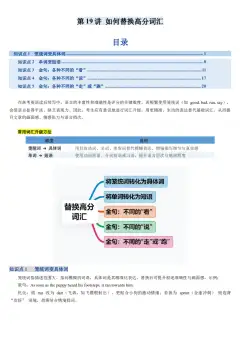
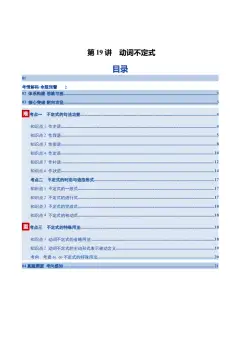
第22 讲 如何拓展续写情节
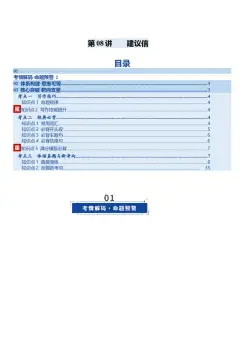
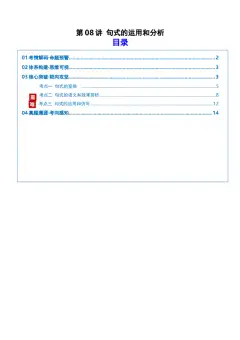
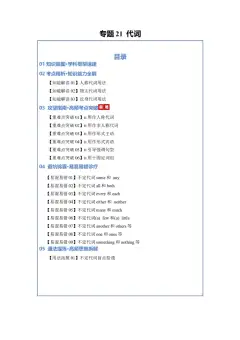
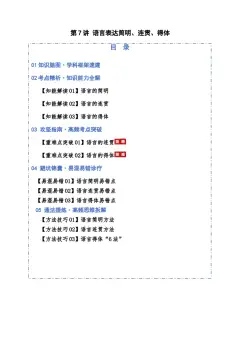
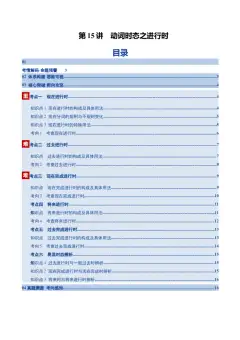
目录
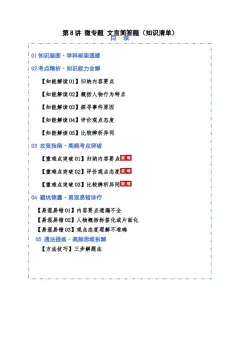
知识点1 爆发式行动型.................................................................................................................................. 2
知识点2 心理伴随型..................................................................................................................................3
知识点3 多动作并列型..............................................................................................................................5
知识点4 环境互动型..................................................................................................................................6
知识点5 情感驱动型..................................................................................................................................8
知识点6 观察触发型..................................................................................................................................9
知识点7 时间紧迫型.................................................................................................................................11
知识点8 障碍克服型................................................................................................................................12
知识点9 连锁反应型................................................................................................................................14
知识点10 情绪变化型..............................................................................................................................15
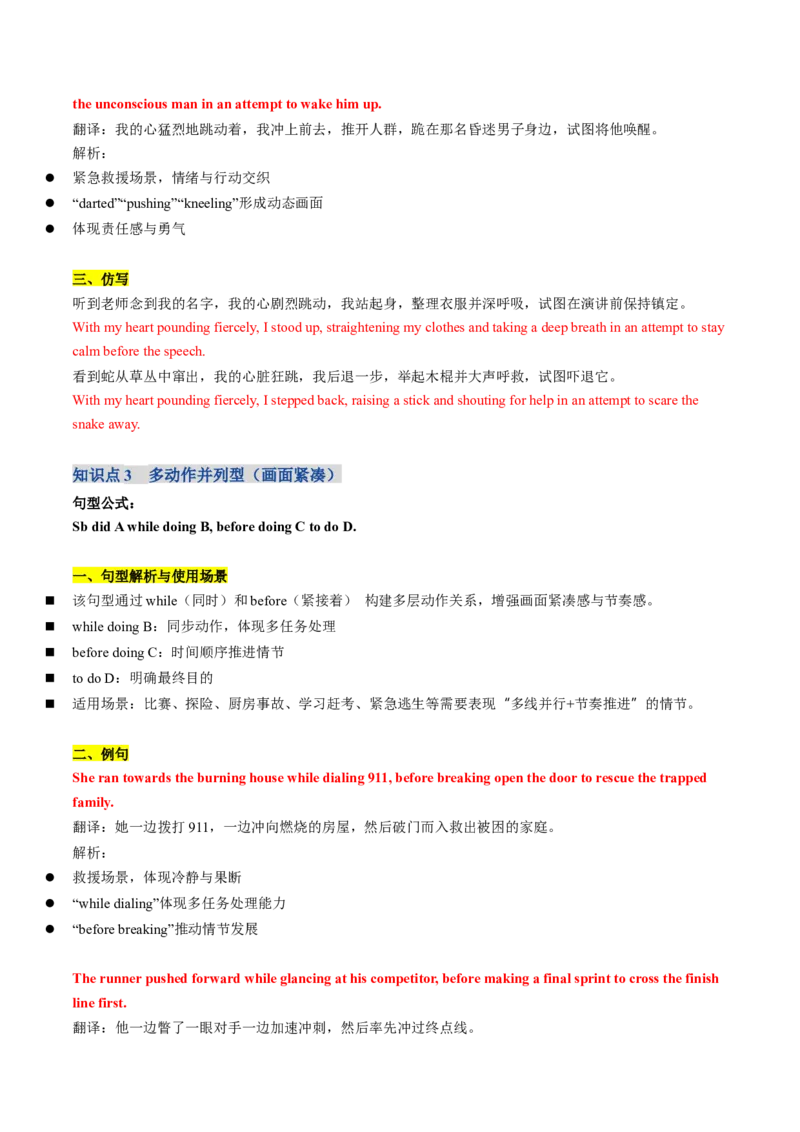
读后续写中,
情节干瘪
是无数创
“
”
同学写作的痛苦。明明构思了冲突,却不知如何让故事自然延
展,让人物行动、心理、环境彼此呼应。从 爆发式行动 的冲击力,到 心理伴随型 的细腻刻画;从 环
境互动 营造的氛围感,到 情感驱动
十大模型如十把利刃,剖开
情节生长
的逻辑脉络,教你把
……
“
”
零散灵感编织成牵肠挂肚的叙事网。
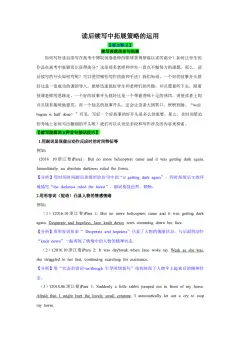
知识点1 爆发式行动型(紧急反应)
句型公式:
Without hesitation, sb sprang into action, immediately doing A and doing B to do C. Sb managed to do D.
一、句型解析与使用场景
该句型强调瞬时反应与果断行动,常用于描写突发事件(火灾、溺水、急救、比赛冲刺等)中的快速决策
与连贯动作。结构清晰:
Without hesitation:突出反应之快
sprang into action:动作爆发点
immediately doing A and doing B:并列分词构成连续动作链
to do C:明确行为目的
managed to do D:结果闭环,体现克服困难后的成功
适用场景:灾难救援、体育竞技、突发危机、紧急报警等需要
危机
行动
解决
闭环的情节。
“
→
→
”
二、例句
Without hesitation, the lifeguard sprang into action, immediately diving into the pool and pulling the child to
the edge to clear his airway. He managed to restart the boy's breathing.
翻译:毫不犹豫,救生员立刻行动,迅速跳入泳池,将孩子拉到池边以清理呼吸道。他成功让男孩重新开
始呼吸。
解析:紧急救援场景,突出
立即反应
“
”
“diving”和“pulling”为强动态动词,“restart”为成就性动词
目的明确(clear airway),结果圆满(restart breathing)
Without hesitation, Lily sprang into action, immediately grabbing a blanket and smothering the flames to
stop the fire from spreading. She managed to save the family photo album.
翻译:莉莉毫不犹豫地行动起来,抓起毯子扑灭火苗阻止火势蔓延,最终成功抢救了家庭相册。
解析:
家庭火灾场景,体现责任感
“grabbing”和“smothering”形成动作链
“save the album”为情感价值体现,增强感染力
Without hesitation, Tom sprang into action, immediately wrapping the injured puppy in his jacket and
applying pressure to the wound to slow the bleeding. He managed to get it to the vet in time.
翻译:汤姆毫不犹豫地用外套裹住受伤的小狗,按压伤口止血,及时送到了宠物医院。
解析:
动物救助场景,体现善良与冷静
“wrapping”和“applying”为专业急救动作
“in time”强调时效性,增强紧张感
三、仿写
看到老人摔倒,我毫不犹豫地冲上前去,立即扶起他并检查是否骨折,最终成功帮他拨打了急救电话。
Without hesitation, I sprang into action, immediately rushing forward and helping the old man up to check for
fractures. I managed to call an ambulance successfully.
比赛最后一秒,李明毫不犹豫地起跳投篮,用力将球投出以争取绝杀,最终球应声入网。
Without hesitation, Li Ming sprang into action, immediately jumping and shooting the ball to attempt a last-second
buzzer-beater. He managed to sink the shot perfectly.
知识点2 心理伴随型(紧张/激动/恐惧)
句型公式:
With one's heart pounding fiercely, sb did A, doing B and doing C in an attempt to do D.
一、句型解析与使用场景
该句型通过生理反应(如心跳加速)引出动作链,表现人物在高压情境下的心理波动与行为反应。
With...pounding:营造紧张氛围
did A, doing B and doing C:三个连续动作增强画面感
in an attempt to...:揭示行为目的,体现主观努力
适用场景:考试、演讲、救援、初次挑战、面对危险等情绪高度紧张的时刻。
二、例句
With her heart pounding fiercely, Emily opened the exam paper, scanning the questions rapidly and gripping
her pen tightly in an attempt to recall all the formulas.
翻译:艾米莉的心在胸腔里剧烈跳动,她打开试卷,快速扫视题目,紧紧攥着笔,试图回忆起所有背过的
公式。
解析:
考试场景,突出紧张与努力
“scanning”和“gripping”体现焦虑状态
“in an attempt to”暗示不确定性,增强真实感
With his heart pounding fiercely in his chest, Tom climbed onto the diving board, taking deep breaths and
adjusting his goggles in an attempt to conquer his fear of heights.
翻译:汤姆的心在胸腔里剧烈跳动,他爬上跳板,深呼吸调整泳镜,试图克服恐高症。
解析:
高空挑战,心理描写细腻
动作链体现自我调节过程
“conquer fear”体现成长主题
With my heart pounding fiercely in my chest, I darted forward, pushing aside the crowd and kneeling beside
the unconscious man in an attempt to wake him up.
翻译:我的心猛烈地跳动着,我冲上前去,推开人群,跪在那名昏迷男子身边,试图将他唤醒。
解析:
紧急救援场景,情绪与行动交织
“darted”“pushing”“kneeling”形成动态画面
体现责任感与勇气
三、仿写
听到老师念到我的名字,我的心剧烈跳动,我站起身,整理衣服并深呼吸,试图在演讲前保持镇定。
With my heart pounding fiercely, I stood up, straightening my clothes and taking a deep breath in an attempt to stay
calm before the speech.
看到蛇从草丛中窜出,我的心脏狂跳,我后退一步,举起木棍并大声呼救,试图吓退它。
With my heart pounding fiercely, I stepped back, raising a stick and shouting for help in an attempt to scare the
snake away.
知识点3 多动作并列型(画面紧凑)
句型公式:
Sb did A while doing B, before doing C to do D.
一、句型解析与使用场景
该句型通过while(同时)和before(紧接着) 构建多层动作关系,增强画面紧凑感与节奏感。
while doing B:同步动作,体现多任务处理
before doing C:时间顺序推进情节
to do D:明确最终目的
适用场景:比赛、探险、厨房事故、学习赶考、紧急逃生等需要表现
多线并行
“
+节奏推进
的情节。
”
二、例句
She ran towards the burning house while dialing 911, before breaking open the door to rescue the trapped
family.
翻译:她一边拨打911,一边冲向燃烧的房屋,然后破门而入救出被困的家庭。
解析:
救援场景,体现冷静与果断
“while dialing”体现多任务处理能力
“before breaking”推动情节发展
The runner pushed forward while glancing at his competitor, before making a final sprint to cross the finish
line first.
翻译:他一边瞥了一眼对手一边加速冲刺,然后率先冲过终点线。
解析:
比赛高潮,突出战术意识
“glancing”体现心理博弈
“final sprint”为决胜动作
He scrolled through his notes while sipping his coffee, before rushing to the exam hall to take the test.
翻译:他一边喝咖啡一边翻看笔记,然后匆忙赶往考场参加考试。
解析:
考前场景,生活化描写
“sipping”与“scrolling”体现放松与紧张并存
“rushing”推动情节进入高潮
三、仿写
她一边听音乐一边整理书包,然后快步走出家门去参加演出。
She listened to music while packing her bag, before hurrying out of the house to attend the performance.
他一边查看地图一边骑车,然后突然转弯以避开前方的障碍物。
He checked the map while riding his bike, before suddenly turning to avoid the obstacle ahead.
知识点4 环境互动型(情境联动)
句型公式:
With + 环境描写, 主语 did A, doing B and doing C, with 环境反馈.
一、句型解析与使用场景
该句型强调动作与环境的双向互动,通过
环境触发
人物反应
环境反馈
构建沉浸式场景。
“
→
→
”
With + 环境:设定背景
did A, doing B and doing C:主体动作链
with 环境反馈:环境对动作的回应,增强真实感
适用场景:雷雨、火灾、演出、登山、机场告别等环境特征明显的场景。
二、例句
Thunder cracked overhead, the campers scrambled to their feet, hastily rolling up sleeping bags and dousing
the fire, with embers hissing in protest.
翻译:头顶雷声炸响,露营者们惊慌起身,匆忙卷起睡袋并扑灭篝火,炭火在抗议中发出嘶嘶声。
解析:
暴雨来临前的紧张感
“scrambled”“rolling”“dousing”体现慌乱
“embers hissing”拟人化增强画面感
The curtain rose, Emma walked onto the stage, adjusting her microphone and forcing a smile, with her
hands shaking and sweat running down her back.
翻译:大幕升起,艾玛走上舞台,调整麦克风,勉强挤出笑容,双手发抖,汗水顺着后背流下。
解析:
舞台表演,心理与生理反应并存
“forcing a smile”体现内心挣扎
“sweat running”强化紧张氛围
Flames spread up the walls, the family ran toward the exit, grabbing their bags and tripping over debris,
with smoke filling the air.
翻译:火焰顺着墙壁蔓延,一家人冲向出口,抓起背包,踩过杂物,烟雾弥漫在空气中。
解析:
火灾逃生,节奏紧凑
“tripping over debris”体现混乱
“smoke filling”渲染危险环境
三、仿写
风雪猛烈地刮着,登山者艰难前行,调整呼吸并紧握绳索,雪花不断打在脸上。
With snow and wind howling, the climber pushed forward, adjusting his breath and gripping the rope tightly, with
snowflakes stinging his face.
教室里安静无声,李明举起手,清了清嗓子并大声回答问题,同学们纷纷转头看他。
With the classroom silent, Li Ming raised his hand, cleared his throat and answered loudly, with classmates turning
to look at him.
知识点5 情感驱动型
句型公式:
Overwhelmed / Driven / Overcome by + 情绪, sb did A, doing B and doing C to do D.
一、句型解析与使用场景
该句型以强烈情绪为动因,推动人物采取一系列行动,体现
情感
行为
的因果关系。
“
→
”
Overwhelmed by...:情绪强度
did A, doing B and doing C:连续动作体现冲动或决心
to do D:行为目的
适用场景:恐惧、愤怒、内疚、喜悦、好奇等情绪主导的情节转折点。
二、例句
Overwhelmed by fear, she took a deep breath, steadying her trembling hands and dialing the emergency
number to seek help.
翻译:被恐惧压得喘不过气来,她深吸一口气,强忍颤抖的双手,拨打了紧急电话寻求帮助。
解析:
恐惧中仍保持理智
“steadying hands”体现自我控制
“to seek help”体现求助意识
Driven by anger, Mike slammed the door shut, stormed out of the room and yelled at his brother to stop the
argument.
翻译:迈克怒不可遏,猛关房门,冲出房间,朝着弟弟大喊以结束争吵。
解析:
愤怒情绪驱动暴力动作
“slammed”“stormed”“yelled”层层递进
体现情绪失控
Filled with curiosity, the children tiptoed into the garden, peered into the bushes and whispered excitedly to
find the hidden treasure.
翻译:孩子们充满好奇,踮脚走进花园,探头看灌木丛,兴奋地小声讨论,寻找隐藏的宝藏。
解析:
好奇心驱动探索行为
“tiptoed”“peered”“whispered”体现谨慎与兴奋
“to find treasure”为冒险目标
三、仿写
被内疚吞噬,她立刻起身,拿起手机并发送道歉短信,试图挽回友谊。
Overcome with guilt, she jumped up, grabbed her phone and sent an apology message to mend the friendship.
因喜悦而激动,他跳了起来,拥抱朋友并大声欢呼,分享胜利的喜悦。
Overwhelmed with joy, he jumped up, hugged his friend and shouted loudly to share the victory.
知识点6 观察触发型
句型公式:
Noticing / Catching sight of A, sb did B, doing C and doing D to do E.
一、句型解析与使用场景
该句型强调外部刺激引发的连锁反应,突出
观察
反应
行动
的自然逻辑。
“
→
→
”
Noticing / Catching sight of A:视觉触发事件
did B, doing C and doing D:连续动作体现迅速反应
to do E:明确行为目的
适用场景:看到危险、朋友求助、突发异常、发现错误、他人困境等需要
目击
行动
逻辑的情节。
“
→
”
二、例句
Catching sight of the little girl struggling in the water, he threw down his bag, sprinting towards the
riverbank and diving in to rescue her.
翻译:看到小女孩在水中挣扎,他扔下背包,冲向河岸并跳入水中救她。
解析:
溺水救援,突出反应之快
“threw down”“sprinting”“diving”构成紧急动作链
“to rescue her”体现利他动机
Noticing her friend waving from across the street, Lily quickened her pace, waved back and smiled broadly
to greet her.
翻译:看到朋友在街对面挥手,莉莉加快脚步,挥手回应,露出灿烂的笑容打招呼。
解析:
日常社交场景,情感自然流露
“quickened”“waved”“smiled”体现喜悦
动作链温暖亲切,适合情感类续写
Catching sight of her classmate tripping over a bag, Emma dropped her books, rushed over and helped her
up to make sure she was okay.
翻译:看到同学被书包绊倒,艾玛扔下书本,冲过去扶起她,确认她没事。
解析:
校园生活细节,体现同理心
“dropped”“rushed”“helped”体现关切
“to make sure”体现责任感
三、仿写
看到老人提着沉重的袋子,李明立刻走过去,接过袋子并陪他走到公交站。
Noticing an elderly man carrying heavy bags, Li Ming hurried over, took the bags and walked with him to the bus
stop.
发现试卷上有个明显的错误,她立即举手,指着题目并请求老师更正。
Catching sight of a clear mistake on the test paper, she raised her hand immediately, pointing at the question and
asking the teacher to correct it.
知识点7 时间紧迫型
句型公式:
As soon as... / The moment... / Hardly had... when..., sb did A, doing B and managed/attempted to do C.
一、句型解析与使用场景
该句型通过时间状语从句制造紧迫感,强调
几乎同时发生
的危机反应。
“
”
As soon as / The moment / Hardly had... when...:时间压缩,增强紧张
did A, doing B:连续动作体现效率
managed/attempted to do C:结果体现成败
适用场景:地震逃生、错过班车、考试交卷、突发火灾、紧急避险等
争分夺秒
情节。
“
”
二、例句
Hardly had the alarm gone off when the firefighters leaped from their beds, pulling on boots and helmets,
managing to board the truck within 45 seconds.
翻译:警报刚响,消防员就从床上跳起,迅速穿上靴子和头盔,45 秒内成功登上消防车。
解析:
突出训练有素与反应速度
“leaped”“pulling”体现专业素养
“within 45 seconds”强化时间压力
As soon as she realized she’d forgotten her wallet, Emma turned around, rushed back home and grabbed it
before heading to school.
翻译:她一意识到忘带钱包,就转身冲回家,抓起钱包后赶往学校。
解析:
生活化场景,体现责任感
“turned”“rushed”“grabbed”节奏紧凑
“before heading”体现时间管理
The moment the first raindrop fell, the group sprinted for cover, laughing and pushing through the crowd to
reach the nearest shop.
翻译:第一滴雨落下时,这群人就冲向避雨处,笑着挤过人群,赶到最近的商店。
解析:
生动描写突发天气
“sprinted”“laughing”“pushing”体现群体动态
轻松氛围中不失紧张感
三、仿写
她刚看到考试结束的铃声,就合上试卷,快速检查并准时交卷。
Hardly had she seen the end-of-exam bell when she closed her paper, quickly checked it and handed it in on time.
灯一灭,孩子们立刻拿出手机,打开手电筒并围在一起讲故事。
The moment the lights went out, the children pulled out their phones, turned on flashlights and gathered together to
tell stories.
知识点8 障碍克服型
句型公式:
With / Despite + 困难, sb did A, doing B, and finally managed to do C.
一、句型解析与使用场景
该句型突出在困难条件下坚持努力并最终成功,体现人物毅力与成长。
With / Despite + 困难:设定障碍
did A, doing B:克服过程
finally managed to do C:强调来之不易的成功
适用场景:带伤比赛、复习备考、组装家具、登山遇险、学习新技能等
挑战
坚持
成功
情节。
“
→
→
”
二、例句
Despite the heavy backpack straps cutting into his shoulders, Mark adjusted his load, shifting weight
carefully, and managed to keep pace with the group.
翻译:尽管沉重的背包带勒进肩膀,马克仍小心调整负重,重新分配重心,努力跟上队伍。
解析:
体现坚韧与自我调节
“cutting into”强化痛苦感
“managed to keep pace”体现坚持成果
With the cold wind blowing through the window, Sarah pulled her blanket tighter, opened her textbook and
finally managed to finish her study plan.
翻译:冷风从窗户吹进来,萨拉裹紧毯子,翻开课本,最终完成了学习计划。
解析:
营造艰苦学习环境
“pulled”“opened”“finish”体现意志力
“finally”突出过程艰难
Despite the complex chords frustrating her, Maria practiced daily, recorded herself playing and finally
managed to perform the song smoothly.
翻译:尽管复杂的和弦让她沮丧,玛丽亚每天练习,录制自己的演奏,最终流畅地演奏了这首歌。
解析:
学习乐器的真实写照
“frustrating”体现心理障碍
“finally managed”强调成长与突破
三、仿写
尽管脚踝扭伤,他仍坚持走完全程,调整步伐并最终抵达终点。
Despite the sprained ankle, he kept walking, adjusted his pace and finally managed to reach the finish line.
尽管说明书模糊不清,她还是耐心对照,一步步组装,最终完成了书架。
With the instructions unclear, she patiently followed them, step by step assembling, and finally managed to
complete the bookshelf.
知识点9 连锁反应型(因果逻辑)
句型公式:
A, causing B, which led to C, ultimately D.
一、句型解析与使用场景
该句型构建清晰的因果链条,突出事件发展的逻辑性与不可控性。
A → causing B:直接后果
which led to C:间接影响
ultimately D:最终结果
适用场景:意外事故、错误决策、疏忽大意、自然灾害等
一环扣一环
的情节发展。
“
”
二、例句
The branch snapped underfoot, causing Sarah to lunge sideways, which sent her bottle tumbling down the
cliff, ultimately forcing her to ration her supplies.
翻译:树枝在脚下折断,导致萨拉猛地侧扑,水瓶跌落悬崖,最终她不得不节省补给。
解析:
探险中的连锁失误
“causing”“led to”“ultimately”层层推进
体现自然环境的不可控
He forgot his umbrella, causing him to get soaked in the rain, which led to a bad cold, ultimately forcing him
to miss school for a week.
翻译:他忘了带伞,结果淋了雨,导致重感冒,最终缺课一周。
解析:
生活小疏忽引发大后果
因果关系清晰,适合警示类情节
“ultimately”强调最终影响
She accidentally spilled coffee on her exam paper, causing the ink to blur, which led to her answers being
unreadable, ultimately resulting in a lower grade.
翻译:她不小心把咖啡洒在试卷上,导致墨迹模糊,答案无法辨认,最终成绩被扣分。
解析:
考试意外,增强真实感
“accidentally”体现非故意
“resulting in”强调结果严重性
三、仿写
他忘记锁门,导致家里被盗,损失了重要文件,最终不得不报警处理。
He forgot to lock the door, causing a burglary, which led to the loss of important documents, ultimately forcing him
to call the police.
赛车起步打滑,导致他落后,随后超车失败,最终无缘领奖台。
The car slipped at the start, causing him to fall behind, which led to a failed overtaking attempt, ultimately
preventing him from reaching the podium.
知识点10 情绪变化型(突发心理震动)
句型公式:
Startled / Astonished / Relieved, sb did A, doing B and C before finally doing D.
一、句型解析与使用场景
该句型描写突发事件引发的心理震动与行为反应,突出情绪转折。
Startled / Astonished / Relieved:情绪起点
did A, doing B and C:本能反应
before finally doing D:恢复理智后的行动
适用场景:意外访客、好消息、考试结果、突发事件、情感冲击等
震惊
反应
应对
情节。
“
→
→
”
二、例句
Astonished, he blinked, holding the test paper and checking the score again before finally believing he had
passed.
翻译:他惊讶得眨了眨眼睛,拿着试卷,再次核对分数,最后才相信自己通过了。
解析:
考试结果反转,情绪描写细腻
“blinking”“holding”“checking”体现怀疑
“before finally”体现心理接受过程
Startled, she dropped the phone, catching her breath and calming herself before finally answering the call.
翻译:她吓了一跳,电话差点掉下来,她喘了口气,平静下来,最后才接了电话。
解析:
突发电话,生理反应真实
“dropped”“catching breath”“calming”体现惊慌到恢复
“before finally”体现心理调节
Astonished, she gasped, opening the box slowly and examining the contents before finally thanking the giver.
翻译:她惊讶得倒吸一口气,慢慢打开盒子,仔细查看内容,最后才感谢送礼人。
解析:
惊喜礼物场景,情感递进
“gasped”“opening”“examining”体现好奇与谨慎
“before finally”体现情感沉淀
三、仿写
听到母亲康复的消息,他愣住了,双手发抖,反复确认信息,最后才喜极而泣。
Relieved, he froze, his hands trembling and rechecking the message before finally bursting into tears.
看到久别重逢的朋友,她惊呆了,后退一步,揉了揉眼睛,最后才冲上去拥抱她。
Astonished, she stepped back, rubbing her eyes and staring in disbelief before finally rushing forward to hug her.