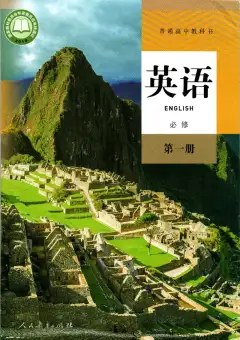
2019 新人教版高中英语必修一全册课文及翻译(中英文
Word)
新人教版高中英语新教材必修一
Welcome Unit | Reading and Thinking

FIRST IMPRESSIONS
第一印象
Han Jing’s World 韩静的世界
7:00 a.m.  上午7:00
So this is it—senior high school at last! I’m not outgoing so I’m a little anxious right now.
I want to
make a good first impression. Will I make any friends? What if no one talks to me?
就是这样——终于到了高中学校了!我性格并不外向,所以现在有点儿焦虑。我想给
别人留
下好的第一印象。我会交到朋友吗?要是没人跟我说话怎么办?

12: 30 p.m.  中午12:30
I just had my first maths class at senior high school! The class was difficult, but the teacher
was
kind and friendly. He even told us a funny story, and everyone laughed so much! I found
most of my
classmates and teachers friendly and helpful.

我刚刚上完高中的第一节数学课!这堂课很难,但老师却很和蔼可亲。他还给我们讲
了一个
有趣的故事,每个人都笑得很开心!我发现我的大多数同学和老师都很友好,而且乐
于助人。

5: 32 p.m. 下午5:32
This afternoon, we had our chemistry class in the science lab. The lab is new and the lesson
was great,
but the guy next to me tried to talk to me the whole time. I couldn’t concentrate on the
experiment. I
really wanted to tell him to please be quiet and leave me alone!

今天下午,我们在科学实验室上了化学课。实验室是新的,这节课也很精彩,但坐在
我旁边
的那个家伙一直试图跟我说话。我无法集中精力做实验。我真想对他说:请安静点,
别烦我!

10:29 p.m. 晚上10:29
What a day! This morning, I was worried that no one would talk to me. But I was wrong. I
didn’t
feel awkward or frightened at all. I miss my friends from junior high school, but I believe I
will make new
friends here, and there’s a lot to explore at senior high. I feel much more confident than I
felt this
morning. I think that tomorrow will be a great day!

多好的一天啊!今天早上,我担心没有人会跟我说话。但我错了。我一点儿也不觉得
尴尬或
害怕。我想念我初中的朋友,但我相信我会在这里会结交到新朋友,而且高中有很多
事物等着我
去探索。我感觉比今天早上自信多了。我相信,明天将是非常不错的一天!

Ann, 15 安:15 岁
Lakeside High School 湖滨高中
USA 美国
My name is Ann Wells and I’m a Grade 10 student at Lakeside High School. I’m an active
person
1

and I love sports. I’m curious about everything. I often ask questions, but I learn best by
doing. My
favourite subject is physics. Dancing and skating are my hobbies, and I also like to read short
stories. I
plan to become an engineer in the future.

我叫安•韦尔斯,是湖滨高中10 年级的学生。我性格活泼,喜欢运动。我对一切事物
都充满
好奇。我经常提出问题,动手操作时我的学习效果最好。我最喜欢的科目是物理。我
的爱好是跳
舞和滑冰,我也喜欢读短篇小说。我计划将来要成为一名工程师。

Thando, 16 桑多:16 岁
South Hill High School 南山高中
South Africa 南非
I’m Thando Gowon. I’m 16 this year. I come from South Africa. I’m a Grade 10 student
at South
Hill High School. I look good, think fast, and play hard. You’ll never see me without a book
or a pen. If I’
m not in class, I’m either in the library or in the computer lab. At the weekends, I play
computer games
if I’m not busy studying. My dream is to start my own IT company!

我是桑多•戈翁。我今年16 岁,来自南非。我是南山高中10 年级的学生。我长得挺好,
思维
敏捷,该玩的时候就玩得很卖力。不论什么时候,你都会看到我拿着书或握着笔。如
果我不在上
课,就一定在图书馆或计算机实验室。周末如果不忙于学习,我就玩电脑游戏。我的
梦想是创办
一家自己的信息技术公司!

Unit 1 | Reading and Thinking

THE FRESHMAN CHALLENGE
新生的挑战

Hi! My name is Adam and I’m a freshman at senior high school. Going from junior high
school to
senior high school is a really big challenge. The first week was a little confusing.

嗨!我叫亚当,是高中一年级的新生。从初中过渡到高中真是一项巨大的挑战。第一
周有点
让人迷茫。

First, I had to think very carefully about which courses I wanted to take. The school adviser
helped
me choose the suitable ones: maths, English, chemistry, world history, and Chinese. I know
that Chinese
is a very difficult language, but I hope to be fluent when I graduate. My adviser
recommended that I
should sign up for advanced literature because I like English and I’m good at it.

首先,我必须非常认真地考虑我想选哪些课程。学校的指导老师帮我选择了适合我的
课程:
数学、英语、化学、世界史和中文。我知道中文是一门非常难学的语言,但我希望毕
业时能说得
很流利。因为我喜欢英语而且成绩不错,我的指导老师建议我选修高级文学。

I had to choose extra-curricular activities, too. I tried to join the school football team, but
the
coach told me that I didn’t play well enough. Obviously, I was unhappy, but I won’t quit.
I’ll find a way
2

to improve on my own so that I can make the team next year. I joined a volunteer club
instead. Every
Wednesday, we work at a soup kitchen and hand out food to homeless people in the
community.

我还得选一些课外活动。我想参加学校足球队,但教练说我踢得不够好。显然,我很
不开心,
但我不会放弃。我会自己想办法提高,这样我明年就能加入球队了。不过,我还是参
加了一个志
愿者社团。每周三,我们会在食品救济站里干活,把食物分发给社区里的无家可归者。


I know I’ll have to study harder as a senior high school student and get used to being
responsible
for a lot more. I’m a bit worried about keeping up with the other students in my advanced
course, and
it’ll be quite difficult to get used to all the homework. Still, I’m happy to be here.
Studying hard isn’
t always fun, but I’ll be well prepared for university or whatever else comes in the future.

我知道作为一名高中生,我必须得更加努力地学习,学会习惯对更多的事情负责。我
有点担
心在高级课程中无法跟上其他学生,而且要适应所有的作业会相当困难。不过,我还
是很高兴来
到这里。努力学习并不总是有趣的,但我会为未来上大学或是任何其他的事情做好充
分准备。

Unit 1 | Reading for Writing

Susan Luo, an adviser for teenagers, has received a letter
10 September 2018
 2018 年9 月10 日
Dear Worried Friend,
 亲爱的有烦恼的朋友,

You wrote that you are very worried about your friend, Chen Lei. I understand quite well
that you
are anxious and feel terrible. You think that your friend plays computer games too often and
spends too
much time online.

你信中写道,你很担心你的朋友陈雷。我完全理解你焦虑和担忧的心情。你认为你的
朋友玩
电脑游戏过于频繁,而且花太多时间在上网。

I recommend that you talk to your friend about his behaviour. It is not unusual for teenagers
of
your generation to be attracted to computer games and the online world. But spending too
much time
online is unhealthy and makes it very difficult to focus on other things in life. Some students
even
become addicted to the Internet and cannot concentrate on school and family life. I think
you should
encourage your friend to try new hobbies. Why not discuss the problem together? I am sure
he will
listen to you, since you are his good friend.

我建议你直接和你的朋友谈谈他的行为。对于你们这一代的青少年来说,被电脑游戏
和网络
世界所吸引并不稀奇。但是花太多的时间上网有损健康,也会让你很难集中精力在生
活中的其他
事情上。一些学生甚至沉迷于网络,无法集中精力在学校和家庭生活上。我认为你应
该鼓励你的
朋友尝试一些新的爱好。你们为什么不一起讨论这个问题呢?我相信他会听你的,因
为你是他的
3

好朋友。
All the best,
祝一切顺利!
Susan Luo
苏珊•罗

Unit 3 | Reading and Thinking

LIVING LEGENDS
活着的传奇

Help us choose some “Living Legends of Sports”. They must be athletes who are masters
in
their sports and also set good examples for others. Here are our first two choices.

来帮助我们选出“体育界的活传奇”吧。他们必须所在运动项目上的大师,并且是他
人
学习的楷模。以下是我们首批筛选出来的两位传奇人物。

Lang Ping 郎平

As a player, Lang Ping brought honour and glory to her country. As a coach, she led the
China
women’s volleyball team to medals at world championships and the Olympics. As a
person, Lang
Ping is loved by fans at home and abroad. When the Chinese team was preparing for the
2015
World Cup, her determination was tested. The team that Lang Ping had built was falling
apart. One
of the best players had been injured, and the team captain had to leave because of heart
problems. Losing two important players was a big challenge, but Lang Ping did not lose
heart. She
had faced difficulties before, and she knew that her young players could win if they worked
together as a team. Two weeks later, they were world champions! Then in 2016, Lang Ping
led her
volleyball team to Olympic gold in Brazil.

作为一名运动员,郎平为她的国家带来了诸多荣誉。作为一名教练,她带领中国女排
在
世界锦标赛和奥运会上屡获殊荣。作为个人,郎平深受国内外深受球迷的喜爱。当中
国队在
准备2015 年世界杯时,她的决心受到了考验。郎平组建的团队处于崩溃的边缘。最优
秀的队
员中有一人受伤了,而且队长也因心脏问题而离队。失去两大主力队员是一个巨大的
挑战,
但郎平并没有灰心。她以前也遇到过各种困难,她知道只要她这些年轻的运动员们拧
成一股
绳通力合作,就能获胜。两周后,她们真成了世界冠军!随后在2016 年,郎平又带领
她的排
球队在巴西勇夺奥运会金牌。


Michael Jordan 迈克尔·乔丹

When Michael Jordan’s feet left the ground, time seemed to stand still. The player who
became known as “Air Jordan” changed basketball with his graceful moves and jumps.
Jordan’
s skills were impressive, but the mental strength that he showed made him unique. In the
final
4

seconds of a
game, Jordan always seemed to find a way to win. Jordan says that the secret to his
success is learning from his failures. “I can accept failure; everyone fails at something. But I
can’
t accept not trying.” Losing games taught him to practise harder and never give up. In life,
Jordan
has learnt to share his success with others. The Boys and Girls Club which he started in
Chicago
has been helping young people since 1996.

迈克尔·乔丹双脚离地的那一瞬间时,时间似乎都凝固了。这位被称为“飞人乔丹”
的
运动员用他那优雅的动作和跳跃改变了篮球运动。乔丹的球技令人赞叹,然而他所展
示出来
的精神力量使他脱颖而出。在比赛的最后几秒钟,乔丹似乎总能找到办法获胜。乔丹
说,他
成功的秘诀在于从失败中学习。“我可以接受失败,每个人都会遭遇失败;但我决不
能接受
不去尝试。” 赛场上失利教会他更努力地训练和永不放弃。在生活中,乔丹学会了与
他人分
享自己的成功。他在芝加哥创建的“男孩女孩俱乐部”从1996 年至今一直在帮助年轻
人。

Send your suggestions for ““Living Legends of Sports” to LLS@sport.net.

请将你推荐的“体育界的活传奇”发送至LLS@sport.net。

Unit 3 | Reading for Writing

GOING POSITIVE
积极向上

I always wanted to look like the slim girls on TV even though I knew that it was impossible. I
worried about my weight and tried every new diet I read about online. I tried no-fat, low-
fat, 5: 2,
only bananas, no bananas—I almost went bananas, too.

我总是想让自己看起来像电视上的那些苗条女孩,尽管我知道明知这不可能。我非常
担
心我的体重,也尝试了我网上看到的每一种新的减肥饮食方案。我试过无脂肪、低脂
肪、5:
2 饮食法、只吃香蕉、不吃香蕉——(最后)我几近疯狂。

Then I read an article that said instead of asking “Am I fat?” I should be asking “Am I
fit?”
I had no idea a letter could make such a difference! Once I started thinking about fitness
rather
than weight, things began to change. Instead of saying “I want to lose three kilos”, I
would say “I
want to run two kilometres in eight minutes” or “I want to be able to do 30 push-ups”.
Rather
than cutting out the foods I enjoyed, I added healthy foods to my meals. I could still have a
burger
now and then, but I would add a salad or an apple.

后来,我看到一篇文章,说不要问自己“我胖吗?”而应该问“我健康吗?” 我没料
到
一词之差,能有如此大的区别!一旦我开始考虑健康而不是体重,情况就有了变化。
我不会
说“我想减掉三公斤”,我会说“我要在八分钟内跑完两公里”或者“我希望能做30
个俯卧
撑”。我不再抗拒我喜爱的食物,而是在自己的三餐中添加健康食品。我仍然偶尔可
以吃一
个汉堡,但我会加上一份沙拉或一个苹果。

5

Finally, I
stopped comparing myself with actresses and models and looking for things that
were wrong with my face or body. Instead, I made a list of the things I liked about myself. By
being
positive about myself and my body, I became both happier and healthier.
最后,我不再拿自己与女演员和模特比较,不再寻找我的脸蛋或身材的缺陷。相反,
我
把对自己满意的地方列了一张清单。通过积极看待自我和自己的身体,我变得更快乐、
更健
康了。

Unit 4 | Reading and Thinking

THE NIGHT THE EARTH DIDN’T SLEEP
地球的一个不眠之夜
Strange things were happening in the countryside of northeastern Hebei. For several days,
the water in the village wells rose and fell,rose and fell. There were deep cracks that
appeared in
the well walls. At least one well had some smelly gas coming out of it. Chickens and even
pigs
were too nervous to eat,and dogs refused to go inside buildings. Mice ran out of the fields
looking
for places to hide,and fish jumped out of the water. At about 3:00 a.m., on 28 July
1976,bright
lights were seen in the sky outside the city of Tangshan and loud noises were heard. But the
city’s
one million people were asleep as usual that night.

河北省东北部的农村地区怪事连连:一连几天,村子里的井水升升降降,起起伏伏,
井
壁上出现了深深的裂缝。至少有一口水井的裂缝冒出臭气。鸡甚至猪都焦虑不安,不
愿进食;
狗拒绝进入屋内。老鼠跑到田外,寻找藏身之所,鱼儿也跳出水面。1976 年7 月28 日
凌晨
3: 00 左右,唐山城外的天空中出现了耀眼亮光,接着又传来巨大的声响。然而,那天
晚上城
里的百万居民仍像往常一样沉睡在梦乡。

At 3:42 a.m., everything began to shake. It seemed as if the world were coming to an end!
Eleven kilometres directly below the city, one of the most deadly earthquakes of the 20th
century
had begun, a quake that even caused damage more than 150 kilometres away in Beijing.
Nearly
one third of the whole nation felt it! A huge crack, eight kilometres long and 30 metres
wide, cut
across houses, roads, and waterways. Hard hills of rock became rivers of dirt. In less than
one
minute, a large city lay in ruins. Two thirds of the people who lived there were dead or
injured.
Thousands of children were left without parents. The number of people who were killed or
badly
injured in the quake was more than 400,000.

凌晨3: 42,万物开始摇晃,仿佛世界末日即将来临!在城市正下方的11 千米处,20
世
纪伤害最严重之一的地震爆发了,远在150 多千米以外的北京都受到了这场地震的破
坏,全
国几乎三分之一的地区均有震感!一条8 千米长、30 米宽的巨大裂缝横切房屋、道路
和水路。
坚硬的石山变成了泥沙流。在不到一分钟的时间里,一座大城市沦为废墟。城里三分
之二的
居民在地震中死亡或受伤,数以千计的孩子失去了父母。在此次地震中丧亡或身受重
伤的人
数超过了40 万。

Everywhere survivors looked,there was nothing but ruins. Nearly everything in the city
was
destroyed. About 75 percent of the city’s factories and buildings,90 percent of its
homes,and all
6

of its
hospitals were gone. Bricks covered the ground like red autumn leaves,but no wind could
blow them away. Most bridges had fallen or were not safe to cross. The railway tracks were
now
useless pieces of metal. Tens of thousands of cows,hundreds of thousands of pigs,and
millions of
chickens were dead. Sand now filled the wells instead of water. People were in shock—and
then,
later that afternoon,another big quake shook Tangshan again. Even more buildings fell
down.
Water,food,and electricity were hard to get. People began to wonder how long the
disaster
would last.

幸存者目及之处无一不是废墟,万物尽毁。市内大约75%的工厂和大楼、90%的住房
和所
有的医院都倒塌了。砖块就像秋天的红叶覆盖着地面,但是却没有风能将其吹走。大
多数桥
梁不是坍塌了就是无法安全通行了。铁轨变成了废金属块;数万头奶牛、 数十万头猪
和数百
万只鸡也都死掉了。沙子灌满水井,井水消失殆尽。人们惊恐万状,然而临近傍晚时
分,又
一次强烈的地震撼动唐山。更多的楼房倒塌了。没有水、食物,电也停了。人们心里
开始疑
惑这场灾难还会持续多久。

But hope was not lost. Soon after the quakes,the army sent 150,000 soldiers to
Tangshan to
dig out those who were trapped and to bury the dead. More than 10,000 doctors and
nurses
came to provide medical care. Workers built shelters for survivors whose homes had been
destroyed. Hundreds of thousands of people were helped. Water and food were brought
into the
city by train,truck,and plane. Slowly,the city began to breathe again.

然而,希望尚存。地震发生后不久,部队派出了15 万名士兵奔赴唐山,将受困群众从
废
墟中抢救出来,并掩埋了死者。上万名医疗工作者赶到现场,救死扶伤。工人为那些
家园被
毁的幸存者盖起了避难所,数十万的群众获到了帮助,火车、卡车和飞机给城市运来
了食物
和饮用水。慢慢地,这座城市又开始恢复了生机。

Tangshan started to revive itself and get back up on its feet. With strong support from the
government and the tireless efforts of the city’s people,a new Tangshan was built upon
the
earthquake ruins. The new city has become a home to more than seven million people,
with great
improvements in transportation,industry,and environment. Tangshan city has proved to
China
and the rest of the world that in times of disaster,people must unify and show the wisdom
to stay
positive and rebuild for a brighter future.

唐山重新站起来并获得了新生。有了来自政府的大力支持以及唐山人民的不懈努力,
一
座新的唐山在废墟中被建立起来。这座新的城市已经成为700 多万人的家园,交通、
工业和
环境都得到了巨大的改善。唐山向中国、向世界证明,在自然灾难中,人民必须勠力
同心,
保持乐观的心态和重建家园的决心。

Unit 4 | Reading for Writing

TSUNAMI HITS ASIA: OVER 6, 500 DEAD
海啸袭击亚洲:6500 余人丧生

7

By Robert
Woodhouse  Monday, 27 December 2004
罗伯特·伍德侯斯   2004 年12 月27 日,星期一


The most powerful earthquake in the past 40 years caused a tsunami that crashed into
coastlines across Asia yesterday, killing more than 6,500 people in Indonesia, India,
Thailand,
Malaysia, and at least four other countries. Fishermen, tourists, hotels, homes, and cars
were
swept away by huge waves caused by the strong earthquake that reached a magnitude of
9.0. The
undersea quake struck around 7:00 a.m., Sunday off the west coast of Indonesia’s Sumatra
Island.
In that area alone, at least 1,870 people were killed.

昨日,40 年来最为强烈的地震引发了冲击亚洲沿海地带的海啸,造成印度尼西亚、印
度、
泰国、马来西亚和至少其他四个国家6500 多人死亡。渔民、游客、酒店、住房和汽车
都被高
达9.0 级的强震所引发的巨浪卷走。海啸巨浪由周日上午7 点许发生在印度尼西亚苏门
答腊岛
西岸附近海域的海底地震引发。仅该地区就有至少1870 人遇难。

In Sri Lanka, some 1,600 kilometres west of the quake centre, the number of deaths stood
at
2,498, and one million more were affected by the tsunami, government officials said. Indian
officials said as many as 1,900 had been killed along the southern coast. Another 254 were
found
dead in Thailand and 54 in three other countries. In southern Thailand, 1,900 people were
hurt
and many more were missing, local officials said. “I was having breakfast with my three
children
when water started filling my home. We had to leave everything and run to safety,” said
Chandra
Theeravit, a local Thai woman.

政府官员称,在震中以西约1600 千米处的斯里兰卡,死亡人数高达2498 人,另有100
多万人受到海啸的影响。印度官员称,南部沿海地区有多达1900 人丧生。泰国另有
254 人死
亡,其他三个国家则有54 人丧生。当地官员表示,泰国南部有1900 人受伤,失踪人
数则更
多。泰国当地一位女子钱德拉·特拉维说:“当时我和我的三个孩子正在吃早饭,海
水开始
灌入屋内。我们只好放弃一切,逃到安全的地方。”

Thousands of people are still missing, and the number of deaths is expected to grow even
higher over the next few days. Foreign aid is being organised for the tsunami-hit countries.
However, dangerous conditions and damaged roads will make it difficult to deliver food and
supplies.

目前仍有数千人失踪,预计在未来几天死亡人数还将增加。目前(人们)正在为这些受海
啸
袭击的国家组织外援。然而,由于条件险恶和道路受阻,食物运送和物资补给将非常
困难。

Unit 5 | Reading and Thinking
THE CHINESE WRITING SYSTEM:
CONNECTING THE PAST AND THE PRESENT
汉语书写体系:连接古今
8


China is widely known for its ancient civilisation which has continued all the way through
into
modern times, despite the many ups and downs in its history. There are many reasons why
this
has been possible, but one of the main factors has been the Chinese writing system.
尽管历史跌宕起伏,中国因其古老文明一直延续至今而闻名于世。其存续的原因有很
多,但
主要因素之一是汉字的书写体系。

At the beginning, written Chinese was a picture-based language. It dates back several
thousand years to the use of longgu—animal bones and shells on which symbols were
carved by
ancient Chinese people. Some of the ancient symbols can still be seen in today’s hanzi.

起初,汉语是一种基于图形的语言。它可以追溯到数千年前使用龙骨的时期——古代
中
国人在这些骨头和壳上面刻画简单的符号。这些符号在今天的汉字中仍然可以看到。

By the Shang Dynasty (around 1600-1046 BCE), these symbols had become a well-developed
writing system. Over the years, the system developed into different forms, as it was a time
when
people were divided geographically leading to many varieties of dialects and characters.
This,
however, changed under Emperor Qinshihuang of the Qin Dynasty (221-207BCE).

到商朝(约公元前1600 年~前1046 年右)时,这些符号已经演变成一套完善的书写体
系。
在随后的年代里,这一体系发展成了不同的形式,这是由于当时中国人居住地域的分
隔,从
而导致不同的方言和汉字变体的产生。然而,这在秦朝(公元前221-前207 年)秦始
皇统治
时期发生了变化。

Emperor Qinshihuang united the seven major states into one unified country where the
Chinese writing system began to develop in one direction. That writing system was of great
importance in uniting the Chinese people and culture. Even today, no matter where Chinese
people live or what dialect they speak, they can all still communicate in writing.

秦始皇统一七个诸侯国后,在这个统一的国家里,汉字书写体系开始朝着一个方向发
展。
这一书写体系对于团结中国人民和中国文化具有重要意义。即使在今天,不管住在哪
里,也
不管说何种方言,中国人都仍能通过书写(文字)进行交流。

Written Chinese has also become an important means by which China’s present is
connected
with its past. People in modem times can read the classic works which were written by
Chinese in
ancient times. The high regard for the Chinese writing system can be seen in the
development of
Chinese characters as an art form, known as Chinese calligraphy, which has become an
important
part of Chinese culture.

汉语也成为连接中国现在与过去的一个重要媒介。现代中国人可以阅读古代中国人撰
写
的经典作品。中国人对其书写体系推崇备至,这体现在汉字发展为一种艺术形式——
书法。
书法已经成为中国文化的重要组成部分。

9

Today, the
Chinese writing system is still an important part of Chinese culture. As China plays
a greater role in global affairs, an increasing number of international students are beginning
to
appreciate China’s culture and history through this amazing language.
如今,汉字书写体系仍然是中国文化的重要组成部分。随着中国在全球事务中扮演着
越
来越重要的角色,越来越多的国际学生开始通过汉字这一奇妙的语言了解和欣赏中国
的文化
和历史。

Unit 5 | Reading for Writing
Learning English
学习英语

Wang Le:Hey, everybody, what are your biggest problems with learning English?

王乐:嘿,各位,请问你们在学习英语时遇到的最大问题是什么?

Liu Wen: Hi! I’ve been studying English since primary school. I used to get high marks in
English,
but now I’m having a lot of trouble with my listening. When I listen to native English
speakers
talking in a video, I can catch only a few words. I can never quite get the main idea. Any
advice?

刘文:你好!我从小学就开始一直学习英语。我以前英语成绩挺好的,但现在我的听
力有很
大的麻烦。我在视频中听以英语为母语的人说话时,只能听明白几个单词。我从来就
没能完
全搞懂过大意。有什么建议吗?

Jia Xin: Listening to English radio programmes helps me get used to how fast native speakers
talk. I
also repeat what I hear to help myself to experience the feeling of the language. Sometimes
I even
record my voice so I can listen to myself and compare my pronunciation with the radio
host’s! My
biggest headache is how to be polite in English. It’s so much easier to just say “Open the
window!”, but in English that can sound really terrible. I have to think about who I’m
talking to
and then decide whether to say, “Open the window, please!” or “Could you open the
window,
please?” or even longer “Would you mind opening the window, please?”

佳欣:听英语广播节目有助于我习惯母语人士的说速。我还会复述我所听到的,以此
来培养
语感。有时我甚至还给自己录音,这样一来,我可以听自己的发音,并把我的发音与
广播主
持人进行比较!我最头疼的问题是如何得体地使用英语。说“打开窗户!”很容易,
但在英
语里,这样说听起来真的太糟糕了。我必须考虑到我在跟谁说话,然后再决定是说
“请打开
窗户!”还是“请你打开窗户,好吗?”或者说句更长的“请问,您介意打开窗户
吗?”


Li Rui: Yeah, that’s really hard! I think it all depends on who you’re talking to. If I’m
talking to a
close friend, I can use short requests, like “Open the window”—our relationship is close
and we’
re equals, so I only need a few words to bridge the gap between us. But if I’m talking to
someone
who isn’t very close to me, I must make my request longer—and I must make it a
question, not a
demand, e.g., “Could you open the window, please?” If I’m talking to someone senior
to me,
10

then I should
say, “Would you mind opening the window, please?” For me, vocabulary is my
biggest problem—there are just SO MANY new words!I can’t keep all the new vocabulary
straight
in my head, and I certainly can’t remember how to use them all properly. HELP!
李瑞:是的,这真的很难!我认为这完全取决于你在跟谁说话。如果我是跟一位好朋
友说话,
我可以用简短的请求,比如“打开窗户” ,这是因为我们的关系亲密,彼此平等,所
以我只
需要几个字就能让对方明白我的意思。但是,如果我是跟一个与我不太亲近的人说话,
那么
我得把我的请求说得长一些—— 我得把它变成一个疑问句,而不是一个要求,例如,
“麻烦
你打开窗户,好吗?”如果我跟一个比我年长的人说话,那么我得说:“请问,您是
否介意
打开窗户呢?”对我而言,词汇是最大的问题——生词实在太多了!我不无法在脑子
里记住
所有的生词,当然也就记不住如何恰当地使用这些词汇。帮帮我吧!

必修一词汇表

Welcome Unit

1. exchange  /ɪksˈtʃeɪndʒ/  n.  交换; 交流  vt.  交换; 交流;交易; 兑换
2. lecture   /ˈlektʃə(r)/  n.   讲座;讲课;教训   vi.  (开)讲座;讲课 vt. 训斥
3. registration  /ˌredʒɪˈstreɪʃn / n.  登记;注册;挂号
4. register  / ˈredʒɪstə(r) /  vt.& vi. 登记;注册
5. sex    /seks/   n.  性别
6. female    /ˈfi:meɪl/adj. 女(性)的; 雌的  n.  雌性动(植)物;女子
7. male     / meɪl/    adj. 男(性)的; 雄的   n.  雄性动(植)物;男子
8. nationality  /ˌnæʃəˈnæləti/  n.   国籍; 民族
9. nation  / ˈneɪʃn/    n.   国家; 民族; 国民
10. designer    /dɪˈzaɪnə(r)/  n.  设计者
11. design   / dɪˈzaɪn /  n.   设计; 设计方案   vt.  设计;筹划
12. campus   / ˈkæmpəs /   n.   校园; 校区
13. formal   / ˈfɔ:ml /   adj. 正式的;正规的
14. anxious   / ˈæŋkʃəs /  adj. 焦虑的; 不安的
15. annoyed   /əˈnɔɪd/adj. 恼怒的;生气的
16. annoy   /əˈnɔɪ/   vt.  使恼怒;打扰
17. frightened  /ˈfraɪtnd/    adj. 惊吓的;害怕的
18. p.m.  /ˌpi:ˈem/   abbr.(源自拉丁语)下午;午后
19. a.m.     /ˌeɪ:ˈem/   abbr.(源自拉丁语)上午;午前;午夜至正午
20. senior   /ˈsi:niə(r)/ adj. 级别(或地位)高的    n.  较年长的人
21. senior high school     (美国)高中
22. at last 终于; 最终
23. outgoing   / ˈaʊtgəʊɪŋ /  adj. 爱交际的;外向的
24. impression  /ɪmˈpreʃn/n.   印象;感想
11

25. impress   /ɪmˈpres/   vt.  使钦佩;给…留下深刻的好印象    vi. 留下印象;引人注目
26. make an impression     留下好印象
27. what if 要是……会怎么样呢?
28. guy      / gaɪ /    n.   小伙子;男人;家伙
29. concentrate  / ˈkɒnsntreɪt /  vi.& vt.  集中(注意力);聚集会神
30. concentrate on    集中精力于
31. experiment  /ɪkˈsperɪmənt/  n.   实验;试验
32. leave...alone 不打扰;不惊动
33. awkward  / ˈɔ:kwəd /  adj.  令人尴尬的; 难对付的
34. junior     / ˈdʒu:niə(r)/ adj.  地位(或职位、级别)低下的  n.  职位较低者; (体育运动中)青少年
35. junior high school(美国)初级中学
36. explore   / ɪkˈsplɔ:(r)/    vt.& vi. 探索; 勘探
37. confident    /ˈkɒnfɪdənt/   adj.  自信的;有把握的
38. confidence  /ˈkɒnfɪdəns/  n.   信心; 信任
39. forward  / ˈfɔ:wəd /  adv. (also forwards)向前;前进     adj.  向前的;前进的
40. look forward to     盼望;期待
41. take notes      记笔记
42. flash     /flæʃ/    n.  光; 信号 vi. 闪耀; 闪光;发出信号   vt. 使闪耀;发出(信号)
43. flash card 教学卡片;识字卡
44. organise   /'ɔ:(r)gənaɪz/  vt.  组织;筹备; 安排;组建vi. 组建;成立
45. organisation  /ˌɔ:gənaɪˈzeɪʃn/  n.   组织; 团体; 机构
46. goal     / gəʊl /n.   目标; 球门;  射门
47. strategy   /ˈstrætədʒi/  n.   策略;策划
48. partner   / ˈpɑ:tnə(r)/  n.   同伴; 配偶;合伙人
49. improve  / ɪmˈpru:v/  vi.&vt.改进;改善
50. curious   /ˈkjʊəriəs/adj.  好奇的; 求知欲强的
51. company  / ˈkʌmpəni/  n.   公司;商行; 陪伴
52. personality  /ˌpɜ:səˈnæləti/  n.   性格;个性
53. style    / staɪl/   n.   方式; 作风
54. revise    / rɪˈvaɪz/vt.& vi.  修改; 修订;复习

Unit 1

1. teenage   / ˈti:neɪdʒ/  adj.  十几岁的(指13 至19 岁); 青少年的
2. teenager   / ˈti:neɪdʒə(r)/  n.  (13 至19 岁之间的) 青少年
3. ballet     /ˈbæleɪ/   n.  芭蕾舞;芭蕾舞剧
12

4. volunteer  /ˌvɒlənˈtɪə(r)/  n.  志愿者
5. debate   /dɪ 'beɪt/   n. 辩论;争论  vt.& vi.辩论;争论
6. prefer   / prɪˈfɜ:(r)/vt.  较喜欢 (preferred; preferred; preferring)
7. prefer…to …喜欢……多于……
8. content   / 'kɒntent /  n. 内容; [pl] 目录; (书、讲话、节目等的)主题
9. movement  / ˈmu:vmənt /  n.  动作;运动; 活动
10. greenhouse  / ˈgri:nhaʊs/  n.  温室;暖房
11. clean up        打扫(或清除)干净
12. suitable   /ˈsu:təbl/    adj.  适合的;适用的
13. suitable for 对……适合的
14. actually   / ˈæktʃuəli/  adv. 事实上; 的确
15. challenge  /ˈtʃæləndʒ/  n.  挑战;艰巨任务  vt. 怀疑;向……挑战
16. title    /ˈtaɪtl/   n.  (书、诗歌等的)名称;标题;职称;头衔
17. topic     /ˈtɒpɪk/n.  话题; 标题
18. freshman  / ˈfreʃmən /  n. (especially NAmE)(中学)九年级学生;(大学)一年级新生
19. confusing  /kənˈfju:zɪŋ/  adj. 难以理解的;不清楚的
20. confuse   /kən'fju:z/  vt. 使糊涂;使迷惑
21. confused  /kənˈfju:zd/  adj. 糊涂的;迷惑的
22. fluent     /'flu:ənt/adj.  (尤指外语)流利的;熟练的
23. graduate   /'ɡrædʒʊeɪt/  vi. & vt.毕业;获得学位   /'ɡrædʒʊət/ n.毕业生
24. recommend  /ˌrekəˈmend/  vt.  建议;推荐;介绍
25. sign up ( for sth)报名(参加课程)
26. advanced  / ədˈvɑ:nst/  adj.  高级的;高等的;先进的
27. advance   / ədˈvɑ:ns / n.  前进;发展       vi. 前进;发展       vt. 发展;促进
28. literature  / ˈlɪtrətʃə(r)/  n.  文学; 文学作品
29. extra-curricular / 'ekstrəkə'rɪkjulə/  adj.  课外的; 课程以外的
30. extra   /'ekstrə/   adj.  额外的;附加的
31. obviously  / ˈɒbviəsli/  adv. 显然地; 明显地
32. quit      / kwɪt/   vi. & vt.(quit, quit) 停止;戒掉;离开(工作职位、学校等)
33. responsible    /rɪˈspɒnsəbl/adj. 负责的;有责任的
34. responsibility /rɪˌspɒnsəˈbɪləti/  n. 责任;义务
35. be responsible for      对……负责
36. solution   / səˈlu:ʃn/  n.  解决办法; 答案
37. schedule   /ˈʃedju:l/    n. 工作计划;日程安排 vt. 安排;预定
38. editor   /ˈedɪtə(r)/  n. 主编;编辑;编者
39. plate     /pleɪt/    n.  盘子,碟子
13

40. adventure  /ədˈventʃə(r)/ n.  冒险; 奇遇
41. youth     /ju:θ/n.  青年时期; 青春
42. survival  /səˈvaɪvl/   n.  生存;幸存;幸存事物
43. expert   /'ekspɜːt/     n. 专家;行家adj.熟练的;内行的;专家的
44. behaviour  /bɪˈheɪvjə(r)/  n. 行为; 举止
45. generation  /ˌdʒenəˈreɪʃn/  n. 一代(人)
46. attract   /ə'trækt/    vt.  吸引;引起……的注意(或兴趣)
47. be attracted to     喜爱
48. focus     /ˈfəʊkəs /  vi.& vt.  集中(精力、注意力等);(使)调节焦距n. 中心;重点;焦点
49. focus on 集中;特别关注
50. addicted    /əˈdɪktɪd/adj. 有瘾的;上瘾的;入迷的
51. addict   /ˈædɪkt/   n.  对……入迷的人;吸毒成瘾的人
52. addicted to 对……很入迷
53. adult     /ˈædʌlt/    n. 成年人  adj.成年的;成熟的


Unit 2

1. castle   /ˈkɑ:sl/   n.  城堡;堡垒
2. apply   /əˈplaɪ/   vi. & vt.申请;请求  vt. 应用; 涂(油漆、乳剂)
3. apply for 申请
4. visa   /ˈvi:zə/   n.  签证
5. rent   / rent/   vt. 租用;出租   vi.租用;租金为   n.租金
6. pack     /pæk/   vi. & vt. 收拾(行李) vt.包装n. (商品的) 纸包;纸袋;大包
7. amazing   /əˈmeɪzɪŋ/  adj. 令人惊奇的;令人惊喜的
8. amazed   /əˈmeɪzd/   adj. 惊奇的;惊喜的
9. arrangement  /əˈreɪndʒmənt/n.  安排;筹备
10. extremely  /ɪkˈstri:mli /  adv. 极其; 非常
11. source   /sɔ:s/   n.  来源;出处
12. narrow   /ˈnærəʊ/   adj.  狭窄的 vi.& vt.(使)变窄
13. flat      /flæt /adj.  平坦的; 扁平的  n. 公寓; 单元房
14. powerful  /ˈpaʊəfl /     adj.  强有力的;有权势的;有影响力的
15. empire   /ˈempaɪə(r)/  n.  帝国
16. emperor   / ˈempərə(r)/  n.  皇帝
17. site      /saɪt /n.  地点;位置;现场
18. take control of 控制; 接管
14

19. official   /ə'fɪʃl/   adj. 官方的;正式的; 公务的  n. 官员;要员
20. recognise   /ˈrekəgnaɪz/  vt.  辨别出; 承认; 认可
21. type   /taɪp/   n. 类型; 种类  vi. & vt. 打字
22. flight     /flaɪt/n.  空中航行; 航班;航程
23. accommodation /əˈkɒməˌdeɪʃn/ n.  住处;停留处;膳宿
24. unique   /juˈni:k/   adj.  唯一的;独特的; 特有的
25. path     /pɑ:θ/   n.  小路; 路线;道路
26. destination  /ˌdestɪˈneɪʃn/  n.  目的地;终点
27. other than 除……以外
28. admire    /ədˈmaɪə(r)/  vt.  钦佩;赞赏
29. architecture  /ˈɑ:kɪtektʃə(r) / n.  建筑设计;建筑学
30. architect  /ˈɑ:kɪtekt /  n.  建筑设计师
31. brochure  /ˈbrəʊʃə(r) n.  资料(或广告)手册
32. package   /ˈpækɪdʒ/n.  包裹; 包装盒  vt. 将……包装好
33. package tour 包价旅游
34. contact   /ˈkɒntækt /  vt.  联络;联系  n. 联系;接触
35. civilisation  /ˌsɪvəlaɪˈzeɪʃn/ n. ( NAmE -ization) 文明;闻名世界
36. make up 构成;形成
37. soldier   /ˈsəʊldʒə(r)/  n. 士兵; 军人
38. transport  / ˈtrænspɔ:t/  n.  (NAmE usually transportation)交通运输系统  vt. 运输;运送
39. hike   / haɪk /vi.  徒步旅行 vt. 去…远足 n. 远足; 徒步旅行
40. economy  /ɪˈkɒnəmi/  n.  经济; 节约
41. economic  /ˌi:kəˈnɒmɪk/  adj.  经济(上)的; 经济学的
42. credit   /ˈkredɪt/   n.  借款;信用; 称赞; 学分
43. credit card      信用卡
44. detail     /ˈdi:teɪl /    n.  细节;详情;细微之处
45. check in       (在旅馆、机场等) 登记
46. check out 结账离开(旅馆等)
47. request   /rɪˈkwest/  n.  (正式或礼貌的)要求;请求   vt.(正式或礼貌地)要求;请求
48. view   / vju:/   n.  视野;景色;看法
49. sight    /saɪt/    n.  景象; 视野; 视力
50. statue    /ˈstætʃu:/n. 雕塑;雕像
51. BCE   /ˌbi: si: ˈi:/     (=before the Common Era) 公元前
52. tomb     / tu:m /   n.  坟墓
53. unearth   / ʌnˈɜ:θ/   vt.  挖掘;发掘
54. comment   /ˈkɒment/n. 议论;评论  vi.& vt. 发表意见;评论
15


Unit 3

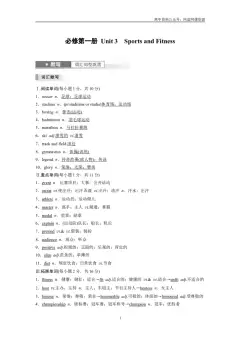
1. fitness   /ˈfɪtnəs/   n. 健康; 健壮;适合
2. soccer   /ˈsɒkə(r)/n.  足球;足球运动
3. stadium   /ˈsteɪdiəm/  n.  (pl. stadiums or stadia)体育场; 运动场
4. boxing   /ˈbɒksɪŋ /  n.  拳击(运动)
5. badminton  /ˈbædmɪntən/  n.  羽毛球运动
6. event   / ɪˈvent/n.  比赛项目;大事;公开活动
7. come along 跟随;到达;进步;赶快
8. ski    / ski:/adj.  滑雪的 vi.滑雪
9. host   /həʊst/   vt.  主办;主持  n.主人;东道主;节目主持人
10. track    /træk/n.  跑道;足迹;铁路轨道 vt.& vi. 追踪; 跟踪
11. track and field 田径
12. gym    / dʒɪm /    n.  健身房; 体育馆
13. gymnastics  /dʒɪmˈnæstɪks/  n.  体操(训练)
14. work out      锻炼;计算出;解决
15. sweat     /swet /vt. 使出汗;出汗弄湿   vi.出汗;流汗    n. 汗水; 出汗
16. make it          获得成功;准时到达
17. legend   /ˈledʒənd /  n. 传奇故事(或人物);传说
18. athlete   /ˈæθli:t/     n.  运动员;运动健儿
19. master   /ˈmɑ:stə(r)/  n.  高手; 主人 vt. 精通;掌握
20. set an example 树立榜样
21. honour   /ˈɒnə(r)/   n. 荣誉;尊敬;荣幸
22. glory     /ˈglɔ:ri /   n. 荣誉;光荣;赞美
23. medal   /ˈmedl/n.  奖章; 勋章
24. championship /ˈtʃæmpiənʃɪp/n.  锦标赛; 冠军赛;冠军称号
25. champion  /ˈtʃæmpiən/  n.  冠军; 优胜者
26. determination  /dɪˌtɜ:mɪˈneɪʃn/  n.  决心;决定
27. apart     /əˈpa:t/   adv. 分离;分开;成碎片
28. fall apart 破裂;破碎;崩溃
29. injure   /ˈɪndʒə(r)/  vt.  使受伤;损害
30. injured   /ˈɪndʒəd /  adj.  受伤的;有伤的
31. injury     /ˈɪndʒəri /  n.  伤害;损伤
32. captain   /ˈkæptɪn /  n.  (运动队)队长;船长;机长
33. lose heart 丧失信心;泄气
16

34. graceful   /ˈgreɪsfl /   adj.  优美的;优雅的
35. strength   /streŋθ/   n. 力量;体力
36. failure   /ˈfeɪljə(r) /  n.  失败;失败的人(或事物)
37. give up       放弃;投降
38. compete   / kəmˈpi:t /  vi.  竞争;对抗
39. make sense        有道理;合乎情理;表述清楚
40. pretend    /prɪˈtend/    vi.& vt.假装;装扮
41. pretend to do sth     假装做某事
42. even if/though       即使;虽然
43. million   /ˈmɪljən /num. 一百万
44. cheat     / tʃi:t /   vi. 作弊;舞弊vt. 欺骗;蒙骗 n. 欺骗手段;骗子
45. audience  /ˈɔːdiəns /  n.  观众;听众
46. positive   /ˈpɒzətɪv /  adj. 积极的;正面的;乐观的;肯定的
47. slim   /slɪm /   adj. 苗条的;单薄的
48. diet      /ˈdaɪət /n. 规定饮食;日常饮食 vi.节食
49. make a difference    有作用或影响
50. rather   /ˈrɑ:ðə(r) /  adv. 相当;有点儿
51. rather than       而不是
52. push-up   /ˈpʊʃʌp /n.  ( especially NAmE ) 俯卧撑
53. cut ...out        停止做(或使用、食用);剪下
54. now and then       有时;偶尔
55. compare … with/to …与…比较
56. jog    / dʒɒg /   vi.  慢跑 n.慢跑
57. stress   /stres/   n.  压力;紧张;重音  vt. 强调;重读;使焦虑不安     vi.焦虑不安
58. error    / ˈerə(r) /n.  错误;差错

Unit 4

1. disaster   /dɪˈzɑ:stə(r)/  n. 灾难;灾害
2. tornado   /tɔ:ˈneɪdəʊ /  n. (pl. -oes or -os) 龙卷风;旋风
3. drought   / draʊt /   n. 旱灾;久旱
4. landslide  / ˈlændslaɪd /  n.  ( landfall) (山地或悬崖的)崩塌;滑坡
5. slide   / slaɪd /   vi. & vt. (使)滑行;滑动
6. tsunami    / tsu:ˈnɑ:mi /  n.  海啸
7. flood     /flʌd /    n.  洪水;大量   vi.淹没;大量涌入  vt.使灌满水;淹没
8. volcanic eruption / vɔlˈkænɪk  ɪˈrʌpʃn /火山喷发
17

9. magnitude  /ˈmægnɪtju:d / n.  (地)震级;重大
10. rescue   /ˈreskju:/n.& vt.营救;救援
11. damage   /ˈdæmɪdʒ /  vt. 损害;破坏  n.损坏;损失
12. destroy   /dɪ'strɔɪ/   vt.  摧毁 ;毁灭
13. evacuate    /ɪˈvækjueɪt /  vt. 疏散;撤出 vi.撤离
14. helicopter  /ˈhelɪkɒptə(r)/ n.  直升机
15. death  / deθ/   n.  死;死亡
16. affect   /ə'fekt/   vt.  影响;(疾病)侵袭;深深打动
17. shelter    /'ʃeltə(r)/n. 避难处;居所;庇护    vt.保护;掩蔽    vi. 躲避 (风、雨或危险)
18. crack   /kræk/   n. 裂纹;裂缝 vi. & vt. (使)破裂
19. as if        似乎;好像;仿佛
20. ruin    /'ru:ɪn/   n.&vt. 破坏;毁坏
21. in ruins 严重受损;破败不堪
22. percent   / pəˈsent /  n.  百分之…… adj.&adv.每一百种
23. brick   /brɪk/   n.  砖;砖块
24. metal   /'metl/n. 金属
25. shock     /ʃɒk/   n. 震惊;令人震惊的事;休克  vt.(使)震惊
26. in shock 震惊;吃惊
27. electricity  /ɪˌlekˈtrɪsəti/  n. 电;电能
28. trap   /træp/    vt. 使落入险境;使陷入圈套    n. 险境;陷阱
29. bury     /ˈberi/   vt.  埋葬;安葬
30. breathe   / bri:ð/   vi.& vt.呼吸
31. revive   /rɪˈvaɪv/   vt.& vi.复活;(使)苏醒
32. revival   /rɪˈvaɪvl/   n. 振兴;复苏
33. effort   /'efət/   n. 努力;艰难的尝试;尽力
34. unify     /ˈju:nɪfaɪ /  vi.& vt. 统一;(使)成一体
35. wisdom   /ˈwɪzdəm/  n. 智慧;才智
36. context   /ˈkɒntekst/  n. 上下文;语境;背景
37. suffer   /ˈsʌfə/   vt. 遭受;蒙受 vi. (因疾病、痛苦、悲伤等)受苦
38. volcano   /vɒlˈkeɪnəʊ/  n.  (pl. -oes or -os)火山
39. erupt     /ɪˈrʌpt/   vi.& vt. (火山)爆发;(岩浆、烟等)喷出
40. supply   /səˈplaɪ/   n. 供应(量);补给;[pl.] 补给品  vt. 供应;供给
41. typhoon   /taɪˈfu:n/    n. 台风
42. in the open air 露天;在户外
43. hurricane  /ˈhʌrɪkən/  n .  (尤指大西洋的)飓风
44. survive    /səˈvaɪv/vi. 生存;存活 vt. 幸存;艰难度过
18

45. power   /ˈpaʊə(r)/  n. 电力供应;力量;控制力
46. tap    /tæp/vi.& vt. 轻叩;轻敲;轻拍  n.水龙头;轻叩;轻敲
47. pipe     /paɪp/   n. 管子;管道
48. whistle   /ˈwɪsl/   vi. 吹口哨;发出笛声      vt. 吹口哨      n. 哨子(声);呼啸声
49. emergency  /iˈmɜ:dʒənsi/  n. 突发事件;紧急情况
50. calm   /kɑ:m/   adj. 镇静的;沉着的  vt.使平静;使镇静
51. aid    /eɪd/   n. 援助;帮助;救援物资 vi.& vt. (formal) 帮助;援助
52. kit      /kɪt/    n. 成套工具;成套设备
53. first aid kit      急救箱
54. on hand 现有(尤指帮助)
55. crash     /kræʃ/   vt.& vi.碰撞;撞击 n.撞车;碰撞
56. sweep   /swi:p/    vt. & vi. ( swept, swept) 打扫;清扫
57. sweep away 消灭;彻底消除
58. wave   /weɪv/   n. 海浪;波浪 vi.& vt.挥手;招手
59. strike     /straɪk/   vi.& vt. (struck, struck/stricken) 侵袭;突击;击打  n. 罢工;罢课;袭击
60. deliver   /dɪˈlɪvə(r)/  vt. & vi.递送;传达 vt.发表
61. summary  /ˈsʌməri/n. 总结;概括;概要
62. effect    /ɪˈfekt/   n. 影响;结果;效果
63. length    /leŋθ/n. 长;长度

Unit 5

1. billion   /ˈbɪljən /   n. 十亿
2. native   /ˈneɪtɪv/   adj. 出生地的;本地的;土著的 n.本地人
3. attitude   /ˈætɪtju:d /  n. 态度;看法
4. reference  /ˈrefrəns /  n. 指称关系;参考
5. refer     / rɪˈfɜ:(r) /  vi. 提到;参考;查阅 vt.查询;叫…求助于   (referred , referred , referring)
6. refer to         指的是;描述;提到;查阅
7. system   /ˈsɪstəm /   n. 体系;制度;系统
8. despite   /dɪˈspaɪt /prep. 即使;尽管
9. ups and downs 浮沉;兴衰;荣辱
10. factor   /ˈfæktə(r)/  n.  因素;要素
11. based   /beɪst/   adj. 以(某事)为基础的;以……为重要部分(或特征)的
12. base   /beɪs/    vt.  以…为据点;以……为基础 n. 底部;根据
13. date back (to ...)追溯到
14. bone     / bəʊn /    n. 骨头;骨(质)
19

15. shell   /ʃel /   n. 壳;壳状物
16. symbol   /ˈsɪmbl /   n.  符号;象征
17. carve     / kɑ:v /   vt. & vi 雕刻
18. dynasty   /ˈdɪnəsti/    n. 王朝;朝代
19. variety   /vəˈraɪəti/n.  (植物、语言等的)变体;异体;多样化
20. major     /ˈmeɪdʒə(r)/  adj. 主要的;重要的;大的 n.主修课程;主修学生 vi.主修;专门研究
21. no matter where, who, what, etc. 不论……;不管……
22. dialect   /'daɪəlekt/  n. 地方话;方言
23. means   /mi:nz/   n. 方式;方法;途径
24. classic   /ˈklæsɪk/    adj. 传统的;最优秀的;典型的 n.经典作品;名著
25. regard   /rɪˈgɑ:d/n. 尊重;关注  vt.把……视为;看待
26. character  /'kærəktə(r)/  n. 文字;符号;角色;品质;特点
27. calligraphy  / kəˈlɪɡrəfi /  n. 书法;书法艺术
28. global   /'gləʊbəl/   adj. 全球的;全世界的
29. affair     /əˈfeə(r)/n. 公共事务;事件;关系
30. appreciate  /ə'pri:ʃieɪt /  vt.  欣赏;重视;感激;领会  vi.增值
31. specific   /spəˈsɪfɪk/  adj. 特定的;明确的;具体的
32. CE      /ˌsi: ˈi:/     (Common Era) 公元
33. struggle   /ˈstrʌgl/   n.&vi.斗争;奋斗;搏斗
34. tongue   /tʌŋ/    n. 舌头;语言
35. point of view 观点;看法
36. semester    /sɪˈmestə(r)/  n. 学期
37. gas    /ɡæs/   n. 汽油;气体;燃气
38. petrol     /'petrəl/   n.  (NAmE gas ) 汽油
39. subway   /'sʌbweɪ/   n. (BrE underground) 地铁
40. apartment  /ə'pɑ:tmənt/  n. (especially NAmE) 公寓套房
41. pants   / pænts /   n.  [pl.] (BrE )内裤;短裤;(especially NAmE )裤子
42. beg    /beg/    vt.  恳求;祈求;哀求
43. equal   /'i:kwəl /n. 同等的人;相等物 adj. 相同的;同样的
44. gap      /gæp/n. 间隔;开口;差距
45. demand   /dɪˈmɑ:nd/  n. 要求;需求  vt. 强烈要求;需要 vi.查问
46. vocabulary  /və'kæbjələri /  n. 词汇
47. description  /dɪˈskrɪpʃn/  n. 描写(文字);形容
48. relate     /rɪˈleɪt /   vt. 联系;讲述
49. relate to 与……相关;涉及;谈到

20