ARTICLE · 1077574
【中华优秀传统文化融入高中英语课堂系列】Mid-Autumn Festival 中秋节——英汉对照阅读材料
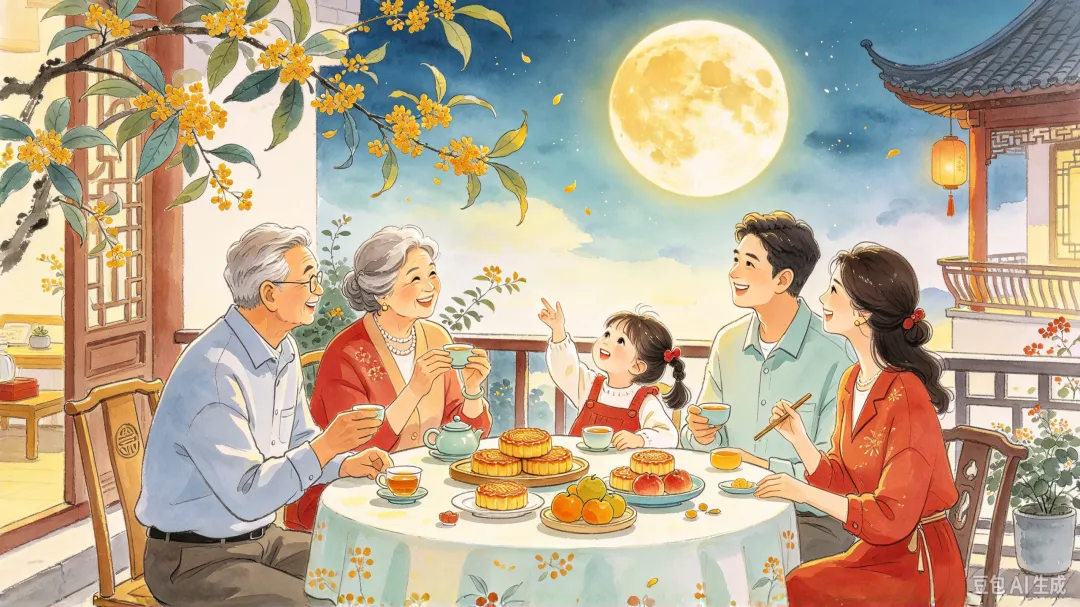
Mid-Autumn Festival is one of the most important traditional festivals in China. It is celebrated on the 15th day of the eighth month of the traditional Chinese calendar and falls in the middle of autumn, when the moon is at its fullest and brightest. This festival is a time for family reunion and has been celebrated by Chinese people for thousands of years.
The Mid-Autumn Festival has a long history that dates back to ancient times. It originated from the ancient Chinese people's worship of the moon and the celebration of the autumn harvest. The name “Mid-Autumn” first appeared in the Rites of Zhou, an ancient book written more than two thousand years ago. During the Tang Dynasty, the festival became a popular social and entertainment occasion. By the Song Dynasty, it had developed into a grand celebration, and the custom of appreciating the full moon became widely popular. In 2006, the festival was included in the first list of national intangible cultural heritage by the State Council. Since 2008, it has been a national public holiday.
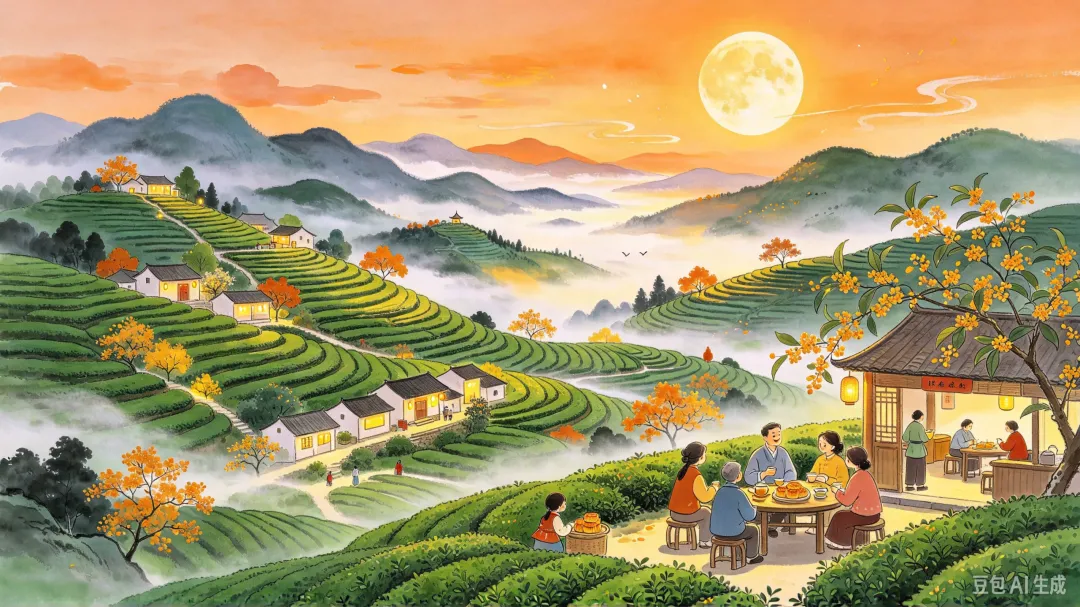
The most important tradition of the Mid-Autumn Festival is family reunion. On this special night, family members come together to enjoy a meal, admire the full moon, and share mooncakes. The round shape of the full moon symbolizes completeness and unity and the round mooncake carries the same meaning. People believe that the full moon is a symbol of family reunion and happiness. For those who cannot return home, the full moon serves as a bridge connecting them with their loved ones, no matter how far apart they are.
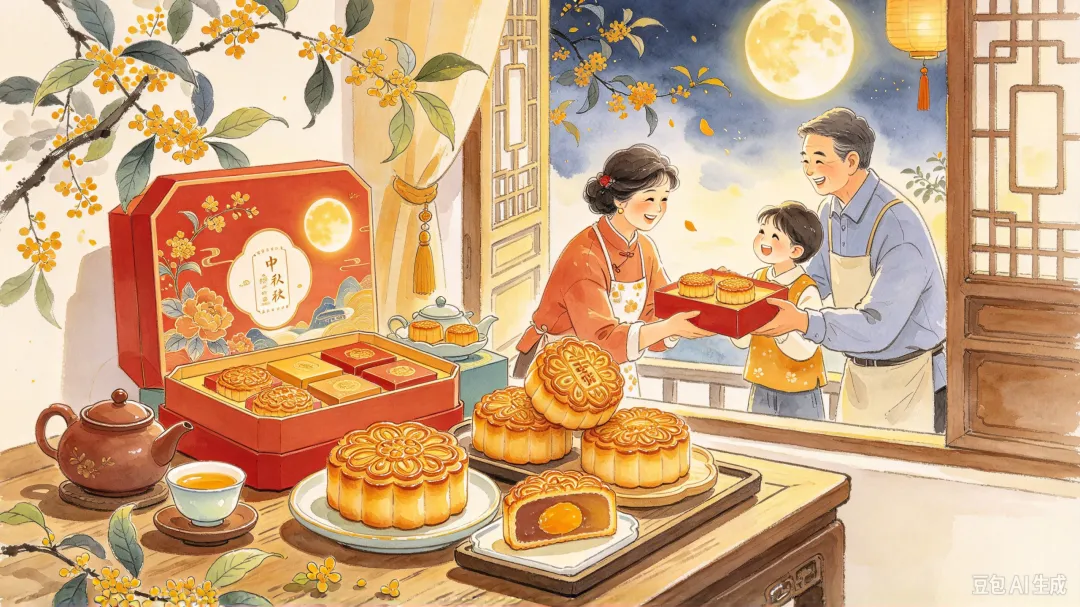
Eating mooncakes is the most important tradition of the festival. Mooncakes are a traditional Chinese pastry with a rich filling, usually made from lotus seed paste, red bean paste, or mixed nuts. The custom of eating mooncakes during the Mid-Autumn Festival can be traced back to the Ming Dynasty. People give mooncakes as gifts to express their best wishes for family reunion and happiness. Today, mooncakes come in many different styles, such as Cantonese-style, Suzhou-style, and Beijing-style, and new flavors are created every year to meet different tastes. In recent years, mooncakes have become popular in many countries around the world, spreading Chinese food culture to the world.
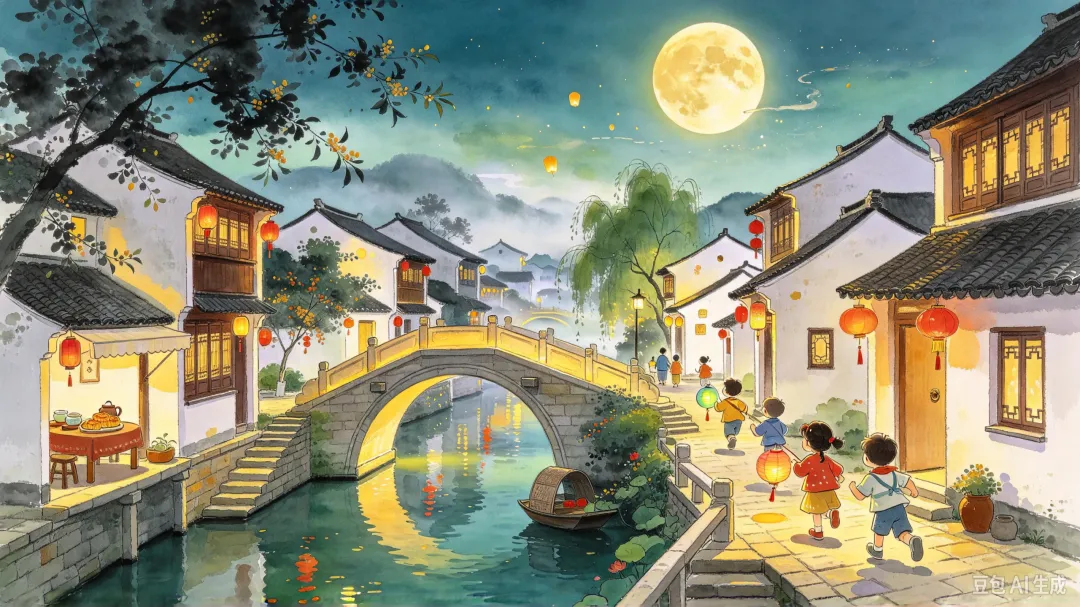
In addition to eating mooncakes, people celebrate the Mid-Autumn Festival in many other ways. Families gather to admire the bright moon, which is a tradition that has been passed down for centuries. Lanterns are hung in streets and parks and children carry colourful lanterns as they play. In some regions, people hold traditional folk performances and cultural activities to celebrate this special occasion. The festival is also a time for expressing gratitude for the harvest and for showing respect to the elderly. Many local customs have been recognized as intangible cultural heritage.
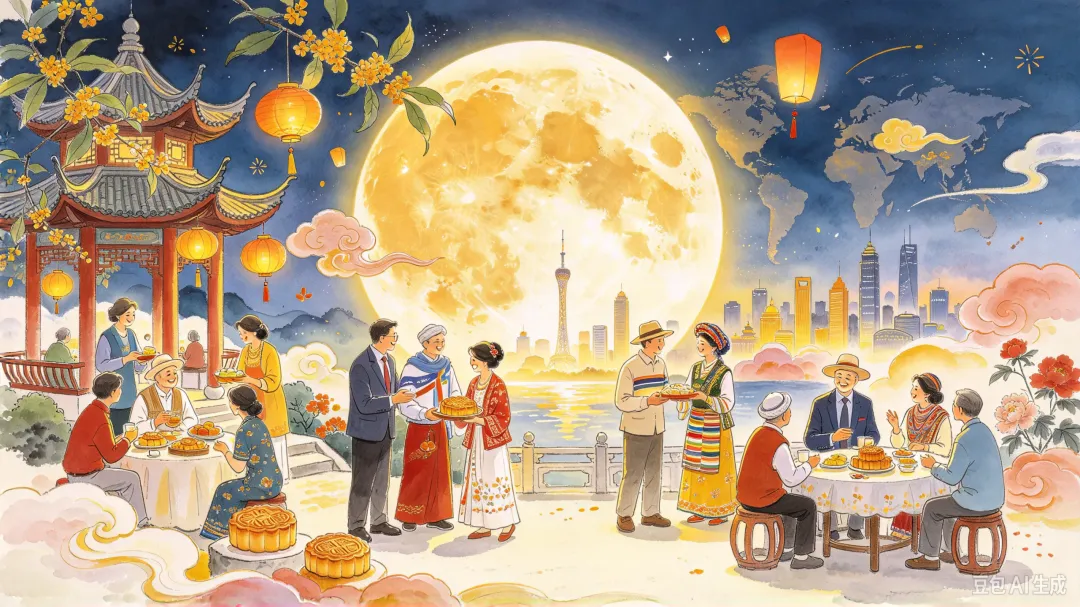
Nowadays, the Mid-Autumn Festival continues to play an important role in Chinese culture. It is not only a time for family reunions but also a symbol of our deep love for our homeland and strong sense of national identity. As the festival becomes more widely known around the world, more and more people from other countries are joining in the celebration. Under the same bright moon, people from different cultures share the same wish for happiness, peace, and reunion.
中秋节是中国最重要的传统节日之一。它在中国农历的八月十五这一天,刚好在秋季正中,所以这一晚的月亮最圆最亮。中秋节是家人团聚的日子,中国人庆祝这个节日已经有几千年了。
中秋节历史悠久,起源于古代中国。它来自古人祭月和庆祝秋收的习俗。“中秋” 这个名称最早出现在两千多年前的古籍《周礼》中。到了唐朝,中秋节成为人们社交游玩的节日。宋朝时,它发展成盛大的节日,赏月的习俗广泛流行。2006 年,国务院把中秋节列入第一批国家级非物质文化遗产名录。从 2008 年起,中秋节成为全国法定节假日。
中秋节最重要的习俗是阖家团圆。在这个特别的夜晚,家人们聚在一起吃饭、赏月、分享月饼。圆圆的满月象征圆满与团聚,圆形的月饼也有着同样的含义。人们认为满月代表家庭团圆和幸福。对于不能回家的人来说,无论相隔多远,明月都是连接他们和亲人的桥梁。
吃月饼是中秋节最重要的习俗。月饼是中国传统点心,内馅丰富,常见莲蓉、豆沙或者五仁。中秋吃月饼的习俗可以追溯到明朝。人们互赠月饼,寄托对家人团圆、生活幸福的美好祝愿。如今月饼有很多种类,比如广式、苏式和京式的,每年还会推出新的口味,以满足不同人的口味。最近这些年,月饼在世界很多国家流行,把中国饮食文化传播到世界各地。
除了吃月饼,人们还有很多方式庆祝中秋。一家人相聚赏月,这个习俗已经流传了数百年。街道和公园会挂上灯笼,小朋友提着彩色灯笼玩耍。有些地方会举办传统民俗表演和文化活动来过节。这个节日也用来感恩丰收、孝敬长辈。不少地方中秋相关习俗被列入非物质文化遗产。
当今,中秋节依旧在中国文化里占据非常重要的地位。它不只是家人团圆的日子,也寄托着我们中国人对我们国家深深的热爱与强烈的民族认同感。随着中秋节在全球被更多人了解,越来越多外国人也加入庆祝。在同一轮明月之下,不同文化的人们共同期盼幸福、和平与团圆。
Post-reading questions:
1. When is the Mid-Autumn Festival celebrated?Do you know its other names?
2. Why do Chinese people eat mooncakes during the Mid-Autumn Festival? What do mooncakes symbolize?
3. How do families celebrate the Mid-Autumn Festival according to the passage? Please list at least three ways.
4. If your foreign friend wants to experience the Mid-Autumn Festival in China, what would you recommend him or her to do? Why?
5. The Mid-Autumn Festival is becoming more popular around the world. What do you think are the reasons for this? How can we better introduce Chinese traditional festivals to the world?
重要词块积累:
traditional festivals 传统节日
the traditional Chinese calendar 中国农历
family reunion 家庭团聚
date back to ancient times 追溯到古代
celebration of the autumn harvest 庆祝秋收
first appeared in... 最早出现于...
become a popular social occasion 成为受欢迎的社交活动
...develop into a grand celebration ...发展成盛大庆典
appreciate the full moon 赏月
be included in... 被列入...
national intangible cultural heritage 国家级非物质文化遗产
the State Council 国务院
national public holiday 全国法定节假日
symbolize completeness and unity 象征圆满与团聚
serve as a bridge 充当一座桥梁
connect sb with loved ones 把某人与亲人相连
trace back to the Ming Dynasty 追溯到明朝
express best wishes 表达美好祝愿
meet different tastes 满足不同口味
hold folk performances 举办民俗表演
express gratitude for the harvest 感恩丰收
show respect to the elderly 孝敬长辈
play an important role in 在…… 发挥重要作用
a strong sense of national identity 强烈的民族认同感
share the same wish for happiness and peace 共同期盼幸福与和平
(个人观点,仅供参考)
1. 文字内容由公开的民俗信息整理后自主撰写创作而成,并非直接引用任何出版物内容;
2. 名词翻译参考《新世纪汉英大词典》;
3. 图片由豆包AI生成。