ARTICLE · 1159074
木铎心声——邹继红初中英语工作室学员风采撷英 第1期












学员风采撷英
第1期

教师个人风采展示
李颖,中学二级教师,教龄5年,现任海贝中英文学校1903校区八年级英语教师、班主任。邹继红英语名师工作室成员。英国格拉斯哥大学 TESOL 硕士,雅思阅读 8.0、听力 7.5。主持昆明市市级微课题《教学评一体化视域下八年级英语教师课堂即时反馈语运用研究》。曾获 “外研之星” 全国中小学英语教师命题能力展评活动一等奖、西山区中学英语命题竞赛二等奖,多次获评校级英语演讲、配音活动优秀指导教师。


李
颖
Exploring TESOL:
Insights for English Educators
TESOL is familiar to most front-line English teachers in China. But how much do we know about a UK-based TESOL master’s programme? Come with me and take a look at my MSc TESOL journey at the University of Glasgow.
1.What Is TESOL?

TESOL (Teaching English to Speakers of Other Languages) is an interdisciplinary field covering theories of second‑language acquisition, language pedagogy, curriculum design, assessment and teacher development. It targets learners whose mother tongue is not English, including both ESL (English as a Second Language) and EFL (English as a Foreign Language) contexts. TESOL research and practices guide how we teach English across different age groups, cultural backgrounds and classroom settings worldwide.
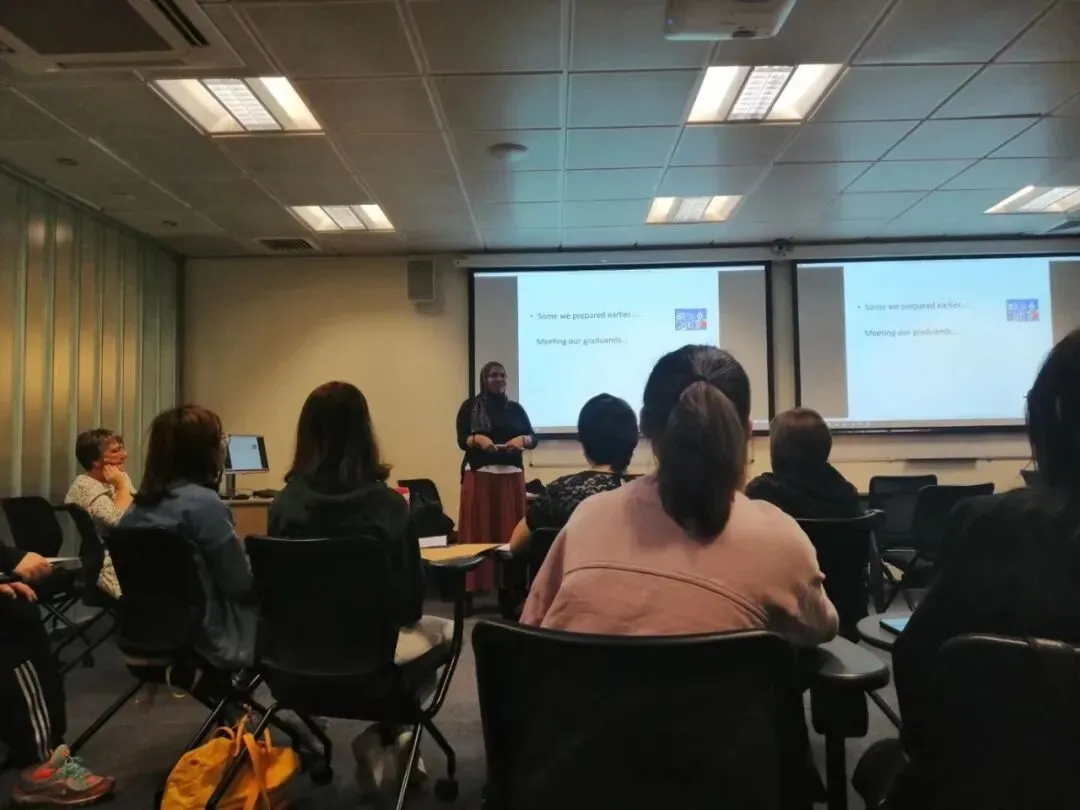

2.Glasgow MSc TESOL — Core Modules & Personal Insights.
Module 1:Classroom Processes in TESOL: Introduction to Teaching and Learning
What we study: core principles of teaching and learning and teacher‑learner roles in English class.
Personal Insights: the most impressive experience was our authentic teaching practice for local migrant adult learners. Our students came from diverse backgrounds including Africa, Chile and Japan, some aged in their fifties and sixties. As English educators, we found it fascinating to teach learners from diverse national contexts; their distinct accents and learning mindsets brought unique dynamics to the classroom.
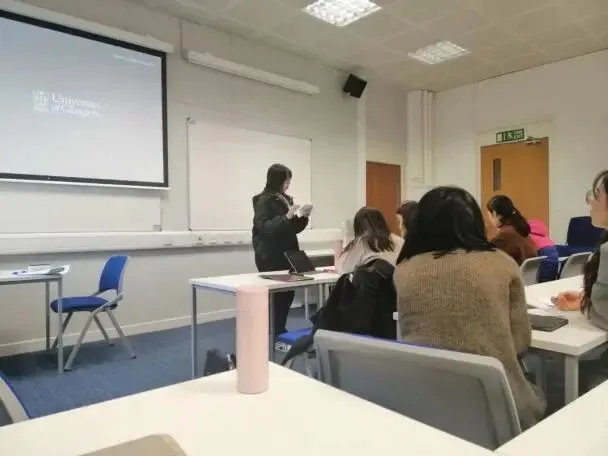
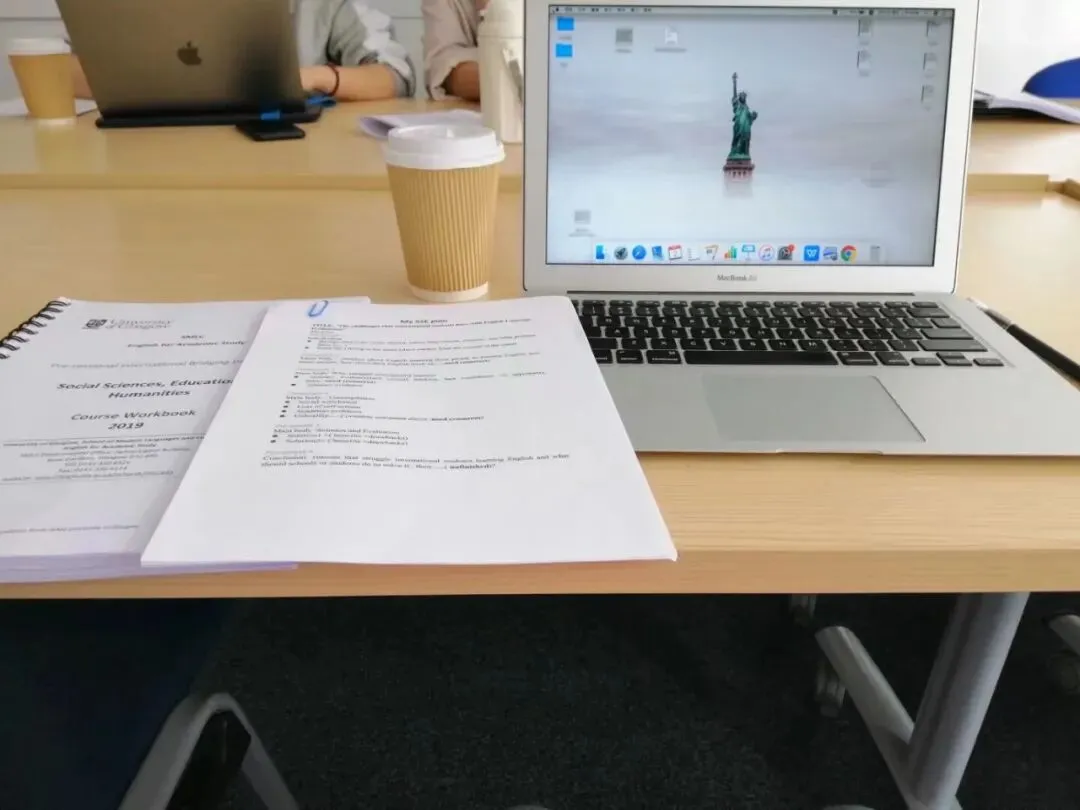
Module 2:Descriptions Of Language And Applications To The Classroom
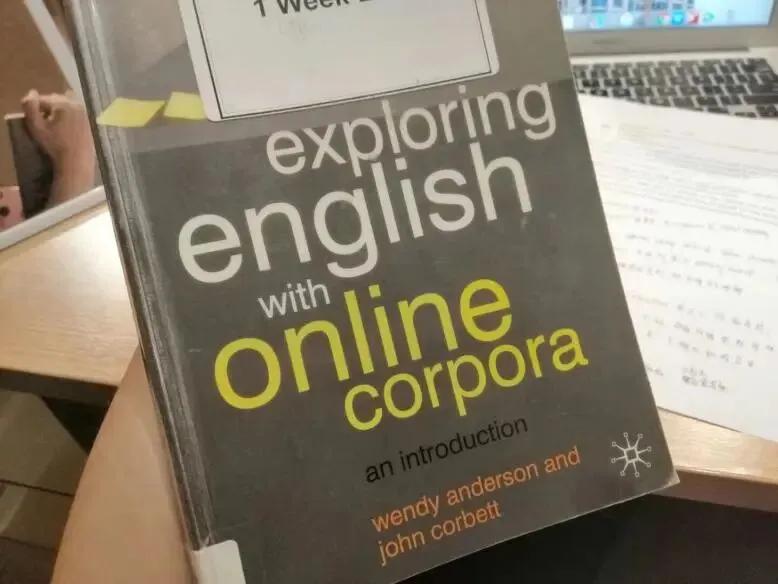
What we study: practical language analysis covering discourse, phonetics, phonology and so on. The course highlights applying linguistic knowledge to real‑world language teaching.

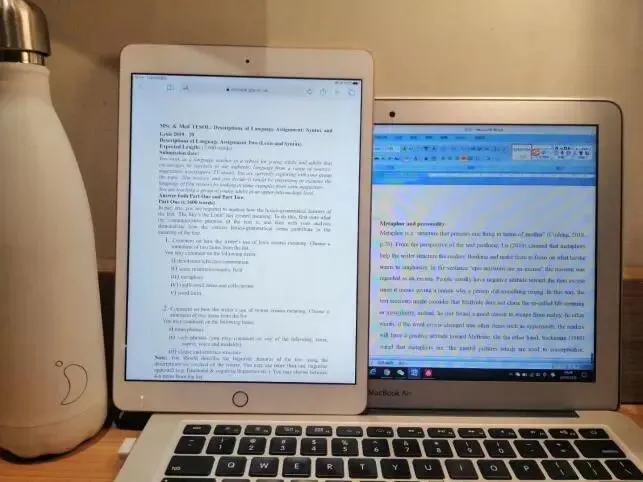
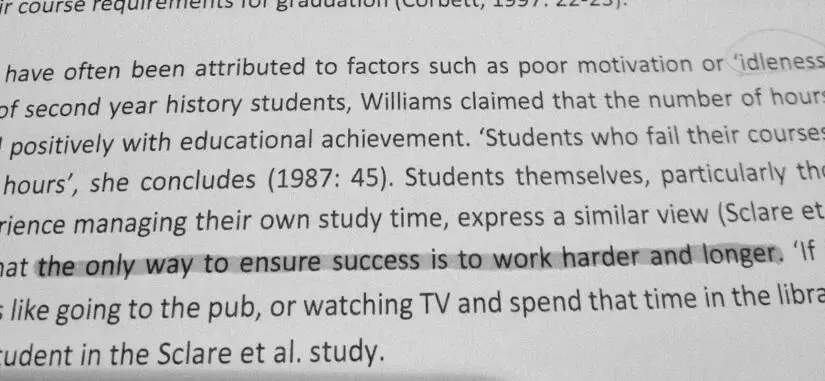
Personal Insights: this module systematically strengthened our command of phonetics, grammar, vocabulary, word formation, synonyms, antonyms and collocations. One challenging assignment required us to analyse a BBC news report. For example, we examined demonstrative pronouns such as “this” and “that” to identify their anaphoric or cataphoric references in written texts. As English teachers, this systematic linguistic training inspires us to embed these linguistic concepts subtly into classroom instruction, raising students’ awareness of language rules and supporting their English acquisition.
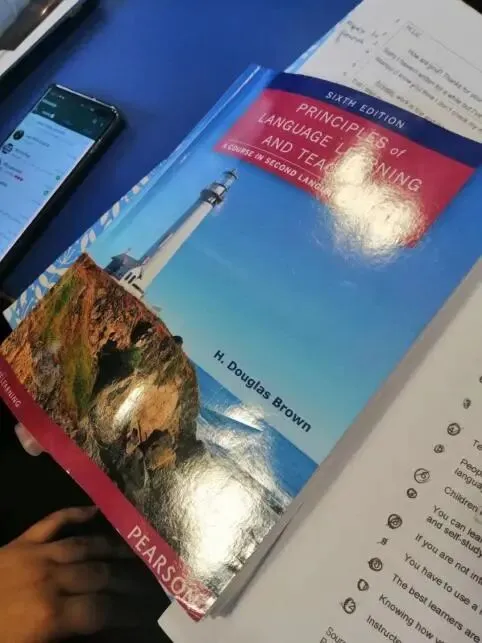

Module 3:Developing Professional Practice in TESOL
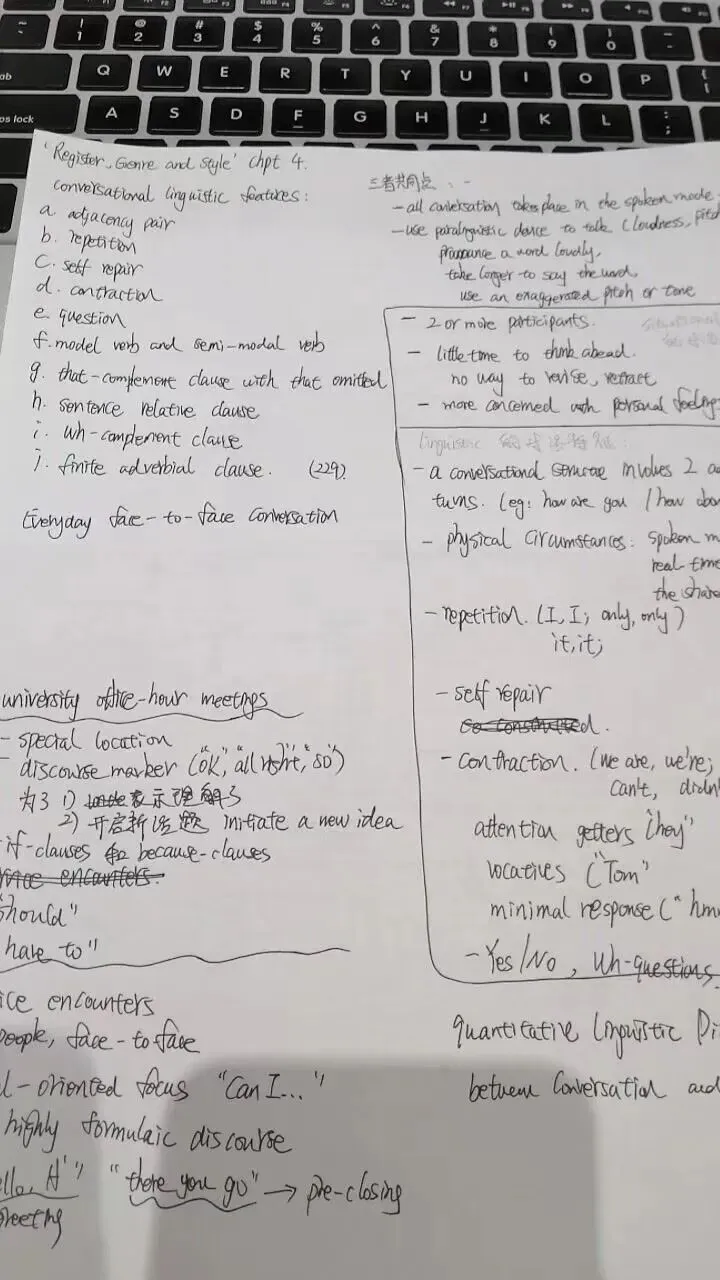
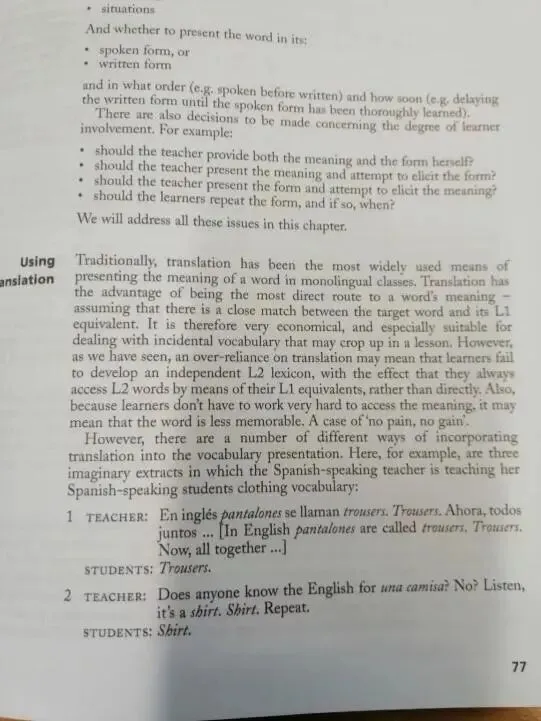
What we study: teaching‑materials development, lesson and course design, and practitioner enquiry. We learn how to design small‑scale classroom research and adjust educational theories for varied teaching contexts.
Personal Insights: this course focused on core practical teacher skills, such as designing lesson plans. Crafting lesson plans encouraged us to reflect on the rationale behind every teaching activity and clarify the purpose of each step. Its highlight was weekly peer observation: one member delivered a 15‑minute mini‑lesson, and the rest documented and analyzed the teaching with academic theories for coursework. For English teachers, we must fully justify every stage in our lesson design — knowing precisely why each teaching step matters.

Module 4:Introduction To Educational And Social Research
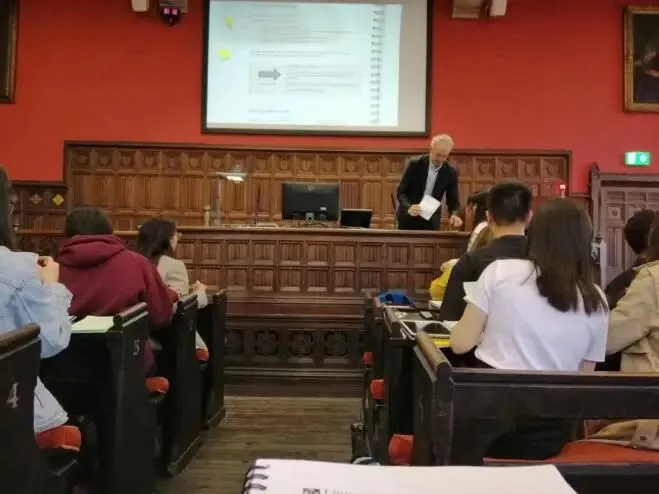
What we study: basic principles of educational research and methodology in Education.
Personal Insights: this module introduces a range of research paradigms within educational studies. It outlines the full workflow of conducting educational research, including how to compose literature reviews, collect research data, and format references properly. For front-line English educators undertaking practitioner research, this encourages us to reflect systematically on our own inquiries and follow sound academic standards throughout our research projects.

3.What light can TESOL study cast on today’s English teaching?
1.Teacher’s Multi‑roles.
A qualified English teacher is never merely a knowledge transporter. Instead, teachers undertake multiple dynamic roles in class, including organizer, controller, observer, facilitator, assessor and prompter (Harmer, 2007). Real English teaching requires teachers to switch flexibly among different roles to activate student participation.
2. Student-centred Classroom & TTT/STT.
TESOL training abroad strongly emphasizes Students’ Talking Time (STT) and Teacher Talking Time (TTT). It advocates increasing STT while lowering TTT, shifting lessons from teacher-centred to student-centred. For English educators, this principle reminds us to deliberately create more speaking opportunities for learners and curb impromptu, unplanned teacher talk, especially in listening and speaking lessons.
3. Innovation & Life-long Learning.
Teaching follows structured frameworks but must remain dynamic. One striking observation from TESOL training is that some fellow participants, seasoned teachers close to 50, returned to refresh their practice. They hoped to break rigid teaching routines and exchange perspectives with younger educators. This demonstrates that innovation grows from teachers’ commitment to lifelong learning.
4.Conclusion
English teaching is more than simply passing on linguistic knowledge. Insights drawn from UK TESOL programs invite us as front‑line educators to constantly re‑examine our classroom practice. We need to flex our multiple instructional roles, prioritize student‑centered class, and embrace both innovation and lifelong learning. As reflective practitioners, we keep refining our teaching, growing professionally alongside our learners.

图文:李颖
初审:潘玲燕
终审:邹继红