 夜雨聆风
夜雨聆风AP Art History 的 FRQ,尤其是 LEQ 长文题,很多同学最容易出现这些问题:
不知道第一段怎么开头;不知道视觉证据怎么写;不知道 contextual evidence 怎么接到论点;不知道 complexity 到底要怎么展开。
其实,AP Art History 的FRQ有非常明确的写作逻辑和评分结构。
这篇文章整理了最常见的FRQ写作模板,考试时可以直接按照段落结构套用。
Q1比较题

Q1 写作公式
→Identification→ Visual characteristics→ Difference / Similarity 1→ Difference / Similarity 2→ Claim + Contextual evidence
也就是说,Q1 比较题的基本逻辑是:
先识别你选择的作品;再分别描述题目给出的作品和你选择作品的视觉特征;接着围绕题目主题,分析两个作品之间的相似或不同;最后用 contextual evidence 解释这种相似或不同背后的文化、历史或社会原因。
01
第一段:作品识别
The work I have selected is [title], created by [artist/culture] in [date], made of [materials], located in [location].
这一段的目标是完成作品识别。
你需要尽量写出作品的 title、artist / culture、date、materials 和 location。考试时如果你不确定某个 identifier,也可以尽量写上,因为缺少准确信息会影响得分。
02
第二段:视觉证据
One visual characteristic of [given work] is [specific visual element], as seen in [precise description]. One visual characteristic of [selected work] is [specific visual element], as seen in [precise description].
这一段要分别描述两件作品的视觉特征。
注意,visual characteristic 不能写得太泛。不要只写 “beautiful,” “detailed,” “colorful” 这类空泛描述,而要写具体可见的视觉元素。
可以从以下角度入手:
人物姿势、构图方式、材料、比例、尺度、空间安排、颜色、装饰、表情、建筑结构、图像符号
关键是:你要让读者知道你真的在分析这件作品,而不是套用模糊描述。
03
第三段:第一个异同点
One difference/similarity in how the artists depicted [theme] is [overarching point]. In [given work], [specific visual evidence]. This shows that [what this means in this work and how it relates to the theme]. In contrast/Similarly, [selected work] depicts [specific visual evidence]. This demonstrates that [what this means in this work and how it relates to the theme].
这一段写第一个相似点或不同点。
结构可以理解为:
先提出一个总体判断;再写 given work 的视觉证据;然后解释这个证据说明了什么;接着写 selected work 的视觉证据;最后解释它如何回应同一个主题。
这里最重要的是:不要只写 evidence,一定要写 analysis。
比如你写到作品中的人物更大、位置更中心、使用了更昂贵的材料,都要继续解释:这说明了什么?它如何体现 power、devotion、status、identity 或 authority?
04
第四段:第二个异同点
Another difference/similarity in how the artists depicted [theme] is [overarching point]. In [given work], [specific visual evidence]. This shows that [what this means in this work and how it relates to the theme]. In contrast/Similarly, [selected work] depicts [specific visual evidence]. This demonstrates that [what this means in this work and how it relates to the theme].
这一段写第二个相似点或不同点。
它和第三段结构相同,但角度要换一个。
例如:
第三段分析人物形象;第四段可以分析材料、空间、构图、尺度、颜色或图像符号。
这样文章会更完整,也能体现你从多个角度理解作品。
05
第五段:Claim + Contextual Evidence
[Given work] and [selected work] show a difference/similarity in [theme] due to [claim — explain the cultural/historical reason behind the visual choices]. In [given work], [specific contextual evidence]. This demonstrates that [connection to claim]. In contrast/Similarly, [selected work] reflects [specific contextual evidence]. This shows that [connection to claim].
这一段是用 contextual evidence 支撑 claim。
也就是说,这里不能继续停留在画面描述,而是要解释:为什么这两件作品会以这样的方式表现主题?
可以从以下角度展开:
文化背景,宗教信仰,政治制度,社会等级,赞助人,作品功能,历史语境,仪式用途
注意,contextual evidence 不是单纯背背景。你写完背景后,必须说明它如何支持你的 claim。
由于篇幅有限,本篇先整理 Q1 Comparison 的写作模板。Q2 Single Work LEQ 的完整模板会放在下一篇继续更新,适合收藏起来考前反复看。觉得有用的话,也可以转发给正在备考 AP Art History 的同学。
#
About Navis / 关于Navis老师

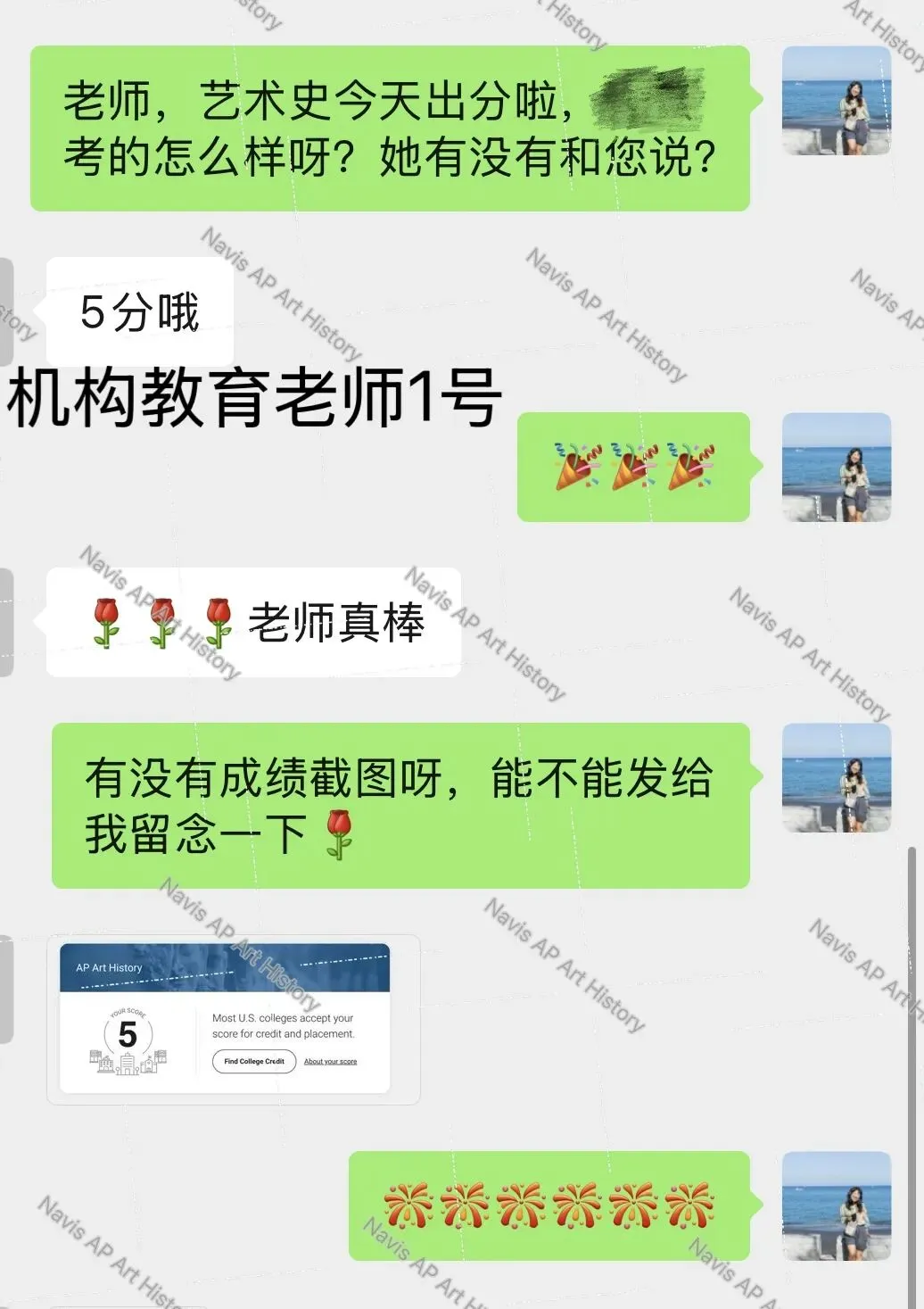
中央美术学院艺术史硕士,College Board 官方认证 AP 教师,累计授课3000+小时,AP考试通过率100%,98%以上学生取得4分及以上成绩。
无数学生在 Navis 的指导下,从零基础逐步成长为能够自信面对 AP 大考的高分考生,更在过程中培养了持久的艺术素养与审美能力。
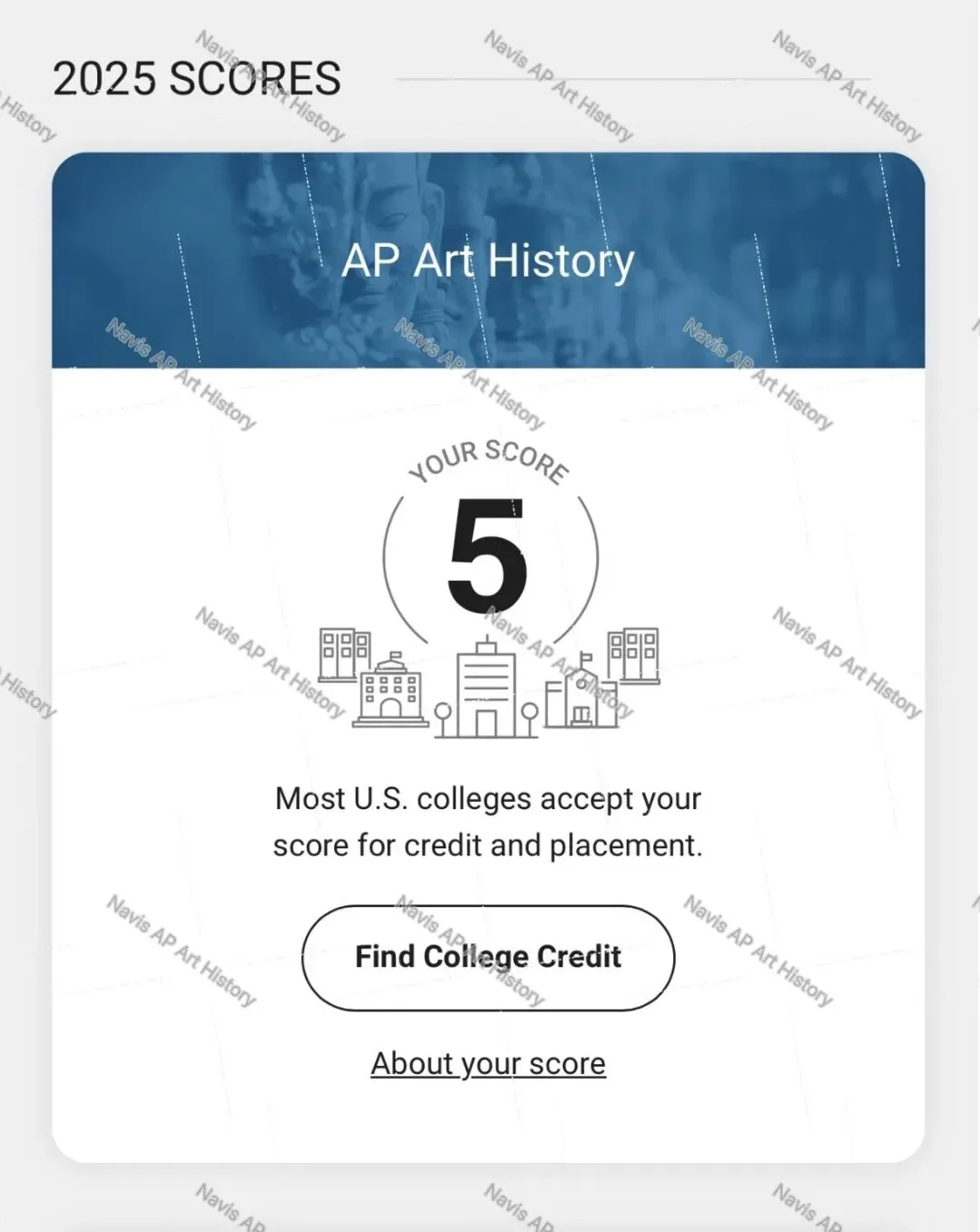
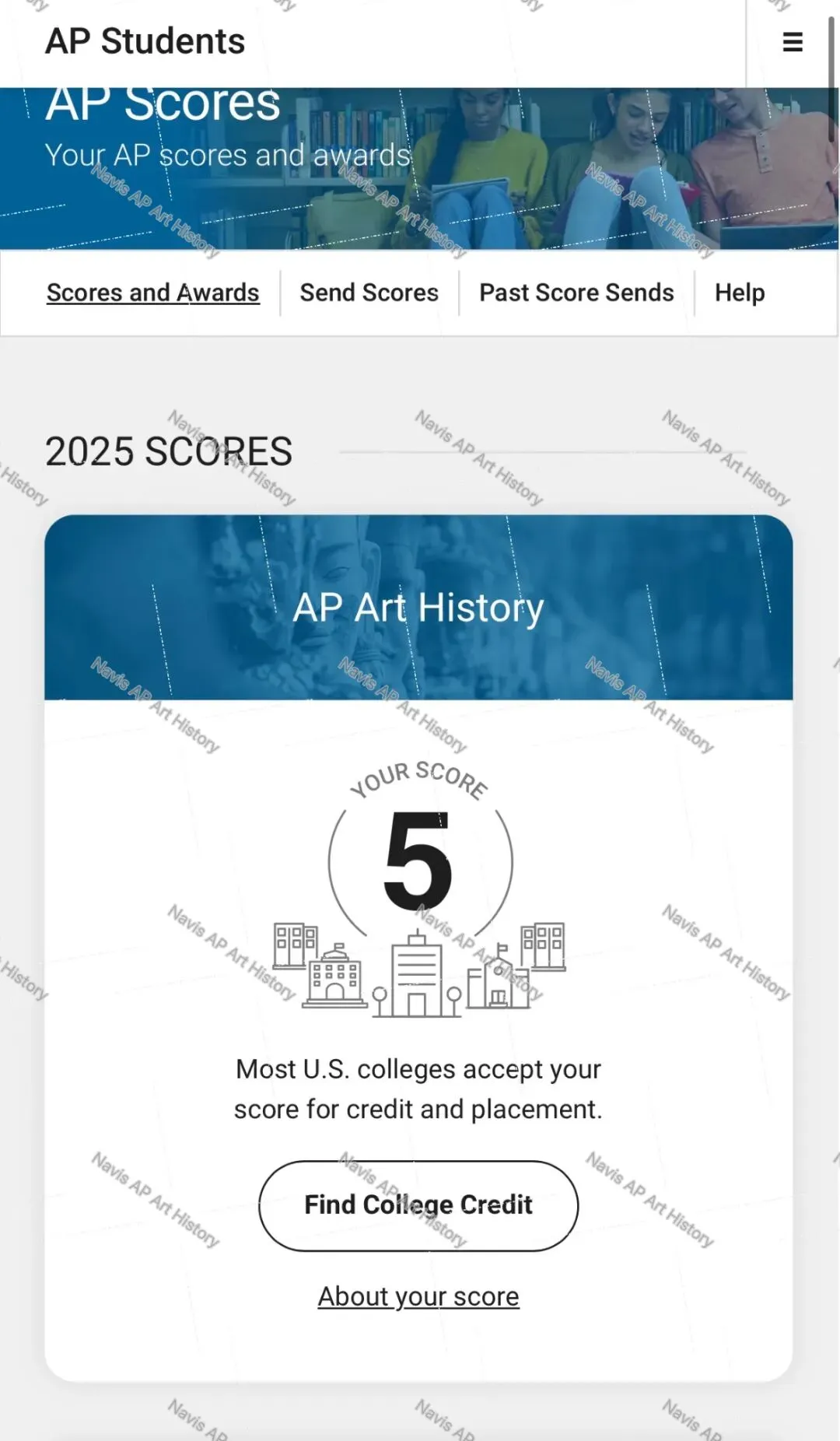
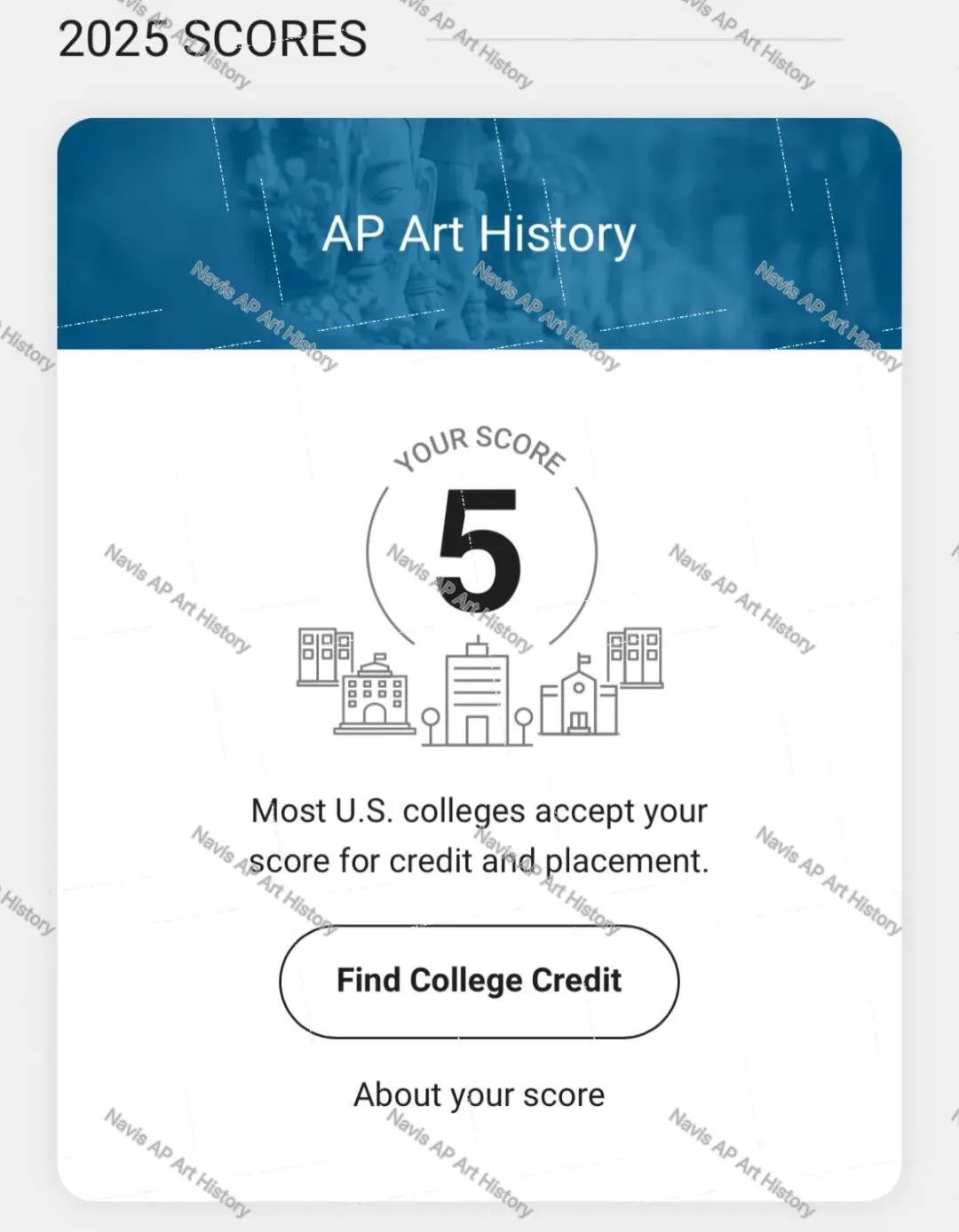
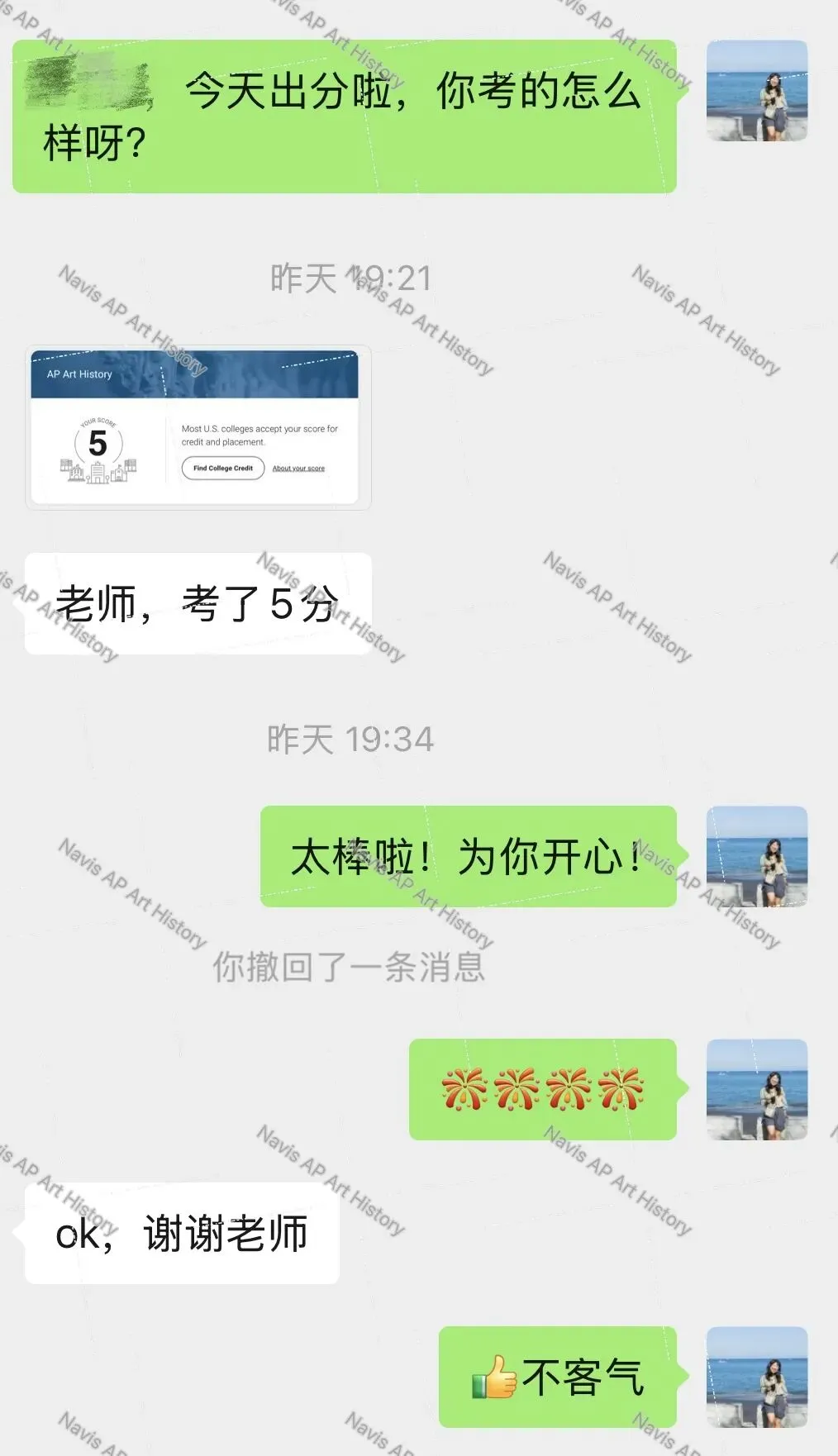
滑动查看更多
报名 & 咨询方式:扫描下方二维码,加微信咨询

或直接添加微信号:15678850510
(加好友请备注:姓名+年级,以便快速通过审核)
你将获得:
一对一免费学习情况评估
个性化学习路径建议
不定期免费试听公开课推送
点击关注,备考不迷路