07 非谓语动词
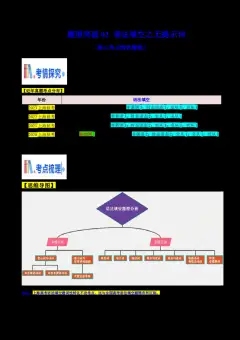
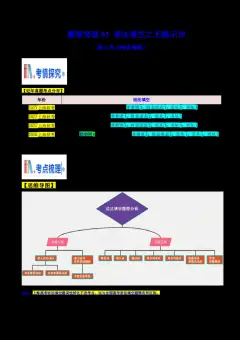
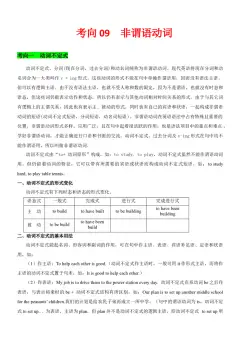
非谓语动词
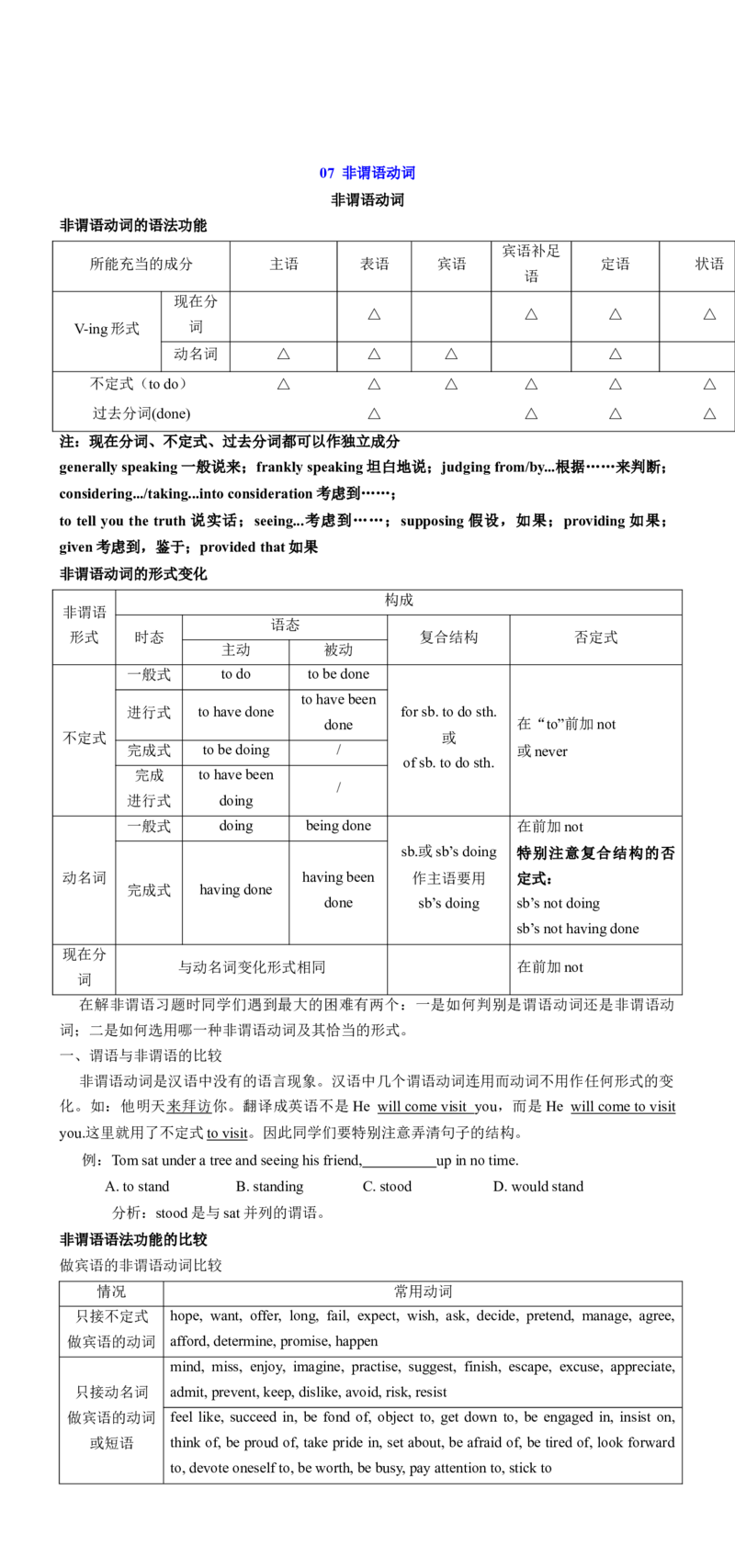
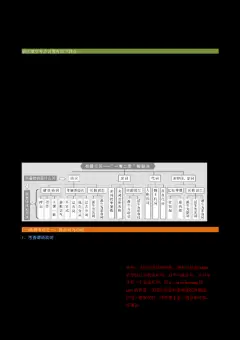
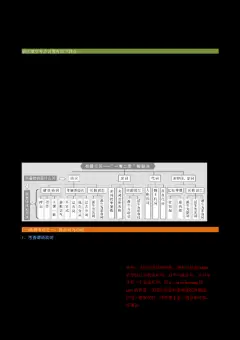
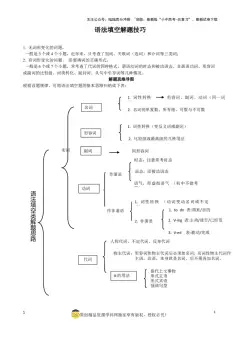
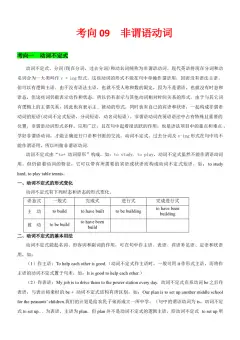
非谓语动词的语法功能
宾语补足
所能充当的成分 主语 表语 宾语 定语 状语
语
现在分
△ △ △ △
V-ing形式 词
动名词 △ △ △ △
不定式(to do) △ △ △ △ △ △
过去分词(done) △ △ △ △
注:现在分词、不定式、过去分词都可以作独立成分
generally speaking一般说来;frankly speaking坦白地说;judging from/by...根据……来判断;
considering.../taking...into consideration考虑到……;
to tell you the truth 说实话;seeing...考虑到……;supposing 假设,如果;providing 如果;
given考虑到,鉴于;provided that如果
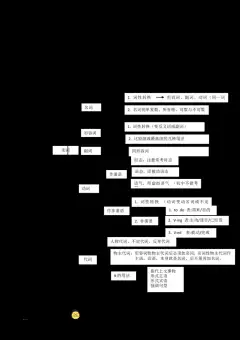
非谓语动词的形式变化
构成
非谓语
语态
形式 时态 复合结构 否定式
主动 被动
一般式 to do to be done
to have been
进行式 to have done for sb. to do sth.
done 在“to”前加not
不定式 或
完成式 to be doing / 或never
of sb. to do sth.
完成 to have been
/
进行式 doing
一般式 doing being done 在前加not
sb.或sb’s doing 特别注意复合结构的否
动名词 having been 作主语要用 定式:
完成式 having done
done sb’s doing sb’s not doing
sb’s not having done
现在分
与动名词变化形式相同 在前加not
词
在解非谓语习题时同学们遇到最大的困难有两个:一是如何判别是谓语动词还是非谓语动
词;二是如何选用哪一种非谓语动词及其恰当的形式。
一、谓语与非谓语的比较
非谓语动词是汉语中没有的语言现象。汉语中几个谓语动词连用而动词不用作任何形式的变
化。如:他明天来拜访你。翻译成英语不是 He will come visit you,而是He will come to visit
you.这里就用了不定式to visit。因此同学们要特别注意弄清句子的结构。
例:Tom sat under a tree and seeing his friend, up in no time.
A. to stand B. standing C. stood D. would stand
分析:stood是与sat并列的谓语。
非谓语语法功能的比较
做宾语的非谓语动词比较
情况 常用动词
只接不定式 hope, want, offer, long, fail, expect, wish, ask, decide, pretend, manage, agree,
做宾语的动词 afford, determine, promise, happen
mind, miss, enjoy, imagine, practise, suggest, finish, escape, excuse, appreciate,
只接动名词 admit, prevent, keep, dislike, avoid, risk, resist
做宾语的动词 feel like, succeed in, be fond of, object to, get down to, be engaged in, insist on,
或短语 think of, be proud of, take pride in, set about, be afraid of, be tired of, look forward
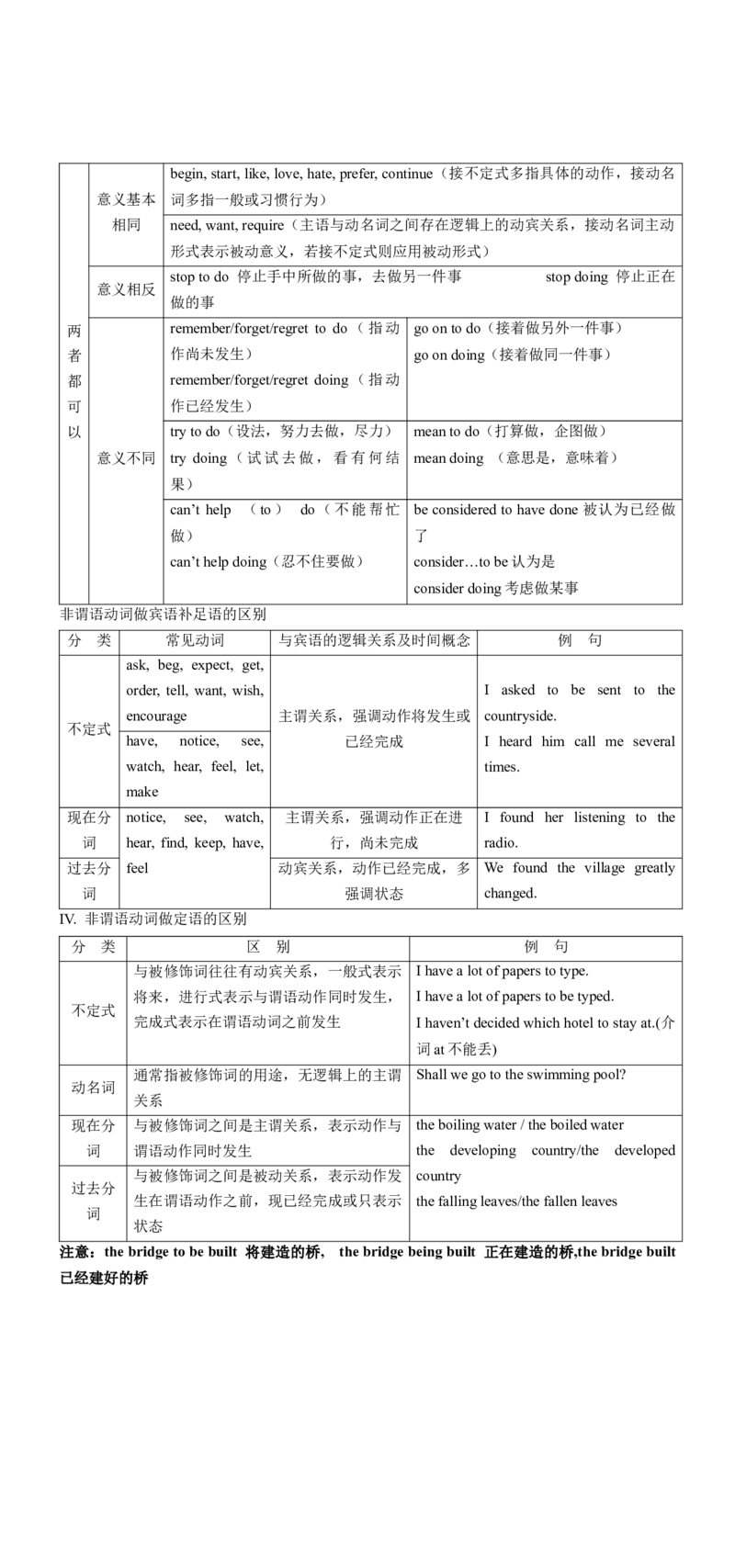
to, devote oneself to, be worth, be busy, pay attention to, stick tobegin, start, like, love, hate, prefer, continue(接不定式多指具体的动作,接动名
意义基本 词多指一般或习惯行为)
相同 need, want, require(主语与动名词之间存在逻辑上的动宾关系,接动名词主动
形式表示被动意义,若接不定式则应用被动形式)
stop to do 停止手中所做的事,去做另一件事 stop doing 停止正在
意义相反
做的事
两 remember/forget/regret to do(指动 go on to do(接着做另外一件事)
者 作尚未发生) go on doing(接着做同一件事)
都 remember/forget/regret doing(指动
可 作已经发生)
以 try to do(设法,努力去做,尽力) mean to do(打算做,企图做)
意义不同 try doing(试试去做,看有何结 mean doing (意思是,意味着)
果)
can’t help (to) do(不能帮忙 be considered to have done 被认为已经做
做) 了
can’t help doing(忍不住要做) consider…to be认为是
consider doing考虑做某事
非谓语动词做宾语补足语的区别
分 类 常见动词 与宾语的逻辑关系及时间概念 例 句
ask, beg, expect, get,
order, tell, want, wish, I asked to be sent to the
encourage 主谓关系,强调动作将发生或 countryside.
不定式
have, notice, see, 已经完成 I heard him call me several
watch, hear, feel, let, times.
make
现在分 notice, see, watch, 主谓关系,强调动作正在进 I found her listening to the
词 hear, find, keep, have, 行,尚未完成 radio.
过去分 feel 动宾关系,动作已经完成,多 We found the village greatly
词 强调状态 changed.
IV. 非谓语动词做定语的区别
分 类 区 别 例 句
与被修饰词往往有动宾关系,一般式表示 I have a lot of papers to type.
将来,进行式表示与谓语动作同时发生, I have a lot of papers to be typed.
不定式
完成式表示在谓语动词之前发生 I haven’t decided which hotel to stay at.(介
词at不能丢)
通常指被修饰词的用途,无逻辑上的主谓 Shall we go to the swimming pool?
动名词
关系
现在分 与被修饰词之间是主谓关系,表示动作与 the boiling water / the boiled water
词 谓语动作同时发生 the developing country/the developed
与被修饰词之间是被动关系,表示动作发 country
过去分
生在谓语动作之前,现已经完成或只表示 the falling leaves/the fallen leaves
词
状态
注意:the bridge to be built 将建造的桥, the bridge being built 正在建造的桥,the bridge built
已经建好的桥高考考点:
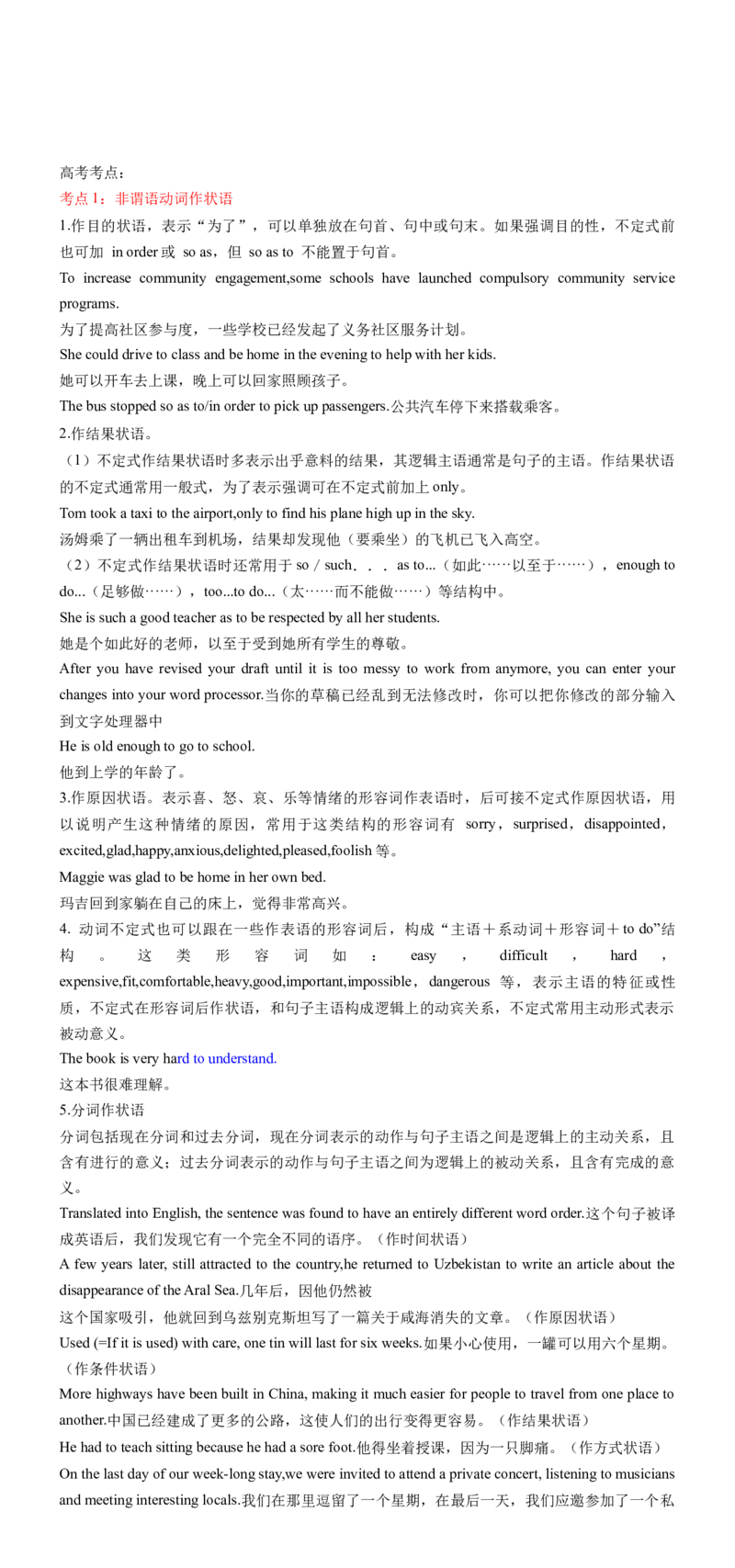
考点1:非谓语动词作状语
1.作目的状语,表示“为了”,可以单独放在句首、句中或句末。如果强调目的性,不定式前
也可加 in order或 so as,但 so as to 不能置于句首。
To increase community engagement,some schools have launched compulsory community service
programs.
为了提高社区参与度,一些学校已经发起了义务社区服务计划。
She could drive to class and be home in the evening to help with her kids.
她可以开车去上课,晚上可以回家照顾孩子。
The bus stopped so as to/in order to pick up passengers.公共汽车停下来搭载乘客。
2.作结果状语。
(1)不定式作结果状语时多表示出乎意料的结果,其逻辑主语通常是句子的主语。作结果状语
的不定式通常用一般式,为了表示强调可在不定式前加上only。
Tom took a taxi to the airport,only to find his plane high up in the sky.
汤姆乘了一辆出租车到机场,结果却发现他(要乘坐)的飞机已飞入高空。
(2)不定式作结果状语时还常用于so/such...as to...(如此······以至于······),enough to
do...(足够做······),too...to do...(太······而不能做······)等结构中。
She is such a good teacher as to be respected by all her students.
她是个如此好的老师,以至于受到她所有学生的尊敬。
After you have revised your draft until it is too messy to work from anymore, you can enter your
changes into your word processor.当你的草稿已经乱到无法修改时,你可以把你修改的部分输入
到文字处理器中
He is old enough to go to school.
他到上学的年龄了。
3.作原因状语。表示喜、怒、哀、乐等情绪的形容词作表语时,后可接不定式作原因状语,用
以说明产生这种情绪的原因,常用于这类结构的形容词有 sorry,surprised,disappointed,
excited,glad,happy,anxious,delighted,pleased,foolish等。
Maggie was glad to be home in her own bed.
玛吉回到家躺在自己的床上,觉得非常高兴。
4. 动词不定式也可以跟在一些作表语的形容词后,构成“主语+系动词+形容词+to do”结
构 。 这 类 形 容 词 如 : easy , difficult , hard ,
expensive,fit,comfortable,heavy,good,important,impossible,dangerous 等,表示主语的特征或性
质,不定式在形容词后作状语,和句子主语构成逻辑上的动宾关系,不定式常用主动形式表示
被动意义。
The book is very hard to understand.
这本书很难理解。
5.分词作状语
分词包括现在分词和过去分词,现在分词表示的动作与句子主语之间是逻辑上的主动关系,且
含有进行的意义;过去分词表示的动作与句子主语之间为逻辑上的被动关系,且含有完成的意
义。
Translated into English, the sentence was found to have an entirely different word order.这个句子被译
成英语后,我们发现它有一个完全不同的语序。(作时间状语)
A few years later, still attracted to the country,he returned to Uzbekistan to write an article about the
disappearance of the Aral Sea.几年后,因他仍然被
这个国家吸引,他就回到乌兹别克斯坦写了一篇关于咸海消失的文章。(作原因状语)
Used (=If it is used) with care, one tin will last for six weeks.如果小心使用,一罐可以用六个星期。
(作条件状语)
More highways have been built in China, making it much easier for people to travel from one place to
another.中国已经建成了更多的公路,这使人们的出行变得更容易。(作结果状语)
He had to teach sitting because he had a sore foot.他得坐着授课,因为一只脚痛。(作方式状语)
On the last day of our week-long stay,we were invited to attend a private concert, listening to musicians
and meeting interesting locals.我们在那里逗留了一个星期,在最后一天,我们应邀参加了一个私人音乐会,在星空下聆听音乐家的演奏,并与有趣的当地人见面。(作伴随状语)
Wounded,the brave soldier continued to fight.虽然受了伤,那位勇敢的战士仍然继续作战。(作让
步状语)
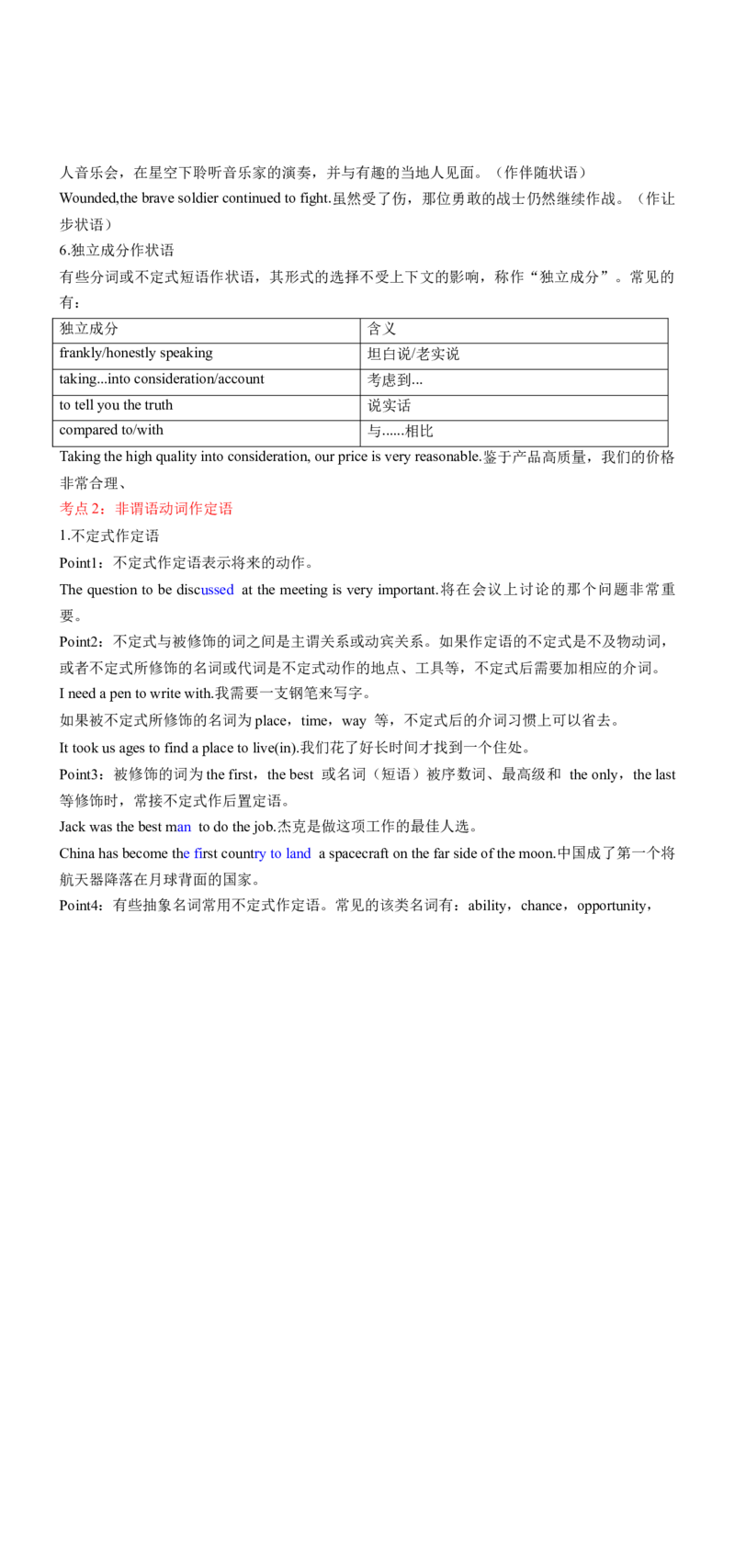
6.独立成分作状语
有些分词或不定式短语作状语,其形式的选择不受上下文的影响,称作“独立成分”。常见的
有:
独立成分 含义
frankly/honestly speaking 坦白说/老实说
taking...into consideration/account 考虑到...
to tell you the truth 说实话
compared to/with 与......相比
Taking the high quality into consideration, our price is very reasonable.鉴于产品高质量,我们的价格
非常合理、
考点2:非谓语动词作定语
1.不定式作定语
Point1:不定式作定语表示将来的动作。
The question to be discussed at the meeting is very important.将在会议上讨论的那个问题非常重
要。
Point2:不定式与被修饰的词之间是主谓关系或动宾关系。如果作定语的不定式是不及物动词,
或者不定式所修饰的名词或代词是不定式动作的地点、工具等,不定式后需要加相应的介词。
I need a pen to write with.我需要一支钢笔来写字。
如果被不定式所修饰的名词为place,time,way 等,不定式后的介词习惯上可以省去。
It took us ages to find a place to live(in).我们花了好长时间才找到一个住处。
Point3:被修饰的词为the first,the best 或名词(短语)被序数词、最高级和 the only,the last
等修饰时,常接不定式作后置定语。
Jack was the best man to do the job.杰克是做这项工作的最佳人选。
China has become the first country to land a spacecraft on the far side of the moon.中国成了第一个将
航天器降落在月球背面的国家。
Point4:有些抽象名词常用不定式作定语。常见的该类名词有:ability,chance,opportunity,plan, idea, hope,wish,fact,excuse, promise,attempt,way等。
An easy way to bring all work generations together is with a chat platform.
将所有年龄段的工作人员联系起来的一个简单方式是通过聊天平台
Point 5:不定式可以修饰there be结构中作主语的名词。
There is nothing to worry about.
2. 分词作定语
分词作定语往往具有形容词的性质。单个分词作定语常置于被修饰词前;分词短语作定语常
置于被修饰词之后。现在分词表示动作正在进行或是主动的,过去分词表示动作已完成或是
被动的。例如:
Are there any living things on the moon?
月球上有生物吗?
Knowledge is generalized experience.
知识是经验的总结。
We must keep a secret of the things being discussed here.对于这里正在讨论的事情,我们必须保
密。
3. 动名词作定语
用于说明被修饰词的用途、功能或目的。
a walking stick拐杖
a reading room阅览室
a sleeping car卧铺车
考点3:非谓语动词作宾语、主语和表语的用法
1. 非谓语动词作宾语
表示下列含义的动词一般接不定式作宾语,请牢记下面的口诀:
决心学会想希望,拒绝设法愿假装。
主动答应选计划,同意请求排一排。
即 decide / determine , learn , want , expect / hope; refuse, manage, wish, pretend;
offer,promise,choose,plan;agree,ask/beg,arrange等后一般只接不定式作宾语。
此外,afford,aim,claim,fail,threaten等也要用不定式作宾语。
Even if you reserve tickets in advance during the Spring Festival,you may still fail to get one.即使
你在春节期间提前订票,也仍然可能买不到票。We managed to get to the airport in time.我们设法及时赶到了机场。 [《牛津高阶》]
表示下列含义的动词或动词短语后一般接动名词作宾语,请牢记下面的口诀:
考虑建议盼原谅,承认推迟还想要。
避免错过继续练,否认完成就欣赏。
禁止想象才冒险,不禁介意准逃亡。
即 consider,suggest/advise,look forward to,excuse/pardon; admit, delay/put off,
fancy(想要);avoid, miss, keep/keep on, practice;deny,finish,enjoy/appreciate;
forbid, imagine, risk;can’t help(禁不住),mind,allow/permit,escape 等后一般只接动名词
作宾语。
此外,be used/accustomed to(习惯于),devote to, go back to, stick to, object to, get down
to,pay attention to,can’t stand(忍受),give up,feel like,insist on, thank you for, apologize
for, be busy(in),have difficulty/trouble(in)等动词短语后也要用动名词作宾语。
The hospital forbids smoking in public buildings.医院禁止在公共楼宇吸烟。
有些动词或动词短语既可接动词不定式作宾语,也可接动名词作宾语,但表示的含义不同。
regret to do sth.很遗憾要做某事regret doing sth.后悔做过某事
forget to do sth.忘记要去做某事forget doing sth.忘记已做某事
remember to do sth.记得要做某事remember doing sth.记得做过某事
mean to do sth.打算做某事mean doing sth.意味着做某事
try to do sth.努力/企图做某事try doing sth.试着做某事
can’t help(to)do sth.不能帮助做某事can’t help doing sth.情不自禁地做某事
I remembered to lock the door before I left the office,but forgot to turn off the lights.
我记得离开办公室之前要锁门,但忘了要关灯。
I remember meeting her at a party once.
我记得曾在一次聚会上见过她一面。
动词 like,love,prefer,hate 等后接不定式或动名词作宾语均可。但当宾语表示经常性的动
作时要用动名词,表示具体的行为时要用不定式。
I like swimming, but I don't like to swim this afternoon.我喜欢游泳,但我今天下午不想去。
2.非谓语动词作主语
不定式作主语,一般表示具体某一次的动作。常用it作形式主语,而将真正的主语(不定式
结构)放在句末,以使句子保持平衡。To climb the mountain is hard work but to go down the mountain is great fun.上山很艰难,下山却
很好玩。
These days, it is not unusual for 10- to 12-year-olds to publish their own websites or for second and
third graders to begin computer classes.如今,10到12岁的孩子发布自己的网站,二年级和三年
级学生开始上计算机课,这并不少见。
动名词作主语常表示一般的、抽象的、泛指的概念;也可用 it作形式主语,将真正的主语
(动名词结构)放在句末。常用于固定句型 It's a waste of time doing...;lt's no use/good
doing...;It is useless/nice/worthwhile/... doing...; There is no doing...等中。
Using emojis can add humor and feeling,keeping intention clear in written communications.书面交
流时使用表情符号可以增加幽默和感情,保持明确的意图
It is no use complaining without taking action.不采取行动而只是抱怨是没有用的。
There is no joking about such serious matters.这样严肃的事开不得玩笑。
3.非谓语动词作表语常用来表示将要发生的动作,也可用来表示未来的可能性和假设;但当
作表语的不定式仅用来说明主语的内容时,这时的不定式只起到作表语成分的作用,而不具
有对未来的假设含义。
The solution, of course, was to plant trees so the animals could seek shelter during the daytime.当
然,解决办法是种树,这样动物们就可以在白天寻找栖身之处。
My job is to clean the rooms every day.我的工作是每天打扫房间。
动名词作表语多指抽象的、概念性的动作,可以是多次的、经常性的行为。
Our job is playing all kinds of music.我们的工作是演奏各种各样的音乐。
get, become, look, seem,appear等系动词后可跟分词作表语,这些分词大多数已经形容词化,
且多与心理状态有关。过去分词表示被动或主语的状态,现在分词表主动或主语具有的特
征。
This quotation from Winston Churchill tells us that we shouldn't get discouraged right after failures.
温斯顿·丘吉尔的这句名言告诉我们,失败过后我们不应该气馁。
考点4:非谓语动词作补足语的用法
1.不定式作补足语
有些动词或动词短语后接不定式作宾语补足语,即构成“动词/动词短语+宾语+to do”结
构。常见的这类动词(短语)有:
I encourage readers to go to their local library when they can't afford to purchase a book.当读者买不起一本书的时候,我鼓励他们去当地的图书馆。[全国II]
下列句型中常用不定式作主语补足语,即“主语+be said/believed/known/reported/
considered/thought+to do/to have done/to be done/to be doing/to have been done”句型。
He is said to have been cheated in the street.据说,他在大街上被骗了。
The accident is reported to have killed two people.据报道,这场事故中有两人丧生。
后接to be done作表语。
Please remain seated until all the lights are on.请留在座位上,直到灯全都亮起。 [《朗文当
代》]
It remains to be seen whether the newly formed committee’s policy can be put into practice.新成立
的委员会提出的政策能否实行还有待观察。
2.分词作补足语
现在分词作宾语补足语时,表主动、进行,句中的宾语往往就是其逻辑主语,宾语与宾补之
间存在逻辑上的主动关系。
They use computers to keep the traffic running smoothly.他们使用电脑来保持交通畅通无阻。
Listen! Do you hear someone calling for help?听!你听得到有人在呼救吗?
过去分词作宾语补足语时,表被动、完成,宾补与宾语之间存在逻辑上的被动关系。
Alexander tried to get his work recognized in the medical circles.
亚历山大努力使自己的工作在医学界得到认可。
巩固练习:
单句填空A组
1.The project won a prize at China Thinks Big, a competition __________(hold) by Harvard and
Tsinghua University to encourage teenagers to explore important global issues and focus on
solutions.
2.Cygnus arrived at the International Space Station on February 21,2022,________(carry)a large
load of supplies and scientific experiments.
3.Although I had money and a place ____________(sleep),I recognized that I needed help too.
4.It didn't take long for us__________(realize) the full depth of her suffering.
5.During the Qin Dynasty,to keep the enemy out of his empire,Qin Shi Huang had all the
walls_________ (join)up.
6.First_____________ (create) by the U.S.agriculturalist Sterling Morton in 1872,Tree-planting Daywas set in order to inspire people's passions for planting and protecting trees.
7.I was walking alone on the beach when I heard someone ___________(call)out for help.
8._____________(build) over 2,200 years ago in what is now Sichuan Province in Southwest China,
this amazing engineering achievement is still being used today.
9.After a few years, the caves were opened as a tourist attraction, and 1,200 people per day came to
the site__________(admire) the paintings.
10.Happiness is a flower ___________(live) in the sunshine, and it is not difficult to reach for it.
单句填空B组
1.I feel it our responsibility__________(communicate)about the charm of the primitive inscriptions
with the younger generations and foreigners.
2.The research,which was published in the journal Science of the Total Environment last week, is the
first study_____________(identify) the plastics in the lungs of living people.
3.Senior Colonel Wang Yaping, the first female Chinese space walker, said that she was very
happy__________(return) to the motherland and wanted to tell her little daughter that her mom
had returned after reaching for the stars.
4.Problems keep____________(range) from the lack of doctors to the increase of medical expenses.
5.TCM (Traditional Chinese Medicine) is about ____________(restore) the balance between yin and
yang forces in patients.
6.To really appreciate and understand another language,you need__________ (understand) its culture
and philosophy.
7.With less people____________(choose) to make sugar paintings, the traditional Chinese folk craft
might have become a distant memory in some ways.
8.__________(see) their aimless daughter every day,they are very disappointed.
9. At the entrance to a Chinese garden, there is usually a huge stone or a high wall
__________(use)to screen your view.
10.___________(tell)many times, he finally understood it.
解析:
单句填空A组
1.held 句意为:该项目在哈佛大学和清华大学举办的“中国大智汇创新研究挑战赛”中获
奖,该竞赛旨在鼓励青少年探索重要的全球问题并专注于解决方案。此处为非谓语动词作后置定语,修饰a competition,且a competition 和hold之间是逻辑上的被动关系,应用过去分
词,故填held。
2.carrying 句意为:2022年2月21日,“天鹅座”货运飞船运载着大量补给品和科学实验
用品抵达国际空间站。句子中arrived为谓语动词,carry在句中应用非谓语动词形式,其与逻
辑主语Cygnus构成主动关系,故用现在分词作状语。故填carrying。
3.to sleep 句意为:虽然我有钱,有地方睡觉,但我意识到我也需要帮助。分析句子结构可
知,在Although引导的让步状语从句中,谓语是had,设空处需要用非谓语动词形式,place
后常用不定式作后置定语。故填to sleep。
4.to realize 句意为:没过多久,我们就认识到她饱受的苦难。分析句子结构可知,It是形式
主语,此处应用不定式作真正的主语。It takes/took some time for sb,to do sth.意为“做某事
花费某人多少时间”。故填to realize。
5.joined 句意为:在秦朝,秦始皇(命人)把所有的城墙连接起来,以御敌于他的帝国之
外。宾语 all the walls 和join之间是逻辑上的被动关系,因此用过去分词作宾语补足语。此
处是have sth.done 结构,意为“计/使人做某事”。故填joined。
6.created 句意为:植树节最早由美国农学家斯特林·莫顿于1872年提出,旨在激发人们种树
和保护树木的热情。分析句子成分可知,was set在句中作谓语,create需要用非谓语动词形
式。create 与其逻辑主语 Tree-planting Day 之间是被动关系,应用过去分词作状语。故填
created。
7.calling 句意为:我一个人在海滩上走着,突然听到有人喊救命。hear sb.doing sth.为固定
搭配,意为“听见某人正在做某事”,故填calling。
8.Built 句意为:在如今中国西南部的四川省,2,200多年前建造的这项惊人的工程仍在使
用。分析句子结构可知,设空处应用非谓语动词,与其逻辑主语 this amazing engineering
achievement 之间为被动关系;且根据时间状语 over 2,200 years ago 可知,动作已发生,故
用过去分词形式。故填Built。
9.to admire 句意为:几年后,这些洞穴作为旅游景点被开放,每天有1,200人来这个景点欣
赏这些画。根据句意并分析句子结构可知,设空处在句中作目的状语,应用动词不定式,故
填 to admire。
10.living 句意为:幸福是一朵开在阳光下的花,它并非难以触及。分析句子成分可知,句
中已有谓语动词 is,设空处应用非谓语动词形式,且 flower 与live之间是逻辑上的主动关系,应用现在分词作后置定语,故填living。
单句填空B组
1.to communicate 句意为;我觉得我们有责任向年轻一代和外国人传递原始碑文的魅力。it
为形式宾语,feel 的真正的宾语是不定式短语 to communicate...foreigners,故填 to
communicate。
2.to identify 句意为:上周发表在《全环境科学》杂志上的这项研究是第一项发现活人肺部
中有塑料的研究。此处是“the+序数词+n.+to do”结构,设空处应用动词不定式作后置定语,
修饰study.
3.to return 句意为:中国女性太空行走者第一人--王亚平大校说,她很高兴能回到祖国,并
想告诉她的小女儿,摘星星的妈妈回来了。be happy to do sth.意为“很高兴做某事”,故填to
return。
4.ranging 句意为:从医生的缺乏到医疗费用的增加,问题一直在(这两者之间)变动。
keep doing sth.意为“一直做某事”,为固定短语。故填ranging。
5.restoring 句意为:中医是关于恢复患者的阴阳之间的平衡的。根据空前的介词about并结
合句意可知,此处用动名词restoring作宾语。故填restoring。
6.to understand 句意为:为了真正欣赏和理解另一种语言,你需要了解它的文化和哲学。设
空处在句中作 need 的宾语,need to do sth.意为“需要做某事”,为固定搭配。故填 to
understand。
7.choosing 句意为:随着越来越少的人选择制作糖画,这个中国传统的民间手艺在某种程度
上可能已经成为一种遥远的记忆了。本句涉及“with+宾语+宾语补足语”结构,people与
choose之间为逻辑上的主动关系,故应用现在分词作宾语补足语。故填choosing。
8.Seeing 句意为:每天看到毫无斗志的女儿,他们感到很失望。分析句子结构可知,句子
的谓语为are,设空处应用非谓语动词形式。逻辑主语 they和see之间是主动关系,且设空处
表示的动作与谓语表示的动作几乎同时发生,所以用现在分词的一般式作原因状语。故填
Seeing。9.used 句意为:在一个中式庭院的入口处,通常有一块巨大的石头或一面高墙用来
遮挡你的视线。分析句子结构可知,设空处应用非谓语动词形式,石头和墙是被用来遮挡视
线的,use和a huge stone or a high wall 之间是逻辑上的被动关系,应用过去分词作后置定定
语,故填used
10.Having been told 句意为:已经被告知好多次后,他最终理解了它。分析句子结构可知:understood是谓语动词,设空处应用非谓语作状语。Tell 和其逻辑主语he之间是被动关系,
且“告知“先于”理修”发生,应用现在分词的完成式的被动语态;该空置于句首,首字母
应大写,故填Having been told。