ARTICLE · 1212828
高中必修二英语重点知识点突破|Unit 1-5 词汇+句型+语法+易错点
高中必修二英语重点知识点突破
人教版(2019 版)· 5 个单元 · 定语从句 + 进行时/完成时被动 + 过去分词
还没关注?点上方蓝字「好好学习哟」,新一册整理好直接推给你
本文速览
① 五讲全覆盖 Unit 1-5,按课本顺序排好
② 音标逐词标 每单元 20+ 个核心词,带音标、词性和教材释义
③ 学完就能测 每单元 3 道小练习配参考答案,当场知道哪里没掌握
④ 期中期末直接拿去复习 被动语态与过去分词是本学期最难的两块,照着单元顺序过一遍
高中必修二接着必修一的语法主线往下走:定语从句收尾,然后进入现在进行时、现在完成时的被动语态和过去分词的两大用法。这几块既是语法填空的高频点,也是写作里拉开差距的地方。
下面按单元把核心词汇、重点句型、语法难点、易错点一次讲清楚,每讲配一个口诀和 3 道小练习。家长可以直接收藏,学生复习照着过一遍。
写在前面:这一册到底学什么
高中必修二延续必修一的语法主线:定语从句收尾,然后进入被动语态的两种进行时/完成时形式和过去分词的两大用法——这几块既是高考语法填空的高频点,也是写作里拉开差距的地方。
下面按单元把核心词汇、重点句型、语法难点、易错点一次讲清楚,每讲配一个口诀和 3 道小练习。
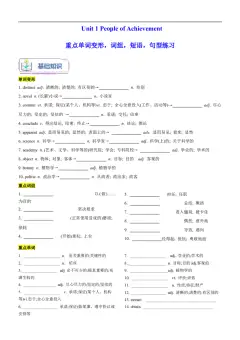
(一)Unit 1Cultural Heritage
文化遗产
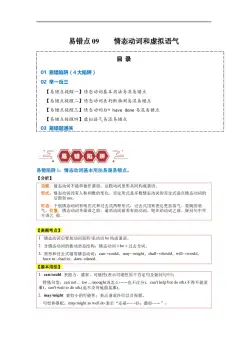
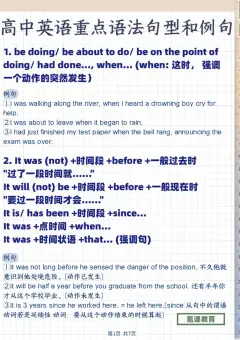
本讲重点:定语从句收官——「介词 + which / whom」与关系副词可以互换
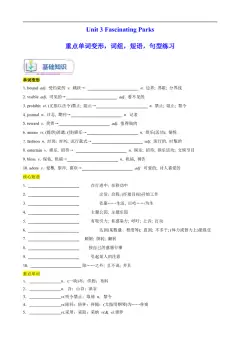
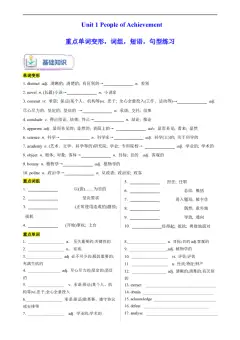
📌 核心词汇
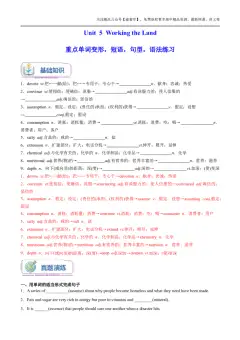
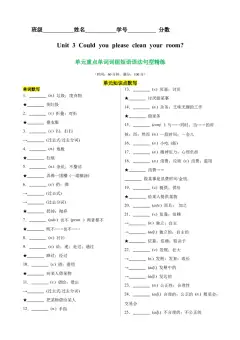
拓展短语:take part in 参加 · make sure 确保 · turn to sb for help 向某人求助 · all over the world 在世界各地 · keep your eyes open (for) 留心
💬 重点句型
Economic development is necessary if we want to improve society. 如果我们想改善社会,经济发展是必需的。
There comes a time when the old must give way to the new. 总有一天,旧事物必须让位于新事物。
Finding and keeping the right balance between progress and the protection of cultural sites can be a big challenge. 在发展与保护文化遗址之间找到并保持平衡,可能是一个巨大的挑战。
Big challenges, however, can sometimes lead to great solutions. 然而,巨大的挑战有时也能带来出色的解决方案。
Water from the dam would likely damage a number of temples and destroy cultural relics that were an important part of Egypt's cultural heritage. 大坝的水很可能会损坏一些寺庙,并毁掉那些属于埃及文化遗产重要部分的文物。
After listening to the scientists who had studied the problem, and citizens who lived near the dam, the government turned to the United Nations for help in 1959. 在听取了研究过这个问题的科学家和住在大坝附近的居民的意见后,政府于 1959 年向联合国求助。
Temples and other cultural sites were taken down piece by piece, and then moved and put back together again in a place where they were safe from the water. 寺庙和其他文化遗址被逐块拆解,然后运走并在一个不会被水淹的地方重新拼装起来。
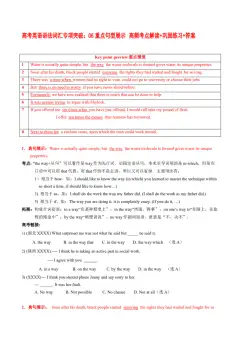
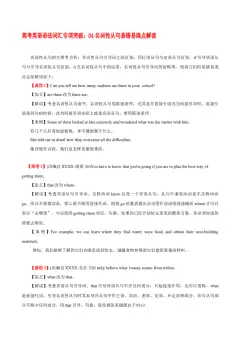
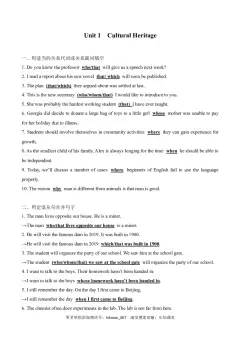
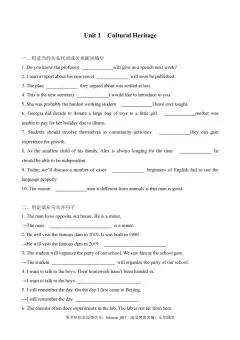
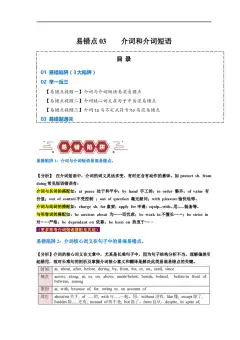
An exit is the door where / through which you can leave a building. 出口就是你可以穿过它离开建筑物的那道门。
🔍 语法难点
关系副词与「介词 + which / whom」可以互换,介词由从句动词或先行词的搭配决定。
介词选择三看:① 看从句动词搭配(work with → with whom;carve on → on which);② 看先行词搭配(in a way;at the speed);③ 看从句表达的意思(穿过门 → through which)。
固定短语动词的介词一般不放前面:the book (which) he was looking for(通常不说 for which he was looking)。
介词 + whom 指人,介词 + which 指物,两者都不能换成 that 或 who。
介词也可以放在句末,口语中更常见:the doctor (who / whom) James worked with。
⚠️ 易错点
1. 介词 + which / whom 里不能用 that / who:× the place in that ... → in which。
2. 关系副词与介词 + which 不能叠加:× the place where he lives in it → the place where he lives。
3. give way to(让位于)是固定搭配,to 是介词:give way to the new。
4. prevent … from doing:prevent the relics from being damaged(from 后接动名词,被动态用 being done)。
5. likely 的常见句型:Sb./Sth. is likely to do;It is likely that …(不能用 It is likely for sb. to do)。
6. worthwhile 的句型:It is worthwhile to do / doing sth.
7. donate … to … / contribute … to … / lead to 中的 to 都是介词,后接名词或动名词。
🎵 记忆口诀
where、when、why 是副词,换成"介词 + which"也行; 介词怎么挑,看动词、看先行; whom 指人 which 指物,that、who 一律不许进。
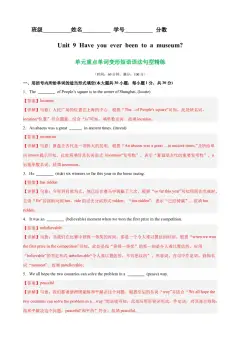
✏️ 小练习
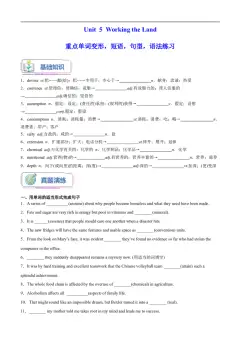
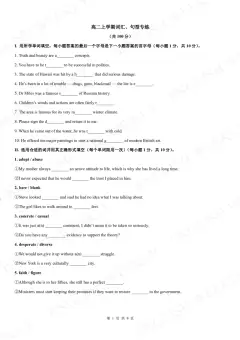
1. This is the house ________ I was born. A. which B. in which C. in that
2. The scientist ________ I worked last year has moved to Beijing. A. with who B. with whom C. with that
3. The reason ________ he refused the offer is still unknown. A. why B. which C. what
(二)Unit 2Wildlife Protection
野生动物保护
本讲重点:现在进行时的被动语态 am/is/are being done——「正在被……」
📌 核心词汇
拓展短语:on earth 究竟;到底 · die out 灭绝 · on average 平均 · search for 搜索 · under pressure 在压力下 · make progress 取得进步
💬 重点句型
The air is thin and we have to rest several times on the short hike from camp. 空气稀薄,从营地出发的短途徒步中我们不得不休息了好几次。
To our left, snow-covered mountains disappear into clouds that seem almost close enough to touch. 在我们的左边,白雪覆盖的山峦消失在看起来近得几乎可以触摸到的云里。
This is why we're here—to observe Tibetan antelopes. 这就是我们来这里的原因——观察藏羚羊。
Watching them move slowly across the green grass, I'm struck by their beauty. 看着它们在绿草上缓缓移动,我被它们的美打动了。
I'm also reminded of the danger they were in. 我也想到了它们曾经面临的危险。
They were hunted, illegally, for their valuable fur. 它们曾因珍贵的皮毛而被非法猎杀。
The reserve is a shelter for the animals and plants of northwestern Xizang. 这个保护区是西藏西北部动植物的庇护所。
Small birds are being caught with nets. Wild ducks are being sold at food markets. 小鸟正被网捕捉,野鸭正被拿到食品市场出售。
And even worse, the wetland is being destroyed. 更糟的是,湿地正被破坏。
🔍 语法难点
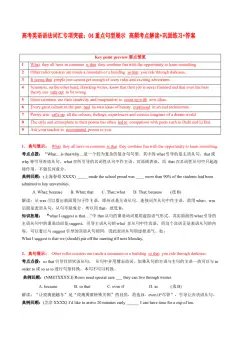
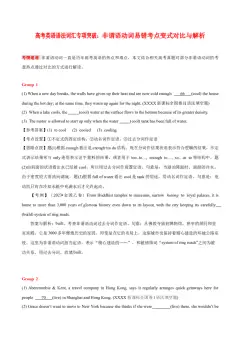
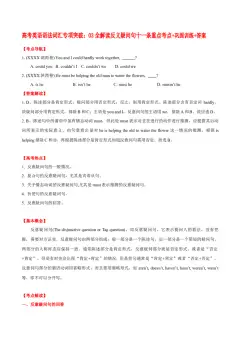
现在进行时的被动语态:am / is / are + being + 过去分词,表示"此刻正在被……"或"现阶段一直在被……"。
否定:在 be 后加 not → is not being done。
疑问:把 be 提到句首 → Is the wetland being destroyed?
只有及物动词才有被动语态,不及物动词(happen、appear、die、rise)没有被动。
常与 now、these days、at present 等时间状语连用。
⚠️ 易错点
1. being 不能漏:× The house is built now → The house is being built now.
2. 不及物动词没有被动:× The accident was happened → The accident happened。
3. die out(灭绝)≠ die of(死于内因,如疾病、饥饿)≠ die from(死于外因,如创伤)。
4. due to = because of,后面接名词或动名词,不接句子:due to the bad weather。
5. remind sb of sth(使某人想起)与 remind sb to do(提醒某人做)搭配不同。
6. species 单复数同形:one species / many species。
7. on earth 放在疑问词后表示"究竟":What on earth are you doing?
🎵 记忆口诀
正在被,用进行时被动:be 加 being 加 done; being 千万别漏掉,不及物没有被动形; die out 是灭绝,due to 后面接名词。
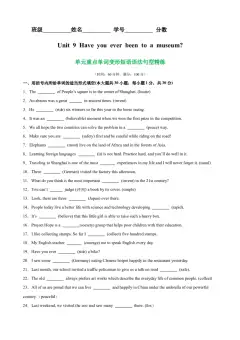
✏️ 小练习
1. Look! The old temple ________ down by the workers. A. is pulling B. is being pulled C. has pulled
2. Many rare animals ________ because of illegal hunting these years. A. are being killed B. are killing C. killed
3. The accident ________ at about three o'clock yesterday afternoon. A. was happened B. happened C. was being happened
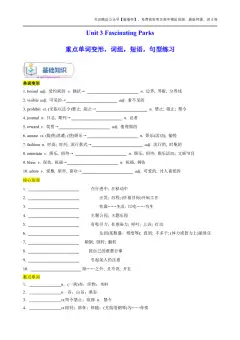
(三)Unit 3The Internet
互联网
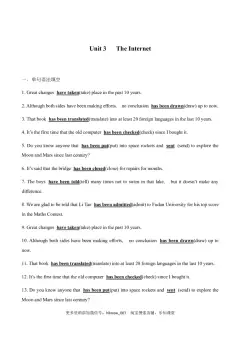
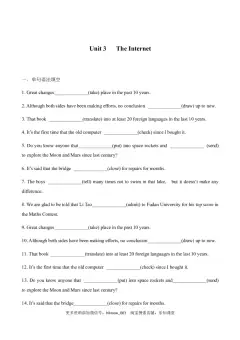
本讲重点:现在完成时的被动语态 have/has been done——「已经被……」
📌 核心词汇
拓展短语:make fun of 取笑 · keep (…) in mind 牢记 · keep track of 了解……的动态 · in shape 状况良好 · take advantage of 利用
💬 重点句型
Much has been written about the wonders of the World Wide Web. 关于万维网的奇妙之处,人们已经写了很多。
There are countless articles telling us how the Internet has made our lives more convenient. 数不清的文章都在说互联网如何让我们的生活更便利。
We no longer have to wait in line or carry cash around when we go shopping. 我们购物时再也不用排队或随身带现金了。
We can get the most updated information from large databases. 我们可以从大型数据库中获取最新信息。
People's lives have been changed by online communities and social networks. 人们的生活已经被线上社群和社交网络改变了。
At age 50, she found herself out of work and stuck at home with only her computer to keep her company. 50 岁时,她发现自己失业了,困在家里,只有电脑陪伴。
She was so inspired by the people she met online that she decided to start an IT club. 她被网上遇到的人深深鼓舞,于是决定开办一个 IT 俱乐部。
Look at the way your face has been washed / your teeth have been brushed. 看看你的脸被洗得、你的牙被刷得(多干净)。
🔍 语法难点
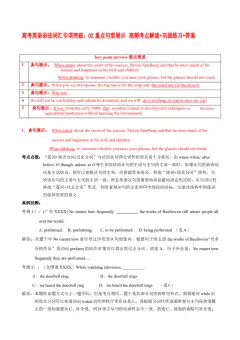
现在完成时的被动语态:have / has + been + 过去分词,强调过去的动作对现在造成的结果或影响。
常与 already、yet、ever、never、just、so far、recently、since、for 等连用。
否定:have/has not been done;疑问:Have/Has + 主语 + been done?
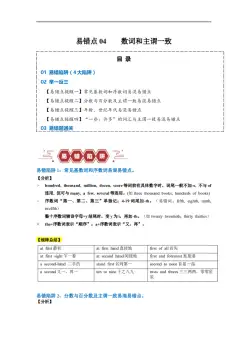
主语与 have/has 一致:The information has been updated. / The files have been downloaded.
与一段时间连用时,动词要用延续性动词(been open / been dead,不用于含瞬间动词的完成时 + for)。
⚠️ 易错点
1. been 不能漏:× The work has finished → The work has been finished.
2. 现在完成时被动不与具体过去时间状语连用:× The road has been built last year → was built last year。
3. now that = since(既然),引导原因状语从句,that 常可省:Now (that) you are here, let's start.
4. benefit 的搭配:benefit from 从……中受益;be of benefit to 对……有益。
5. access 是名词时后面接 to:have access to the Internet。
6. familiar 的两个句型:sb. is familiar with sth.(某人熟悉某物)/ sth. is familiar to sb.(某物为某人所熟悉)。
7. go through 一词多义:经历(困难)/ 通读 / 仔细检查。
🎵 记忆口诀
已经被,用完成被动:have/has 加 been 加 done; 结果是重点,别跟过去时间点; now that 是"既然",familiar 后 with、to 要分清。
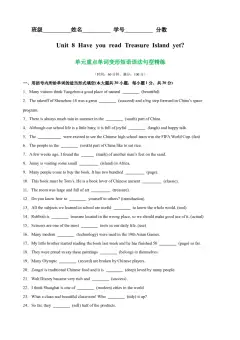
✏️ 小练习
1. A great deal of information ________ stored in the database so far. A. has been B. have been C. was being
2. The new software ________ downloaded by thousands of users already. A. was B. has been C. is being
3. Now ________ you have a computer, you can work at home. A. that B. when C. which
(四)Unit 4History and Traditions
历史与传统
本讲重点:过去分词(1)——作定语和宾语补足语,核心是「被动 + 完成」
📌 核心词汇
拓展短语:keep your eyes open (for) 留心 · break away from 脱离 · belong to 属于 · in charge of 负责 · be eager to do 渴望做
💬 重点句型
The United Kingdom, Great Britain, Britain, England—many people are confused by what these different names mean. 联合王国、大不列颠、英国、英格兰——许多人都被这些不同的名称搞糊涂了。
Getting to know a little bit about British history will help you solve this puzzle. 了解一点英国历史会帮你解开这个谜。
In the 16th century, the nearby country of Wales was joined to the Kingdom of England. 16 世纪,邻近的威尔士被并入英格兰王国。
Most people just use the shortened name: "the United Kingdom" or "the UK". 大多数人只用简称"联合王国"或"英国"。
They use the same flag, known as the Union Jack. 他们使用同一面旗帜,即人们熟知的"米字旗"。
They had castles built all around England. 他们在英格兰各地建起了城堡。
Judy and I had our car parked in an underground car park near Trafalgar Square. 朱迪和我把车停在特拉法加广场附近的地下停车场。
We heard it announced that there were no audio guides left. 我们听到广播说语音导览已经没有了。
We found ourselves very surprised by the large number of visitors. 我们发现游客数量之多让我们很惊讶。
🔍 语法难点
过去分词作定语:表示"被动"或"完成",单个词常前置、短语常后置。
过去分词 vs 现在分词作定语:过去分词表被动/完成(a broken window 被打碎的窗户),现在分词表主动/进行(a boring film 令人厌烦的电影)。
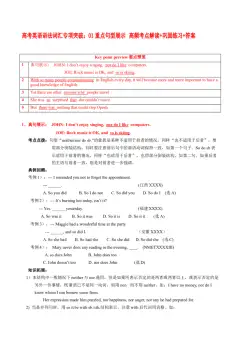
过去分词作宾语补足语:常见于 have / get / find / hear / see / feel / keep / leave + 宾语 + 过去分词,宾语与过去分词之间是被动关系。
have sth done:让别人做(have my hair cut)或遭遇(had his wallet stolen)
hear/see/find sth done:听到/看到/发现某事被做(heard it announced;found ourselves surprised)
⚠️ 易错点
1. have sb do 与 have sth done 完全不同:have him repair the car(让他修车)/ have the car repaired(把车拿去修)。
2. belong to 没有被动语态,也没有进行时:The book belongs to me.(× is belonged to)
3. break away from 后接宾语必须带 from;不接宾语时可省:They broke away.
4. charge 的三个常用义:收费(charge sb money for sth)/ 负责(in charge of)/ 充电。
5. amount of 接不可数名词,a number of 接可数复数:an amount of money;a number of visitors。
6. -ed 形容词说明人的感受,-ing 形容词说明事物的性质:surprised / surprising;excited / exciting。
🎵 记忆口诀
过去分词两用法:定语、宾补都靠它; 被动、完成是核心,放在名词前或后; have sth done 请人做,belong to 千万别用被动。
✏️ 小练习
1. The flag ________ as the Union Jack is used by the UK. A. known B. knowing C. to know
2. We had our car ________ in the underground car park. A. park B. parking C. parked
3. This book ________ to the school library. A. is belonged B. belongs C. is belonging
(五)Unit 5Music
音乐
本讲重点:过去分词(2)——作表语和状语,作状语时主语必须是「被……」的那一方
📌 核心词汇
拓展短语:from (then) on 从(那)时起 · fall in love with 爱上 · be capable of 有能力做 · absorbed in 专心于
💬 重点句型
Imagine having the opportunity to sing together with hundreds of other people while you are at home alone. 想象一下,你独自在家却有机会和几百人一起唱歌。
Virtual choir members record themselves while they perform alone on video. 虚拟合唱团的成员在独自表演时把自己录下来。
These videos are uploaded onto the Internet, and then they are put together into one video that you can see online—a virtual choir. 这些视频被上传到网上,然后被合成一个你可以在线观看的视频——虚拟合唱团。
A virtual choir enables them to add their voices to those of other individuals. 虚拟合唱团使他们能够把自己的声音加入其他人的声音之中。
Born in the USA on 2 January 1970, Whitacre began studying music at the University of Nevada in 1988. 惠塔克 1970 年 1 月 2 日出生于美国,1988 年开始在内华达大学学习音乐。
Moved by this music, he said, "It was like seeing color for the first time." 被这段音乐打动,他说:"就像第一次看到颜色一样。"
The room had been painted in dark colours, so it needed some bright lights. 房间被刷成了深色,所以需要一些明亮的灯。
The girl was moved by his romantic words, so she accepted his gift. 女孩被他浪漫的话语打动,于是收下了礼物。
🔍 语法难点
过去分词作表语:位于 be / feel / look / seem / get / become 之后,说明主语的状态(不是动作)。
be moved(被感动)be excited(兴奋)be interested(感兴趣)get married(结婚)get dressed(穿好衣服)
过去分词作状语:可表示时间、原因、条件、伴随或让步,相当于一个状语从句。
关键规则:过去分词的逻辑主语就是句子的主语,且两者是被动关系。
与现在分词作状语的区别:Moved by the story(被感动,被动)vs Moving others with his story(感动别人,主动)。
⚠️ 易错点
1. 作状语时主语不能错:× Seen from the hill, I found the city beautiful → Seen from the hill, the city looks beautiful.
2. -ed 与 -ing 形容词别混:He was moved(他被感动)/ The film was moving(电影感人)。
3. 过去分词作表语表状态,别当被动语态:The shop is closed now(状态:关着)vs The shop is closed at 9 p.m. every day(动作:被关闭)。
4. enable sb to do sth(使某人能够做),不能说 enable sb doing。
5. be capable of doing(有能力做),of 后接动名词。
6. prove 后可接 (to be) + 形容词或名词:The idea proved (to be) useful.
7. get through 多义:完成 / 通过(考试)/ 打通(电话)/ 度过(困难时期)。
🎵 记忆口诀
过去分词作状语,主语必须"被"它讲; -ed 说人 -ing 说物,表语状态记心上; enable 后接 to do,capable of 要加 ing。
✏️ 小练习
1. ________ by the beautiful music, she couldn't help crying. A. Moving B. Moved C. To move
2. ________ from the top of the hill, the city looks more beautiful. A. Seeing B. Seen C. To see
3. The Internet enables people ________ with each other more easily. A. communicate B. communicating C. to communicate
参考答案
Unit 1:1. B 2. B 3. A
Unit 2:1. B 2. A 3. B
Unit 3:1. A 2. B 3. A
Unit 4:1. A 2. C 3. B
Unit 5:1. B 2. B 3. C
这篇能帮你省多少事
① 整册一次过 5 个单元的词汇、句型、语法、易错点,按课本顺序排好
② 音标逐词标 核心词全部带音标和词性,自己就能读
③ 学完就能测 每单元 3 道小练习配参考答案,当场知道哪里没掌握
④ 期中期末直接拿去复习 被动语态 + 过去分词,本学期最关键的两块
想打印出来,加我领
在线看免费。想打印成册随身带、写作业用,就领一份高中必修二知识点可打印电子版——词汇、句型、语法、易错点都在里面,A4 排版,直接打。
怎么领
1. 长按下面的码,加我微信
2. 发一句「高中必修二」
3. 我把高中必修二的电子版发给你,一般当天回

长按识别 · 加我领高中必修二
说「高中必修二」就行,也可以报别的年级
其他年级
· 其他年级的知识点,按同样的「词汇 + 句型 + 语法 + 易错点」方式整理中
· 小学、初中各册知识点突破已发布,可在公众号历史消息中查看
关注「好好学习哟」
这个号只发一件事:中小学英语教材同步资料——各册重点知识点、词汇表、可打印版,整理好就发,不发别的。
怎么关注
1. 点文章最上方的蓝色字「好好学习哟」
2. 进去点「关注」,后面高中选择性必修、其他年级同步整理好,会直接推到你微信
3. 已经关注的话,顺手点个「在看」,同年级的家长也容易刷到
高中必修二的知识点就整理到这儿,下次见。
个人整理的学习资料,仅供家庭自学使用