ARTICLE · 1301668
新人教版高中英语必修第二册(必修二)Unit 5 Listening and Speaking&Pronunciation课件录音课文翻译课本翻译教参材料翻译
文末有链接,点阅读原文可以查看课件
Unit 5 MUSIC
第五单元音乐
Music is the universal language of mankind.
—Henry Wadsworth Longfellow
翻译:音乐是人类通用的语言。
—亨利·沃兹沃思·朗费罗
单词音标
1.music /ˈmjuːzɪk/ n. 音乐
2.universal /ˌjuːnɪˈvɜːsl/ adj. 普遍的;通用的;全世界的
3.language /ˈlæŋɡwɪdʒ/ n. 语言
4.mankind /mænˈkaɪnd/ n. 人类
5.Henry Wadsworth Longfellow /ˈhenri ˈwɒdzwəθ ˈlɒŋfeləʊ/
亨利·沃兹沃思·朗费罗(美国诗人)
Listening and Speaking
听说板块
Talk about music preferences
谈论音乐喜好
1Before you listen, discuss the question in groups.
听前,小组讨论这个问题。
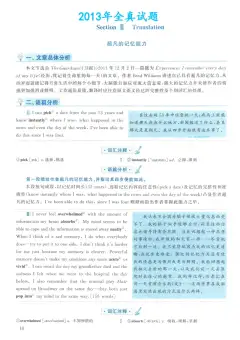
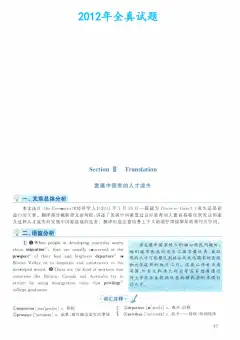
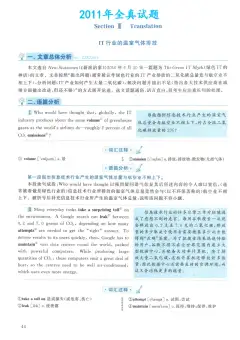
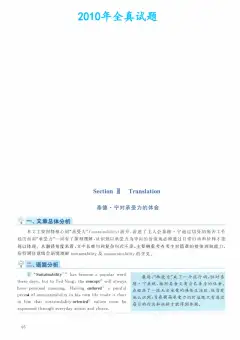
What are the people doing in the pictures below?
下面图片里的人们正在做什么?
Suggested Answers
参考答案
1 The man is conducting an orchestra.
这名男子正在指挥管弦乐队。
2 The woman is playing the guqin.
这位女子正在弹奏古琴。
3 The man is playing the guitar.
这名男子正在弹吉他。
4 The men are singing or rapping into microphones.
这些男子正对着麦克风唱歌或者说唱。
2Match the pictures with the correct types of music.
将图片与对应的音乐类型匹配。
A Chinese traditional
A 中国传统音乐
B classical
B 古典音乐
C country music
C 乡村音乐
D hip-hop
D 嘻哈音乐
1答案:B
解析:图片1是指挥管弦乐队演奏,属于classical古典音乐。
2答案:A
解析:图片2女子弹奏古琴,古琴属于Chinese traditional中国传统音乐。
3答案:C
解析:图片3男子弹吉他演唱,是country music乡村音乐。
4答案:D
解析:图片4人物手持麦克风说唱,属于hip-hop嘻哈音乐。
单词音标
classical /ˈklæsɪkl/ adj. 古典的
traditional /trəˈdɪʃənl/ adj. 传统的
country music /ˈkʌntri ˈmjuːzɪk/ n. 乡村音乐
hip-hop /ˈhɪp hɒp/ n. 嘻哈音乐
3
A reporter from the school newspaper is interviewing students about music.
校报的一名记者正在就音乐相关话题采访学生。
Listen to the interviews. Draw lines between the words to make complete sentences. Some words will not be used.
听采访录音,在单词之间连线,组成完整句子。有些单词不会被用到。
左边可选动词短语:
dance to
跟着……起舞
listen to
听……
play
演奏
sing
演唱
右边可选音乐类名词:
Chinese traditional songs
中国传统歌曲
classical music
古典音乐
hip-hop music
嘻哈音乐
country music
乡村音乐
Answers
答案
1 The first student likes to listen to country music.
第一名学生喜欢听乡村音乐。
原文依据:
Student 1: I like country music.
学生1:我喜欢乡村音乐。
2 The second student likes to dance to hip-hop music.
第二名学生喜欢跟着嘻哈音乐跳舞。
原文依据:
Student 2: When I listen to hip-hop, I just have to move!
学生2:当我听嘻哈音乐的时候,我就忍不住想动起来!
Reporter: Oh, so it makes you want to dance?
记者:哦,所以它让你想跳舞?
Student 2: That’s right! I just can’t stop!
学生2:没错!我根本停不下来!
3 The third student likes to play classical music.
第三名学生喜欢演奏古典音乐。
原文依据:
Student 3: I play the piano, so I like classical music.
学生3:我弹钢琴,所以我喜欢古典音乐。
未使用词汇:sing;Chinese traditional songs
重点单词短语
interview /ˈɪntəvjuː/ v. 采访
reporter /rɪˈpɔːtə(r)/ n. 记者
dance to 随着……跳舞
classical /ˈklæsɪkl/ adj. 古典的
country music /ˈkʌntri ˈmjuːzɪk/ 乡村音乐
hip-hop /ˈhɪp hɒp/ n. 嘻哈音乐
get carried away 沉浸其中,忘乎所以
stream /striːm/ n. 小溪
peaceful /ˈpiːsfl/ adj. 宁静的
听力原文
Reporter: What kind of music do you like?
记者:你喜欢哪种音乐?
Student 1: I like country music. I really love Billy James!
学生1:我喜欢乡村音乐。我非常喜欢比利·詹姆斯!
Reporter: Why?
记者:为什么?
Student 1: His music touches my heart.
学生1:他的音乐打动我的内心。
Reporter: So you like music that’s full of feeling?
记者:所以你喜欢饱含情感的音乐?
Student 1: Yes, that’s what country music is all about.
学生1:是的,这就是乡村音乐的精髓。
Reporter: Do you like hip-hop?
记者:你喜欢嘻哈音乐吗?
Student 2: I love it!
学生2:我超喜欢!
Reporter: What makes it so special to you?
记者:它对你来说特别在哪里?
Student 2: When I listen to hip-hop, I just have to move!
学生2:当我听嘻哈音乐的时候,我就忍不住想动起来!
Reporter: Oh, so it makes you want to dance?
记者:哦,所以它让你想跳舞?
Student 2: That’s right! I just can’t stop!
学生2:没错!我根本停不下来!
Reporter: And what kind of music do you like?
记者:那你喜欢什么样的音乐?
Student 3: I play the piano, so I like classical music.
学生3:我弹钢琴,所以我喜欢古典音乐。
Reporter: What do you like about it?
记者:你喜欢它哪一点?
Student 3: When I play, I get carried away. I feel like I’m sitting beside a quiet stream and enjoying nature.
学生3:我弹奏的时候会沉浸其中。我仿佛坐在一条静谧的小溪旁,感受大自然。
Reporter: So, to you, it’s peaceful and beautiful?
记者:所以对你来说,它宁静而美好?
Student 3: Yes.
学生3:是的。
💡解答
4
The reporter paraphrased some of the answers the students gave him.
记者转述了学生们给他的部分回答。
Listen to the interviews again and complete the sentences with the words you hear.
再听一遍采访录音,用听到的单词完成句子。
1
A: Country music touches my heart.
A:乡村音乐打动我的内心。
B: So you like music that’s ____ of ____?
B:所以你喜欢 ____的音乐?
答案:full, feeling
B: So you like music that’s full of feeling?
B:所以你喜欢饱含情感的音乐?
原文依据:
Reporter: So you like music that’s full of feeling?
记者:所以你喜欢饱含情感的音乐?
解析:full of feeling 是固定搭配,意为“饱含情感的”,来自采访原文。
2
A: When I listen to hip-hop, I just have to move!
A:当我听嘻哈音乐的时候,我就忍不住想动起来!
B: So it makes you want to ____?
B:所以它让你想要____?
答案:dance
B: So it makes you want to dance?
B:所以它让你想跳舞?
原文依据:
Reporter: Oh, so it makes you want to dance?
记者:哦,所以它让你想跳舞?
解析:want to 后面接动词原形,根据听力原文填dance。
3
A: Classical music makes me feel like I’m sitting beside a quiet stream and enjoying nature.
A:古典音乐让我感觉仿佛坐在一条静谧小溪旁,欣赏大自然。
B: So to you, it’s ____ and ____?
B:所以对你来说,它____而且____?
答案:peaceful, beautiful
B: So, to you, it’s peaceful and beautiful?
B:所以对你来说,它宁静而美好?
原文依据:
Reporter: So, to you, it’s peaceful and beautiful?
记者:所以对你来说,它宁静而美好?
解析:peaceful(宁静的)和beautiful(美好的)两个形容词并列,出自采访原文。
Paraphrase
转述(释义)
When you want to explain something difficult to somebody, it is helpful to use easier words with the same meaning.
当你想要向别人解释难懂的内容时,使用意思相同的简单词汇会很有帮助。
This will help you make it easier to understand.
这会让内容更容易被理解。
单词音标
paraphrase /ˈpærəfreɪz/ v. 释义;转述
full of feeling 饱含情感
peaceful /ˈpiːsfl/ adj. 宁静的
beautiful /ˈbjuːtɪfl/ adj. 美丽的,美好的
5Discuss these questions with your classmates.
和你的同班同学讨论这些问题。
1Do these types of music make you feel the same as the students? Why or why not?
这些类型的音乐带给你的感受和几位学生一样吗?为什么一样或为什么不一样?
Suggested Answers
参考答案
Classical music also makes me feel relaxed because I also find it peaceful and beautiful.
古典音乐也让我感到放松,因为我也觉得它宁静而美好。
2What type of music do you not like, and how does it make you feel?
你不喜欢哪种类型的音乐?它给你什么样的感受?
Suggested Answers
参考答案
I don’t like heavy metal music at all.
我一点也不喜欢重金属音乐。
It’s too loud and fast.
它声音太大,节奏太快。
It gives me a headache!
它让我头疼!
单词音标
heavy metal music /ˈhevi ˈmetl ˈmjuːzɪk/ 重金属音乐
loud /laʊd/ adj. 喧闹的;大声的
headache /ˈhedeɪk/ n. 头痛
6Talk in pairs.
结对练习。
Interview each other about music.
互相采访关于音乐的话题。
Use the pictures below for ideas.
参考下面图片构思对话。
EXAMPLE
示例
A: What kind of music do you like?
A:你喜欢哪种音乐?
B: I like techno music.
B:我喜欢电子舞曲。
A: What makes it so special to you?
A:它对你来说特别在哪里?
B: I like to listen to it when I exercise.
B:我锻炼的时候喜欢听它。
It gives me energy.
它给予我活力。
Reasons for liking music
喜欢音乐的理由
touches my heart/soul
打动我的内心/灵魂
makes me happy/want to dance
使我开心/想跳舞
gives me energy/hope
给予我活力/希望
helps me exercise/study
帮助我锻炼/学习
sounds peaceful/beautiful
听起来宁静/优美
reminds me of home/people I love
让我想起家乡/我爱的人
Bagpipes
风笛
wind instrument
管乐器
Pipa
琵琶
stringed instrument
弦乐器
Suggested Answer
参考答案
A: What kind of music do you like?
A:你喜欢哪种音乐?
B: I like traditional Chinese music, especially the music of the pipa, a string instrument.
B:我喜欢中国传统音乐,尤其是琵琶这种弦乐器演奏的乐曲。
A: What makes it so special to you?
A:它对你来说特别在哪里?
B: It reminds me of my hometown and the people that I love.
B:它让我想起我的家乡和我爱的人。
My grandmother plays the pipa very well.
我的奶奶琵琶弹得非常好。
单词音标
traditional /trəˈdɪʃənl/ adj. 传统的
pipa /ˈpiːpɑː/ n. 琵琶
stringed instrument /strɪŋd ˈɪnstrəmənt/ n. 弦乐器
bagpipes /ˈbæɡpaɪps/ n. 风笛
wind instrument /wɪnd ˈɪnstrəmənt/ n. 管乐器
remind /rɪˈmaɪnd/ v. 使想起
hometown /ˈhəʊmtaʊn/ n. 家乡
grandmother /ˈɡrændmʌðə(r)/ n. 祖母,奶奶
techno /ˈteknəʊ/ n. 电子舞曲
Pronunciation
发音
带失爆标注
括号(k)/(t)/(d) = 失去爆破:口型做好,不爆破出声,短暂停顿
1 Read the lyrics below from “Blowin’ in the Wind” by Bob Dylan.
1 朗读下面鲍勃·迪伦《答案在风中飘荡》的歌词。
Notice how the plosives are pronounced.
注意爆破音的发音方式。
How many roads must a man wal(k) down
一个人要走过多少条路之后
wal(k):k为爆破音,后面d是爆破音,k失爆
Before you call him a man?
才能被称为真正的人?
How many seas must a whi(te) dove sail
一只白鸽要飞越多少片海洋
whi(te):t后面接爆破音d,t失爆
Before she sleeps in the sand?
才能在沙滩上安然入眠?
Yes, and how many times mus(t) the cannon balls fly
是啊,炮弹要飞行多少次
mus(t):t后面辅音ð,t失爆
Before they’re forever banned?
才会被永远禁止?
The answer, my friend, is blowin’ in the wind.
我的朋友,答案在风中飘荡。
The answer is blowin’ in the wind.
答案在风中飘荡。
Yes, and how many years can a mountain exist
是啊,一座山能存在多少年
Before it’s wash(ed) to the sea?
才会被冲刷入海?
wash(ed):词尾d,后面t,d失爆
Yes, and how many years can some people exist
是啊,一些人要历经多少年
Before they’re allow(ed) to be free?
才能获得自由?
allow(ed):d后面t,d失爆
Yes, and how many times can a man turn his head
是啊,一个人可以多少次扭过头
Pretending he jus(t) doesn’(t) see?
假装视而不见?
jus(t):t后面辅音d,t失爆;doesn’(t):t后面辅音s,t失爆
The answer, my friend, is blowin’ in the wind
我的朋友,答案在风中飘荡
The answer is blowin’ in the wind.
答案在风中飘荡。
2 Repeat after the recording.
2 跟着录音跟读。
6个爆破音:/p/ /b/ /t/ /d/ /k/ /ɡ/
失去爆破规则:爆破音后面遇到辅音(爆破音或其他辅音),前音只摆口型,不爆发,稍停顿,读起来更流畅自然,是英文歌曲、口语的常见读法。
爆破音plosives 知识点补充
1. 6个爆破音
/p/ /b/ /t/ /d/ /k/ /ɡ/
发音原理:嘴唇/舌尖/舌根先堵住气流,然后突然放开,气流爆破而出,所以叫爆破音。
2. 失去爆破
当一个爆破音后面紧跟另一个辅音(爆破音/p,b,t,d,k,g/ 或其他辅音),前一个爆破音只摆好发音口型,不完全爆破,不把音爆发出来,停顿一小下,也叫“失爆”。
标记:课文括号里的字母就是要失爆的音wal(k)、whi(te)、mus(t)、wash(ed)、allow(ed)、jus(t)、doesn’(t)
例子:
1.wal(k) down → walk down /wɔːk daʊn/
k是爆破音,后面d也是爆破音,k只做口型,不爆破
2.whi(te) dove → white dove /waɪt dʌv/
t后面d,t失爆
3.mus(t) the → must the /mʌst ðə/
t后面辅音ð,t失爆
4.wash(ed) to → washed to /wɒʃt tə/
d后面t,d失爆
5.allow(ed) to → allowed to /əˈlaʊd tə/
d后面t,d失爆
6.jus(t) doesn’(t) → just doesn’t /dʒʌst ˈdʌznt/
t、t 都要失爆
3. 两种情况
① 完全失去爆破:爆破音 + 爆破音 /p,b,t,d,k,g/
例:blackboard, stop talking
② 不完全爆破:爆破音 + 其他辅音(/s,ʃ,θ,ð,m,n,l/等)
例:good morning, just see
4. 朗读小技巧
读这首歌词的时候,遇到括号里的字母:嘴唇/舌头到位,憋气,不要读出清晰的爆破声,稍微停顿,直接读后面单词,读起来更地道流畅,就是英文歌曲、口语里的自然读法。