ARTICLE · 1146541
【中华优秀传统文化融入高中英语课堂系列】Cold Dew 寒露 —— 英汉对照阅读材料
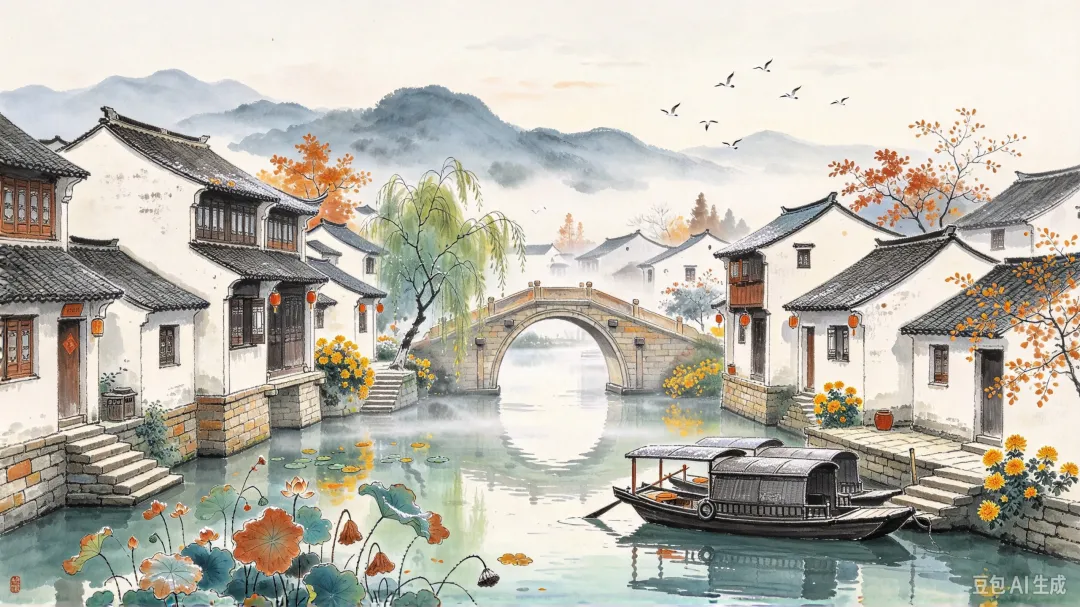
Cold Dew is the 17th solar term of the year and the fifth solar term of autumn. It usually falls between October 7 and 9. As the first solar term to carry the Chinese character "han", which means cold, Cold Dew marks the transition from cool weather to cold weather. During this period, temperatures continue to drop, and the dew on the ground becomes colder and is about to turn into frost.
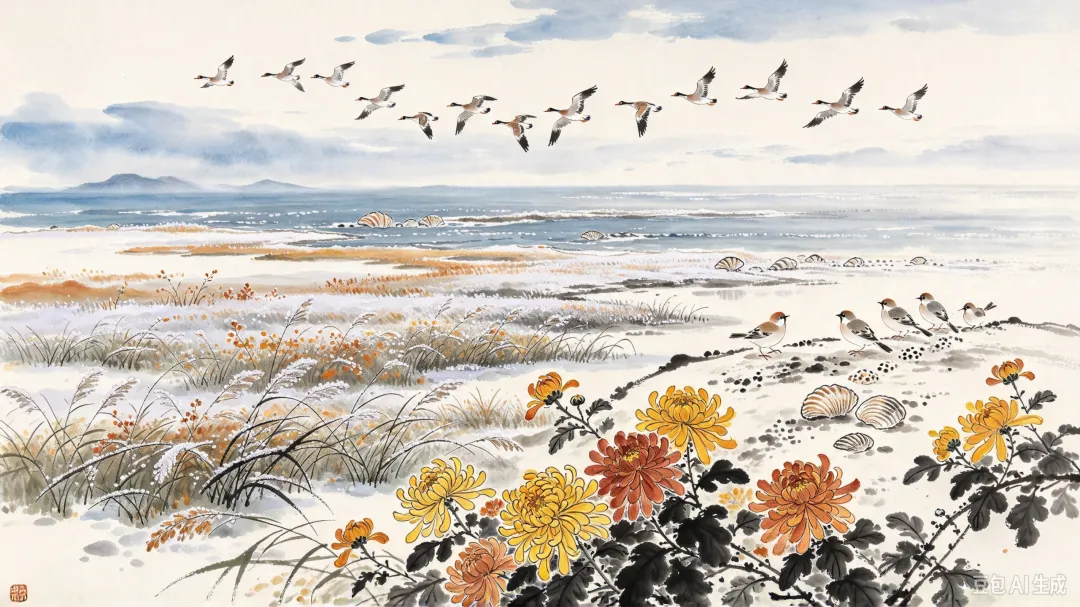
Cold Dew has a strong influence on nature. During this period, temperatures keep dropping, and the dew becomes colder, almost turning into frost. The autumn wind makes leaves turn yellow and fall, covering the ground with gold. Wild geese fly south in groups to spend the winter in warmer places. Many insects and small animals become less active and prepare for the coming cold. At the same time, chrysanthemums come into full bloom, adding bright yellow and other colors to late autumn. These changes show that nature is moving from autumn to winter.
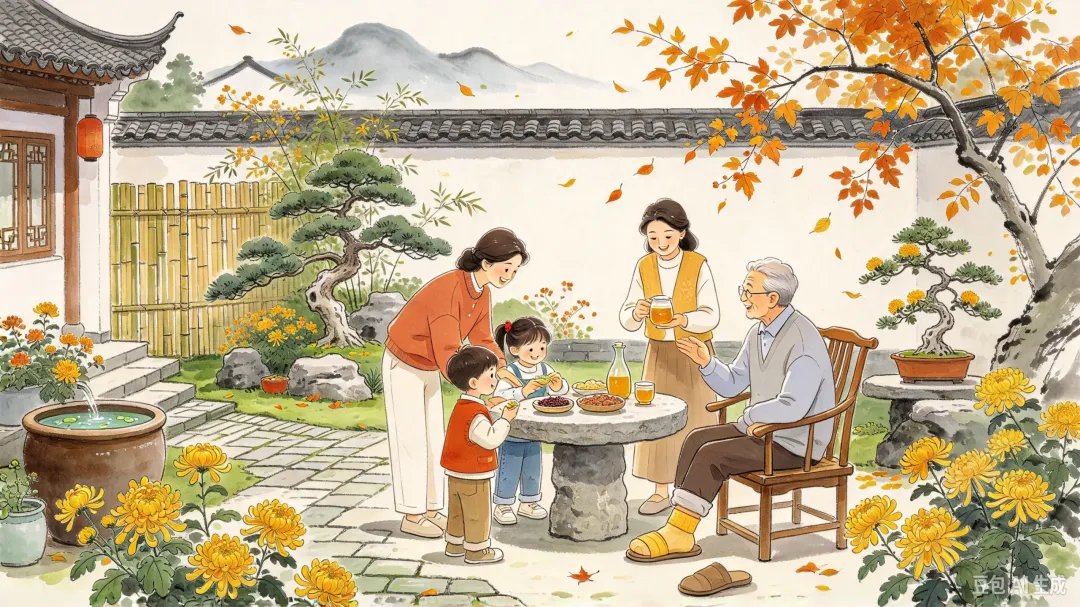
Cold Dew is also a busy time for farming and daily life. In the north, farmers are finishing the autumn harvest and sowing winter wheat. In the south, late rice is in a key period of grain filling, and farmers must guard against the "Cold Dew wind," a cold wind that can cause rice to produce empty grains. In daily life, we follow the tradition of not showing your feet after Cold Dew, which reminds us to keep our feet warm. Many people also enjoy climbing mountains, appreciating chrysanthemums, eating sesame foods, and drinking chrysanthemum wine during this season.
In conclusion, Cold Dew is not just a date on the calendar,but it is also a special moment that connects nature, farming, and culture. It reminds us to pay attention to the changes of the seasons, to take good care of our health, and to appreciate the beauty of late autumn.
寒露是中国二十四节气中的第十七个节气,也是秋季的第五个节气。它通常在每年的10月7日至9日之间到来。作为第一个带有“寒”字的节气,寒露标志着天气从凉爽向寒冷过渡。在这段时间里,气温持续下降,地面的露水变得更冷,快要凝结成霜。
寒露对大自然有很大的影响。在这段时间里,气温持续下降,露水变得更冷,几乎要变成霜。秋风使树叶变黄、飘落,给大地铺上一层金色。大雁成群结队地飞往南方,在更温暖的地方过冬。许多昆虫和小动物变得不再活跃,为即将到来的寒冷做准备。与此同时,菊花盛开,为深秋增添了明亮的黄色和其他色彩。这些变化表明,大自然正从秋天走向冬天。
寒露也是农事和日常生活忙碌的时节。在北方,农民们正在收尾秋收,播种冬小麦。在南方,晚稻正处于灌浆的关键时期,农民们必须防范“寒露风”,这是一种会导致水稻空粒的冷风。在日常生活中,我们遵循寒露脚不露的传统,提醒自己要保暖双脚。很多人还会在这个时节登高、赏菊、吃芝麻食品、喝菊花酒。
总之,寒露不仅仅是日历上的一个日期,它也是一个连接自然、农事和文化的特殊时刻。它提醒我们关注季节的变化,好好照顾自己的健康,欣赏深秋的美丽。
Post-reading questions:
1. What does the name "Cold Dew" mean, and when does it usually arrive?
2. What natural changes does Cold Dew show?
3. What farming activities do people carry out during Cold Dew in the north and in the south?
4. If you were asked to introduce Cold Dew to a foreign friend, which three key points would you choose to share? Why?
5. What good habits do you think people should develop when the seasons change? Give your reasons.
重要词块积累:
the 17th solar term of the year 一年中的第十七个节气
the transition from cool weather to cold weather 从凉爽天气向寒冷天气的过渡
temperatures continue to drop 气温持续下降
turn into frost 凝结成霜
come into full bloom 盛开
prepare for the coming cold 为即将到来的寒冬做准备
finish the autumn harvest 完成秋收
sow winter wheat 播种冬小麦
a key period of grain filling 灌浆的关键时期
guard against the Cold Dew wind 防范寒露风
produce empty grains 形成空壳粒
follow the tradition of... 遵循…… 的传统
keep our feet warm 注意足部保暖
appreciate chrysanthemums 赏菊
connect nature farming and culture 联结自然农事与文化
pay attention to the changes of the seasons 留意季节的更迭
take good care of our health 保重身体
appreciate the beauty of late autumn 欣赏晚秋之美
in conclusion 总而言之
on the calendar 在日历上
(个人观点,仅供教学交流使用)
1. 文字内容由公开的二十四节气和民俗信息整理后自主撰写创作而成,并非直接引用任何出版物内容;
2.部分名词翻译参考《新世纪汉英大词典》;
3. 图片由豆包AI生成。