ARTICLE · 1223756
2026新人教版九年级英语上册期中考试模拟试卷一

ARTICLE · 1223756
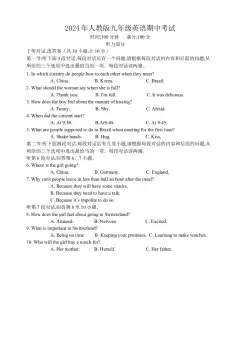 2024年九年级英语期中考试_最新人教版英语九年级全册_新更新初中英语9全_07习题试卷_(4)期中试卷_2024年人教版九年级下册英语期中考试卷(含听力音频+参考答案)
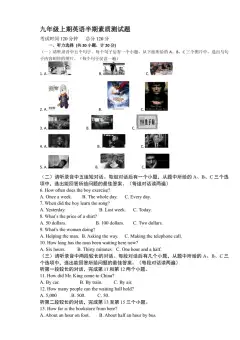 期中考试英语试题_初中英语789_26秋最新人教版英语九年级上册_人教版英语九年级全册_人教版初中英语9全一册_4.试题试卷_(赠送)九年级全一册题库_期中期末测试卷
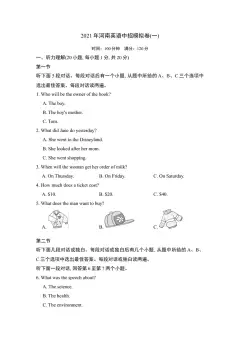 河南中招模拟卷(一)_初中英语789_26秋最新人教版英语九年级上册_人教版英语九年级全册_人教版初中英语9全一册_4.试题试卷_中考模拟卷_2021中考英语模拟卷(河南)
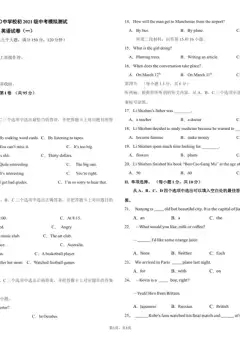 重庆市第一一〇中学校初2021级中考模拟测试(一)英语试卷_初中英语789_26秋最新人教版英语九年级上册_人教版英语九年级全册_人教版初中英语9全一册_4.试题试卷_中考模拟卷
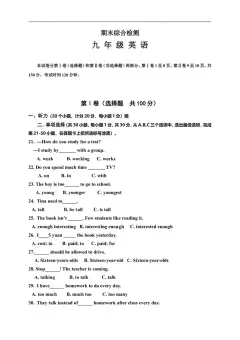 期中考试英语试题5含答案_初中英语789_26秋最新人教版英语九年级上册_人教版英语九年级全册_人教版初中英语9全一册_4.试题试卷_(赠送)九年级全一册题库_期中期末测试卷
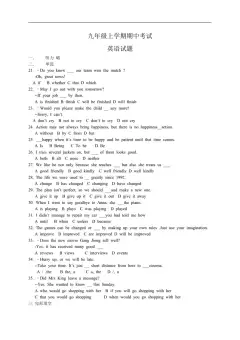 期中考试英语试题3含答案_初中英语789_26秋最新人教版英语九年级上册_人教版英语九年级全册_人教版初中英语9全一册_4.试题试卷_(赠送)九年级全一册题库_期中期末测试卷
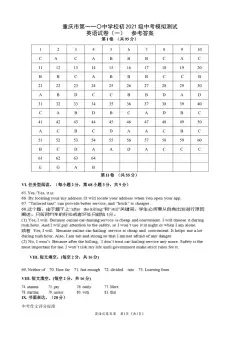 重庆市第一一〇中学校初2021级中考模拟测试(一)英语试卷参考答案_初中英语789_26秋最新人教版英语九年级上册_人教版英语九年级全册_人教版初中英语9全一册_4.试题试卷_中考模拟卷
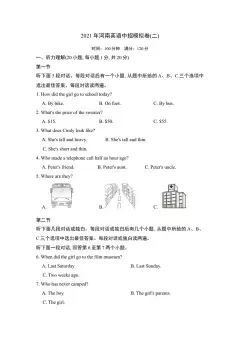 河南中招模拟卷(二)_初中英语789_26秋最新人教版英语九年级上册_人教版英语九年级全册_人教版初中英语9全一册_4.试题试卷_中考模拟卷_2021中考英语模拟卷(河南)
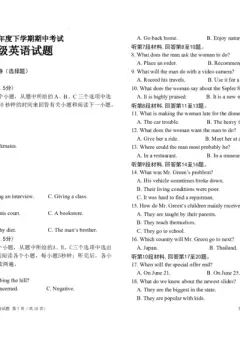 高一英语期中考试题高一英语期中考试卷_2024-2027高一(7-7月题库)(1)_2026年06月高一试卷_260615黑龙江大庆市大庆中学2025-2026学年高一下学期期中考试
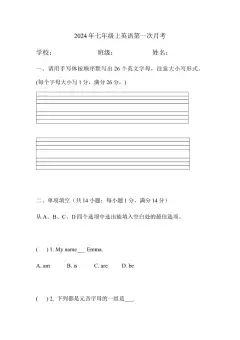 人教版-英语七年级上册第一次月考模拟题_初中英语789_最新人教版英语七年级上册_英语7上最新改版_七上练习试卷_7年级上册_月考试卷
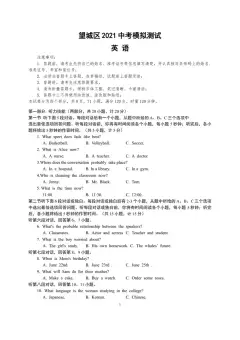 英语试题_初中英语789_26秋最新人教版英语九年级上册_人教版英语九年级全册_人教版初中英语9全一册_4.试题试卷_中考模拟卷_2021中考英语模拟卷(湖南卷)
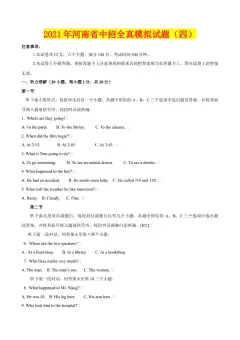 (英语解析卷)2021年河南省中招全真模拟试题_初中英语789_26秋最新人教版英语九年级上册_人教版英语九年级全册_人教版初中英语9全一册_4.试题试卷_中考模拟卷
 重庆市第一一〇中学校初2021级中考模拟测试(一)英语答题卡_初中英语789_26秋最新人教版英语九年级上册_人教版英语九年级全册_人教版初中英语9全一册_4.试题试卷_中考模拟卷
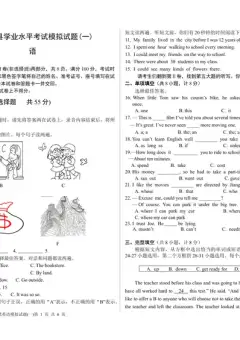 2021年山东省临沂市蒙阴县中考模拟英语试题(一)(1)_初中英语789_26秋最新人教版英语九年级上册_人教版英语九年级全册_人教版初中英语9全一册_4.试题试卷_中考模拟卷
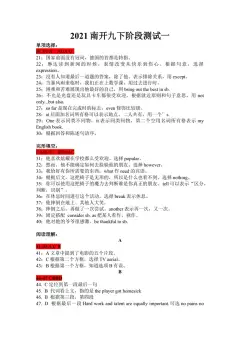 2021南开九下阶段测试一解析_初中英语789_26秋最新人教版英语九年级上册_人教版英语九年级全册_人教版初中英语9全一册_4.试题试卷_中考模拟卷_2021年中考英语模拟题(重庆卷)
 九年级英语期中模拟卷02(答题卡)(人教版)_6、初中英语期中试卷多版本_24-25第一学期九年级英语上册期中模拟试卷(多版本多地区)
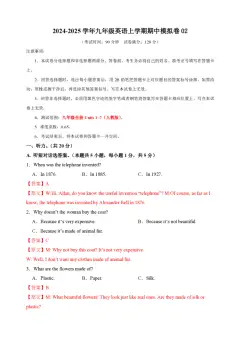 九年级英语期中模拟卷02(全解全析)(人教版)_6、初中英语期中试卷多版本_24-25第一学期九年级英语上册期中模拟试卷(多版本多地区)
 九年级英语期中模拟卷01(答题卡)(人教版)_6、初中英语期中试卷多版本_24-25第一学期九年级英语上册期中模拟试卷(多版本多地区)
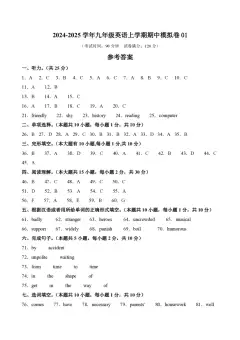 九年级英语期中模拟卷01(参考答案)(人教版)_6、初中英语期中试卷多版本_24-25第一学期九年级英语上册期中模拟试卷(多版本多地区)
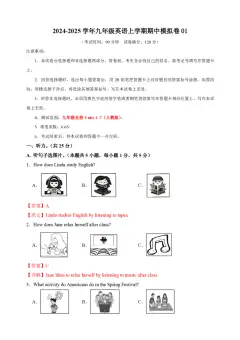 九年级英语期中模拟卷01(全解全析)(人教版)_6、初中英语期中试卷多版本_24-25第一学期九年级英语上册期中模拟试卷(多版本多地区)
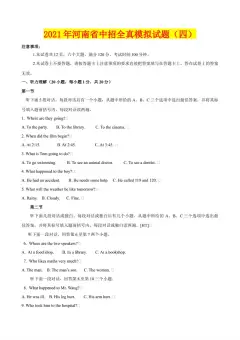 (英语原卷)2021年河南省中招全真模拟试题---04_初中英语789_26秋最新人教版英语九年级上册_人教版英语九年级全册_人教版初中英语9全一册_4.试题试卷_中考模拟卷
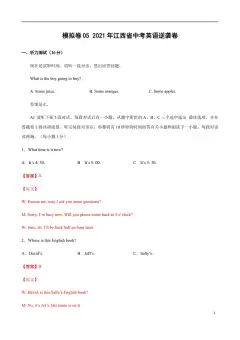 模拟卷052021年江西省中考英语逆袭卷(解析版)_初中英语789_26秋最新人教版英语九年级上册_人教版英语九年级全册_人教版初中英语9全一册_4.试题试卷_中考模拟卷
 模拟卷052021年江西省中考英语逆袭卷(答题卡)_初中英语789_26秋最新人教版英语九年级上册_人教版英语九年级全册_人教版初中英语9全一册_4.试题试卷_中考模拟卷
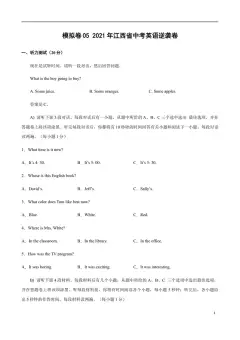 模拟卷052021年江西省中考英语逆袭卷(原卷版)_初中英语789_26秋最新人教版英语九年级上册_人教版英语九年级全册_人教版初中英语9全一册_4.试题试卷_中考模拟卷
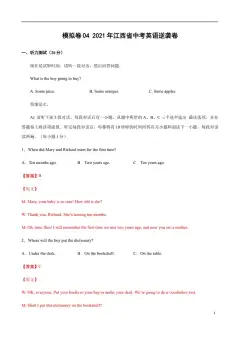 模拟卷042021年江西省中考英语逆袭卷(解析版)_初中英语789_26秋最新人教版英语九年级上册_人教版英语九年级全册_人教版初中英语9全一册_4.试题试卷_中考模拟卷
 模拟卷042021年江西省中考英语逆袭卷(答题卡)_初中英语789_26秋最新人教版英语九年级上册_人教版英语九年级全册_人教版初中英语9全一册_4.试题试卷_中考模拟卷
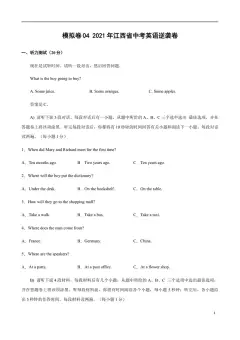 模拟卷042021年江西省中考英语逆袭卷(原卷版)_初中英语789_26秋最新人教版英语九年级上册_人教版英语九年级全册_人教版初中英语9全一册_4.试题试卷_中考模拟卷
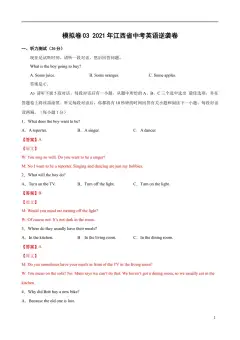 模拟卷032021年江西省中考英语逆袭卷(解析版)_初中英语789_26秋最新人教版英语九年级上册_人教版英语九年级全册_人教版初中英语9全一册_4.试题试卷_中考模拟卷
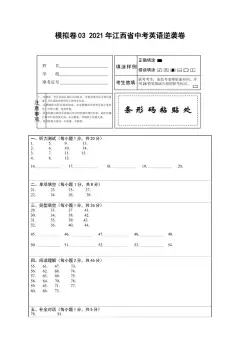 模拟卷032021年江西省中考英语逆袭卷(答题卡)_初中英语789_26秋最新人教版英语九年级上册_人教版英语九年级全册_人教版初中英语9全一册_4.试题试卷_中考模拟卷
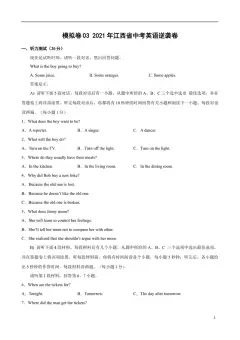 模拟卷032021年江西省中考英语逆袭卷(原卷版)_初中英语789_26秋最新人教版英语九年级上册_人教版英语九年级全册_人教版初中英语9全一册_4.试题试卷_中考模拟卷
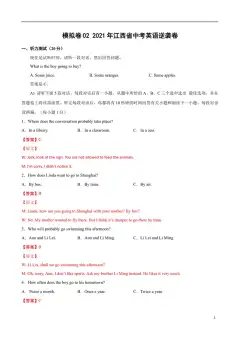 模拟卷022021年江西省中考英语逆袭卷(解析版)_初中英语789_26秋最新人教版英语九年级上册_人教版英语九年级全册_人教版初中英语9全一册_4.试题试卷_中考模拟卷
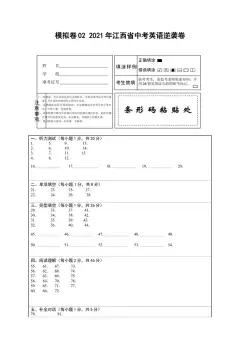 模拟卷022021年江西省中考英语逆袭卷(答题卡)_初中英语789_26秋最新人教版英语九年级上册_人教版英语九年级全册_人教版初中英语9全一册_4.试题试卷_中考模拟卷
 模拟卷022021年江西省中考英语逆袭卷(原卷版)_初中英语789_26秋最新人教版英语九年级上册_人教版英语九年级全册_人教版初中英语9全一册_4.试题试卷_中考模拟卷
 模拟卷012021年陕西省西安市中考英语冲刺卷--解析版_初中英语789_26秋最新人教版英语九年级上册_人教版英语九年级全册_人教版初中英语9全一册_4.试题试卷_中考模拟卷
 模拟卷012021年陕西省西安市中考英语冲刺卷--原卷版_初中英语789_26秋最新人教版英语九年级上册_人教版英语九年级全册_人教版初中英语9全一册_4.试题试卷_中考模拟卷
 模拟卷012021年江西省中考英语逆袭卷(解析卷版)_初中英语789_26秋最新人教版英语九年级上册_人教版英语九年级全册_人教版初中英语9全一册_4.试题试卷_中考模拟卷
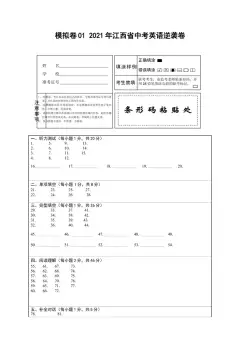 模拟卷012021年江西省中考英语逆袭卷(答题卡)_初中英语789_26秋最新人教版英语九年级上册_人教版英语九年级全册_人教版初中英语9全一册_4.试题试卷_中考模拟卷
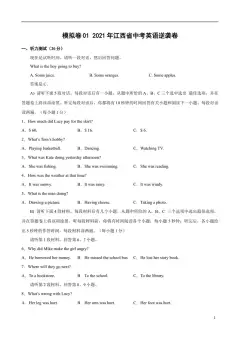 模拟卷012021年江西省中考英语逆袭卷(原卷版)_初中英语789_26秋最新人教版英语九年级上册_人教版英语九年级全册_人教版初中英语9全一册_4.试题试卷_中考模拟卷
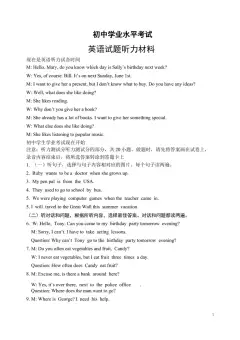 听力材料_初中英语789_26秋最新人教版英语九年级上册_人教版英语九年级全册_人教版初中英语9全一册_4.试题试卷_中考模拟卷_2021中考英语模拟卷(山东临沂)_听力录音及材料
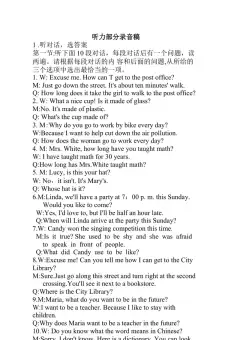 听力原文_初中英语789_26秋最新人教版英语九年级上册_人教版英语九年级全册_人教版初中英语9全一册_4.试题试卷_中考模拟卷_2021年中考英语模拟题(陕西卷)
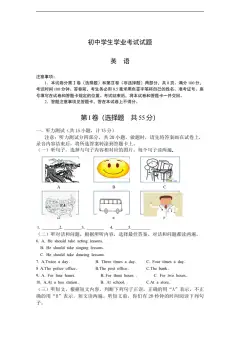 2021蒙阴县岱崮中学初中学业水平测试英语模拟试题_初中英语789_26秋最新人教版英语九年级上册_人教版英语九年级全册_人教版初中英语9全一册_4.试题试卷_中考模拟卷
 062021年中考英语二模考试模拟题(辽宁省)_初中英语789_26秋最新人教版英语九年级上册_人教版英语九年级全册_人教版初中英语9全一册_4.试题试卷_中考模拟卷
 052021年中考英语二模考试模拟题(北京市)(27437577)_初中英语789_26秋最新人教版英语九年级上册_人教版英语九年级全册_人教版初中英语9全一册_4.试题试卷_中考模拟卷
 042021年中考英语二模考试模拟题(北京市)(27437576)_初中英语789_26秋最新人教版英语九年级上册_人教版英语九年级全册_人教版初中英语9全一册_4.试题试卷_中考模拟卷
 032021年中考英语二模考试模拟题(北京市)(27437575)_初中英语789_26秋最新人教版英语九年级上册_人教版英语九年级全册_人教版初中英语9全一册_4.试题试卷_中考模拟卷
 022021年中考英语二模考试模拟题(北京市)(27437574)_初中英语789_26秋最新人教版英语九年级上册_人教版英语九年级全册_人教版初中英语9全一册_4.试题试卷_中考模拟卷
 012021年中考英语二模考试模拟题(北京市)(27437573)_初中英语789_26秋最新人教版英语九年级上册_人教版英语九年级全册_人教版初中英语9全一册_4.试题试卷_中考模拟卷
 2021年河南省周口市郸城县中考一模英语试题_初中英语789_26秋最新人教版英语九年级上册_人教版英语九年级全册_人教版初中英语9全一册_4.试题试卷_中考模拟卷_2021中考英语模拟卷(河南)
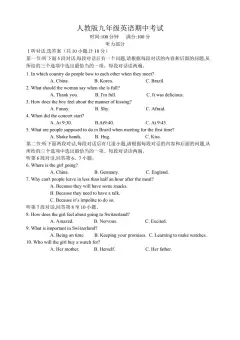 九年级英语期中考试_初中英语789_旧版人教版英语九年级全册_旧版可参考_06.英语9全一册-试题_期中试卷_人教版九年级下册英语期中考试卷(含听力音频+参考答案)
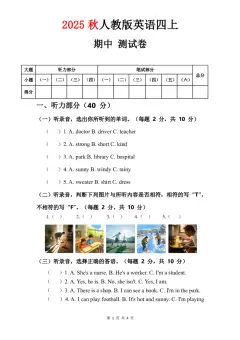 人教版四年级上册英语试卷期中测试卷_4上-新英语人教PEP版(2025持续更新)_07练习试卷_期中试卷_人教版四年级上册英语试卷期中测试卷
 (26秋新)四年级上册_人教版PEP_单词字帖_小初高学习资料合集(每天更新)_2026秋小学英语《单词默写》3-6年级上册(多版本)_2026秋新3-6年级上册_人教版PEP_单词字帖
 (26秋新)六年级上册_人教版PEP_单词字帖_小初高学习资料合集(每天更新)_2026秋小学英语《单词默写》3-6年级上册(多版本)_2026秋新3-6年级上册_人教版PEP_单词字帖
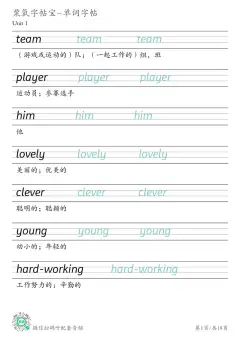 (26秋新)五年级上册_人教版PEP_单词字帖_小初高学习资料合集(每天更新)_2026秋小学英语《单词默写》3-6年级上册(多版本)_2026秋新3-6年级上册_人教版PEP_单词字帖
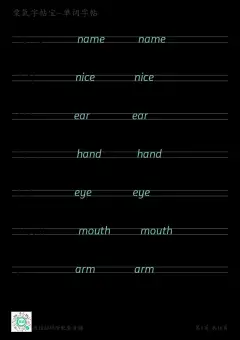 (26秋新)三年级上册_人教版PEP_单词字帖_小初高学习资料合集(每天更新)_2026秋小学英语《单词默写》3-6年级上册(多版本)_2026秋新3-6年级上册_人教版PEP_单词字帖
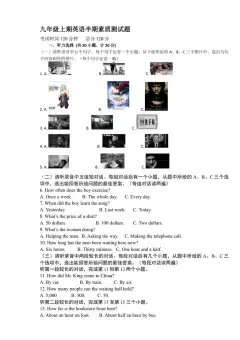 期中考试英语试题_初中英语789_26秋最新人教版英语九年级上册_26秋人教九上_39、赠送其它资料_旧版资料_4.习题试卷_6人教英语9全一册期中试卷(012份)
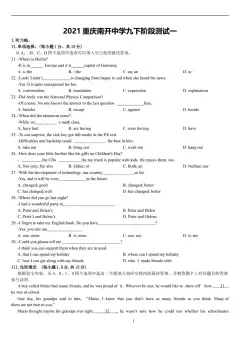 2021南开九下阶段测试一试题_初中英语789_26秋最新人教版英语九年级上册_人教版英语九年级全册_人教版初中英语9全一册_4.试题试卷_中考模拟卷_2021年中考英语模拟题(重庆卷)
 英语试卷_12.2026年4月全国各地高考模拟卷_2026天星金考卷·优秀模拟试卷汇编45套_2026版《金考卷45套》(新I卷)(语数英)_英语I卷
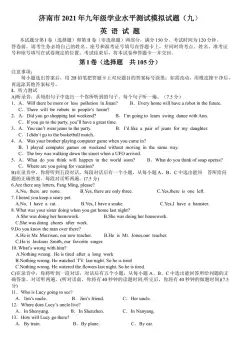 济南市2021年九年级学业水平测试模拟试题九(答案)_初中英语789_26秋最新人教版英语九年级上册_人教版英语九年级全册_人教版初中英语9全一册_4.试题试卷_中考模拟卷
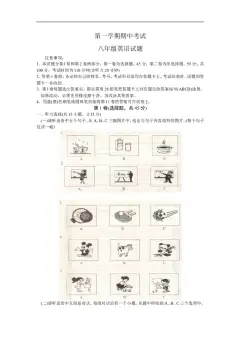 第一学期期中考试八年级英语试题(Word版含答案)_最新人教版英语八年级上册_老版(含有参考价值)_03练习和试卷人教版初中英语八上(多版本)易提分旗舰店
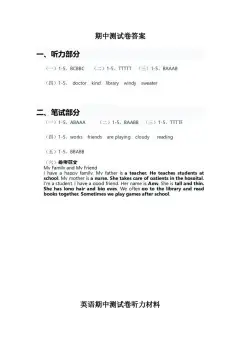 人教版四年级上册英语试卷期中测试卷答案_4上-新英语人教PEP版(2025持续更新)_07练习试卷_期中试卷_人教版四年级上册英语试卷期中测试卷
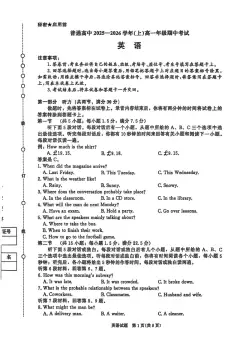 英语试卷_2025年11月高一试卷_251127河南青铜鸣大联考2025-2026学年上学期高一期中考试(全)_河南青铜鸣大联考2025-2026学年上学期高一期中考试英语试题含答案
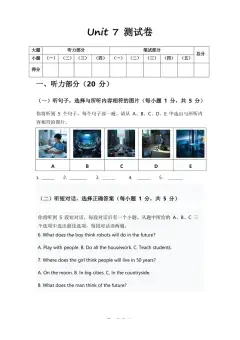 人教版2024八年级上册英语英语试卷Unit7_初中英语789_最新人教版英语八年级上册_新版_初中英语8上新更新第一套可选择_06.英语8上-试题_单元测试
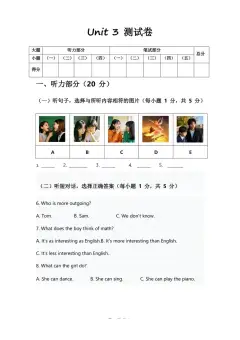 人教版2024八年级上册英语英语试卷Unit3_初中英语789_最新人教版英语八年级上册_新版_初中英语8上新更新第一套可选择_06.英语8上-试题_单元测试
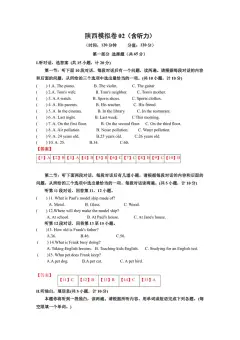 考前逆袭卷A(陕西卷)-2021年中考英语模拟考场仿真演练卷--解析版_初中英语789_26秋最新人教版英语九年级上册_人教版英语九年级全册_人教版初中英语9全一册_4.试题试卷_中考模拟卷
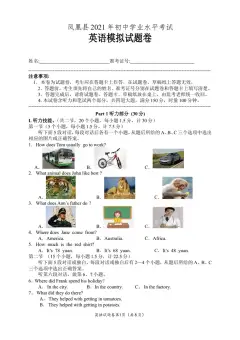 湖南省湘西州凤凰县2021年春中考模拟英语检测卷(word版,含答案)_初中英语789_26秋最新人教版英语九年级上册_人教版英语九年级全册_人教版初中英语9全一册_4.试题试卷_中考模拟卷
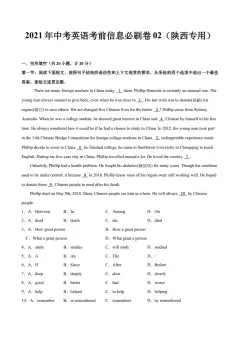 模拟卷022021年中考英语考前信息必刷卷(陕西专用)解析版_初中英语789_26秋最新人教版英语九年级上册_人教版英语九年级全册_人教版初中英语9全一册_4.试题试卷_中考模拟卷
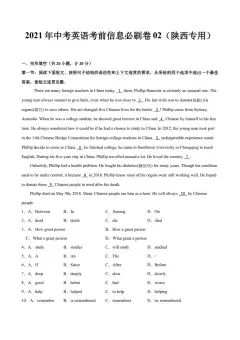 模拟卷022021年中考英语考前信息必刷卷(陕西专用)原卷版_初中英语789_26秋最新人教版英语九年级上册_人教版英语九年级全册_人教版初中英语9全一册_4.试题试卷_中考模拟卷
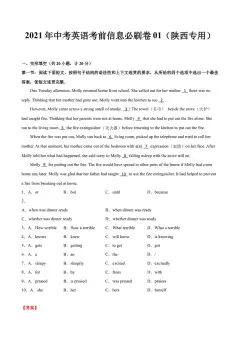 模拟卷012021年中考英语考前信息必刷卷(陕西专用)解析版_初中英语789_26秋最新人教版英语九年级上册_人教版英语九年级全册_人教版初中英语9全一册_4.试题试卷_中考模拟卷
 模拟卷012021年中考英语考前信息必刷卷(陕西专用)原卷版_初中英语789_26秋最新人教版英语九年级上册_人教版英语九年级全册_人教版初中英语9全一册_4.试题试卷_中考模拟卷
 山东省临沂商城外国语学校2021年中考模拟英语试题(二)_初中英语789_26秋最新人教版英语九年级上册_人教版英语九年级全册_人教版初中英语9全一册_4.试题试卷_中考模拟卷
 2021蒙阴县岱崮中学初中学业水平测试英语模拟试题参考答案及解析_初中英语789_26秋最新人教版英语九年级上册_人教版英语九年级全册_人教版初中英语9全一册_4.试题试卷_中考模拟卷
 2021年山东省临沂市蒙阴县中考模拟英语试题(四)(1)_初中英语789_26秋最新人教版英语九年级上册_人教版英语九年级全册_人教版初中英语9全一册_4.试题试卷_中考模拟卷
 人教版七年级上册数学期中考试模拟卷(解析版)_初中数学_七年级数学上册(人教版)_期中+期末
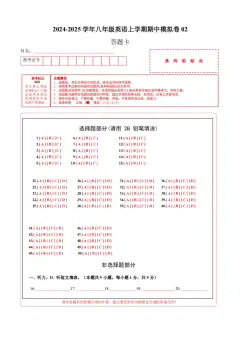 八年级英语期中模拟卷02(答题卡)(人教版)_6、初中英语期中试卷多版本_24-25第一学期八年级英语上册期中模拟试卷(多版本多地区)
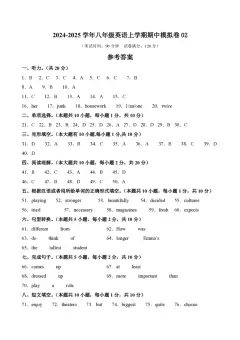 八年级英语期中模拟卷02(参考答案)(人教版)_6、初中英语期中试卷多版本_24-25第一学期八年级英语上册期中模拟试卷(多版本多地区)
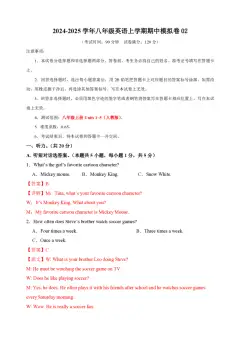 八年级英语期中模拟卷02(全解全析)(人教版)_6、初中英语期中试卷多版本_24-25第一学期八年级英语上册期中模拟试卷(多版本多地区)
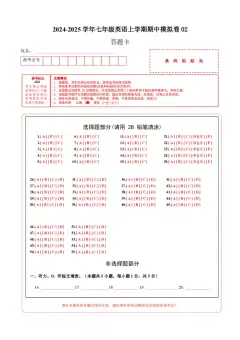 七年级英语期中模拟卷02(答题卡)(人教版2024)_6、初中英语期中试卷多版本_24-25第一学期七年级英语上册期中模拟试卷(多版本多地区)
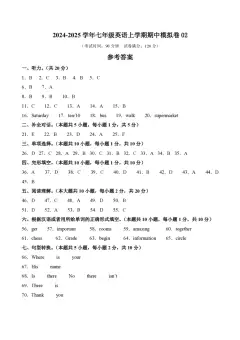 七年级英语期中模拟卷02(参考答案)(人教版2024)_6、初中英语期中试卷多版本_24-25第一学期七年级英语上册期中模拟试卷(多版本多地区)
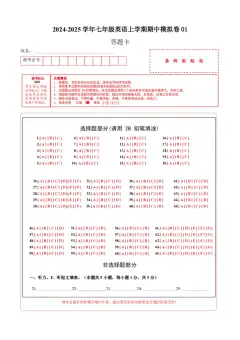 七年级英语期中模拟卷01(答题卡)(人教版2024)_6、初中英语期中试卷多版本_24-25第一学期七年级英语上册期中模拟试卷(多版本多地区)
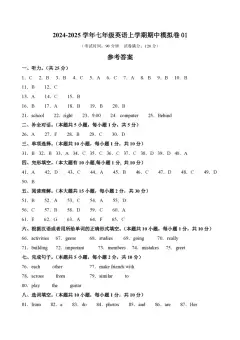 七年级英语期中模拟卷01(参考答案)(人教版2024)_6、初中英语期中试卷多版本_24-25第一学期七年级英语上册期中模拟试卷(多版本多地区)