ARTICLE · 1250669
木铎心声—西山区邹继红初中英语工作室学员风采撷英 第2期













教师个人风采展示


赵翔,中共党员,从教六年,现任西山区教育科学研究院附属中学八年级英语教师、班主任。邹继红名师工作室成员。在区级和校级课堂竞赛中多次获奖,获评突出贡献教师、区级教坛新秀。教育路上,始终坚守育人初心,笃行不怠,以专业能力赋能学生成长,用责任与热爱书写教育篇章。


独学而无友,则孤陋而寡闻。
在初中英语阅读课堂中,不少学生长期处于单一化、碎片化的阅读状态。学生习惯于被动接收知识,缺少对文本的深度思考与同伴交流。为打破传统单向灌输的阅读教学模式,让阅读课堂真正走向学生主体,本次我结合八年级格林童话阅读课《The Four Brothers》,分享合作式阅读教学模式——阅读圈(Reading Circle),让学生从“单向阅读”走向“圈层共读、思辨共研、大胆表达”。


NO.1

Get to Know Reading Circle


Reading circle, also known as literature circle, is a cooperative reading activity. Students work in small groups to read and discuss the same text. Each group member takes a unique role. They finish assigned tasks in advance and share thoughts with group partners.
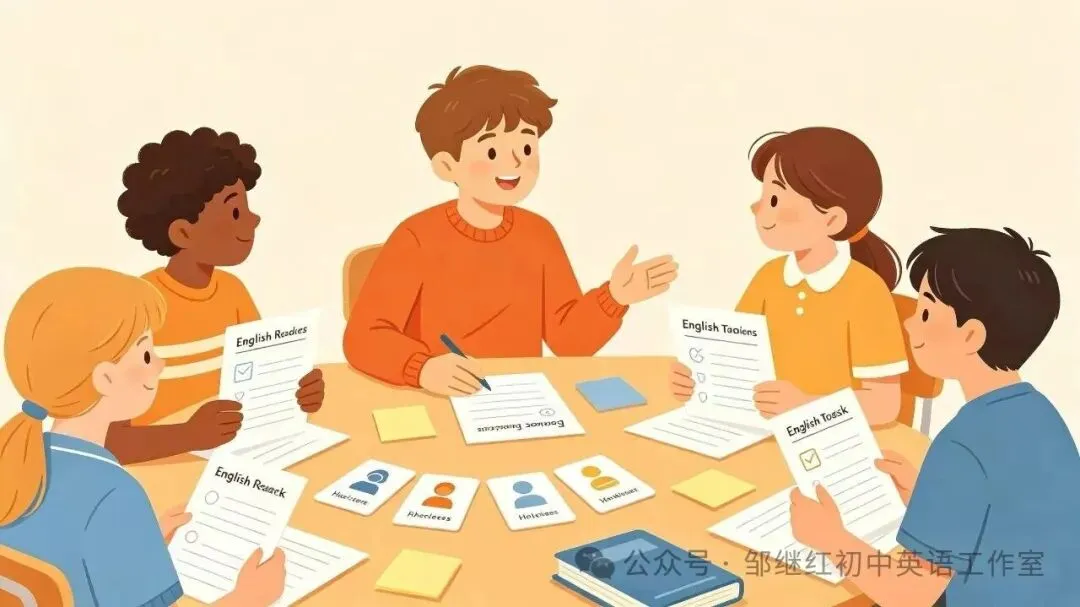
Four Core Principles
Reading circles have four core principles:
1. Student-centred: Students act as primary readers. They lead group discussions instead of merely listening to teachers.
2. Role-based tasks: Different roles generate diverse perspectives toward the text.
3. Equal communication: Every student enjoys the opportunity to speak up freely.
4. Deep thinking: Beyond locating factual information, students share feelings, raise questions and present personal viewpoints.
Roles in Reading Circle
Each reading circle group consists of several fixed roles for collaborative discussion:
• Discussion Leader(讨论组长): qq Prepare thought-provoking questions and facilitate group discussion.
• Word Detective(词汇侦探): Identify key and challenging words & phrases and explain their meanings.
• Passage Connector(联结者): Make connections between the text, real-life experiences and other stories.
• Summarizer(概括者): Sort out the main plot and retell the text concisely.
• Literary Analyst(赏析员): Appreciate impressive sentences, character features and writing techniques.


NO.2

Benefits of Reading Circles for English Learning


Reading circles are highly effective student-centred tools for English learning. In small-group contexts, learners are motivated to dive deeper into reading materials, which greatly improves reading comprehension and enlarges practical vocabulary banks.
Assigned roles guarantee equal opportunities for every participant to practise oral English, voice out personal ideas and listen to peers’ viewpoints. This lowers language-output anxiety for shy students and builds their confidence in English expression.
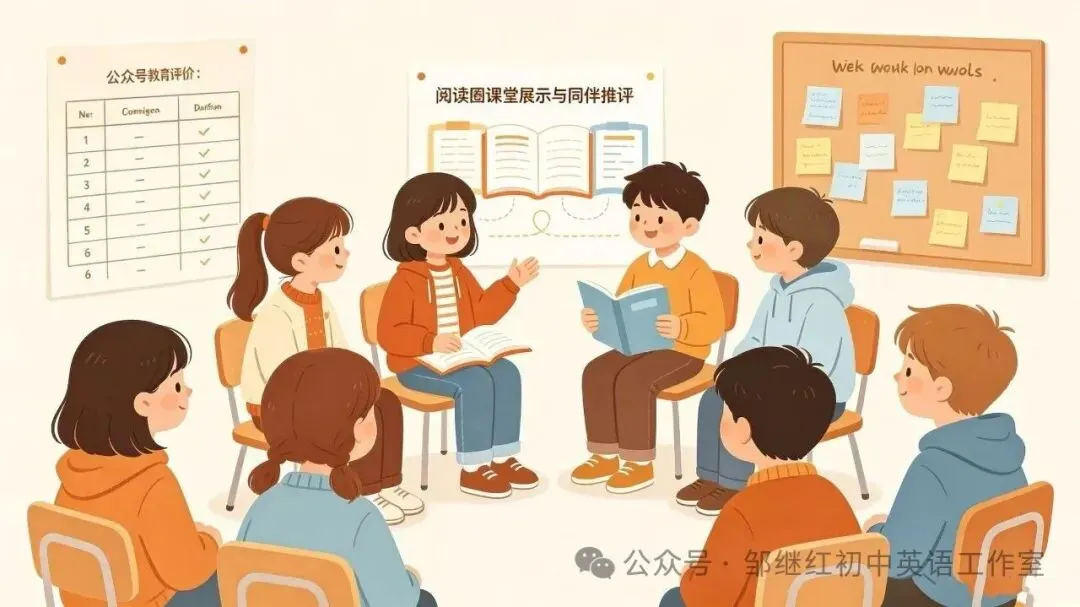
Apart from linguistic improvement, reading circles foster critical thinking skills. Students learn to raise questions, draw inferences and evaluate texts from multiple angles rather than passively accept ready-made conclusions.
Group activities cultivate teamwork awareness, teach students to respect diverse opinions and develop cross-cultural awareness hidden behind reading passages. Reading circles transform students from passive knowledge receivers into active owners of learning, inspiring long-term interest in extensive English reading.


NO.3

Implementation Procedures of Reading Circles


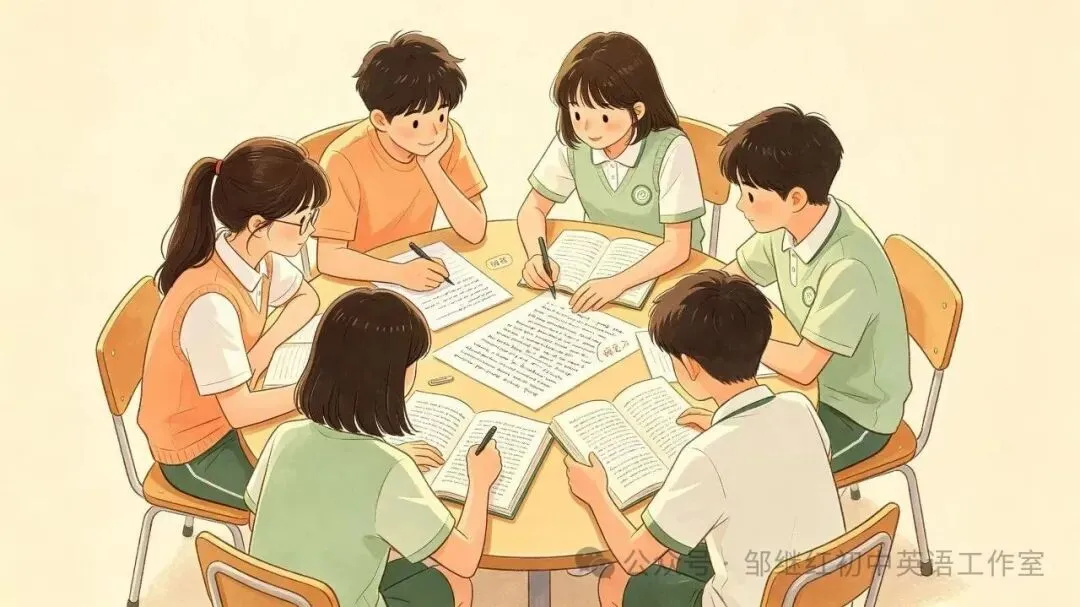
1.Pre-reading: Divide group roles and preview the target text.
2.While-reading: Complete role-based worksheets while reading.
3.In-circle discussion: Share finished tasks and conduct free group conversations with mutual questioning.
4.Post-reading: Present group outcomes and carry out peer evaluation.
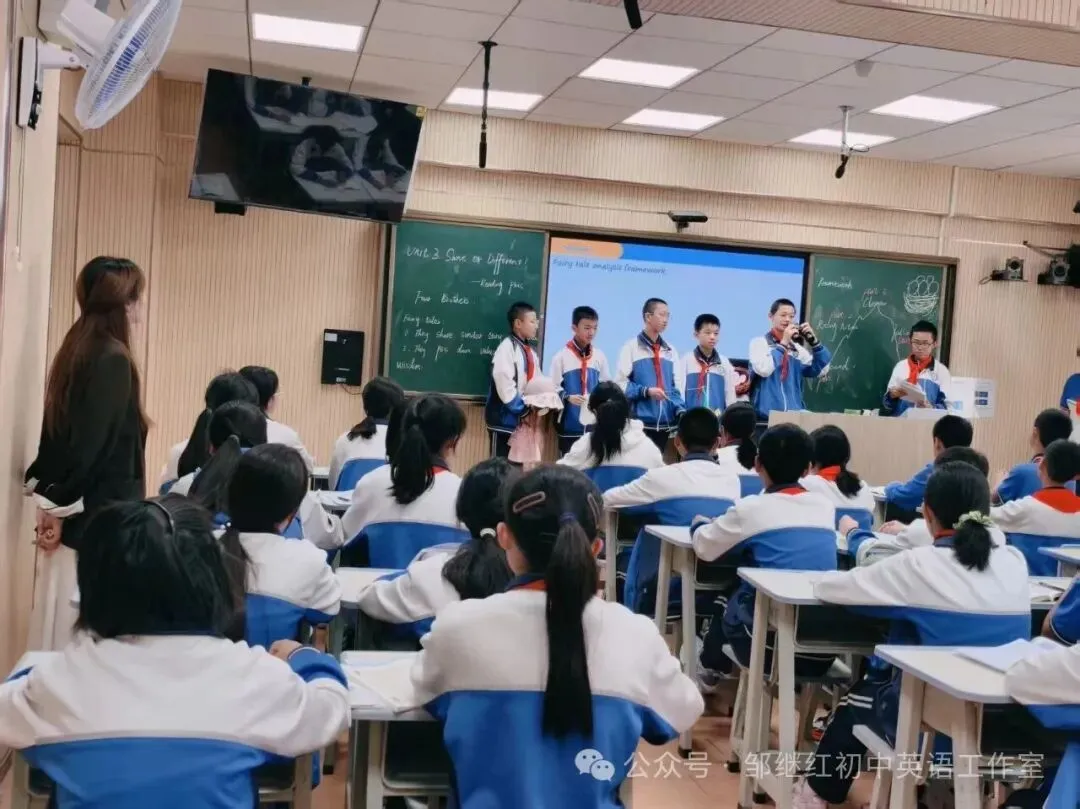
课堂风采


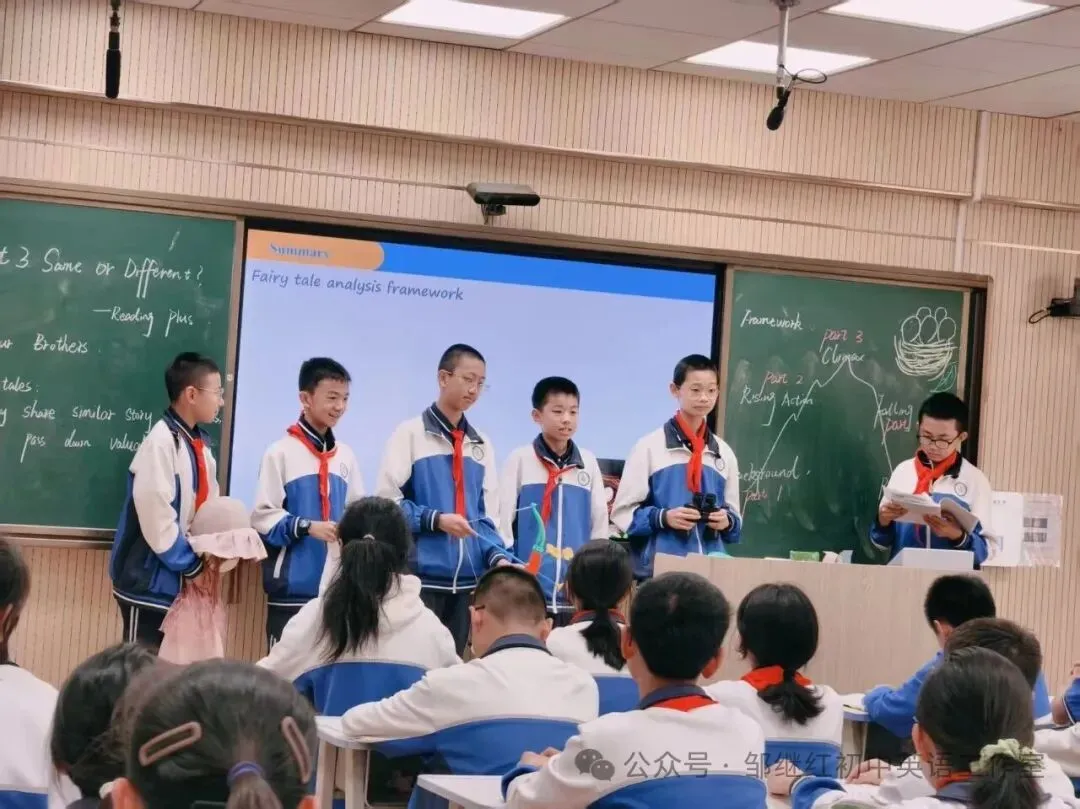



✨ My Practice Reflection
我的课堂实践感悟


在八年级童话文本《The Four Brothers》的课堂落地中,我真切感受到了阅读圈教学模式的优势。
课堂上分层式的固定角色,适配班级不同层次的学生。基础薄弱的学生可以胜任词汇侦探、故事概括者的基础任务,降低英语表达门槛;能力较强的学生可以担任讨论组长、文本赏析员,深度挖掘文本内涵,真正实现分层教学、全员参与、各有所获。
同时我也在实践中深刻体会到,阅读圈并非完全的“学生放任式讨论”,教师的支架搭建、精准引导与课堂把控至关重要。课前教师需要细化任务单、明确角色标准;课中需要巡视各组状态、及时纠偏、鼓励沉默学生;课后也需要做好复盘评价。
在今后的阅读教学中,我将继续打磨阅读圈任务设计,紧扣新课标理念与中考阅读素养要求,让同伴共读真正落地,让每一位学生在英语课堂中敢思考、敢表达、乐阅读。
Reading lights up the mind; discussion makes reading alive.
Reading alone makes a narrow view; reading in circles brings shared wisdom.

图文:赵翔
初审:潘玲燕
终审:邹继红