ARTICLE · 1257844
【优质课1】人教版高中英语必修二 Unit 4 History and Traditions Listening and Speaking — Confucius and Qufu 听说课教学设计
英语学习法精华文章推荐:
双语阅读精华文章推荐:
ARTICLE · 1257844
英语学习法精华文章推荐:
双语阅读精华文章推荐:
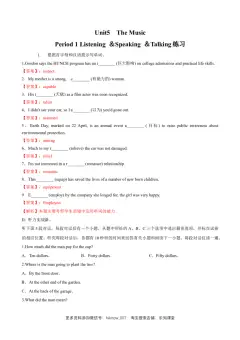 新教材精创5.1Listening&Speaking&Talking练习(1)(解析版)_E015高中全科试卷_英语试题_必修2_2.新版高中英语必修二_2.同步练习
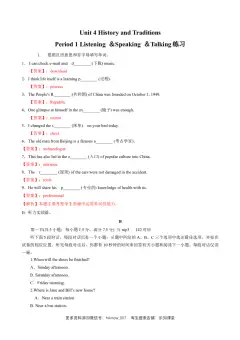 新教材精创4.1Listening&Speaking&Talking练习(1)(解析版)_E015高中全科试卷_英语试题_必修2_2.新版高中英语必修二_2.同步练习
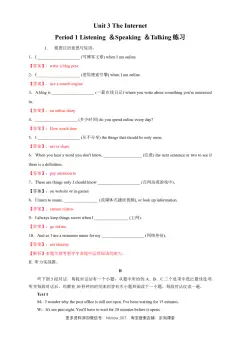 新教材精创3.1Listening&Speaking&Talking练习(1)(解析版)_E015高中全科试卷_英语试题_必修2_2.新版高中英语必修二_2.同步练习
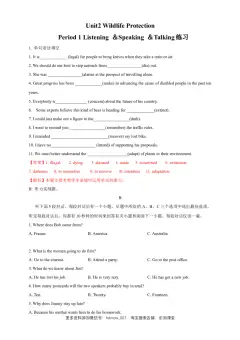 新教材精创2.1Listening&Speaking&Talking练习(1)(解析版)_E015高中全科试卷_英语试题_必修2_2.新版高中英语必修二_2.同步练习
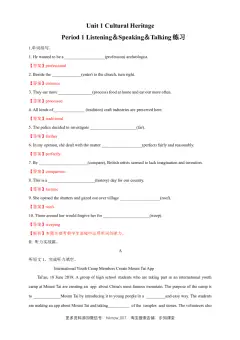 新教材精创1.1Listening&Speaking&Talking练习(1)(解析版)_E015高中全科试卷_英语试题_必修2_2.新版高中英语必修二_2.同步练习
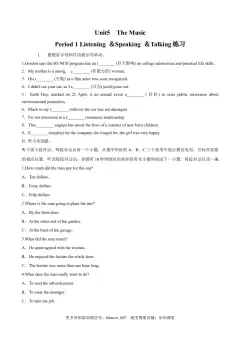 新教材精创5.1Listening&Speaking&Talking练习(1)(原卷版)_E015高中全科试卷_英语试题_必修2_2.新版高中英语必修二_2.同步练习
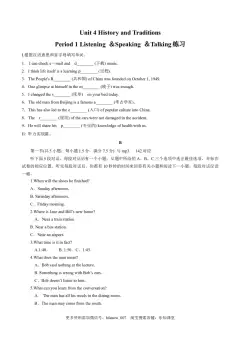 新教材精创4.1Listening&Speaking&Talking练习(1)(原卷版)_E015高中全科试卷_英语试题_必修2_2.新版高中英语必修二_2.同步练习
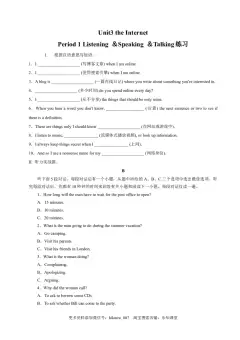 新教材精创3.1Listening&Speaking&Talking练习(1)(原卷版)_E015高中全科试卷_英语试题_必修2_2.新版高中英语必修二_2.同步练习
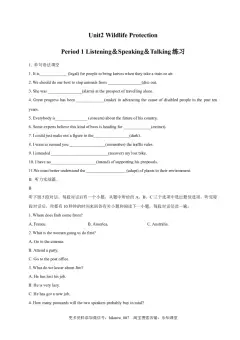 新教材精创2.1Listening&Speaking&Talking练习(1)(原卷版)_E015高中全科试卷_英语试题_必修2_2.新版高中英语必修二_2.同步练习
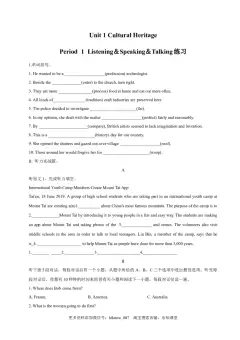 新教材精创1.1Listening&Speaking&Talking练习(1)(原卷版)_E015高中全科试卷_英语试题_必修2_2.新版高中英语必修二_2.同步练习
 人教版九年级上册英语Unit3SmartLearningSectionB4a–4dproject教学设计详案(听说综合课)_初中英语789_26秋最新人教版英语九年级上册_26秋人教九上_3单元
 Unit4第4课时(SectionB1a-1e)(教学设计)-(人教版)_人教版英语八年级下册_旧版_版本二_八年级英语下册(人教版)_教学设计
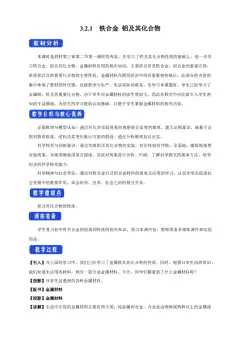 3.2《第二节金属材料》优质课教案教学设计_高化_2025春-人教版高中化学_01新版高中化学必修一_8.课件+教案_教案(赠送参考)
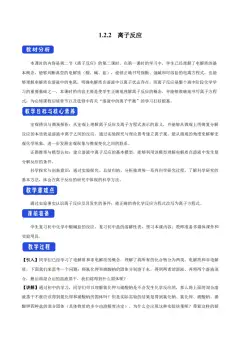 1.2《第二节离子反应》优质课教案教学设计_高化_2025春-人教版高中化学_01新版高中化学必修一_8.课件+教案_教案(赠送参考)
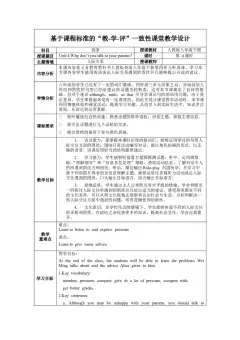 Unit4第4课时(SectionB1a-1e)(教学设计)-(人教版)_最新人教版英语八年级下册_旧版(有参考价值)_版本二_八年级英语下册(人教版)_教学设计
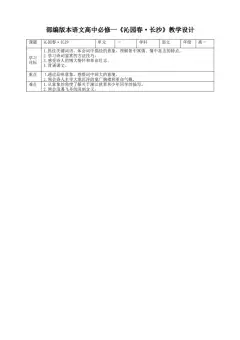 《1沁园春长沙》优质课教案教学设计_高语_人教版高中语文_01部编高中语文必修上册_01第一套课件+教案_第一单元_1沁园春长沙
 Unit4第3课时(SectionAGF-4C)(教学设计)-(人教版)_人教版英语八年级下册_旧版_版本二_八年级英语下册(人教版)_教学设计
 Unit4课时4SectionB1a-1e(教学设计)_新人教八下资料包_00教学设计第二套更新中_教学设计(3)_新课标资料(看这里面)
 人教版九年级上册Unit3SmartLearningSectionB2a–2c教学设计详案(听说课)_初中英语789_26秋最新人教版英语九年级上册_26秋人教九上_00、教案(表格式含反思)word版更新中_3单元
 人教版九年级上册Unit3SectionA3a–3e教学设计详案(听说课)_初中英语789_26秋最新人教版英语九年级上册_26秋人教九上_00、教案(表格式含反思)word版更新中_3单元
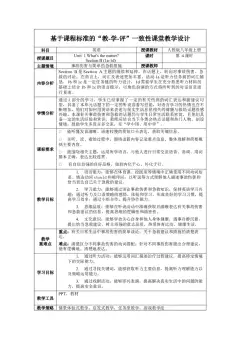 Unit1第4课时SectionB(1a-1d)(教学设计)-(人教版)_最新人教版英语八年级下册_旧版(有参考价值)_版本二_八年级英语下册(人教版)_教学设计
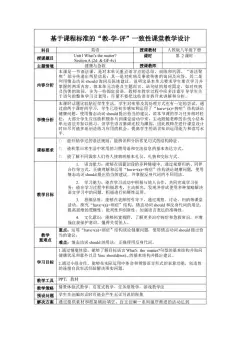 Unit1第2课时SectionA(2d&GF4a-4c)(教学设计)-(人教版)_最新人教版英语八年级下册_旧版(有参考价值)_版本二_八年级英语下册(人教版)_教学设计
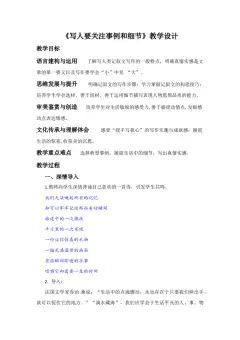 第二单元第4课《本课综合与测试》写人要关注事例和细节优质课教案教学设计_高语_新版高中语文_01部编高中语文必修上册_第一套课件+教案_第二单元_单元综合
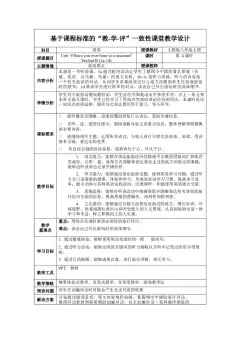 Unit9第4课时SectionB(1a-1d)(教学设计)-(人教版)_最新人教版英语八年级下册_旧版(有参考价值)_版本二_八年级英语下册(人教版)_教学设计
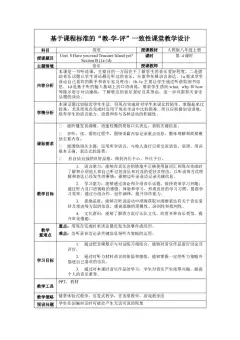 Unit8第4课时SectionB(1a-1d)(教学设计)-(人教版)_最新人教版英语八年级下册_旧版(有参考价值)_版本二_八年级英语下册(人教版)_教学设计
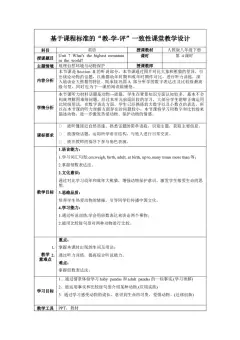 Unit7第4课时SectionB(1a-1d)(教学设计)-(人教版)_最新人教版英语八年级下册_旧版(有参考价值)_版本二_八年级英语下册(人教版)_教学设计
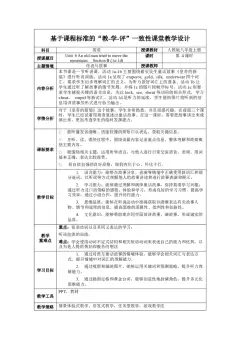 Unit6第4课时SectionB(1a-1d)(教学设计)-(人教版)_最新人教版英语八年级下册_旧版(有参考价值)_版本二_八年级英语下册(人教版)_教学设计
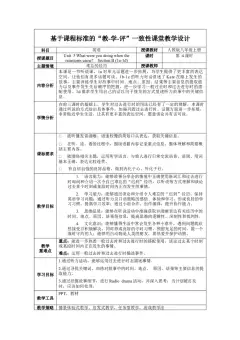 Unit5第4课时SectionB(1a-1d)(教学设计)-(人教版)_最新人教版英语八年级下册_旧版(有参考价值)_版本二_八年级英语下册(人教版)_教学设计
 Unit4第1课时(SectionA1a-2d)(教学设计)-(人教版)_最新人教版英语八年级下册_旧版(有参考价值)_版本二_八年级英语下册(人教版)_教学设计
 Unit3第4课时SectionB(1a-1e)(教学设计)-(人教版)_最新人教版英语八年级下册_旧版(有参考价值)_版本二_八年级英语下册(人教版)_教学设计
 Unit2第4课时SectionB(1a-1e)(教学设计)-(人教版)_最新人教版英语八年级下册_旧版(有参考价值)_版本二_八年级英语下册(人教版)_教学设计
 Unit10第4课时SectionB(1a-1d)(教学设计)-(人教版)_最新人教版英语八年级下册_旧版(有参考价值)_版本二_八年级英语下册(人教版)_教学设计
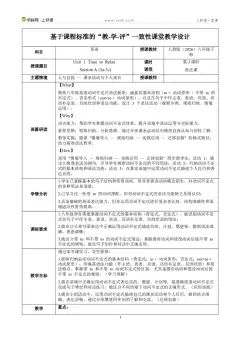 Unit1课时3SectionAGrammarfocus4a-4c(教学设计)_新人教八下资料包_00教学设计第二套更新中_教学设计(3)_新课标资料(看这里面)
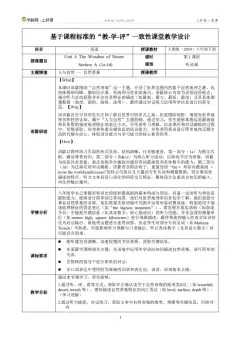 Unit4课时1SectionA1a-1d(教学设计)_新人教八下资料包_00教学设计第二套更新中_教学设计(3)_新课标资料(看这里面)
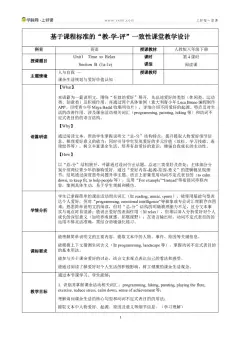 Unit1课时4SectionB1a-1e(教学设计)_新人教八下资料包_00教学设计第二套更新中_教学设计(3)_新课标资料(看这里面)
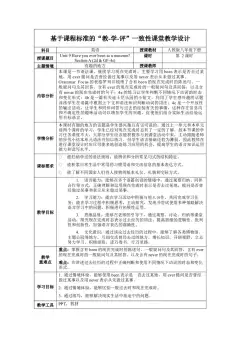 Unit9第2课时SectionA(2d&GF4a-4c)(教学设计)-(人教版)_人教版英语八年级下册_旧版_版本二_八年级英语下册(人教版)_教学设计
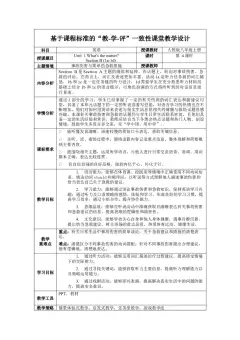 Unit1第4课时SectionB(1a-1d)(教学设计)-(人教版)_新人教八下资料包_35赠送其它_八年级英语下册(人教版)_教学设计
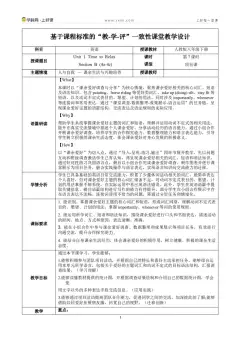 Unit1课时7SectionB(Project4a-4c)(教学设计)_新人教八下资料包_00教学设计第二套更新中_教学设计(3)_新课标资料(看这里面)
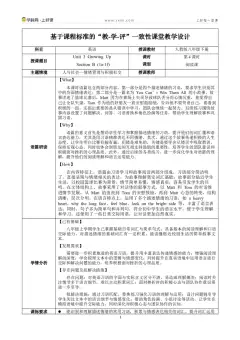 Unit3课时4SectionB1a-1f(教学设计)_新人教八下资料包_00教学设计第二套更新中_教学设计(3)_新课标资料(看这里面)
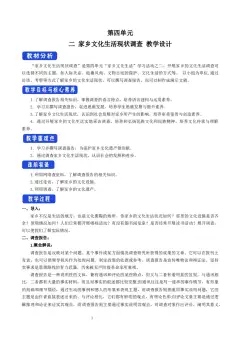 《二家乡文化生活现状调查》优质课教案教学设计_高语_人教版高中语文_01部编高中语文必修上册_01第一套课件+教案_第四单元
 《4.3“探界者”钟扬》优质课教案教学设计_高语_人教版高中语文_01部编高中语文必修上册_01第一套课件+教案_第二单元_4.3“探界者”钟扬
 Unit1WomenofachievementPeriod4Listening优秀教案(人教版必修4)(1)_教资初高中_教资面试2025教资面试备考资料合集_教资面试资料合集_2025教资面试资料_25上教资面试-小学资料包
 Unit4第1课时(教学设计)PartALet'stalk&Let'splay-(人教PEP版)_教学设计_教学设计
 Unit4BodylanguangePeriod4Listening优秀教案(人教版必修4)(1)_教资初高中_教资面试2025教资面试备考资料合集_教资面试资料合集_2025教资面试资料_25上教资面试-小学资料包
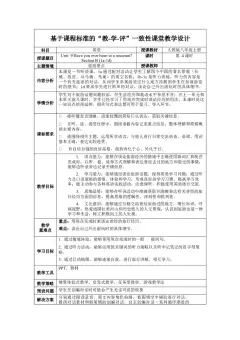 Unit9第4课时SectionB(1a-1d)(教学设计)-(人教版)_新人教八下资料包_35赠送其它_八年级英语下册(人教版)_教学设计
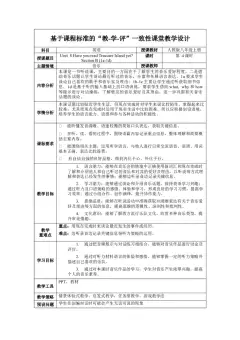 Unit8第4课时SectionB(1a-1d)(教学设计)-(人教版)_新人教八下资料包_35赠送其它_八年级英语下册(人教版)_教学设计
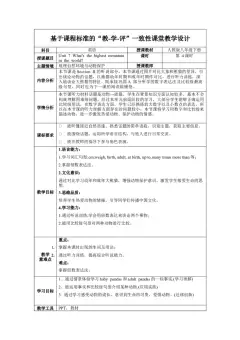 Unit7第4课时SectionB(1a-1d)(教学设计)-(人教版)_新人教八下资料包_35赠送其它_八年级英语下册(人教版)_教学设计
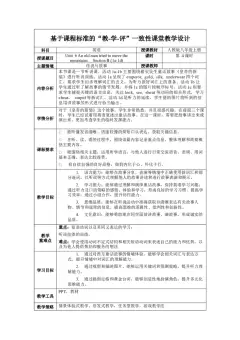 Unit6第4课时SectionB(1a-1d)(教学设计)-(人教版)_新人教八下资料包_35赠送其它_八年级英语下册(人教版)_教学设计
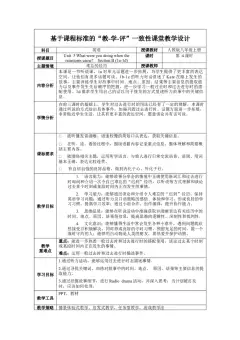 Unit5第4课时SectionB(1a-1d)(教学设计)-(人教版)_新人教八下资料包_35赠送其它_八年级英语下册(人教版)_教学设计
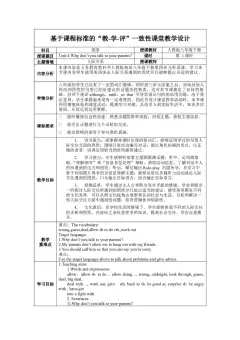 Unit4第1课时(SectionA1a-2d)(教学设计)-(人教版)_新人教八下资料包_35赠送其它_八年级英语下册(人教版)_教学设计
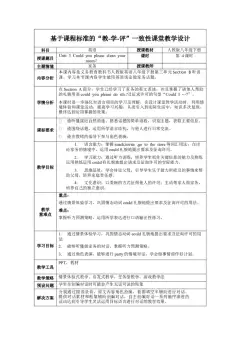 Unit3第4课时SectionB(1a-1e)(教学设计)-(人教版)_新人教八下资料包_35赠送其它_八年级英语下册(人教版)_教学设计
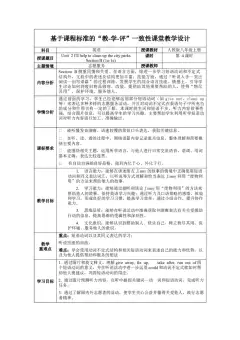 Unit2第4课时SectionB(1a-1e)(教学设计)-(人教版)_新人教八下资料包_35赠送其它_八年级英语下册(人教版)_教学设计
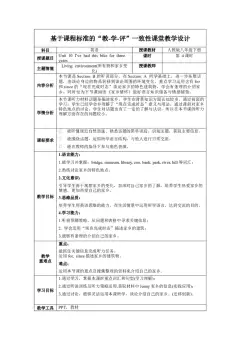 Unit10第4课时SectionB(1a-1d)(教学设计)-(人教版)_新人教八下资料包_35赠送其它_八年级英语下册(人教版)_教学设计
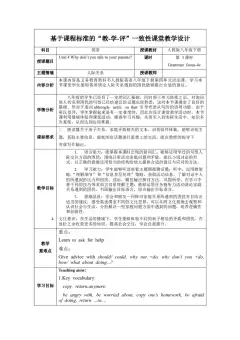 Unit4第3课时(SectionAGF-4C)(教学设计)-(人教版)_最新人教版英语八年级下册_旧版(有参考价值)_版本二_八年级英语下册(人教版)_教学设计
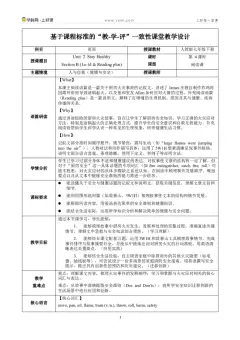 Unit2课时4SectionB1a-1e&readingplus(教学设计)_新人教八下资料包_00教学设计第二套更新中_教学设计(3)_新课标资料(看这里面)
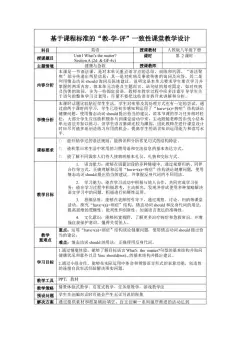 Unit1第2课时SectionA(2d&GF4a-4c)(教学设计)-(人教版)_新人教八下资料包_35赠送其它_八年级英语下册(人教版)_教学设计
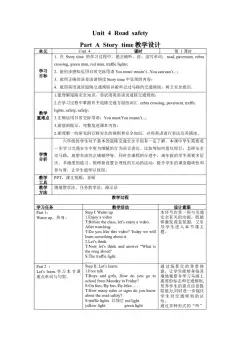 Unit4 第1课时(教学设计)Story time-(译林版三起)_教学设计
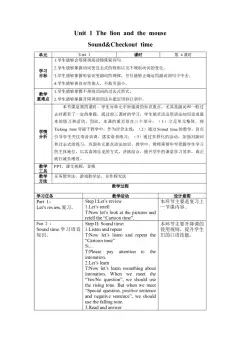 Unit1第4课时(教学设计)Sound&Checkouttime-(译林版三起)_教学设计
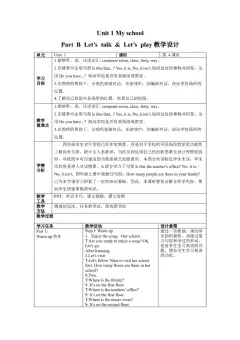 Unit1 第4课时(教学设计)Part B Let’s talk & Let'splay-(人教PEP版)_教学设计_教学设计
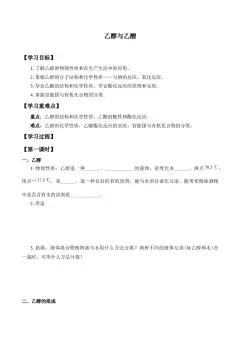 《第三节乙醇与乙酸》优质课教案教学设计_高化_2025春-人教版高中化学_02新版高中化学必修二_9.课件+教案+练习备用_第七章有机化合物
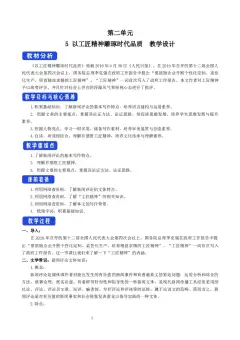 《5以工匠精神雕琢时代品质》优质课教案教学设计_高语_人教版高中语文_01部编高中语文必修上册_01第一套课件+教案_第二单元_5以工匠精神雕琢时代品质
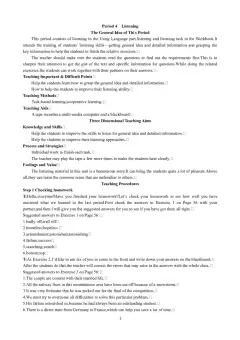 Unit3AtasteofEnglishhumourPeriod4Listening优秀教案(人教版必修4)(1)_教资初高中_教资面试2025教资面试备考资料合集_教资面试资料合集_2025教资面试资料_25上教资面试-小学资料包
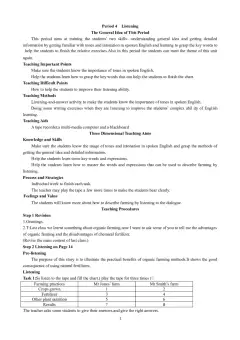 Unit2WorkingthelandPeriod4Listening优秀教案(人教版必修4)(1)_教资初高中_教资面试2025教资面试备考资料合集_教资面试资料合集_2025教资面试资料_25上教资面试-小学资料包
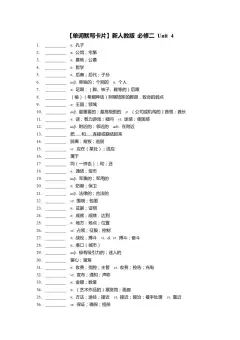 单词默写卡片新人教版必修二Unit4_高中三年全科资料_高中_高中1_《高中英语单词默写表》(1)_人教版_新人教单词默写卡片_单词默写卡片新人教版必修二
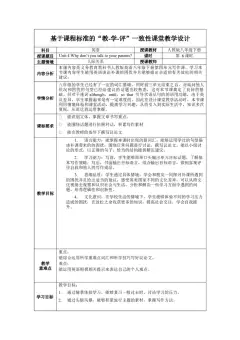 Unit4第6课时(SectionB3a-selfcheck)(教学设计)-(人教版)(1)_新人教八下资料包_35赠送其它_八年级英语下册(人教版)_教学设计
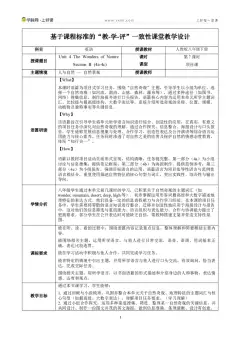 Unit4课时7SectionBProject4a-4c(教学设计)_新人教八下资料包_00教学设计第二套更新中_教学设计(3)_新课标资料(看这里面)
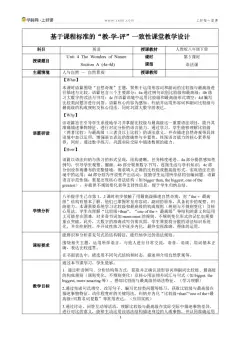 Unit4课时3SectionAGrammarfocus4a-4d(教学设计)_新人教八下资料包_00教学设计第二套更新中_教学设计(3)_新课标资料(看这里面)
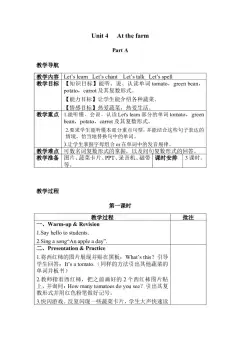 Unit4分课时(1)_教学设计_非配套教案(提供参考)_Unit4
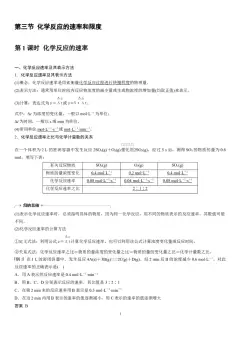 《第二节化学反应的速率与限度》优质课教案教学设计_高化_2025春-人教版高中化学_02新版高中化学必修二_9.课件+教案+练习备用_第六章化学反应与能量
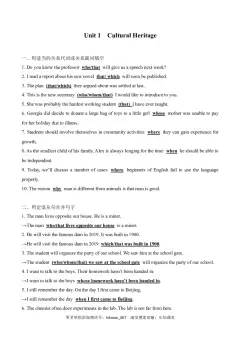 Unit1CulturalHeritage语法专练高中英语必修二(解析版)_E015高中全科试卷_英语试题_必修2_2.新版高中英语必修二_5.专项练习_Unit1CulturalHeritage-高一英语单元词汇专练(2019人教版必修二)
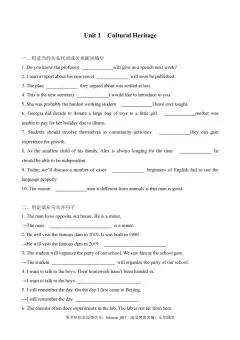 Unit1CulturalHeritage语法专练高中英语必修二(原卷版)_E015高中全科试卷_英语试题_必修2_2.新版高中英语必修二_5.专项练习_Unit1CulturalHeritage-高一英语单元词汇专练(2019人教版必修二)
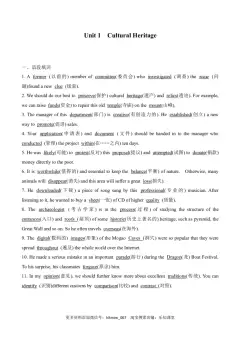 Unit1CulturalHeritage词汇专练高中英语必修二(解析版)_E015高中全科试卷_英语试题_必修2_2.新版高中英语必修二_5.专项练习_Unit1CulturalHeritage-高一英语单元词汇专练(2019人教版必修二)
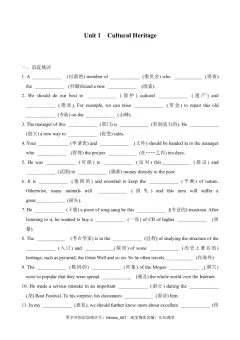 Unit1CulturalHeritage词汇专练高中英语必修二(原卷版)_E015高中全科试卷_英语试题_必修2_2.新版高中英语必修二_5.专项练习_Unit1CulturalHeritage-高一英语单元词汇专练(2019人教版必修二)
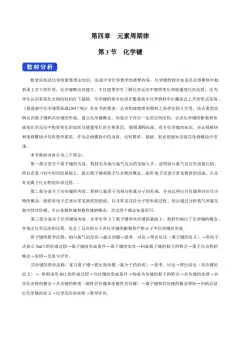 4.3《第三节化学键》优质课教案教学设计_高化_2025春-人教版高中化学_01新版高中化学必修一_8.课件+教案_教案(赠送参考)
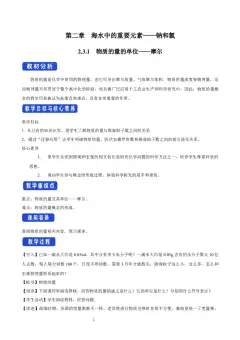 2.3《第三节物质的量》优质课教案教学设计_高化_2025春-人教版高中化学_01新版高中化学必修一_8.课件+教案_教案(赠送参考)
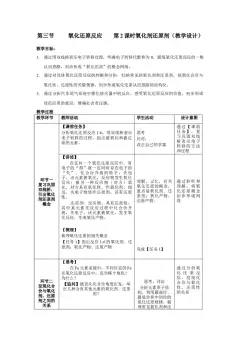 1.3《第三节氧化还原反应》优质课教案教学设计_高化_2025春-人教版高中化学_01新版高中化学必修一_8.课件+教案_教案(赠送参考)
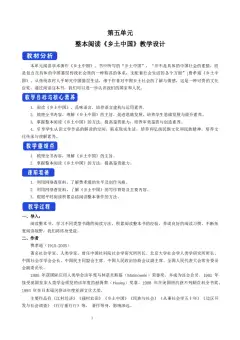 《乡土中国》整本书阅读优质课教案教学设计_高语_人教版高中语文_01部编高中语文必修上册_01第一套课件+教案_第五单元
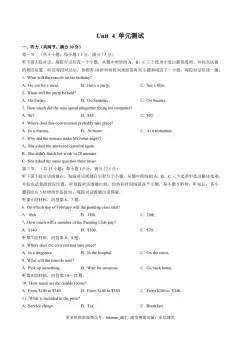 人教版(2019)高中英语必修第二册:Unit4单元测试(含答案与解析)_E015高中全科试卷_英语试题_必修2_2.新版高中英语必修二_1.单元测试_1.单元测试(第一套)
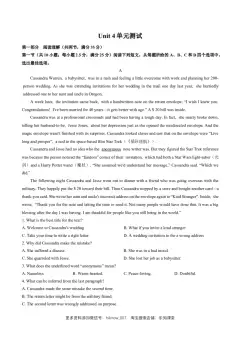 人教版(2019)高中英语必修第二册:Unit4Historyandtraditions单元测试(附答案与解析)_E015高中全科试卷_英语试题_必修2_2.新版高中英语必修二_1.单元测试_1.单元测试(第一套)
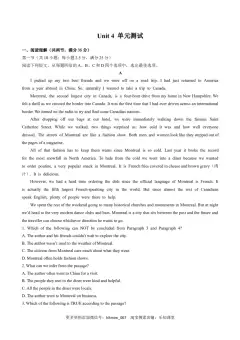 人教版(2019)高中英语必修第二册:Unit4Historyandtraditions单元测试(含答案与解析)_E015高中全科试卷_英语试题_必修2_2.新版高中英语必修二_1.单元测试_1.单元测试(第一套)