ARTICLE · 1203716
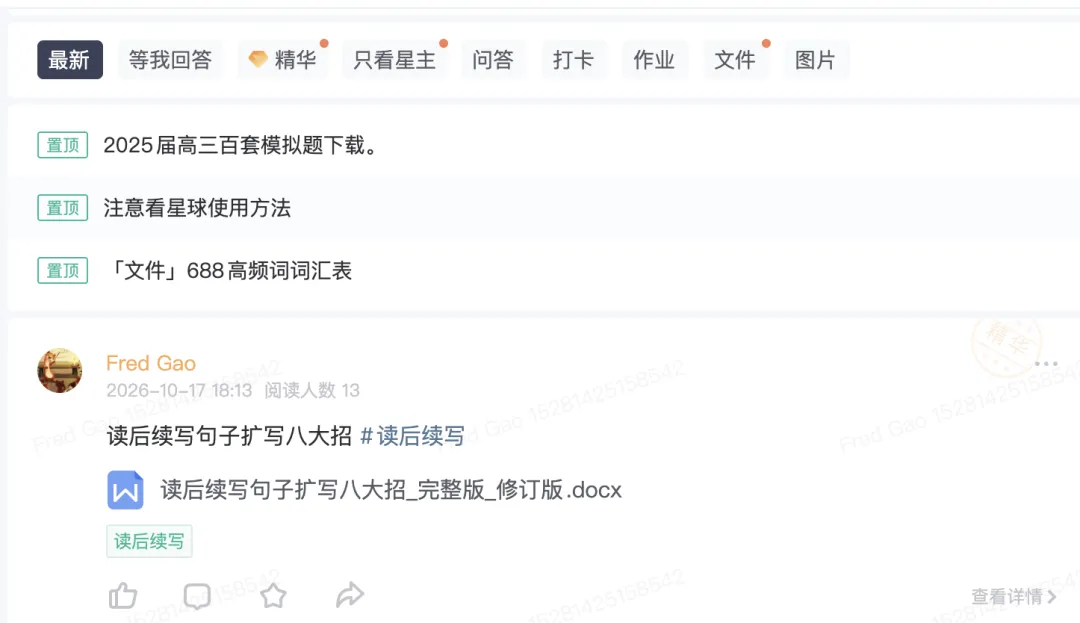
依托历年高考真题续写语料,我总结了8大续写句式提分的方法
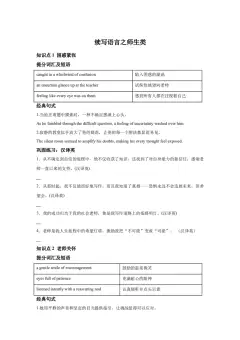
第一招加修饰语(形容词/副词/介词短语)
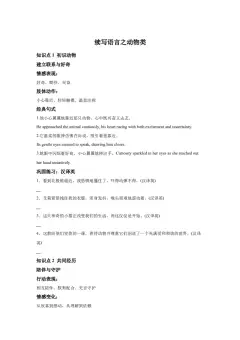
第三招加连续动作(动作链)
第四招加环境描写(以景衬情)
第五招加比喻/拟人(修辞升级)
第六招用动作链代替情绪词(Show, Don't Tell)
第七招加直接引语(对话推动情节)
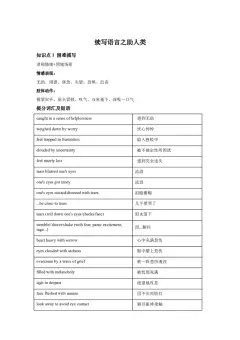
第八招用感官细节(五感渲染)
第一招加修饰语(形容词/副词/介词短语)
______________________________________________________________________________
一、核心原理
在名词前加形容词、动词前加副词、句末加介词短语,让画面更具体、情绪更饱满。适用场景:描写人物动作、环境氛围、心理状态。
基本公式:
(1)形容词 + 名词 → the winding trail / the yellowed envelope
(2)副词 + 动词 → ran steadily / whispered softly
(3)动词 + 介词短语 → walked along the river / smiled with relief
(4)主句 + 独立主格 → she sat still, her eyes fixed on the letter
二、真题场景对照
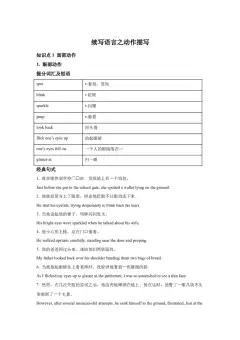
【场景1】2022 全国甲卷 · David 越野跑比赛
情境:David参加越野长跑比赛,在山路上坚持奔跑,尽管身体疲惫但仍继续前进。
【原句】David continued running.
【升级】David continued running steadily along the winding mountain trail, his breath forming white clouds in the crisp morning air.
中文翻译:David沿着蜿蜒的山间小径稳步地继续奔跑,他的呼吸在清冽的晨空中形成白色的雾团。
→ 副词 steadily 定节奏,形容词 winding 定路线形态,介词短语 along the trail 定空间,独立主格 his breath forming white clouds 定体感温度。四个修饰层叠加,读者看到的不是"跑",而是一幅清晨山路图。
【场景2】2027届语料《信封里的三个词》· 母亲翻看旧信
情境:母亲打开一封珍藏多年的信封,信中有三个对她意义重大的词语,勾起往日回忆。
【原句】Mother opened the envelope.
【升级】Mother opened the yellowed envelope with trembling fingers, her eyes glistening with unshed tears.
中文翻译:母亲用颤抖的手指打开那封泛黄的信封,眼中闪烁着未流出的泪光。
→ yellowed 是时间留下的痕迹,with trembling fingers 是情绪泄出的漏洞,her eyes glistening 把"忍着不哭"的状态外化。三个修饰全在为主人公的克制服务。
【场景3】2027届语料《轮椅搭档的慈善步行赛》· 主人公推轮椅
情境:女孩与坐轮椅的搭档参加慈善步行活动,她推着轮椅在公园人群中小心穿行,展现温柔与耐心。
【原句】She pushed the wheelchair.
【升级】She pushed the wheelchair gently through the crowded park, navigating carefully around the families picnicking on the grass.
中文翻译:她轻柔地推着轮椅穿过拥挤的公园,小心翼翼地绕过那些在草地上野餐的家庭。
→ gently 与 carefully 两个副词同义不同角:前者写力度,后者写注意力。介词短语 through the crowded park 带出环境压力,分词短语 navigating around... 说明她在为别人让路——善意是通过动作选择体现的,不是靠形容词夸出来的。
【场景4】2027届山东济南市模拟 · 暴雪中困在车里
情境:Emily在暴风雪中开车被困,车滑进路边沟里,她裹着毯子在车中等待天亮。
【原句】Emily waited in the car.
【升级】Emily waited in the stranded car, wrapped in a thin blanket, her breath fogging the frozen windows in the pitch-black night.
中文翻译:Emily在受困的车里等待,裹着薄毯子,在漆黑的夜里她的呼吸在冰冷的车窗上结起雾气。
→ stranded 定位置状态,wrapped in a thin blanket 写身体姿态,breath fogging 把生理细节外化,pitch-black 定时间氛围。四个修饰层营造出寒冷、孤立、等待的完整画面。
【场景7】2027届福州一检模拟 · 山路心脏病发
情境:骑山地车的医生在山路中途突感胸痛,他勉强骑到停车场后躺在车旁等救护车。
【原句】He lay beside his car.
【升级】He lay down beside his car on the cold asphalt, his chest tight with pain, his phone clutched in one trembling hand.
中文翻译:他躺在车旁冰冷的柏油路面上,胸口紧得难受,一只颤抖的手紧攥着手机。
→ on the cold asphalt 写触觉(地面冷硬),tight with pain 写生理感受,clutched in one trembling hand 通过手的动作泄露恐惧。修饰语让"躺"这个静态动作有了温度、疼痛和紧张三个维度。
三、拆解分析:修饰语三原则
原则一:形容词优先选"可视化"词汇
• yellowed > old —— "泛黄"是眼睛看得见的,"旧"只是判断
• winding > long —— "蜿蜒"有形状,"长"只有尺寸
• crisp > cold —— "清冽"有质感,"冷"只是温度
• crumpled > messy —— "揉皱的"是具体状态,"乱的"是笼统评价
判断标准:换成中文后,读者能否在脑中画出形状、颜色或质地?能,就合格。
原则二:副词避开万能词,改用精准词
• quickly → swiftly(轻快) / hastily(仓促) / briskly(利落),按情境选
• slowly → steadily(匀速坚持) / cautiously(小心) / deliberately(刻意缓慢)
• carefully → gently(轻缓) / meticulously(一丝不苟) / attentively(专注)
• sadly → quietly(不声张的难过) / bitterly(苦涩) / wearily(疲惫)
原则三:介词短语要带"线索"
• 地点线索:along the trail / beneath the oak tree / at the far end of the corridor
• 情绪线索:with trembling fingers / in a voice barely above a whisper
• 氛围线索:under the gray sky / against the pale winter sunlight
四、进阶用法
(一)修饰语叠加的节奏控制
【平铺叠加】He walked slowly and carefully.
→ 问题:两个副词并列,信息量翻倍但画面没变,读起来像凑词。
【重构叠加】He walked with measured steps, each footfall echoing in the silent corridor.
→ 用介词短语 with measured steps 取代 slowly,用独立主格 each footfall echoing 取代 carefully,句尾还顺手交代了环境(走廊)。同样两个信息位,承载了三层画面。
(二)独立主格的三种用法
• 补视觉:his breath forming white clouds in the cold air
• 显情绪:her eyes glistening with unshed tears
• 推进程:his hands working skillfully to tighten the bolts
要领:独立主格的主语必须是主句主人物的身体部位、随身物品或与之紧密相关的景物,不能另起一个陌生人,否则句子会散。
(三)形容词前置与后置的选择
【前置】She handed me the yellowed envelope.
【后置】She handed me an envelope, yellowed with age and worn soft at the edges.
→ 前置简洁、推进快,适合情节线;后置能挂更多细节,适合需要定格的物件或人物特写。续写中,凡是第一段要"交代背景"的句子宜用前置,第二段"烘托高潮"的句子宜用后置。
五、综合练习
【练习A】扩写句子,每句至少加两处修饰(不用副词堆砌,优先用介词短语或独立主格):
1. 她向他微笑。→ She smiled at him.
2. 狗朝我跑来。→ The dog ran towards me.
3. 雨开始下了。→ Rain started falling.
4. 他打开了门。→ He opened the door.
5. 鸟儿飞过天空。→ Birds flew across the sky.
【练习B】用独立主格结构改写:
1. The sun was setting. She walked home. → She walked home, the sun setting ...
2. His voice was shaking. He told the truth. → __________________________
3. Her hands were cold. She held the letter. → __________________________
【练习C】给情境加修饰(写1—2句):
考试交卷前最后三分钟,你发现自己漏做了一整页题。
【参考答案】
A1. She smiled at him warmly, her eyes crinkling at the corners.
A2. The excited dog bounded towards me, tail wagging so hard that its whole body swayed.
A3. Rain started falling softly, its first droplets tapping lightly on the windowpane.
A4. He opened the heavy wooden door, hinges creaking in the stillness.
A5. Birds flew across the cloudless sky, their wings catching the morning light.
B2. He told the truth, his voice shaking with every word.
B3. She held the letter, her hands cold and stiff with nerves.
C 参考:My fingers went cold as I flipped back to the missing page, the blank lines staring back at me while the clock ticked away the last three minutes.
【常见错误自查】
✖️ The old envelope was opened by Mother with very sad and nervous feelings.
→ 形容词 old/sad/nervous 都不可视,且 with feelings 是抽象名词硬充介词短语。
✔️ Mother opened the yellowed envelope with trembling fingers.
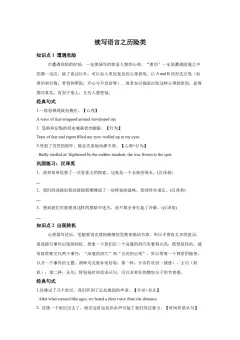
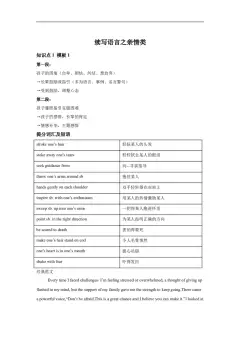
第二招加心理活动(想/感)
______________________________________________________________________________
一、核心原理
在动作后补充人物内心想法或感受,让读者理解"为什么这样做"。续写评分看重"情节的合理性",而心理活动正是合理性的说明书。
常用结构:
(1)主句 + thinking / wondering that ...
(2)主句 + realizing / sensing / feeling that ...
(3)主句 + his mind racing with ...
(4)主句 + a question echoing in his mind: ...?
二、真题场景对照
【场景1】2027届语料《轮椅搭档的慈善步行赛》· 决定帮助陌生人
情境:女孩与坐轮椅的搭档参加慈善步行活动,她推着轮椅前进,心中思考着这个善举的意义。
【原句】She pushed the wheelchair forward.
【升级】She pushed the wheelchair forward, thinking that perhaps this small act of kindness could make a difference in someone's day.
中文翻译:她向前推着轮椅,心想也许这个小小的善举能让某人的一天有所不同。
→ thinking that 引出动机,让一个物理动作有了道德重量。此处 if 不能说"她想帮助人"就完了——必须落到"这点小事也许能改变别人一天",才叫具体念头。
【场景2】2027届语料《心梗骑手与停下脚步的陌生人》· 犹豫到出手
情境:外卖骑手突发心脏病倒地,陌生人路过时犹豫片刻,回想急救知识后决定施救。
【原句】The stranger hesitated.
【升级】The stranger hesitated for a split second, wondering whether he still remembered enough from the first-aid course he had taken years ago, before instinct took over.
中文翻译:陌生人犹豫了一瞬间,心想自己是否还记得多年前急救课程的内容,随后本能占了上风。
→ wondering whether 写出真实顾虑(怕自己不会救),before instinct took over 用一个转折把犹豫推翻。心理活动不是拖慢节奏,而是为后面的果断做铺垫。
【场景5】2022 新高考 I 卷 · David 体力见底时
情境:David参加越野长跑比赛,跑到精疲力竭时内心出现动摇,想要放弃坐下休息。
【原句】David kept running.
【升级】David kept running, though a small voice inside kept asking him why he bothered, why he did not simply stop and sit down by the roadside.
中文翻译:David继续奔跑,尽管内心有个细小的声音不断问他为什么还要坚持,为什么不干脆停下来在路边坐下。
→ 把小声音写成问句,"why he bothered" 是自我怀疑,不是自我鼓励。写真实的动摇,比写空洞的决心更能立住人物。
【场景6】2027届安徽省十联考模拟 · 手术前的恐惧
情境:单亲母亲即将接受心脏手术,站在手术室走廊时双脚像钉住般无法移动,满脑子想的都是年幼的女儿。
【原句】She stood in the hallway.
【升级】She stood frozen in the hallway, her whole body shaking as one question echoed in her mind: What if I don't wake up? What would happen to my daughter?
中文翻译:她僵在走廊里,全身颤抖,脑海里回响着一个问题:如果我醒不过来怎么办?我女儿会怎么样?
→ 用问句式心理活动(What if)把母亲的恐惧具体化。心理活动不写"很害怕",而写"害怕的具体内容",读者才能共情。
【场景7】2027届长沙一中模拟 · 跨峡谷前的犹豫
情境:六十五岁的志愿者Mrs. K站在峡谷滑索平台上,一直隐瞒自己恐高,此刻被少年们鼓励尝试。
【原句】She climbed toward the platform.
【升级】She climbed the path slowly, one careful step at a time, her mind repeating over and over: You have cheered for them; now let them cheer for you.
中文翻译:她沿着山路慢慢往上爬,每一步都很小心,脑海里反复回响:你为他们加过油,现在让他们为你加油。
→ her mind repeating 写出内心的自我说服过程。心理活动可以是别人说过的话在脑中重播——这比"她很勇敢"更可信。
三、拆解分析:心理活动的四个层次
层次① 表层情绪:worried / nervous / excited
—— 最省力,也最无力。单独使用几乎不产生画面,只适合快速带过。
层次② 具体念头:wondering if ... / thinking that ...
—— 开始有内容。关键是念头必须"具体到能反驳":She thought he might be angry(可反驳)优于 She felt strange(无法反驳)。
层次③ 认知转折:realizing / understanding / sensing that ...
—— 推动情节。放在段落中后部,是人物做出新决定的直接理由。
层次④ 问句式独白:Should I ...? What if ...? Why ...?
—— 代入感最强。适合放在冲突最尖锐处,一两句即可,多用会显得絮叨。
三类常见误区
✖️ 堆砌情绪词:She felt sad, nervous and worried.
✔️ 换成可反驳的念头:She wondered whether she had said the wrong thing.
✖️ 情绪与动作矛盾:He slammed the door angrily, feeling delighted inside.
✔️ 保持一致:He slammed the door, frustration boiling over inside him.
✖️ 心理活动过长变成独白:一段里连写四处 wondering.
✔️ 每段最多一到两处,点到即止,余下的交给动作。
四、进阶用法
(一)问句式心理活动,制造代入感
【平铺】He wondered if he should tell the truth.
【问句】He hesitated, a question echoing in his mind: should he tell her the truth, or would it only cause more pain?
→ 问句把读者拉进"选择"的现场,读者被迫跟着一起权衡,代入感立现。注意前面要有 hesitated / paused 一类动作做引子。
(二)心理活动与感官细节互绑
【单心理】She felt nervous.
【心理+感官】Her heart hammered as she wondered whether they would believe her story.
→ 心跳(触觉/听觉)与念头同现,情绪立刻有生理依据。可替换的生理信号还有:throat tightening、palms going damp、stomach dropping。
(三)用心理活动留白,制造悬念
【说尽】He decided to tell the principal everything about the broken window.
【留白】He knew what he had to do, though the thought of it made his stomach turn.
→ 不点破"做什么",读者会带着疑问往下读。留白只适用于短篇,一处即可,不能通篇含混。
五、综合练习
【练习A】为动作补充具体心理活动(写出"可被反驳的念头"):
1. 她敲了门。→ She knocked on the door.
2. 他删除了信息。→ He deleted the message.
3. 他们转身回去。→ They turned back.
4. 妈妈叹气。→ Mom sighed.
5. 学生举起了手。→ The student raised his hand.
【练习B】改写为问句式心理活动:
1. He wondered if he could finish the race.
2. She thought about calling her friend.
【练习C】情境写作(3—4句):
你把借来的书弄丢了,朋友明天就要来取。
【参考答案】
A1. She knocked on the door, wondering whether anyone was still home.
A2. He deleted the message, telling himself that some words were better left unsaid.
A3. They turned back, sensing that something had gone badly wrong.
A4. Mom sighed, thinking about the years that had slipped by without her noticing.
A5. The student raised his hand, hoping his answer was the one the teacher wanted.
B1. Could he finish the race? The question gnawed at him with every painful step.
B2. Should she call her? She stared at the screen, her thumb hovering over the name.
C 参考:I turned the room upside down twice, and the book was nowhere. A cold weight settled in my chest as I wondered how I could explain it—how a borrowed book, of all things, had simply vanished.
【常见错误自查】
✖️ He was very very sad and did not know what to do, and he thought a lot.
→ 情绪词叠加 + thought a lot 是空转,没有推进任何信息。
✔️ He sat on the steps for a long while, wondering how he could face her with the book gone.
第三招加连续动作(动作链)
______________________________________________________________________________
一、核心原理
把单一动作拆解成 2—4 个连贯小动作,增强画面流畅度和真实感。单一动词只能告知"发生了什么",动作链能让人"看见怎么发生的"。
三种连接模式:
(1)并列式:动作A, 动作B, and 动作C
(2)递进式:动作A, 动作B, -ing 短语
(3)因果式:动作A, revealing / causing / triggering + 结果
二、真题场景对照
【场景1】2024 新高考 II 卷 · 父女一起修车
情境:父亲和女儿一起在家门口修理汽车,父亲动手拧紧松动的零件,展现出熟练的技巧。
【原句】Dad fixed the car.
【升级】Dad rolled up his sleeves, grabbed the toolbox, and knelt beside the car, his hands working to tighten the loose bolts.
中文翻译:父亲卷起袖子,抓起工具箱,在车旁跪下,双手忙着拧紧松动的螺栓。
→ rolled up → grabbed → knelt → working,从准备到着手,四拍推进。修车是技术活,"专业感"正是靠动作顺序建立的,不是靠说 he was skilled。
【场景2】2027届语料《心梗骑手与停下脚步的陌生人》· 路人施救
情境:外卖骑手突发心脏病倒地,路过的陌生人立即冲过去实施急救,展现出专业的处置能力。
【原句】The stranger helped him.
【升级】The stranger rushed over, eased him onto the ground, and immediately began chest compressions, shouting for someone to call an ambulance.
中文翻译:陌生人冲了过来,把他轻轻放倒在地,立刻开始胸外按压,同时大声呼喊让人叫救护车。
→ rushed 快、eased 慢、began 稳、shouting 急。四个动作快慢交替,既是动作链也是节奏谱。急救场景里,"eased"(轻放)这个慢动作尤其关键,它表明施救者懂行。
【场景3】2022 新高考 I 卷 · David 发现路标
情境:David在越野赛中迷路后焦急寻找,终于在树干上发现路标,心中涌起解脱感。
【原句】David found the trail marker.
【升级】David pushed through the dense undergrowth, spotted a flash of red paint on a tree trunk, and hurried towards it, relief flooding through him as he saw the number painted there.
中文翻译:David穿过茂密的灌木丛,发现树干上一抹红色油漆,急忙朝那里赶去,当看到上面画的数字时,如释重负的感觉涌遍全身。
→ pushed through → spotted → hurried → flooding,前三个是动作,最后一个是情绪涌入。这种"三动作+一情绪"的收尾方式,特别适合段落转折点。
【场景4】2027届语料《信封里的三个词》· 母亲的准备
情境:母亲准备阅读一封珍藏多年的信,她郑重其事地坐下来,抚平信封,深呼吸后取出信纸。
【原句】Mother prepared to read the letter.
【升级】Mother sat down at the kitchen table, smoothed out the crumpled envelope with both hands, took a slow breath to steady herself, and drew the letter out.
中文翻译:母亲在厨房餐桌前坐下,用双手抚平皱巴巴的信封,深吸一口气让自己平静下来,然后抽出信纸。
→ sat down → smoothed → took a breath → drew out。全是不紧不慢的小动作,却把"郑重"写足了。慢动作链适合表现仪式感、犹豫、克制这类情绪。
【场景5】2027届语料《偷糖的小熊》· 店主的反应
情境:小男孩在店里偷拿糖果,店主发现后伸手抓住他的手腕,但动作温和且没有责骂。
【原句】The shopkeeper stopped him.
【升级】The shopkeeper reached across the counter, caught the boy gently by the wrist, and held on, saying nothing.
中文翻译:店主伸手越过柜台,轻轻抓住男孩的手腕,握着不放,什么也没说。
→ reached → caught → held on,最后以"saying nothing"收束。动作链的收尾可以是沉默——沉默是一项动作,而且是很有力的动作。
【场景6】2027届浙江新月联盟模拟 · 篮球场上的防守
情境:替补球员终于获得上场机会,在关键时刻抢断对方传球,吸引防守后助攻队友得分。
【原句】I passed the ball to Jake.
【升级】I stole a pass, drew two defenders toward me, and sent the ball to Jake under the basket, watching him finish the layup.
中文翻译:我抢断了传球,吸引两名防守球员靠近,把球传给篮下的Jake,看着他完成上篮。
→ stole → drew → sent → watching,四个动作构成完整的战术配合。动作链不只写"怎么做",更要写"为什么这样做"(吸引防守→创造空间→传球)。
三、拆解分析:动作链设计六要点
① 遵守时间顺序:先卷袖子再拿工具,顺序颠倒读者会出戏。
② 每个动作都要"拍得出来":避免 handle、deal with、solve 这类抽象动词。
③ 数量 2—4 个最佳:两个略显单薄,五个以上开始拖沓。
④ 有主有次:一到两个主动作(必须写实),其余作细节铺垫。
⑤ 快慢搭配:全快会躁,全慢会闷。rushed + eased 这类组合最稳。
⑥ 适时收束:结尾小句可以是一个结果(revealing ...)、一个情绪(relief flooding ...)或一句沉默(saying nothing)。
三种连接方式对比
并列式:He stood up, walked to the window, and opened it.
—— 平铺直叙,适合常规动作序列,最保险也最朴素。
分词式:He stood up, walking to the window and opening it.
—— 强调同步发生,句子更紧凑,但用太多会让动作显得仓促。
独立主格式:He stood up, his chair scraping back, and opened the window.
—— 可以在动作之间插入环境或声音细节,层次最丰富,适合重点段落。
四、进阶用法
(一)用"动作 + 结果"增强因果感
【基础】She opened the box and took out a letter.
【进阶】She lifted the lid of the dust-covered box, revealing a bundle of letters tied with a faded ribbon.
→ revealing 引出的结果本身就是悬念:信是谁写的?为什么留着?一个分词省掉了整整一句交代,还给下文埋了钩子。
(二)快慢节奏的反差
【全快】He rushed in, grabbed his coat and dashed out.
【快慢结合】He rushed in, stopped short at the sight of the empty chair, then picked up his coat slowly and walked out.
→ 一个 stopped short 打断全快的节奏,情绪立刻有了层次。人不会从头到尾都在快,节奏反差就是真实感。
(三)动作链中嵌入对话
【纯动作】She walked to the door, opened it and left.
【动作+对话】She walked to the door, hesitated with her hand on the knob, and said, "I'm sorry," before stepping out into the rain.
→ 对话插在"手放在门把上"这个悬停的瞬间,冲击力最大。插入位置比对话内容更重要。
五、综合练习
【练习A】把单一动作扩成动作链(至少三个连续动作):
1. 他准备早餐。→ He prepared breakfast.
2. 她打包行李。→ She packed her bag.
3. 他们庆祝胜利。→ They celebrated the victory.
4. 老师开始上课。→ The teacher started the lesson.
5. 他向她道歉。→ He apologized to her.
【练习B】加入结果收尾(用 revealing / finding / hearing 等):
1. She turned the key. → She turned the key, hearing ...
2. He unfolded the paper. → He unfolded the paper, revealing ...
【练习C】情境写作(写出一个完整的慢动作链):
奶奶从抽屉最里面取出一个旧盒子,准备把它交给你。
【参考答案】
A1. He cracked two eggs into a bowl, whisked them briskly, and poured the mixture into the hot pan, watching it sizzle at the edges.
A2. She pulled her books off the shelf, stacked them into her backpack, zipped it shut and slung it over one shoulder.
A3. They threw their caps into the air, hugged each other tightly and burst into cheers, tears of joy running down their faces.
A4. The teacher walked to the blackboard, wrote the date in neat letters, turned to face the class and cleared her throat.
A5. He took a deep breath, walked up to her, looked her in the eye and said, "I was wrong."
B1. She turned the key, hearing the lock click open with a soft snick.
B2. He unfolded the paper, revealing a drawing of the two of them, dated years ago.
C 参考:Grandma slid the drawer open slowly, felt along its back edge, and drew out a small wooden box, its corners worn smooth; she held it for a moment without speaking, then placed it in my hands.
【常见错误自查】
✖️ He dealt with the problem and managed to finish the task successfully.
→ dealt with / managed 都是抽象动词,读者看不见任何动作。
✔️ He checked the wires one by one, found the loose one, and pressed it firmly back into place.
第四招加环境描写(以景衬情)
______________________________________________________________________________
一、核心原理
在人物动作前后插入环境细节,用景物烘托情绪或推动情节。环境描写的核心不是"写景",而是"让景物替人物说话"。
两种基本位置:
(1)先景后情:环境描写 + 人物动作 —— 定调,适合段首。
(2)先情后景:人物动作 + 环境描写 —— 收束,适合段尾。
二、真题场景对照
【场景1】2022 新高考 I 卷 · David 重新上路
情境:David在越野赛中一度迷路或疲惫,天亮时重新振作起来继续奔跑,心中重燃希望。
【原句】David started running again.
【升级】The first rays of dawn broke through the canopy, casting pale golden patterns on the forest floor. David took a deep breath and started running again, hope slowly returning to him.
中文翻译:第一缕晨光穿过树冠,在林地上投下浅金色的光影。David深吸一口气,重新开始奔跑,希望慢慢回到心中。
→ "第一缕晨光"与"希望回归"同现,不是巧合而是设计。天亮这个自然现象,替作者完成了"心态转折"的叙述任务。
【场景2】2027届语料《雪地里的骨哨》· 暴风雪中求生
情境:主人公在暴风雪中迷路,声音被风雪吞没,他绝望地吹响骨哨求救。
【原句】He blew the whistle.
【升级】The blizzard howled around him, swallowing every sound he made. Desperation clawing at his chest, he raised the bone whistle to his lips and blew with all his might.
中文翻译:暴风雪在他周围呼啸,吞没他发出的每一个声音。绝望抓挠着他的胸口,他举起骨哨贴在唇边,用尽全力吹响。
→ howled / swallowing 让暴风雪有了动作和意图。环境一旦拟人化,它就从背景变成了对手,紧张感随之翻倍。
【场景3】2027届语料《河畔书店与画飞鸟的男孩》· 傍晚的结尾
附录十四:2027届模拟题 - 福州一检
【题目语篇】山路急救中的自行车托付
I was riding down a mountain bike trail (小路) one Sunday morning when I suddenly felt a strange pain in my chest. Because I had worked as a doctor for years, I knew at once that something was seriously wrong. My heart began to race, and fear quickly filled my mind. I realized I was having a heart attack halfway down the mountain, where no ambulance could easily reach me.
Fighting against the growing pain, I carefully rode my bike to the bottom of the track. Every second felt like forever, but I knew stopping was not an option. By the time I reached the car park, my chest felt as if something were pressing against it. I grabbed my phone from the car and called an ambulance, trying to keep my voice calm as I told the operator exactly where I was.
Soon I became too weak to stand. Afraid that the ambulance workers might not be able to find me, I lay down beside my car. My vision gradually became blurry (模糊的), and I felt weaker with every passing minute. As more cyclists disappeared into the distance without noticing me, I began to wonder whether help would come in time.
Just as I was beginning to lose hope, someone stopped nearby and asked whether I was all right. I managed to whisper that I thought I was having a heart attack and that an ambulance was on its way. The stranger immediately stayed by my side, speaking to me calmly and reassuring me that help would arrive soon. He told me he was Leo, a regular rider on this trail.
While waiting for the ambulance, I was extremely worried about what would happen to my mountain bike. After all, mountain bikes weren't cheap.
【段落首句】
Paragraph 1: Leo noticed my anxious look fixed on the bike.
Paragraph 2: After I recovered days later, I called the number to get my bike back.
【参考范文】
Leo noticed my anxious look fixed on the bike. Guessing my worry, he took out his phone and asked for the keys to my car. "Your health comes first," he said, locking the bike securely to the rack and taking a photo of it for me. He then called the ambulance again, waved down another cyclist, and stayed beside me until the siren finally came. As the paramedics lifted me onto the stretcher, Leo promised that my bike would be safe.
After I recovered days later, I called the number to get my bike back. Leo answered at once and met me at the car park with the bike polished and a small note tied to the handlebar: "Glad you are riding again." He refused any reward, saying that a rider never leaves another rider alone. Looking at the trail beyond him, I understood that the bike mattered because it carried me outdoors, but kindness was what had carried me home.
【范文翻译】
Leo猜中了我的心事。他拿出手机,向我要车钥匙。"身体要紧,"他说着把车稳稳锁在车架上,还拍了张照片给我。他再次拨通急救电话,又拦下一名骑行者,一直守在我身边,直到警笛终于由远及近。救护员把我抬上担架时,Leo保证我的车会安然无恙。
几天后我康复了,拨通了那个号码去取车。Leo立刻接听,在停车场等我——车被擦得锃亮,车把上系着一张小小的纸条:"很高兴你又能骑车了。"他拒绝任何报酬,只说骑手永远不会丢下另一个骑手。望着他身后的山道,我明白了:自行车固然载我去往户外,但把我一路送回家的,是善意。
_____________________________________________________________________________