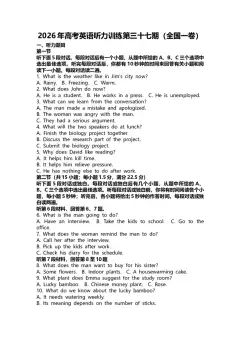
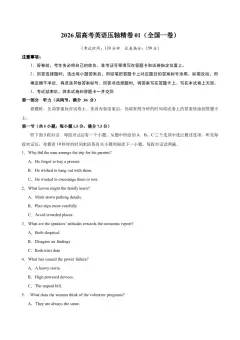
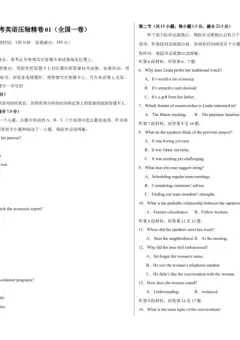
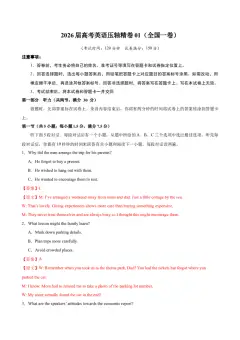
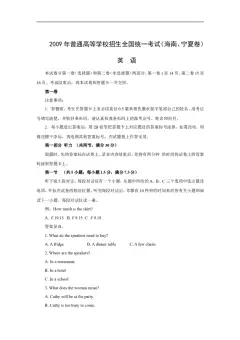
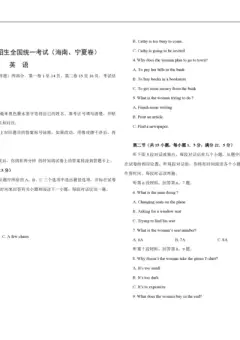
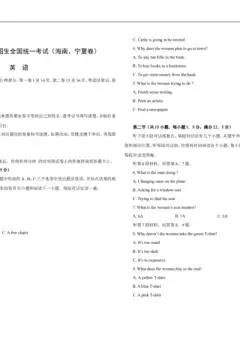
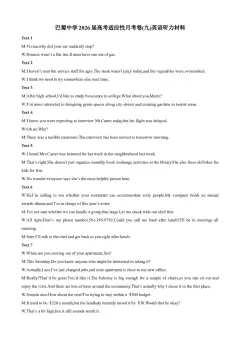
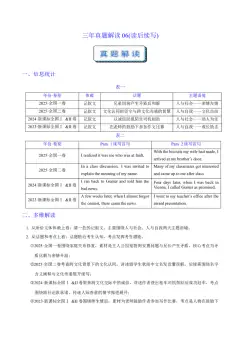
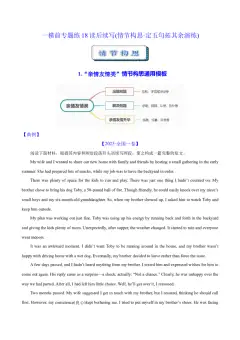
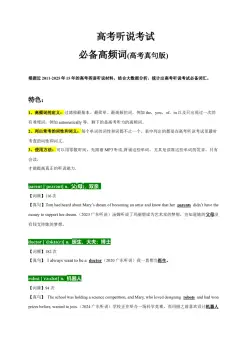
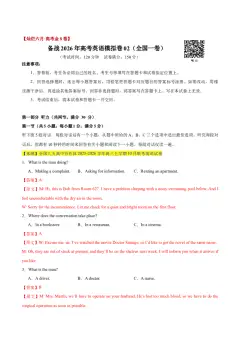
2026 年全国一卷高考英语听力试题
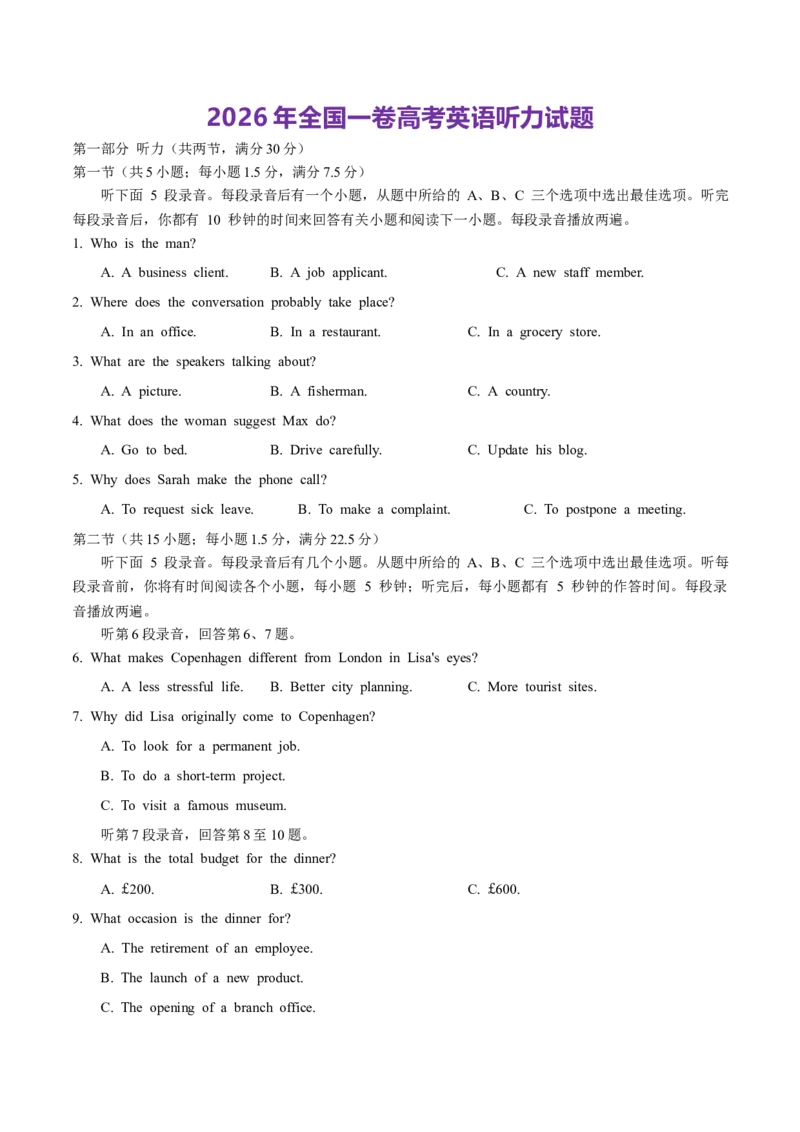
第一部分 听力(共两节,满分30 分)
第一节(共5 小题;每小题1.5 分,满分7.5 分)
听下面 5 段录音。每段录音后有一个小题,从题中所给的 A、B、C 三个选项中选出最佳选项。听完
每段录音后,你都有 10 秒钟的时间来回答有关小题和阅读下一小题。每段录音播放两遍。
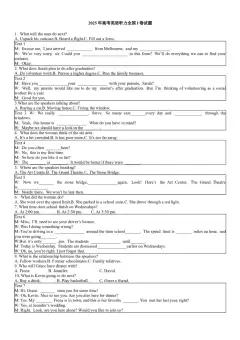
1. Who is the man?
A. A business client.
B. A job applicant.
C. A new staff member.
2. Where does the conversation probably take place?
A. In an office.
B. In a restaurant.
C. In a grocery store.
3. What are the speakers talking about?
A. A picture.
B. A fisherman.
C. A country.
4. What does the woman suggest Max do?
A. Go to bed.
B. Drive carefully.
C. Update his blog.
5. Why does Sarah make the phone call?
A. To request sick leave.
B. To make a complaint.
C. To postpone a meeting.
第二节(共15 小题;每小题1.5 分,满分22.5 分)
听下面 5 段录音。每段录音后有几个小题。从题中所给的 A、B、C 三个选项中选出最佳选项。听每
段录音前,你将有时间阅读各个小题,每小题 5 秒钟;听完后,每小题都有 5 秒钟的作答时间。每段录
音播放两遍。
听第6 段录音,回答第6、7 题。
6. What makes Copenhagen different from London in Lisa's eyes?
A. A less stressful life.   B. Better city planning.
C. More tourist sites.
7. Why did Lisa originally come to Copenhagen?
A. To look for a permanent job.
B. To do a short-term project.
C. To visit a famous museum.
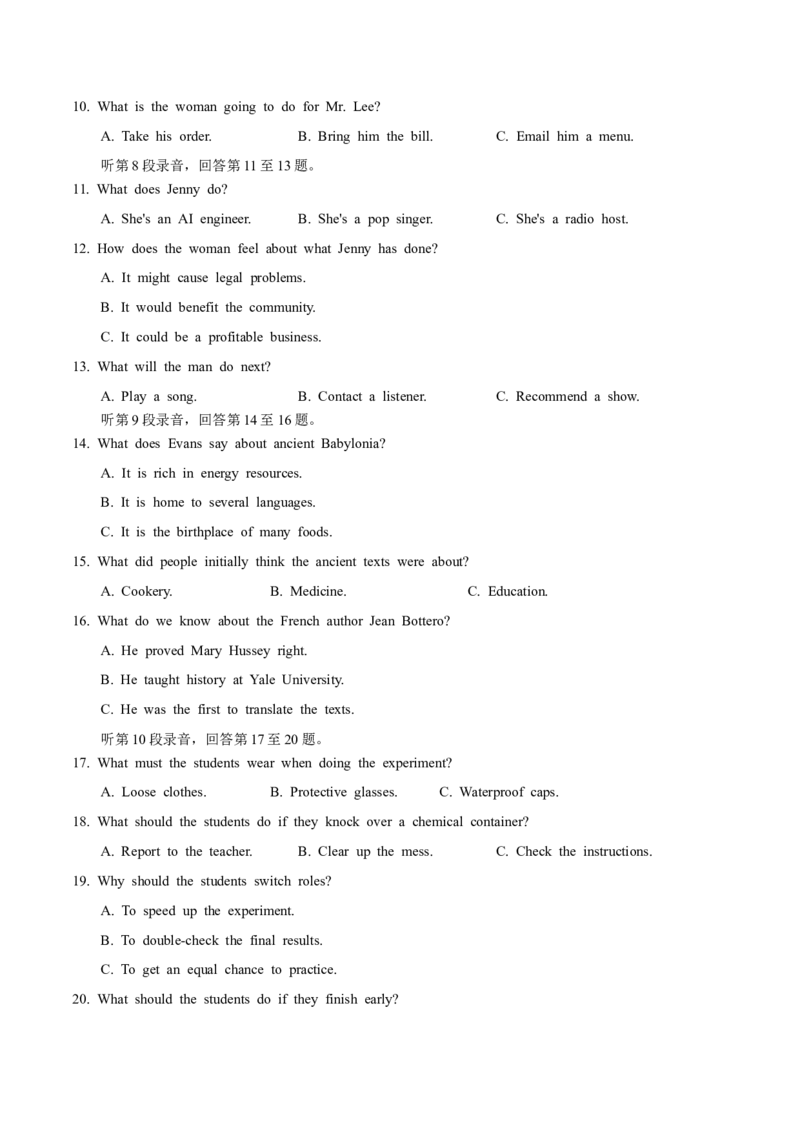
听第7 段录音,回答第8 至10 题。
8. What is the total budget for the dinner?
A. £200.
B. £300.
C. £600.
9. What occasion is the dinner for?
A. The retirement of an employee.
B. The launch of a new product.
C. The opening of a branch office.
10. What is the woman going to do for Mr. Lee?
A. Take his order.
B. Bring him the bill.
C. Email him a menu.
听第8 段录音,回答第11 至13 题。
11. What does Jenny do?
A. She's an AI engineer.
B. She's a pop singer.
C. She's a radio host.
12. How does the woman feel about what Jenny has done?
A. It might cause legal problems.
B. It would benefit the community.
C. It could be a profitable business.
13. What will the man do next?
A. Play a song.
B. Contact a listener.
C. Recommend a show.
听第9 段录音,回答第14 至16 题。
14. What does Evans say about ancient Babylonia?
A. It is rich in energy resources.
B. It is home to several languages.
C. It is the birthplace of many foods.
15. What did people initially think the ancient texts were about?
A. Cookery.
B. Medicine.
C. Education.
16. What do we know about the French author Jean Bottero?
A. He proved Mary Hussey right.
B. He taught history at Yale University.
C. He was the first to translate the texts.
听第10 段录音,回答第17 至20 题。
17. What must the students wear when doing the experiment?
A. Loose clothes.
B. Protective glasses.
C. Waterproof caps.
18. What should the students do if they knock over a chemical container?
A. Report to the teacher.
B. Clear up the mess.
C. Check the instructions.
19. Why should the students switch roles?
A. To speed up the experiment.
B. To double-check the final results.
C. To get an equal chance to practice.
20. What should the students do if they finish early?
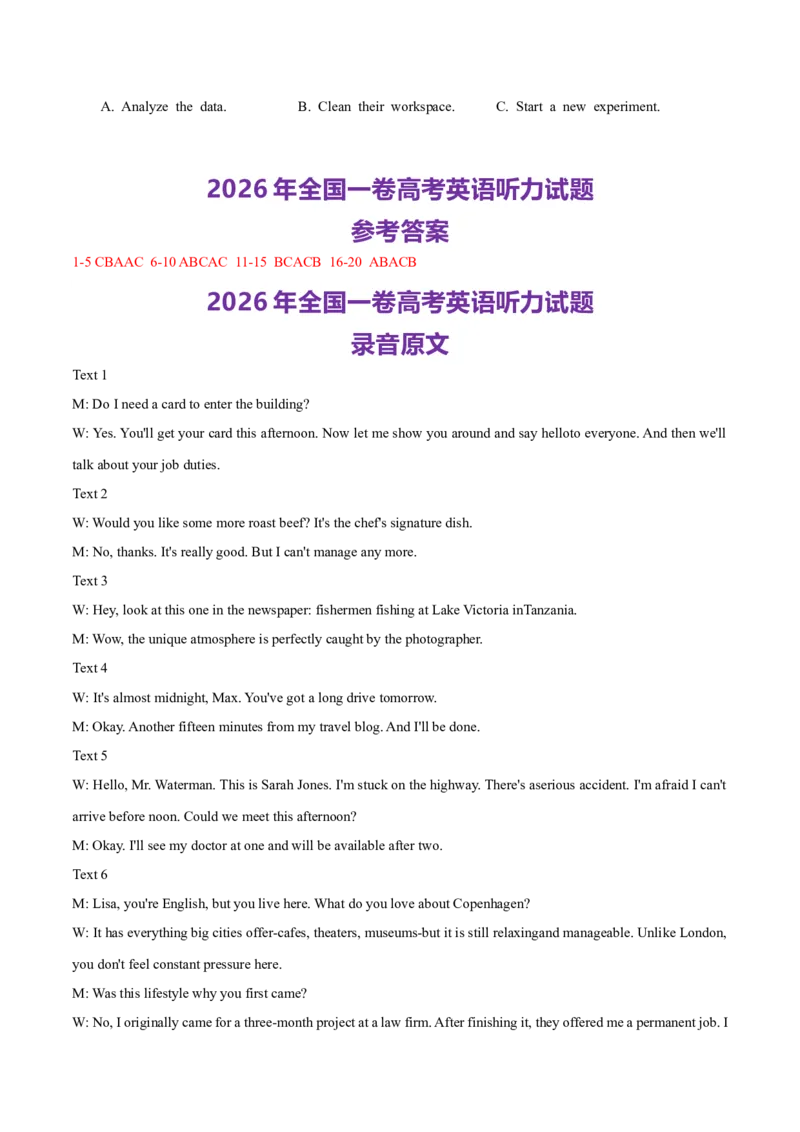
A. Analyze the data.
B. Clean their workspace.
C. Start a new experiment.
2026 年全国一卷高考英语听力试题
参考答案
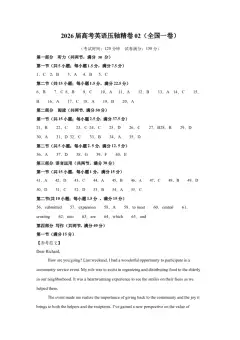
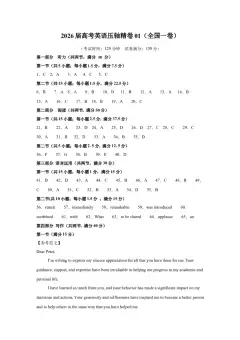
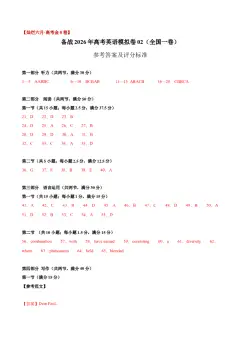
1-5 CBAAC 6-10 ABCAC 11-15 BCACB 16-20 ABACB
2026 年全国一卷高考英语听力试题
录音原文
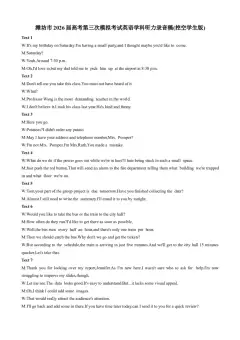
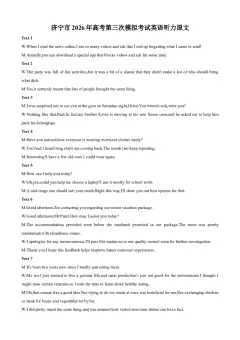
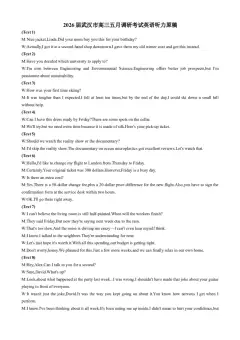
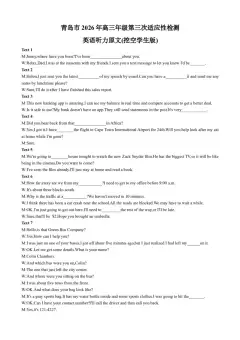
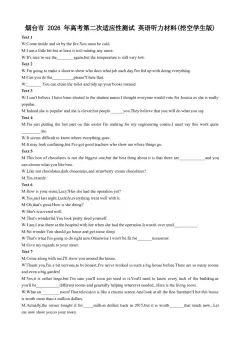
Text 1
M: Do I need a card to enter the building?
W: Yes. You'll get your card this afternoon. Now let me show you around and say helloto everyone. And then we'll
talk about your job duties.
Text 2
W: Would you like some more roast beef? It's the chef's signature dish.
M: No, thanks. It's really good. But I can't manage any more.
Text 3
W: Hey, look at this one in the newspaper: fishermen fishing at Lake Victoria inTanzania.
M: Wow, the unique atmosphere is perfectly caught by the photographer.
Text 4
W: It's almost midnight, Max. You've got a long drive tomorrow.
M: Okay. Another fifteen minutes from my travel blog. And I'll be done.
Text 5
W: Hello, Mr. Waterman. This is Sarah Jones. I'm stuck on the highway. There's aserious accident. I'm afraid I can't
arrive before noon. Could we meet this afternoon?
M: Okay. I'll see my doctor at one and will be available after two.
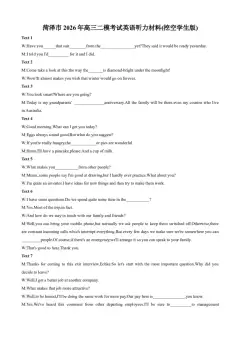
Text 6
M: Lisa, you're English, but you live here. What do you love about Copenhagen?
W: It has everything big cities offer-cafes, theaters, museums-but it is still relaxingand manageable. Unlike London,
you don't feel constant pressure here.
M: Was this lifestyle why you first came?
W: No, I originally came for a three-month project at a law firm. After finishing it, they offered me a permanent job. I
took it and stayed.
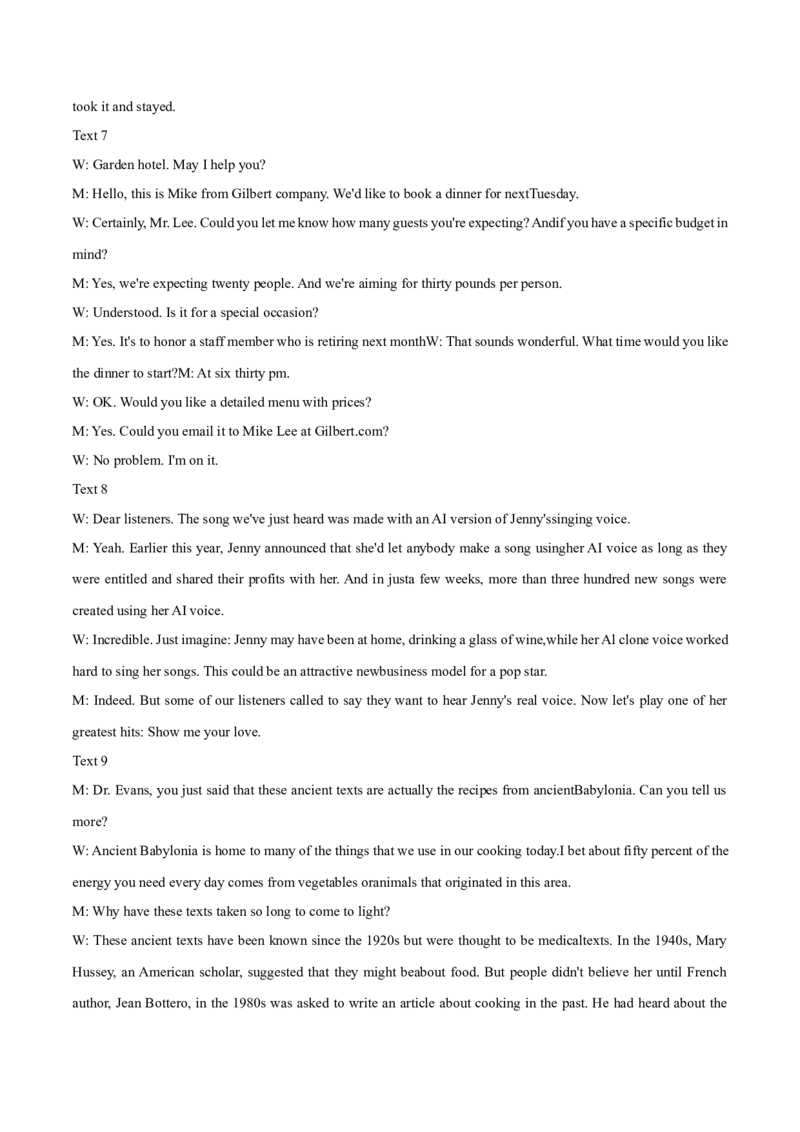
Text 7
W: Garden hotel. May I help you?
M: Hello, this is Mike from Gilbert company. We'd like to book a dinner for nextTuesday.
W: Certainly, Mr. Lee. Could you let me know how many guests you're expecting? Andif you have a specific budget in
mind?
M: Yes, we're expecting twenty people. And we're aiming for thirty pounds per person.
W: Understood. Is it for a special occasion?
M: Yes. It's to honor a staff member who is retiring next monthW: That sounds wonderful. What time would you like
the dinner to start?M: At six thirty pm.
W: OK. Would you like a detailed menu with prices?
M: Yes. Could you email it to Mike Lee at Gilbert.com?
W: No problem. I'm on it.
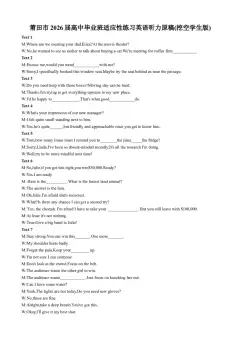
Text 8
W: Dear listeners. The song we've just heard was made with an AI version of Jenny'ssinging voice.
M: Yeah. Earlier this year, Jenny announced that she'd let anybody make a song usingher AI voice as long as they
were entitled and shared their profits with her. And in justa few weeks, more than three hundred new songs were
created using her AI voice.
W: Incredible. Just imagine: Jenny may have been at home, drinking a glass of wine,while her Al clone voice worked
hard to sing her songs. This could be an attractive newbusiness model for a pop star.
M: Indeed. But some of our listeners called to say they want to hear Jenny's real voice. Now let's play one of her
greatest hits: Show me your love.
Text 9
M: Dr. Evans, you just said that these ancient texts are actually the recipes from ancientBabylonia. Can you tell us
more?
W: Ancient Babylonia is home to many of the things that we use in our cooking today.I bet about fifty percent of the
energy you need every day comes from vegetables oranimals that originated in this area.
M: Why have these texts taken so long to come to light?
W: These ancient texts have been known since the 1920s but were thought to be medicaltexts. In the 1940s, Mary
Hussey, an American scholar, suggested that they might beabout food. But people didn't believe her until French
author, Jean Bottero, in the 1980s was asked to write an article about cooking in the past. He had heard about the
texts, sohe went to Yale University, and found out that they were indeed about food.
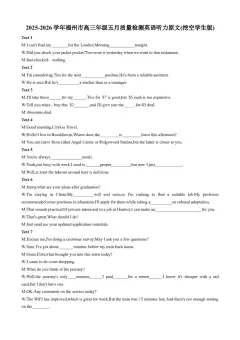
Text 10
Before we begin today's experiment, let's review the lab rules. First, safety glassesmust be worn at all times, even if
you're only watching. Second, never mix chemicalsunless the instructions tell you to do so. Today we're using a strong
acid which cancause serious burns if it touches your skin. If any chemical container is knocked over.don't panic. Tell
me immediately and I'll handle the cleanup. Also, keep your hair tiedback and avoid wearing loose clothes. We will
work in pairs. One person will handlethe tools while the other records the data. Switch roles after every three trials
to ensureeveryone gets practice. Remember: the goal is accurate data, not speed. If you finishearly, do not start a new
experiment. Instead, clean your workspace thoroughly. Any questions? No? All right. Let's have a safe and productive
class.
带依据版本
Text 1
M: Do I need a card to enter

   the
    building

 ?
W: Yes. You'll get your card this afternoon. Now let me show

  you

  aroun

 d and say hello to
everyone. And then we'll talk about your job

   duties

 .
Text 2
W: Would you like some more roast

   beef

 ? It's the chef's signature

   dish

 .
W: No, thanks. It's really good. But I can't manage any more.
Text 3
W: Hey, look at this one in the newspaper: fishermen fishing at Lake

   Victoria

  in Tanzania.
M: Wow, the unique atmosphere is perfectly caught by the photographer.
Text 4
W: It's almost midnight, Max. You've got a long

   drive

  tomorrow.
M: Okay. Another fifteen minutes from my travel

   blog

 . And I'll be done.
Text 5
W: Hello, Mr. Waterman. This is Sarah Jones. I'm stuck on the highway. There's a serious accident.
I'm afraid I can't arrive before noon. Could we meet this afternoon?
M: Okay. I'll see my doctor at one and will be available after two.
Text 6
M: Lisa, you're English, but you live here. What do you love about Copenhagen?
W: (6)It has everything big cities offer-cafes, theaters, museums-but it is still relaxing and
manageable. Unlike London, you don't feel constant

   pressure

  here.
M: Was this lifestyle why you first came?
W: No, (7)I originally came for a three-month project at a law

   firm

 . After finishing it, they offered
me a permanent

   job
  . I took it and stayed.
Text 7
W: Garden hotel. May I help you?
M: Hello, this is Mike from Gilbert company. We'd like to book a dinner for next Tuesday
W: Certainly, Mr. Lee. Could you let me know how many guests you're expecting?
And if you have a specific

   budget

  in mind?
M: Yes, (8)we're expecting twenty people. And we're aiming for thirty pounds per person.
W: Understood. Is..occasion?
M: (9) Yes. It's to honor a staff member who is retiring next month.
W: That sounds. would you like the dinner to start?
M: At six thirty pm.
W: OK. (10)Would you like a detailed

   menu

  with prices?
M: (10)Yes. (10)Could you email it to Mike Lee at Gilbert.com?
W: (10)No problem. I'm on it.
Text 8
W: Dear listeners. (11) The song We've just heard was made with an AI
    version

  of Jenny's singing
voice.
M: Yeah. Earlier this year, Jenny announced that she'd let anybody make a song using her AI voice as
long as they were entitled and shared their profits with her. And in just a few weeks, more than three
hundred new songs were created using her AI voice.
W: (12)Incredible. Just imagine: Jenny may have been at home, drinking a glass of wine, while her
AI
    clone

   voice

  worked hard to sing her songs. (11)(12) This could be an attractive new business
model for a pop star.
M: Indeed. (11)(13)But some of our listeners called to say they want to hear Jenny's real voice. Now
let's play one of her greatest

   hits

 : Show me your love.
Text 9
M: Dr. Evans, you just said that these ancient texts are actually the recipes from ancient Babylonia. Can
you tell us more?
W: (14) Ancient Babylonia is home to many of the things that we use in our cooking today. I bet
about fifty percent of the energy you need every day comes from vegetables or animals that
originated in this area.
M: Why have these texts taken so long to come

   to    light

 ?
W: (15) These ancient texts have been known since the 1920s but were thought to be medical

   text

 s.
(16) In the 1940s, Mary Hussey, an American scholar,suggested that they might be about food. But
people didn't believe her until French author, Jean Bottero, in the 1980s was asked to write an
article about cooking in the past. He had heard about the texts, so he went to Yale

   Universit

 y, and
found out that they were indeed about food.
14. What does Evans say about ancient Babylonia?
A. It is rich in energy resources.
B. It is home to several languages
C. It is the birthplace of many foods
Text 10
Before we begin today's experiment, let's review the lab rules. (17)First, safety

   glasses

  must be worn at
all times, even if you're only watching. Second, never mix chemicals unless the instructions tell you to
do so. Today we're using a strong acid which can cause serious burns if it touches your skin. (18)If any
chemical container is knocked over, don't panic. Tell me immediately and I'll handle

   the

   cleanup

 .
Also, keep your hair tied back and avoid wearing loose clothes. We will work in pairs.One person will
handle the tools while the other records the data. (19)Switch

   role

 s after every three trials to ensure
everyone gets practice. Remember: the goal is accurate data, not speed. (20)If you finish early, do not
start a new experiment.Instead, clean your workspace thoroughly. Any questions? No? All right. Let's
have a safe and productive

   class

 .