ARTICLE · 1198388
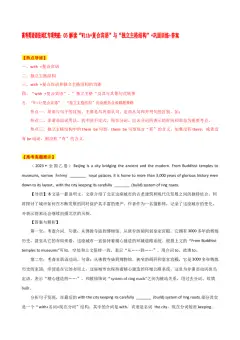
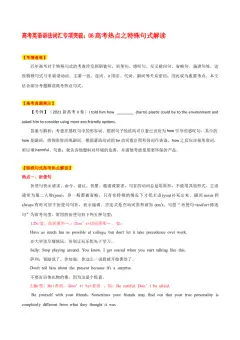
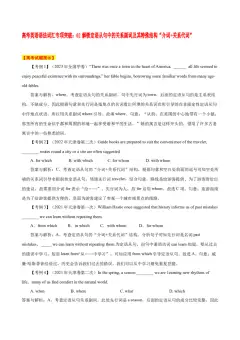
高中英语语法: 独立主格结构
一、什么是独立主格结构
独立主格,简单说:自带逻辑主语的非谓语短语。 主句有自己的主语,独立主格部分有另外一个逻辑主语,二者不相同;它不是完整句子(没有谓语动词,不能有连词 and/but/because),在句中一般作状语,表时间、原因、条件、伴随、结果。
✅ 核心公式:名词 / 代词 + 非谓语 (doing/done/to do)/ 形容词 / 副词 / 介词短语❗
✅关键点:两部分主语不一样;无谓语,不是句子;和主句用逗号隔开
例句对比:
普通句子(两个分句,有连词) The rain stopped, and we went out. 雨停了,我们出去了。 独立主格(去掉连词 and,把第二个谓语 stopped 改成非谓语) The rain stopping, we went out. 雨停了,我们出去了。
逻辑主语 the rain 和主句主语 we 不一样;the rain stopping 就是独立主格。
二、独立主格的 6 种基本结构
1. 名词 / 代词 + doing(主动 / 正在进行)逻辑主语和 doing 之间是主动关系
Time permitting, we will visit the museum. 时间允许的话,我们就去参观博物馆。(time 主动发出 permit)
2. 名词 / 代词 + done(被动 / 完成)逻辑主语和 done 之间是被动关系
His work finished, he went home. 工作做完了,他回家了。(his work 被完成)
3. 名词 / 代词 + to do(将来,还未发生)表将要发生的动作
Lots of work to do, I can’t go to the party tonight. 还有很多工作要做,今晚我不能参加派对。
4. 名词 / 代词 + 形容词(表状态)
The door open, he fell asleep. 门开着,他睡着了。
5. 名词 / 代词 + 副词
The meeting over, everyone left the hall. 会议结束,所有人离开了大厅。
6. 名词 / 代词 + 介词短语
A book in his hand, the teacher came in. 老师手里拿着一本书走了进来。
💡 高频简化:with 复合结构(with + 宾语 + 宾补) 也可以改成独立主格 With a book in his hand = A book in his hand
三、独立主格的功能(作状语)
- 伴随状语(最常考)
主句动作发生时,同时存在的状态 。 He stood there, his eyes looking at the sky. 他站在那儿,眼睛望着天空。 - 原因状语 The weather being bad, we put off the sports meeting. 因为天气不好,我们推迟了运动会。
- 时间状语
The class over, students rushed out of the classroom. 下课了,同学们冲出教室。 - 条件状语
Weather permitting, we will go hiking tomorrow. 天气允许的话,我们明天去远足。 - 结果状语
Hundreds of people died in the flood, many of them children. 数百人死于洪水,其中很多是孩子。
四、核心重难点辨析(考试易错点)
✨ 独立主格 VS 分词作状语
分词作状语:分词逻辑主语 = 主句主语Seeing the dog, she ran away. 看到狗,她跑开了。(seeing 的逻辑主语是 she,同一个主语,普通分词)
独立主格:逻辑主语 ≠ 主句主语The dog seeing her, she ran away. 狗看见她,她跑开了。(逻辑主语 the dog,主句主语 she,两个主语 →独立主格)
✨ 独立主格 VS 状语从句
状语从句:有连词 + 完整谓语;
独立主格:去掉连词,谓语变非谓语。
Because the rain had stopped, we went out.(状语从句) The rain having stopped, we went out.(独立主格,动作先后用 having done)
having done:逻辑主语主动,动作先于主句动作完成having been done:逻辑主语被动,动作先于主句完成 The bridge having been built, traffic became convenient. 桥建好之后,交通变得便利。
✨ 绝对禁忌
独立主格不能有谓语动词,不能出现 am/is/are/do/does ❌ The rain stopped, we went out.(两个完整句子逗号相连,逗号粘连错误!) ✅ The rain stopping, we went out.(独立主格) ✅ The rain stopped, and we went out.(加连词 and) 不能加从属连词 (because/when/if) ❌ Because the weather being bad, we put off the meeting.
五、高频特殊形式:there being 独立主格
there be 句型的独立主格:there being + 名词,表 “存在有”
There being no bus, we had to walk home. 没有公交车,我们只好步行回家。
六、配套练习题(含答案)
用所给词适当形式填空
The work ______(finish), they went home.(finished) Weather ______(permit), we will go camping.(permitting) There ______(be) no time left, we must hurry.(being) Much work ______(do), I can’t go out to play.(to do) The meeting ______(be) over, all of us left.(being)
改错
The sun rise, we started our trip. → rising His homework finishing, Tom went to bed. → finished
句子改写(从句→独立主格)
When the sun had risen, we started. → The sun having risen, we started.
七、口诀总结
独立主格两主语,主句短语逗号离; 无谓语,非谓替,doing 主动 done 被; to do 将来形 / 副 / 介,也可构成独立体; 时间原因伴随状,没有连词要牢记。
八、专项练习
单项选择
1.There ______ no taxi, we had to take the subway.
A. was B. being C. be D. is
2.All the work ______, she sat down to have a rest.
A. finishing B. to finish C. finished D. was finished
3.Time ______, we will finish the task ahead of schedule.
A. permits B. permitting C. permitted D. to permit
4.The storm ______, the farmers went on with their work in the fields.
A. having stopped B. stopped C. to stop D. was stopping
5.A lot of difficult problems ______, the newly-elected manager felt worried.
A. settled B. settling C. to settle D. being settled
语法填空(10 题)
提示:判断是否为独立主格,用非谓语 / 形容词 / 副词填空
1.The sun ______(rise), we started our morning exercise.
2.His homework ______(finish), Tom went out to play basketball.
3.There ______(be) no enough evidence, the suspect was set free.
4.So many people ______(look) at him, he felt a little nervous.
5.The plan ______(discuss) tomorrow, we have to get ready for it now.
6.The task ______(complete), we held a small celebration.
7.All tickets ______(sell) out, we had to wait for the next show.
8.Weather ______(permit), we will go mountain climbing this weekend.
9.The lecture ______(be) over, students crowded out of the lecture hall.
10.His glasses ______(break), he couldn’t read the words on the blackboard.