ARTICLE · 1356506
高考英语续写冲刺21+高分思维:情节建构与语言迁移实战秘籍18——以宁波市2026学年第一学期考试英语续写为例
开篇语
教育部教育考试院在《2026年高考英语全国卷试题评析》中指出,高考英语命题通过创设真实、多元的情境,考查学生的“思维品质”与“价值判断”,引导学生涵养人文底蕴、塑造坚韧品格。正如笔者在《高考英语续写十年演变深度分析》中所指出的,如今的读后续写已进入“思维共振期”:好的故事往往是将人物置于内心的困境之中,通过外界微小的契机,激发出向上生长的力量。
今天分享的这篇续写,来自宁波市2026学年第一学期高考模拟考试(以下简称宁波一模)。故事中,“我”11岁的女儿Bayleigh患有脑瘫,她因自卑而害怕与同龄人接触。直到她遇到了同样患有小脑发育不全的橘猫Popcorn。它让我们看到:爱不仅是怜悯,更是彼此治愈;勇气往往不是凭空产生的,而是看着那个与你同病相怜的“小家伙”跌跌撞撞时,你也决定站起来,跨出那一步。
今天,2026年11月14日。距离2027年1月浙江高考首考仅剩53天,距离2027年6月全国高考还有205天。备考的路途,有时也像Bayleigh站在窗前,看着别人飞奔而自己迟迟不敢迈步。希望这篇关于“破茧成蝶”的续写,能让你找到属于自己的“Popcorn”,勇敢地推开那扇门。
本文沿用“挖掘伏笔→倒推节点→语言迁移→范文赏析”的完整思维体系。这并非“标准答案”,更不是“万能模版”,而只是笔者的一点教研心得。恳请同仁批评指正,也希望能为备考学子打开一扇思路之窗。
让我们一起,回归续写的本真——读懂原文,顺其自然,用朴实的语言讲述真实的故事。
一、先看真题:读懂原文是续写的“地基”
请你先花几分钟认真阅读原文,边读边圈画——我们马上要像侦探一样,从字里行间“挖”出所有伏笔。
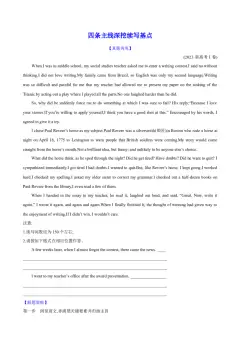
宁波一模英语续写真题原文
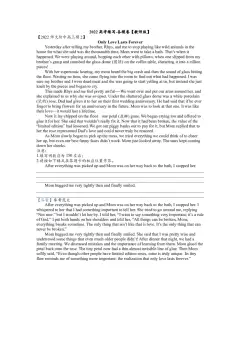
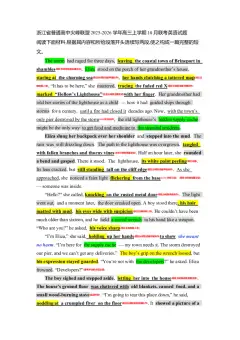
阅读下面材料,根据其内容和所给段落开头语续写两段,使之构成一篇完整的短文。
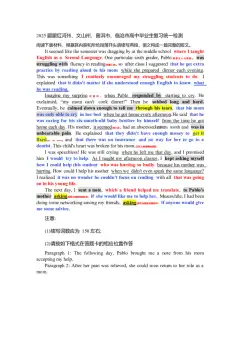
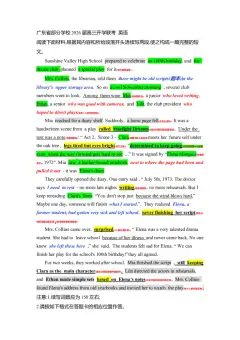
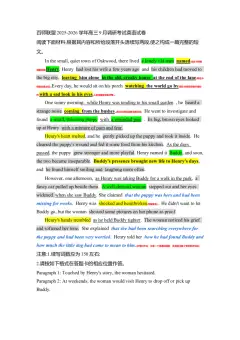
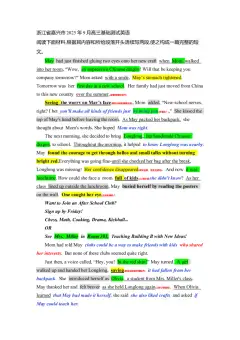
My 11-year-old daughter, Bayleigh, was born with cerebral palsy (脑瘫). The doctors told me she would never walk, run or be able to live a normal life. But I wasn’t going to let anyone tell her what she could and couldn’t do. She took her first steps when she was two.
I was so proud of how far she’d come. But Bayleigh still had her struggles. Being different from her peers bothered her, and she was afraid to talk to other children. Sometimes she would stand by the window, watching children in the neighborhood ride bikes. She could ride her adapted bike well enough, but the fear of being stared at or left out kept her from joining them.
Sometimes a person needs a gentle push to step outside their comfort zone. Bayleigh had always loved animals, and we’d been looking for a cat for a while. Perhaps visiting an animal shelter and meeting the people there would be a good place to start.
Eventually I found a shelter in a nearby town. As soon as I read the introduction to Popcorn, a cute orange kitten, I knew he was meant for us. He had been diagnosed with cerebellar hypoplasia—the feline (猫科的) version of cerebral palsy. When I showed Bayleigh the picture, her face lit up. Popcorn was just like her, she said. When I told her we would have to visit the shelter to bring him home, Bayleigh nodded slowly.
That’s progress, I thought. She had always been nervous about unfamiliar places and meeting new people. A few days later, we drove to the shelter. Bayleigh stayed close to my side as we entered, but she didn’t ask to leave. She even managed a shy “thank you” when a volunteer handed Popcorn to her.
We immediately fell in love with Popcorn. He was unsteady on his feet, but curious, playful and daring. A few days later, my nephew Mac came over to meet the kitten.
注意:
(1)续写词数应为150左右;
(2)请按如下格式在答题卡的相应位置作答。
Paragraph 1:I overheard Mac ask Bayleigh, “Will he ever be able to climb the stairs?”
Paragraph 2:Watching Popcorn master the new skill seemed to awaken something in Bayleigh.
二、高分思维第一步:深度挖掘原文伏笔(3分钟)
梳理文本信息,区分核心人物、关键物品、场景、情绪与隐藏线索。
1. 核心名词梳理
名词 | 信息解读与续写要求 |
cerebral palsy / cerebellar hypoplasia | 疾病与缺陷,是女孩和猫共同的痛点,也是他们产生共情的基石 |
window | 女孩内心的牢笼,她一直是在“看”别人的世界,不敢参与 |
adapted bike | 女孩原本就拥有的技能,是第二段她冲出牢笼的工具 |
unsteady / curious / daring | 描述Popcorn的形容词,也是女孩需要学习的品质 |
思维训练:续写中必须回应的伏笔——Mac的问题(尖锐又无心)会触动女孩什么?猫能爬上楼梯吗?女孩的心理防线如何被打破?她最终有没有骑上自行车?
动作/情绪短语 | 内涵解读 |
afraid to talk / fear of being stared at | 女孩的自卑与社交恐惧,必须克服的障碍 |
stood close to my side | 女孩的胆怯,但在慢慢变勇敢 |
face lit up | 女孩看到同类时的希望与喜悦 |
curious, playful and daring | 猫的性格特质,将成为唤醒女孩的钥匙 |
2. 核心动词与情感梳理
3. 隐含信息梳理
① 母亲的教诲:开篇提到母亲不信邪,“wasn’t going to let anyone tell her what she could and couldn’t do.” 这句话是灵魂,女孩在第一段极有可能会说出类似的话。
② 同病相怜:Popcorn不仅是一只猫,更是女孩的投影。猫的成功,就是女孩自我暗示的成功。
③ 行动力:女孩有车(adapted bike),她缺的不是能力,是迈出家门的勇气。
小结:读懂原文,就是看出所有必须回应的钩子。列出清单后,情节自然浮现。
三、高分思维第二步:从段首句倒推“两段必写内容”(5分钟)
第一段首句分析I overheard Mac ask Bayleigh, “Will he ever be able to climb the stairs?”
问自己三个问题:I overheard Mac ask Bayleigh, “Will he ever be able to climb the stairs?”
1.Bayleigh听到这个问题作何反应?→ 起初可能会被戳中痛处(因为她自己也面临类似的质疑),但随即被激发起保护欲。
2.Bayleigh如何回应Mac?→ 她用母亲当年对她的态度回应:“谁也不能决定他能做什么。”
3.发生了什么具体行动?→ Bayleigh鼓励Popcorn爬楼梯,即使失败也一遍遍尝试,最终猫成功登顶。
第一段情节链条(4个节点):
1.Mac无心发问,Bayleigh的眼神短暂黯淡。
2.Bayleigh坚定回答,并用羽毛玩具引导Popcorn。
3.Popcorn跌倒又爬起,Bayleigh在一旁加油。
4.猫最终爬上楼顶,女孩爆发出自豪的笑声。
第二段首句分析Watching Popcorn master the new skill seemed to awaken something in Bayleigh.
问自己三个问题:
1.觉醒后第二天她干了什么?→ 她不再站在窗前,而是推着那辆adapted bike走出了家门。
2.她如何面对外面的孩子?→ 她主动靠近,虽然手有点抖,但微笑着问能不能一起骑车。
3.主题升华是什么?→ 勇敢面对外界,不再被“脑瘫”的标签定义。
第二段情节链条(4个节点):
1.女孩不再站在窗边,推车出门。
2.骑向正在玩耍的邻居孩子,手紧紧握着车把。
3.鼓起勇气,微笑着提出加入请求。
4.她融入了群体,收获了纯粹的快乐,母亲在一旁感动。
四、高分思维第三步:语言迁移——怎样写得“像原文”?
语言迁移不是抄袭,而是模仿原文的“味道”——用与原文相匹配的词汇和节奏。
1. 先看原文的“语言指纹”
原文句子 | 特点 |
fear of being stared at or left out | 心理描写精准,直击社交恐惧的核心 |
stand by the window | 意象鲜明,代表自我封闭 |
unsteady on his feet, but curious, playful and daring | 形容词排比,刻画了猫虽残疾却勇敢的特质 |
she managed a shy “thank you” | 动作与语言结合,体现微小的进步 |
结论:原文是心理刻画细腻、意象鲜明、语言温暖但克制的风格。续写必须保持这种对心理活动的精准捕捉。
2. 参考范文如何做到“如出一辙”?
关键迁移原则:① 复用原文核心意象:如“trembling paw”, “adapted bike”, “stared”。② 复用原文人物台词:母亲开篇的话“No one gets to decide what he can’t do”由女孩说出,形成闭环。③ 模仿动作细节:用“took a deep breath”, “tensed on the handlebars”来体现紧张。
3. 低分写法 vs 高分迁移写法对比
学生常见低分表达 | 问题分析 | 高分迁移写法(贴合原文风格) |
Bayleigh was angry. | 表达干瘪 | Bayleigh lowered her gaze, as if the question had touched a sore spot. |
The cat climbed up. | 缺少过程 | Step by shaky step, encouraged by Bayleigh's cheering, Popcorn finally reached the top. |
She rode her bike. | 缺乏心理成长 | Instead of standing by the window, she walked straight outside and wheeled out her adapted bike. |
思维核心:用原文中出现过的句式、词汇去刻画人物内心的波澜。
五、参考范文赏析:用实战证明策略的有效性
下面呈现的是本次考试的命题组参考范文。
命题组参考范文(不含所给段首句词数:120+122)
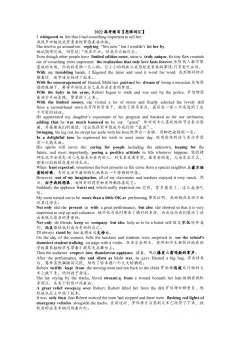
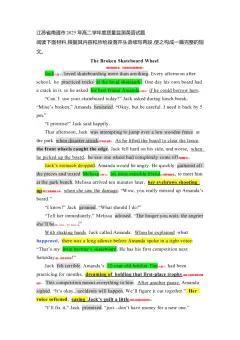
Paragraph 1:I overheard Mac ask Bayleigh, “Will he ever be able to climb the stairs?” For a brief moment, Bayleigh lowered her gaze, as if the question had touched a sore spot in her heart. Gently stroking Popcorn’s soft orange fur, she looked up with a spark of determination. “No one gets to decide what he can’t do,” she said firmly, echoing the very words I had raised her with. Sitting on the third step, she waved her favorite feather toy to guide him up. Popcorn approached the stairs and lifted a trembling paw, but lost his balance and tumbled backward onto the floor. With a soft meow, he struggled to his feet and tried again. Step by shaky step, encouraged by Bayleigh’s cheering, Popcorn finally reached the top stair, purring proudly in her lap.
Paragraph 2:Watching Popcorn master the new skill seemed to awaken something in Bayleigh. If a tiny, unsteady kitten could face falls without fear or shame, so could she. The next afternoon, instead of standing by the window watching the neighborhood children as usual, Bayleigh walked straight outside and wheeled out her adapted bike. My breath caught as she got on the seat and pedaled down the street toward the other kids. A few curious glances came her way, making her hands tighten on the handlebars, yet she didn’t turn back. Offering a shy smile, she called out, “Mind if I ride with you?” Within minutes, she was riding happily alongside them, her bright laughter filling the air. Popcorn hadn’t just climbed the stairs; he had given my daughter the courage to step into the world.
命题组范文与原文“如出一辙”对照分析
原文特征 | 范文对应 | 迁移类型 |
fear of being stared at | A few curious glances came her way... yet she didn't turn back. | 恐惧的直面与克服 |
stand by the window | instead of standing by the window... walked straight outside | 核心意象的反转 |
no one tell her what she could/couldn’t do | “No one gets to decide what he can’t do,” | 母亲台词的完美传承 |
unsteady on his feet, but... daring | lifted a trembling paw... struggled to his feet | 勇敢品质的具象化 |
adapted bike | wheeled out her adapted bike | 核心道具的复现 |
验证结果:参考范文做到了伏笔全回收、语言像原文、情感真且深。没有强行升华,而是用“猫爬楼梯”和“女孩骑车”两个动作的平行蒙太奇,完成了最动人的自我救赎。
六、完整实战演练:从零到一写出一类文
现在,我们模拟考场,用上面三步法写一篇情节细节不同、但同样符合高分标准的续写。这篇续写更侧重于女孩在引导猫的过程中的自我心理暗示,以及她推门而出那一刻的决绝。
第一步:列出伏笔清单(脑中过一遍)
脑瘫/小脑发育不全、窗户(封闭)、适应自行车(能力)、恐惧被注视(心理障碍)。
第二步:确定两段情节节点
第一段:Mac发问→Bayleigh反驳并保护猫→用零食引导猫练习→猫成功,女孩受启发。
第二段:女孩推车出门→克服被注视的恐惧→主动打招呼→融入集体。
第三步:逐句迁移写作(边写边想原文)
第一段:I overheard Mac ask Bayleigh, “Will he ever be able to climb the stairs?”首句已给,接着写:
1.I saw a flash of pain in her eyes, but she quickly shook her head. (心理与动作描写,呼应原文痛点)
2.“He’s braver than you think,” she replied softly, placing Popcorn gently on the bottom stair. (直接引语,体现保护欲)
3.Kneeling beside him, she used a piece of chicken to guide him upward, whispering encouraging words. (替换lure为guide,体现耐心)
4.Popcorn looked up, lifted his little paw, only to fall backward onto the carpet with a soft cry. (替换tumble为fall backward)
5.Mac laughed, but Bayleigh shot him a serious look. (增加与Mac的互动,丰富细节)
6.She gently patted the cat and tried again. (动作细节)
7.Step by unsteady step, driven by the smell of food and Bayleigh’s cheering, the kitten finally made it to the top. (替换wobbly为unsteady,呼应原文)
8.“See? Nothing is impossible,” she smiled, her eyes shining with a new, bright light. (点明自我的觉醒)
第二段:Watching Popcorn master the new skill seemed to awaken something in Bayleigh.首句已给,接着写:
1.The next day, she didn't stand by the window watching others as usual. (呼应原文的“stand by the window”)
2.Instead, she took a deep breath, pushed open the heavy front door, and wheeled out her adapted bike. (动作链,体现决绝)
3.I held my breath as she slowly rode towards the neighborhood kids. (增加母亲视角,增加紧张感)
4.Some of them stopped and stared. (呼应“fear of being stared at”)
5.Her hands tightened on the handlebars as fear grew, but she didn't turn back. (替换creep up为grow,刻画恐惧)
6.“Hi, can I ride with you?” she asked, her voice a little shaky but clear. (直接引语,主动出击)
7.A girl smiled and nodded warmly. (同伴的接纳)
8.Soon, Bayleigh was riding happily alongside them, her bright laughter filling the air, completely leaving the dark shadows behind. (收尾升华)
第二篇范文完整版(不含所给段首句词数:116 + 123)
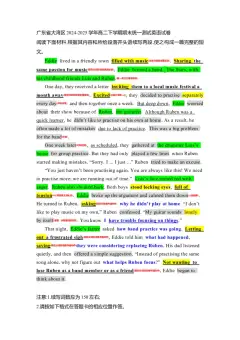
Paragraph 1: I overheard Mac ask Bayleigh, “Will he ever be able to climb the stairs?” I saw a flash of pain in her eyes, but she quickly shook her head. “He’s braver than you think,” she replied softly, placing Popcorn gently on the bottom stair. Kneeling beside him, she used a piece of chicken to guide him upward, whispering encouraging words. Popcorn looked up, lifted his little paw, only to fall backward onto the carpet with a soft cry. Mac laughed, but Bayleigh shot him a serious look. She gently patted the cat and tried again. Step by unsteady step, driven by the smell of food and Bayleigh’s cheering, the kitten finally made it to the top. “See? Nothing is impossible,” she smiled, her eyes shining with a new, bright light.
Paragraph 2:Watching Popcorn master the new skill seemed to awaken something in Bayleigh. The next day, she didn’t stand by the window watching others as usual. Instead, she took a deep breath, pushed open the heavy front door, and wheeled out her adapted bike. I held my breath as she slowly rode towards the neighborhood kids. Some of them stopped and stared. Her hands tightened on the handlebars, and she felt her heart beating fast, but she didn’t turn back. “Hi, can I ride with you?” she asked, her voice a little shaky but clear. A girl with a bright helmet smiled and nodded warmly, waving her over. Soon, Bayleigh was riding happily alongside them, her bright laughter mixing with theirs. She was no longer just watching from the window, but finally riding in the sunshine.
第二篇范文与参考范文的差异化分析
维度 | 参考范文 | 第二篇范文 | 差异说明 |
冲突回答 | 用母亲教的原话反击“No one gets to decide...” | 用对猫的信任反问“He’s braver than you think.” | 第二篇更聚焦于女孩对猫的保护欲,更符合11岁孩子的口吻。 |
训练细节 | 用“favorite feather toy”引导 | 用“a piece of chicken”引导,增加与Mac的眼神交锋(shot him a serious look) | 第二篇增加了人物互动细节,画面感更强。 |
出门动机 | 思考“猫不害怕,我也可以” | 用“See? Nothing is impossible”点明觉醒 | 第二篇直接写出顿悟,节奏更快。 |
克服恐惧 | 忽略注视,主动微笑搭话 | 细致描写“heart beating fast”和“hands tightened” | 第二篇强化了生理反应与心理恐惧的拉扯,凸显勇气。 |
同伴回应 | “A few curious glances... Offering a shy smile” | 增加女孩同伴的善意“waving her over” | 第二篇给了同伴一个正向反馈,让情节更温暖。 |
视角补充 | 聚焦女孩自身 | 增加母亲视角“I held my breath as she...” | 第二篇通过旁观者视角,放大了那一刻的紧张与感动。 |
结尾升华 | “Popcorn hadn’t just climbed... given my daughter courage” | 呼应前文的窗户意象:“no longer just watching... riding in the sunshine” | 第二篇结尾回归原文“窗户”的封闭意象,形成完美闭环。 |
验证结果:两篇范文情节逻辑一致,细节不同,但都做到了伏笔全回收、语言像原文、情感真且深。第二篇内容丰满,动作细节与心理变化刻画更加到位,进一步呼应了原文“窗户”与“恐惧被注视”的伏笔,将女孩的自救过程刻画得更加真实、生动。
七、考场冲刺21+的五个实操习惯
1.圈画伏笔:3分钟内圈出人物(女孩、猫、Mac)、场景(窗前、楼梯)、物品(猫玩具、自行车)、情绪(害怕、渴望)。
2.规划节点:每段设定3-4个动作与心理的转折节点,确保逻辑连贯。
3.语言仿写:直接迁移原文的高频短语,如“fear of being stared at”“unsteady on his feet”。
4.篇幅把控:两段正文不含所给段首句,加起来词数在150-240之间最佳。
5.收尾检查:核对是否点到了“窗户的隐喻”、“自行车的复现”以及时态(一般过去时)。
结尾语:跨过属于你的那道阶梯
这篇续写之所以感人,是因为它没有把“克服残疾”写成一个口号,而是落到了实处:一个11岁的女孩,看着一只连路都走不稳的小猫,为了吃到一口零食,跌跌撞撞地爬上了台阶。那一刻,猫的坚持照亮了女孩。
在最后的53天(浙江首考)和205天(全国高考)里,你或许也会像曾经的Bayleigh一样,站在窗前看着别人的高分,觉得自己不行。但请看看那只橘猫,跌倒了,翻个身,再试一次。
别让别人定义你的上限。推开门,跨出去,楼梯顶端会有光。
首考加油,高考必胜!
感谢您的阅读。