核心词汇
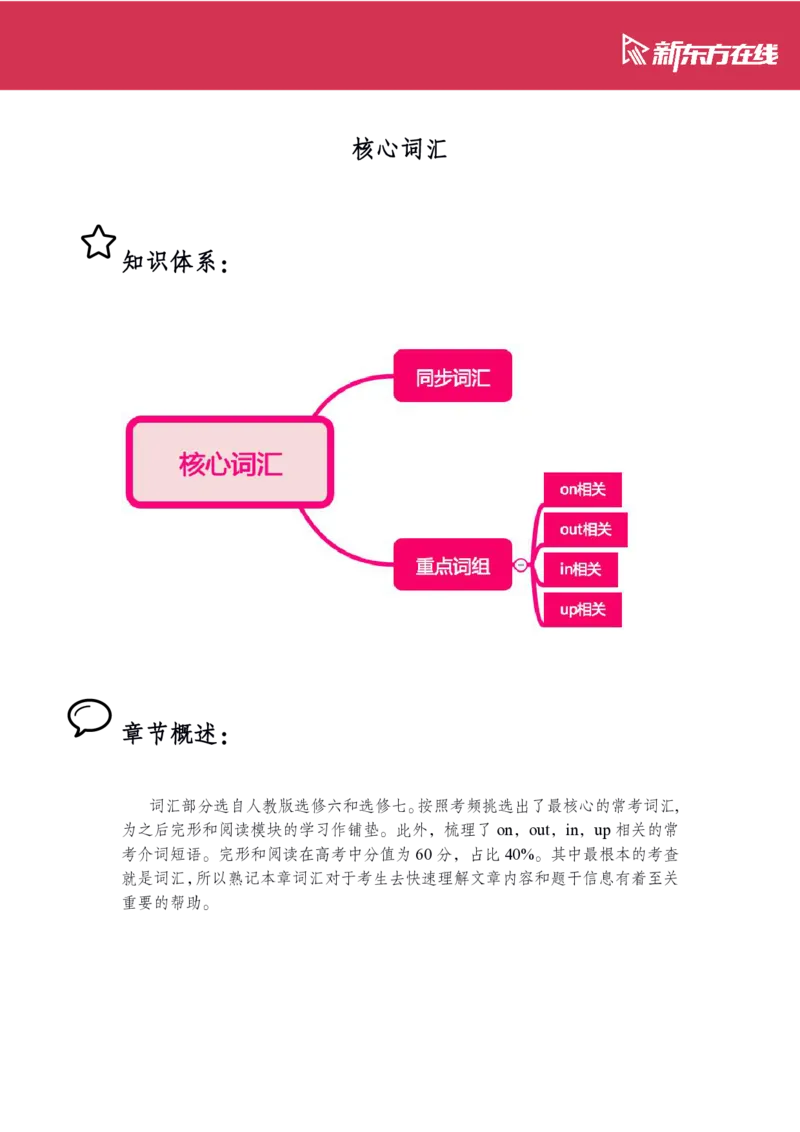
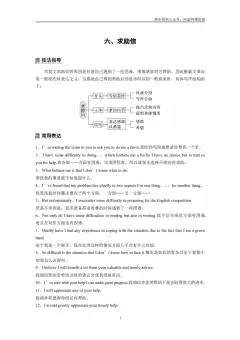
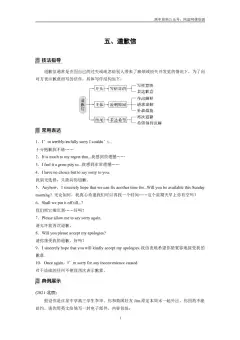
知识体系:
章节概述:
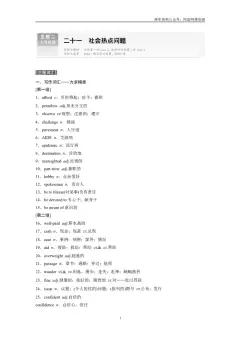
词汇部分选自人教版选修六和选修七。按照考频挑选出了最核心的常考词汇,
为之后完形和阅读模块的学习作铺垫。此外,梳理了on,out,in,up 相关的常
考介词短语。完形和阅读在高考中分值为60 分,占比40%。其中最根本的考查
就是词汇,所以熟记本章词汇对于考生去快速理解文章内容和题干信息有着至关
重要的帮助。
知识清单:
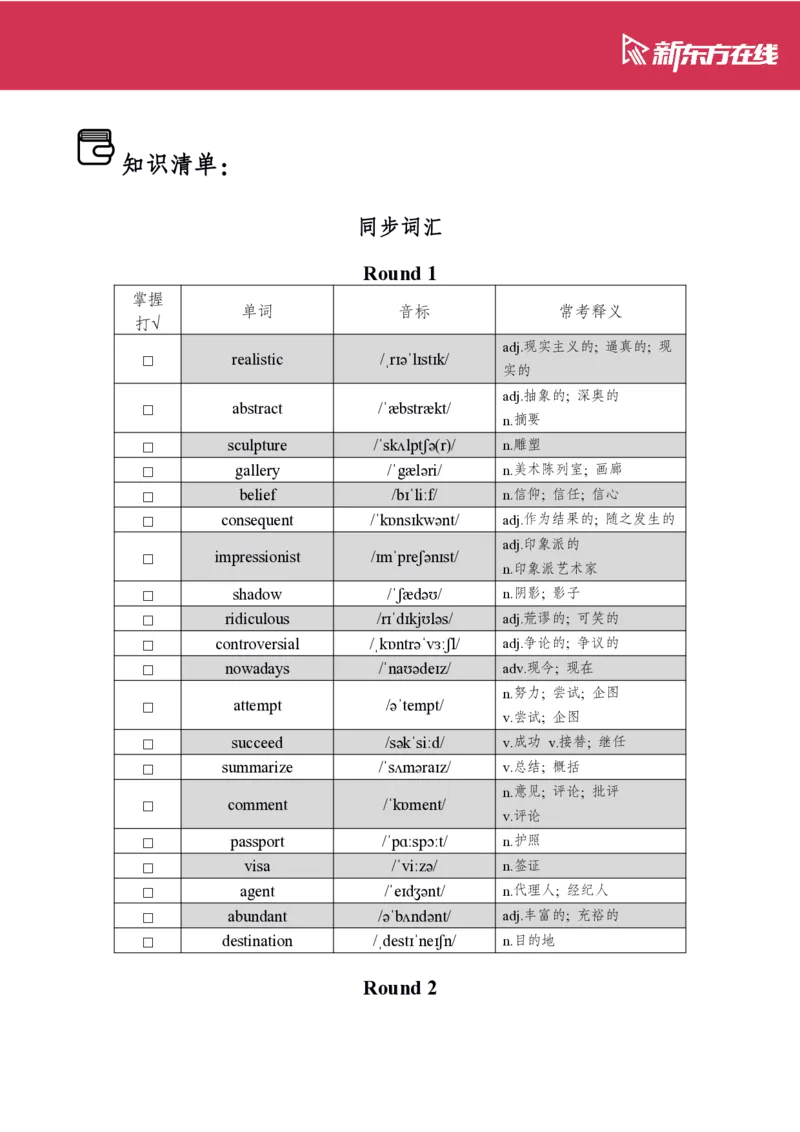
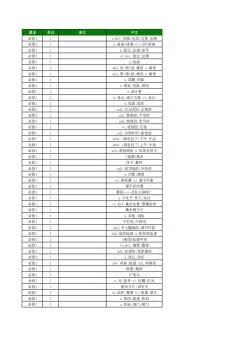
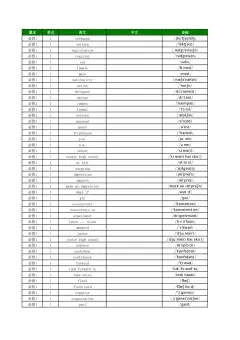
同步词汇
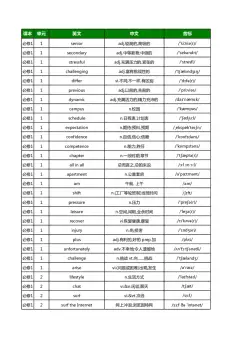
Round 1
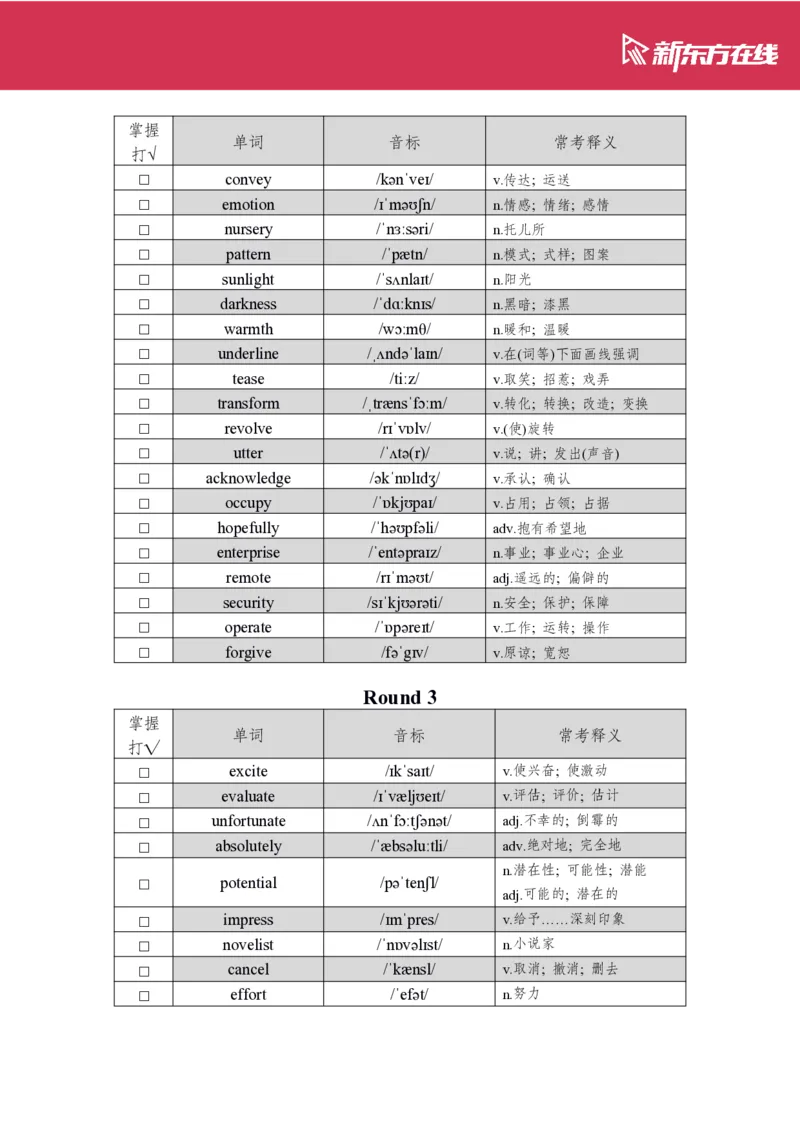
Round 2
掌握
打√
单词
音标
常考释义
☐
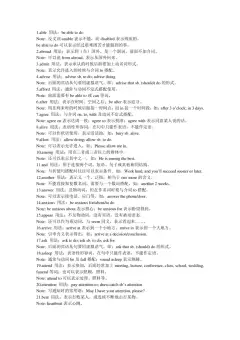
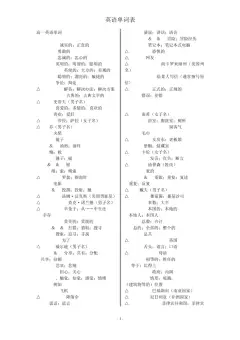
realistic
/ˌrɪəˈlɪstɪk/
adj.现实主义的; 逼真的; 现
实的
☐
abstract
/ˈæbstrækt/
adj.抽象的; 深奥的
n.摘要
☐
sculpture
/ˈskʌlptʃə(r)/
n.雕塑
☐
gallery
/ˈgæləri/
n.美术陈列室; 画廊
☐
belief
/bɪˈliːf/
n.信仰; 信任; 信心
☐
consequent
/ˈkɒnsɪkwənt/
adj.作为结果的; 随之发生的
☐
impressionist
/ɪmˈpreʃənɪst/
adj.印象派的
n.印象派艺术家
☐
shadow
/ˈʃædəʊ/
n.阴影; 影子
☐
ridiculous
/rɪˈdɪkjʊləs/
adj.荒谬的; 可笑的
☐
controversial
/ˌkɒntrəˈvɜːʃl/
adj.争论的; 争议的
☐
nowadays
/ˈnaʊədeɪz/
adv.现今; 现在
☐
attempt
/əˈtempt/
n.努力; 尝试; 企图
v.尝试; 企图
☐
succeed
/səkˈsiːd/
v.成功v.接替; 继任
☐
summarize
/ˈsʌməraɪz/
v.总结; 概括
☐
comment
/ˈkɒment/
n.意见; 评论; 批评
v.评论
☐
passport
/ˈpɑːspɔːt/
n.护照
☐
visa
/ˈviːzə/
n.签证
☐
agent
/ˈeɪdʒənt/
n.代理人; 经纪人
☐
abundant
/əˈbʌndənt/
adj.丰富的; 充裕的
☐
destination
/ˌdestɪˈneɪʃn/
n.目的地
Round 3
掌握
打√
单词
音标
常考释义
☐
convey
/kənˈveɪ/
v.传达; 运送
☐
emotion
/ɪˈməʊʃn/
n.情感; 情绪; 感情
☐
nursery
/ˈnɜːsəri/
n.托儿所
☐
pattern
/ˈpætn/
n.模式; 式样; 图案
☐
sunlight
/ˈsʌnlaɪt/
n.阳光
☐
darkness
/ˈdɑːknɪs/
n.黑暗; 漆黑
☐
warmth
/wɔːmθ/
n.暖和; 温暖
☐
underline
/ˌʌndəˈlaɪn/
v.在(词等)下面画线强调
☐
tease
/tiːz/
v.取笑; 招惹; 戏弄
☐
transform
/ˌtrænsˈfɔːm/
v.转化; 转换; 改造; 变换
☐
revolve
/rɪˈvɒlv/
v.(使)旋转
☐
utter
/ˈʌtə(r)/
v.说; 讲; 发出(声音)
☐
acknowledge
/əkˈnɒlɪdʒ/
v.承认; 确认
☐
occupy
/ˈɒkjʊpaɪ/
v.占用; 占领; 占据
☐
hopefully
/ˈhəʊpfəli/
adv.抱有希望地
☐
enterprise
/ˈentəpraɪz/
n.事业; 事业心; 企业
☐
remote
/rɪˈməʊt/
adj.遥远的; 偏僻的
☐
security
/sɪˈkjʊərəti/
n.安全; 保护; 保障
☐
operate
/ˈɒpəreɪt/
v.工作; 运转; 操作
☐
forgive
/fəˈgɪv/
v.原谅; 宽恕
掌握
打√
单词
音标
常考释义
☐
excite
/ɪkˈsaɪt/
v.使兴奋; 使激动
☐
evaluate
/ɪˈvæljʊeɪt/
v.评估; 评价; 估计
☐
unfortunate
/ʌnˈfɔːtʃənət/
adj.不幸的; 倒霉的
☐
absolutely
/ˈæbsəluːtli/
adv.绝对地; 完全地
☐
potential
/pəˈtenʃl/
n.潜在性; 可能性; 潜能
adj.可能的; 潜在的
☐
impress
/ɪmˈpres/
v.给予……深刻印象
☐
novelist
/ˈnɒvəlɪst/
n.小说家
☐
cancel
/ˈkænsl/
v.取消; 撤消; 删去
☐
effort
/ˈefət/
n.努力
Round 4
☐
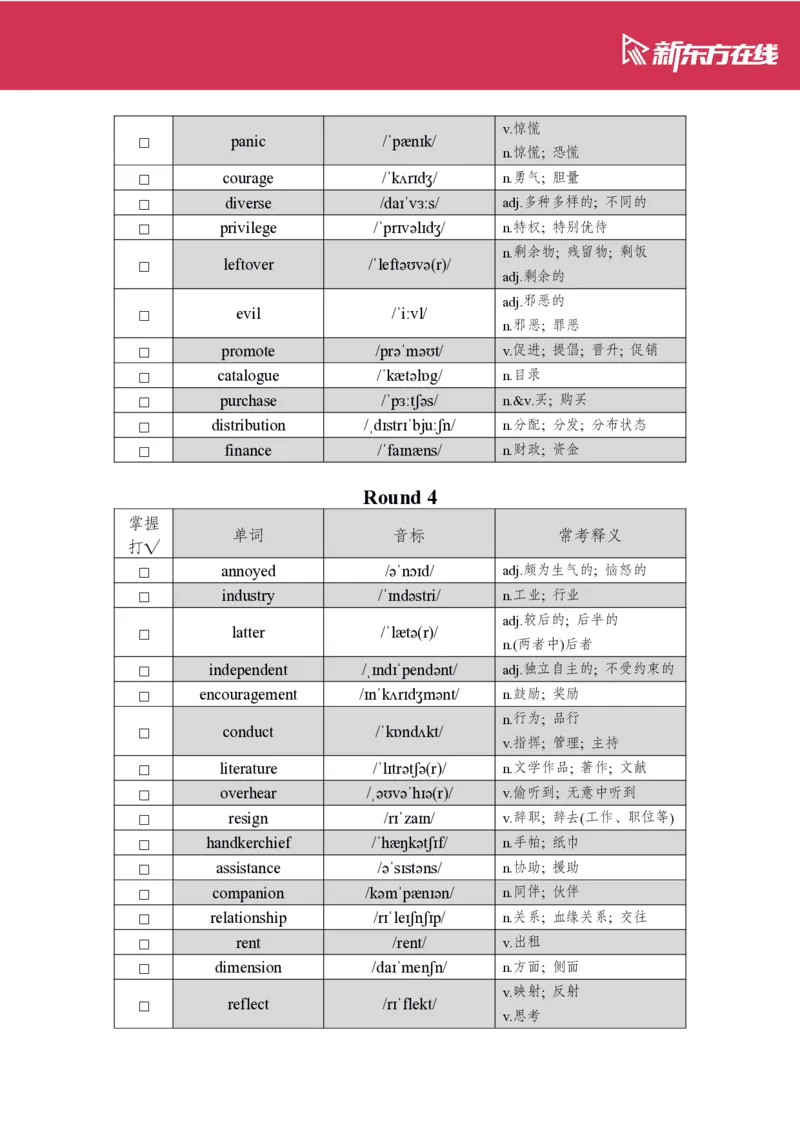
panic
/ˈpænɪk/
v.惊慌
n.惊慌; 恐慌
☐
courage
/ˈkʌrɪdʒ/
n.勇气; 胆量
☐
diverse
/daɪˈvɜːs/
adj.多种多样的; 不同的
☐
privilege
/ˈprɪvəlɪdʒ/
n.特权; 特别优待
☐
leftover
/ˈleftəʊvə(r)/
n.剩余物; 残留物; 剩饭
adj.剩余的
☐
evil
/ˈiːvl/
adj.邪恶的
n.邪恶; 罪恶
☐
promote
/prəˈməʊt/
v.促进; 提倡; 晋升; 促销
☐
catalogue
/ˈkætəlɒg/
n.目录
☐
purchase
/ˈpɜːtʃəs/
n.&v.买; 购买
☐
distribution
/ˌdɪstrɪˈbjuːʃn/
n.分配; 分发; 分布状态
☐
finance
/ˈfaɪnæns/
n.财政; 资金
掌握
打√
单词
音标
常考释义
☐
annoyed
/əˈnɔɪd/
adj.颇为生气的; 恼怒的
☐
industry
/ˈɪndəstri/
n.工业; 行业
☐
latter
/ˈlætə(r)/
adj.较后的; 后半的
n.(两者中)后者
☐
independent
/ˌɪndɪˈpendənt/
adj.独立自主的; 不受约束的
☐
encouragement
/ɪnˈkʌrɪdʒmənt/
n.鼓励; 奖励
☐
conduct
/ˈkɒndʌkt/
n.行为; 品行
v.指挥; 管理; 主持
☐
literature
/ˈlɪtrətʃə(r)/
n.文学作品; 著作; 文献
☐
overhear
/ˌəʊvəˈhɪə(r)/
v.偷听到; 无意中听到
☐
resign
/rɪˈzaɪn/
v.辞职; 辞去(工作、职位等)
☐
handkerchief
/ˈhæŋkətʃɪf/
n.手帕; 纸巾
☐
assistance
/əˈsɪstəns/
n.协助; 援助
☐
companion
/kəmˈpænɪən/
n.同伴; 伙伴
☐
relationship
/rɪˈleɪʃnʃɪp/
n.关系; 血缘关系; 交往
☐
rent
/rent/
v.出租
☐
dimension
/daɪˈmenʃn/
n.方面; 侧面
☐
reflect
/rɪˈflekt/
v.映射; 反射
v.思考
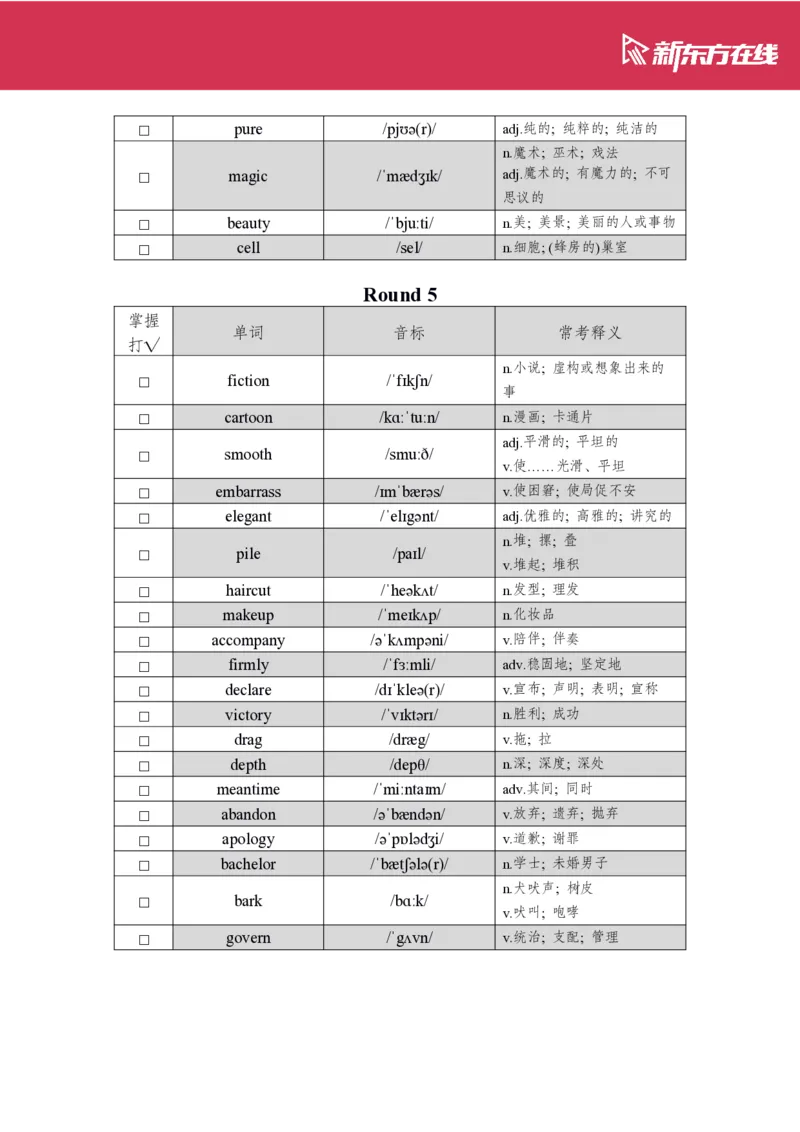
Round 5
☐
pure
/pjʊə(r)/
adj.纯的; 纯粹的; 纯洁的
☐
magic
/ˈmædʒɪk/
n.魔术; 巫术; 戏法
adj.魔术的; 有魔力的; 不可
思议的
☐
beauty
/ˈbjuːti/
n.美; 美景; 美丽的人或事物
☐
cell
/sel/
n.细胞; (蜂房的)巢室
掌握
打√
单词
音标
常考释义
☐
fiction
/ˈfɪkʃn/
n.小说; 虚构或想象出来的
事
☐
cartoon
/kɑːˈtuːn/
n.漫画; 卡通片
☐
smooth
/smuːð/
adj.平滑的; 平坦的
v.使……光滑、平坦
☐
embarrass
/ɪmˈbærəs/
v.使困窘; 使局促不安
☐
elegant
/ˈelɪgənt/
adj.优雅的; 高雅的; 讲究的
☐
pile
/paɪl/
n.堆; 摞; 叠
v.堆起; 堆积
☐
haircut
/ˈheəkʌt/
n.发型; 理发
☐
makeup
/ˈmeɪkʌp/
n.化妆品
☐
accompany
/əˈkʌmpəni/
v.陪伴; 伴奏
☐
firmly
/ˈfɜːmli/
adv.稳固地; 坚定地
☐
declare
/dɪˈkleə(r)/
v.宣布; 声明; 表明; 宣称
☐
victory
/ˈvɪktərɪ/
n.胜利; 成功
☐
drag
/dræg/
v.拖; 拉
☐
depth
/depθ/
n.深; 深度; 深处
☐
meantime
/ˈmiːntaɪm/
adv.其间; 同时
☐
abandon
/əˈbændən/
v.放弃; 遗弃; 抛弃
☐
apology
/əˈpɒlədʒi/
v.道歉; 谢罪
☐
bachelor
/ˈbætʃələ(r)/
n.学士; 未婚男子
☐
bark
/bɑːk/
n.犬吠声; 树皮
v.吠叫; 咆哮
☐
govern
/ˈgʌvn/
v.统治; 支配; 管理
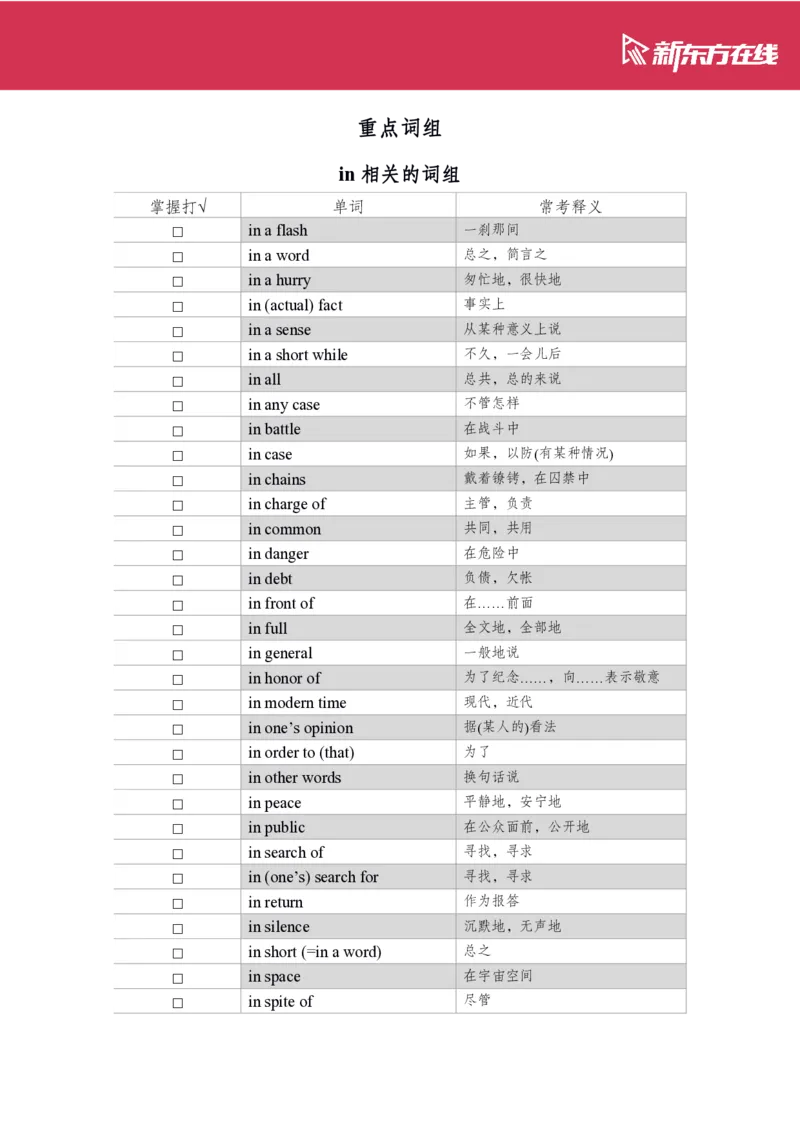
重点词组
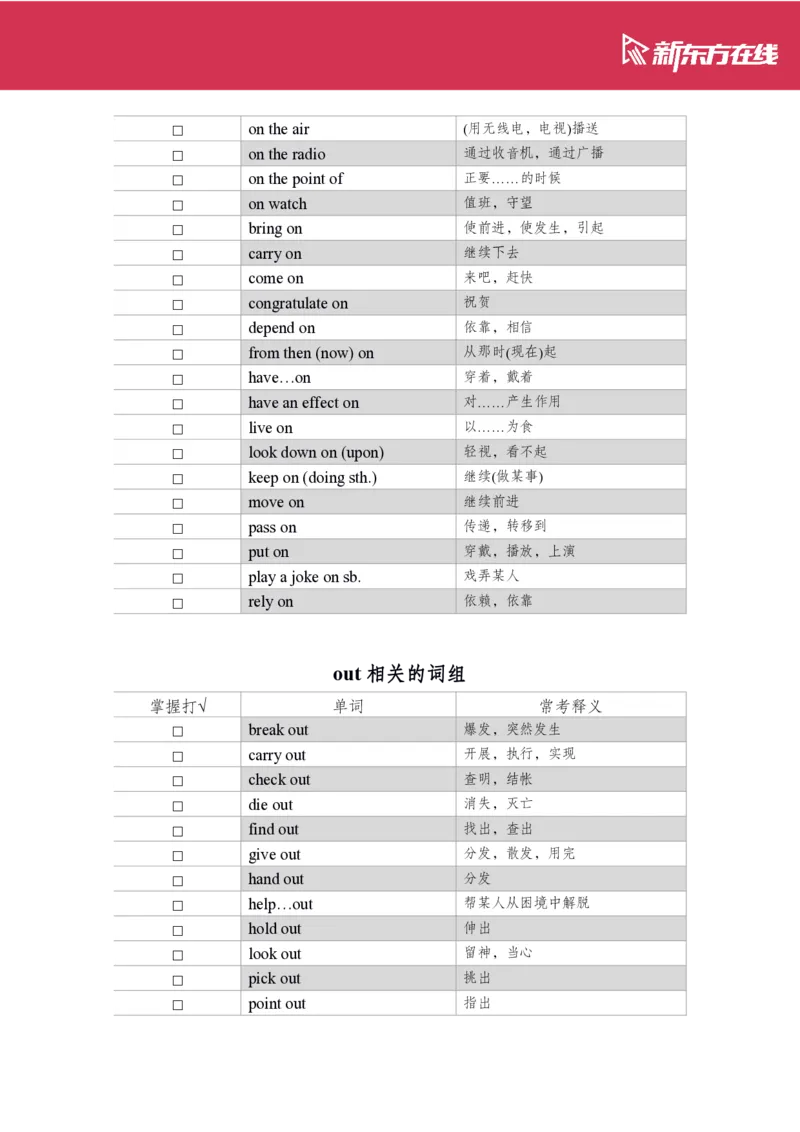
in 相关的词组
掌握打√
单词
常考释义
☐
in a flash
一刹那间
☐
in a word
总之,简言之
☐
in a hurry
匆忙地,很快地
☐
in (actual) fact
事实上
☐
in a sense
从某种意义上说
☐
in a short while
不久,一会儿后
☐
in all
总共,总的来说
☐
in any case
不管怎样
☐
in battle
在战斗中
☐
in case
如果,以防(有某种情况)
☐
in chains
戴着镣铐,在囚禁中
☐
in charge of
主管,负责
☐
in common
共同,共用
☐
in danger
在危险中
☐
in debt
负债,欠帐
☐
in front of
在……前面
☐
in full
全文地,全部地
☐
in general
一般地说
☐
in honor of
为了纪念……,向……表示敬意
☐
in modern time
现代,近代
☐
in one’s opinion
据(某人的)看法
☐
in order to (that)
为了
☐
in other words
换句话说
☐
in peace
平静地,安宁地
☐
in public
在公众面前,公开地
☐
in search of
寻找,寻求
☐
in (one’s) search for
寻找,寻求
☐
in return
作为报答
☐
in silence
沉默地,无声地
☐
in short (=in a word)
总之
☐
in space
在宇宙空间
☐
in spite of
尽管
☐
in that
因为,原因是
☐
in that case
假如那样的话
☐
in the air
在空中
☐
in the charge
由……掌管
☐
in the course of
在……过程中
☐
in vain
徒劳
☐
in the day time
在白天
☐
in the future
将来,以后
☐
in the end
最后
☐
in the meantime
与此同时
☐
in the middle (of)
在……中间
☐
in time
及时
☐
in turn
轮流
☐
believe in
相信,信任
☐
bring in
引进,引来,吸收
☐
call in
召来,召集
☐
hand in
上交,递交
☐
hand in hand
并进,联合,手牵手
☐
drop in
顺便走访
☐
join in
参加,加入
☐
once in a while
偶尔,间或
☐
play a part in
在……起作用
☐
stand in line
排队
☐
succeed in
成功于
☐
take part in
参加
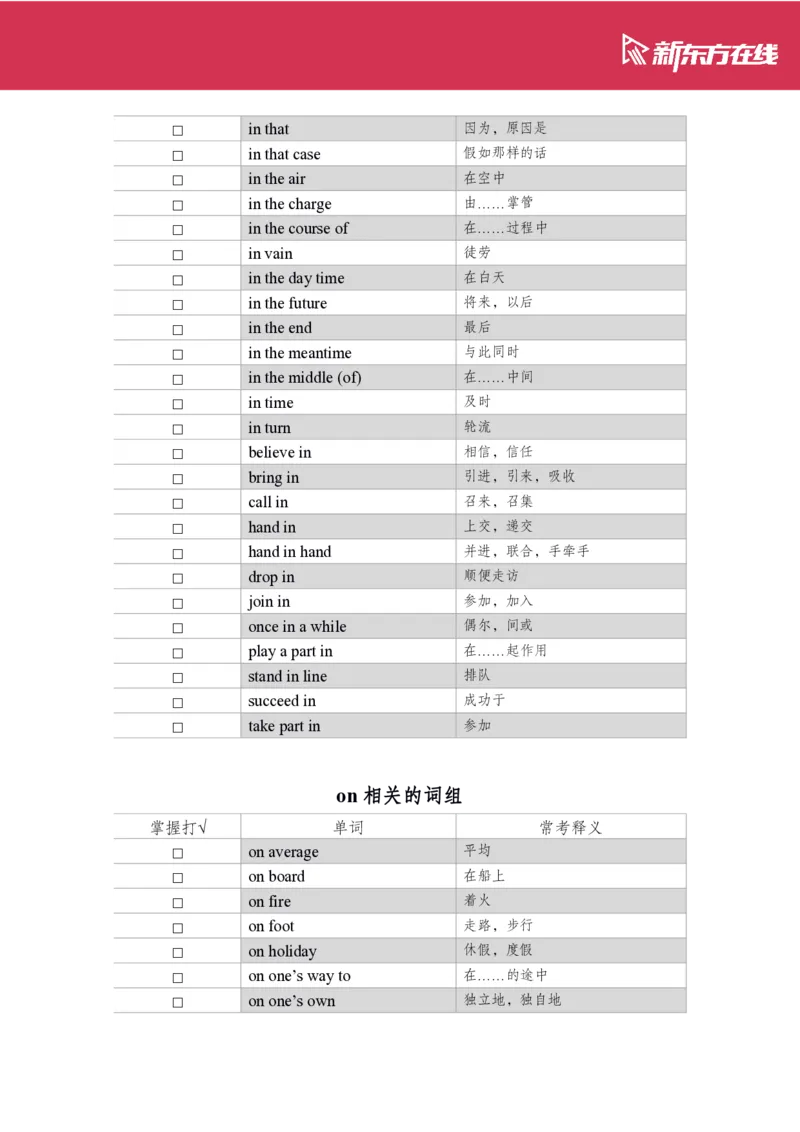
on 相关的词组
掌握打√
单词
常考释义
☐
on average
平均
☐
on board
在船上
☐
on fire
着火
☐
on foot
走路,步行
☐
on holiday
休假,度假
☐
on one’s way to
在……的途中
☐
on one’s own
独立地,独自地
☐
on the air
(用无线电,电视)播送
☐
on the radio
通过收音机,通过广播
☐
on the point of
正要……的时候
☐
on watch
值班,守望
☐
bring on
使前进,使发生,引起
☐
carry on
继续下去
☐
come on
来吧,赶快
☐
congratulate on
祝贺
☐
depend on
依靠,相信
☐
from then (now) on
从那时(现在)起
☐
have…on
穿着,戴着
☐
have an effect on
对……产生作用
☐
live on
以……为食
☐
look down on (upon)
轻视,看不起
☐
keep on (doing sth.)
继续(做某事)
☐
move on
继续前进
☐
pass on
传递,转移到
☐
put on
穿戴,播放,上演
☐
play a joke on sb.
戏弄某人
☐
rely on
依赖,依靠
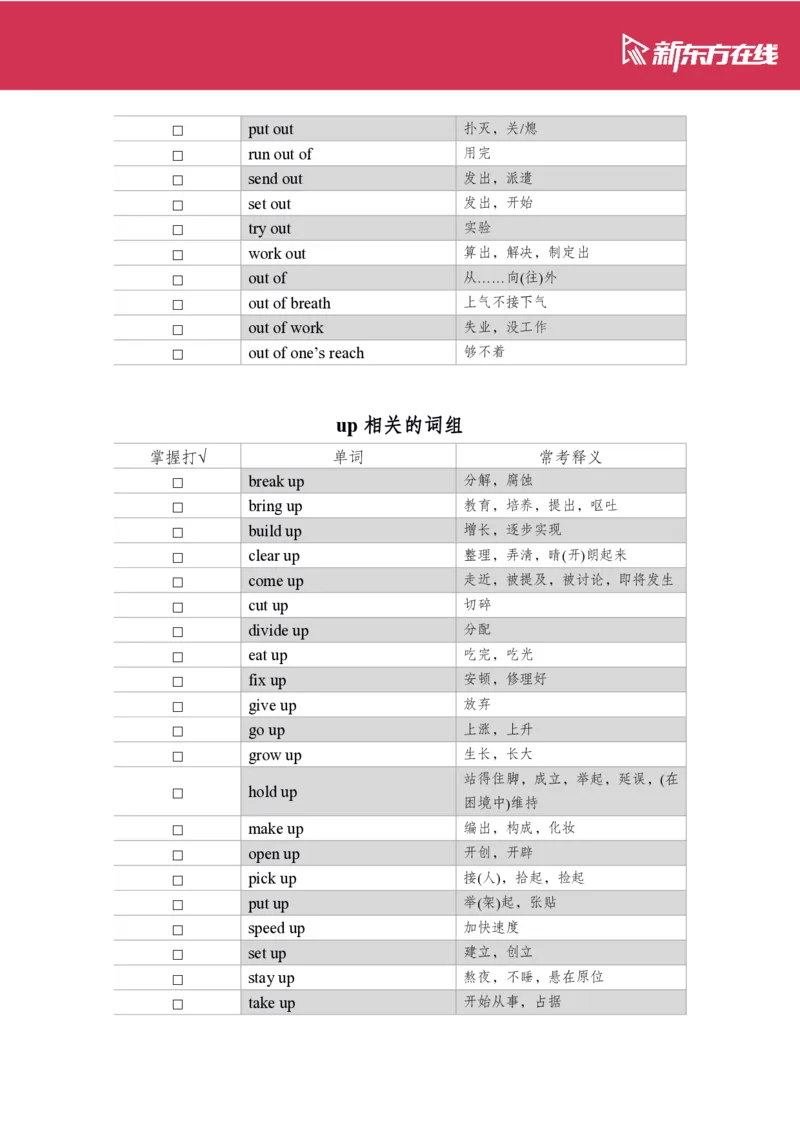
out 相关的词组
掌握打√
单词
常考释义
☐
break out
爆发,突然发生
☐
carry out
开展,执行,实现
☐
check out
查明,结帐
☐
die out
消失,灭亡
☐
find out
找出,查出
☐
give out
分发,散发,用完
☐
hand out
分发
☐
help…out
帮某人从困境中解脱
☐
hold out
伸出
☐
look out
留神,当心
☐
pick out
挑出
☐
point out
指出
☐
put out
扑灭,关/熄
☐
run out of
用完
☐
send out
发出,派遣
☐
set out
发出,开始
☐
try out
实验
☐
work out
算出,解决,制定出
☐
out of
从……向(往)外
☐
out of breath
上气不接下气
☐
out of work
失业,没工作
☐
out of one’s reach
够不着
up 相关的词组
掌握打√
单词
常考释义
☐
break up
分解,腐蚀
☐
bring up
教育,培养,提出,呕吐
☐
build up
增长,逐步实现
☐
clear up
整理,弄清,晴(开)朗起来
☐
come up
走近,被提及,被讨论,即将发生
☐
cut up
切碎
☐
divide up
分配
☐
eat up
吃完,吃光
☐
fix up
安顿,修理好
☐
give up
放弃
☐
go up
上涨,上升
☐
grow up
生长,长大
☐
hold up
站得住脚,成立,举起,延误,(在
困境中)维持
☐
make up
编出,构成,化妆
☐
open up
开创,开辟
☐
pick up
接(人),拾起,捡起
☐
put up
举(架)起,张贴
☐
speed up
加快速度
☐
set up
建立,创立
☐
stay up
熬夜,不睡,悬在原位
☐
take up
开始从事,占据
☐
throw up
呕吐,吐出
☐
turn up
到达,出现
☐
wake up
醒来
重点语法
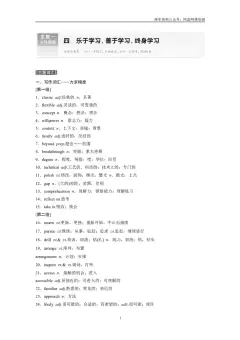
知识体系:
章节概述:
语法部分主要选取高二下学期重点内容。上学期我们对非谓语建立了基本的
认知,学习了动词现在分词形式和不定式,这个学期,我们在之前的基础上,继
续学习非谓语的过去分词形式。并且,结合高一所学的时态,进行两个重难点语
法点的关联和辨析,帮助考生进一步深化掌握核心考点。以上这些考点,均是每
年100%会考的高频考点,考生务必要引起重视。另外,本章在高一的基础上,
对情态动词的难点进行了总结和it 的用法总结,方便考生进行拔高。
知识清单:
非谓语之过去分词
一、基础认知
分词也是动词的一种非限定形式,因此不能单独作谓语,也没有人称和数的
变化。分词有两种形式:现在分词和过去分词。现在分词本身有时态和语态的变
化,但是过去分词只有一种形式。现在分词和过去分词都是一种语法术语,与时
间没有关系。作为一种非限定动词,分词本身兼具动词、形容词和副词的特征,
故可以作状语、定语、宾语、宾语补足语等。本学期涉及的是过去分词。
1. 结构:done
2. 形式:大部分为“动词原形+ed”,部分不规则动词有特殊变化
3. 含义:表完成和被动
二、句法功能
1.
作定语:过去分词一般用于被修饰的名词前,而过去分词短语位于被修饰的
名词后。
(1)过去分词+名词
例:the delayed train
(2)名词+过去分词短语
例:student dressed in white
2.
作状语:过去分词修饰谓语,说明动作发生的时间、原因、条件、方式等。
常用于句首。
例:Seen from the hill, the park looks very beautiful.
3.
作宾补:常用于使役动词和感官动词后。
(1)常考使役动词总结:
结构
使役动词
doing
主动,延续性动作
done
被动
do
主动,一次性动作
to do
主动,将来
备注
have
√
√
√
get
√
√
√
make
√
√
be made to do
被动时to 还原
keep
√
√
leave
√
√
√
注意⚠:通过判断宾语和宾补的关系确定结构。
例:He must have/get the computer repaired at once.
他必须马上找人维修计算机。
Can you really get the old car going again?
你真的能让这部旧车再跑起来?
The workers were made to work 12 hours a day. (补上不定式符号to)
工人被迫一天工作十二个小时。
Speak louder in order to make yourself heard clearly.
大点声讲,以便让人清楚地听到你说的话。
(make oneself heard/known/understood 使得某人自己被听清/了解/明白)
You’d better not leave her waiting outside in the rain.
你最好不要让她在外面的雨中等待。
Whatever you do, you should keep us informed.
无论你做什么,你都应该通知我们。
(2)感官动词用法总结:
四“看”
see, watch, notice, observe
二“感”
feel, find
一“听”
hear
a.感官动词+ 宾语+ doing (正在发生)
b.感官动词+ 宾语+ done (被动)
c.感官动词+ 宾语+ do (整个过程已结束),只有find 没有此用法。
例:I saw her get into the car and drive off.
我看见她上车,然后开走。
I found the door closed, when I got the supermarket.
我到超市的时候,发现门关着。
I heard a child sobbing loudly.
我听到有个孩子在呜呜地哭。
4.
作表语:过去分词在be 动词、感官动词等系动词之后,表示主语的特征和
性质。
(1)表语位置:系动词之后的就是表语
(2)常用系动词
be 动词
am, is, are, was, were
保持动词
keep, remain, stay
感官动词
look, feel, smell, sound, taste
变化动词
become, turn, grow, get, go, come, fall
终止动词
prove, turn out
(3)过去分词和现在分词作表语的区别:
a. “-ing”表示句中主语所具有的特征,即“令人…的”;
b. “-ed”表示主语所处的状态,即“感到…的”。
例:This book is very interesting.
这本书令人感兴趣。
I am interested in this book.
我对这本书感到有兴趣。
(4)高频考词总结
【记忆口诀】
a.开心满意后失望
exciting
令人激动的
excited
激动的; 兴奋的
pleasing
令人高兴的
pleased
高兴的
satisfying
令人满意的
satisfied
感到满意的
disappointing
令人失望的
disappointed
失望的; 沮丧的
b.困惑厌烦真尴尬
puzzling
令人费解的
puzzled
困惑的
confusing
令人难解的
confused
糊涂的; 难懂的
embarrassing
令人尴尬的
embarrassed
感到尴尬的
annoying
令人烦恼的
annoyed
恼怒的; 生气的
c.鼓励吓人后吃惊
encouraging
令人鼓舞的
encouraged
受鼓舞的
astonishing
令人震惊的
astonished
感到十分惊讶的
terrifying
令人害怕的
terrified
害怕的
frightening
令人恐惧的
frightened
受惊吓的
三、经典例题
1.
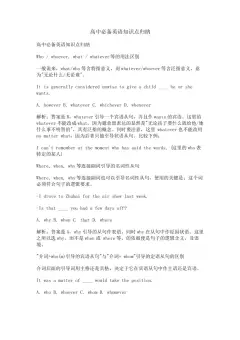
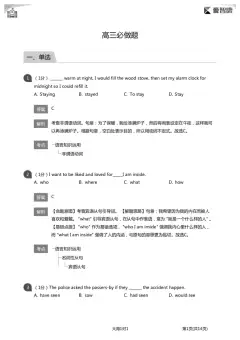
The problem ______ yesterday at the meeting was about pollution.
A. to discuss
B. to be discussed
C. discussed
D. being discussed
【答案】C
【解析】本题考查done 的形式。解题步骤:①确定考点。句子当中已经出现了
谓语动词,故此空为非谓语动词。②确定主被动关系。根据位置以及语义可知此
非谓语动词与其逻辑主语构成被动关系。③确定时间先后关系。根据语义可知此
非谓语动词已经发生。故选C。
2.
He asked so many questions that I got completely ______.
A. confused
B. confusing
C. confusion
D. mess
【答案】A
【解析】本题考查done 的形式。解题步骤:①确定考点。此分句中已经出现了
谓语动词,故此空为非谓语动词。②确定主被动关系。根据位置以及语义可知此
处表示感到困惑的。故选A。
3.
When confronted with the audience’s suspicions, the spokesman found himself
______ for words.
A. lose
B. lost
C. to lose
D. having lost
【答案】B
【解析】考查过去分词。句意为当面对听众的怀疑时,发言人发现自己无言以对。
分析句子结构可知,动词found 后面接复合宾语,lost for words(因惊讶、困惑
等)不知说什么才好,lost 动词是lose 的过去分词,此处用作形容词,在句子中
作宾语补足语,表示“丧失的、不知所措的”。故选B。
4.
His speech was so ______ that we were deeply ______ by it.
A. impressed, impressing
B. impressive, impressed
C. impressed, impressed
D. impressive, impressing
【答案】B
【解析】本题考查done 的形式。解题步骤:①确定考点非谓语动词。②确定主
被动关系。第一空根据位置以及语义,可知第一空表示令人印象深刻的,故为
impressive。第二空:此空所在分句中谓语动词与主语构成被动关系,故应用done
的形式。故选B。
5.
Three officials ______ in the “Golden Rice” test on school children have been
fired.
A. involving B. involved C. to involveD. having involved
【答案】B
【解析】本题考查done 的形式。解题步骤:①确定考点。句子当中已经出现了
谓语动词,故此空为非谓语动词。②确定主被动关系。根据位置以及语义可知此
非谓语动词与其逻辑主语构成被动关系。故选B。
非谓语和谓语的比较
一、形式区分
1.
谓语动词的形式及含义
2.
非谓语动词的形式及含义
主被动
时间
主动
被动
在谓语动词后发生
to do
to be done
与谓语动词同时发生
to be doing
to be being done
先于谓语动词发生
to have done
to have been done
与谓语动词同时发生
doing
being done
先于谓语动词发生
having done
having been done
完成
/
done
3.
具有双重身份的动词
当一个动词的过去式和过去分词一样时,既可以是非谓语动词,也可以是谓
语动词。
若作谓语,表主动、过去;若作非谓语,表被动。
例:(原形:tell 过去式:told 过去分词:told)
When I told (谓语动词;表主动) them the bad news, they couldn’t help crying.
当我告诉他们这个坏消息,他们忍不住哭了。
Told (非谓语动词;表被动) the bad news, they couldn’t help crying.
他们被告知这个坏消息,忍不住哭了。
二、功能区分
1.
判断句子数量
体
时
一般
进行
完成
完成进行
现在
do/does
am/is/are done
am/is/are doing
be being done
have/has done
have/has been done
have/has been doing
过去
did
was/were done
was/were doing
was/were being done
had done
had been done
/
将来
will do
will be done
will be doing
will be being done
will have done
will have been done
/
过去将来
would do
would be done
/
/
/
英语句子的结构逻辑性较强,一般可以分为简单句、并列句和复合句。一个
简单句中有且只有1 个谓语动词;并列句是由并列连词连接两个主谓结构,如用
and、or 和but 等连接的句子;复合句是由从属连词引导一个从句充当主句的一
个成分,如用because、that 和which 等连接的句子。掌握好这些基本句型结构以
及相应的连词一般就能分析好句子成分。
2.
判断是否有谓语
大多数情况下,谓语动词个数=连词数+1。若谓语动词数量不够,则用谓语
动词,反之则用非谓语。
例:I have worked in XDF for six years.
作谓语
Some pens were bought for his children by him.
作谓语
Having done his homework, he played basketball.
作非谓语
作谓语
The film being shown in the cinema is exciting.
作非谓语
作谓语
The patient asked to be operated on at once.
作谓语
作非谓语
【注意】
①宾语从句和定语从句省略连词时,要把连词补回后,计算谓语动词个数;
②并列连词连接的几个谓语动词,看做一个整体,算作1 个谓语动词。
例1:当我告诉他们这个坏消息,他们忍不住哭了。
When I told (谓语动词) them the bad news, they couldn’t help (谓语动词)
crying.
谓语动词个数=2
Told (非谓语动词) the bad news, they couldn’t help (谓语动词) crying.
谓语动词个数=1
例2:她说她是个英语老师。
She said (谓语动词) that she was (谓语动词) an English teacher. (不省略连词)
谓语动词个数=2
She said (谓语动词) she was (谓语动词) an English teacher. (省略连词)
谓语动词个数=2
例3:他就是我昨天看见的那个男人。
He is (谓语动词) the man whom I saw (谓语动词) yesterday. (不省略连词)
He is (谓语动词) the man I saw (谓语动词) yesterday. (省略连词)
例4:穿黑色衣服的男人是我爸爸,他停下来买了一些面包。
The man in black is (谓语动词) my father, who stopped and bought (谓语动词)
some bread.
谓语动词个数=2
三、解题步骤
1. 时态解题步骤
①确定考点(根据句子是否有谓语动词或选项来确定);
②确定时态(根据已知时间状语或动词来判断时态);
③确定语态(根据动词是否及物和翻译来判断是主动还是被动)。
2. 非谓语解题步骤
①确定考点(根据句子是否有谓语动词或选项来确定);
②判断主被动(判断非谓语动词和逻辑主语的关系是主动还是被动);
③确定动作先后(根据非谓语动词和谓语动词的动作先后关系来确定)。
四、经典例题
1.
______ what you’re doing today important, because you’re trading a day of your
life for it.
A. Make
B. To make
C. Making
D. Made
【答案】A
【解析】考查非谓语的辨析。解题要点:确定考点。由于what 前主句部分缺少
谓语,故空格处应填谓语动词。句意:让你今天正在做的事情变得重要,因为你
正在用一天的生命去换取它。故选A。
2.
Lowered sea levels ______ the shallow continental shelf beneath the Bering Sea.
A. being exposed
B. exposed
C. to expose
D. exposing
【答案】B
【解析】考查时态和非谓语的辨析。解题要点:确定考点。由于句中无谓语动词,
lowered 形容词修饰sea levels 作主语,所以句子需要谓语动词,A, C, D 选项是
非谓语形式,所以排除。句意:降低的海平面把白令海下的浅大陆架暴露出来了。
故选B。
3.
If you have a job, ______ yourself to it and finally you’ll succeed.
A. devote
B. devoted
C. devoting
D. having devoted
【答案】A
【解析】本题考查谓语和非谓语的辨析。解题步骤:①确定考点。句子中有2
组谓语动词have 和will succeed,且有2 个连词if 和and,不符合“谓语数量=连
词数量+1”,缺少谓语,故确定此处考查动词的谓语形式,排除CD。②确定答
案。本题考查固定句式“祈使句+ and + will/情态动词”,故可知此处需使用动词原
形,故选A。
4.
This will result in a small number of fish ______ for us to eat in the future.
A. leave
B. left
C. leaving
D. to leave
【答案】B
【解析】考查时态和非谓语的辨析。解题步骤:1. 确定考点。由于句中已有
谓语动词will result 且无连词连接,故用非谓语动词。2. 确定主被动关系。逻
辑主语fish 与leave 之间为被动关系,意为“被剩下的鱼”。句意:这会导致一小
部分鱼残存下来供我们将来食用。故选B。
5.
—Has your manager returned from abroad?
—Yes, He ______ in France for two weeks, ______ an agreement with a French
company.
A. has stayed; to negotiate
B. has stayed; negotiating
C. stayed; negotiating
D. stayed; having negotiated
【答案】C
【解析】本题考查一般过去时。解题步骤:①确定考点。第一个空格所在的句子
缺谓语,故本题考查谓语的时态语态。②确定时间。由语境可知,他已经从国外
回来了,所以“待在法国”是过去的事情,应用一般过去时。注意:he 与negotiate
为逻辑上的主谓关系,故用非谓语的现在分词negotiating 在此作伴随状语,故选
C。
情态动词难点总结
一、may/might/can 的用法
1.
may not 与can’t 的区别:
may not 意为“可能不”;而can’t 意为“不可能”。
例:The western people may not adapt to these habits very soon.
西方人可能不会很快适应这些习惯。
The western people can’t adapt to these habits very soon.
西方人不可能很快适应这些习惯。
2.
may/might 的习惯用法
may/might well 为固定搭配,意为“很可能,极有可能”,否定形式在其后
加not;
may/might as well 为固定搭配,意为“不妨,还是……为好”。
例:Liza may well not want to go on the trip. She hates traveling.
丽萨很可能不想要旅行。她不喜欢旅行。
I needn't wait, I may as well tell you now.
我不必等了,不妨现在就告诉你。
二、must 的用法
must 除了表示“一定是,必须”的意思外,还表示“偏偏,偏要,非得”。
例:If you must smoke, please go outside.
如果你非要抽烟的话,请出去。
三、should 的用法
should 除了表示“应该”的意思外,还表示“竟然”,用来表示说话人惊奇、
愤怒、失望等情感。
例:You can’t imagine that a well-behaved gentleman should be so rude to a lady.
你难以想象一个品行端正的绅士竟然对一个女人如此粗鲁。
四、shall 的用法
1.
征求对方的意见
这种用法主要用于主语为第一、三人称的疑问句中。
例:—What’s the name? —名字是什么?
—Khulaifi. Shall I spell that for you? —Khulaifi。我需要给您拼写一下么?
2.
表示承诺或警告
用于主语为第二、三人称的陈述句中,表示说话人给对方的许诺、命令、警
告、威胁等。
例:Rick shall be fined if he doesn’t listen to the teacher.
瑞克如果不听老师的话会受到惩罚的。
3.
表示必要性或义务
用于主语为第三人称的陈述句中,表示条约、规定、法令等中的义务,常译
为“应,必须”。
例:One of our rules is that every student shall wear school uniform while at school.
我们其中一条校规是,学生在校期间需要穿校服。
五、will/would 的用法
1.
表示意愿
will 表示现在的意愿,would 用于过去的情况,也可表示现在的意愿,但语
气更委婉。
例:I will help you if you meet with trouble.
如果你碰到麻烦,我乐意帮忙。
She said she would try her best to help me.
她说她愿意尽最大努力来帮我。
2.
will 表示规律性的“注定会”
例:You will fail if you don’t work hard.
不努力就注定要失败。
Man will die without air.
没有空气,人注定要死亡。
3.
表示习惯或特性
will 用于现在,would 用于过去,带有主观性,常译为“总是”。
例:I still remember my happy childhood when my mother would take me to
Disneyland at weekends.
我仍然记得我快乐的童年生活,在那时我母亲总是会在周末带我去迪士尼乐
园。
4.
won’t/ wouldn’t 表示功能性的丧失。
例:The engine just won’t start. Something seems to have gone wrong with it.
引擎就是打不着火了。它似乎坏了。
六、经典例题
1.
According to the school rule, no child ______ be allowed out of the school,
unless accompanied by his own parents.
A. should
B. must
C. shall
D. can
【答案】C
【解析】本题考查情态动词用法。解题步骤:①确定考点。根据四个选项可知本
题考查情态动词。②语义分析。句意:根据学校的规定,没有孩子可以被允许离
校,除非在父母的陪伴下。shall 跟二三人称连用表示命令警告允诺,题干中需
要用shall 允诺的含义。故选C。
2.
It’s strange that he ______ have taken the books without the owner’s permission.
A. would
B. should
C. could
D. might
【答案】B
【解析】本题考查情态动词的特殊含义。解题步骤:①确定考点。根据空格前主
语是三单,空格后是谓语且have 用原形可知,空格处应填情态动词。②分析语
意。句意为:他______没有经过主人的允许就擅自拿走他的书,这实在让人费解。
本题题眼为“it’s strange”,即从句描述的行为令人奇怪。由于should 有“竟然”之
意,故选B。
3.
When Peter was in his twenties, he ______ go to that bar to drink wine with his
good friends after work.
A. should
B. might
C. would
D. could
【答案】C
【解析】本题考查情态动词用法。解题步骤:①确定考点。根据四个选项可知本
题考查情态动词。②语义分析。句意:当Peter 二十几岁的时候,他总是下班后跟
好朋友去那家酒吧喝酒。可知需要表达过去常做的事情,故选C。
4.
—What did they say about us? What things?
—Well, if you ______ know, they said that I’m just waiting and hoping for the
chance to marry you some day.
A. can
B. should
C. will
D. must
【答案】D
【解析】本题考查情态动词特殊义。解题步骤:①确定考点。根据四个选项可知
本题考查情态动词。②语义分析。句意:—他们说我们什么了?讲了什么事情?
—如果你______知道,他们说我只是在等,希望某一天有一个可以嫁给你的机会。
③对比选项确定答案。can 意为可以,能够。should 应该,竟然。will 想要,将
会。must 必须,偏要。可知代入句意中,must 偏要的含义符合句意,故选D。
5.
So much homework to be done at the weekend, we ______ attend classes at
school.
A. might as well B. mustn’t
C. may well
D. have to
【答案】A
【解析】本题考查情态动词might 的用法。解题要点:might as well 不妨,最好;
mustn’t 禁止;may well 很有可能;have to 不得不。句意:这么多的家庭作业最
好在周末完成,我们不如在学校上课呢。故选A。
it 的用法
一、it/one/that 区别
it/one/that 在句中,为了避免与上文的重复,可按照如下表使用:
代词
指上文提到的
it
特指,可数名词单数
同名同物
one
泛指,可数名词单数
同名异物
that
泛指,可数名词单数
特指,不可数名词
同名异物
例:I have lost my phone. I am looking for it.
我的手机丢了。我正在找它。
I have lost my phone. I think I have to buy a new one.
我的手机丢了。我想我得买个新的了。
The phone you bought is cheaper than that I bought.
你买的手机比我买的便宜。
二、it 作主语的用法
1.
it 作句子的主语
例:The TV series was even better. It became one of the most popular TV shows.
电视剧更精彩。它变成了最受欢迎的电视节目之一。
2.
当从句、动词不定式或动词-ing 做主语时,it 作句子的形式主语
①It is + adj./n. +
从句
动词不定式
动词-ing
②It +动词+ (宾语) + that 从句
例:It is clear that all books should be sold out.
很明显所有的书都应该被卖完。
It is important to learn English.
学英语很重要。
It is no use buying books without reading them.
买书不读是没有用的。
It worried me that my mom’s eyesight was declining.
让我担心的是我妈妈的视力在不断下降。
It happened that she was out when we called.
我们打电话时她刚巧不在家。
三、it 作宾语的用法
it 作形式宾语,指代后面的从句、动词不定式和动词-ing。
例:We always like it when you stay with us.
当你跟我们在一起时,我们很开心。
I found it important to learn English.
我认为学英语很重要。
I think it no use buying books without reading them.
我认为买书不读是没有用的。
四、it 作虚主语的用法
1.
如果一个句子没有主语时,可以用it 代替。
例:It’s ten o’clock already.
已经十点了。
2.
指代时间、日期和天气
例:It’s very cold outside.
外面很冷。
五、强调句型
1.
用法:所谓强调,就是指要突出句中的某一个部分,使其显得更加重要。用
it 引导的强调句,把强调结构去掉,句子仍通顺。
2.
基本式:It is /was +… +that…
例:It was yesterday that I met Jay.
就在昨天我见到了Jay。
3.
变形式:
It is / was + … + that/who/whom…
It is / was not until + … + that…
例:It was not until his wife came back that he went to bed.
直到他妻子回来他才上床睡觉。
六、经典例题
1.
—Sorry, but we have no more than one ticket for 3-D Titanic now.
—That’s OK. I’ll take ______.
A. that
B. it
C. this
D. one
【答案】B
【解析】本题考查it 的代词用法。解题步骤:①确定考点。动词take 后缺少宾
语,故应填名词或代词。②确定答案。结合句意:“—对不起,我们只有一张
3D 的泰坦尼克号的票了。—没关系,我就买这一张了。”可知在这里it 指代上
文的ticket,同类同物,故选B。
2.
______ is of great importance to fight against pollution.
A. That
B. As
C. This
D. It
【答案】D
【解析】本题考查it 作形式主语。解题步骤:①确定考点。动词is 前面缺主语,
故应选名词或代词。②确定答案。to fight against pollution 不定式作真正的主语,
放于句末,应该用it 作形式主语,故选D。
3.
The doctor thought ______ necessary for you to have a holiday.
A. this
B. that
C. it
D. one
【答案】C
【解析】本题考查it 形式宾语。解题步骤:①确定考点。动词thought 后缺宾语,
应选填名词或代词。②确定答案。开空后necessary 是开空处的补语,起补充说
明的作用,其后to have a holiday 是不定式作真正的宾语,放于句末,应该用it
充当形式宾语,故选C。
4.
______ was playing computer games that cost the boy a lot of time.
A. She
B. It
C. This
D. That
【答案】B
【解析】本题考查it 强调句。解题要点:看到was、that 先要看句子是否是强调
句。方法是去掉was、that 和开空处,看句子是否完整,“Playing computer games
cost the boy a lot of time.”,成分完整,因此该句是强调句,符合it was/is…that/who
结构,被强调部分是主语playing computer games,故选B。
5.
When ______ comes to saving energy, big changes start with small steps, like
turning off the lights.
A. that
B. this
C. it
D. one
【答案】C
【解析】本题考查it 常用搭配。解题要点:when it comes to sth./doing 是常用搭
配,意为“当谈到...”,故选C。
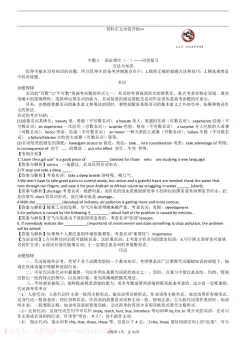
七选五
考试题型:
七选五属于语篇类阅读题,在一篇文章中进行不连续挖空,同时给出七个选
项,考生需要根据上下文从选项中,挑选适合的句子填入空格中,而且选项中有
两个选项是多余的。
主要考查对文章的整体理解和掌握情况,相当于阅读理解和完形填空的综合。
它不仅需要阅读速度,还要对文章的结构、主旨等都要有所了解,同时要求考生
具备快速对应选项和文章的关键信息的能力。
题目数量:5 道;
题目分值:每小题2 分,共计10 分。
考频分布:
挖空位置
考查频率
考查形式
考查意义
段首空
0~2 道
空格在首段段首
考查对整个篇章的概括或对具
体段落的概括
空格在非首段段首
考查承上启下或对具体段落的
概括
段中空
2~4 道
空格在段落中间
考查空格前后上下文细节
段尾空
0~2 道
空格在尾段段尾
考查对整个篇章的总结
空格在非尾段段尾
考查承上启下或对具体段落的
总结
知识清单:
一、解题步骤
1.
语义分析:理解空格前后大意
2.
确定关键词:找到选项中的核心关键词
3.
对比选项:对应选项和空格前后内容
二、解题技巧
标画关键词时,应该格外注意以下线索:动词、名词、代词、冠词、重复和
逻辑。
1.
动词线索:动词连贯性、时态一致性
【例1】动词连贯性
Set aside money from a daily routine to donate (捐赠). Giving doesn’t have to
mean a life full of sacrifices. You can still buy a burger or get your nails done. But
instead of buying much coffee every week, you can drink less. ______
A. Remember to visit others.
B. Pick up the phone.
C. so you can put yourself to a new level.
D. They may be filled with joy or sadness.
E. Opening up your home will make someone feel appreciated.
F. but it can be even more meaningful to put it in writing.
G. Donate the money you save: even $5 can make a difference in someone’s life.
【答案】G
【解析】本题属于动词线索类。解题步骤:①空前后的线索词分别为Set aside,
instead of buying much,drink less。根据本段的段落大意主要想告诉读者可以在
日常开销中,存出一部分钱捐赠。空前后的“省出、少买、少喝”这些动作的最终
目的即为“捐赠”。②对应选项。根据选项,可得G 选项中的Donate 即为下一个
动作。因此选G。
【例2】时态一致性
In 1990, fewer than 40% of Americans lived in urban areas. Today, over 82% of
Americans live in cities. Only about 2% live on farms. ______
A. That kept cities very small.
B. The rest live in small towns.
C. The effects of urban living on people should be considered.
D. Soon many other industrial nations became urban societies.
E. But even 200 years ago, only a few people could live in cities.
F. Modernization drew people to the cities and made farmers more productive.
G. Modern cities have destroyed social relations and the health of human beings.
【答案】B
【解析】本题考查动词线索。解题步骤:①语义分析。本题是段尾设空,设空前
一句的含义是“只有2%的人住在农场”。②确定关键词。动词live 是一般现在时,
设空处时态应该与其保持一致,使用现在范围内的时态。③对比选项。一般现在
时的选项有B、C、G。选项B 表示“余下的人生活在小城镇”,与前一句的话题
和句型一致。因此答案为B。选项C 表示“应该考虑城市生活对人们的影响”,前
文未提到影响,因此排除。选项G 表示“现代的城市破坏了社会关系及人类的健
康”,前文未提到城市的负向影响,因此排除。
2.
名词线索:内容相关性
【例1】
So why do we dance? “I can tell you about one young couple,” says Bridges.
“They’re learning to traditional dances. They arrive at the class in low spirits and they
leave with a smile. ______”
A. So why do we dance?
B. Dance in the U.S. is everywhere.
C. If you like dancing outdoors, come to America.
D. My older students say it makes them feel young.
E. I keep practicing even when I’m extremely tired.
F. Dancing seems to change their feeling completely.
G. They stayed up all night long singing and dancing.
【答案】F
【解析】本题设空位置在段尾,需要重点关注空格前的句意逻辑。解题要点:名
词线索。空格前内容都在提到那对年轻的夫妇,并且前句提到的“low spirits (低
落的情绪)”,与F 选项当中的feeling 相对应,故选择F 选项。
3.
代词和冠词线索:指代上文提到的内容、单复数对应、人称一致性
注意:it 做形式主语时,指代的是下文内容
【例1】指代上文提到内容
(1) Another way of setting realistic goals is to analyze your short and long term
objectives, keeping in mind your beliefs, values and strengths. Remember that goals
are flexible. ______ They also need to be measurable. You must keep these points in
mind while setting your goals.
A. This can affect your work.
B. So how should you motivate yourself?
C. However, this should not discourage you.
D. So why should we try to set specific goals?
E. They can change according to circumstances.
F. Motivation is what you need most to do a good job.
G. Without motivation you can neither set a goal nor reach it.
【答案】E
【解析】本题设空位置在段中,需要重点关注空格前后的句意逻辑。解题要点:
代词线索和逻辑线索。空后句子中有代词they 和逻辑连接词also。首先,可以根
据句意判断出,they 指代的是空前一句提到的goals。而also 表示递进的关系,
故而可知,空内句子陈述的内容也与目标有关,可能出现的词为goals 或they。
故而可知答案可能为E。代入选项:记住那些目标是灵活的。他们可以根据情况
发生改变。他们同样也需要是可测量的。可知符合文章内容,故正确答案为E。
(2) Consider all the suggestions that each party has provided and look for a
solution. ______
A. Seek some professional advice.
B. Listen to others without interrupting.
C. This has a bad effect on conflict resolution.
D. Have everyone state what they really want to say.
E. Schedule a meeting when it is convenient for everyone.
F. Everyone present there should feel good about the solution.
G. So it’s important to learn some effective problem-solving skills.
【答案】F
【解析】本题设空位置在段中,需要重点关注空格前后的句意逻辑。解题要点:
根据复现。前句Consider all the suggestions that each party has provided and look for
a solution. (考虑所提供的所有建议并寻找解决方案。) 提到了solution,F 项:
Everyone present there should feel good about the solution. (在场的每个人都应该对
解决方案感到满意。) 重复提到了solution,且是对前一句的进一步解释,符合
语境分析。故选F。
【例2】单复数对应
Over the years, there have been a number of different techniques to help
designers approach this important point. ______, they can get a little complex. But
good news is that there’re really only three kinds of decisions you need to make about
color in your home: the small ones, the medium ones, and the large ones.
A. While all of them are useful
B. Whatever you’re looking for
C. If you’re experimenting with a color
D. Small color choices are the ones we’re most familiar with
E. It’s not really a good idea to use too many small color pieces
F. So it pays to be sure, because you want to get it right the first time
G. Color choices in this range are a step up from the small ones in two major
ways
【答案】A
【解析】本题设空位置在段中,需要重点关注空格前后的句意逻辑。解题要点:
代词线索。空后有代词they,指代前面出现过的techniques,因此,空的内容需
要跟前后文保持一致,在谈论技术而非颜色,故答案选A,尽管他们都很有用,
衔接空后但是他们可能有一点复杂。
【例3】人称一致性
So, do we dance in order to make ourselves feel better, calmer, healthier? Andrea
Hillier says, “Dance, like the pattern of a beating heart, is life. Even after all these
years, I want to get better and better. ______ I find it hard to stop! Dancing reminds
me I’m alive.”
A. So why do we dance?
B. Dance in the U.S. is everywhere.
C. If you like dancing outdoors, come to America.
D. My older students say it makes them feel young.
E. I keep practicing even when I’m extremely tired.
F. Dancing seems to change their feeling completely.
G. They stayed up all night long singing and dancing.
【答案】E
【解析】本题设空位置在段中,需要重点关注空格前后的句意逻辑。解题要点:
代词线索。该句的中心主语为“I (我)”,若想使得句意连贯,则必须和前后的描
述对象保持一致,故选择E 选项。
4.
重复线索:原词复现、同义复现、同根复现
【例1】原词复现
Limit your time. Each interview that you get on the street shouldn’t be longer
than ten minutes. As soon as you get the answer you need, move on to the next person.
Make sure that as you go from interview to interview, you are getting a variety of
answers. If everyone is getting you the same answer, you won’t be able to use it. A
safe number of interviews to conduct is about six to ten. ______
A. Limit your time.
B. As you approach people, be polite.
C. If you don’t own a camera, you can buy one.
D. For new reporters, this can seem like a challenging task.
E. To get good and useful results, ask them the same question.
F. That number of interviews should give you all the answers you need.
G. With a question like this, you will get more than a “Yes” or “No” reply.
【答案】F
【解析】本题设空位置在段末,需要重点关注空格前面的句意逻辑。解题要点:
重复线索。横线前两句中出现了number 一词,根据重复线索原则,优先考虑带
有number 的F 选项。根据空前原文,“如果每个人都给你同样的答案,你将无法
使用它。一个安全的采访次数大约是6 到10 次。”可知,F 选项“采访的次数应
该可以给你你所需要的所有答案”符合此处语境,故答案为F。
【例2】同义复现
If I need to clean the floor, but I really don’t like cleaning, then I won’t feel very
motivated to do it. However, if I have a big enough reason to do it—because I’m
having some guests to come over, or I love the feeling of having a clean floor, then
that “bigger purpose” can be strong enough to get me to act, even though I don’t
enjoy cleaning. If I stay mindful of why I’m doing it, I can get motivated to do it.
______
A. Imagine having already achieved it.
B. Get help and support when you’re not feeling motivated.
C. So remind yourself of why you’re doing what you’re doing.
D. What kind of self-talk would you use to motivate yourself?
E. Let them inspire you to access your own great desire within.
F. You might feel proud, happy, satisfied, or any other emotion.
G. Would you be able to properly train a dog without rewarding him?
【答案】C
【解析】本题设空位置在段尾,需要重点关注空格前的句意逻辑。解题要点:重
复线索。根据“If I stay mindful of why I’m doing it, I can get motivated to do it.”可知,
如果我想着我为什么要那么做,我才会有动力。C 项“So remind yourself of why
you’re doing what you’re doing.”承接上文,且其中的“remind yourself of why
you’re doing”与前面的“stay mindful of why I’m doing it”为同义改写表述一致。故
选C。
【例3】同根复现
Language one: Words of Acknowledgement
______ even short and simple words are effective. Some examples: “Thanks for
taking out the garbage”, “I appreciate that you made me dinner,” or “That was nice of
you to fold my laundry.” Sincere words of kindness mean a lot to this person.
A. Acts of Service.
B. Housework Matters.
C. The appreciation doesn’t have to be complicated.
D. They communicate and emphasize love without words.
E. Read on to learn and understand more about the four languages of love
F. Due to technology, people often are texting, or scrolling through social media
instead of spending quality time together.
G. On the contrary, negative comments can hurt this person and be aware that he
or she may take longer to forgive than others.
【答案】C
【解析】本题设空位置在段首,需要重点关注空格后的句意逻辑。解题要点:重
复线索。此题线索是词汇复现。此段小标题是“语言一:表达感谢”,小标题中
appreciation 与下文的appreciate 和kindness 是同根词和同义词复现。句意为表达
感谢不必复杂。故填C 项。
5.
逻辑线索:转折、递进、因果、举例、承上启下
【例1】转折
Your personal circumstances are equally important. For example, you may want
to be a Pilot but can’t become one because your eyesight is not good enough. ______
You should reassess your goals, and motivate yourself to set a fresh goal.
A. This can affect your work.
B. So how should you motivate yourself?
C. However, this should not discourage you.
D. So why should we try to set specific goals?
E. They can change according to circumstances.
F. Motivation is what you need most to do a good job.
G. Without motivation you can neither set a goal nor reach it
【答案】C
【解析】本题设空位置在段中,需要重点关注空格前后的句意逻辑。解题要点:
逻辑线索。空前提到:例如,你想成为一名飞行员,但是你做不到,因为你的视
力不够好。后文提到:你应该重新评估自己的目标,激励自己去设定一个全新的
目标。可知前后属于转折的关系,即放弃不可能实现的目标,重新激励自己设置
新的目标。故而选项中含有转折关系的C 选项符合文章内容。this 指代之前因视
力不好无法做飞行员。
【例2】递进
Imagine a child standing on a diving board four feet high and asking himself the
question: “Should I jump? This is what motivation or the lack of it can do. Motivation
and goal setting are the two sides of same coin. Without motivation you can neither
set a goal nor reach it. Like the child on the diving board, you will stay undecided.
______ More than that, how should you stay motivated to achieve the goal? First, you
need to evaluate yourself, your values, your strengths, your weaknesses, your
achievements, your desires, etc. Only then should you set your goals.
A. This can affect your work.
B. So how should you motivate yourself?
C. However, this should not discourage you.
D. So why should we try to set specific goals?
E. They can change according to circumstances.
F. Motivation is what you need most to do a good job.
G. Without motivation you can neither set a goal nor reach it
【答案】B
【解析】本题设空位置在段首,需要重点关注空格后的句意逻辑。解题要点:逻
辑线索。空后逻辑关系连接词为more than that,更多的是,更重要的是。可知后
一句跟前一句之间为递进关系。后一句的问题是:你应该如何保持动力来实现目
标?结合前文探讨动机与目标之间的关系可知,B 选项为正确答案,所以你应该
如何激励自己呢?与之后的句式结构也类似。逻辑为,先探讨如何激励自己,之
后才是如何保持这种动力。
【例3】因果
Tomorrow is not promised. Nobody likes to talk about death, but the reality
is—everybody is going to die at one point. None of us know the day, or the hour.
______ Don’t go to your grave with unfulfilled dreams. Make the decision to go after
every dream, big or small right now.
A. You can’t let fear win.
B. Therefore, today is all we have.
C. The world is waiting for your gift.
D. In other words, dreams don’t work unless you do.
E. How many times have we put off our dreams until tomorrow?
F. Possibilities you never knew existed are waiting on you.
G. Unless you take the first step, your dreams will never come true.
【答案】B
【解析】本题考查逻辑线索。解题步骤:①语义分析。空格前句句意为:没有人
喜欢谈论死亡,但现实是—每个人都会在某个时刻死去。我们不知道是在哪天或
哪时。空格后句句意为:不要带着未完成的梦想进入坟墓,言下之意为我们需要
努力完成我们的梦想。②逻辑判断。空格前句和空格后句无法顺承,则空格处需
要起到承上启下的过渡作用。③对比选项。B 项句意为:因此,当下是我们所能
拥有的全部,表示珍惜当下。与前句构成因果,且承接后句,表示努力完成梦想。
符合题意,故选B。
【例4】举例
One idea is that sleep helps us strengthen new memories. ______ We know that,
while awake, fresh memories are recorded by reinforcing (加强) connections between
brain cells, but the memory processes that take place while we sleep have been
unclear.
A. We should also try to sleep well the night before.
B. It’s as if the brain is preserving its most important memories.
C. Similarly, when people go for a few days without sleeping, they get sick.
D. The processes take place to stop our brains becoming loaded with memories.
E. That’s why students do better in tests if they get a chance to sleep after
learning.
F. “Sleep is the price we pay for learning,” says Giulio Tononi, who developed
the idea.
G. Tononi’s team measured the size of these connections, or synapses, in the
brains of 12 mice.
【答案】E
【解析】本题设空位置在段中,需要重点关注空格前后的句意逻辑。解题要点:
逻辑线索。空前句说明睡眠能够加强记忆,横线处以学生睡眠后考试成绩优异的
现象为例,来说明睡眠加强记忆的观点。此外,空后句也表明人们在睡觉醒来后,
相对更新鲜的记忆会被加强,也是对横线处例子的进一步解释;故此题正确答案
是E。
【例5】承上启下
Friendship may be more beneficial to one’s health and well-being than family
relationships. However, with busy schedules, finding time for us to develop these
relationships can be very challenging. ______
Offer Acts of Kindness as Gifts ……
Write a Letter ……
A. Appreciate Differences.
B. Don’t Fight With Friends.
C. For many of us, spending time with friends can be a meaningful way to
celebrate the holidays.
D. Listed below are a few intentional behaviors that can help improve
friendships during holidays.
E. A survey found that forty-seven percent of Americans occasionally feel they
must buy the perfect presents.
F. The work you put in now to foster (培养) these intimate relationships may
provide health benefits throughout the year.
G. Feelings of sadness and disappointment may arise if dear friends live far away,
but old-fashioned letter writing can be one way to reconnect.
【答案】D
【解析】本题设空位置在首段段尾,需要重点关注上下文的句意逻辑。解题要点:
逻辑线索。这一空是典型的七选五首段段尾设空方式:承上启下句的选择。前一
句说“在繁忙的日程安排下,找到时间来发展这些关系是非常具有挑战性的”,下
文就讲了一些培养友谊的一些具体措施,D 选项中的list below 也是一个很好的
解题关键。
应用文写作
知识体系:
章节概述:
高中的书面表达比初中英语要求更高,除了表达清楚、没有语法错误、不遗
漏要点等基础要求以外,还需要学生可以熟练运用高级句式和词汇。因此对于高
中应用文写作来说,了解文章的写作架构,提升自己高级词汇、句型的运用能力
尤为关键。
在本章中,通过真题范文讲解了邀请信和通知信这两种应用文。考生可以通
过本章内容,归纳两种文章的共通之处,积累和熟练运用高级句式和词汇,搭建
文章的写作架构。
知识清单:
邀请信
一、真题范文
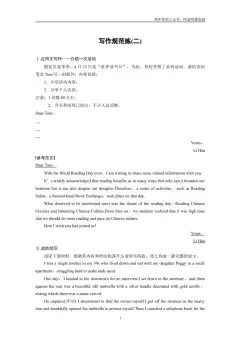
假定你是李华,你校将举办音乐节。请写封邮件邀请你的英国朋友Allen 参
加,内容包括:
(1)时间;
(2)活动安排;
(3)欢迎他表演节目。
【注意】
(1)词数100 左右;
(2)可以适当增加细节,以使行文连贯。
【参考范文】
Dear Allen,
You must have heard of the upcoming Music Festival to be held in our school.
Since you take much interest in music, I am writing to invite you to participate in the
festival with me.
As scheduled, it will be held on the playground from 5 p.m. to 8 p.m. next
Sunday. Additionally, sitting on the grass and enjoying the tasty food and drinks
provided by sponsors, we will be fully absorbed in the attractive and fascinating
performances. Furthermore, we also expect to see you on the stage then.
I’d be more than delighted if you could come and share this joyful moment with
me. Looking forward to your early reply.
Yours,
Li Hua
二、邀请信三要素
1.
交际目的(邀请参加)
2.
活动安排(时间地点,活动内容,收获感想)
3.
交际结尾(再次邀请,期待回信)
三、文章主题词
1.
邀请:invite
2.
参加:take part in; participate in; join in
3.
举办:be held; host; organize
4.
难忘/开心时刻:unforgettable/joyful moment
四、文章结构
(一)首段:邀请参加
1.【范文】
You must have heard of the upcoming Music Festival to be held in our school.
Since you take much interest in music, I am writing to invite you to participate in the
festival with me.
2.【亮点词汇句式】
(1)upcoming:即将到来的
(2)to be held:将要举行
(3)participate in:参加
3.【补充拓展】
开头句:
(1)I’d like to invite you to join us for a visit to...
(2)I’m writing to invite you to join us for a visit to...
(3)Would you like to join us for a visit to...
(二)中间段:时间地点+活动内容+收获感想
1.【范文】
As scheduled, it will be held on the playground from 5 p.m. to 8 p.m. next
Sunday. Additionally, sitting on the grass and enjoying the tasty food and drinks
provided by sponsors, we will be fully absorbed in the attractive and fascinating
performances. Furthermore, we also expect to see you on the stage then.
2.【亮点词汇句式】
(1)as scheduled:按计划
(2)additionally:此外
(3)be fully absorbed in:完全被……吸引
(4)attractive and fascinating performances:引人入胜的表演
(5)furthermore:此外
3.【补充拓展】
要点一:时间地点
(1)We’ll wait for you at the school gate at 9 o’clock in the morning and we should
be back around 4 o’clock in the afternoon.
(2)We’ll set off at 9 o’clock in the morning and will be back at about 4 o’clock in
the afternoon.
(3)If you are interested in this activity and want to join us, would you please be at
the school gate at 9 o’clock in the morning? We’ll probably get back at 4 o’clock in
the afternoon.
要点二:活动内容
(1)We’ll hold all kinds of activities related to music there. We’ll also spend some
fun time together singing, dancing and playing.
(2)We have organized various activities, including singing and dancing.
要点三:收获感想
(1)We hope you could perform on the stage.
(2)If you can perform on the stage, we will be happy to see it.
(3)Would you like to perform on the stage? We are looking forward to seeing it.
(三)尾段:再次邀请+期待回信
1.【范文】
I’d be more than delighted if you could come and share this joyful moment
with me. Looking forward to your early reply.
2.【亮点词汇句式】
(1)share this joyful moment:分享快乐时刻
3.【补充拓展】
结尾句:
(1)Your earliest reply will be appreciated!
通知信
一、真题范文
假定你是李华,正在教你的英国朋友Leslie 学习汉语。请你写封邮件告知
下次上课的计划。内容包括:
(1)时间和地点;
(2)内容:学习唐诗;
(3)课前准备:简要了解唐朝的历史。
【注意】
(1)词数100 左右;
(2)可以适当增加细节,以使行文连贯。
Dear Leslie,
How are you? I’m writing to tell you about your next Chinese lesson.
We’ll still meet at my school, but not on Saturday as usual, since I’ll have to
participate in a sporting activity that day. So let’s make it three o’clock on Sunday
afternoon.
As you know, in order to acquire a good knowledge of Chinese, you should learn
more about Chinese culture and history. Therefore, this time I will introduce Tang
Poetry to you, which is of great help in learning Chinese. I advise you to learn about
the brief history of the Tang dynasty in advance. It will surely help you in learning the
poems.
Looking forward to hearing from you soon.
Yours,
Li Hua
二、通知信三要素
1.
交际目的(告知通知)
2.
活动安排(时间地点,参与人员,特殊要求)
3.
交际结尾(期待回复)
三、文章主题词
1.
通知:inform; tell
2.
学习:acquire; learn about sth.; learn from sb.
3.
报名:sign up
四、文章结构
(一) 首段:告知“通知”
1.【范文】
How are you? I’m writing to tell you about your next Chinese lesson.
(二) 中间段:时间地点+参与人员+特殊要求
1.【范文】
We’ll still meet at my school, but not on Saturday as usual, since I’ll have to
participate in a sporting activity that day. So let’s make it three o’clock on Sunday
afternoon.
As you know, in order to acquire a good knowledge of Chinese, you should
learn more about Chinese culture and history. Therefore, this time I will introduce
Tang Poetry to you, which is of great help in learning Chinese. I advise you to learn
about the brief history of the Tang dynasty in advance. It will surely help you in
learning the poems.
2.【亮点词汇句式】
(1)as usual:像往常一样
(2)acquire a good knowledge of Chinese:学好中文知识
(3)is of great help:非常有帮助
(4)in advance:提前
(三) 结尾段:期待回复
1.【范文】
I’m looking forward to your pleasant reply.
2.【补充拓展】
(1)Looking forward to hearing from you soon.
(2)I am looking forward to receiving your reply.
经典范文:
一、邀请信
1.
假定你是李华。你市博物院将举行中国传统民俗文化展,请给你校交换生
Peter 写一封电子邮件。要点如下:
(1)展览时间;
(2)展览内容;
(3)邀请参加。
【注意】
(1)词数100 左右;
(2)可以适当增加细节,以使行文连贯。
Dear Peter,
I’m Li Hua. I have some good news to tell you that our city museum will hold a
special exhibition to make the Chinese traditional folk cultures well known, so I’m
writing to invite you to visit it with me.
Now I will give you a detailed description of the exhibition. It will start from
April 6 and end on May 6th. There will be a total of 1,000 items to be showed at the
exhibition and many of them are traditional Chinese festival decorations such as
Spring Festival couplets and lanterns. The exhibition will not only present us with
antique collections, but will also allow the audience to involve themselves in the
cultural atmosphere of ancient China. Let’s decide on the date if you’re free.
Looking forward to your reply.
Yours sincerely,
Li Hua
2.
假定你是李华,你和几个朋友打算去参观茶园,想邀请美国交流生Henry 同
往。请你给他写封邮件告知活动安排。内容包括:
(1)时间和地点;
(2)学习如何沏茶,品茶;
(3)介绍中国茶文化的历史和发展。
【注意】
(1)词数100 左右;
(2)可以适当增加细节,以使行文连贯。
Dear Henry,
I’ve learned that you are interested in Chinese tea culture, and some of my
friends plan to pay a visit to the tea garden near our school this Sunday. I wonder if
you could join us.
I think it will be an enjoyable experience for you to learn some history and
development of Chinese tea culture there. And I bet you will be impressed by the
traditional craftsmanship of making tea, which includes washing the tea pots, adding
tea leaves, and pouring water into the cups. And then you could taste the tea made by
yourself.
I am looking forward to your reply. With best wishes!
Yours,
Li Hua
二、通知信
3.
假定你住在一个涉外小区,社区委员会请你帮忙用英文以短文的形式写一封
电子邮件,将周末农家采摘活动的安排传达给住户。要点包括:
(1)时间:下周六上午8:00 至11:00;
(2)内容:采摘苹果;
(3)报名:下周四下午5:00 前:社区办公室;
(4)提示:带帽子,手套等。
【注意】
(1)词数80 左右;
(2)可适当增加细节以使行文连贯。
Hi, everyone,
We’ll hold a meaningful activity—picking apple. The activity is intended to help
us know our neighbors in a relaxing way. At the same time, we can get refreshed and
feel more energetic. The picking will go on from 8:00 am. to 11:00 am. next Saturday
and welcome all of the people in our community to join in the activity.
To participate in the activity, you should sign your name in the office before 5:00
pm. next Thursday, which is the deadline! Don’t miss it! Attention! It is suggested
that all the people should wear a hat and a pair of gloves because there will be a lot of
leaves or dirty things, and they will make your head and hands dirty.
Be active, everyone in our community!
The Community Board
4.
假如你是某学校的学生会主席李华,为丰富同学们的课外生活,缓解学习压
力,亲近大自然,你校将于本周六组织大家爬山。请你代表学生会以短文形式写
一份书面通知,主要内容如下:
(1)活动时间:本周六上午8:00 至下午6:00;
(2)地点:早上8:00 校门口集合;
(3)要求:穿旅游鞋,带水;想去的同学需在本周三之前在学生会处报名。
【注意】
(1)词数80 左右;
(2)可适当增加细节,以使行文连贯。
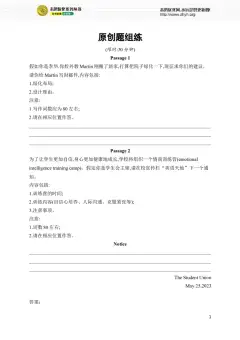
Notice
In order to enrich the students’ after-class activities, release the heavy burdens
from heavy study work and make the students get close to nature, a mountain
climbing activity will be organized by our school union. We will start at 8:00 a.m. on
Saturday morning at the school gate and end at 6:00 p.m.. Please wear the hiking
shoes in order not to get your feet hurt and at the same time, please remember to bring
the drinking water.
Those who are willing to participate in it should sign up at the School Council
before this Wednesday.
We sincerely hope that you will not miss the chance and wish you have great
fun.
Student Council