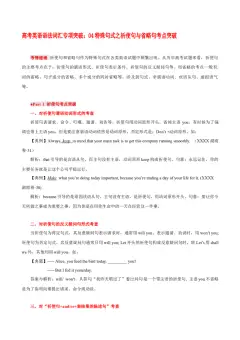
专题06 祈使句+省略句
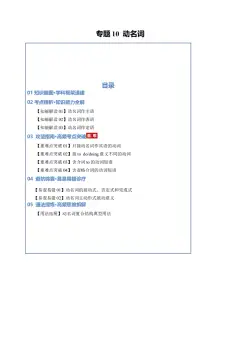
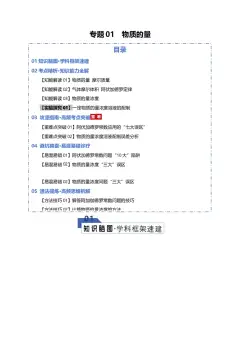
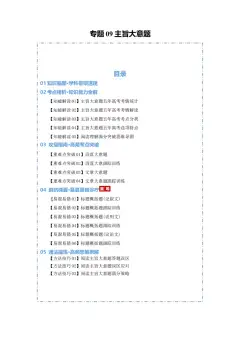
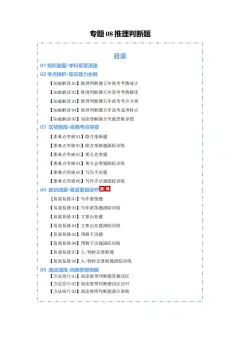
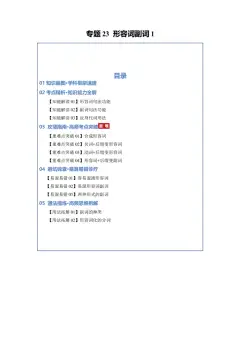
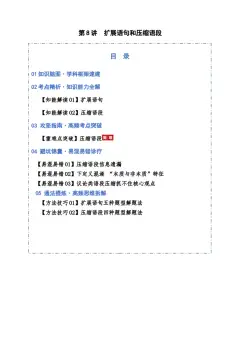
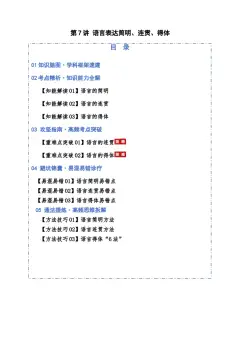
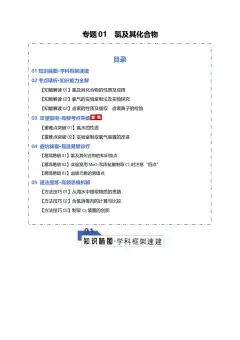
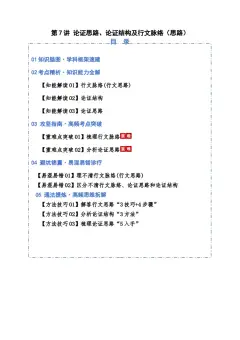
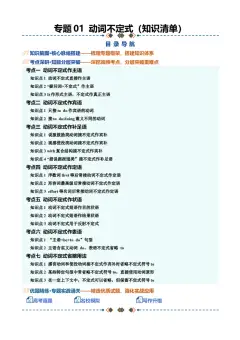
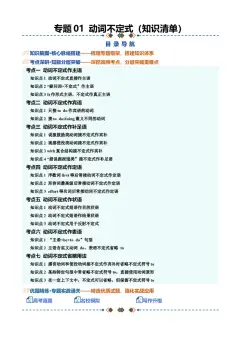
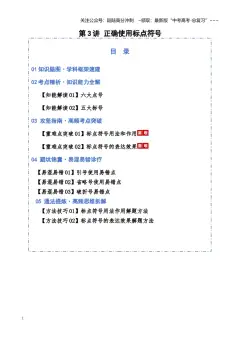
目录
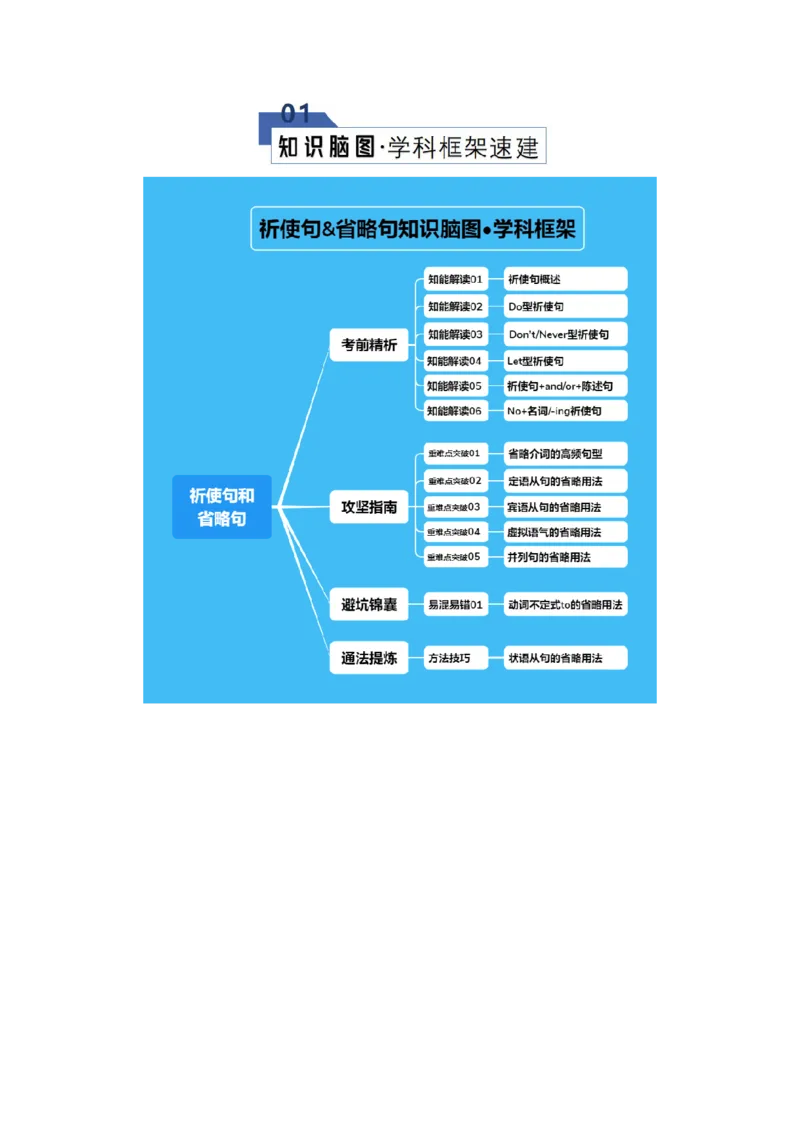
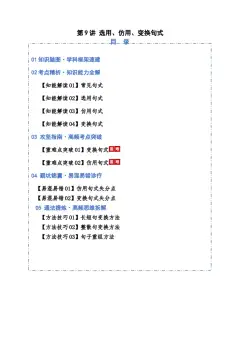
01 知识脑图·学科框架速建
02 考点精析·知识能力全解
【知能解读01】祈使句概述
【知能解读02】Do 型祈使句
【知能解读03】Don’t/Never 型祈使句
【知能解读04】Let 型祈使句
【知能解读05】祈使句+and/or+陈述句
【知能解读06】No+名词/-ing 祈使句
03 攻坚指南·高频考点突破
【重难点突破01】省略介词的高频句型
【重难点突破02】定语从句的省略用法
【重难点突破03】宾语从句的省略用法
【重难点突破04】虚拟语气的省略用法
【重难点突破05】并列句的省略用法
04 避坑锦囊·易混易错诊疗
【易混易错01】动词不定式to 的省略用法
05 通法提炼·高频思维拆解
【方法技巧】状语从句的省略用法
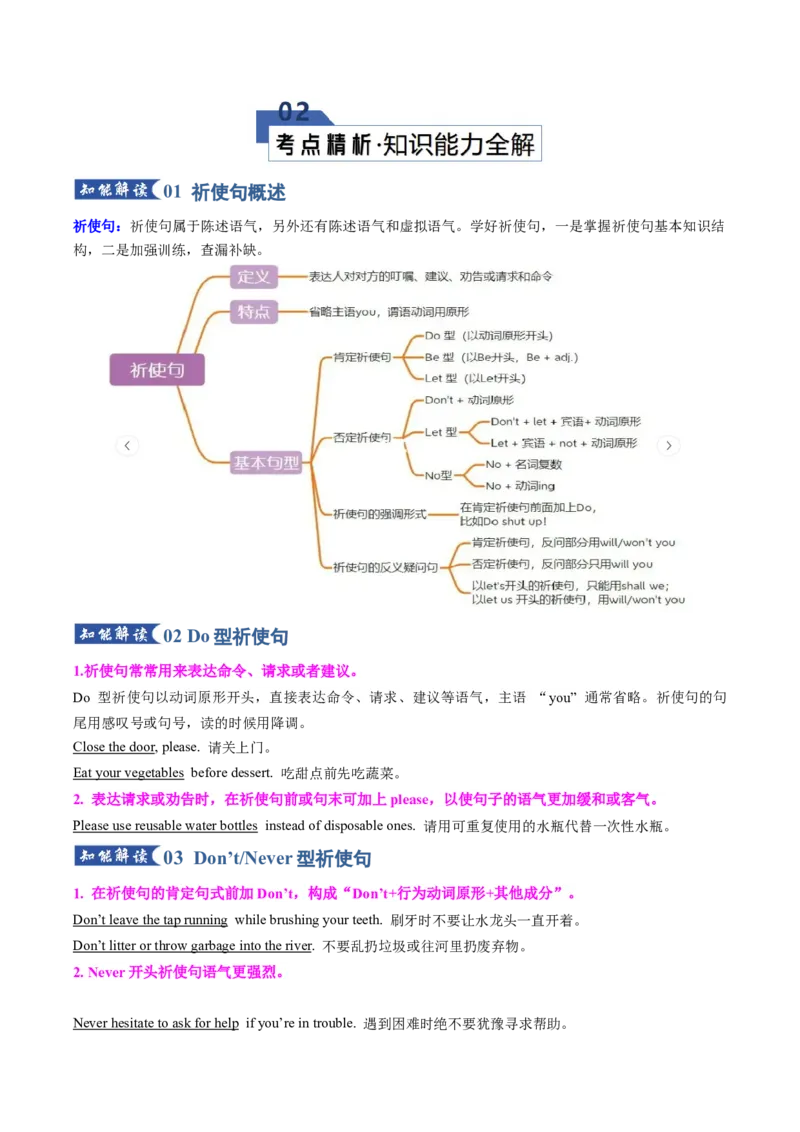
01 祈使句概述
祈使句:祈使句属于陈述语气,另外还有陈述语气和虚拟语气。学好祈使句,一是掌握祈使句基本知识结
构,二是加强训练,查漏补缺。
02 Do 型祈使句
1.祈使句常常用来表达命令、请求或者建议。
Do 型祈使句以动词原形开头,直接表达命令、请求、建议等语气,主语 “you” 通常省略。祈使句的句
尾用感叹号或句号,读的时候用降调。
Close the door, please. 请关上门。
Eat your vegetables before dessert. 吃甜点前先吃蔬菜。
2. 表达请求或劝告时,在祈使句前或句末可加上please,以使句子的语气更加缓和或客气。
Please use reusable water bottles instead of disposable ones. 请用可重复使用的水瓶代替一次性水瓶。
03 Don’t/Never 型祈使句
1. 在祈使句的肯定句式前加Don’t,构成“Don’t+行为动词原形+其他成分”。
Don’t leave the tap running while brushing your teeth. 刷牙时不要让水龙头一直开着。
Don’t litter or throw garbage into the river. 不要乱扔垃圾或往河里扔废弃物。
2. Never 开头祈使句语气更强烈。
Never hesitate to ask for help if you’re in trouble. 遇到困难时绝不要犹豫寻求帮助。
Never ignore the importance of wearing a seatbelt. 绝不要忽视系安全带的重要性。
★易错提醒:否定祈使句构成反意疑问句,附加问句用肯定形式。
Never litter in the park, will you?  绝对不要在公园乱扔垃圾,好吗?
04 Let 型祈使句
带有第一人称主语的祈使句通常以Let 开头,其结构为:
1. Let+me/us+谓语动词原形或Let’s+谓语(动词原形)+其它。Let us 不包括说话者,而Let’s 则包括
说话者。
Let me introduce myself first. 让我先自我介绍一下。
Let me show you how to use this machine. 让我教你怎么用这台机器。
Let us work together to protect the environment. 让我们共同努力保护环境。
Let us know if you need any help. 如果需要帮助,请告诉我们。
2. Let’s …结构构成反意疑问句,附加问句用“shall we?”。
Let’s have a cup of coffee after work, shall we? 下班后我们喝杯咖啡吧,好吗?
3. Let us... 后接 will you(当表示 “请求对方允许我们做某事”时):
Let us leave, will you? 请允许我们离开,好吗?
05 祈使句+and/or+陈述句
“祈使句+and/or+陈述句”该句型相当于“if 引导的条件状语从句+主句”。
1. and 表示顺承关系, or/otherwise 表示转折关系,and/or 后面用“will +动词原形”。
Save water every day, and we can protect the planet. 每天节约用水,我们就能保护地球。
Wear a coat, or you’ll catch a cold. 穿上外套,不然你会感冒的。
Follow the rules, or you’ll get into trouble. 遵守规则,否则你会惹上麻烦。
2. 有时该句型中祈使句可以省略为名词词组,变为“(动词)+名词短语+and/or+主句”。
A little patience, and the problem will be solved. 多点耐心,问题就会解决。
One wrong move, or you’ll fall off the cliff. 一步走错,你就会掉下悬崖。
06 No+名词/-ing 祈使句
在公共场合的提示语中,否定祈使句常用“No+名词/V-ing 形式”结构,表示“禁止做某事”。
No parking! 禁止停车!
No entry! 禁止入内!
No food or drink! 禁止饮食!
No littering! 禁止乱扔垃圾!
No spitting! 禁止随地吐痰!
【跟踪训练】单项填空:每道题均有一个最佳答案。
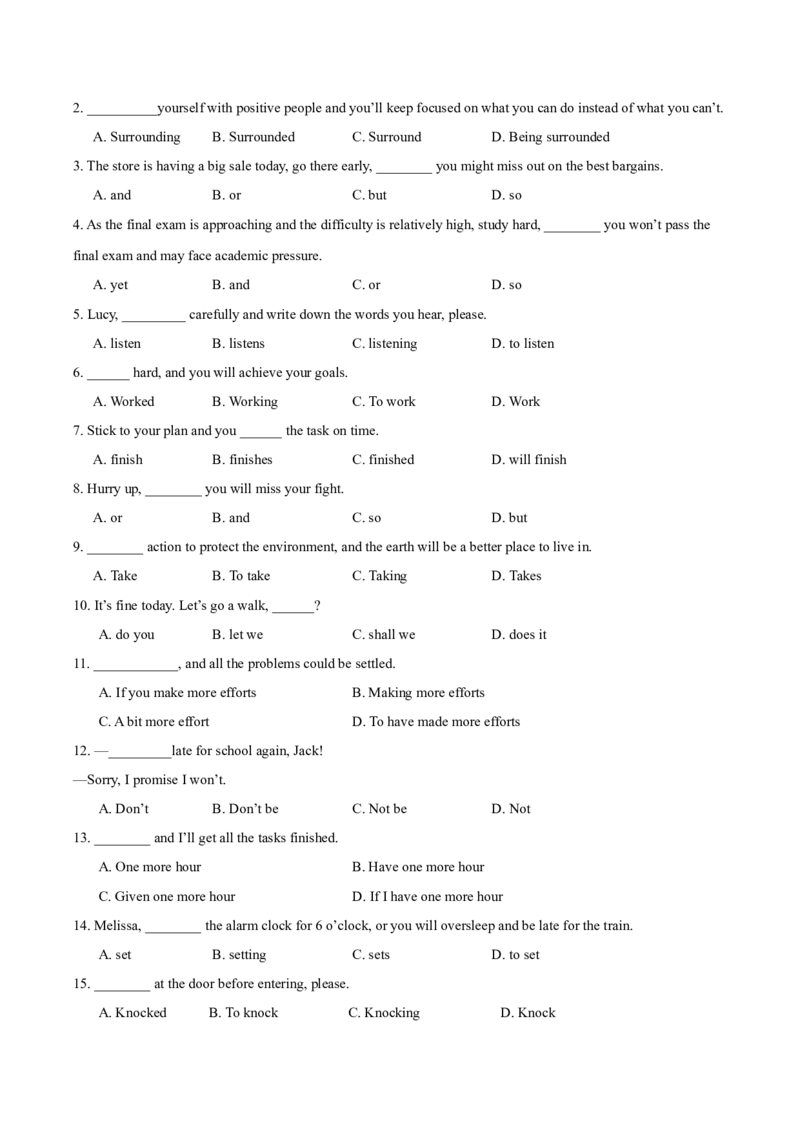
1. ________ everything bad from it and you won’t feel disappointed when it happens.
A. Expecting
B. Expect
C. Having expected
D. To expect
2. __________yourself with positive people and you’ll keep focused on what you can do instead of what you can’t.
A. Surrounding
B. Surrounded
C. Surround
D. Being surrounded
3. The store is having a big sale today, go there early, ________ you might miss out on the best bargains.
A. and
B. or
C. but
D. so
4. As the final exam is approaching and the difficulty is relatively high, study hard, ________ you won’t pass the
final exam and may face academic pressure.
A. yet
B. and
C. or
D. so
5. Lucy, _________ carefully and write down the words you hear, please.
A. listen
B. listens
C. listening
D. to listen
6. ______ hard, and you will achieve your goals.
A. Worked
B. Working
C. To work
D. Work
7. Stick to your plan and you ______ the task on time.
A. finish
B. finishes
C. finished
D. will finish
8. Hurry up, ________ you will miss your fight.
A. or
B. and
C. so
D. but
9. ________ action to protect the environment, and the earth will be a better place to live in.
A. Take
B. To take
C. Taking
D. Takes
10. It’s fine today. Let’s go a walk, ______?
A. do you
B. let we
C. shall we
D. does it
11. ____________, and all the problems could be settled.
A. If you make more efforts
B. Making more efforts
C. A bit more effort
D. To have made more efforts
12. —_________late for school again, Jack!
—Sorry, I promise I won’t.
A. Don’t
B. Don’t be
C. Not be
D. Not
13. ________ and I’ll get all the tasks finished.
A. One more hour
B. Have one more hour
C. Given one more hour
D. If I have one more hour
14. Melissa, ________ the alarm clock for 6 o’clock, or you will oversleep and be late for the train.
A. set
B. setting
C. sets
D. to set
15. ________ at the door before entering, please.
A. Knocked      B. To knock          C. Knocking
        D. Knock
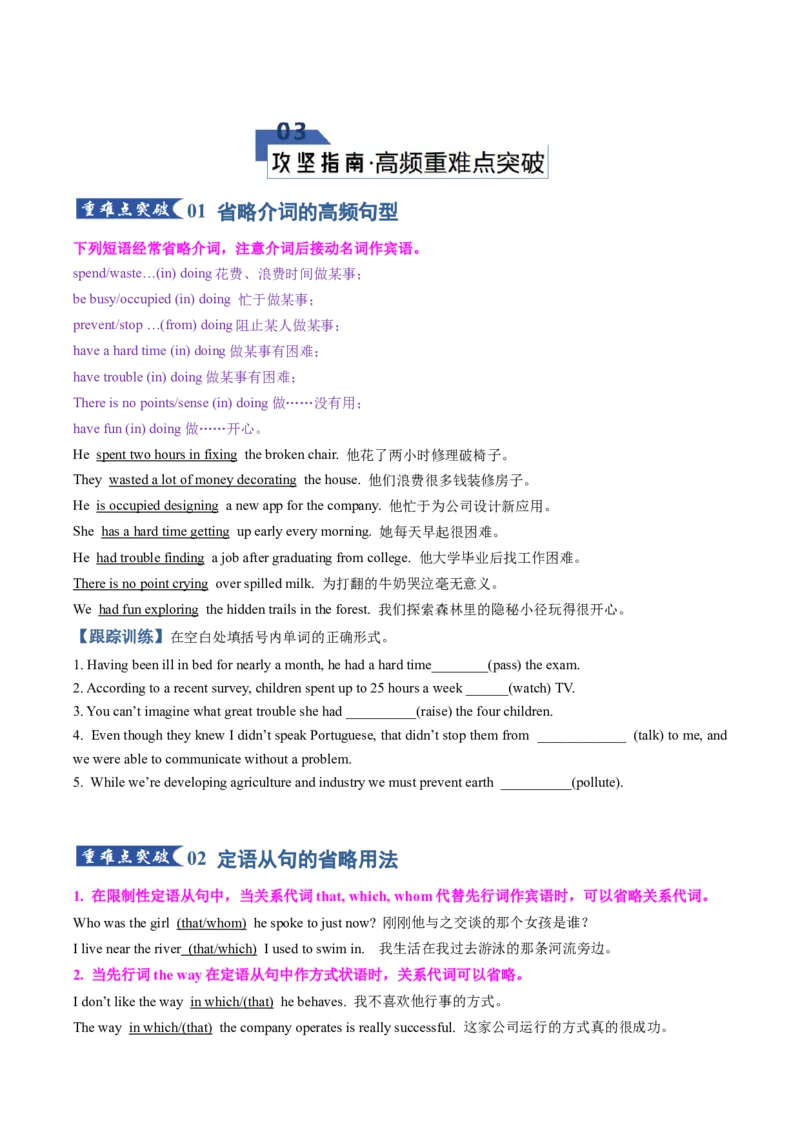
01 省略介词的高频句型
下列短语经常省略介词,注意介词后接动名词作宾语。
spend/waste…(in) doing 花费、浪费时间做某事;
be busy/occupied (in) doing 忙于做某事;
prevent/stop …(from) doing 阻止某人做某事;
have a hard time (in) doing 做某事有困难;
have trouble (in) doing 做某事有困难;
There is no points/sense (in) doing 做……没有用;
have fun (in) doing 做……开心。
He spent two hours in fixing the broken chair. 他花了两小时修理破椅子。
They wasted a lot of money decorating the house. 他们浪费很多钱装修房子。
He is occupied designing a new app for the company. 他忙于为公司设计新应用。
She has a hard time getting up early every morning. 她每天早起很困难。
He had trouble finding a job after graduating from college. 他大学毕业后找工作困难。
There is no point crying over spilled milk. 为打翻的牛奶哭泣毫无意义。
We had fun exploring the hidden trails in the forest. 我们探索森林里的隐秘小径玩得很开心。
【跟踪训练】在空白处填括号内单词的正确形式。
1. Having been ill in bed for nearly a month, he had a hard time________(pass) the exam.
2. According to a recent survey, children spent up to 25 hours a week ______(watch) TV.
3. You can’t imagine what great trouble she had __________(raise) the four children.
4. Even though they knew I didn’t speak Portuguese, that didn’t stop them from ____________ (talk) to me, and
we were able to communicate without a problem.
5. While we’re developing agriculture and industry we must prevent earth __________(pollute).
02 定语从句的省略用法
1. 在限制性定语从句中,当关系代词that, which, whom 代替先行词作宾语时,可以省略关系代词。
Who was the girl (that/whom) he spoke to just now? 刚刚他与之交谈的那个女孩是谁?
I live near the river (that/which) I used to swim in.  我生活在我过去游泳的那条河流旁边。
2. 当先行词the way 在定语从句中作方式状语时,关系代词可以省略。
I don’t like the way in which/(that) he behaves. 我不喜欢他行事的方式。
The way in which/(that) the company operates is really successful. 这家公司运行的方式真的很成功。
★易错提醒:关系代词that, which, who 在定语从句作主语时不能省略。
My brother, who lives in Paris, is an artist. 我哥哥住在巴黎,他是一名艺术家。
The house, which was built in 1920, is a historical landmark. 那座建于 1920 年的房子是一处历史地标。
【跟踪训练】在空白处填1 个适当的单词。
1. Then a man came in with his son, _________ wanted to buy ice cream, too.
2. Back to the gas station, I offered her the bag, ______ she gladly accepted.
3. I have an American friend, Marianne, _________ lives alone but has a pet dog, Sparky.
4. In the cafe, customers will enjoy themselves in the historical environment _________is created for them.
5. They were well trained by their masters _________ had great experience with caring for these animals.
03 宾语从句的省略用法
1. 谓语动词后的宾语从句,由that 引导时,连接词that 可以省略。
He believes (that) hard work leads to success. 他相信努力工作会带来成功。
Everybody knows (that) protecting the environment means a lot. 每个人都知道保护环境很重要。
2. 在并列宾语从句中,第一个that 可以省略,第二个及之后的that 不可以省略。
She said (that) she would come and that she would bring a gift. 她说她会来,还说会带一份礼物。
I noticed (that) the door was open and that someone had entered the room.
我注意到门是开着的,而且有人进过房间。
3. 在英语中,可以用so, not 或其他方式来省略上文或问句中的一部分或整个句子。
—Is he coming back tonight?他今晚回来吗?
—I think so/not.我认为会回来(不会回来)。
--Is there a mistake in the report?" 报告里有错误吗?
---I'm afraid so(= I'm afraid there is a mistake in the report). I’ll correct it immediately.
恐怕是的。我马上修改。
--Will it rain tomorrow? 明天会下雨吗?
--I hope not (=I hope it will not rain tomorrow). We’ve planned a picnic. 希望不会。我们计划了野餐。
04 虚拟语气的省略用法
1. 在含有were, had, should 的if 引导虚拟条件句中常可以省略if 而将were, had, should 置于句首。
Were I you (=If I were you), I would accept the offer. 如果我是你,我会接受这个提议。
Had we known the truth earlier(= If we had known the truth earlier), we could have avoided the mistake.
如果我们早知道真相,就能避免这个错误了。
Should it rain tomorrow(= If it should rain tomorrow), the sports meeting would be canceled.
万一明天下雨,运动会就会取消。
2. 表示“命令、要求、建议”等意义的名词性从句中用“should+动词原形”,should 常可省略。
The doctor suggested that she (should) rest for at least a week. 医生建议她至少休息一周。
It is necessary that we (should) take immediate action. 我们有必要立即采取行动。
There was a demand that the rules (should) be changed immediately. 有人要求立即修改这些规则。
【跟踪训练】在空白处填1 个适当的单词或括号内单词的正确形式。
1.        (be) I Jane, I would make a weight loss plan.
2.         (have) they known their neighbour was a drummer, they wouldn’t have moved into the building.
3. It is requested that some measures         (take) to stop “white pollution”.
4. It is requested that these fruits and vegetables           (transport) by train.
5. Last year, a doctor advised she        (eat) more vegetables and fruits.
6. The teacher’s requirement is that every student         (involve)in the plan or they won’t pass the final exam.
7. My demand is that the information referred to in my report         (email) to Mr Brown without delay.
8. His proposal that the system             (improve) got rejected by the boss.
9. It is high time that we          (seek) help from the media.
10.            you arrived at the station earlier, you could have caught the train.
05 并列句的省略用法
在并列句中,后一个分句常省略与前一个分句中相同的部分,如主语,谓语,宾语等,以使句子更加
简洁明了。
He works as a doctor and his wife (works) a teacher.他是个医生,他妻子是个老师。
My brother stayed up late and (he)

   managed to finish the important project.
我哥哥熬夜很晚,并且完成了一项重要的项目。
The one side of the board is painted red and the other (side of the board was painted) yellow.
这个板子的一面被粉刷成红色,另一面被粉刷成黄色。
Jim won the first prize and Peter (won)

   the second(prize)

 .吉姆赢得了一等奖,彼得赢得了二等奖。
 动词不定式to 的省略用法
1. 感官动词see, watch, notice 等和使役动词have, make 等接不定式作宾补时省略to,注意被动语态
中to 应加上。
I saw him

   cross

  the road. 我看见他过了马路。
He was seen

   to cross

  the road. 有人看见他过了马路。
The teacher made the students

   clean

  the classroom. 老师让学生们打扫教室。
The students were made

   to clean

  the classroom. 学生们被要求打扫教室。
2. 在一些高频句型中常常省略不定式符号to:
may as well do sth   最好还是做……
had better do          最好做某事
do nothing but do sth 别无选择只好做某事
can’t help but do sth. 禁不住做某事
Why not do sth?    何不做某事?
prefer to do…rather than do sth 宁愿做……而不愿做……
would rather do…than do… 宁愿做……而不愿做……
It’s raining. You might as well

   stay

  here. 在下雨,你最好还是待在这里。
He was so tired that he could do nothing but sleep. 他太累了,只能睡觉。
When I saw the funny movie, I couldn’t help but laugh. 我看那部搞笑电影时,忍不住笑了。
I prefer to walk

   to school rather than

   take

  a bus. 我宁愿步行去上学也不愿坐公交车。
3. 在一定的上下文中,为了避免重复,有时不定式可以省略,但通常保留不定式符号to。注意,不
定式后面是动词be 时,be 应保留。
He can’t swim as fast as he used

   to (swim)

 .(他游泳不如以前快了。
My parents encouraged me to apply for the job, and I decided

   to  .我父母鼓励我申请那份工作,我决定申请。
Being kind is more important than just pretending to be.(善良比仅仅假装善良更重要。
【跟踪训练】单句改错。
1. The librarian will let you to know when the book has been returned.
2. The boy wanted to ride his bicycle in the street, but his mother told him not to do.
3. I lost my keys in the office so I could do nothing but to wait for my mother.
4. As we all know, China is no longer the country it used to.
5. The young girl was observed enter the office silently.
6. Rather than to ride on a crowded bus, he always prefers to ride a bicycle.
 状语从句的省略用法
1. 在时间、条件、让步等状语从句中,如果主句的主语与从句的主语一致,或状语从句的主语为it,
且从句中含有be 动词时,可以将状语从句的主语和be 动词省略掉。
If (it is) necessary, I will turn to him for some suggestions.如果有必要,我会向他求助寻求些建议的。
You can put the box wherever (it is) convenient. 你可以把盒子放在任何方便的地方。
While enjoying

   painting

 , she doesn’t have much time for it. 虽然她喜欢画画,但没太多时间投入。
2.“从属连词+现在分词”表示该动作与句子主语之间的主动关系;“从属连词+过去分词”表示该动
作与句子主语之间的被动关系。
When (she was) walking along the street, she met an old friend.当她在街上走时,遇到了一位老朋友。
Once (it is) printed, the report will be distributed to all departments.报告一旦打印好,就会分发给所有部门。
★易错提醒:before 和after 后接动词,只能接动名词作宾语。
He became more confident after winning

   the competition

 . 赢得比赛后,他变得更自信了。
The document needs to be reviewed before being submitted.文件在提交前需要审核。
【跟踪训练】在空白处填1 个适当的单词或括号内单词的正确形式。
1. Though          (warn) about the danger, the hikers still decided to climb the icy mountain.
2. While          (process) the data, she realized there were several errors that needed immediate attention.
3. If          (recycle) properly, materials can be reused, reducing waste and conserving natural resources.
4. Unless          (invite) to speak, you should remain silent at the conference.
5. When          (chat) with others, he uses different identities.
6. Though not officially          (confirm), the rumor about the company’s merger has spread widely in the
business circle.
7. The AI technology can enable educators to bring personalized learning to the classroom if          (apply) in a
proper way.
8. When              (expose) to the difficulties and failures, we must overcome them.
9. When          (locate) a business, managers should consider whether the professional team can be set up.
10. Although          (seat) quietly at the corner, he was actually pondering deeply over the complex problem.
一、单项填空
1. The new technology in the movie Ne Zha II is so amazing that it makes the characters ________ vividly on the
screen.
A. to come
B. come
C. coming
D. came
2. When ________ to danger and conflict, people’s blood pressure tends to increase.
A. to expose
B. exposing
C. exposed
D. being exposed
3. Although first _______ almost 200 years ago, the novels of Jane Austin have remained popular around the world.
A. publishing
B. being published
C. published
D. was published
4. Rather than ________ a bus to her workplace, Susan prefers ________ a taxi.
祈使句和省略句综合能力提升
A. to take, take
B. take; taking
C. take; to take
D. to take; to take
5. —Will the Smiths leave for Australia this spring?
—No, they finally decided ________.
A. not to
B. not leaving
C. not to do
D. not to be leaving
6. —Do you often have someone_______your clothes?
—Yes, I often have them_______.
A. wash; to wash    B. to wash; washed  C. washed; wash         D. wash; washed
7. ________ the truth, he wouldn’t have lent her any money.
A. Jack has known
B. Had Jack known
C. Should Jack know
D. If Jack known
8. When ________ different cultures, we often focus our attention on the differences without noticing the
similarities.
A. Having comparedB. comparing
C. being compared
D. compared
9. When properly ________by students, these strategies help them build confidence in public speaking.
A. to accept
B. accept
C. accepting
D. accepted
10. Though ________ with technical failures, the engineers never stopped improving the techniques.
A. facing
B. having faced
C. faced
D. being faced
二、单句填空
1. Let’s go and work out in the gym,          we?
2. Don’t refer to your notes when answering questions,          you?
3. Let’s look at these views in more detail,           we?
4. Have a little more coffee,            you?
5. Let John finish the work all by himself,              ?
6. Do pay attention to my work and keep your eyes open all the time,             ?
7. –Alice, you feed the bird today,        you?
---But I fed it yesterday.
8. We forgot to bring our tickets, but please let us enter,          you?
9. The committee has recommended that the training program             (improve) .
10. It is desirable that atomic energy             (use) for peaceful purpose.
11.        (be) I Mary, I would make a weight loss plan.
12. What do you think of his proposal that the meeting             (put) off to next week?
13. She recommended that the sports meeting          (put) off because of the exam.
14.         (have) they known their neighbour was a drummer, they wouldn’t have moved into the building.
15. The aim of the project is        (provide) better services for the community.