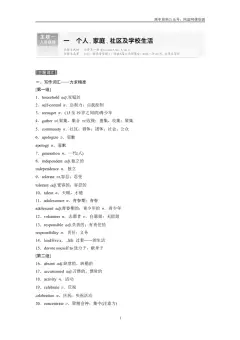
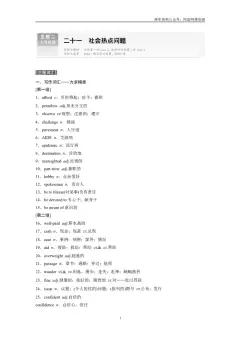
核心词汇
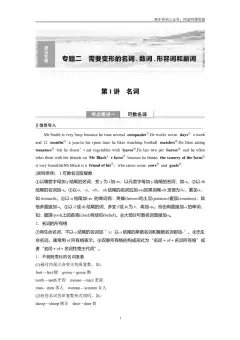
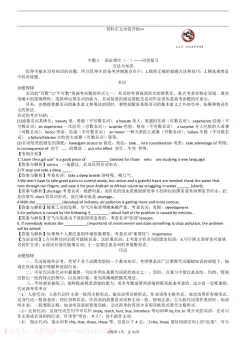
知识体系:
章节概述:
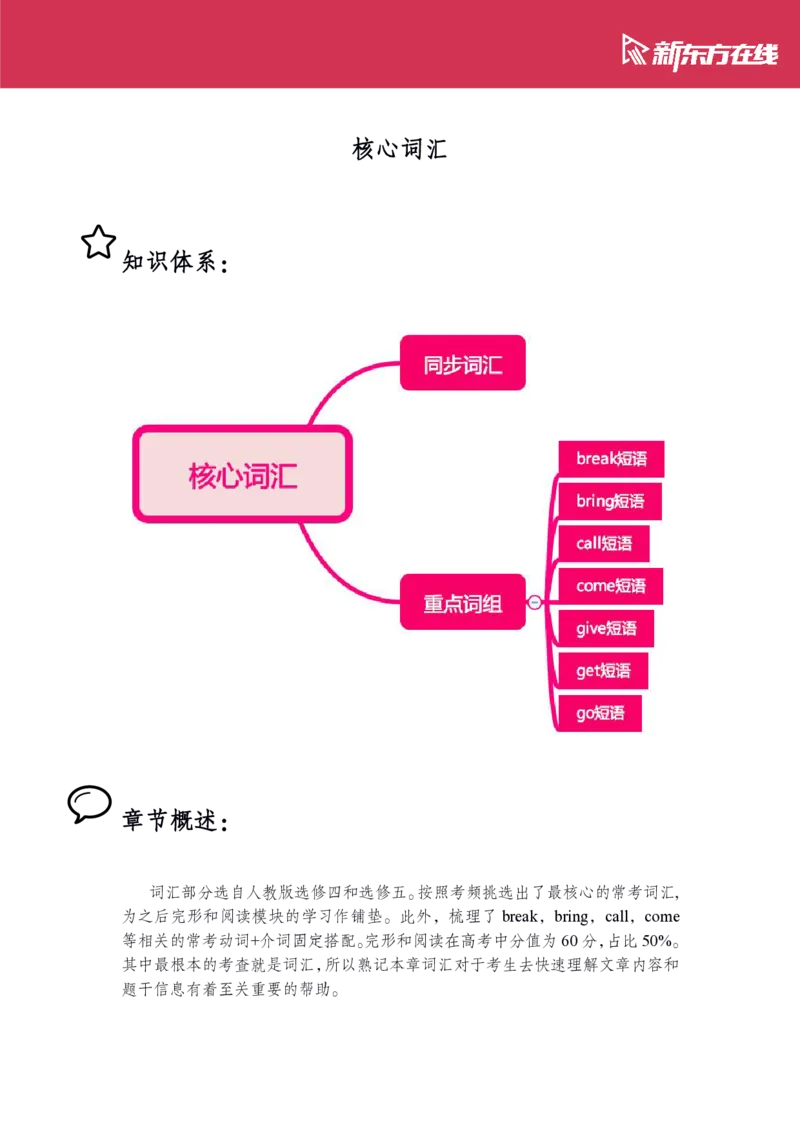
词汇部分选自人教版选修四和选修五。按照考频挑选出了最核心的常考词汇,
为之后完形和阅读模块的学习作铺垫。此外,梳理了break,bring,call,come
等相关的常考动词+介词固定搭配。完形和阅读在高考中分值为60 分,占比50%。
其中最根本的考查就是词汇,所以熟记本章词汇对于考生去快速理解文章内容和
题干信息有着至关重要的帮助。
知识清单:
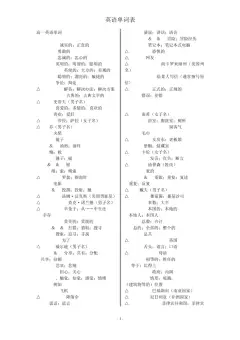
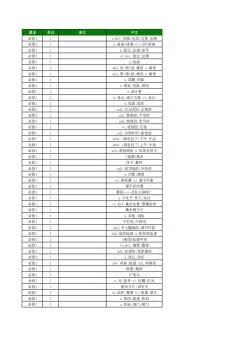
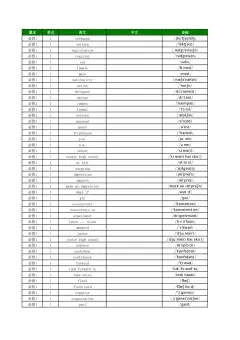
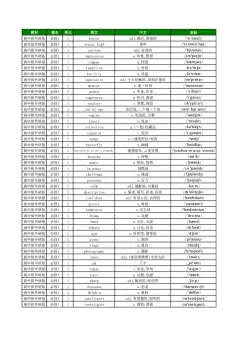
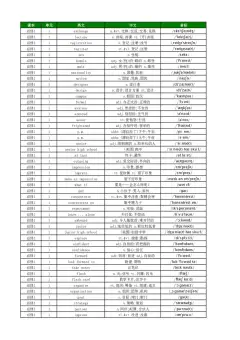
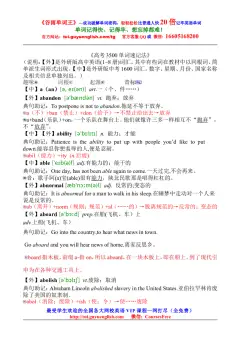
同步词汇
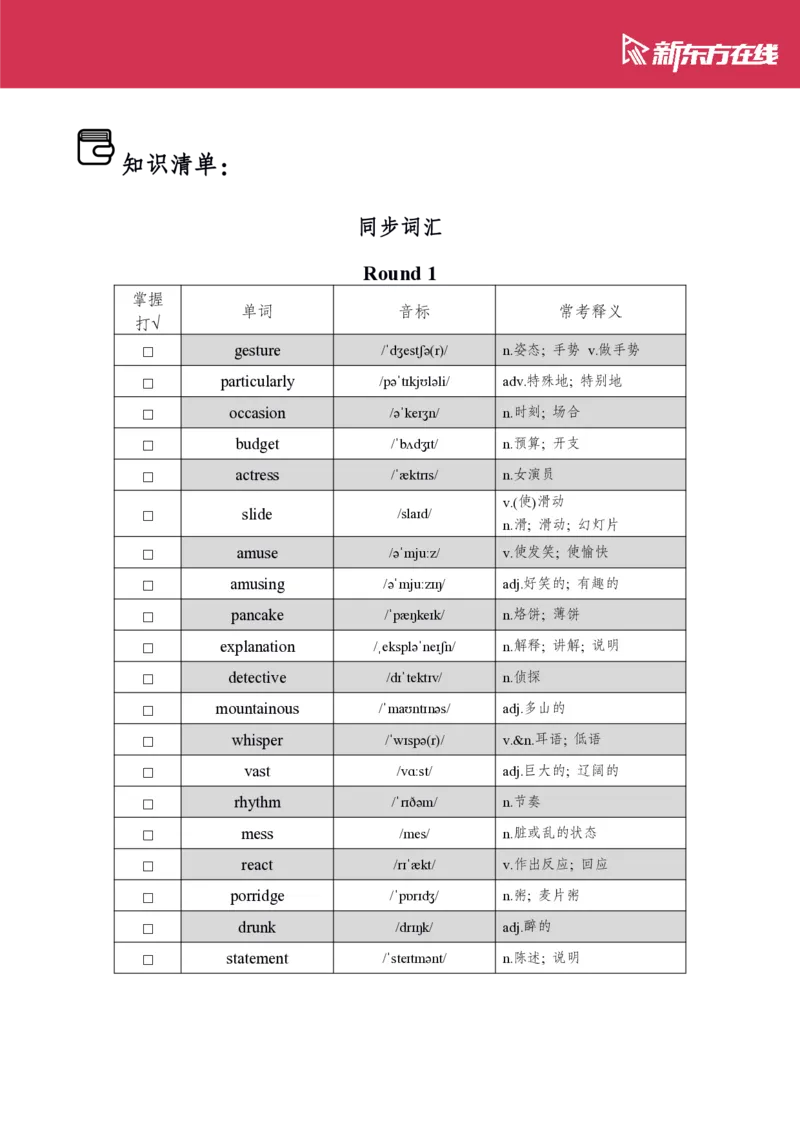
Round 1
掌握
打√
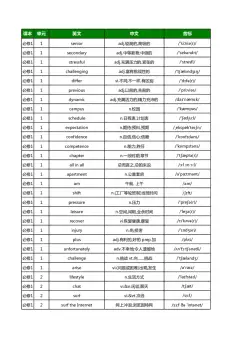
单词
音标
常考释义
☐
gesture
/ˈdʒestʃə(r)/
n.姿态; 手势v.做手势
☐
particularly
/pəˈtɪkjʊləli/
adv.特殊地; 特别地
☐
occasion
/əˈkeɪʒn/
n.时刻; 场合
☐
budget
/ˈbʌdʒɪt/
n.预算; 开支
☐
actress
/ˈæktrɪs/
n.女演员
☐
slide
/slaɪd/
v.(使)滑动
n.滑; 滑动; 幻灯片
☐
amuse
/əˈmjuːz/
v.使发笑; 使愉快
☐
amusing
/əˈmjuːzɪŋ/
adj.好笑的; 有趣的
☐
pancake
/ˈpæŋkeɪk/
n.烙饼; 薄饼
☐
explanation
/ˌekspləˈneɪʃn/
n.解释; 讲解; 说明
☐
detective
/dɪˈtektɪv/
n.侦探
☐
mountainous
/ˈmaʊntɪnəs/
adj.多山的
☐
whisper
/ˈwɪspə(r)/
v.&n.耳语; 低语
☐
vast
/vɑːst/
adj.巨大的; 辽阔的
☐
rhythm
/ˈrɪðəm/
n.节奏
☐
mess
/mes/
n.脏或乱的状态
☐
react
/rɪˈækt/
v.作出反应; 回应
☐
porridge
/ˈpɒrɪdʒ/
n.粥; 麦片粥
☐
drunk
/drɪŋk/
adj.醉的
☐
statement
/ˈsteɪtmənt/
n.陈述; 说明
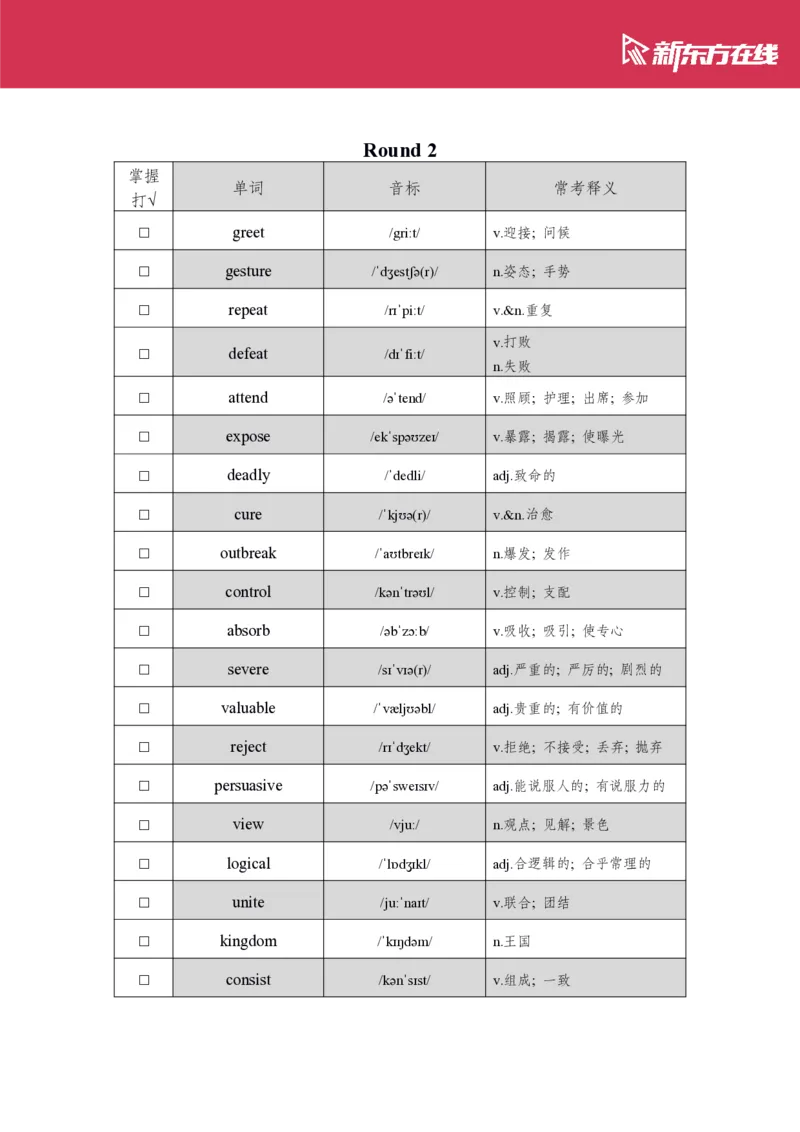
Round 2
掌握
打√
单词
音标
常考释义
☐
greet
/griːt/
v.迎接; 问候
☐
gesture
/ˈdʒestʃə(r)/
n.姿态; 手势
☐
repeat
/rɪˈpiːt/
v.&n.重复
☐
defeat
/dɪˈfiːt/
v.打败
n.失败
☐
attend
/əˈtend/
v.照顾; 护理; 出席; 参加
☐
expose
/ekˈspəʊzeɪ/
v.暴露; 揭露; 使曝光
☐
deadly
/ˈdedli/
adj.致命的
☐
cure
/ˈkjʊə(r)/
v.&n.治愈
☐
outbreak
/ˈaʊtbreɪk/
n.爆发; 发作
☐
control
/kənˈtrəʊl/
v.控制; 支配
☐
absorb
/əbˈzɔːb/
v.吸收; 吸引; 使专心
☐
severe
/sɪˈvɪə(r)/
adj.严重的; 严厉的; 剧烈的
☐
valuable
/ˈvæljʊəbl/
adj.贵重的; 有价值的
☐
reject
/rɪˈdʒekt/
v.拒绝; 不接受; 丢弃; 抛弃
☐
persuasive
/pəˈsweɪsɪv/
adj.能说服人的; 有说服力的
☐
view
/vjuː/
n.观点; 见解; 景色
☐
logical
/ˈlɒdʒɪkl/
adj.合逻辑的; 合乎常理的
☐
unite
/juːˈnaɪt/
v.联合; 团结
☐
kingdom
/ˈkɪŋdəm/
n.王国
☐
consist
/kənˈsɪst/
v.组成; 一致
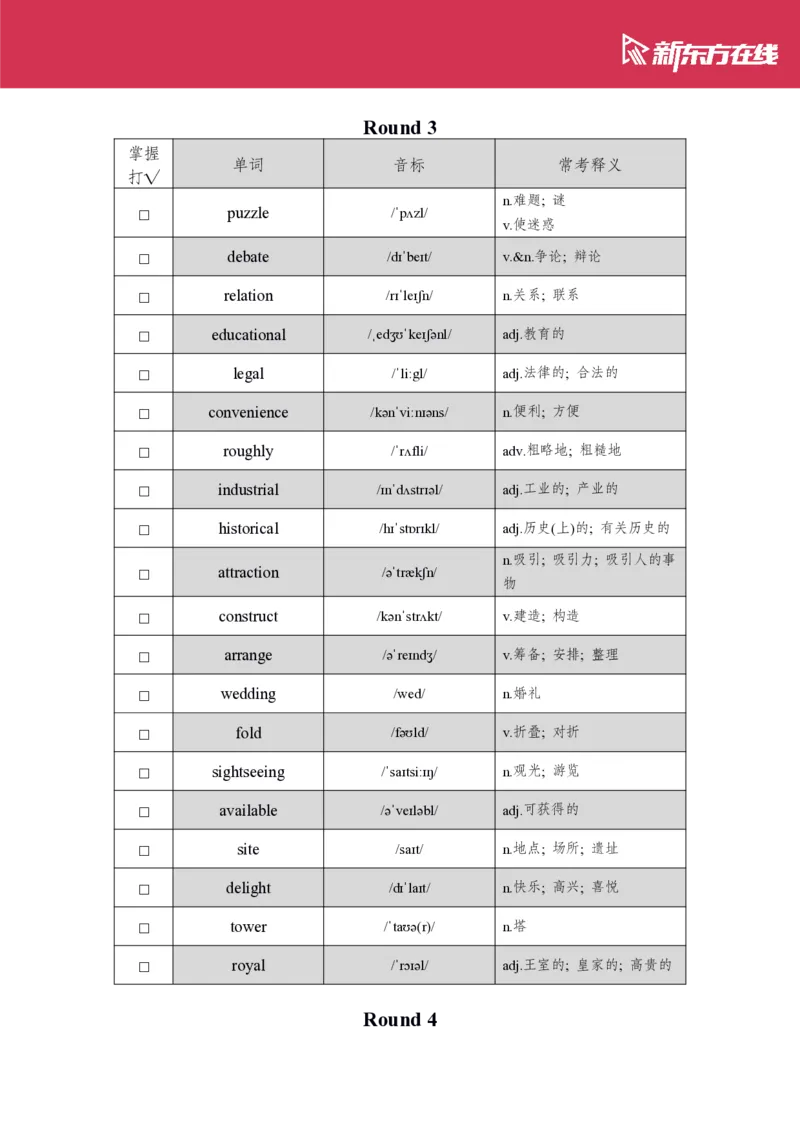
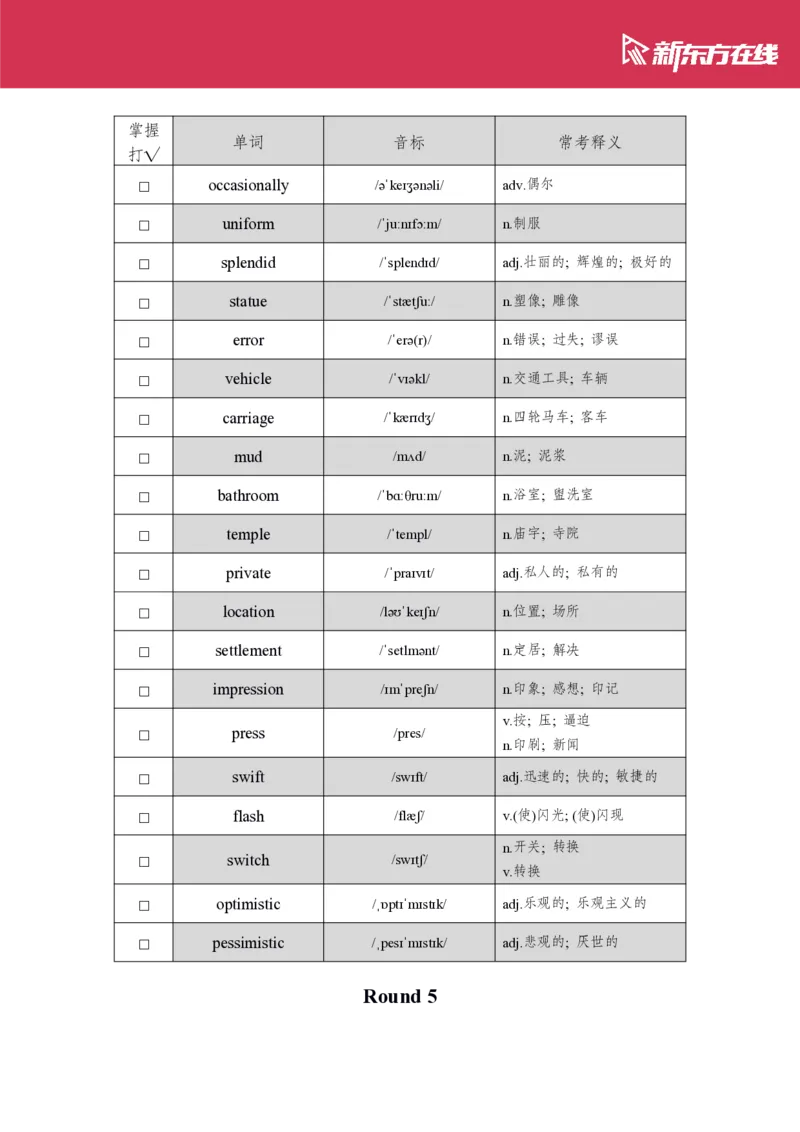
Round 3
Round 4
掌握
打√
单词
音标
常考释义
☐
puzzle
/ˈpʌzl/
n.难题; 谜
v.使迷惑
☐
debate
/dɪˈbeɪt/
v.&n.争论; 辩论
☐
relation
/rɪˈleɪʃn/
n.关系; 联系
☐
educational
/ˌedʒʊˈkeɪʃənl/
adj.教育的
☐
legal
/ˈliːgl/
adj.法律的; 合法的
☐
convenience
/kənˈviːnɪəns/
n.便利; 方便
☐
roughly
/ˈrʌfli/
adv.粗略地; 粗糙地
☐
industrial
/ɪnˈdʌstrɪəl/
adj.工业的; 产业的
☐
historical
/hɪˈstɒrɪkl/
adj.历史(上)的; 有关历史的
☐
attraction
/əˈtrækʃn/
n.吸引; 吸引力; 吸引人的事
物
☐
construct
/kənˈstrʌkt/
v.建造; 构造
☐
arrange
/əˈreɪndʒ/
v.筹备; 安排; 整理
☐
wedding
/wed/
n.婚礼
☐
fold
/fəʊld/
v.折叠; 对折
☐
sightseeing
/ˈsaɪtsiːɪŋ/
n.观光; 游览
☐
available
/əˈveɪləbl/
adj.可获得的
☐
site
/saɪt/
n.地点; 场所; 遗址
☐
delight
/dɪˈlaɪt/
n.快乐; 高兴; 喜悦
☐
tower
/ˈtaʊə(r)/
n.塔
☐
royal
/ˈrɔɪəl/
adj.王室的; 皇家的; 高贵的
Round 5
掌握
打√
单词
音标
常考释义
☐
occasionally
/əˈkeɪʒənəli/
adv.偶尔
☐
uniform
/ˈjuːnɪfɔːm/
n.制服
☐
splendid
/ˈsplendɪd/
adj.壮丽的; 辉煌的; 极好的
☐
statue
/ˈstætʃuː/
n.塑像; 雕像
☐
error
/ˈerə(r)/
n.错误; 过失; 谬误
☐
vehicle
/ˈvɪəkl/
n.交通工具; 车辆
☐
carriage
/ˈkærɪdʒ/
n.四轮马车; 客车
☐
mud
/mʌd/
n.泥; 泥浆
☐
bathroom
/ˈbɑːθruːm/
n.浴室; 盥洗室
☐
temple
/ˈtempl/
n.庙宇; 寺院
☐
private
/ˈpraɪvɪt/
adj.私人的; 私有的
☐
location
/ləʊˈkeɪʃn/
n.位置; 场所
☐
settlement
/ˈsetlmənt/
n.定居; 解决
☐
impression
/ɪmˈpreʃn/
n.印象; 感想; 印记
☐
press
/pres/
v.按; 压; 逼迫
n.印刷; 新闻
☐
swift
/swɪft/
adj.迅速的; 快的; 敏捷的
☐
flash
/flæʃ/
v.(使)闪光; (使)闪现
☐
switch
/swɪtʃ/
n.开关; 转换
v.转换
☐
optimistic
/ˌɒptɪˈmɪstɪk/
adj.乐观的; 乐观主义的
☐
pessimistic
/ˌpesɪˈmɪstɪk/
adj.悲观的; 厌世的
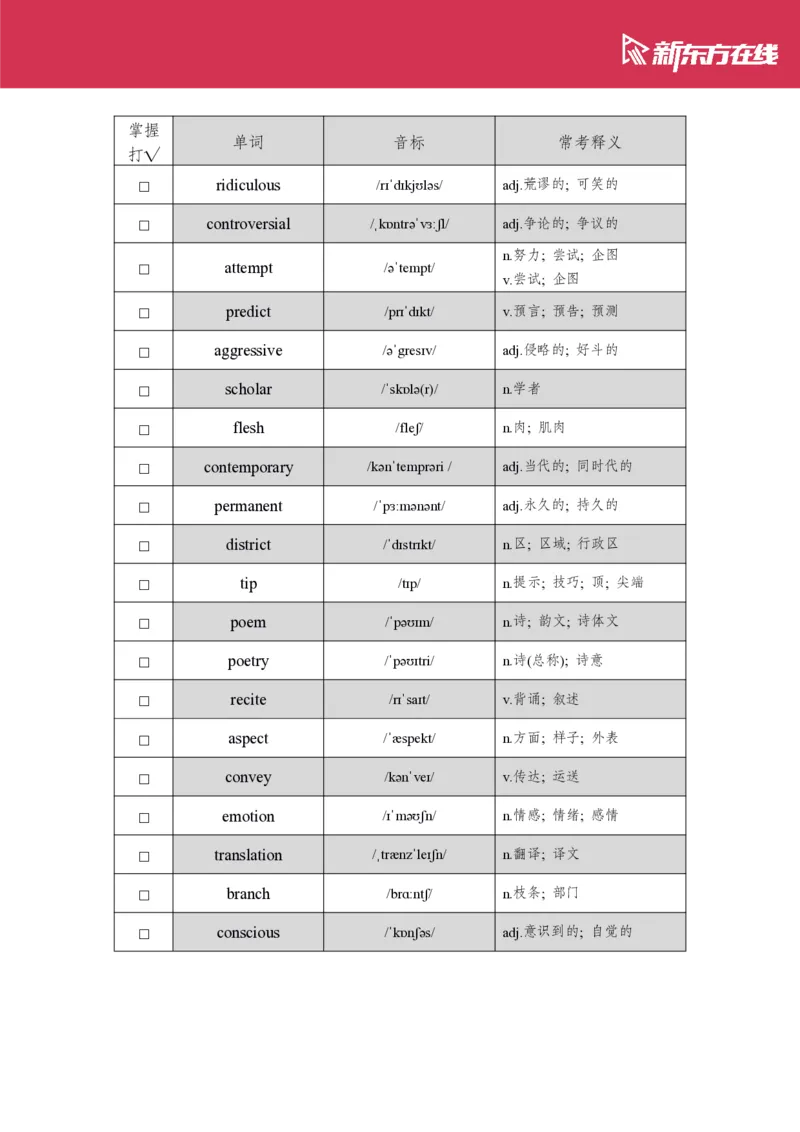
掌握
打√
单词
音标
常考释义
☐
ridiculous
/rɪˈdɪkjʊləs/
adj.荒谬的; 可笑的
☐
controversial
/ˌkɒntrəˈvɜːʃl/
adj.争论的; 争议的
☐
attempt
/əˈtempt/
n.努力; 尝试; 企图
v.尝试; 企图
☐
predict
/prɪˈdɪkt/
v.预言; 预告; 预测
☐
aggressive
/əˈgresɪv/
adj.侵略的; 好斗的
☐
scholar
/ˈskɒlə(r)/
n.学者
☐
flesh
/fleʃ/
n.肉; 肌肉
☐
contemporary
/kənˈtemprəri /
adj.当代的; 同时代的
☐
permanent
/ˈpɜːmənənt/
adj.永久的; 持久的
☐
district
/ˈdɪstrɪkt/
n.区; 区域; 行政区
☐
tip
/tɪp/
n.提示; 技巧; 顶; 尖端
☐
poem
/ˈpəʊɪm/
n.诗; 韵文; 诗体文
☐
poetry
/ˈpəʊɪtri/
n.诗(总称); 诗意
☐
recite
/rɪˈsaɪt/
v.背诵; 叙述
☐
aspect
/ˈæspekt/
n.方面; 样子; 外表
☐
convey
/kənˈveɪ/
v.传达; 运送
☐
emotion
/ɪˈməʊʃn/
n.情感; 情绪; 感情
☐
translation
/ˌtrænzˈleɪʃn/
n.翻译; 译文
☐
branch
/brɑːntʃ/
n.枝条; 部门
☐
conscious
/ˈkɒnʃəs/
adj.意识到的; 自觉的
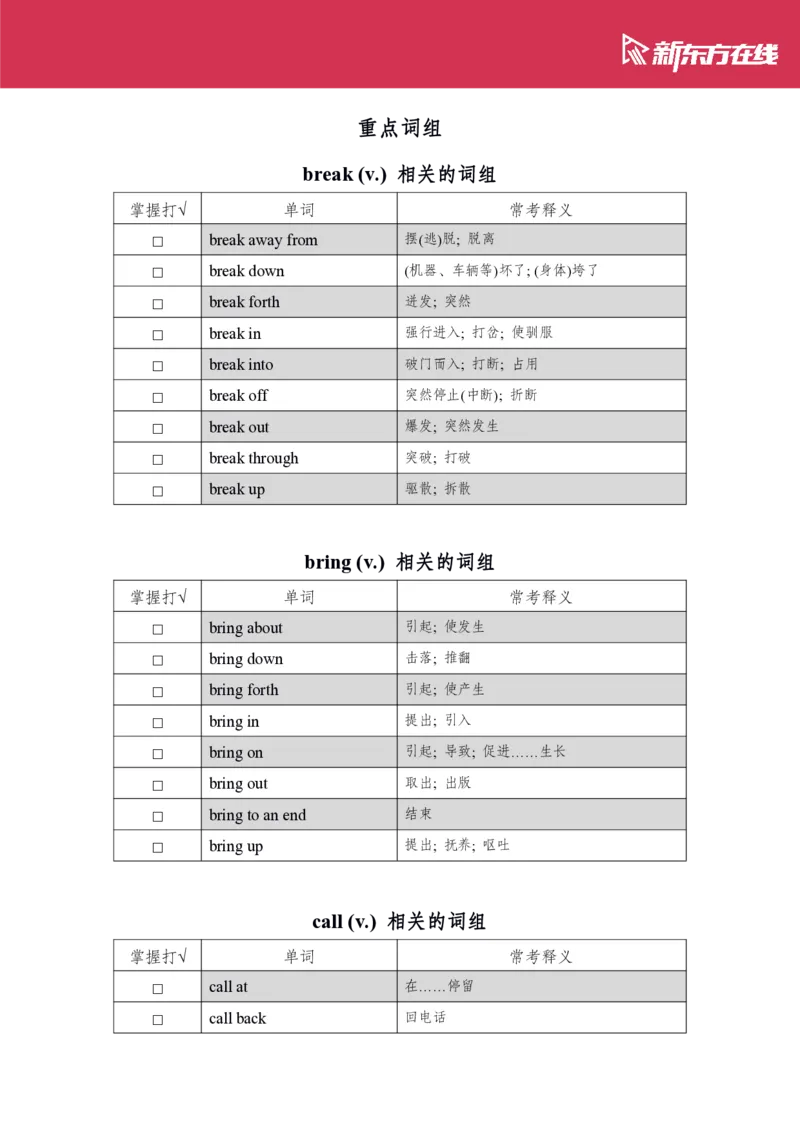
重点词组
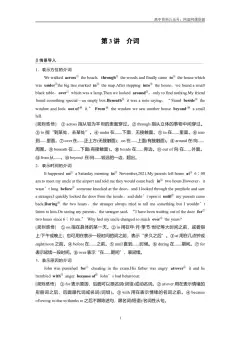
break (v.) 相关的词组
掌握打√
单词
常考释义
☐
break away from
摆(逃)脱; 脱离
☐
break down
(机器、车辆等)坏了; (身体)垮了
☐
break forth
迸发; 突然
☐
break in
强行进入; 打岔; 使驯服
☐
break into
破门而入; 打断; 占用
☐
break off
突然停止(中断); 折断
☐
break out
爆发; 突然发生
☐
break through
突破; 打破
☐
break up
驱散; 拆散
bring (v.) 相关的词组
掌握打√
单词
常考释义
☐
bring about
引起; 使发生
☐
bring down
击落; 推翻
☐
bring forth
引起; 使产生
☐
bring in
提出; 引入
☐
bring on
引起; 导致; 促进……生长
☐
bring out
取出; 出版
☐
bring to an end
结束
☐
bring up
提出; 抚养; 呕吐
call (v.) 相关的词组
掌握打√
单词
常考释义
☐
call at
在……停留
☐
call back
回电话
☐
call for
叫人来拿; 要求
☐
call in
来访; 顺路到……; 召来
☐
call on (upon)
拜访
☐
call up
给......打电话; 征召(入伍); 使想起(往事)
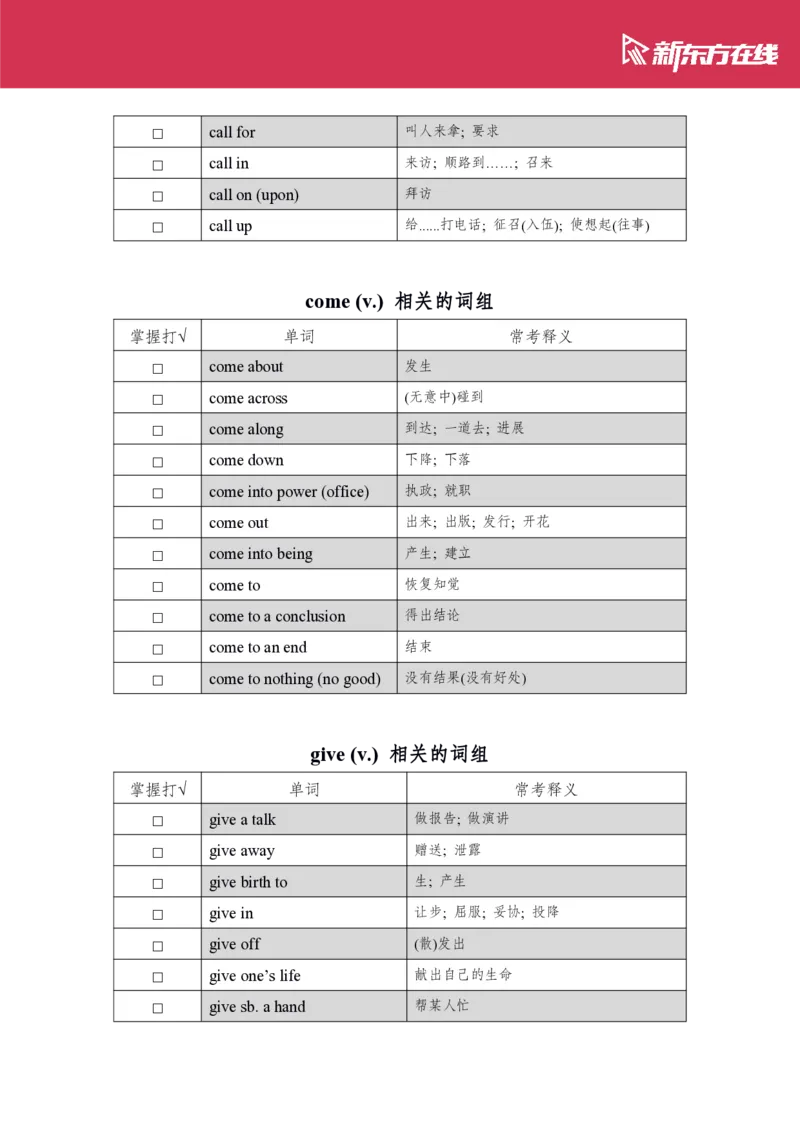
come (v.) 相关的词组
掌握打√
单词
常考释义
☐
come about
发生
☐
come across
(无意中)碰到
☐
come along
到达; 一道去; 进展
☐
come down
下降; 下落
☐
come into power (office)
执政; 就职
☐
come out
出来; 出版; 发行; 开花
☐
come into being
产生; 建立
☐
come to
恢复知觉
☐
come to a conclusion
得出结论
☐
come to an end
结束
☐
come to nothing (no good)
没有结果(没有好处)
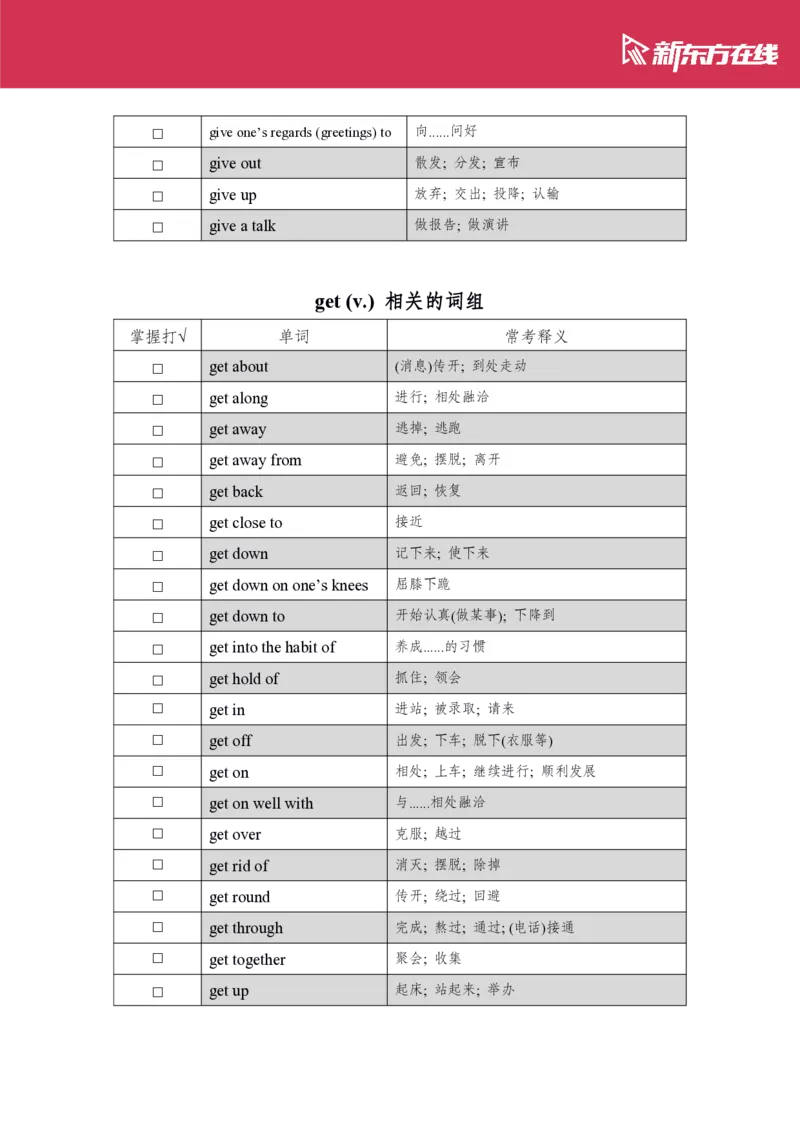
give (v.) 相关的词组
掌握打√
单词
常考释义
☐
give a talk
做报告; 做演讲
☐
give away
赠送; 泄露
☐
give birth to
生; 产生
☐
give in
让步; 屈服; 妥协; 投降
☐
give off
(散)发出
☐
give one’s life
献出自己的生命
☐
give sb. a hand
帮某人忙
☐
give one’s regards (greetings) to
向......问好
☐
give out
散发; 分发; 宣布
☐
give up
放弃; 交出; 投降; 认输
☐
give a talk
做报告; 做演讲
get (v.) 相关的词组
掌握打√
单词
常考释义
☐
get about
(消息)传开; 到处走动
☐
get along
进行; 相处融洽
☐
get away
逃掉; 逃跑
☐
get away from
避免; 摆脱; 离开
☐
get back
返回; 恢复
☐
get close to
接近
☐
get down
记下来; 使下来
☐
get down on one’s knees
屈膝下跪
☐
get down to
开始认真(做某事); 下降到
☐
get into the habit of
养成......的习惯
☐
get hold of
抓住; 领会
☐
get in
进站; 被录取; 请来
☐
get off
出发; 下车; 脱下(衣服等)
☐
get on
相处; 上车; 继续进行; 顺利发展
☐
get on well with
与......相处融洽
☐
get over
克服; 越过
☐
get rid of
消灭; 摆脱; 除掉
☐
get round
传开; 绕过; 回避
☐
get through
完成; 熬过; 通过; (电话)接通
☐
get together
聚会; 收集
☐
get up
起床; 站起来; 举办
go (v.) 相关的词组
掌握打√
单词
常考释义
☐
go after
追求; 设法得到; 追赶
☐
go away
走开; 离开
☐
go against
违反
☐
go along
去(某地)
☐
go ahead
进展; 说吧
☐
go all out
全力以赴
☐
go bad
(食物等)变坏; 坏掉
☐
go by
走过; 经过
☐
go in for
热衷于; 参加
☐
go on
进行; 进展; 继续下去
☐
go off
走开
☐
go out
出门; 熄灭; 过时
☐
go over
检查; 复习
☐
go through
通过; 检查; 经历; 经过
☐
go up
上涨; 上升
☐
go with
与……相配
重点语法
知识体系:
章节概述:
语法部分主要选取高二上学期重点内容。我们对非谓语建立了基本的认知,
学习动词-ing 形式和不定式,为下学期继续讲解过去分词形式做好铺垫。此外,
在高一的基础上,我们在本章中完成了三大从句中最后一个从句—状从语句的知
识回顾。同时,我们还梳理了的虚拟语气和冠词的使用。
知识清单:
非谓语动词概述
一、基本概念
1. 非谓语定义
在句子中充当除谓语以外的句子的各种成分的动词形式,叫做非谓语动词
(the Non-Finite Verbs)。非谓语动词也是动词的一种,他们有着动词的其他特点,
可以充当主语、宾语、状语等。
2. 逻辑主语定义
与非谓语在逻辑上存在着主谓关系,即语义上的施动者,称作逻辑主语。逻
辑主语和句子的主语可能相同,可能不同。
例:
Hearing the news, they all jumped with joy. (逻辑主语与主语相同)
他们听到这个消息,高兴地跳了起来。
Nobody can solve the problem discussed yesterday. (逻辑主语与主语不相同)
没有人可以解决昨天被讨论的这个问题。
二、基本结构和变形式
结构
一般式
完成式
进行式
主动
被动
主动
被动
主动
被动
不定式
to do
to be done
to have done
to have been
done
to be
doing
/
动名词/现在分词
doing
being done
having done
having been
done
/
/
过去分词
/
done
/
/
/
/
三、常考结构和含义
结构
一般式
完成式
主动
被动
主动
被动
不定式
to do
目的;将来
to be done
将要被
to have done
强调动作先后
to have been done
强调动作先后
动名词/
现在分词
doing
进行
being done
正在被
having done
强调动作先后
having been done
强调动作先后
过去分词
/
done
完成
/
/
四、经典例题
判断下列句子的逻辑主语和非谓语动词的主被动。
1.
Clearly and thoughtfully written, the book inspires confidence in the students
who wish to seek their own answers.
A. the book
B. students
【答案】逻辑主语:the book
非谓语动词:written 主被动:被动
【翻译】有条理有深度的被写出来,这本书激发了渴望追求自己答案的学生的自
信。
【解析】非谓语动作written 是由the book 承受的。
2.
Basing an important decision more on emotion than on reason, you will regret it
sooner or later.
A. you
B. decision
【答案】逻辑主语:you
非谓语动词:basing 主被动:主动
【翻译】基于情感而不是理智做重要决定,你迟早会后悔的。
【解析】非谓语动作Basing 是由you 发出的。
3.
If asked to look after luggage for someone else, inform the police at once.
A. police
B. you
【答案】逻辑主语:you
非谓语动词:asked 主被动:被动
【翻译】如果你被要求为别人照看行李,立刻告知警察。
【解析】非谓语动作asked 是由you 承受的。
4.
Amie Salmon, disabled, is attended throughout her school days by a nurse
appointed to guard her.
A. Amie Salmon
B. nurse
【答案】逻辑主语:nurse
非谓语动词:appointed 主被动:被动
【翻译】残疾人Amie Salmon 在学校的时间都由一个被指派来守卫她的保姆来照
顾。
【解析】非谓语动作appointed 是由nurse 承受的。
5.
The producer comes regularly to collect the cameras returned to our shop for
quality problems.
A. The producer
B. cameras
【答案】逻辑主语:producer
非谓语动词:to collect 主被动:主动
【翻译】制造商经常过来收集因为质量问题而被退回到我们店的相机。
【解析】非谓语动作to collect 是由producer 发出的。
非谓语动词之v.-ing 形式
一、基础认知
1. 结构:doing
2. 形式:动词原形+ing
3. 含义:表示主动和进行
二、变形式和否定式
主动
被动
一般式
(not) doing
(not) being done
完成式
(not) having done
(not) having been done
三、句法功能
1. 作定语(短前长后)
(1)前置定语:单个动词-ing 形式作定语常放在被修饰词前,作前置定语。
①表示正在进行的状态或动作
例:a swimming girl(正在游泳的女孩)
②表示性能、用途
例:a swimming pool(游泳池)
(2)后置定语:动词-ing 形式的短语作定语,常放在被修饰词后,作后置定语。
例:The boy playing football is my brother.
踢球的男孩是我的兄弟。
2. 作表语
表示主语性质、特征和状态,相当于形容词,或说明主语的内容,即主语等
于表语。
例:Perhaps the best example is smiling.
也许最好的例子就是微笑。
3. 作宾补
置于某些及物动词和宾语之后,补充说明宾语的动作和状态。且及物动词通
常是表示感觉或心理状态的动词或使役动词。
(1)常考使役动词用法总结:使役动词+宾语+doing,强调“持续”。
常考使役动词:have, get, keep, leave
例:I won’t have Jim working in our company.
我不愿意让Jim 留在我公司工作。
His remark got me thinking.
他的话让我陷入沉思。
She kept me waiting for half an hour.
她让我等了半个钟头。
We left him painting the gate.
我们把他留下来刷门。
(2)常考感官动词用法总结:感官动词+ 宾语+ doing,强调“正在发生”。
常考感官动词:
①四看:see, watch, notice, observe
②二感:feel,find
③一听:hear
例:I saw him working in the garden yesterday.
昨天我见他正在花园里干活。
I could feel him staring at me.
我感到他在盯着我看。
We heard some girls singing in the classroom.
我们听到一些女孩在教室里唱歌。
4. 作状语
表示时间、条件、原因、让步、方式、结构或者伴随状况,其形式相当于状
语从句。
(1)逻辑主语应与句子的主语保持一致;
例:在洗澡时,她看见水从浴缸的侧面漏了出来。
While having a bath, water leaked over the sides of the tub.(×)
While having a bath, she saw water leaking over the sides of the tub.(√)
(2)由before、after、when、while、since 等引导的状语从句常常可以转换为对
应的动词-ing 短语。
【改写步骤】
①删:删除“主语”;
②判:判断从句谓语的主被动结构;
③改:将从句谓语动词改为适当分词的形式
例:当他走出浴缸时,滑到并摔在了地上。
When he got out of the bathtub, he slipped and fell on the floor.
→When getting out of the bathtub, he slipped and fell on the floor.
在她被蚊子咬了之后,拿出一些药涂在了皮肤上。
After she had been bitten by mosquitoes, she applied some medicine to her
skin.
→After having been bitten by mosquitoes, she applied some medicine to her
skin.
几分钟后,当她试着去打开窗户时,她摔倒了。
A minute ago, she fell down while she was trying to open the window.
→A minute ago, she fell down while trying to open the window.
四、经典例题
1.
Laughter produces short-term changes in the function of the heart and blood
circulation, ______ heart rate and oxygen consumption.
A. increasing
B. to increase
C. having increased
D. being increased
【答案】A
【解析】本题考查doing 的形式。解题步骤:①确定考点:句子当中已经出现了
谓语动词,故此空为非谓语动词,根据位置以及语意,可知此空为非谓语动词做
状语,②确定主被动关系,非谓语动词与其逻辑主语钩沉故主动关系,③确定时
间先后关系,根据语意,并未强调时间先后关系,故选A。
2.
Dana admitted ______ hurt by what I had said.
A. to feel
B. felt
C. having felt
D. feeling
【答案】D
【解析】本题考查doing 的形式。解题步骤:①解题要点,句子当中已经出现了
谓语动词,故此空为非谓语动词,根据结构:后接doing 或having done 作宾语,
②确定时间先后关系:feel 的感觉与admit 的动作同时存在着,不需要强调动作
的先后关系,因此不用动名词的完成式.feel 是系动词,没有被动态,所以直接用
feel 动名词的主动式。故选:D。
3.
The decision ______, what is to be done now is how to carry it out.
A. is made
B. has been made
C. having been made
D. having made
【答案】C
【解析】本题考查having been done 的形式。句意:决定已经做出,接下来要做
的就是如何执行它了。解题步骤:①确定考点:句子当中已经出现了谓语动词is,
故此空为非谓语动词,根据位置以及语意,可知此空为非谓语动词作状语;②确
定主被动关系,非谓语动词和其逻辑主语the decision 构成了被动关系;③确定
时间先后关系,根据语意,可知,非谓语动词发生在主句谓语动词执之前,故选
C。
4.
Never ______ faith in himself, the scientist went on with it.
A. losing
B. to lost
C. lost
D. to be lost
【答案】A
【解析】本题考查非谓语之doing 形式。句意:从未对自己失去信心,科学家继
续研究该问题。解题要点:lose faith in sb.对某人失去信心,与逻辑主语the scientist
构成了主动的形式,因此使用其现在分词形式。故选A。
5.
It was fortunate that Jack narrowly escaped ______ in a traffic accident.
A. being killed
B. killing
C. to be killed
D. to kill
【答案】A
【解析】本题考查非谓语动词之doing 形式。句意:杰克在一次交通事故中死里
逃生,真是幸运。解题要点:escape doing sth.是固定表达,Jack 与kill 之间是被
动关系,应该使用动名词的被动语态,所以选A。
非谓语动词之不定式
一、基础认知
1. 结构:to do
2. 形式:to + 动词原形
3. 含义:表示主动和目的
二、变形式和否定式
主动
被动
一般式
(not) to do
(not) to be done
完成式
(not) to have done
(not) to have been done
三、句法功能
1. 作主语
相当于名词或代词的作用。
(1)用作主语的动词不定式及其短语常出现在谓语动词之后,这时需在句首用
形式主语指代它。
例:It was easy to imagine the danger ahead of them.
想想他们面前的危险是一件很容易的事情。
(2)不定式作主语位于句首常出现于正式文体中。
例:To help others gives a person satisfaction.
帮助别人可以获得满足感。
2. 作表语
动词不定式及其短语在be 动词、感官动词等系动词之后,可以表示主语的
具体内容和目的。
例:My goal is to be a scientist.
我的目标是成为一名科学家。
3. 作宾语
动词不定式及其短语可在动词后作宾语,但通常不在介词后作宾语;其后跟
补足语时,常用it 作形式宾语,不定式后置。
例:I have decided to study English.
我决定学习英语。
I think it important to learn English.
我认为学英语很重要。
4. 作宾补
在“动词+宾语+不定式”的结构中,不定式作宾补,“宾语+不定式”构成了复
合宾语。有些不定式作宾补带to,有些不带to。
(1)常用带to 的不定式作宾语补足语:ask, want, wish, order, tell, persuade, advise,
allow, warn, encourage, cause, require, etc.
例:Parents want their children to develop fully.父母想让孩子全面发展
It’s hard to persuade Dad to give up smoking.说服爸爸戒烟很难。
(2)常用不带to 的不定式作宾语补足语:
①感官动词:see, watch, hear, feel, notice, observe, look at , listen to, etc.
②使役动词:make, let, have, etc.
例:Did you see anyone enter the house?
你看见有人进过这个房子吗?
I will have all my friends come over this weekend.
本周末我要让所有的朋友都来。
My parents used to make me recite poems.
我父母过去常让我背通诗句。
(3)某些动词后用不带to 的不定式构成复合宾语,但当整个句子变为被动结构
时,不定式要加to。
例:The boss made the workers work long hours.
老板让工人长时间工作。
The workers were made to work long hours.
工人被迫长时间工作。
5. 作定语
不定式作定语可以用来修饰人和物,一般置于被修饰词后,作后置定语。一
般当中心词为序数词、最高级、the last、the only 等或中心词被这类词修饰时,
多用不定式作定语。
例:He was the first guest to arrive.
他是第一个来的客人。
I have a lot of problems to solve.
我有很多问题要解决。
6. 作状语
不定式作状语主要表示目的、结果或原因等。
(1)作原因状语:不定式往往放在系表结构的后面,表示产生某种情绪或状态
的原因。
例:I’m sorry to hear you are ill.
听到你病了的消息我很难过。
She was surprised to see George walk in.
看到乔治进来,她很惊讶。
(2)作目的状语:不定式可以单独作目的状语;in order to, so as to 可以突出和
强调目的性。
例:A friend of mine came to see me last night.
昨天晚上有位朋友来看我。
In order to keep warm, we shut all the windows.
为了保暖,我们关上了所有的窗户。
She raised her voice so as to make herself heard.
为了能被别人听见,她提高了嗓门儿。
(3)作结果状语:不定式表示结果,常用在too...to, enough…to, so/such…as to
结构中。only to do 可指出人意料的结果。
例:What have I said to make you so angry?
我说什么了使你这么生气?
The child is old enough to dress himself.
这孩子这么大了,可以自己穿衣服了。
We hurried to the station only to be told that the train had left.
我们急匆匆赶到车站,结果被告知火车已开走了。
7. “疑问词+不定式”结构
动词不定式可与疑问词when、who、how、what、which、where 等组合,构
成不定式短语,在句中主要用作主语、宾语和表语。
例:When to start has not been decided yet. (作主语)
什么时候开始还没有决定。
Do you know where to find Tom? (作宾语)
你知道在哪可以找到Tom 么?
My main concern is how to get there on time. (作表语)
我最担心的是怎么准时到那儿。
四、经典例题
1.
During the Mid-Autumn Festival, family members often gather together ______
a meal, admire the moon and enjoy moon cakes.
A. share
B. to share
C. having shared D. shared
【答案】B
【解析】本题考查非谓语to do 形式。解题步骤:①确定考点。句中已有谓语动
词gather,故空中需要填入非谓语动词。②确定答案。结合句意:在中秋节时,
家人通常聚在一起吃团圆饭,赏月,吃月饼。可知此处“共享团圆饭”是聚在一起
的目的,故需要用to do 形式。答案选B。
2.
We are invited to a party ______ in our club next Friday.
A. to be held
B. held
C. being held
D. holding
【答案】A
【解析】本题考查非谓语动词to be done 形式。解题步骤:①确定是否使用非谓
语。因为已经有谓语动词are invited,因此本题应该填非谓语动词。②确定主被
动关系。非谓语动词的逻辑主语是a party,与hold 之间构成被动关系,即派对
被举行,排除选项D。③确定时间关系。比较谓语动词are invited 与非谓语动词
hold 的先后关系,发现hold 在are invited之后发生,表示将来,因此使用to be held。
答案为A。
3.
They seemed ______ an agreement before the international conference came to
an end.
A. that
B. to reach
C. to have reached
D. to reaching
【答案】C
【解析】本题考查to have done 形式。解题步骤:①确定考点:此主句当中已经
出现一个谓语动词,故此处填写非谓语动词,根据句意和结构seem to do sth.可
知此处填写动词不定式。②确定主被动关系:非谓语动词和其逻辑主语构成主动
关系。③确定时间先后关系,根据句意,可知,动作发生在之前,故选用to have
reached 形式。故选C。
4.
Group activities will be organized after class ______ children develop team spirit.
A. helping
B. having helped
C. helped
D. to help
【答案】D
【解析】本题考查非谓语动词。解题要点:将组织各种团体活动以帮助儿童培养
团队精神。培养团队精神是组织课外团体活动的目的。英语中表示“目的”时应当
使用动词不定式。因此答案为D。
5.
The official says that the next step is to negotiate the Asian Investment Bank’s
articles of agreement, which is expected ______ by the end of 2021.
A. to have completed
B. to be completed
C. having completed
D. being completed
【答案】B
【解析】本题考查非谓语动词to be done 的形式。解题步骤:①确定考点。此定
语从句当中已经出现谓语动词,故这里填写非谓语动词;②确定成分,做expect
后的补语,故选用to do 的形式。③确定主被动关系。非谓语动词的逻辑主语是
Asian Investment Bank 和complete 构成被动关系。④确定时间关系。结合句意,
可知,表示将来的动作,因此用to be completed.的形式,正确答案选择B。
虚拟语气
一、基本概念
1. 概念
主要表示假设,而非客观存在的事实。
2. 使用场景
①与事实相反
②说话人的主观愿望
③实现可能性极小的事情
二、非真实条件句
1. 定义
由if 引导的条件句,表示非客观的事实。
2. 标志词
if+从句,表“如果”。
例:If he had money, he would buy me a car.
如果他有钱的话,他就会给我买辆车。
(主句和从句均与现在事实不符)
If he had known it, he would have told you.
如果他知道的话,他就会告诉你了。
(主句和从句均与过去事实不符)
If it were Sunday tomorrow, we wouldn’t have an exam.
如果明天是周日的话,我们就不用参加考试了。
(主句和从句均与将来事实不符)
3. 错综时间条件句
主句和从句时间不一致的非真实条件句。
例:If you had worked harder, your condition would be better now.
如果你之前再努力一点的话,你现在的状况就好多了。
(从句与过去事实不符,主句与现在事实不符)
4. 省略与倒装
只有当非真实条件句中有were、had、should 等词时,可以省略if。同时,
主语与were、had、should 位置互换。
例:Were she here, she would agree with us.
=If she were here, she would agree with us.
如果她在这儿,她就会认同我们。
Should I meet her, I would tell her.
=If I should meet her, I would tell her.
要是我见到她,我会告诉她。
Had I worked hard, I would have succeeded.
=If I had worked hard, I would have succeeded.
如果我努力工作的话,我就会成功了。
三、含蓄条件句
1. 定义
不用条件句,而用其他方式来表示假设的情况。
2. 标志词
①otherwise + 主句,表“否则”
②but (for)…, + 主句,表“要不是”
③without…., + 主句,表“没有……”
例:I was too busy at that time, otherwise, I would have called you.
我当时太忙,否则我就给你打电话了。
But for the meeting, I would have gone home at the time.
要不是开会,我早就回家了。
Without water, there would be no life.
如果没有水,就不会有生命。
四、非真实条件句和含蓄条件句的解题步骤
1. 确定考点:根据标志词判断空格在主句还是从句;
2. 确定时间:根据时间或句意时态判断空格处的时间;
3. 对应表格:对应下表选择合适的虚拟语气。
时态
主句
从句
将来
would do
did/should do/were to do
现在
would do
过去(did, were, were doing)
过去
would have done
过完(had done)
【注意】
上表中的would 可以替换为should/could/might。
be 动词在虚拟语气中,过去式只能用were。
五、虚拟语气用于其他从句
1. 定语从句
①It is/was (high) time that + 主语+ should + 动词原形,表“到了该做……的时
候”;
②It is/was (high) time that + 主语+ 过去式,表“到了该做……的时候”。
例:It is (high) time that you should have a class
=It is (high) time that you had a class.
该上课了。(事实还没上呢)
2. 宾语从句
①I wish + 从句,表“我希望”;
例:I wish I had been here last night.(与过去事实不符)
我要是昨晚在这儿就好了。
②…… + 坚持/命令/建议/要求+ (that) +…… + (should) + 动词原形
坚持要求:insist
命令:command/order
建议:advise/suggest/propose/recommend
要求:require/request/ask/demand/desire
例:I suggest that we (should) visit that school.
我建议我们参观那所学校。(事实还未参观)
【注意】
suggest,表“暗示,表明”,不适用。
insist,表“认为”,不适用。
例:The smile on his face suggested that he was satisfied with our work. (√)
The smile on his face suggested that he (should) be satisfied with our work. (×)
他脸上的笑容暗示着他对我们的工作满意。
3. 状语从句
①as if/ though + 从句,表“好像”;
例:They talked about the city as if/as though they had been there before.
他们谈论这个城市,好像他们之前曾经去过一样。(与过去事实不符)
②would rather + 从句,表“宁愿”。
例:I would rather you stayed at home now.
我宁愿你现在呆在家里。(与现在事实不符)
六、经典例题
1.
If he ______ the first bus that morning,he might have arrived there on time for
the meeting.
A. caught
B. would catch
C. had caught
D. were to take
【答案】C
【解析】本题考查一般虚拟语气。解题步骤:①确定考点。根据主句部分的结构
might have arrived 可知本题考查虚拟语气。②确定时间。句意:如果他那天上午
赶上了首班车,他就会按时出席会议了。可知If 条件状语从句的虚拟语气与过
去事实相反,从句用过去完成时,主句would/could/should/might have done。故
正确答案是C。
2.
If you ______ hard then, you would be sitting in the comfortable office now.
A. had studied
B. study
C. have studied
D. studied
【答案】A
【解析】本题考查错综虚拟语气。解题步骤:①确定考点。根据标志词if 和主
句谓语形式would be doing 可知,本题考查虚拟语气。可排除不符合虚拟形式的
B、C。②确定时间。根据从句时间标志then 可知,从句对过去事实相反,需要
使用had done 的形式。故答案为A。
3.
He is busy now, otherwise he ______ with you for a walk.
A. will go
B. go
C. would go
D. would have gone
【答案】C
【解析】本题考查含蓄虚拟语气。句意:他现在很忙,否则他会陪你去散步的。
解题步骤:①确定考点。本题题眼在于otherwise,“否则”,表达与事实相反的假
设,故需要用虚拟语气,排除AB。②确定时间。根据“he is busy now”可知,这
是对未发生动作的虚拟,须用would do 的形式,故选C。
4.
There ______ a slight decrease in his weight but he eats too much.
A. was
B. could have been
C. had been
D. could be
【答案】D
【解析】本题考查含蓄虚拟语气。句意:他本可以减少体重的,但是他吃太多了。
解题步骤:①确定考点。根据标志词but,可知本题考查虚拟语气。②确定时间。
根据已知动词eats,可知是对现在情况的虚拟,用would/should/could/might do
的形式,故答案为D。
5.
We strongly demanded that we ______ of any change in the training scheme.
A. kept informed
B. were kept informed
C. should keep informing
D. be kept informed
【答案】D
【解析】本题考查表“坚持”,“建议”,“命令”,“要求”的虚拟。句意:我们强烈
要求随时向我们通报培训计划的任何变化。解题要点:确定考点。本题题眼在于
题干中的demand,demand 其后接从句时,表“要求”的含义,从句用虚拟语气,
形式为(should) do,且inform 为及物动词,后面没有宾语,使用被动形式,故选
D。
状语从句
一、基本概念
1. 状语从句概念
状语是句子的重要修饰成分,用来说明时间、地点、原因、目的、结果、条
件等。状语从句是在复合句中作状语的句子,由连词引导,与主句连接。
【例1】I was doing my homework when my mother came in.
【例2】He did not leave until his boss called him.
2. 状语从句的分类
状语从句分为9 类,分别是:时间状语从句、地点状语从句、原因状语从句、
结果状语从句、条件状语从句、目的状语从句、让步状语从句、方式状语从句、
比较状语从句。
二、九大状语从句
1. 时间状语从句
(1)定义:表示时间的状语从句。
(2)引导词及用法
常考引导词
含义
例句
before
在…..之前;才
My father had left for Canada just before the
letter arrived.
我父亲恰好在信到之前去加拿大了。
It will be four days before they come back.
他们要过四天才能回来。
after
在…..之后
After you think it over, please let me know
what you decide.
你仔细考虑过以后,告诉我你是怎样决定的。
when
当……时(可以加
延续性动作或非
延续性动作)
We were about to leave when he came in.
我们就要离开,就在那时他进来了。
The doorbell rang when we were watching TV.
门铃响的时候,我们正在看电视。
while
当……时(只能加
延续性动作)
While my wife was reading the newspaper, I
was watching TV.
当我媳妇在看报纸时,我正在看电视。
as
一边…一边…
We always sing as we walk.
我们总是边走边唱。
since
自从
I have been in Beijing since you left.
自从你离开以来,我一直在北京了。
till/until
直到
I didn’t go to bed until (till) my father came
back.直到我父亲回来我才上床睡觉。
as soon as
一……就
As soon as I reach Canada, I will ring you up.
我一到加拿大,就给你来电话。
by the time
到…时间为止
By the time you came back, I had finished this
book.
到你回来时,我已经写完这本书了。
2. 地点状语从句
(1)定义:表示地点、方位的状语从句。
(2)引导词及用法
常考引导词
含义
例句
where
在……地方
We must camp where we can get water.
我们必须在能找到水的地方露营。
wherever
无论什么地方
Written
Chinese
spreads
Chinese
culture
wherever it goes.
书面汉语在任何地方都能传播中国文化。
3. 原因状语从句
(1)定义:用来说明主句原因的从句。
(2)引导词及用法
常考引导词
含义
例句
because
因为
He can’t come because he is ill.
他因病不能来。
as
由于
As we’ve no money, we can’t buy it.
由于我们没钱,我们不能购买它。
since
既然;由于
Since you don’t trust him, you should not
employ him.
既然你不相信他,你就不应该雇佣他。
now that
既然
Now that you are here, you’d better stay.
你既然来了,最好还是留下吧
considering
that
既然;鉴于
Considering that you are no longer involved
with this man, your response is a little extreme.
鉴于你已经与这个男人划清了界限,你的反
应有一点儿过头。
seeing that
既然
Seeing that
it’s raining,
we’d
better stay
indoors.
既然外边在下雨,我们最好待在室内。
4. 目的状语从句
(1)定义:从句部分是用以补充说明主句中谓语动词发生的目的的状语从句。
(2)引导词及用法
常考引导词
含义
例句
so that
以便
I got up early so that I could catch the first bus.
我起得很早,目的是为了赶上头班公共汽车。
in order that
为了
I got up early in order that I could catch the
first bus.
我起得很早,目的是为了赶上头班公共汽车。
5. 结果状语从句
(1)定义:表示结果的状语从句。
(2)引导词及用法
常考引导词
含义
例句
so…that
如此…以至于…
The wind was so strong that he could hardly
move forward.
风刮得如此猛烈,以致他几乎是寸步难行。
such…that
如此…以至于…
It is such nice weather that I would like to go to
the beach.
天气如此之好,我想去海滩。
【注意】
such+a/an+形容词+名词=so+形容词+a/an+名词
如:The boy is so young that he can’t go to school.
=He is such a young boy that he can’t go to school.
这个男孩太小了,还不能不去上学。
6. 条件状语从句
(1)定义:条件是指某一件事情实现之后(状语从句中的动作),其它事情(主
句中的动作)才能发生。
(2)引导词及用法
常考引导词
含义
例句
if
如果
If you ask him, he will help you.
如果你请他帮忙,他会帮你的。
unless= if...not
除非
Unless it rains, the game will be played.
= If it not rains, the game will be played.
除非下雨,比赛将照常进行。
on condition (that)...
在……条件下
I can tell you the truth on condition that you
promise to keep a secret.
我可以告诉你真相,条件是你答应保密。
in case
万一
In case you should need any help, here is my
number.
万一你需要帮助的话,这是我的电话号码。
as/so long as
只要
So long as one keeps calm, one doesn’t feel
the heat too much.
心静自然凉。
suppose/supposing
(that)
如果
Supposing it rains, shall we continue the
sports meeting?
倘若下雨,我们的运动会还要继续举行吗?
provided/providing
(that)
如果
He will sign the contract provided we offer
more favorable terms.
如果我们提出更优惠的条件,他就会在合
同上签字。
7. 让步状语从句
(1)定义:一般翻译为“尽管……”或“即使……”等,表示“退一步说”的状语从
句。
(2)引导词及用法
常考引导词
含义
例句
though/although
虽然
Although/Though he was exhausted, he still
kept on working.
虽然他已经精疲力竭了,但他仍然继续工
作。
while
尽管
While I am willing to help, I do not have
much time available.
尽管我愿意帮忙,但是没有多少时间。
as
尽管
Hard as he works, he makes little progress.
尽管他学习很努力,但几乎没取得什么进
步。
even if/though
即使
Even if/though you did see someone, you
can't be sure it was him.
即使你确实看见有个人,也不能保证那就是
他。
no matter+疑问词
=疑问词+ever
无论
No matter what happened, he would not mind.
=Whatever happened, he would not mind.
无论发生了什么事情,他都不会介意的。
8. 比较状语从句
(1)定义:主要运用于形容词和副词的原级、比较级及最高级的句子之中。
(2)引导词及用法
常考引导词
含义
例句
as…as
和…一样
My hometown is as beautiful as Hangzhou.
我的家乡和杭州一样美丽。
not so/as…as
和…不一样
The film today is not so interesting as the
one yesterday.
今天的电影不如昨天的那个有意思。
more…than
更
He moves more slowly than his sister does.
他行动起来比他妹妹慢。
the more…of
两者之中比
较…的
The film is the more moving of the two
films.
这个电影是两个中最感人的。
no/not+比较级+ than
和…不一样
I have no/not more than two dollars left in
my pocket.
我口袋里只剩下两元钱了.
9. 方式状语从句
(1)定义:表示行为方式的状语从句。
(2)引导词及用法
常考引导词
含义
例句
as
按照;正如
As water is to fish, so air is to man.
正如我们离不开空气,鱼儿离不开水。
just as
正如
Just as we sweep our rooms, so we should
sweep backward ideas from our minds.
正如打扫房屋一样,我们也要扫除我们头脑
中落后的东西。
as if/though
好像
He looks as if/though he had been hit by
lightning.
他那样子就像被雷击了似的。
(in) the way
按照…的方式
They didn’t do it the way we do now.
那时他们不像我们现在这样行事。
三、解题步骤
1. 翻译句子:把引导词代入到句子中进行翻译。
2. 注意逻辑:注意主句和从句的逻辑关系。
四、经典例题
1.
______ the average age of the population increases, there are more and more old
people to care for.
A. Unless
B. Until
C. As
D. While
【答案】C
【解析】本题考查时间状语从句连接词as。解题步骤:①语义分析。开空引导的
从句意为“人口的平均年龄上升”,开空后意为“有越来越多的老人需要照顾”。②
逻辑判断。因为句子前后是并列时间关系,表“随着,当”,故应选as。while 引
导时间状语从句时也可以表示两件事同时发生,但一般两个句子都用进行时,表
示一边……一边,且谓语动词一般是可持续性的动作,而本句谓语动词之一“are”
不是动作,所以排除while。unless“除非,如果不”,until“直到”,都不符合语境。
2.
The doctor shares his phone number with the patients ______ they need medical
assistance.
A. if only
B. as if
C. even though
D. in case
【答案】D
【解析】本题考查条件状语从句。解题步骤:①语义分析,结合句意;②逻辑分
析。空格前后是条件关系。句意:这位医生把自己的电话号码告诉病人以防他们
需要医疗救助。D.以防,万一,符合句意;A.要是……就好了;B.似乎,好像;
C.尽管。均与句意不符。故选D。
3.
______ the punishment was unfair,he would accept it without saying anything,
because he knew it was the rule of the company.
A. As though
B. Now that
C. case
D. While
【答案】D
【解析】本题考查让步状语从句连词while。解题步骤:①语义分析。空格引导
的从句意为“这个惩罚是不公平的”,空格后意为“他没有说什么就接受了,因为
他知道这个公司的规定”。②逻辑判断。因为前后两句是让步关系,表转折“然而、
虽然”,故应选D。
4.
Harry Potter is ______ a film ______ we all like it.
A. so good, that B. such, that
C. so good, and D. such, and
【答案】A
【解析】本题考查状语从句so...that 和such...that 的区别。解题要点:识记so...that...
使用公式为so+形容词+a/an+可数名词单数形式+that 从句;such...that 使用公式
为such+a/an+形容词+可数名词单数形式+that 从句。因此本题选A。
5.
Please pronounce the word ______ I do.
A. as so
B. the way
C. as if
D. as though
【答案】B
【解析】本题考查方式状语从句。本题意为:请按照我读的方式读这个单词。A.
as so (通常不作为词组使用);B. the way 按照…的方式(引导方式状语从句);C. as
if 好像;D. as though 好像,因此本题答案选B。
冠词
一、定冠词the
1. 定义
表特指,对后面的名词起限定作用。
2. 常考定冠词用法
定冠词
the
①特指: 表示某个(些)特指的人或物
Pass me the book.
②复指: 第二次提到某人或某物
This is a pen. The pen
is black.
③定指: 用在最高级和序数词前
the biggest
④独指: 用在世上独一无二的名词前
the sun
⑤类指: 和形容词连用表示一类人
the old, the young …
⑥特殊用法:
用在西洋乐器前
在姓氏复数前表示一家人
用在方位名词前
用在专有名词前
play the piano
the Greens, the Black
the east, the west
the Great Wall …
⑦固定搭配
in the morning …
二、不定冠词a/an
1. 定义
表泛指,“一个”。
2. 用法区别
a 用于以辅音音素开头的单词或字母前;
an 用于以元音音素开头的单词或字母前。
3. 音素和音标概念
(1)音素:是最小的语音单位,由它组成音标。
(2)英语国际音标:共有48 个音素,其中元音音素20 个、辅音音素28 个。
(3)元音音素:
①
12 个单元音。按发音部位把单元音分为
前元音:/iː/, /ɪ/, /e/, /æ/
中元音:/ɜː/, /ə/
后元音:/ɑː/, /ʌ/, /ɔː/, /ɒ/, /uː/, /ʊ/
②
8 个双元音。
合口双元音:/aɪ/, /eɪ/, /aʊ/, /əʊ/, /ɔɪ/
集中双元音:/ɪə/, /eə/, /ʊə/
例:a university /ˌjuːnɪˈvɜːsəti/ 一所大学
an umbrella /ʌmˈbrelə/ 一把雨伞
三、零冠词
1. 定义
不用冠词的情况。
2. 常考零冠词口诀
零冠词
①在星期、月份、日期、节日、季节前
on Sunday
②在三餐、球类棋类运动及学科语言名
词前
have breakfast
play football
in English
③名词前已有指示代词、物主代词、不
定代词或名词所有格等修饰时
She is my sister.
④州名,国名,人名前不用
China is a great country.
Asia is the largest continent.
四、经典例题
1.
On weekends I often play______ piano and my brother goes to play ______
basketball.
A. the; 不填
B. the; the
C. 不填; the
D. 不填; 不填
【答案】A
【解析】本题考查定冠词与零冠词的使用语境,通过关键词解题。本题题眼是
piano、basketball,乐器前使用定冠词,球类运动前使用零冠词。因此选择A。
2.
—Have you seen ______ watch? I left it here this morning.
—I think I saw one somewhere. Is it ______ new one?
A. a; /
B. a; the
C. the; a
D. a; a
【答案】D
【解析】本题考查不定冠词。句意:“—你看到一只手表没有?上午我放在这儿
的。—我想我在哪见过。是一只新的?”解题要点:分析句子可知,问句中的
watch 为泛指,而答句中的new one 为疑问语气,并不确定就是问句中的watch,
因此也为泛指,故均用不定冠词。故选D。
3.
Lily, ______ outgoing girl, has ______ one-year-old younger brother.
A. the; an
B. an; an
C. the; a
D. an; a
【答案】D
【解析】本题考查考点为冠词。第一个空此时表示泛指,指的是一个外向的女孩,
因此此处使用不定冠词,由于outgoing 是元音音素开头,所以使用an;第二个
空后one 是以辅音音素开头,所以使用a,故答案为D。
4.
______ plane on the table is mine. It’s ______ model plane.
A. The; an
B. The; a
C. A; a
D. A; an
【答案】B
【解析】本题考查定冠词和不定冠词的使用。解题步骤:①判断冠词类别。第一
个空格,plane on the table,通过后置定语对plane 进行限定,为特指,所以使用
定冠词,排除C、D。第二个空格model plane 首次出现,填写不定冠词。②判断
不定冠词词形。model [ˈmɒdl] 以辅音音素开头。因此本题选择B。
5.
—Do you like ______ movie Dangal?
—Yes. It’s ______ educational movie. I like it very much.
A. the; an
B. a; an
C. a; the
D. the; a
【答案】A
【解析】本题考查定冠词和不定冠词的使用。解题步骤:①判断冠词类别。第一
个空格,关键词是The Dangal,通过电影名字限定movie,为特指,所以此处使
用定冠词the;第二个空格,语境“这是一部有教育意义的电影”,为泛指,所以
需要填写不定冠词。②判断的不定冠词词形。educational [ˌedʒʊˈkeɪʃənl] 开头是
元音音素,所以第二空需要使用an。因此本题选择A。
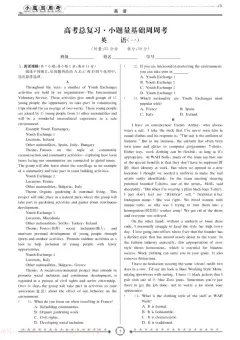
完形填空
考试题型:
完形填空,主要考查考生综合运用各项英语基础知识的能力,特别是考查考
生对文章内容的理解。要求考生在熟练掌握语法、词汇和其他语言知识的基础上,
理解文章主旨大意,理清文章逻辑线索,并善于在文章中发现并捕捉信息点,从
而选出最符合题目内容要求的答案。
题目数量:20 道(以全国卷为例)
题目分值:每小题1.5 分,共计30 分
考频分布:
词性
考频(道)
主要考点
动词
7~11
动作顺序、动名搭配
名词
4~7
原词对应、同义转换、上下文推断
形容词
2~4
感情色彩、形名搭配
副词
1~4
感情色彩、上下文推断
介词
0~1
动介搭配
连词
0~1
逻辑关系
代词
0~1
不定代词
知识清单:
一、解题步骤
1.
先通读全文:了解文章主旨大意
2.
再边读边解:理解空格前后语句的逻辑和语义
二、解题技巧
1.
词义判断:重点关注选项中熟词僻义、近义形近、固定搭配。
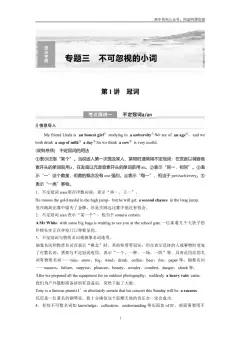
【技巧1】熟词僻义
“You know,” Kurt said simply,” growth is not a(n) automatic process.” And
that’s when it ______ me. I wasn’t doing anything on purpose to make myself better.
And at that moment, I made the decision: I will develop and follow a personal growth
plan for my life.
A. confused
B. informed
C. pleased
D. hit
【答案】D
【解析】本题考查词义辨析之熟词僻义。解题步骤:①选项分析:A. confused 令
某人困惑;B. informed 告知;C. pleased 使愉悦;D. hit 某人突然意识(想)到。
②分析句子含义:”就在那一刹那,我突然______。”本题的线索为下句“I wasn’t
doing anything on purpose to make myself better.我没有做什么事情去让自己变得
更好。”这应该是我意识到的事情。并且it 指代Kurt 对我说的话“growth is not a(n)
automatic process.成长不是一个自然而然的过程”。随后“我”即进行反思,并确定
了以后要怎么做。所以,Kurt 的话“点醒了”我。本题的难点在于考查hit 的熟词
僻义,hit 的英文释义之一为“When a feeling or an idea hits you, it suddenly affects
you or comes into your mind”,中文意思为”某人突然意识到......”。
【技巧2】近义形近
The passengers on the bus watched with sympathy as Susan made her way
carefully up the steps. She paid the driver and then, using her hands to feel the seats,
settled in one of them. It had been a year since Susan became blind. As a result of an
accident she was suddenly thrown into a world of ______.
A. weakness
B. sickness
C. darkness
D. sadness
【答案】C
【解析】本题考查词义判断之形近辨析。①句意分析:由于一次事故,她忽然陷
入了______的世界。②选项分析:A. weakness 弱点;B. sickness 病;C. darkness
黑暗;D. sadness 伤心。本题线索为空格前的became blind。盲人陷入到黑暗的
世界,这种表达在中文里面我们也使用,所以应该是“a world of darkness”。故选
C。
【技巧3】固定搭配
Raynor Winn and her husband Moth became homeless due to their wrong
investment. Their savings had been ______ to pay lawyers’ fees.
A. drawn up
B. used up
C. backed up
D. kept up
【答案】B
【解析】本题考查词义判断之固定搭配。解题要点:A. 起草;B. 用光;C. 备
用;D. 保持,跟上。结合句意:夫妻俩由于投资失败而无家可归,他们的积蓄
都被______来付律师费了。因此本题答案为B。
2.
语境判断:通过对应原文、逻辑关系、感情色彩、主旨大意、上下文推断,
来快速锁定答案。
【技巧1】对应原文
原词对应
Wilson first worked as a driver through a student-support programme of the
non-profit organization, On Point for College. Although the ______ asks the members
only to drive students to and from their classes, Wilson often goes beyond to ensure
the welfare and safety of the students.
A. club
B. league
C. college
D. programme
【答案】D
【解析】本题考查语境判断之对应原文(原词对应)。“虽然该______只要求其成
员开车接送学生上下课,但为了确保学生的福利和安全,威尔逊经常做得更多。”A.
club 俱乐部;B. league 社团;C. college 大学;D. programme 项目。本题的解
题线索是前文的programme,是原词复现,因此答案为D。
同义转换
Lamb and mother reunited, I turned back to the tractor only to see it move
suddenly away from me. This was so unexpected because I had put the handbrake on
when I jumped out. Obviously, Don had somehow made the ______ move.
A. lamb
B. vehicle
C. seat
D. fence
【答案】B
【解析】本题考查语境判断之对应原文(同义转换)。题干意为:显然,唐不知
怎的让______移动了。选项意为:A. lamb 小羊;B. vehicle 车辆;C. seat 座位;
D. fence 栅栏。解题线索为上文中的"I turned back to the tractor only to see it move
suddenly"可知,很明显是Don 让拖拉机移动的,B 项中的vehicle 为tractor 的同
义转换,故选B。
反义对应
Once a man came to the prophet (预言家) and said, “Oh prophet, I have a lot of
bad habits. Which one of them should I give up first?” The prophet said, “Give up
telling ______ first and always tell the truth.” The man promised to do so and went
home.
A. stories
B. truths
C. reasons
D. lies
【答案】D
【解析】本题考查完形解题语境判断之对应原文(反义对应)。题干意为:首先要
放弃______,永远要说实话。选项意为:A. stories 故事;B. truths 真相;C. reasons
理由;D. lies 撒谎。根据空格前的give up 和后文always tell the truth 可知,空格
处的语义与tell the truth (说实话)相反,是指说谎(lies),lies 与tell the truth 为反
义对应,故选D。
【技巧2】逻辑关系
逻辑线索
It’s about 250 miles from the hills of west-central Iowa to Ehlers’ home in
Minnesota. During the long trip home, following a weekend of hunting, Ehlers
thought about the small dog he had seen trembling alongside the road. He had tried to
coax (哄) the dog to him but, frightened, it had ______.
A. calmed down B. stood up
C. rolled over
D. run off
【答案】D
【解析】本题属于语境判断之逻辑关系(逻辑线索)。句意:他试图哄这只小狗到
自己身边,但是这只小狗非常害怕,它_____。A. calmed down 镇定下来;B. stood
up 站起来;C. rolled over 滚动;D. run off 跑开。解题要点:本题线索为句子中
的转折词but,可以看出Ehlers 想让狗到他身边,“但是”,狗应该是跑开了(run off),
与他的想法相反,故而答案选D。
逻辑词
She refused to live with male cranes, and even had a reputation for killing some
of them, which made it impossible for her to become a mother. ______, the two
zookeepers didn’t want to see the extinction (灭绝) of this precious species. With
their patience and efforts, they successfully developed a combination of artificial
breeding (人工繁殖) and natural reproduction. This enabled Emma to give birth to
five baby cranes.
A. Therefore
B. Moreover
C. However
D. Instead
【答案】C
【解析】本题考查语境判断之逻辑关系(逻辑副词)。题干意为:“______,这两位
动物园管理员不想看到这个珍稀物种灭绝”。A. therefore 因此;B. moreover 另外;
C. however 然而;D. instead 相反。根据上文可知,Emma 拒绝和雄鹤一起生活,
甚至会杀死它们,这使它无法成为母亲;根据本句中的“the two zookeepers didn’t
want to see the extinction (灭绝) of this precious species.”可知,这两位动物园管理
员不想看到这个珍稀物种灭绝。由此可知,空格前后句之间是转折关系。C 项意
为然而,表示转折,符合语境。故选C。
【技巧3】感情色彩
“We see the sky is blue, but down in the valley it’s darker—it’s like on a ______
day.”
A. cloudy
B. normal
C. different
D. warm
【答案】A
【解析】本题考查语境判断之感情色彩。句意为“但是山谷中却暗很多—好像在
______天”。A. 多云的,阴天B. 正常的C. 不同的D. 温暖的根据“darker”这
一负态度词汇可知空格处跟它类比,也应填负态度词汇。B、C 是中性词,D 是
正态度词,“阴暗”与“多云、阴天”可类比,故选A。
【技巧4】上下文推断
It’s about 250 miles from the hills of west-central Iowa to Ehlers’ home in
Minnesota. During the long trip home, following a weekend of hunting, Ehlers
thought about the small dog he had seen trembling alongside the road. He had tried to
coax (哄) the dog to him but, frightened, it had run off.
Back home, Ehlers was troubled by that lost dog. So, four days later, he called
his friend Greg, and the two drove back. After a long and careful ______, Greg saw,
across a field, the dog moving cautiously away. Ehlers eventually succeeded in
coaxing the animal to him. Nervousness and fear were replaced with joy. It just
started licking (舔) Ehlers’ face.
A. preparation
B. explanation
C. test
D. search
【答案】D
【解析】本题属于语境判断其他线索之上下文推断。句意:在漫长和细致的______
之后,Greg 在一片田地对面看到了这只狗______走着。A. 准备;B. 解释;C. 测
验;D. 寻找。解题要点:结合前文提到狗走丢了,以及他们开车回去,明显目
的是要寻找狗,故而选项D 符合语境。
【技巧5】主旨大意
It’s about 250 miles from the hills of west-central Iowa to Ehlers’ home in
Minnesota. During the long trip home, following a weekend of hunting, Ehlers
thought about the small dog he had seen trembling alongside the road. He had tried to
coax (哄) the dog to him but, frightened, it had run off.
Back home, Ehlers was troubled by that lost dog. So, four days later, he called
his friend Greg, and the two drove back. After a long and careful search, Greg saw,
across a field, the dog moving cautiously away. Ehlers eventually succeeded in
coaxing the animal to him. Nervousness and fear were replaced with joy. It just
started licking (舔) Ehlers’ face.
A local farmer told them the dog sounded like one advertised as lost in the local
paper. The ad had a phone number for a town in southern Michigan. Ehlers called the
number of Jeff and Lisa to tell them he had found their dog.
Jeff had hunted in Iowa before Thanksgiving with his dog, Rosie, but the gun
shots had scared the dog off. Jeff searched in vain for Rosie in the next four days.
Ehlers retuned to Minnesota, and then drove 100 miles to Minneapolis to put
Rosie on a flight to Michigan. “It’s good to know there’s still someone out there who
cares enough to go to that kind of trouble,” says Lisa of Ehlers’ rescue ______.
A. service
B. plan
C. effort
D. team
【答案】C
【解析】本题属于语境判断之忠实主旨。句意:很高兴知道外界还有对于这种麻
烦的事情而足够关心的人。Lisa 对于Ehlers 的救援______这样说。A. 服务;B. 计
划;C. 努力;D. 团队。解题要点:根据文章内容可知主要讲述了Ehlers 救了一
只小狗的行为。故而“服务”,“团队”不符合文章内容。同样,因为他已经付诸行
动,故不是“计划”,而是“努力”。答案选C。
应用文写作
知识体系:
章节概述:
高中的书面表达比初中英语要求更高,除了表达清楚、没有语法错误、不遗
漏要点等基础要求以外,还需要学生可以熟练运用高级句式和词汇。因此对于高
中应用文写作来说,了解文章的写作架构,提升自己高级词汇、句型的运用能力
尤为关键。
在本章中,通过真题范文讲解了道歉信和申请信这两种应用文。考生可以通
过本章内容,归纳两种文章的共通之处,积累和熟练运用高级句式和词汇,搭建
文章的写作架构。
知识清单:
道歉信
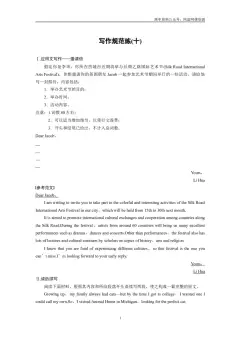
一、真题范文
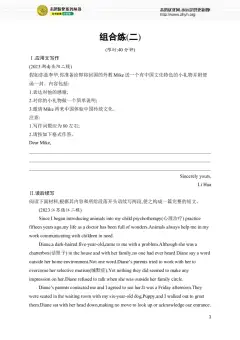
假定你是李华,与留学生朋友Bob 约好一起去书店,因故不能赴约。请给
他写封邮件,内容包括:
(1)表示歉意;
(2)说明原因;
(3)另约时间。
【注意】
(1)词数100 左右;
(2)可以适当增加细节,以使行文连贯。
【参考范文】
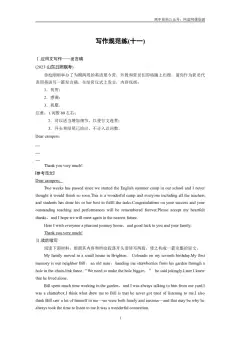
Dear Bob,
I’m sorry to say that I cannot go to the bookstore with you on Friday afternoon.
I have just found that I have to attend an important class meeting that afternoon. I
hope the change will not cause you too much trouble. Shall we go on Saturday
morning? We can set out early so that we’ll have more time to read and select books.
If it’s convenient for you, let’s meet at 8:30 outside the school gate. If not, let me
know what time suits you best. I should be available any time after school next week.
Once again, I am sorry for any inconvenience caused. I am looking forward to
your reply.
Yours sincerely,
Li Hua
二、道歉信三要素
1.
表示歉意
2.
说明原因
3.
另约时间
三、文章主题词
方便的:convenient
不方便:inconvenience, trouble
有空的:available
道歉:apologize, apology, express deep regret
原谅:forgive, beg your forgiveness for
和解:make up/be reconciled with
信守承诺、约定:keep promise/keep ones word/engagement
错过/取消约会:miss/cancel the appointment
弥补,补偿:make up for, compensate for
体谅:be considerate of, show understanding and sympathy for, make allowance
for others’ difficulties, understand my situation
除了做某事别无选择:have no choice/option but to do sth., have no intention of
doing
四、文章结构
(一)首段:表示歉意
1.【范文】
I’m sorry to say that I cannot go to the bookstore with you on Friday afternoon.
2.【补充拓展—表示歉意】
(1)我很抱歉昨天跟你吵架时把你推倒了。
I’m sorry to have quarreled with you about knocking you down yesterday.
(2)我很抱歉昨天晚上没准时出现。
I feel terribly sorry for my not having turned up on time last night.
(二)中间段:说明原因+另约时间
1.【范文】
I have just found that I have to attend an important class meeting that
afternoon. I hope the change will not cause you too much trouble. Shall we go on
Saturday morning? We can set out early so that we’ll have more time to read and
select books. If it’s convenient for you, let’s meet at 8:30 outside the school gate. If
not, let me know what time suits you best. I should be available any time after
school next week.
2.【亮点词汇句式】
(1)attend an important class meeting:参与重要班会
(2)set out:出发,动身
(3)select books:挑选书籍
(4)let me know what time suits you best:请告知您什么时间最方便
(三)尾段:再次表达歉意+期待回复
1.【范文】
Once again, I am sorry for any inconvenience caused. I am looking forward to
your reply.
2.【补充拓展—结尾句】
(1)如能允许,不胜感激。
Your kind permission will be greatly appreciated!
(2)我由衷的希望能获得您的体谅并接受我的道歉。
I sincerely hope you could think in my shoes and accept my apology.
申请信
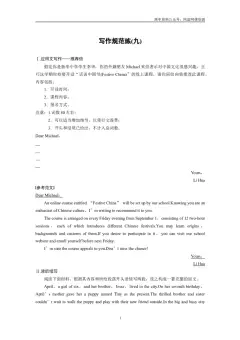
一、真题范文
假定你是李华,你校英语协会招聘志愿者,接待来访的国外中学生。请你写
信应聘,内容包括:
(1)口语能力;
(2)相关经验;
(3)应聘目的。
【注意】
(1)词数100 左右;
(2)可以适当增加细节,以使行文连贯。
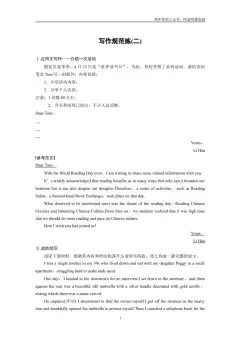
Dear Sir or Madam,
I’m Li Hua, a senior 3 student. I am writing to apply for the volunteer to receive
the students from foreign countries.
I think I can qualify for the job. Firstly, I have a good command of oral English,
which enables me to communicate well with foreign students. Besides, I have worked
as volunteers before. Therefore, my relevant experience can be helpful when dealing
with urgent problems. I really hope that I can be given the position since it is a
precious opportunity for me to make acquaintance with native speakers to learn about
their culture. More importantly, I regard it as a good chance to introduce splendid
Chinese culture to them.
If chosen, I will devote my energy and time to the job. Looking forward to your
reply.
Yours,
Li Hua
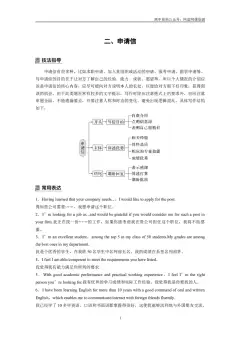
二、申请信三要素
1.
基本信息(自我介绍,写作目的)
2.
优势介绍(性格特征,知识能力)
3.
参加目的(希望入选,表达衷心)
三、文章主题词
突出我的成就专业:highlight my accomplishment/expertise
很荣幸能成为:have the privilege of serving as a/an …
各种各样的:all styles of
培养:foster, cultivate
参与感强的环境:engaging environment
提升创造力:promote creativity
口碑很好:have awesome reputation in
不同的人:people from various background
鼓励人们突破极限:inspire people to break possibility limits
激起了在追求事业的欲望:fuel my desire to pursue a career in …
有……的才能/素质:have an aptitude for .
学习能力很强:I am a quick/fast learner.
思考问题能力很强:have a multi-perspective approach towards a situation
工作热情:positive work ethic
承担……职位的挑战take on the challenges of … position
做事主动的人:self-starter, have initiative, on one’s own, initiative
坚实的学科基础:solid academic foundation
擅长做某事:be skilled at/in, be strong in, be accomplished at
熟悉了解:be acquainted with
申请:put in an application for
提升:promote, enhance
四、文章结构
(一)首段:基本信息(自我介绍,写作目的)
1.【范文】
I’m Li Hua, a senior 3 student. I am writing to apply for the volunteer to receive
the students from foreign countries.
2.【亮点词汇句式】
(1)the students from foreign countries:来自世界各地的学生
3.【补充拓展—开头句】
(1)非常开心听说英语社团需要一名志愿者。所以我写信申请加入。
I’m glad to hear that our school English club needs a volunteer. So I’m writing to join
the school English club.
(2)非常高兴获悉英语社团需要一名志愿者。所以我写下了这封信而申请加入。
I am so glad to learn that a volunteer is needed in the school English club. So I am
writing this letter to apply for it.
(二)中间段:优势介绍(性格特征,知识能力)
1.【范文】
I think I can qualify for the job. Firstly, I have a good command of oral English,
which enables me to communicate well with foreign students. Besides, I have worked
as volunteers before. Therefore, my relevant experience can be helpful when dealing
with urgent problems. I really hope that I can be given the position since it is a
precious opportunity for me to make acquaintance with native speakers to learn
about their culture. More importantly, I regard it as a good chance to introduce
splendid Chinese culture to them.
2.【亮点词汇句式】
(1)qualify for:胜任
(2)have a good command of:擅长
(3)relevant experience:相关经验
(4)precious opportunity:宝贵的机会
(5)make acquaintance with:结识,认识
(6)splendid:极佳的,壮丽的
(三)结尾段:参加目的(希望入选,表达衷心)
1.【范文】
If chosen, I will devote my energy and time to the job. Looking forward to your
reply.
2.【补充拓展】
(1)If chosen, I will…:省略句
(2)devote sth. to (doing) sth.:把时间(钱、精力等)献给某事物
3.【补充拓展—结尾句】
(1)希望我能被录取。
Hopefully I can receive your acceptance.
(2)如果我得到这个机会,我一定会全身心投入到这个活动中,让它变成最棒
的一个。如能早点回复,我将不胜感激。
If I get the chance, I will be pleased to prepare for the activity with heart and soul
to make it a fabulous one. Your earliest reply will be grateful.
经典范文:
一、道歉信
1.
假设你是李华。昨天晚上你和你的朋友David 约好7:15 分在长安剧院门口
集合去看一场演出。结果你因故迟到,请根据以下内容写一封道歉信。内容包括:
(1)妈妈在医院工作到很晚,在此期间你要照顾弟弟;
(2)去车站没有等到车,改坐地铁并因此迟到45 分钟;
(3)提出下周五见面。
【注意】
(1)不得使用真实姓名;
(2)语言流畅,中心突出,表达清楚,正确无误;
(3)词数80 左右。
Dear David,
I feel terribly sorry for my not having turned up on time last night. I hope you
didn’t wait too long outside the Chang’an Theatre. I knew it made you upset but
something unexpected struck. I had to look after my small brother till my mother
returned home. She spent a long time at her work in hospital and arrived home very
late. Upon her arrival, I rushed to the bus stop, but to my disappointment, I had
already missed the bus. And so I decided to go there by subway and arrived there at
eight o’clock. I didn’t expect that you would still be there because it was three
quarters late. I sincerely hope you could think in my shoes and accept my apology.
Anyway, how about next Friday?
Yours sincerely,
Li Hua
2.
假设你是新华中学的学生李华,你和在上海上学的英国朋友Tom 约好下周
末去北京旅游,但你因故不能赴约。请根据以下要点用英语给他写一封电子邮件:
(1)表示歉意;
(2)解释原因;
(3)另约时间。
【注意】
(1)不得使用真实姓名;
(2)语言流畅,中心突出,表达清楚,正确无误;
(3)词数100 左右。
Dear Tom,
I am writing with sincere regret to inform you that I am not able to make the trip
to Beijing as scheduled. It is a painful decision for me. I apologize for all the related
inconvenience.
I was severely injured in a soccer game last weekend. The doctor carefully
examined me and told me that I had to stay in bed for at least one month. I asked him
whether there was any possibility that I would recover faster, yet the answer was
negative; my condition didn’t allow me to go anywhere until my leg fully recovered.
Then I realized I would miss the trip that I was longing for. Beijing has always been
my dreamland, and I am going there as soon as I fully recover. I am not writing to
cancel the trip but postpone it if possible. I will be available in the first three weeks of
August. What about you?
Sorry again for the inconvenience, and I am looking forward to your reply.
Yours
Li Hua
二、申请信
3.
假定你是李华,九月末将去纽约交流学习。得知当地博物馆要举办中国传统
服装展,正在招募志愿者。请写一封申请信,内容包括:
(1)写信目的;
(2)个人特长;
(3)期待回复。
【注意】
(1)词数100 左右;
(2)可适当增加细节,以使行文连贯。
Dear Sir,
I’m a middle school student from China and I’m going to study in New York in
late September. Knowing that an exhibition of traditional Chinese clothing is to be
held in a local museum, I’d like to apply to be a volunteer to help around.
First, I’m interested in clothing design and I’ve read lots of books on the costume
features of different dynasties. Besides, being a fluent English speaker, I can help
introduce the styles and history to the visitors. Most importantly, it would be an honor
to spread our culture and promote cultural exchange between the two countries.
I’d appreciate it if you could consider my application. Looking forward to your
reply!
Yours,
Li Hua
4.
假定你是李华,一名来自杭州的高中生,2022 年亚运会将在杭州举行,现正
在招募志愿者。你希望成为其中一员,请根据以下要点给组委会写一封申请信。
内容包括:
(1)写信目的;
(2)个人优势;
(3)应聘目的。
【注意】
(1)可适当增加细节,以使行文连贯;
(2)词数:80 词左右。
Dear Sir or Madam,
I am Li Hua, a senior middle school student from Hang Zhou. Learning that
volunteers for the 2022 Asian Games are wanted, I am writing to apply for the
position.
I think I can serve as an outstanding English volunteer for the games due to the
fact that I used to be a volunteer in relevant games, which help me accumulate rich
experience. Besides, I once won the first prize in the English speech competition in
my school. Therefore, I can communicate with foreign visitors in English fluently. I
really hope that I can be given the opportunity to make my contribution to our city.
I will be very grateful if my application can be seriously considered. If I can be
offered the chance, I would feel greatly honored. Look forward to hearing from you.
Yours sincerely,
Li Hua