ARTICLE · 1172569
高中英语独立主格满分突破:10个易错点+名词分词+with复合结构,一次讲清
👉 独立主格是高中语法的"分水岭",看懂这篇,长难句不再怕,写作也能秒升级!
三条铁律
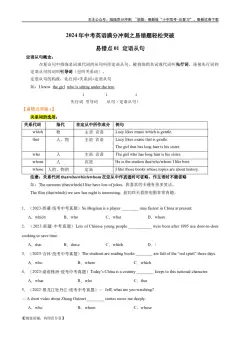
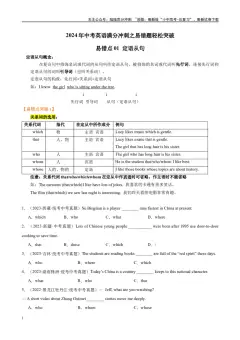
独立主格 = 名词/代词 + 非谓语/形容词/副词/介词短语,逻辑主语独立于句子主语
名词+现在分词表主动/进行,名词+过去分词表被动/完成
with复合结构是最"安全"的独立主格,是写作加分神器
PART 1 · 什么是独立主格(定义与基本结构)
一、独立主格的定义与特征
独立主格结构(Absolute Construction)是由「名词或代词 + 非谓语动词 / 形容词 / 副词 / 介词短语」构成的独立成分,在句中作状语。它的逻辑主语与句子主语不同,因此叫「独立」主格。判断标准:把逗号前后的两部分拆开,前半部分自身能构成「主语 + 非谓语」的完整逻辑,它就是独立主格。
The weather being fine, we went out for a walk. —— 天气晴朗,我们出去散步了。
The meeting over, they went back to work. —— 会议结束了,他们回去工作。
He came in, his hands in his pockets. —— 他走了进来,双手插在口袋里。
The boy followed the man, his eyes fixed on the ground. —— 男孩跟着那个男人,眼睛盯着地面。
Time permitting, we will visit the museum. —— 时间允许的话,我们会去参观博物馆。
The rain having stopped, we continued our journey. —— 雨停了之后,我们继续旅程。
All things considered, he is a good choice. —— 综合考虑,他是个好选择。
The work done, we went home. —— 工作做完后,我们回家了。
Nobody else being present, I had to do it alone. —— 没有别人在场,我只能独自完成。
The sun having set, we lit a fire. —— 太阳落山后,我们生了火。
二、独立主格 vs 分词作状语
分词作状语时,分词的逻辑主语就是句子主语;独立主格则有自己的逻辑主语(名词/代词),与句子主语分离。这是最易混淆的一组,务必分清。
Walking in the park, I saw a flower. —— 在公园散步时,我看见一朵花。(walking 的逻辑主语是 I,不是独立主格)
The sun having risen, we set off. —— 太阳升起后,我们出发了。(sun 是 having risen 的逻辑主语,独立于 we)
He sat there, his head lowered. —— 他坐在那里,低着头。(his head 是 lowered 的逻辑主语)
She stood by the window, her eyes closed. —— 她站在窗边,闭着眼睛。
The lecture finished, the students left the hall. —— 讲座结束后,学生们离开了大厅。
The teacher entering the room, the students stood up. —— 老师走进房间,学生们站了起来。
Laughing and talking, the children went to the park. —— 孩子们有说有笑地去了公园。(laughing 逻辑主语是 children)
The children walking ahead, we followed slowly. —— 孩子们走在前面,我们慢慢跟着。(children 是 walking 的独立逻辑主语)
The wind blowing, the flag fluttered. —— 风吹着,旗帜飘扬。
Dinner ready, they sat down to eat. —— 晚饭准备好了,他们坐下来吃。
PART 2 · 名词 + 现在分词(表主动 / 进行)
当独立主格中的名词与后面的分词是「主动」或「正在进行」关系时,用现在分词(doing / being done 表进行被动)。常见功能:时间、原因、条件、伴随。
The bell ringing, the students rushed out. —— 铃响了,学生们冲了出去。
Everyone laughing, the atmosphere became warm. —— 大家都笑着,气氛变得热烈。
The rain falling, we stayed indoors. —— 雨下着,我们待在室内。
The children playing in the yard, their mother watched them. —— 孩子们在院子里玩,妈妈看着他们。
The river rising, they moved to higher ground. —— 河水上涨,他们转移到了高地。
The clock striking twelve, we realized it was midnight. —— 钟敲十二下,我们意识到已是午夜。
The wind blowing hard, the trees swayed. —— 风刮得很大,树摇曳着。
The audience clapping, the singer bowed. —— 观众鼓掌,歌手鞠了躬。
The sun shining brightly, we went to the beach. —— 阳光灿烂,我们去了海滩。
The baby crying, the mother picked it up. —— 婴儿哭着,妈妈把它抱了起来。
The phone ringing, she answered it immediately. —— 电话响着,她立刻接了。
The engine running, the car moved forward. —— 引擎运转着,车向前开去。
The leaves falling, autumn arrived. —— 叶子落下,秋天来了。
The birds singing, the morning felt peaceful. —— 鸟儿歌唱,早晨显得宁静。
The teacher speaking, the class listened carefully. —— 老师讲着,全班认真听。
The children sleeping, the house was quiet. —— 孩子们睡着,房子很安静。
The score tied, the game went into overtime. —— 比分打平,比赛进入加时。
The soup boiling, she turned off the stove. —— 汤沸腾着,她关了炉子。
The snow falling, the world turned white. —— 雪下着,世界变白了。
The dog barking, the thief ran away. —— 狗叫着,小偷跑掉了。
The lights flickering, we felt uneasy. —— 灯光闪烁,我们感到不安。
The crowd cheering, the players felt encouraged. —— 人群欢呼,球员们倍受鼓舞。
The pages turning, the story unfolded. —— 书页翻动,故事展开。
The music playing, they danced happily. —— 音乐响着,他们快乐地跳舞。
The fire burning, we kept warm. —— 火燃烧着,我们保持温暖。
PART 3 · 名词 + 过去分词(表被动 / 完成)
当名词与分词是「被动」或「已完成」关系时,用过去分词(done)。这是独立主格里错误率最高的位置——分清主动被动是关键。
The work finished, we went home. —— 工作完成后,我们回家了。
The letter written, he went to post it. —— 信写好了,他去寄。
The window broken, the room was cold. —— 窗户破了,房间很冷。
The problem solved, they all relaxed. —— 问题解决,他们都放松了。
The meal cooked, the family sat down. —— 饭做好了,一家人坐下。
The homework done, he watched TV. —— 作业做完了,他看电视。
The book closed, she fell asleep. —— 书合上了,她睡着了。
The door locked, they left the house. —— 门锁上了,他们离开了房子。
The game won, the fans celebrated. —— 比赛赢了,球迷们庆祝。
The task completed, the team took a break. —— 任务完成,团队休息了一下。
The picture painted, she hung it on the wall. —— 画画好了,她把它挂上墙。
The mistake corrected, he apologized. —— 错误改正了,他道了歉。
The cake baked, we ate it. —— 蛋糕烤好了,我们吃了。
The road repaired, the traffic flowed again. —— 路修好了,交通恢复了。
The secret told, everyone knew. —— 秘密说出去了,大家都知道了。
The clothes washed, she went out. —— 衣服洗好了,她出去了。
The plan made, they started at once. —— 计划定好了,他们立刻开始。
The storm passed, the sky cleared. —— 暴风雨过去了,天空放晴。
The wound treated, the soldier returned. —— 伤口处理好了,战士归队。
The decision announced, the meeting ended. —— 决定宣布了,会议结束。
The fish caught, we had a feast. —— 鱼捕到了,我们吃了一顿。
The song sung, the choir bowed. —— 歌唱完了,合唱团鞠躬。
The law passed, people obeyed it. —— 法律通过了,人们遵守它。
The bridge built, the village prospered. —— 桥建好了,村庄繁荣起来。
The exam taken, the students felt free. —— 考试考完了,学生们感到轻松。
PART 4 · with 复合结构(最"安全"的独立主格)
with复合结构 = with + 宾语 + 宾语补足语。宾补可以是:现在分词(主动进行)、过去分词(被动完成)、形容词、副词、介词短语、不定式(将要发生)。它是写作中最推荐使用的独立主格形式。
三、with + 宾语 + 现在分词(主动 / 进行)
With the teacher standing by, the students felt safe. —— 老师站在旁边,学生们感到安全。
With rain pouring down, we stayed inside. —— 雨倾盆而下,我们待在屋里。
With the wind blowing, the kite flew high. —— 风吹着,风筝飞得很高。
With many people watching, he felt nervous. —— 许多人在看着,他感到紧张。
With the clock ticking, time seemed slow. —— 钟滴答走着,时间似乎变慢。
四、with + 宾语 + 过去分词(被动 / 完成)
With the homework finished, he went out to play. —— 作业做完了,他出去玩。
With the window broken, the room was cold. —— 窗户破了,房间很冷。
With the work done, they went home. —— 工作做完了,他们回家。
With the door locked, she couldn’t get in. —— 门锁着,她进不去。
With the problem solved, everyone relaxed. —— 问题解决了,大家都放松。
With his hair cut, he looked younger. —— 头发剪了,他看起来更年轻。
With the meal prepared, the guests arrived. —— 饭菜准备好了,客人们到了。
With the letter written, she posted it. —— 信写好了,她寄了出去。
With the city destroyed, people rebuilt it. —— 城市被毁,人们重建它。
With the task completed, the team celebrated. —— 任务完成,团队庆祝。
五、with + 宾语 + 形容词 / 副词 / 介词短语
With the door open, we could hear the noise. —— 门开着,我们能听到噪音。
With the lights on, the room looked bright. —— 灯亮着,房间显得明亮。
With the children asleep, the mother rested. —— 孩子们睡着了,妈妈休息了。
With the meeting over, they left. —— 会议结束,他们离开了。
With him away, the office was quiet. —— 他不在,办公室很安静。
With the book in her hand, she walked in. —— 她手里拿着书,走了进来。
With a smile on her face, she greeted us. —— 她脸上带着微笑,向我们打招呼。
With tears in his eyes, he said goodbye. —— 他眼里含着泪,说了再见。
With a bag on his back, the boy ran. —— 男孩背着包,跑了起来。
With the sun in the sky, it was a fine day. —— 太阳在天上,是个好天气。
六、with + 宾语 + 不定式(将要发生)
With a lot of work to do, he stayed late. —— 有许多工作要做,他待到很晚。
With the exam to take, she studied hard. —— 要考试了,她努力学习。
With a speech to give, he practiced all night. —— 要演讲了,他练了一整夜。
With the guests to come, they cleaned the house. —— 客人要来,他们打扫了房子。
With a long way to go, they started early. —— 还有很长的路要走,他们早早出发。
PART 5 · 10个易错点逐条拆解
七、易错点 1:漏掉 being,把独立主格写成定语从句
独立主格中,名词与分词之间是「主谓」逻辑,必须用非谓语形式。很多人会漏掉 being,直接写 “The meeting over” 时误加谓语动词。
正确:The meeting being over, we left. —— 会议结束,我们离开了。
错误:The meeting was over, we left.(逗号不能连接两个完整句子,需用独立主格或连词)
正确:All the tickets sold out, they went home. —— 票全卖光,他们回家了。
错误:All the tickets were sold out, they went home.(应使用 sold out 或 being sold out)
正确:The question being settled, the class ended. —— 问题解决了,下课了。
八、易错点 2:现在分词与过去分词主动被动判断错
名词能发出动作 → 现在分词;名词承受动作 → 过去分词。判断错就全错。
正确:The sun risen, we set off.(太阳升起,用 risen 表完成)
正确:The sun rising, the sky turned red.(太阳正在升起,用 rising 表进行)
错误:The window breaking, it was cold.(应是破了的窗,用 broken)
正确:The window broken, it was cold. —— 窗户破了,很冷。
错误:The boy following, we walked ahead.(应是男孩被跟着,用 followed)
九、易错点 3:there being 结构的特殊用法
there 可以作独立主格的逻辑主语,构成 “there being + 名词” 结构,表示「有……」。
There being no bus, we had to walk. —— 没有公交车,我们只好走路。
There being no time left, we hurried. —— 没时间了,我们匆忙起来。
There being a storm, the ship stayed in port. —— 有暴风雨,船停在港口。
错误:There was no bus, we walked.(应用 there being 作独立主格)
There being nothing to do, he went to bed. —— 没事可做,他睡觉去了。
十、易错点 4:独立主格与分词作状语混淆
关键看逻辑主语:分词作状语,逻辑主语 = 句子主语;独立主格,逻辑主语 = 前面的名词。
分词状语:Hearing the news, he jumped with joy.(he 听到消息,主语一致)
独立主格:The news heard, he jumped with joy.(news 被听到,有独立主语)
分词状语:Reading the book, I learned a lot.(I 读书,主语一致)
独立主格:The book read, I returned it.(book 被读,有独立主语)
分词状语:Waiting for the bus, she read a magazine.(she 等车,主语一致)
十一、易错点 5:with 复合结构宾补形式选错
with 后宾补的形式取决于宾语与宾补的主动/被动/进行/将来关系,选错就语法错误。
主动进行:With the rain falling, we stayed in.(falling = 雨正下)
被动完成:With the rain stopped, we went out.(stopped = 雨被停)
将来:With more rain to come, we took umbrellas.(to come = 将要来)
状态:With the rain gone, the sun appeared.(gone = 雨已走)
错误:With the rain stop, we went out.(应用 stopped 或 stopping)
十二、易错点 6:独立主格不能作谓语
独立主格是非谓语结构,里面不能出现谓语动词。若要表达「主谓」完整句,必须加连词或用从句。
正确:The work done, we rested. —— 工作做完,我们休息了。
错误:The work was done, we rested.(缺连词,不能用谓语 was)
正确:Because the work was done, we rested.(加 because 变从句)
正确:The children sleeping, we tiptoed out. —— 孩子们睡着,我们踮脚出去。
错误:The children slept, we tiptoed out.(缺连词)
十三、易错点 7:名词单复数与分词的一致性
独立主格的逻辑主语是名词,其单复数影响句意,但分词形式本身不随单复数变化。
The student absent, the teacher was worried. —— 那个学生缺席,老师担心。
The students absent, the teacher was angry. —— 那些学生缺席,老师生气。
The leaf falling, I caught it. —— 叶子落下,我接住了。
The leaves falling, the ground turned yellow. —— 叶子落下,地面变黄。
The bird singing, the morning was lovely. —— 鸟儿歌唱,早晨很可爱。
十四、易错点 8:独立主格的逻辑主语必须用名词或代词
独立主格的逻辑主语不能是句子谓语的主语,必须是前面出现的名词/代词(常带物主代词 his/her/their)。
正确:He lay on the grass, his arms under his head. —— 他躺在草地上,双臂枕在头下。
正确:She sat there, her eyes on the book. —— 她坐在那里,眼睛盯着书。
错误:She sat there, eyes on the book.(应用 her eyes 表所属)
正确:The man stood, his hat in his hand. —— 男人站着,帽子拿在手里。
正确:They walked, their coats over their shoulders. —— 他们走着,外套搭在肩上。
十五、易错点 9:把独立主格当插入语,忽略其状语功能
独立主格通常表示时间、原因、条件、伴随、方式等状语功能,理解句意时要补出逻辑连接词。
时间:The meeting over, they left.(会议结束后 → 时间)
原因:The weather fine, we went out.(因为天气好 → 原因)
条件:Time permitting, we’ll go.(如果时间允许 → 条件)
伴随:He came in, his face red.(他走进来,脸通红 → 伴随)
方式:The old man walked, his stick in hand.(老人走着,手拄拐杖 → 方式)
十六、易错点 10:写作中不会把从句升级为独立主格
阅卷老师最欣赏的「高级句型」之一,就是把状语从句改写成独立主格,瞬间提升逼格。
普通:After the exam was over, we cheered. → 升级:The exam over, we cheered.
普通:Because the work was finished, he left. → 升级:The work finished, he left.
普通:When the sun had risen, we set off. → 升级:The sun having risen, we set off.
普通:With the wind blowing, we felt cold. → 升级:The wind blowing, we felt cold.
普通:If time permits, we will go. → 升级:Time permitting, we will go.
PART 6 · 在阅读与写作中的应用
十七、长难句拆解:独立主格是"路标"
The president having delivered the speech, the audience applauded. —— 总统发表完演讲,观众鼓掌。(having delivered 表动作先于 applauded)
The data analyzed, the scientists drew a conclusion. —— 数据分析完,科学家得出结论。
The treaty signed, peace returned to the region. —— 条约签署,和平回到该地区。
The experiment completed successfully, they published the result. —— 实验成功完成,他们发表了结果。
The storm having passed, the ship continued its voyage. —— 暴风雨过去后,船继续航行。
十八、写作升级:用独立主格点亮文章
开头升级:The sun rising in the east, a new day began. —— 太阳从东方升起,新的一天开始了。
描写升级:The night dark, the stars shone brightly. —— 夜色深沉,星星明亮闪烁。
结尾升级:The goal achieved, we smiled with pride. —— 目标达成,我们自豪地笑了。
情感升级:Tears streaming down her face, she said thanks. —— 泪水顺着脸颊流下,她说着谢谢。
场景升级:The market crowded with people, the city came alive. —— 市场挤满人群,城市苏醒了。
过渡升级:The problem solved, we turned to the next task. —— 问题解决,我们转向下一个任务。
对比升级:The rich getting richer, the poor struggled. —— 富人更富,穷人挣扎。
总结升级:All things considered, it was a success. —— 综合考虑,这是一次成功。
号召升级:The future lying ahead, let us work hard. —— 未来在前,让我们努力。
意境升级:The leaves falling, autumn painted the world gold. —— 叶落,秋天把世界染成金色。
PART 7 · 核心词汇与结构表
A组 — 独立主格标志词
独立主格 absolute construction
逻辑主语 logical subject
现在分词 present participle
过去分词 past participle
非谓语动词 non-finite verb
B组 — with复合结构
with复合结构 with-complex structure
宾语补足语 object complement
主动进行 active / ongoing
被动完成 passive / completed
将来发生 yet to happen
C组 — 常见功能
时间状语 temporal adverbial
原因状语 causal adverbial
条件状语 conditional adverbial
伴随状语 accompanying adverbial
方式状语 adverbial of manner
D组 — 易错提示
漏掉 being omitting “being”
主动被动 voice error
分词作状语 participial adverbial
定语从句 attributive clause
升级 upgrade / elevate
E组 — 写作加分句型
状语从句改为独立主格 reduce adverbial clause
高级句型 advanced sentence pattern
阅卷老师 examiner / grader
点亮文章 polish the writing
逼格提升 elevate the style
F组 — 重点例句结构
The meeting being over 会议结束(名词+being+表语)
The work done 工作完成(名词+过去分词)
The sun having risen 太阳升起(名词+having done)
With the door open 门开着(with+宾语+形容词)
Time permitting 时间允许(名词+现在分词)
练习一:判断对错(5题)
判断下列句子是否正确,正确的打✓,错误的打✗并改正:
The meeting was over, we left. ( )
The work done, we rested. ( )
With the rain stop, we went out. ( )
The sun risen, we set off. ( )
There being no bus, we walked. ( )
练习二:句型转换(5题)
把下列状语从句改写为独立主格结构:
After the exam was over, we cheered. → _______________________
Because the work was finished, he left. → _______________________
When the sun had risen, we set off. → _______________________
If time permits, we will go. → _______________________
As the storm passed, the sky cleared. → _______________________
练习三:with复合结构填空(5题)
用 with + 宾语 + 适当形式补全句子:
_______________________ (灯亮着), the room looked bright.
_______________________ (作业做完), he went out to play.
_______________________ (许多工作要做), he stayed late.
_______________________ (书在手里), she walked in.
_______________________ (风刮着), the kite flew high.
练习四:7天打卡计划
| 天数 | 任务 | 完成 |
|---|---|---|
✍️ 独立主格不可怕,拆成"名词+非谓语"就赢了。 10个易错点逐个击破,with复合结构随时能用——长难句拆得开,写作句亮得起来!