ARTICLE · 1197429
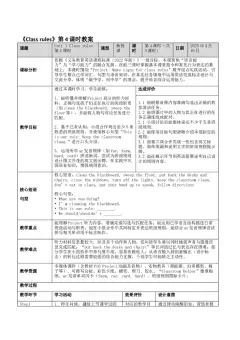
人教八下 Unit 4 手写教案|"Why don't you talk to your parents?" 7 课时完整设计,把最容易上成吐槽大会的单元上出思辨密度
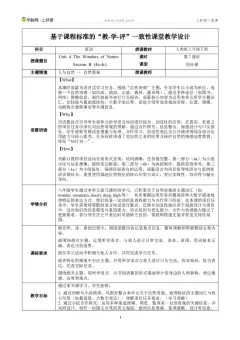
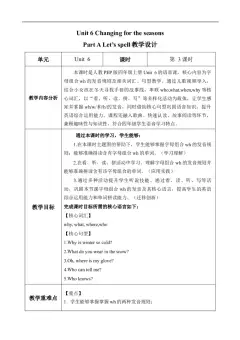
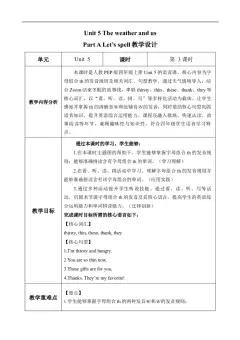
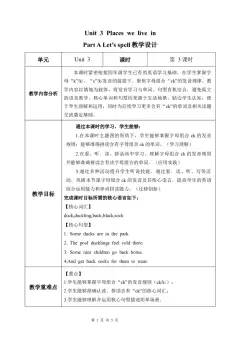
这份手写教案一共 7 个课时,没让它变成吐槽大会。从一首叫《Life》的小诗导入,到 Sad and Thirteen 给 Mr. Hunt 写求助信,再到中美孩子课外班压力对比的议论文,最后让学生用 In my opinion / I believe it is better if... so that / Perhaps... should... 的框架,写一封给报社的建议信——情感温度和语言密度,被一条"烦恼—建议—思辨"的线串了起来。
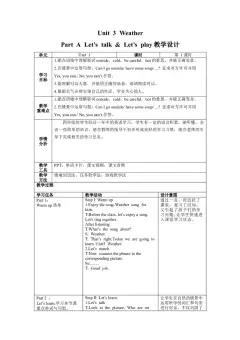
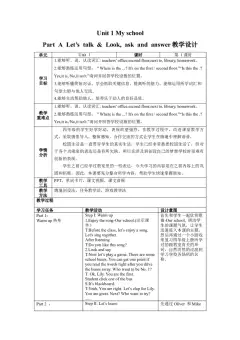
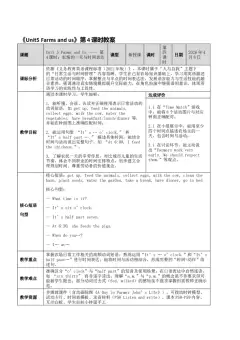
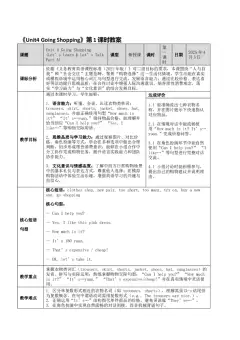
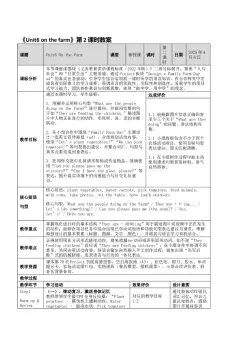
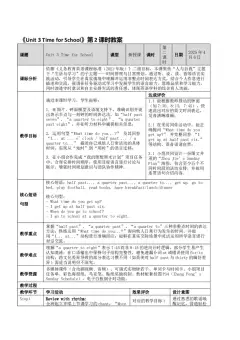
Period 1 是 Section A 的第一节听说课。老师没一上来就问"你有什么烦恼",而是先在课堂上读了一首叫《Life》的小诗,让学生找诗里描述生活的形容词,然后引出一句话:Life has two sides. It is not always beautiful.
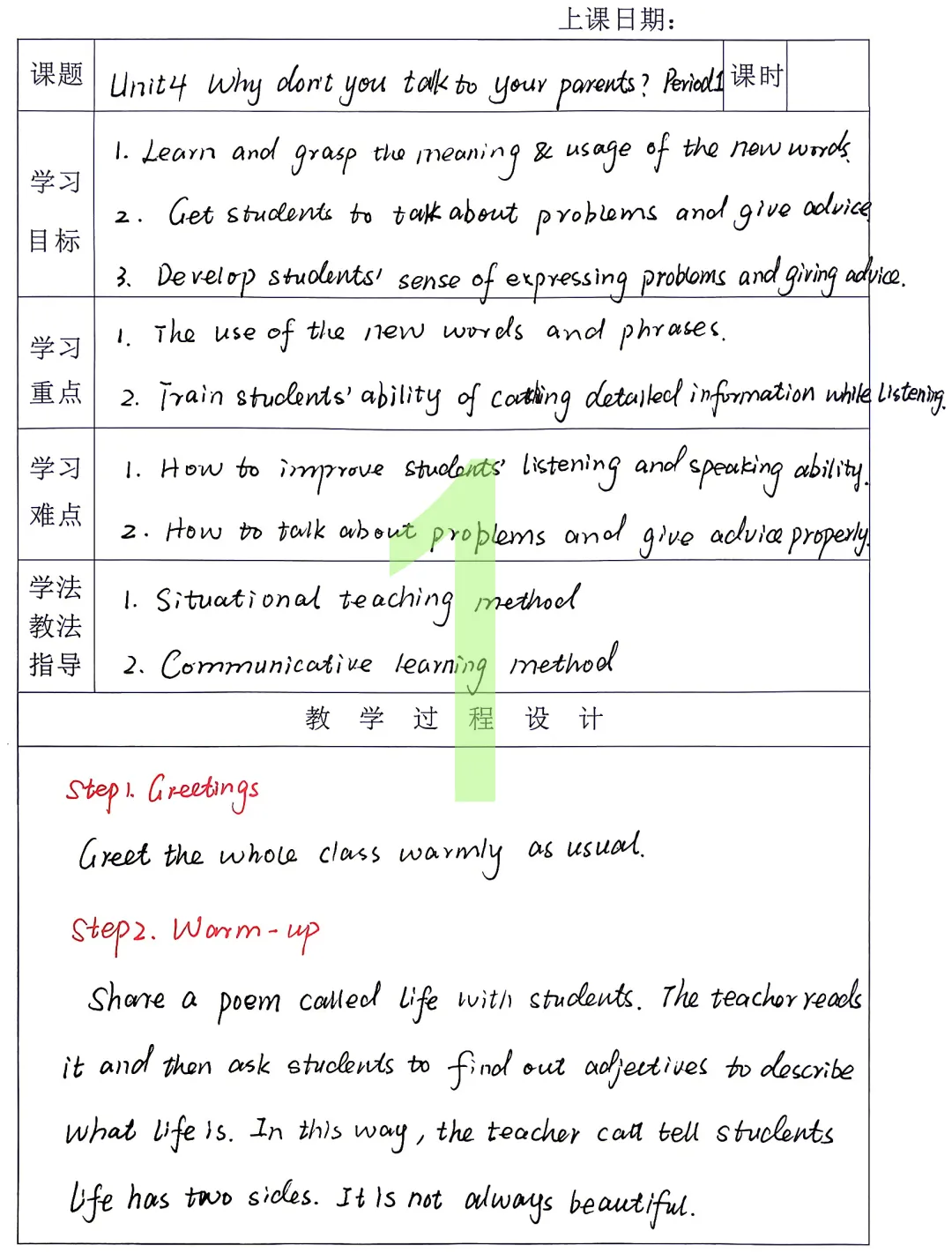
接着给学生一个句型框 "Life is full of ____",让他们自由填空——life is full of problems / happiness / sadness / love。聊到最后老师收一句:Life is full of problems.——这就自然过渡到 1a 的五个烦恼。
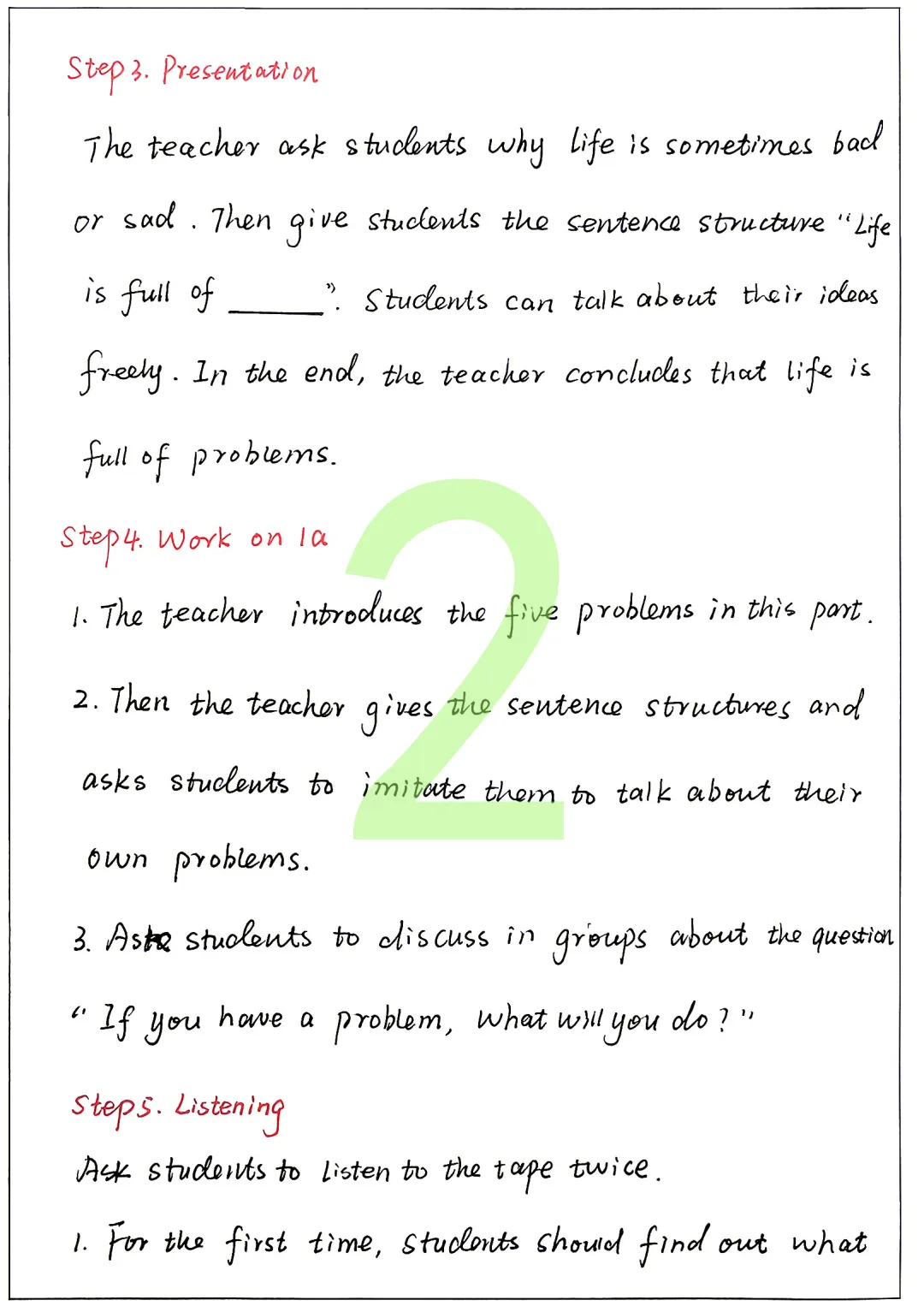
听力 1c 的示范对话写得很典型:
A: What's wrong?
B: I'm really tired because I studied until midnight last night.
A: Why don't you go to sleep earlier tonight?
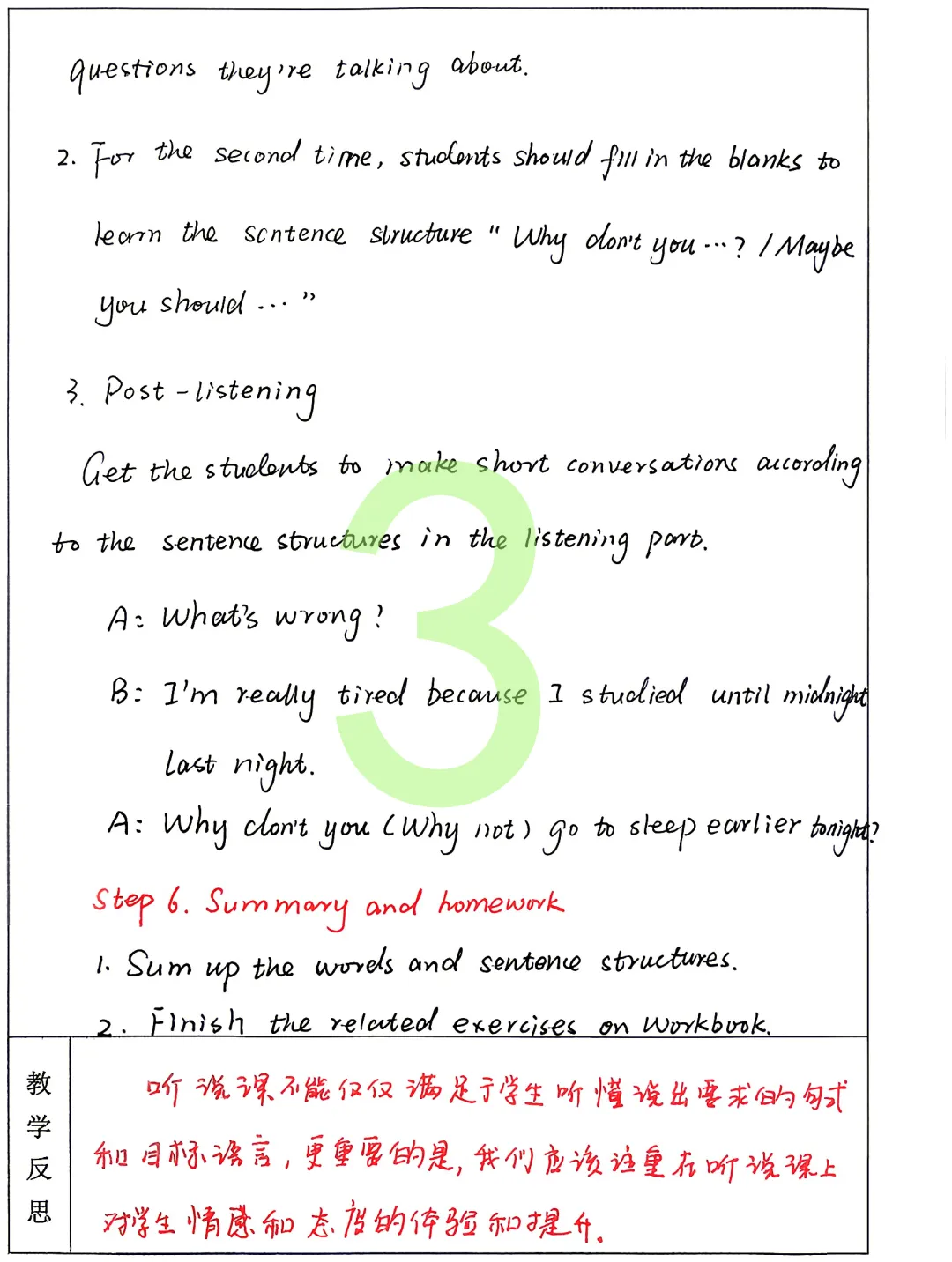
这节课的教学反思值得单独看一眼,老师写:"听说课不能仅仅满足于学生听懂、说出要求的句式和目标语言,更重要的是,我们应该注重在听说课上对学生情感和态度的体验和提升。"——这是真上过课的老师才会写的话。
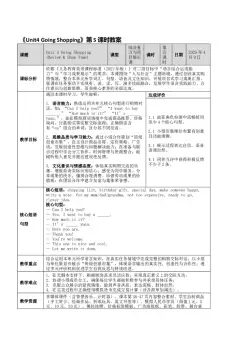
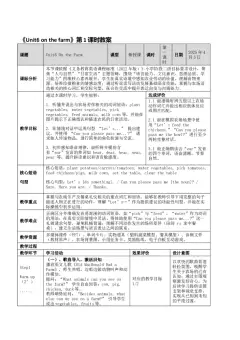
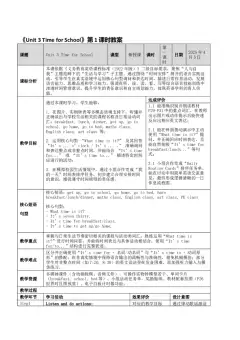
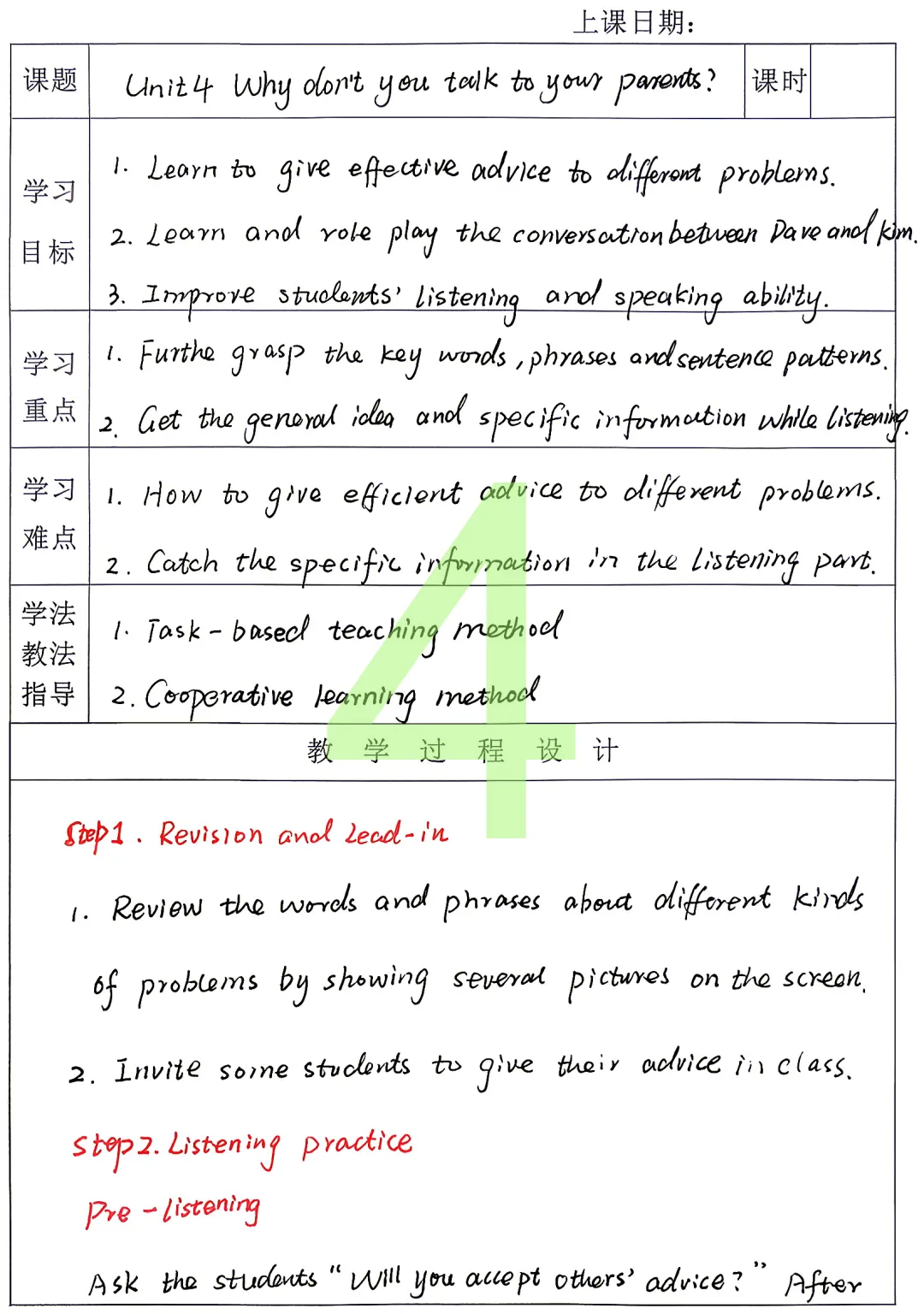
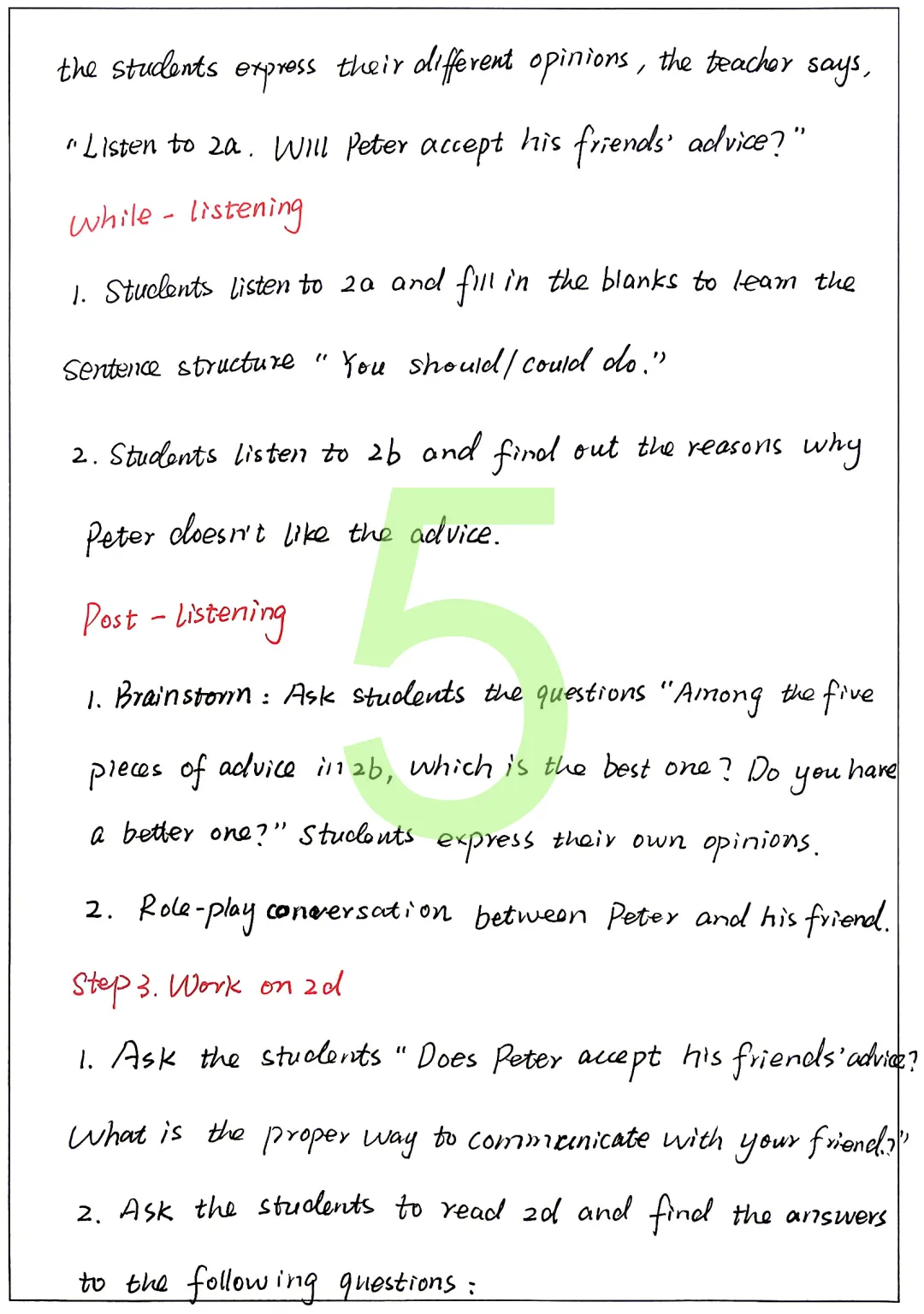
Period 2 是 Section A 2a-2d 的听说课。Pre-listening 先抛一个问题:Will you accept others' advice?——学生七嘴八舌说完,老师再放 2a:Will Peter accept his friends' advice?一下就把听的目的立住了。
2a 让学生填 You should / You could do;2b 找 Peter 为什么不喜欢那些建议;Post-listening brainstorm"五条建议里哪条最好?你有没有更好的?"——这一问就把听力从"做题"拉到了"判断"。
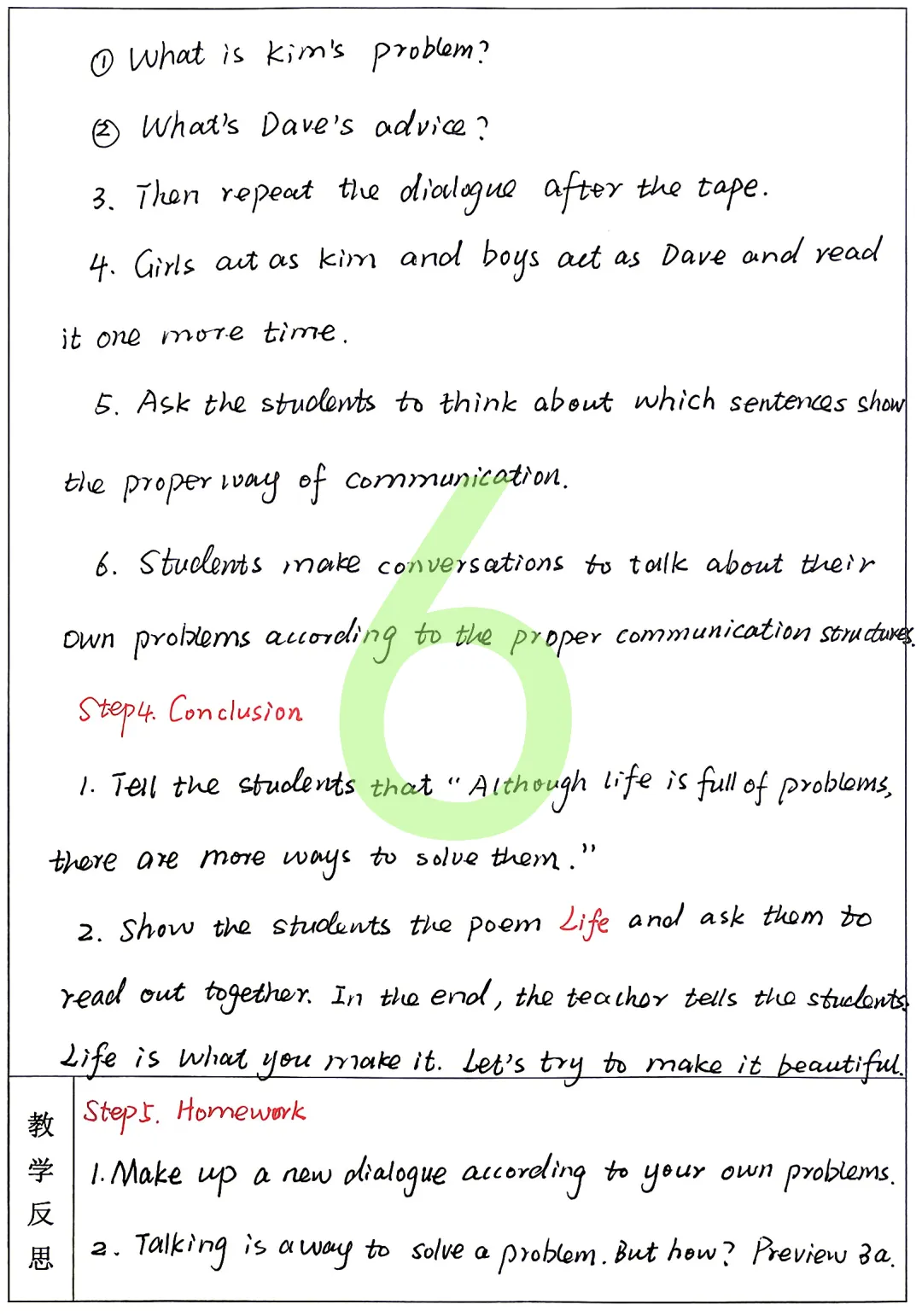
2d 那段 Dave 和 Kim 的对话,老师没有让学生齐读就过,而是设计了六步:读对话找答案 → 跟读录音 → 男生女生分角色读 → 找"得体沟通"的句子 → 用同样结构编自己的对话。最后 conclusion 又回到开头那首《Life》:
"Although life is full of problems, there are more ways to solve them."
"Life is what you make it. Let's try to make it beautiful."
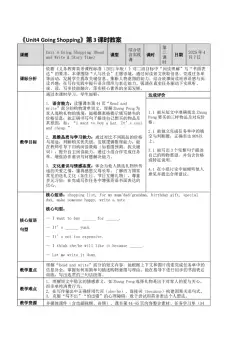
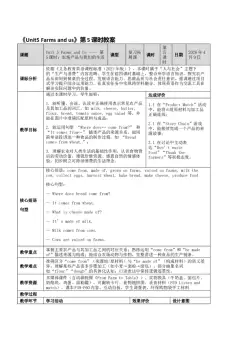
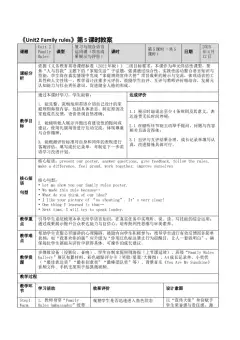
Section A 3a 是这个单元第一篇真正的阅读。一个署名 "Sad and Thirteen" 的学生给 Mr. Hunt 写信:父母关系紧张、哥哥对自己不好、他总是感到孤独紧张。Mr. Hunt 回信给建议。
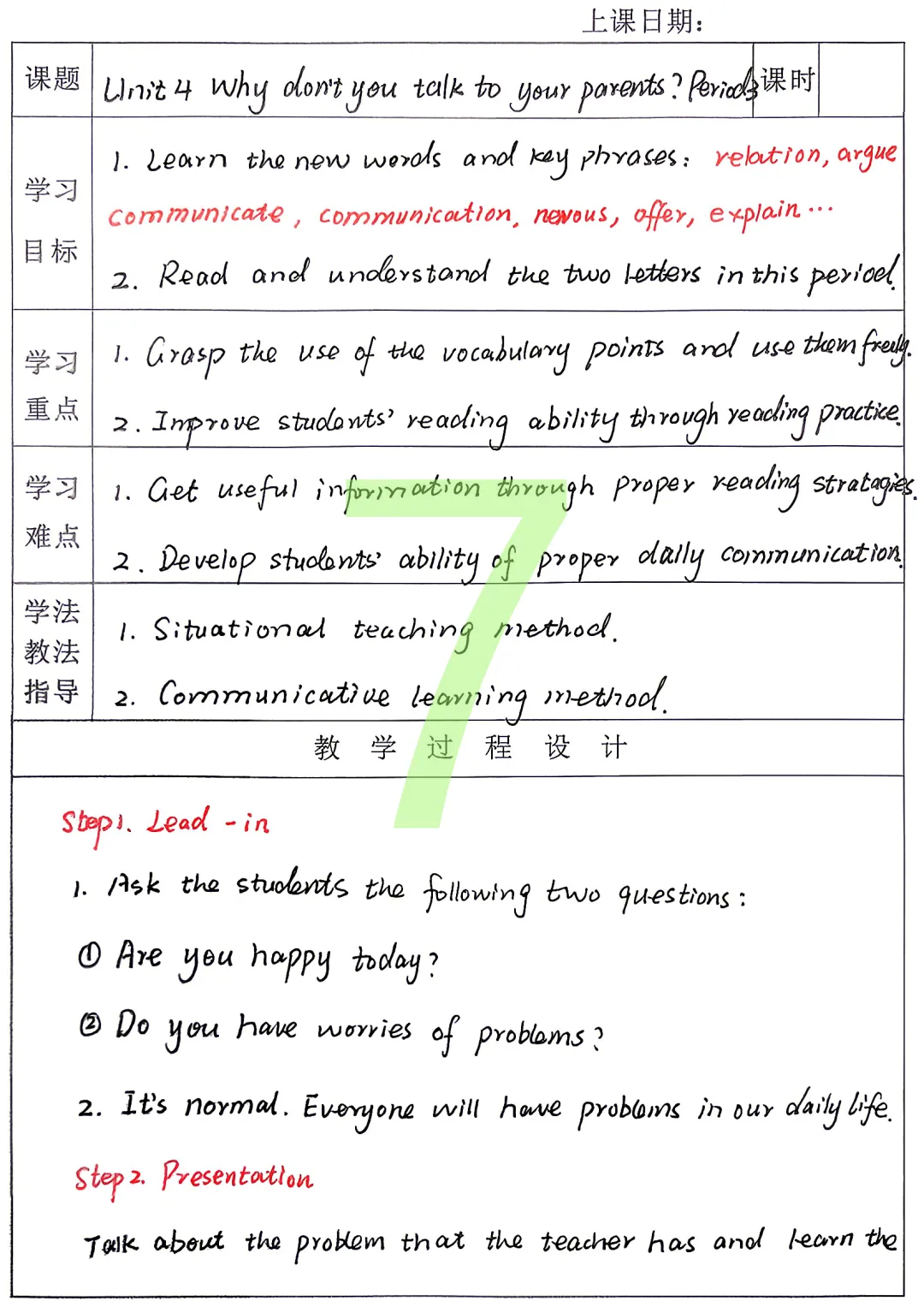
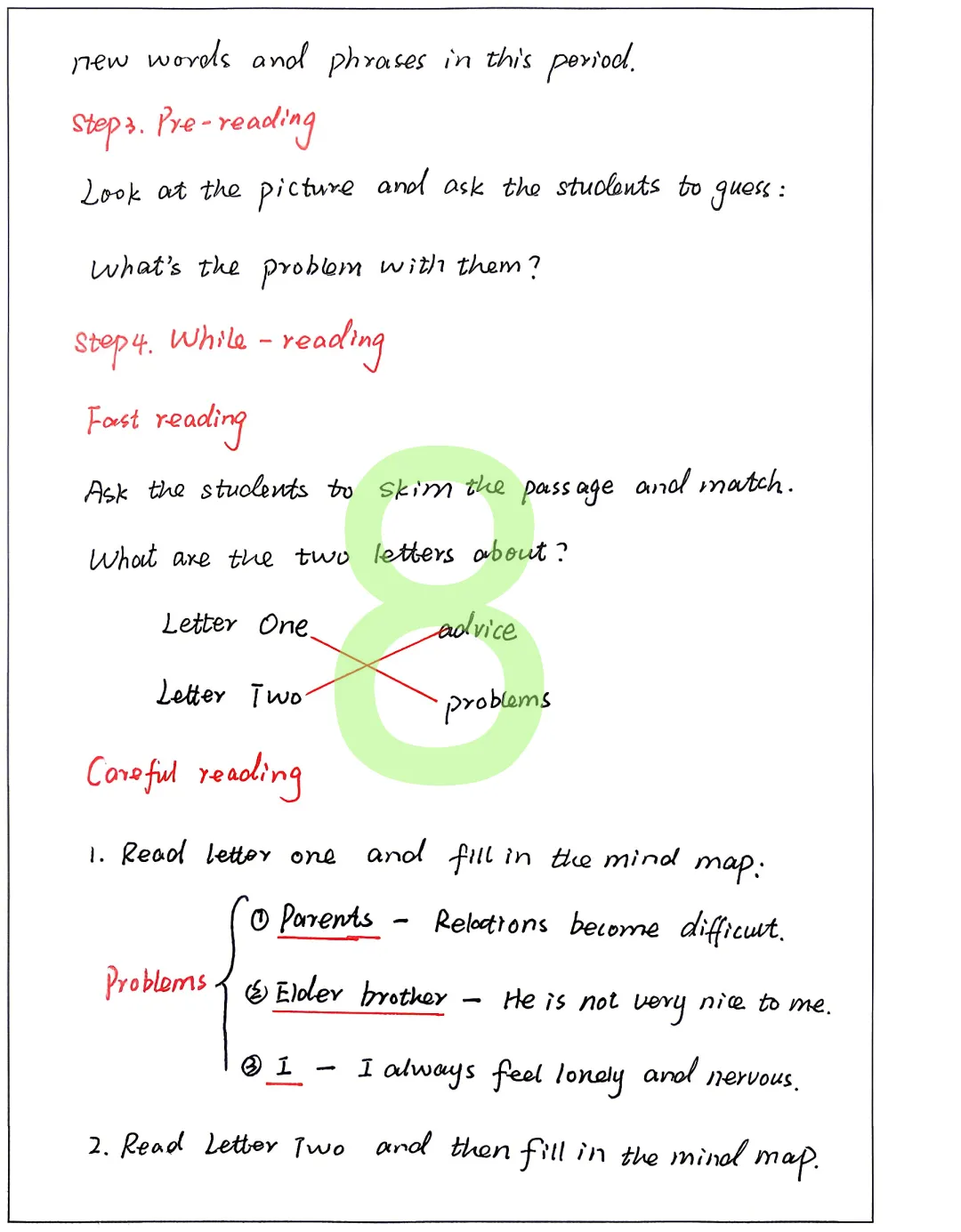
Fast reading 只做一件事:把两封信和"problem / advice"连线。Careful reading 拆成两张 mind map:第一张列 Problems(parents / elder brother / I),第二张列 Advice(对应每个问题的具体建议)。
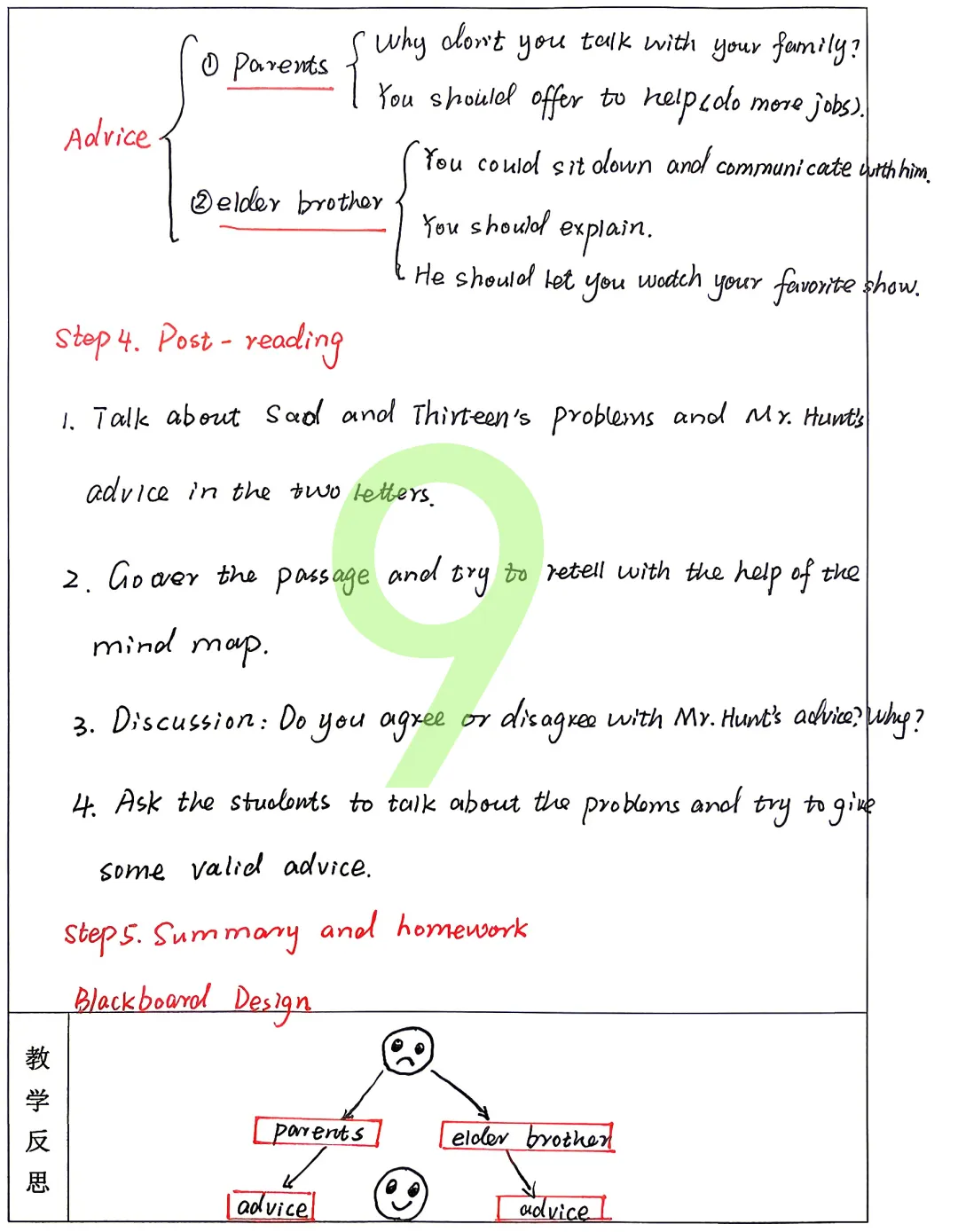
最妙的是板书设计:老师在黑板上画了一个哭脸,分出两个箭头指向 parents 和 elder brother,再分别指向 advice,最后通向一个笑脸。问题—建议—好心情,这条线被一张简笔画讲完了。Post-reading 还抛了一个问题:Do you agree or disagree with Mr. Hunt's advice? Why?——不是简单复述,是让学生表态。
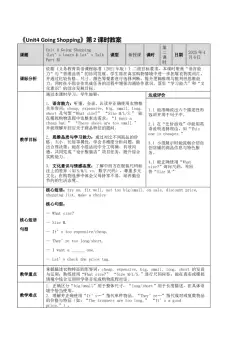
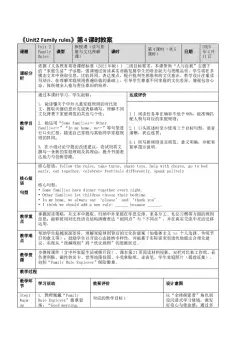
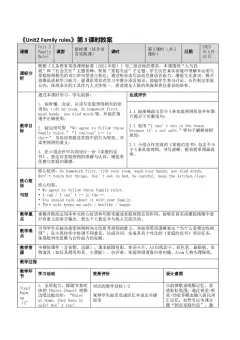
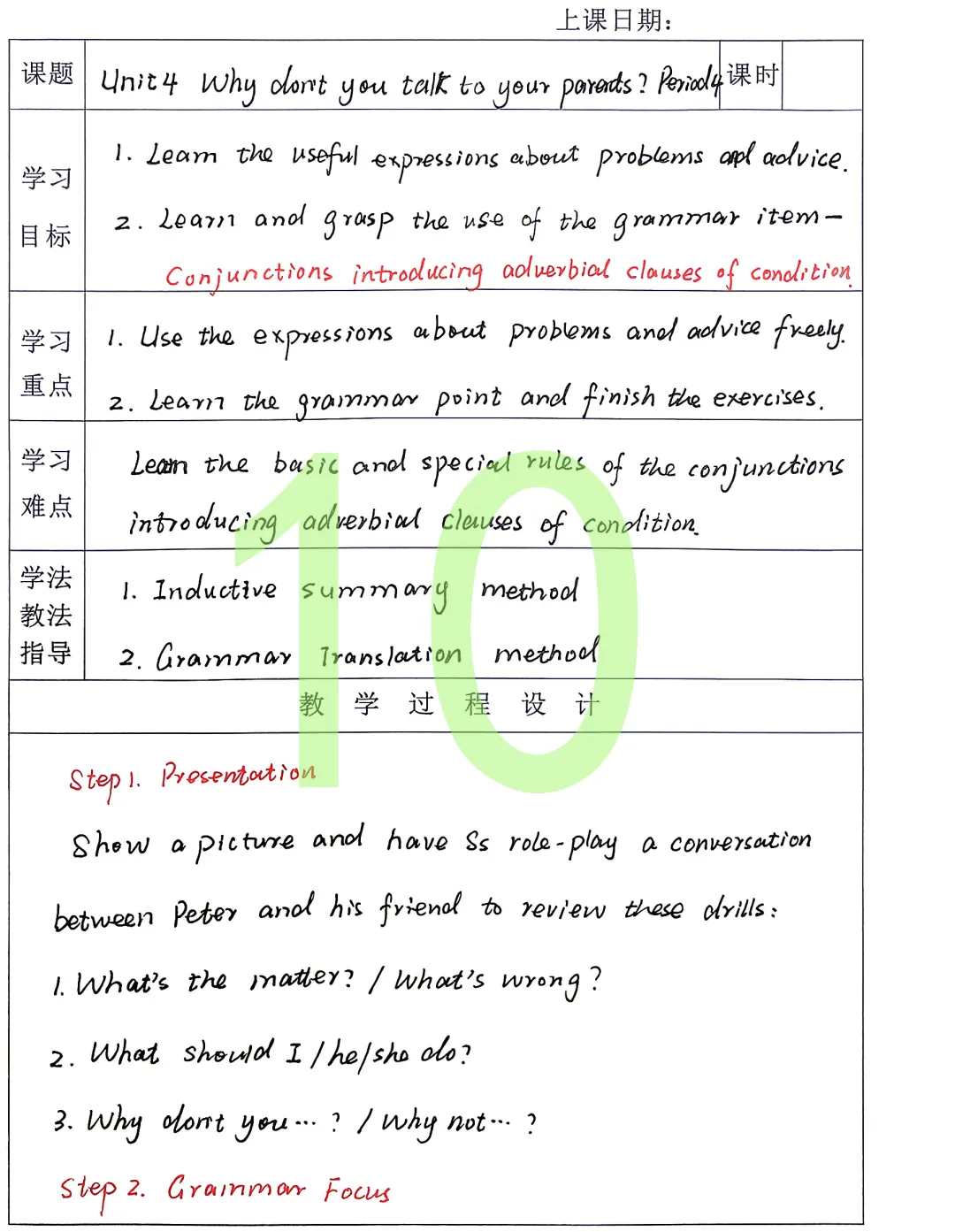
Period 4 是本单元的语法核心。老师把 Grammar Focus 里的词挑出来让学生圈:until, although, so that, should, could——圈完再合上书填空。
总结分两块:① 提建议的句型(You should/could... / Why not... / Why don't you...?);② 引导状语从句的连词(although/though, until, so that...)。这两块就是整个单元的骨架。
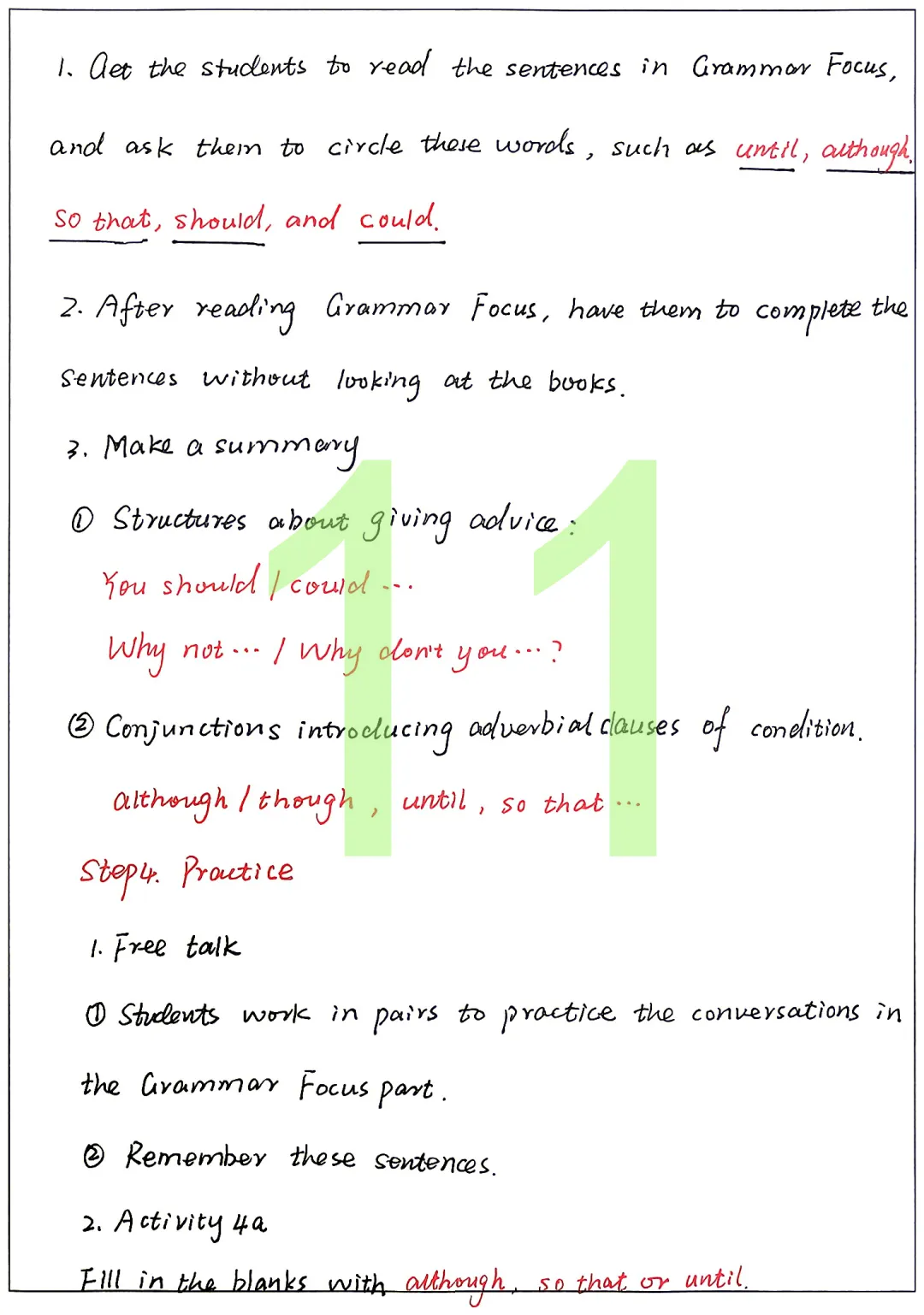
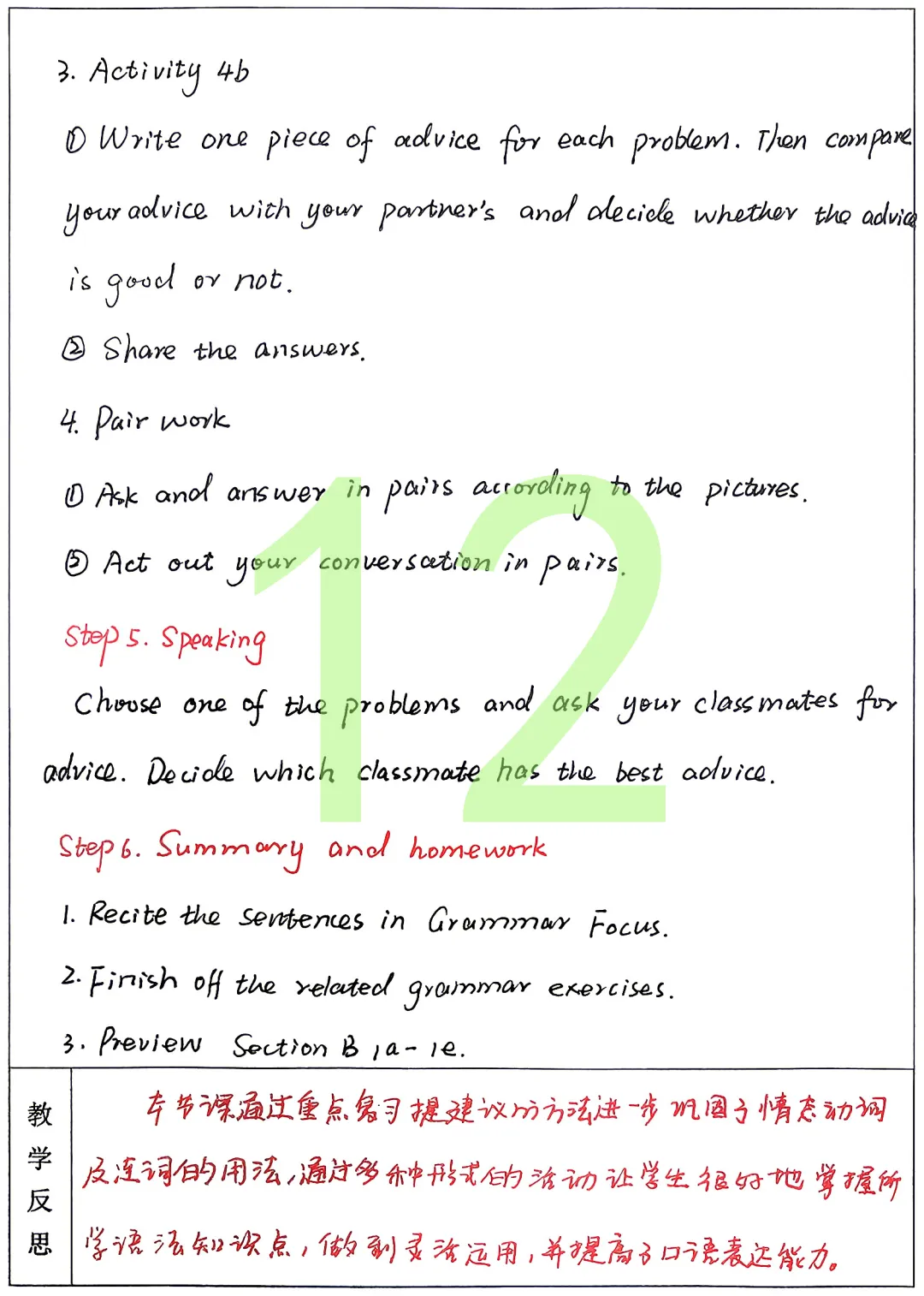
4a 是用 although / so that / until 填空,4b 是给每个问题写一条建议再和同桌比谁的好。最后 Speaking 环节:选一个烦恼去问全班同学求建议,票选谁的建议最好——语法课就这样上成了辩论赛。
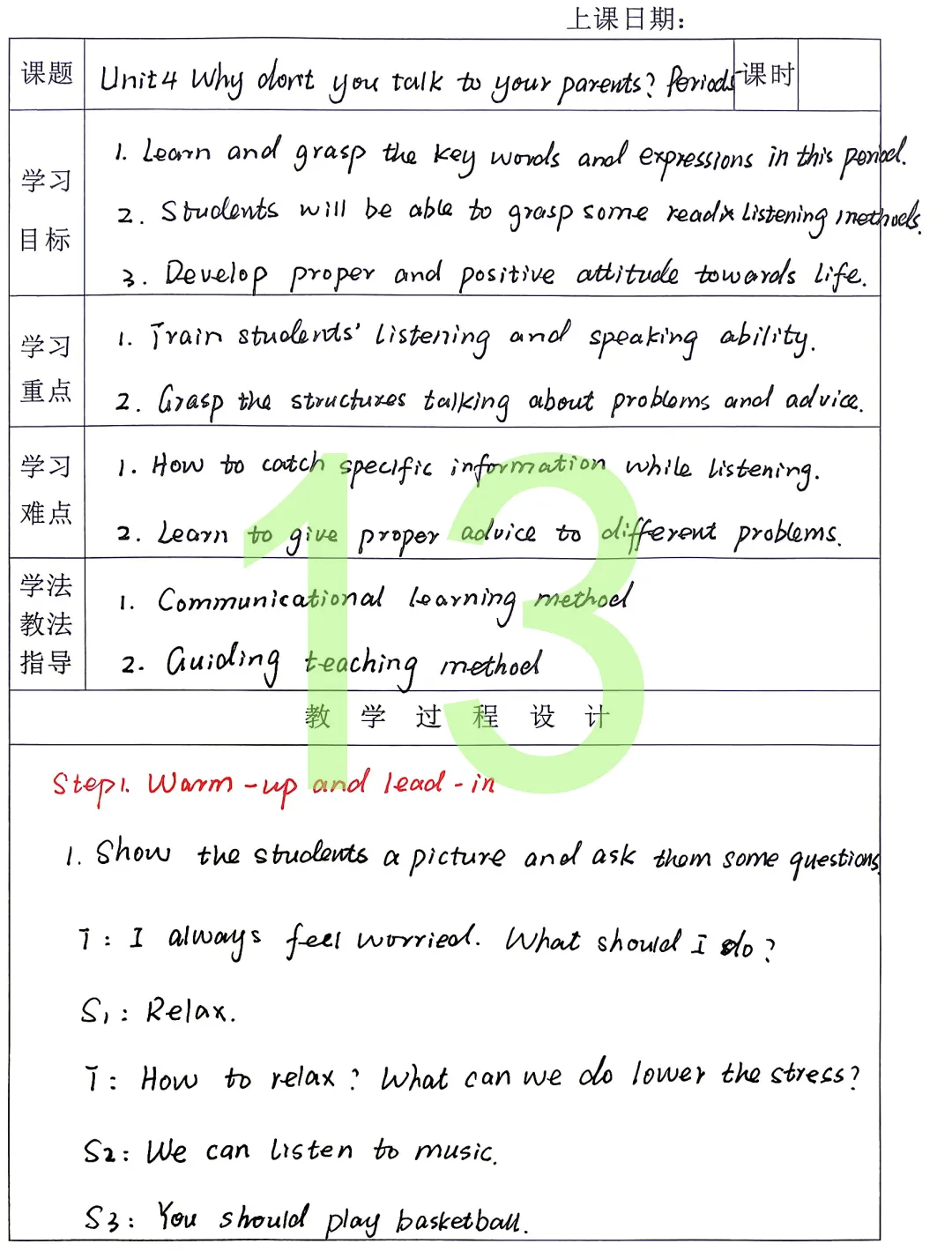
Section B 1a-1e 换了个更扎心的场景:学生压力大到睡不着。老师导入直接演:I always feel worried. What should I do? 学生给建议——Relax. / Listen to music. / Play basketball.——"How to lower stress?"这个主题就立住了。
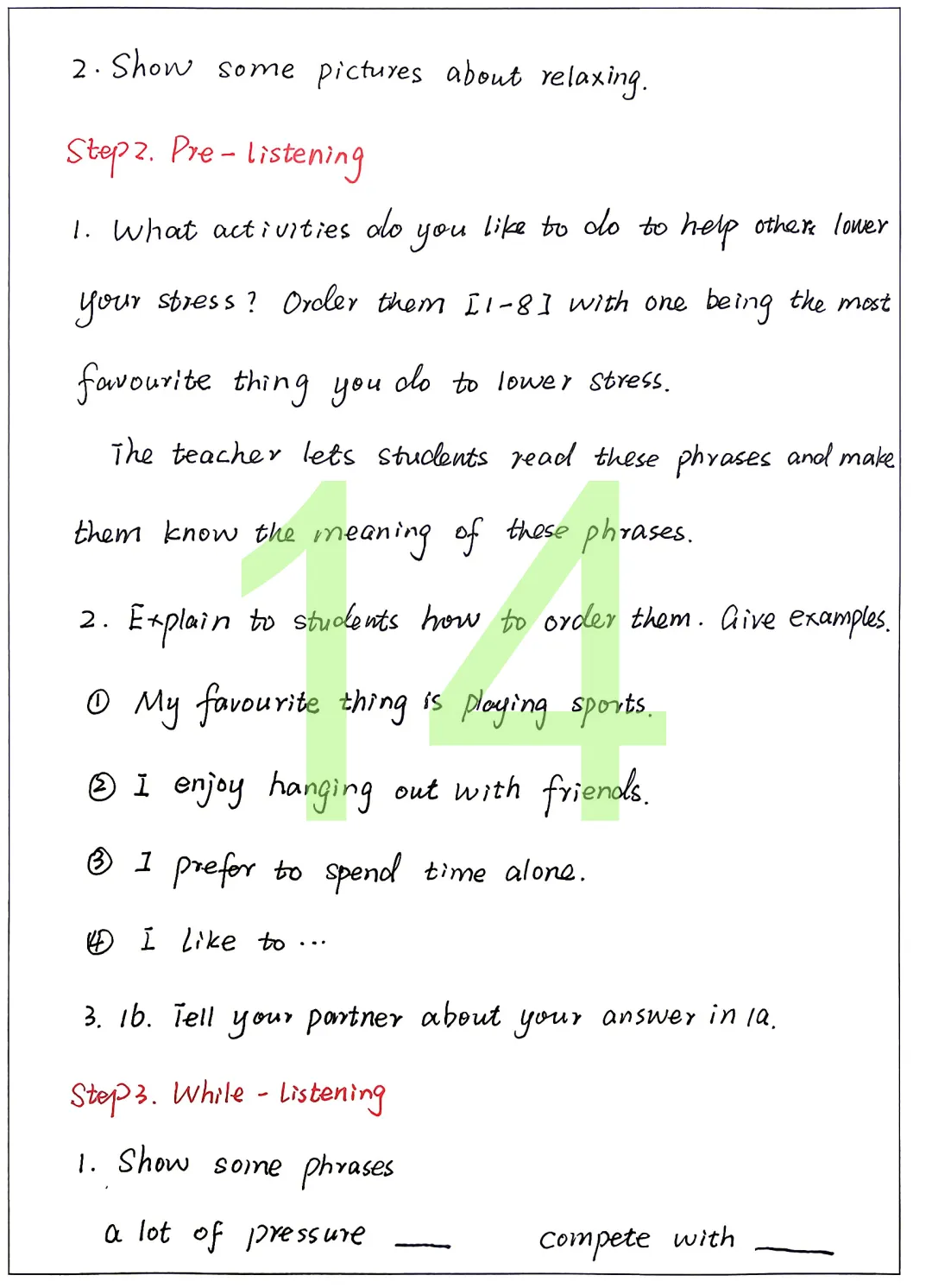
1a 是把八个减压活动按喜欢程度排序,老师先给示范句:My favourite thing is playing sports. / I enjoy hanging out with friends. / I prefer to spend time alone.——这三种表达就是排序题的语言支架。
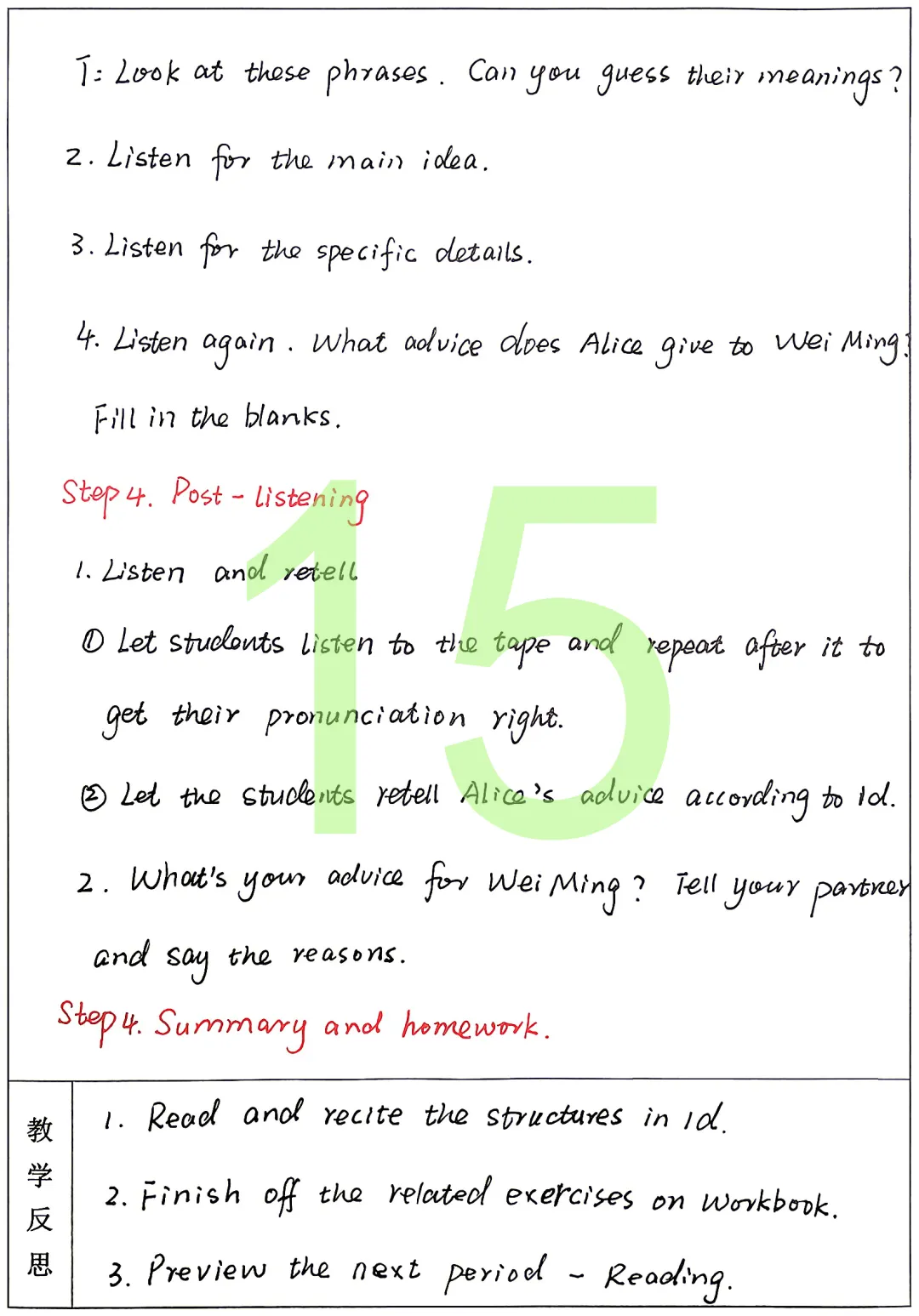
听力主角是 Wei Ming,Alice 给他建议。处理方式还是三遍:第一遍抓 main idea,第二遍抓 specific details,第三遍填 Alice 建议的空。Post-listening 让学生 retell Alice 的建议,再补一句自己的。
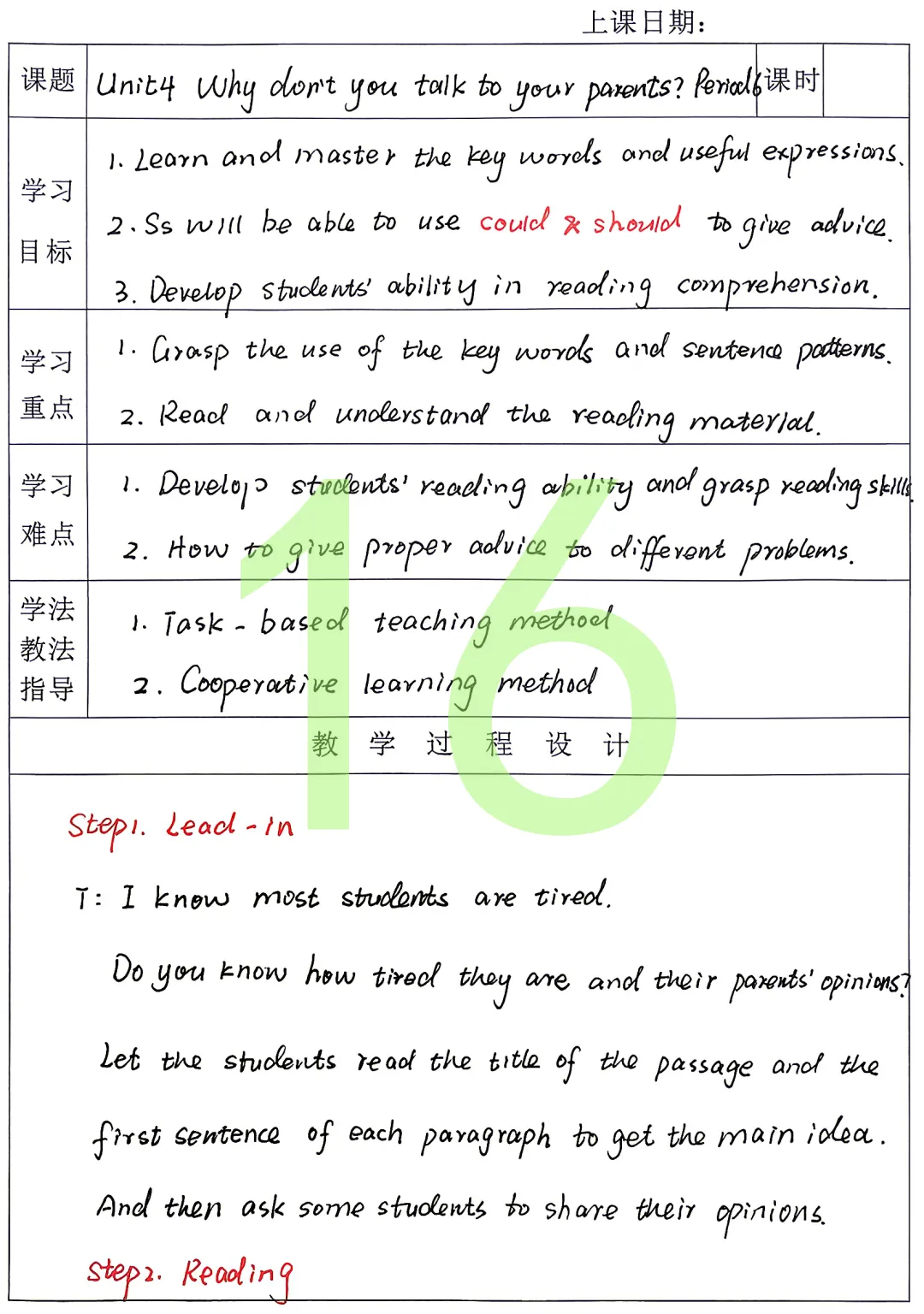
这是我最想推荐给你的一节。Section B 2b 是一篇议论文:中国孩子从小学就开始学考试技能,美国家长 Cathy Taylor 给三个孩子从早排到晚的课外活动——basketball practice、piano lessons、football training——医生 Alice Green 却说孩子们需要时间放松。
结构梳理设计得非常清楚:Para 1 中国现状 / Para 2 美国家庭现状 / Para 3 Linda Miller 的观点 / Para 4 Dr. Green 的观点——四段连线,议论文结构一眼看清。
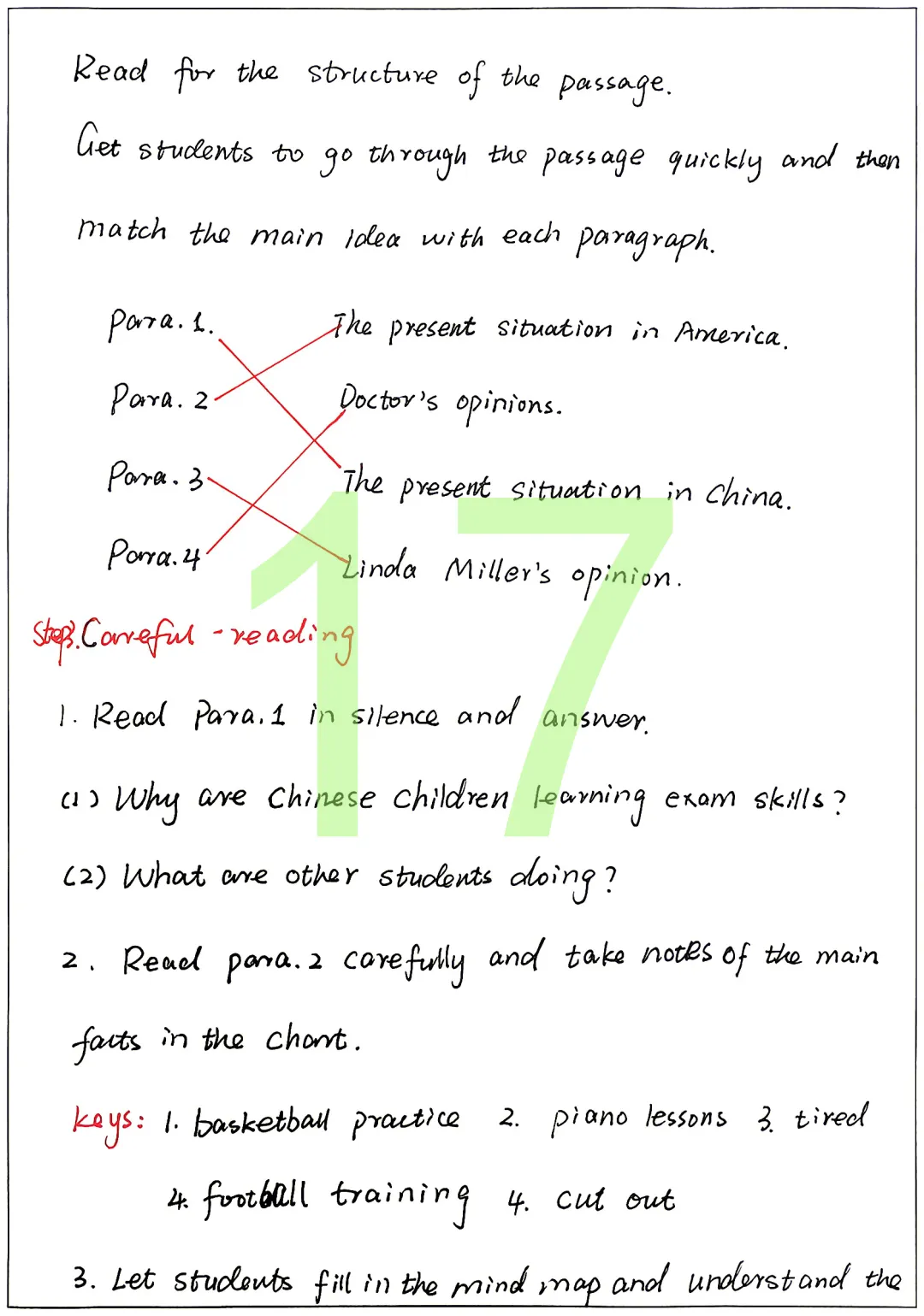
Careful reading 是分段处理:Para 1 答两个问题(中国孩子为什么学考试技能?其他孩子在干嘛?),Para 2 填表格(basketball practice / piano lessons / tired / football training / cut out),Para 3/4 填 mind map。最后一个问题是:Does Dr. Green agree with Cathy or Linda? She agrees with ___. She says ___.
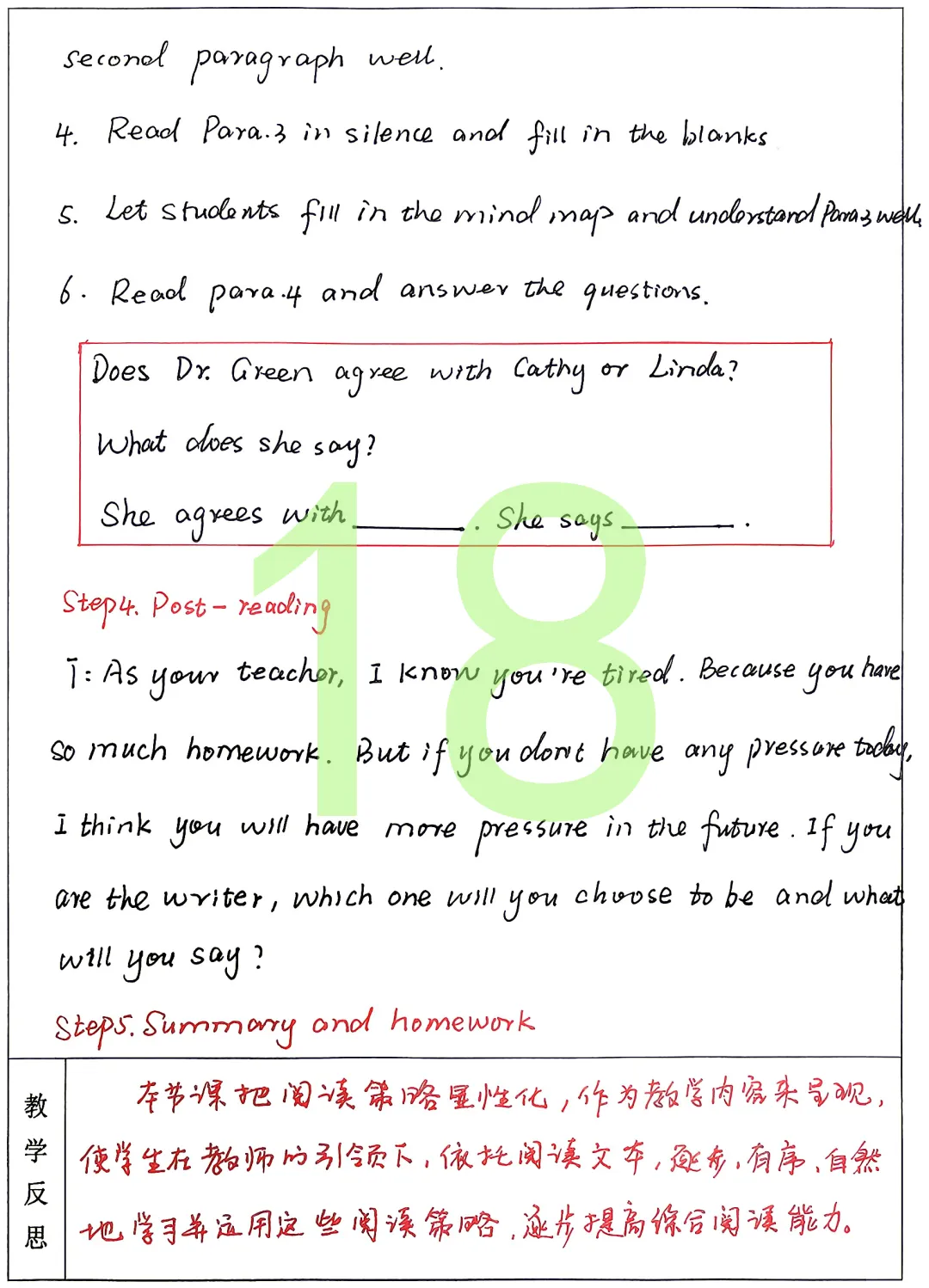
Post-reading 老师说的那段话我记下来了:"As your teacher, I know you're tired. Because you have so much homework. But if you don't have any pressure today, I think you will have more pressure in the future. If you are the writer, which one will you choose to be and what will you say?"——没有标准答案,让学生自己选边站。
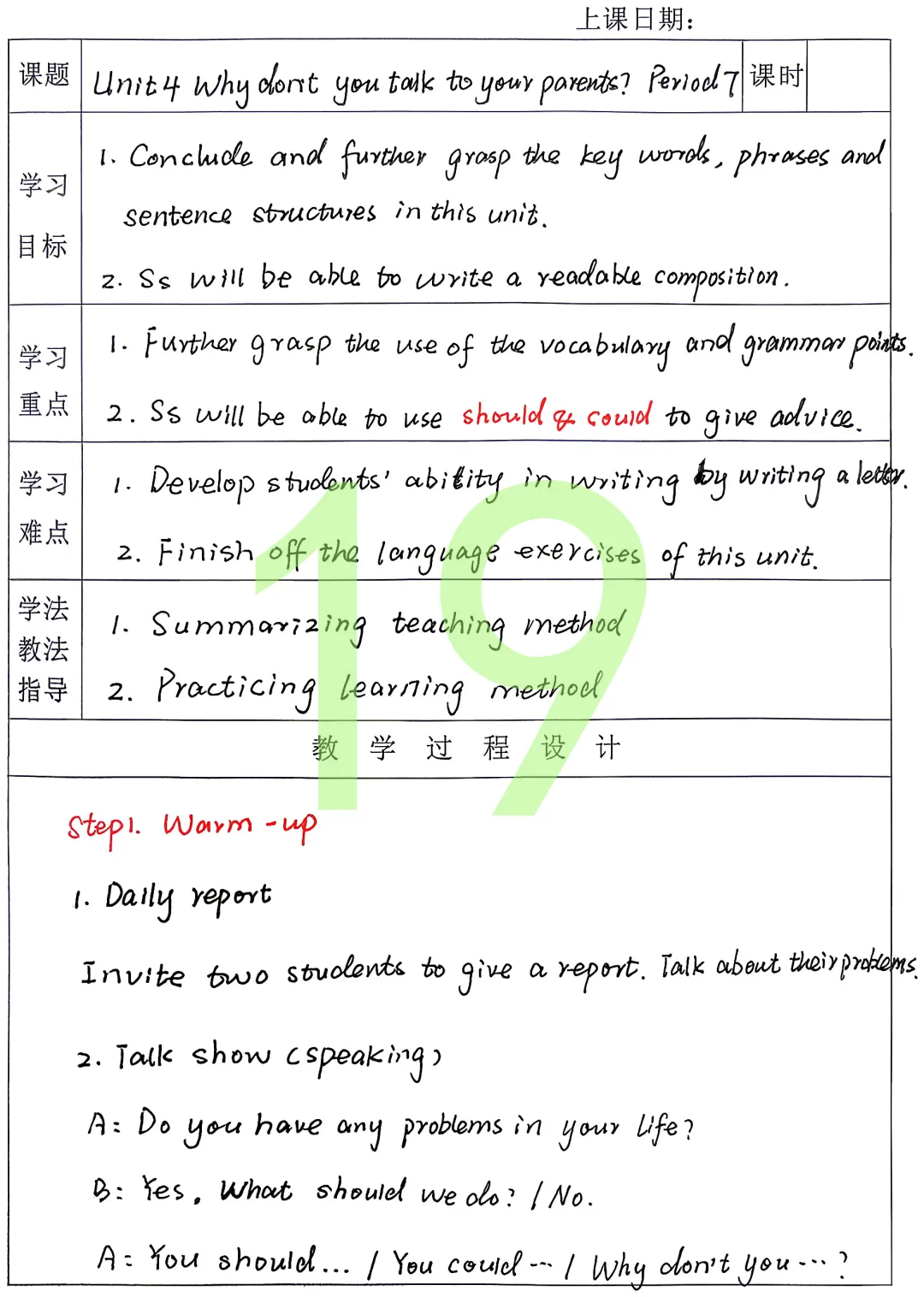
最后一节是写作课。Warm-up 先 Daily report(两个学生讲自己的烦恼),再 Talk show:A 问 B 有什么烦恼,B 说 What should I do? A 用 You should... / You could... / Why don't you...? 回答。
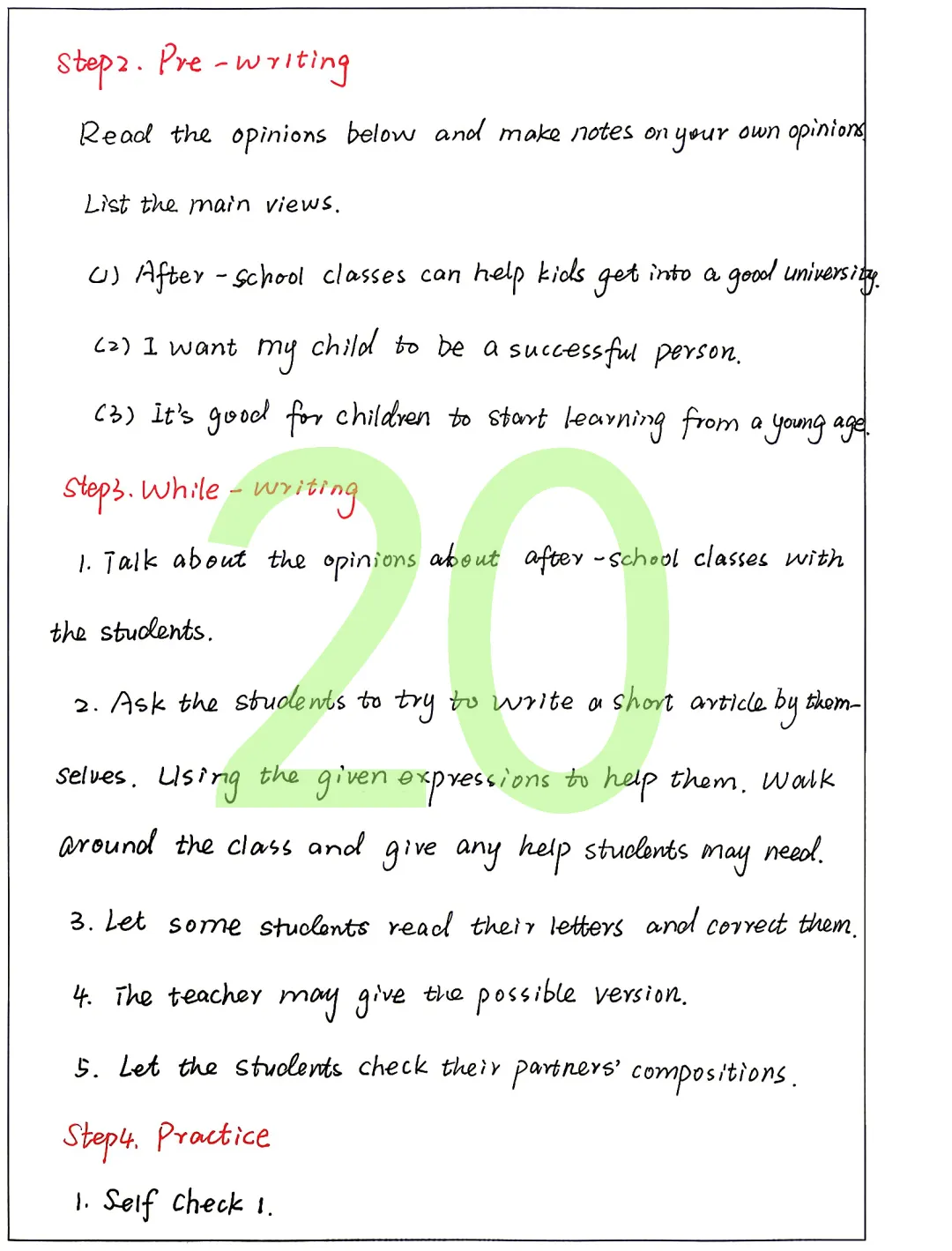
Pre-writing 列了三个观点让学生表态:① After-school classes can help kids get into a good university. ② I want my child to be a successful person. ③ It's good for children to start learning from a young age.——这三个观点就是第三段阅读里那两派的核心立场。
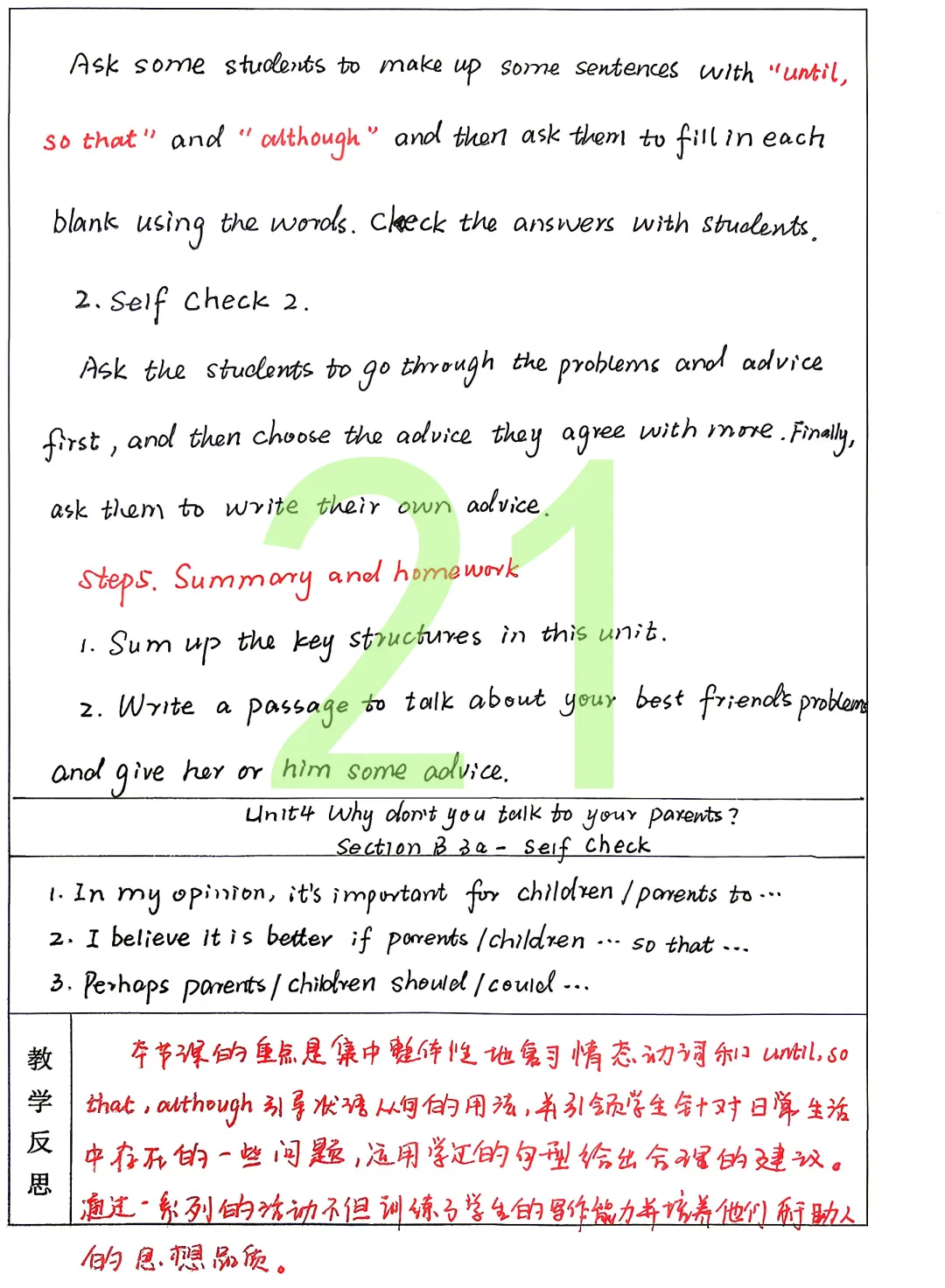
给学生的写作支架是三句话:
In my opinion, it's important for children / parents to...
I believe it is better if parents / children... so that...
Perhaps parents / children should / could...
细节一首尾用一首诗闭环。Period 1 用《Life》导入"生活有两面",Period 2 结尾再读一遍这首诗,"Life is what you make it. Let's try to make it beautiful."——情感线贯穿两课时,不是干巴巴的语法话题。
细节二板书用简笔画讲议论文结构。Period 3 的哭脸—问题—建议—笑脸,Period 6 的四段连线——八年级学生记不住"opinion / reason / conclusion"这些术语,但他们记得住那两个表情。
细节三教学反思里全是真话。"听说课要注重情感态度体验"、"把阅读策略显性化"、"通过系列活动培养乐于助人的思想品质"——不是套话,是老师上完课真觉得哪里没做到位。
八下 Unit 4 是新教材里最容易"上飘"的单元之一,因为话题太贴近生活,稍不注意整节课就变成中文吐槽大会,although / until / so that 三个连词和那篇中美教育对比的议论文容易被盖过去。这份 21 页手写教案的可贵之处,在于它用一首诗把情感立住,用 mind map 把阅读立住,用三句话支架把写作立住,学生聊得开心,但语言点一个没丢。
新老师可以直接照着 Period 顺序排进备课表;老教师重点抠 Period 6 那篇中美压力对比的处理——那是整个单元最见功力的地方。
参考使用,祝备课顺利