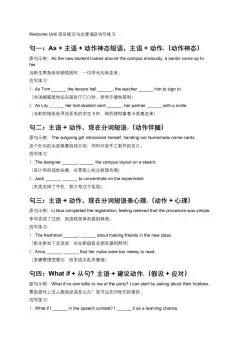
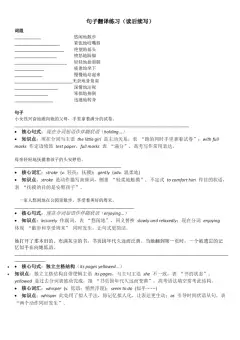
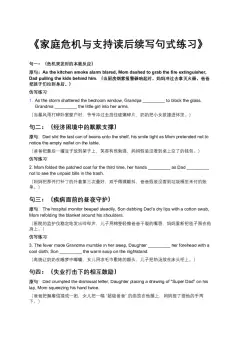
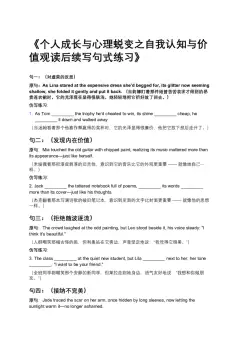
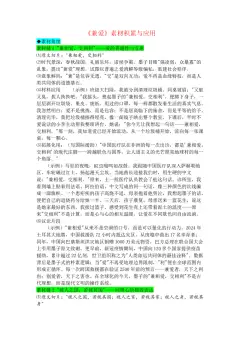
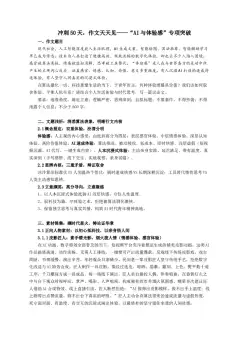
巴蜀中学高2026 届9 月适应性月考(二)英语试题
阅读下面材料,根据其内容和所给段落开头语续写两段,使之构成一篇完整的短
文。
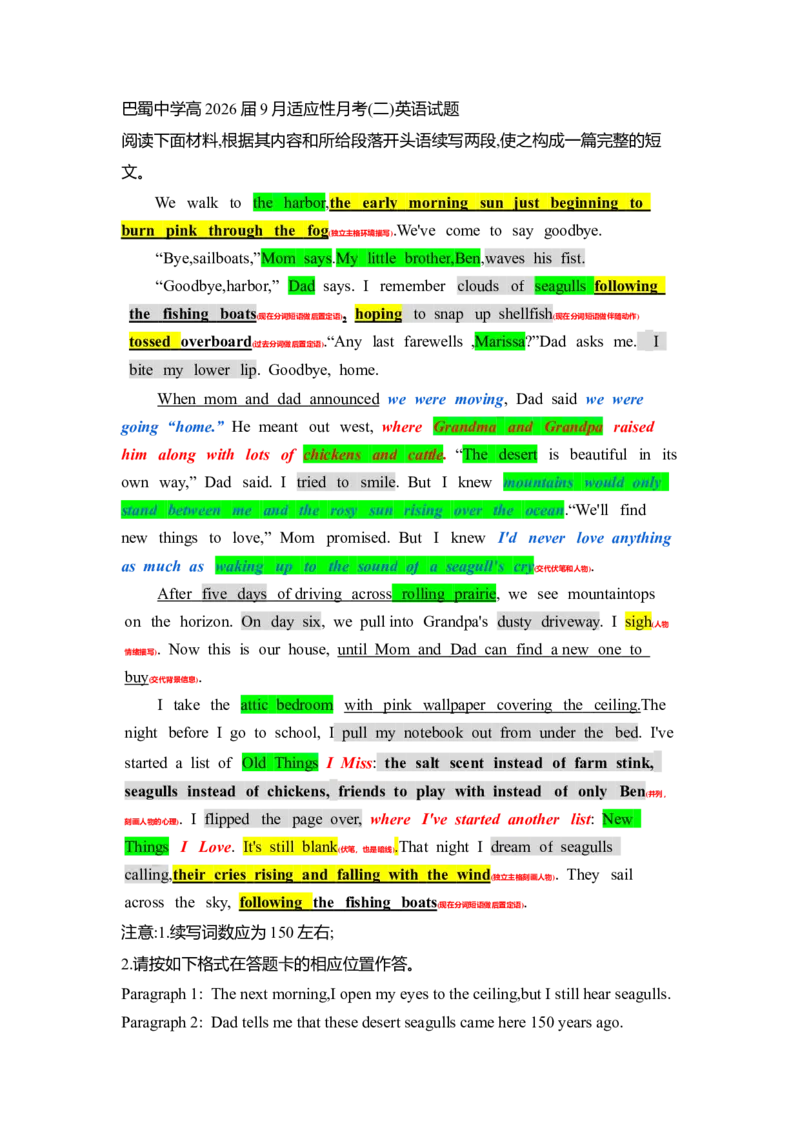
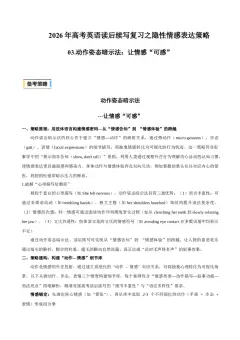
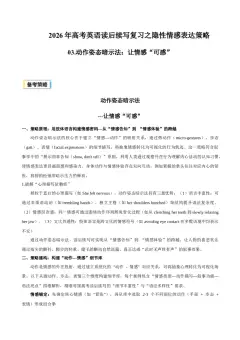
We walk to the harbor,the

    early

   morning

    sun

   ju
  st    beginning

   to

burn

   pink

   through

   the

    fog

 (独立主格环境描写).We've come to say goodbye.
“Bye,sailboats,”Mom says.My little brother,Ben,waves his fist.
“Goodbye,harbor,” Dad says. I remember clouds of seagulls following


the

   fishing

    boats

 (现在分词短语做后置定语), hoping to snap up shellfish(现在分词短语做伴随动作)
tossed

    overboard

 (过去分词做后置定语).“Any last farewells ,Marissa?”Dad asks me.  I
bite my lower lip. Goodbye, home.
When

   mom

   and

   dad

    announced

  we were moving, Dad said we were
going “home.” He meant out west, where Grandma and Grandpa raised
him along with lots of chickens and cattle. “The desert is beautiful in its
own way,” Dad said. I tried to smile. But I knew mountains would only
stand between me and the rosy sun rising over the ocean.“We'll find
new things to love,” Mom promised. But I knew I'd never love anything
as much as waking up to the sound of a seagull's cry(交代伏笔和人物).
After

   five

   days

   of driving

    across

    rolling

    prairie

 , we see mountaintops
on the horizon. On day six, we pull into Grandpa's dusty driveway. I sigh(人物
情绪描写). Now this is our house, unt
  i l   Mom

   and

   Dad

   can

   find

   a new

   one

   to

buy(交代背景信息).
I take the attic bedroom with

    pin
  k     wallpaper

   covering

    the
    ceiling.

 The
night before I go to school, I pull my notebook out from under the bed. I've
started a list of Old Things I Miss: the salt scent instead of farm stink,
seagulls instead of chickens, friends to play with instead of only Ben(并列,
刻画人物的心理). I flipped the page over, where I've started another list: New
Things I Love. It's still blank(伏笔,也是暗线).That night I dream of seagulls
calling,their

    cries

   rising

   a  nd
     falling

   with

    the

   wind

 (独立主格刻画人物). They sail
across the sky, following

   the

    fishing

   boats

 (现在分词短语做后置定语).
注意:1.续写词数应为150 左右;
2.请按如下格式在答题卡的相应位置作答。
Paragraph 1: The next morning,I open my eyes to the ceiling,but I still hear seagulls.
Paragraph 2: Dad tells me that these desert seagulls came here 150 years ago.
巴蜀中学高2026 届9 月适应性月考(二)英语试题
阅读下面材料,根据其内容和所给段落开头语续写两段,使之构成一篇完整的短
文。
We walk to the harbor,the early morning sun just beginning to burn
pink through the fog.We've come to say goodbye.
“Bye,sailboats,”Mom says.My little brother,Ben,waves his fist.
“Goodbye,harbor,” Dad says.I remember clouds of seagulls( 海 鸥
)following the fishing boats,hoping to snap up shellfish tossed
overboard.“Any last farewells,Marissa?”Dad asks me,I bite my lower lip.
Goodbye,home.
When mom and dad announced we were moving,Dad said we were
going “home.”He meant out west,where Grandma and Grandpa raised him
along with lots of chickens and cattle. “The desert is beautiful in its own
way,”Dad said.I tried to smile.But I knew mountains would only stand
between me and the rosy sun rising over the ocean.“We'll find new things
to love,” Mom promised.But I knew I'd never love anything as much as
waking up to the sound of a seagull's cry.
After five days of driving across rolling prairie,we see mountaintops on
the horizon. On day six,we pull into Grandpa's dusty driveway.I sigh.Now
this is our house,until Mom and Dad can find a new one to buy.
I take the attic( 阁 楼 )bedroom with pink wallpaper covering the
ceiling.The night before I go to school,I pull my notebook out from under
the bed.I've started a list of Old Things I Miss:the salt scent instead of farm
stink,seagulls instead of chickens,friends to play with instead of only Ben.I
flip the page over,where I've started another list:New Things I Love.It's still
blank.That night I dream of seagulls calling,their cries rising and falling with
the wind. They sail across the sky,following the fishing boats.
注意:1.续写词数应为150 左右;
2.请按如下格式在答题卡的相应位置作答。
Paragraph 1: The next morning,I open my eyes to the ceiling,but I still hear seagulls.
Paragraph 2: Dad tells me that these desert seagulls came here 150 years ago.
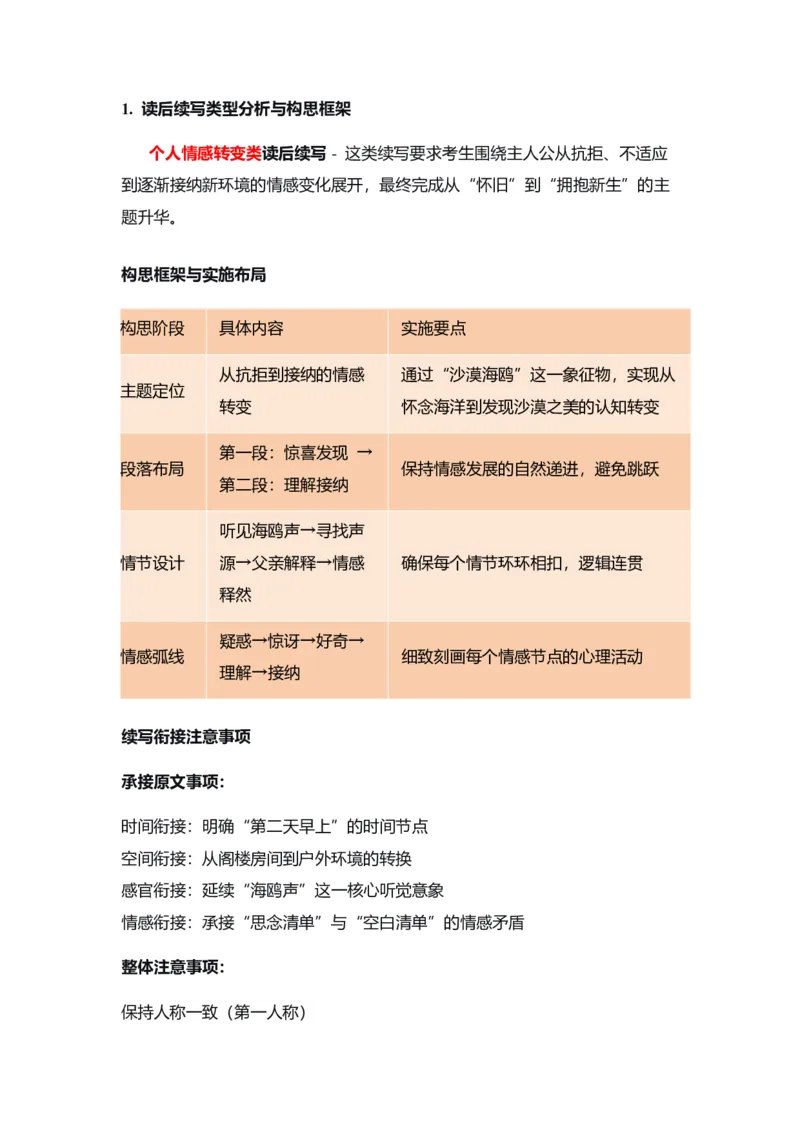
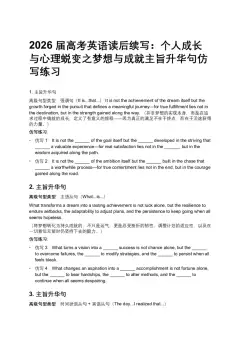
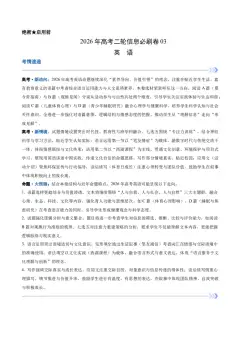
1. 读后续写类型分析与构思框架
个人情感转变类读后续写 - 这类续写要求考生围绕主人公从抗拒、不适应
到逐渐接纳新环境的情感变化展开,最终完成从“怀旧”到“拥抱新生”的主
题升华。
构思框架与实施布局
构思阶段
具体内容
实施要点
主题定位
从抗拒到接纳的情感
转变
通过“沙漠海鸥”这一象征物,实现从
怀念海洋到发现沙漠之美的认知转变
段落布局
第一段:惊喜发现 →
第二段:理解接纳
保持情感发展的自然递进,避免跳跃
情节设计
听见海鸥声→寻找声
源→父亲解释→情感
释然
确保每个情节环环相扣,逻辑连贯
情感弧线
疑惑→惊讶→好奇→
理解→接纳
细致刻画每个情感节点的心理活动
续写衔接注意事项
承接原文事项:
时间衔接:明确“第二天早上”的时间节点
空间衔接:从阁楼房间到户外环境的转换
感官衔接:延续“海鸥声”这一核心听觉意象
情感衔接:承接“思念清单”与“空白清单”的情感矛盾
整体注意事项:
保持人称一致(第一人称)
延续原文细腻的感官描写风格
控制情感转变的节奏,避免突兀
合理运用原文出现的象征意象
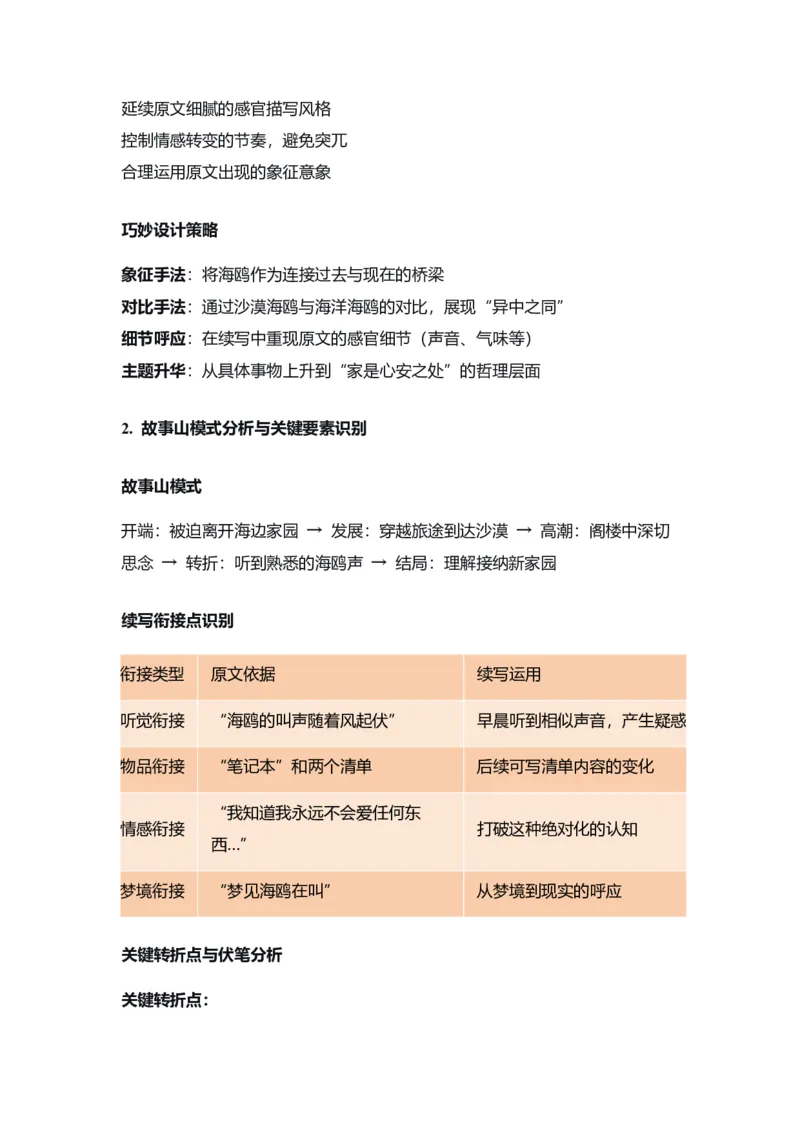
巧妙设计策略
象征手法:将海鸥作为连接过去与现在的桥梁
对比手法:通过沙漠海鸥与海洋海鸥的对比,展现“异中之同”
细节呼应:在续写中重现原文的感官细节(声音、气味等)
主题升华:从具体事物上升到“家是心安之处”的哲理层面
2. 故事山模式分析与关键要素识别
故事山模式
开端:被迫离开海边家园 → 发展:穿越旅途到达沙漠 → 高潮:阁楼中深切
思念 → 转折:听到熟悉的海鸥声 → 结局:理解接纳新家园
续写衔接点识别
衔接类型
原文依据
续写运用
听觉衔接
“海鸥的叫声随着风起伏”
早晨听到相似声音,产生疑惑
物品衔接
“笔记本”和两个清单
后续可写清单内容的变化
情感衔接
“我知道我永远不会爱任何东
西…”
打破这种绝对化的认知
梦境衔接
“梦见海鸥在叫”
从梦境到现实的呼应
关键转折点与伏笔分析
关键转折点:
父母宣布搬家决定
到达祖父家的时刻
听到沙漠中的海鸥声(续写核心转折)
冲突点:
外部冲突:新旧环境的巨大差异
内部冲突:对过去的眷恋与适应新生活的矛盾
伏笔处:
“沙漠有它自己独特的美”(父亲的话,等待验证)
“我们会找到新的所爱”(母亲的承诺,需要实现)
空白的“新事物所爱”清单(等待填充)
隐含线索:
海鸥的象征意义(自由、家园、适应力)
笔记本的情感记录功能
祖父母家的阁楼空间(过渡性居住)
解决方案:
通过发现沙漠中同样存在海鸥这一惊人事实,让主人公意识到:美好的事物并
非只在原地,适应与发现的心态才是真正的家园。
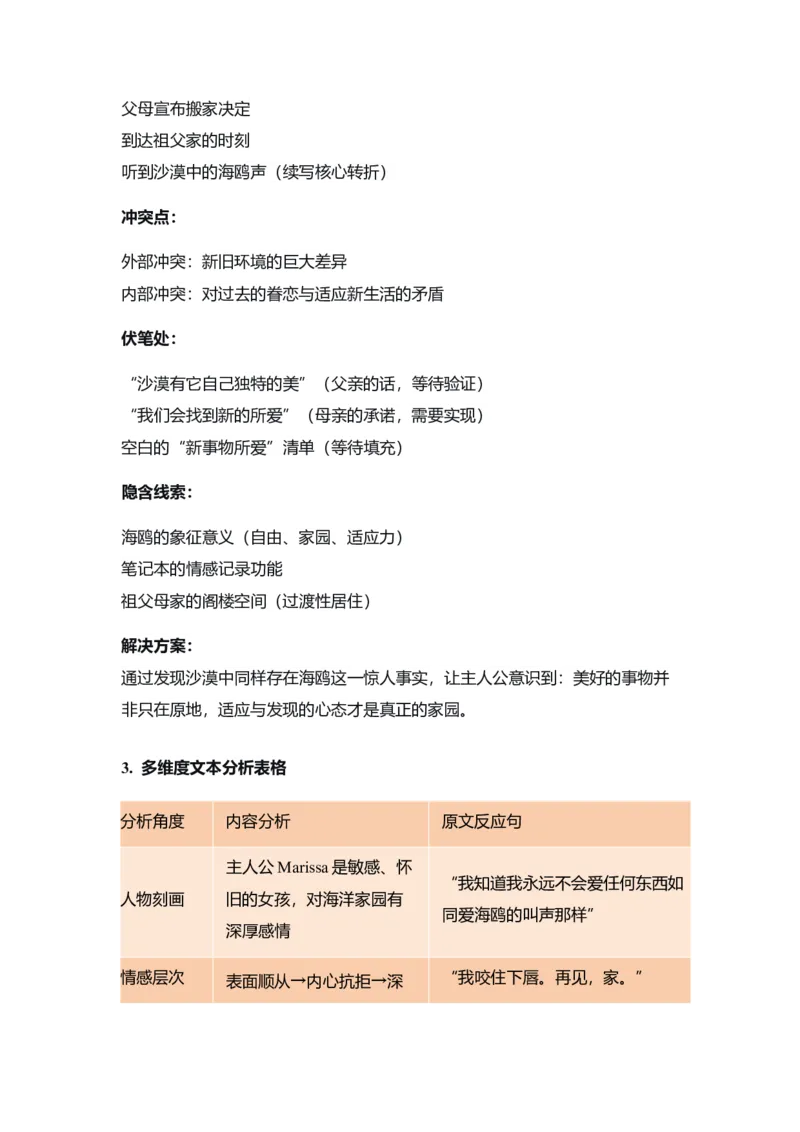
3. 多维度文本分析表格
分析角度
内容分析
原文反应句
人物刻画
主人公Marissa 是敏感、怀
旧的女孩,对海洋家园有
深厚感情
“我知道我永远不会爱任何东西如
同爱海鸥的叫声那样”
情感层次
表面顺从→内心抗拒→深
“我咬住下唇。再见,家。”
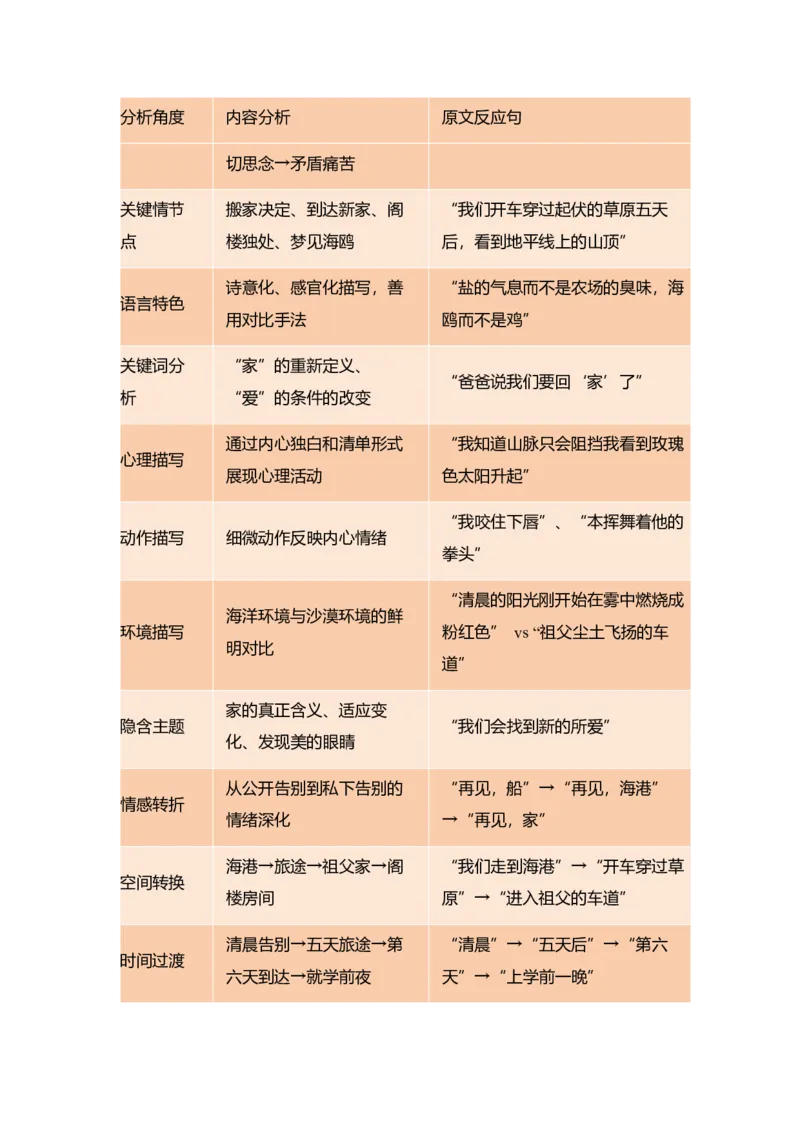
分析角度
内容分析
原文反应句
切思念→矛盾痛苦
关键情节
点
搬家决定、到达新家、阁
楼独处、梦见海鸥
“我们开车穿过起伏的草原五天
后,看到地平线上的山顶”
语言特色
诗意化、感官化描写,善
用对比手法
“盐的气息而不是农场的臭味,海
鸥而不是鸡”
关键词分
析
“家”的重新定义、
“爱”的条件的改变
“爸爸说我们要回‘家’了”
心理描写
通过内心独白和清单形式
展现心理活动
“我知道山脉只会阻挡我看到玫瑰
色太阳升起”
动作描写
细微动作反映内心情绪
“我咬住下唇”、“本挥舞着他的
拳头”
环境描写
海洋环境与沙漠环境的鲜
明对比
“清晨的阳光刚开始在雾中燃烧成
粉红色” vs “祖父尘土飞扬的车
道”
隐含主题
家的真正含义、适应变
化、发现美的眼睛
“我们会找到新的所爱”
情感转折
从公开告别到私下告别的
情绪深化
“再见,船”→“再见,海港”
→“再见,家”
空间转换
海港→旅途→祖父家→阁
楼房间
“我们走到海港”→“开车穿过草
原”→“进入祖父的车道”
时间过渡
清晨告别→五天旅途→第
六天到达→就学前夜
“清晨”→“五天后”→“第六
天”→“上学前一晚”
续写核心建议
基于以上分析,续写时应重点把握:
情感真实性:保持主人公情感转变的自然和可信
细节连贯性:充分运用原文提供的各种细节线索
主题深刻性:通过具体事件揭示“家是心安之处”的深层主题
语言一致性:延续原文诗意细腻的描写风格
通过精心设计“沙漠海鸥”这一核心情节,既出人意料又合乎情理地解决
主人公的情感困境,完成从抗拒到接纳的成长历程。
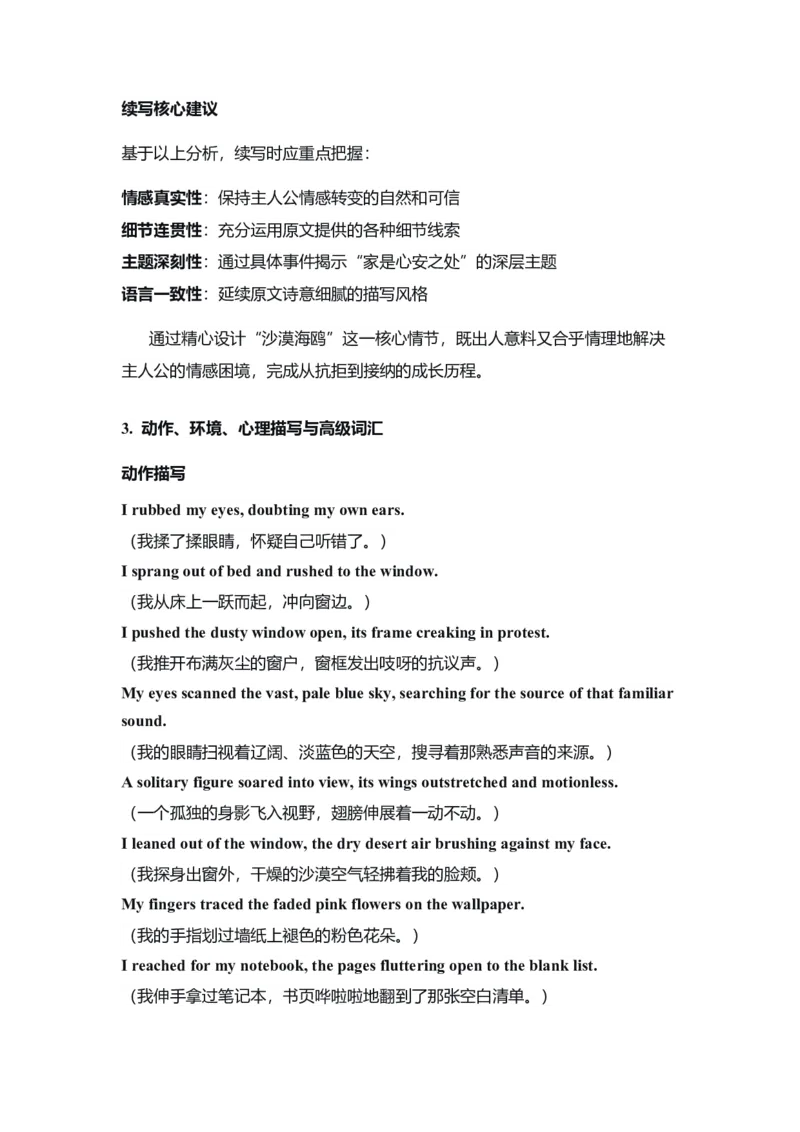
3. 动作、环境、心理描写与高级词汇
动作描写
I rubbed my eyes, doubting my own ears.
(我揉了揉眼睛,怀疑自己听错了。)
I sprang out of bed and rushed to the window.
(我从床上一跃而起,冲向窗边。)
I pushed the dusty window open, its frame creaking in protest.
(我推开布满灰尘的窗户,窗框发出吱呀的抗议声。)
My eyes scanned the vast, pale blue sky, searching for the source of that familiar
sound.
(我的眼睛扫视着辽阔、淡蓝色的天空,搜寻着那熟悉声音的来源。)
A solitary figure soared into view, its wings outstretched and motionless.
(一个孤独的身影飞入视野,翅膀伸展着一动不动。)
I leaned out of the window, the dry desert air brushing against my face.
(我探身出窗外,干燥的沙漠空气轻拂着我的脸颊。)
My fingers traced the faded pink flowers on the wallpaper.
(我的手指划过墙纸上褪色的粉色花朵。)
I reached for my notebook, the pages fluttering open to the blank list.
(我伸手拿过笔记本,书页哗啦啦地翻到了那张空白清单。)
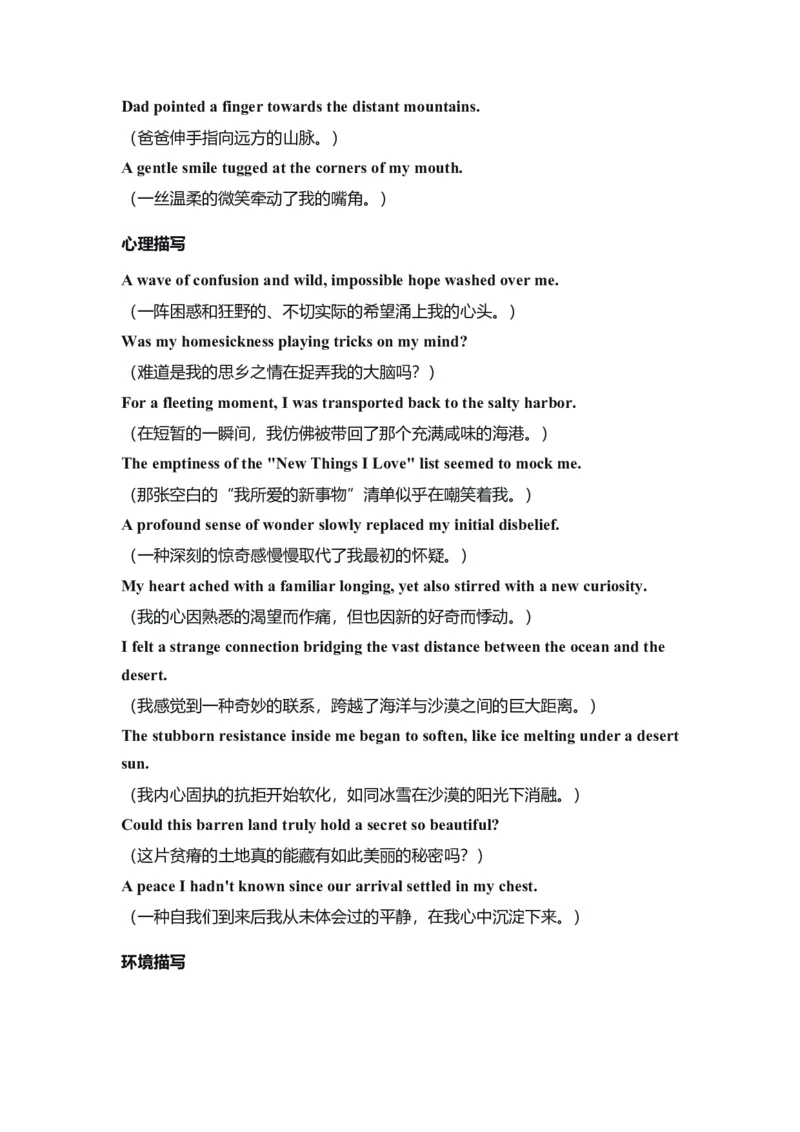
Dad pointed a finger towards the distant mountains.
(爸爸伸手指向远方的山脉。)
A gentle smile tugged at the corners of my mouth.
(一丝温柔的微笑牵动了我的嘴角。)
心理描写
A wave of confusion and wild, impossible hope washed over me.
(一阵困惑和狂野的、不切实际的希望涌上我的心头。)
Was my homesickness playing tricks on my mind?
(难道是我的思乡之情在捉弄我的大脑吗?)
For a fleeting moment, I was transported back to the salty harbor.
(在短暂的一瞬间,我仿佛被带回了那个充满咸味的海港。)
The emptiness of the "New Things I Love" list seemed to mock me.
(那张空白的“我所爱的新事物”清单似乎在嘲笑着我。)
A profound sense of wonder slowly replaced my initial disbelief.
(一种深刻的惊奇感慢慢取代了我最初的怀疑。)
My heart ached with a familiar longing, yet also stirred with a new curiosity.
(我的心因熟悉的渴望而作痛,但也因新的好奇而悸动。)
I felt a strange connection bridging the vast distance between the ocean and the
desert.
(我感觉到一种奇妙的联系,跨越了海洋与沙漠之间的巨大距离。)
The stubborn resistance inside me began to soften, like ice melting under a desert
sun.
(我内心固执的抗拒开始软化,如同冰雪在沙漠的阳光下消融。)
Could this barren land truly hold a secret so beautiful?
(这片贫瘠的土地真的能藏有如此美丽的秘密吗?)
A peace I hadn't known since our arrival settled in my chest.
(一种自我们到来后我从未体会过的平静,在我心中沉淀下来。)
环境描写
The morning sun cast long, sharp shadows across the barren yard.
(晨光在荒芜的院子上投下长长、锋利的影子。)
A crisp, dry breeze whispered through the sagebrush, carrying the scent of
earth.
(一阵清爽干燥的微风掠过山艾树,带来了泥土的气息。)
The endless blue of the sky was broken only by the solitary bird.
(无边无际的蓝天唯有那只孤鸟点缀。)
Dust motes danced in the slants of sunlight streaming through the window.
(尘埃在透过窗户倾泻而下的阳光中飞舞。)
The mountains in the distance stood silent and majestic, painted in hues of
purple and brown.
(远山静默而雄伟地矗立着,染着紫色和棕色的色调。)
The air was so still I could hear the faint rustle of the bird's feathers as it glided.
(空气如此宁静,我甚至能听到鸟儿滑翔时羽毛发出的微弱沙沙声。)
The oppressive silence of the desert was now pierced by that single, clear cry.
(沙漠那令人压抑的寂静,如今被那一声清脆的鸣叫划破。)
Pale, golden light bathed the landscape, softening its harsh edges.
(淡金色的光芒沐浴着这片土地,柔化了它严酷的棱角。)
The weathered fence posts stood like sentinels in the quiet morning.
(饱经风霜的篱笆桩像哨兵一样伫立在宁静的早晨。)
It was a landscape of stark beauty, demanding a second look.
(这是一种荒凉之美,需要你细细品味。)
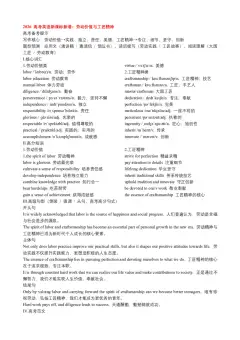
常见单词高级替换词(分类场景)
1. 情感类:
Sad → Melancholy (忧郁的), Despondent (沮丧的), Forlorn (孤独凄凉的)
Happy → Elated (兴高采烈的), Content (心满意足的), Jubilant (喜气洋洋的)
2. 环境类:
Empty → Desolate (荒凉的), Vast (辽阔的), Barren (贫瘠的)
Dry → Arid (干旱的)
3. 动作类:
Look → Scan (扫描), Peer (凝视), Gaze (凝视)
4. 搭配、词法与语料积累
地道搭配与词法解析
Clouds of seagulls: "clouds of" 形象地描绘出海鸥数量之多,如同云朵。类似用
法有 a cloud of locusts (一群蝗虫), a cloud of dust (一片尘土)。
Burn pink: "burn" 一词用得极妙,将晨光穿透雾气时那种动态、炽热又柔和的
感觉生动传达出来。这是通感的修辞手法。
Snap up: 固定短语,意为“迅速抓住/抢购”,生动体现了海鸥争食的敏捷迅
速。
Tossed overboard: "toss" 是“抛,扔”,比 throw 更随意;"overboard" 特指
“从船上抛入水中”。合在一起描绘出渔民处理废弃贝类的典型场景。
Rolling prairie: "rolling" 形象地描绘出草原如波浪般起伏的地形。
Farm stink: "stink" 是“臭味”,比 smell 情感色彩更强烈,直接反映了主人公
对农场气味的不喜,与 "salt scent" 形成鲜明对比。
Sail across the sky: 将海鸥的滑翔比作船在航行,非常诗意,也与“海港”的主
题呼应。
可积累语料与生词短语
1. Harbor (n. 港口; v. 怀有)
词意: n. 海港,港口;避难所 v. 心怀,怀有;庇护
近义词: n. port, haven, dock; v. hold, cherish, nurture
反义词: v. release, abandon, discard (当意为“怀有”时)
例句:
(n.) The fishing boats returned to the safe harbor before the storm. (渔船在暴风雨
前返回了安全港口。)
(v.) She harbored a secret hope that one day she would return. (她心怀一个秘密
的希望,希望有一天能回去。)
2. Snap up (phr.v. 抢购;迅速抓住)
词意: 迅速且急切地买下或抓住
近义词: grab, seize, take advantage of
反义词: reject, pass up, overlook
例句:
The seagulls snapped up the pieces of bread before they hit the water. (海鸥们在
面包片落入水中之前就迅速叼走了。)
The concert tickets were snapped up within minutes. (音乐会门票几分钟内就被
抢购一空。)
3. Toss (v. 抛,扔;摇摆)
词意: 轻轻地或随意地扔;使摇摆
近义词: throw, cast, fling (程度更强)
反义词: catch, receive, retrieve
例句:
He tossed the keys onto the table. (他把钥匙扔到桌子上。)
The boat was tossed about by the waves. (小船在波浪中颠簸。)
4. Attic (n. 阁楼)
词意: 屋顶下的阁楼空间
近义词: loft, garret
反义词: basement, cellar (地下室)
例句:
We found an old trunk full of memories in the attic. (我们在阁楼里发现了一个装
满回忆的旧箱子。)
Her bedroom was a small, cozy room in the attic. (她的卧室是阁楼里一个舒适的
小房间。)
5. Stink (n. 臭味;v. 发臭)
词意: n. 难闻的气味 v. 发出恶臭
近义词: n. stench, reek, odor; v. reek, smell
反义词: n. fragrance, aroma, perfume
例句:
(n.) The stink from the farm was overwhelming at first. (起初,农场的臭味令人
难以忍受。)
(v.) That rotten fish stinks! Throw it away! (那条烂鱼臭死了!快扔掉!)
6. Soar (v. 高飞,翱翔;骤升)
词意: 在空中高飞或翱翔;迅速上升
近义词: fly, glide, ascend, rise
反义词: plummet, fall, drop
例句:
An eagle soared high above the valley. (一只鹰在山谷上空高高翱翔。)
The temperature soared to 40 degrees Celsius. (气温骤升至40 摄氏度。)
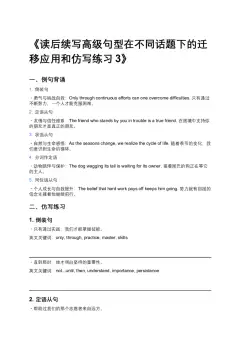
5. Possible Versions(4)
Version 1
Paragraph 1: The next morning, I open my eyes to the ceiling, but I still hear
seagulls. For an instant, I think I am back at the harbor, my heart leaping
wildly(独立主格). Could it be another dream? I sit up and push open the attic window,
the cool desert breeze brushing my cheeks(独立主格). To my astonishment, the faint
cry lingers in the sky, thin yet real(无灵主语句). My fingers tremble as I grab

 my


notebook

 ,  staring at

 the blank page of

  “New Things I Love.”

 (现在分词短语做伴随动作) If the
sound is true, perhaps the page will not remain empty for long. Excitement, mixed
with doubt(过去分词做后置定语), swells in my chest(无灵主语句), and I rush outside, dust rising
beneath my hurried steps(独立主格). The sound draws me closer to Dad, who is feeding
the chickens, and I blurt out my discovery: “are these seagulls?”
Paragraph 2: Dad tells me that these desert seagulls came here 150 years ago.
His voice is calm but carries a kind of wonder. “They followed settlers and never
left,” he explains, his eyes reflecting both memory and hope(独立主格). I glance at the
sky, where the birds circle freely, and suddenly realize they are not bound to the
ocean, just as I am not bound to my old home. If they can survive here, why can’t I?
A quiet determination spreads through me(无灵主语句). I kneel down, open my
notebook, and write in bold letters: desert seagulls—songs of survival. Dad pats my
shoulder, whispering(现在分词短语做伴随动作), “See? You’re learning to love this place.” For the
first time, the desert feels less like exile and more like a beginning.
 高分语法点示例:
倒装:Only then did I realize…
虚拟:If they can survive here, why can’t I?
分词结构:Excitement, mixed with doubt, swells in my chest.
Version 2
Paragraph 1: The next morning, I open my eyes to the ceiling, but I still hear
seagulls. The cry is so vivid that I almost spring upright, my pulse racing(独立主格刻画
人物). I hold my breath, straining to catch it again(现在分词短语做伴随动作). Sunlight filters
through the pink wallpaper(无灵主语句,环境描写), but the sound is undeniably there.
Rushing to the window(现在分词短语做伴随动作), I lean out, the dry wind tangling my hair(独立
主格刻画人物) as the strange call drifts over the fields. It is not quite the same as the harbor
gulls, yet
   close

 enough to make my eyes sting

 (adj 短语做补语).  Clutching

 my notebook


tightly(现在分词短语做伴随动作), I scribble a question mark on the “New Things I Love” page.
Maybe this desert holds more secrets(无灵主语句) than I thought. With that fragile hope,
I run down the stairs and find Dad in the yard, my words tumbling out breathlessly(无
灵主语句): “Are these seagulls?”
Paragraph 2: Dad tells me that these desert seagulls came here 150 years ago.
“They adjusted, My girl,” Dad says softly, “though everyone thought they wouldn’t
survive.” His explanation makes me pause(无灵主语句), the lesson sinking deeper than
he might expect(独立主格). If the birds had to choose between leaving or adapting,
and they chose to stay—wasn’t that just like me? I look at him, nodding

 slowly

 (现在分
词短语做伴随动作), my mind clearing like the sky after a storm(独立主格). With deliberate
strokes, I write: finding hope in unexpected places. The emptiness inside me
eases(无灵主语句). I know the adjustment won’t happen overnight, but this is my first
step forward.
 高分语法点示例:
强调句:It is not the sea I hear, but the desert giving me its own music.
非谓语:Clutching my notebook tightly, I scribble a question mark…
比较句:If the birds had to choose… wasn’t that just like me?
Version 3
Paragraph 1: The next morning, I open my eyes to the ceiling, but I still hear
seagulls. I freeze, hardly daring

 to move

 (现在分词做伴随动作), afraid(adj 短语做补语)the fragile
sound will vanish. Slowly, I slip from bed, every step echoing in the still

 attic

 (独立主
格). The cries grow clearer(无灵主语句)as I open the door and tiptoe downstairs. When I
step outside, the early sun spills gold over the dusty yard, and my breath catches
—white birds soar against the endless blue. For a heartbeat, I think I am dreaming
again, but their wings glint in the light, undeniably real(adj 做补语). A warmth
spreads through me(无灵主语句), washing

 away the heaviness

 (现在分词短语做伴随动作) I carried.
Smiling

 for the first time

 (现在分词短语做伴随动作) since we moved, I dashed to my dad, “the
desert has its own ‘seagulls’.”
Paragraph 2: Dad tells me that these desert seagulls came here 150 years ago.
“They found a way,” Dad explains, his hand shading his eyes(独立主格刻画人物动作) as he
looks up at the birds. His words strike deeper(无灵主语句) than I expect: if even seagulls
can carve out a home here, perhaps I can too. I let the thought settle like soft sand
in my heart. Later, back in my room, I open the notebook and slowly write:
morning birds that remind me of home. The letters stretch confidently across the
page(无灵主语句). This time, the list is not blank—and neither am I.
 高分语法点示例:
倒装:Never before had I smiled so easily in this new place.
比喻/修辞:His words strike deeper than I expect… like soft sand in my
heart.
非谓语/独立主格:The cries growing clearer, I open the door.
官方【参考范文】
The next morning, I open

  my

  eyes to the ceiling,

   but I

   still hear seagulls

 . I
rub my yes, sit up and listen. Bird calls drift over the fields. Filled

 with


curiosity(过去分词做原因状语), I Creep down the stairs onto the back porch and squint toward
the sky. To
    my amazement

 , a silver cloud of wings wheels above the freshly
turned soils(环境描写). I Can't believe my eyes. “ Seagulls! " I gulp. But how can that
be? Thrilled yet confused(过去分词做adj,主语补语), I hurry to Dad, who is already working
on the farm. " They are desert gulls, " Dad says with a grin.
Dad tells me that these desert seagulls

 came

  here 150

   years ago.

  They don't
seem to mind that they don't belong here . I Close my eyes and listen to the gulls
who have lived here forever. This place doesn't feel like home. But I feel a piece of
home sneaking upon me anyway. I have something new to put on the list of New
Things I Love . Maybe seagulls aren't new, but desert gulls are new to me. I
wonder if a sea girl can learn to be happy here, too. Maybe someday Mom ,
Dad, Ben, and I will be watching the rosy sunrise and I'll hear a gull shriek. I'll say,
“Reminds you of home , doesn't it?" And it won't matter which home I mean.