 夜雨聆风
夜雨聆风


时文阅读-AI虚拟亲密关系靠谱吗?
Use of emotional AI needs closer monitoring
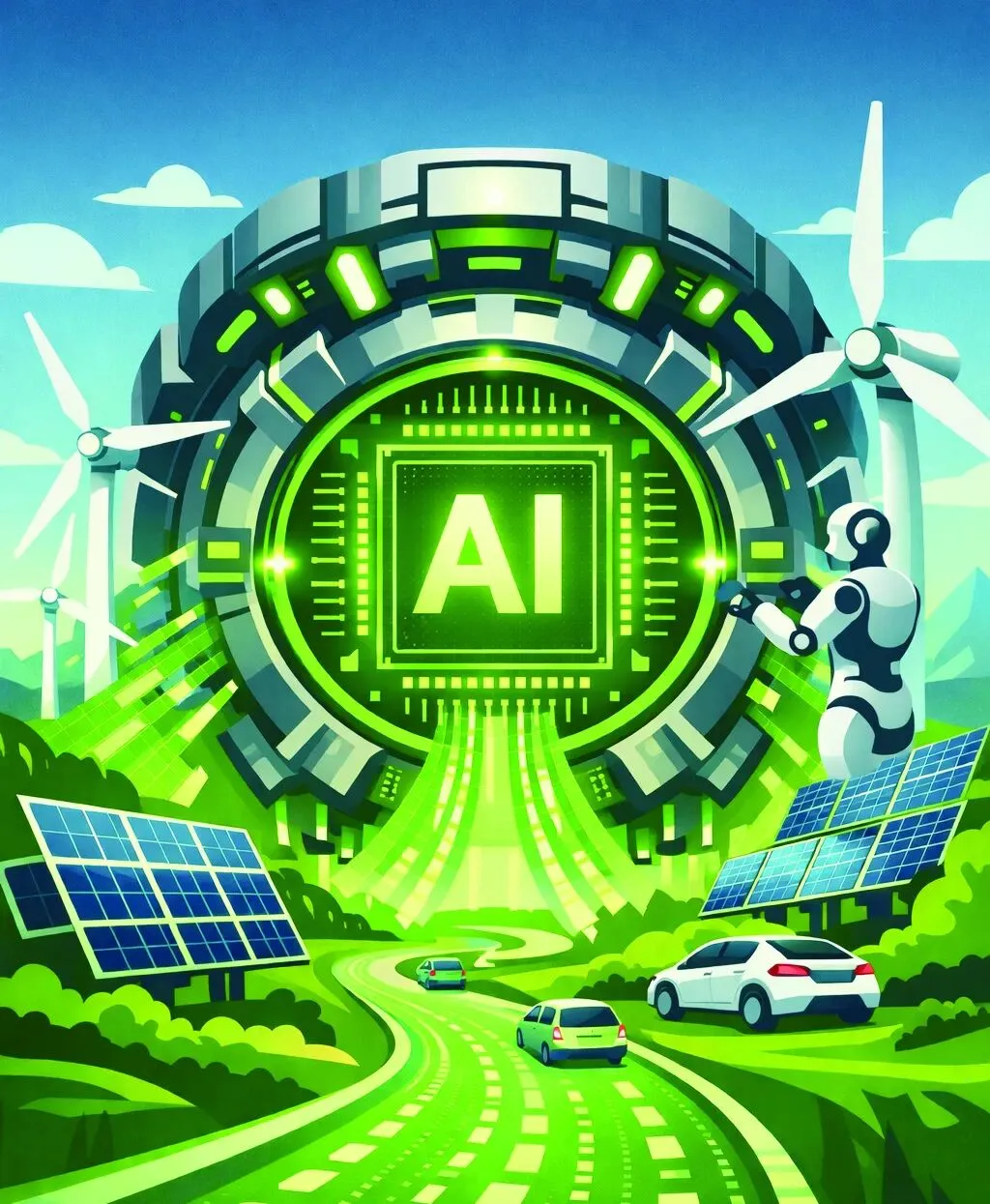
WANG XIAOYING/CHINA DAILY
Emotional AI can recognize, interpret and simulate human emotions through text, voice, facial expressions and other signals. It responds with adaptive interaction styles, creating a more natural and human-centered experience. While such systems do not truly possess emotions, they can mimic emotional understanding with remarkable consistency by offering instant responses, tireless companionship and nonjudgmental support. These features have made emotional AI especially appealing to younger users.
This appeal is closely tied to the developmental characteristics of youth. Young people often seek autonomy, validation and emotional connection, yet may lack fully developed communication skills or emotional regulation abilities. At the same time, they face academic, professional and social pressures, while experiencing a transitional phase in which family bonds loosen but stable peer or romantic relationships are not fully developed.
Emotional AI fills this gap by providing accessible and low-pressure emotional support. Moreover, as digital natives, younger generations are more open to experimenting with such tools, sometimes even forming communities around shared usage.
The rise of emotional AI is embedded in deeper structural changes. In an increasingly digital and individualized society, intimate relationships are becoming more mediated, controllable and low-risk. Meanwhile, emotional expression itself is increasingly shaped by market logic. Against this backdrop, emotional AI offers a seemingly stable and low-cost alternative, helping to fill what might be described as an “emotional vacuum” in contemporary life.
The psychological impact of emotional AI is complex and layered.On the positive side, it can serve as an accessible first line of emotional support, offering early intervention, basic psychological education and a safe space for self-reflection. It can also function as a training ground for social interaction, helping individuals practice communication skills and build confidence before engaging in real-life relationships. In addition, its ability to track and analyze emotional patterns may encourage more proactive approaches to mental health.
However, overreliance on simplified and conflict-free interactions with AI may weaken young people’s ability to navigate the complexities of real relationships. Since AI-generated empathy is based on pattern recognition rather than genuine experience, prolongedusage may distort emotional development or limit the growth of authentic empathy.
Emotional AI should be guided by a clear principle which is strengthening, rather than replacing, human emotional agency. This requires thoughtful design, industry standards and public oversight to ensure such systems remain transparent, user-controlled and oriented toward empowerment. They should help individuals better understand and manage their emotions, and engage more meaningfully in real-world relationships.
The division of roles between humans and machines is important. Emotional AI should function as a tool for emotional monitoring, early support and learning, while deeper needs such as value formation and lasting relationships should remain rooted in real human connections and professional support systems.
【语法填空改编短文】
Emotional artificial intelligence has gained remarkable ability to recognize, interpret and simulate human emotions through text, voice and facial expressions. By offering instant responses, tireless companionship and nonjudgmental support, such systems create a more natural and human-centered experience, even though they do not truly possess emotions. This technology holds particular appeal for young people, whose developmental characteristics include a strong need for autonomy, validation and emotional connection, yet who often lack fully developed communication skills or emotional regulation abilities. As digital natives, younger generations are also more open to experimenting with these tools.
The rise of emotional AI is embedded in deeper structural changes within an increasingly digital and individualized society, where intimate relationships become more mediated, controllable and low-risk. Against this backdrop, emotional AI helps fill what might be described as an “emotional vacuum” in contemporary life. On the positive side, it can serve as accessible emotional support, offer early intervention, and function as a training ground for social interaction. However, overreliance on simplified and conflict-free interactions with AI may weaken young people’s ability to navigate real relationships. Because AI-generated empathy is based on pattern recognition rather than genuine experience, prolonged usage may distort emotional development or limit the growth of authentic empathy.
Therefore, emotional AI should be guided by a clear principle: strengthening, rather than replacing, human emotional agency. This requires thoughtful design, industry standards and public oversight to ensure such systems remain transparent and user-controlled. The division of roles between humans and machines is essential. Emotional AI should function as a tool for emotional monitoring, early support and learning, while deeper needs such as value formation and lasting relationships must remain rooted in real human connections and professional support systems.
情感人工智能已获得通过文本、语音和面部表情识别、解读和模拟人类情绪的非凡能力。通过提供即时回应、不知疲倦的陪伴和非评判性的支持,此类系统创造了更自然、更以人为中心的体验,尽管它们并不真正拥有情感。这项技术对年轻人具有特别的吸引力,因为他们的发展特征包括对自主、认可和情感连接的强烈需求,但他们往往缺乏充分发展的沟通技巧或情绪调节能力。作为数字原住民,年轻一代也更愿意尝试这些工具。
情感人工智能的兴起植根于日益数字化和个体化的社会中更深层次的结构性变化,在这种社会中,亲密关系变得更具中介性、可控性和低风险性。在此背景下,情感人工智能有助于填补当代生活中所谓的“情感真空”。从积极方面看,它可以作为可获取的情感支持,提供早期干预,并充当社交互动的训练场。然而,过度依赖与人工智能之间简化且无冲突的互动,可能会削弱年轻人应对真实关系复杂性的能力。由于人工智能生成的共情基于模式识别而非真实体验,长期使用可能会扭曲情感发展或限制真实共情的成长。
因此,情感人工智能应遵循一个明确的原则:增强而非取代人类的情感能动性。这需要周到的设计、行业标准和公众监督,以确保此类系统保持透明且由用户控制。人与机器之间的角色划分至关重要。情感人工智能应充当情感监测、早期支持和学习的工具,而更深层次的需求,如价值观形成和持久的关系,必须根植于真实的人际关系和专业支持系统。
【词汇解释】
1. recognize /ˈrekəɡnaɪz/ v. 识别;认出
例句:Emotional AI can recognize human emotions through facial expressions.
翻译:情感人工智能可以通过面部表情识别人类情绪。
2. simulate /ˈsɪmjuleɪt/ v. 模拟;模仿
例句:The system can simulate emotional understanding without actually feeling anything.
翻译:该系统可以模拟情感理解,而实际上没有任何感受。
3. nonjudgmental /ˌnɒndʒʌdʒˈmentl/ adj. 非评判性的
例句:Nonjudgmental support from AI makes users feel safe to express themselves.
翻译:来自人工智能的非评判性支持让用户感到可以安全地表达自己。
4. developmental /dɪˌveləpˈmentl/ adj. 发展的;成长阶段的
例句:Young people’s developmental characteristics include seeking autonomy and identity.
翻译:年轻人的发展特征包括寻求自主性和自我认同。
5. autonomy /ɔːˈtɒnəmi/ n. 自主;自立
例句:Adolescents often desire autonomy while still needing emotional guidance.
翻译:青少年常常渴望自主,同时仍然需要情感指导。
6. mediated /ˈmiːdieɪtɪd/ adj. 被中介的;间接传递的
例句:In a digital society, intimate relationships become increasingly mediated by technology.
翻译:在数字社会中,亲密关系越来越多地通过技术中介传递。
7. intervention /ˌɪntəˈvenʃn/ n. 干预;介入
例句:Emotional AI can provide early intervention for mild mental health issues.
翻译:情感人工智能可以为轻微的心理健康问题提供早期干预。
8. overreliance /ˌəʊvərɪˈlaɪəns/ n. 过度依赖
例句:Overreliance on AI companions may reduce face-to-face social practice.
翻译:过度依赖人工智能伴侣可能会减少面对面的社交练习。
9. distort /dɪˈstɔːt/ v. 扭曲;使失真
例句:Prolonged use of emotional AI might distort a young person’s understanding of real empathy.
翻译:长期使用情感人工智能可能会扭曲年轻人对真实共情的理解。
10. agency /ˈeɪdʒənsi/ n. 能动性;自主行动能力
例句:Technology should strengthen human emotional agency rather than replace it.
翻译:技术应该增强人类的情感能动性,而不是取代它。
【语法填空改编】
Emotional artificial intelligence has gained remarkable ability to recognize, interpret and simulate human emotions through text, voice and facial expressions. By offering instant responses, tireless companionship and nonjudgmental support, such systems create 1.______ more natural and human-centered experience, even though they do not truly possess emotions. This technology holds particular appeal for young people, 2.________ developmental characteristics include a strong need for autonomy, validation and emotional connection, yet who often lack fully developed communication skills or emotional regulation abilities. As digital natives, younger generations are also more open to 3._______(experiment) with these tools.
The rise of emotional AI is embedded in deeper structural changes within an 4._________(increasing) digital and individualized society, where intimate relationships become more mediated, controllable and low-risk. Against this backdrop, emotional AI helps fill 5.________ might be described as an “emotional vacuum” in contemporary life. On the positive side, 6._______ can serve as accessible emotional support, offer early intervention, and function as a training ground for social interaction. However, overreliance 7.________ simplified and conflict-free interactions with AI may weaken young people’s ability to navigate real relationships. Because AI-generated empathy is based on pattern recognition rather than genuine experience, prolonged 8.________(use) may distort emotional development or limit the growth of authentic empathy.
Therefore, emotional AI should 9._______(guide) by a clear principle: strengthening, rather than replacing, human emotional agency. This requires thoughtful design, industry standards and public oversight to ensure such systems remain transparent and user-controlled. The division of roles between humans and machines is essential. Emotional AI should function as a tool for emotional monitoring, early support and learning, while deeper needs such as value formation and lasting relationships must remain rooted in real human 10.________(connection) and professional support systems.
【参考答案及解析】
1. a
句意:此类系统创造了一种更自然、更以人为中心的体验。
experience 在此为可数名词,表示“一次体验”,且 more natural 以辅音音素开头,故用不定冠词 a。
2. whose
句意:这项技术对年轻人具有特别的吸引力,他们的发展特征包括……
引导定语从句,修饰 young people,在从句中作 developmental characteristics 的定语,表示“年轻人的”,故用关系代词 whose。
3. experimenting
句意:年轻一代也更愿意尝试这些工具。
be open to 中的 to 是介词,后接名词或动名词,故填 experimenting。
4. increasingly
句意:在日益数字化和个体化的社会中。
修饰形容词 digital 和 individualized,表示“越来越……地”,需用副词 increasingly。
5. what
句意:情感AI有助于填补可被称作“情感真空”的东西。
fill 后接宾语从句,从句中缺少主语(指代“所……的东西”),故用连接代词 what。
6. it
句意:从积极方面看,它可以作为可获取的情感支持。
指代前文的 emotional AI,作主语,故用人称代词主格 it。
7. on
句意:过度依赖与AI之间简化且无冲突的互动。
overreliance 后固定搭配介词 on,表示“对……的过度依赖”。
8. usage
句意:长期使用可能会扭曲情感发展。
prolonged 是形容词,修饰名词;括号内给出动词 use,其名词形式为 usage,也可用 use。
9. be guided
句意:情感AI应被一个明确的原则引导。
should 后接动词原形,且 emotional AI 与 guide 之间为被动关系,故填 be guided。
10. connections
句意:必须根植于真实的人际关系。
human connections 意为“人与人之间的联系”,此处表示泛指且与 needs、relationships 并列,常用复数形式 connections。