 夜雨聆风
夜雨聆风


AI翻译:立夏读宋项安世《立夏日南风大作二首》
立夏日南风大作二首
宋·项安世
满城杨柳绿依依,背著春风自在飞。
却是杨花有才思,一时收拾伴春归。
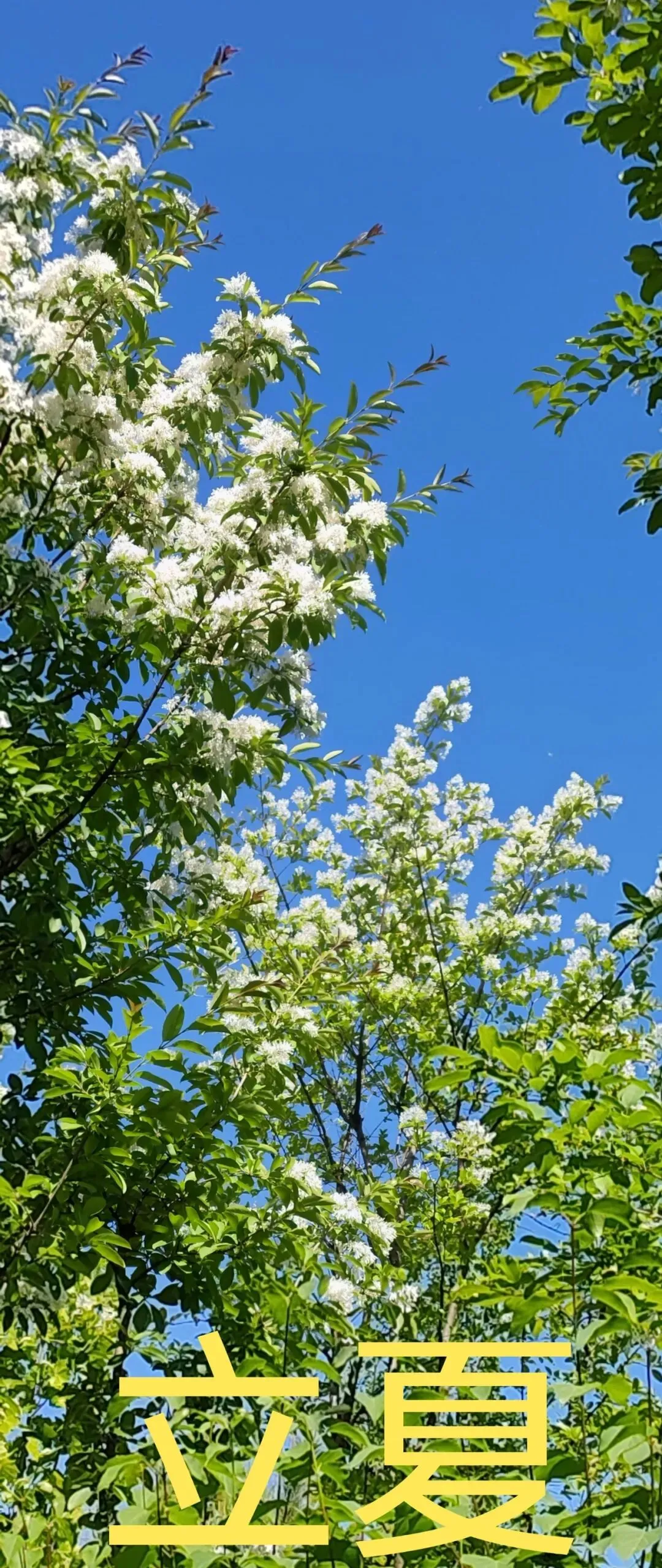
On Beginning of Summer Day: Strong South Wind (Two Poems)by Xiang Anshi
Willows greening the town, soft and light,Dance against the spring breeze out of spite.But the poplar fluffs with wit so finePack up spring’s last bits and see it decline.
Notes:
-
立夏: “Beginning of Summer” (the 7th solar term).
-
背著春风: The catkins float against the spring wind (as if turning their backs to it), adding a playful personification.
-
杨花: “poplar fluffs” (catkins). In Chinese poetry, they often symbolize drifting thoughts or the passing of spring.
-
收拾伴春归: They “pack up” the remnants of spring to accompany it on its way out — a whimsical image of bidding farewell to the season.
Rhyme Scheme: AABB (light/spite, fine/decline).Meter: Loosely iambic tetrameter to preserve the original’s brisk, light‑hearted rhythm.
-
立夏:“Beginning of Summer”(第七个节气)。
-
背著春风:杨花(柳絮)逆着春风飘飞(仿佛背对着春风),为诗句增添了一种俏皮的拟人色彩。
-
杨花:“poplar fluffs”(柳絮)。在中国诗歌中,杨花常象征飘零的思绪或春天的逝去。
-
收拾伴春归:它们“收拾”起春天的残留之物,陪伴春天一同离去——这是一个送别春天的奇妙意象。
-
押韵格式:AABB(light/spite, fine/decline)。
-
格律:大致采用抑扬四步格(iambic tetrameter),以保留原诗轻快活泼的节奏。