第06 讲 情态动词
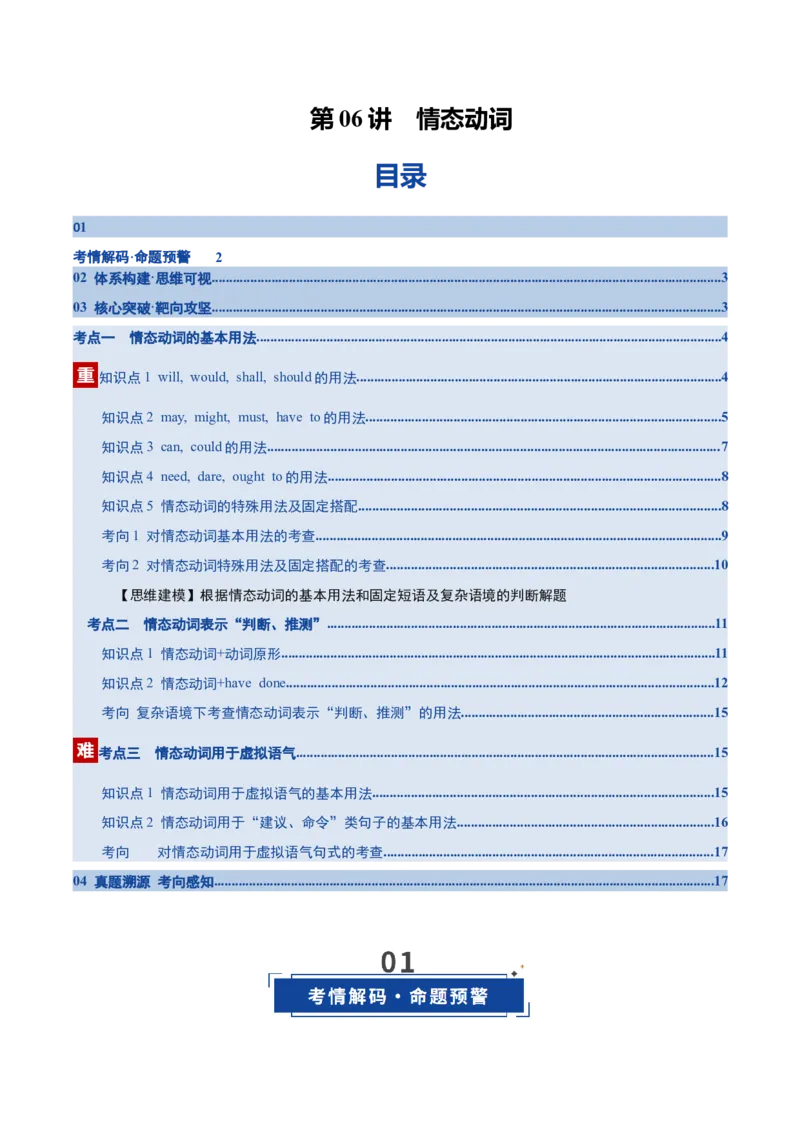
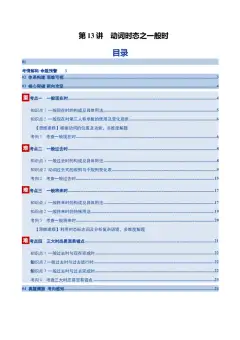
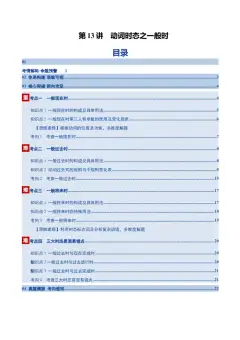
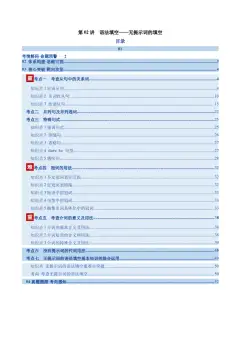
目录
01
考情解码·命题预警
2
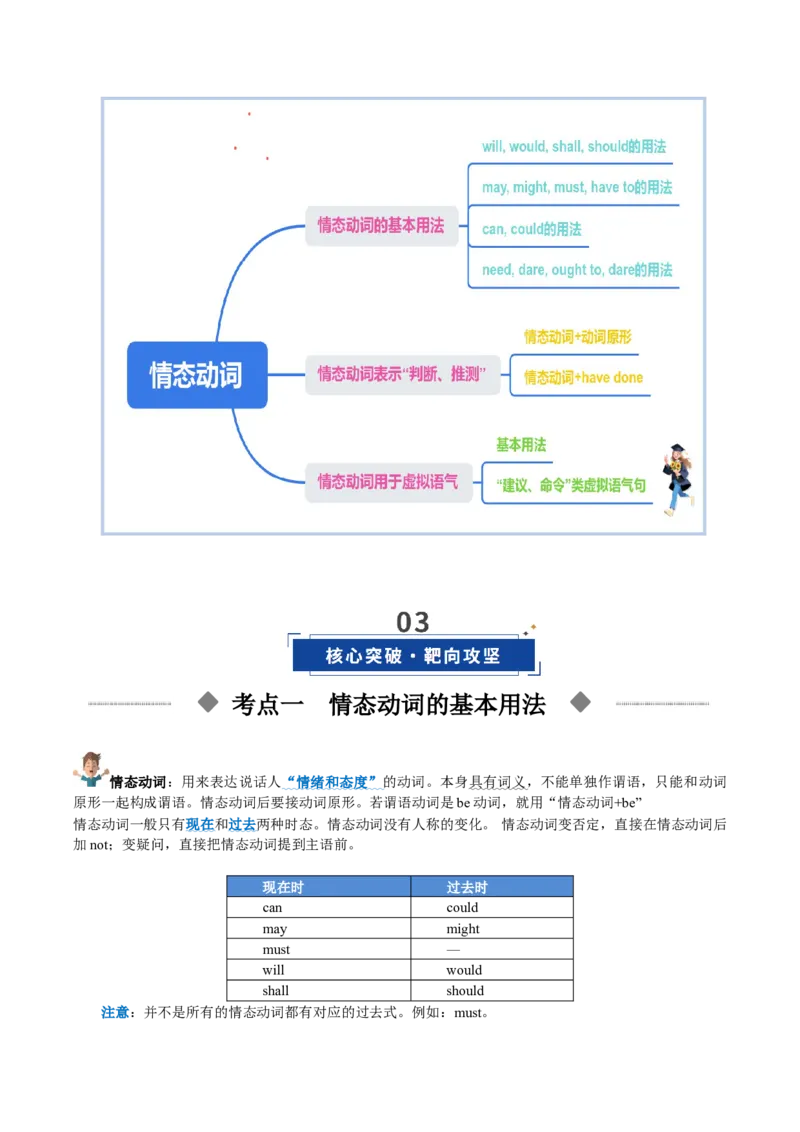
02 体系构建·思维可视.................................................................................................................................................3
03 核心突破·靶向攻坚.................................................................................................................................................3
考点一 情态动词的基本用法.....................................................................................................................................4
知识点1 will, would, shall, should 的用法........................................................................................................4
知识点2 may, might, must, have to 的用法.....................................................................................................5
知识点3 can, could 的用法.................................................................................................................................7
知识点4 need, dare, ought to 的用法................................................................................................................8
知识点5 情态动词的特殊用法及固定搭配.......................................................................................................8
考向1 对情态动词基本用法的考查....................................................................................................................9
考向2 对情态动词特殊用法及固定搭配的考查.............................................................................................10
【思维建模】根据情态动词的基本用法和固定短语及复杂语境的判断解题
考点二 情态动词表示“判断、推测”...............................................................................................................11
知识点1 情态动词+动词原形............................................................................................................................11
知识点2 情态动词+have done..........................................................................................................................12
考向 复杂语境下考查情态动词表示“判断、推测”的用法........................................................................15
考点三 情态动词用于虚拟语气.......................................................................................................................15
知识点1 情态动词用于虚拟语气的基本用法.................................................................................................15
知识点2 情态动词用于“建议、命令”类句子的基本用法.........................................................................16
考向 对情态动词用于虚拟语气句式的考查..............................................................................................17
04 真题溯源 考向感知...............................................................................................................................................17
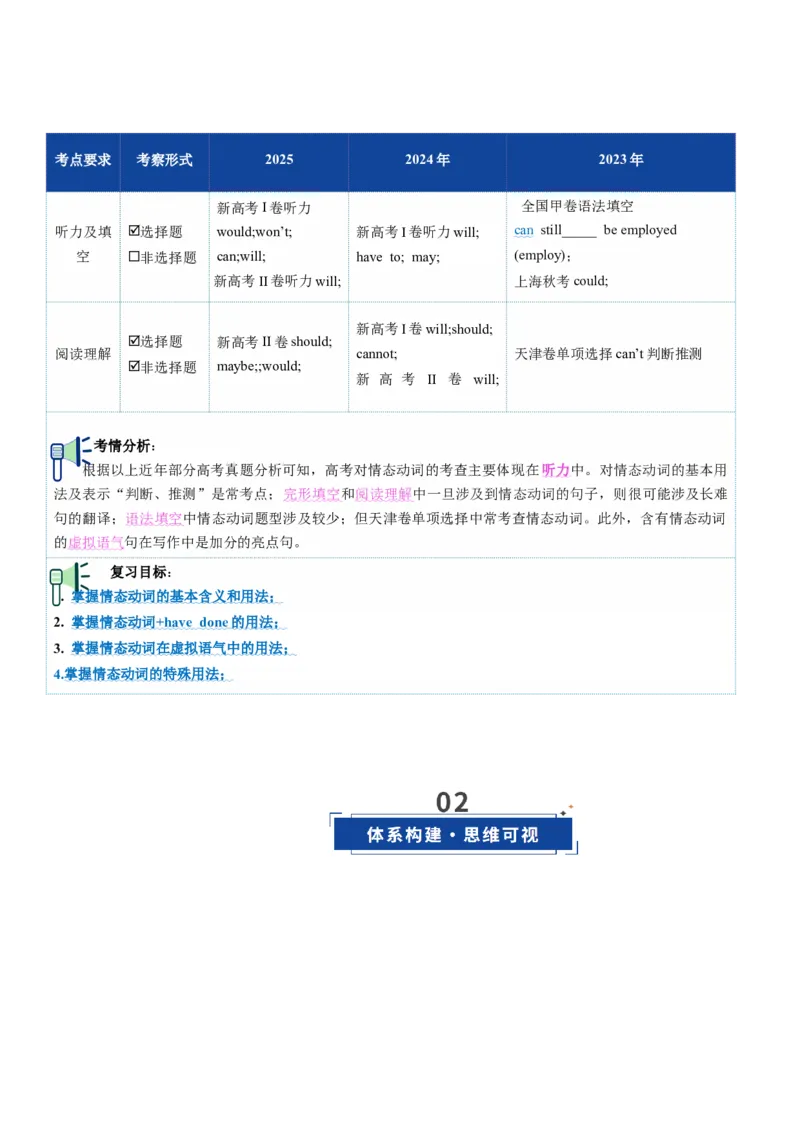
考点要求
考察形式
2025
2024 年
2023 年
听力及填
空
选择题
非选择题
新高考I 卷听力
would;won’t;
can;will;
新高考II 卷听力will;
新高考I 卷听力will;
have to; may;
全国甲卷语法填空
can still_____ be employed
(employ);
上海秋考could;
阅读理解
选择题
非选择题
新高考II 卷should;
maybe;;would;
新高考I 卷will;should;
cannot;
新高考
II
卷
will;
天津卷单项选择can’t 判断推测
考情分析:
根据以上近年部分高考真题分析可知,高考对情态动词的考查主要体现在听力中。对情态动词的基本用
法及表示“判断、推测”是常考点;完形填空和阅读理解中一旦涉及到情态动词的句子,则很可能涉及长难
句的翻译;语法填空中情态动词题型涉及较少;但天津卷单项选择中常考查情态动词。此外,含有情态动词
的虚拟语气句在写作中是加分的亮点句。
复习目标:
1. 掌握情态动词的基本含义和用法;
2. 掌握情态动词
+have
done
的用法;
3. 掌握情态动词在虚拟语气中的用法;
4.掌握情态动词的特殊用法;
考点一 情态动词的基本用法
情态动词:用来表达说话人“情绪和态度”的动词。本身具有词义,不能单独作谓语,只能和动词
原形一起构成谓语。情态动词后要接动词原形。若谓语动词是be 动词,就用“情态动词+be”
情态动词一般只有现在和过去两种时态。情态动词没有人称的变化。情态动词变否定,直接在情态动词后
加not;变疑问,直接把情态动词提到主语前。
现在时
过去时
can
could
may
might
must
—
will
would
shall
should
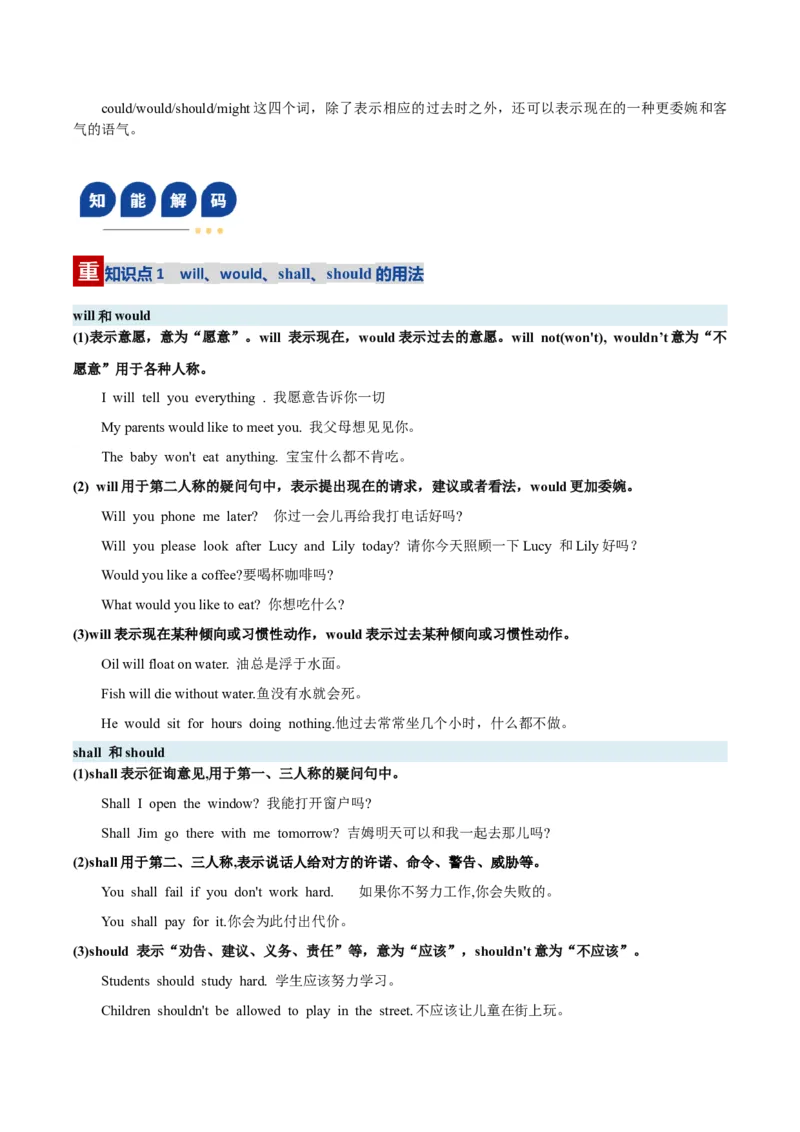
注意:并不是所有的情态动词都有对应的过去式。例如:must。
could/would/should/might 这四个词,除了表示相应的过去时之外,还可以表示现在的一种更委婉和客
气的语气。
知识点1 will、would、shall、should 的用法
will 和would
(1)表示意愿,意为“愿意”。will 表示现在,would 表示过去的意愿。will not(won't), wouldn’t 意为“不
愿意”用于各种人称。
I will tell you everything . 我愿意告诉你一切
My parents would like to meet you. 我父母想见见你。
The baby won't eat anything. 宝宝什么都不肯吃。
(2) will 用于第二人称的疑问句中,表示提出现在的请求,建议或者看法,would 更加委婉。
Will you phone me later?
你过一会儿再给我打电话好吗?
Will you please look after Lucy and Lily today? 请你今天照顾一下Lucy 和Lily 好吗?
Would you like a coffee?要喝杯咖啡吗?
What would you like to eat? 你想吃什么?
(3)will 表示现在某种倾向或习惯性动作,would 表示过去某种倾向或习惯性动作。
Oil will float on water. 油总是浮于水面。
Fish will die without water.鱼没有水就会死。
He would sit for hours doing nothing.他过去常常坐几个小时,什么都不做。
shall 和should
(1)shall 表示征询意见,用于第一、三人称的疑问句中。
Shall I open the window? 我能打开窗户吗?
Shall Jim go there with me tomorrow? 吉姆明天可以和我一起去那儿吗?
(2)shall 用于第二、三人称,表示说话人给对方的许诺、命令、警告、威胁等。
You shall fail if you don't work hard.
如果你不努力工作,你会失败的。
You shall pay for it.你会为此付出代价。
(3)should 表示“劝告、建议、义务、责任”等,意为“应该”,shouldn't 意为“不应该”。
Students should study hard. 学生应该努力学习。
Children shouldn't be allowed to play in the street. 不应该让儿童在街上玩。
a. 表示推测,意为“想必,一定,照说应该,估计”等。
They should be home by now.他们现在应该在家。
If he started out at nine, he ought to be here by now.他如果九点出发,现在应该到这里了。
b. should 还可以用在if 引导的虚拟条件从句中。should 置于句首时,省略if,相当于“万一”的意
思。
If it were not raining, we should go for a picnic.
如果现在不下雨的话,我们就出去野餐了。
Should you change your mind, please let us know.
万一你改变主意,请让我们知道。
c.should 还可用在以 why, who, how 等开头的疑问句或某些感叹句中,带有感情色彩。意为“竟然,
竟会”。
Why should you be so late today?
你今天竟然来得这么晚?
得分速记
ought to 与 should 基本相同,用于表示“劝告、建议、义务、责任”等,意为“应该”。其否定形
式为oughtn't to,疑问句形式是将ought 提到句首。
Students ought to study hard. 学生应该努力学习。
Children oughtn’t be allowed to play in the street. 不应该让儿童在街上玩。
知识点2 may、might、must、have to 的用法
may 与must
(1)may 表示请求、许可,意为“可以”,比can 和could 更正式。
-May I go home? 我可以走了吗?
-Yes, You may go home.你可以回家了。
-No, you mustn’t/can't. 不,你不可以。
易错提醒:M
ay I...?
句式的否定回答要用
mustn’t/can't
。
(2) may 表示祝愿。
May you succeed! 祝你成功!
(3) may 和might 在句中表达征求听话人的许可时,比can 和 could 更加礼貌、正式。同时,
might 比 may 更加委婉。
-May I come in?我能进来吗?
-Might I come in?您能允许我进来吗?
must 与have to
(1) must 表示义务或必要,意为“必须、应该”,mustn't 意为“不应该”。
It's getting late. I really must go home. 天黑了,我真的必须要回家了。
You mustn't talk to your mother like that. 你不应该那样和你母亲说话。
(2) must 用于否定句中,表示“禁止”。
You mustn't play on the road. 禁止在公路上玩耍。
(3) have to 也表示“必须、不得不”,有人称、数和时态的变化(must 没有)。have to 多强调由于客观
需要而“不得不”,而must 多强调主观上的原因。变否定句和疑问句时,要用助动词do、 does、did 来
构成。
Nurses have to wear a uniform.护士必须穿制服。
It's getting late. I have to go. 天黑了,我必须要回家了。(客观)
It's getting late. I must go. 天黑了,我必须要回家了。(主观)
易错提醒:回答由
Must
开头的问句时
,
肯定回答用
must
,
否定回答用
needn't
或
don't have to.
-Must I leave right now? 我必须现在离开吗?
-Yes,you must. 是的,你必须离开。
-No, you needn't/don't have to. 不,你不必。
知识点3 can、could 的用法
(1)表能力
can 在句中表达有能力做某事,而could 则表示过去的能力或过去能够做某事。二者均意为“能
够,可以,会”。
Finally, Shawn can speak English now. 现在肖恩终于会讲英语了。
Shawn could speak English when he was four. 肖恩四岁的时候就会讲英语了。
(2)表可能性
can 和could 在肯定句中表示某人常有的行为、某常出现的情形以及理论上的可能性。
A starving baby can cry.婴儿饿了常常会哭。
Winter can be very cold here.这儿的冬天通常很冷。(cold 是这儿冬天的常有情形)
Being fired could happen to any of us if we don' t work diligently.
如果我们不努力工作,每个人都可能会被开除。(being fired 是理论上的可能性)
can 在否定句和疑问句中表述对某一可能性的主观猜测,而could 不能单一地用作对可能性的提
示。
It can't be her! She is too gentle to say those dirty words.
那不可能是她说的!温文尔雅的她是不会说出那种污言秽语的。
Can the traitor be Shawn?叛徒会是肖恩吗?
(3)表许可
can 和could 都可以表示对听话人的请求,但could 的语气更加委婉。
Can you hand me the book on your right side? 能把你右边的书递给我吗?
Could you hand me the book on your right side? 我能请求您把您右手边的书递给我吗?
表示给予某人许可时可以用can,但不能用could。
You can have this book after tomorrow. 你可以在明天之后拿到这本书。
We can't use our phones during the test. 考试时我们不被允许使用手机。
(4)表征求意见
Can you …? 和 Could you …? 都可以表示向听话人征求意见,但Could you …? 更委
婉、更有礼貌。
Can you pick me up when I'm back? 我回来的时候你能来接我吗?
Could you pick me up when I'm back? 可以请您在我回来的时候来接我吗?
知识点4 need、dare、ought to 的用法
need
need 表示“需要”,常用于否定句和疑问句中。由 need 引出的疑问句,肯定回答用must,否定回答用
needn't。
-Need we take the test?我们需要参加这个测验吗?
-Yes,we must. 是的,我们需要。
-No, we needn't. 不,我们没必要。
知识点5 情态动词的特殊用法及固定搭配
特殊用法
a.May+主语+V 原形:表示对听话者的美好祝愿。
May the force be with you!愿原力与你同在!
May you be happy!祝你幸福!
b.must 作名词,表示“必须做的事;必不可少的事”。
固定搭配
may/might as well:表示礼貌地建议和委婉地劝告,即“可能…会好一点吧”
Your girl seems quite angry, you might as well leave her alone.
你女朋友看起来很生气,你还是让她自己冷静一下为好。
It's said that he is arriving soon, so we might as well hurry up.
据说他马上就要到了,我们要不还是赶紧吧!
may/might well:表示“完全有理由做出某举动”。
He treats you so bad, so you may well refuse to help him.
既然他对你如此糟糕,你完全可以拒绝帮他。
Since it's my own case, I might well make the decision by myself.
这是我自己的事,我当然有权做主。
had better 意为“最好”,后面接动词原形,否定式为had better not do。
We had better take an umbrella in case it rains.以防下雨,我们最好带把伞。
思维建模 根据情态动词的基本用法和固定短语及复杂语境的判断解题。
名师提醒:need
可以作
实义
动词
,
有人称、数和时态的变化,后常接带
to
的不定式。
I need to go to sleep. 我需要去睡觉。
She needed to go out for a walk. 她需要出去散散步。
1. 只作情态动词,如
may, might, must, can
等。
2. 既作情态动词又作实义动词,如need, dare。
3. 具有情态动词特征的动词词组,如have(had, has) to, used to,
ought to。
4. 可做情态动词又可作助动词,如shall(should), will(would)。
准确判
断
对照
检验
信息
提取
基本用
法
考向1 对情态动词基本用法的考查
例1(天津卷)My room is a mess, but I __________clean it before I go out tonight. I can do it in the morning.
A.daren’t
B.shouldn’t
C.needn’t
D.mustn’t
名师点睛:情态动词主要考查句意和说话人的语气的强弱,这几个情态动词的否定形式意思各不相同,确
定各自的含义,弄清它们的区别再结合上下文语境就不难理解了。
daren’t
通常表示“不敢”,
shouldn’t
强
调的是没有义务,必要性;
needn’t
表示“不需要”,
mustn't
表示不许,语气比较强烈,它们之间有明显不
同。
例2 (2025 年天津模拟)I wonder why you ______ turn to Tom for help all the time when you can complete
your tasks by yourself.
A.should
B.could
C.may
D.would
【变式训练1·变情景】In my childhood, on New Year’s Eve, all of our family members __________ be
together, sitting around the table and enjoying the food.
A.shall
B.would
C.must
D.might
【变式训练1·变考法】— The test on the new approach to calculating grades is challenging and demanding.
Who do you think can do the job?
— ________ my students have a try?
A.Shall
B.Must
C.Will
D.May
考向2 对情态动词特殊用法及固定搭配的考查
例1When drafting essays, you __________ pay too much attention to logical flow — unclear connections
confuse readers.
A.mustn’t
B.needn’t
C.can’t
D.shouldn’t
例2---- Who is the girl standing over there?
---- Well, if you _________ know, her name is Mabel.
A.may
B.can
C.must
D.shall
【变式训练1·变情景】You might as well set your ______ clear before you want to achieve it.
A.dream
B.purpose
C.object
D.goal
【变式训练2·变考法】The play __________ next month aims mainly to reflect the local culture and you
__________ as well take part in it.
A.produced; can
B.being produced; should
C.to be produced; might
D.to be produced; must
【变式训练3·变载体】It is true that we cannot help (dislike) some people — this is human nature,
after all.
考点二 表示“ 判断、推测”
情态动词
肯定
否定(+not)
must
一定
/
can
可能
一定不,不可能
could
可能
可能不
may
可能
可能不
might
可能
可能不
表示“可能”的四个情态动词,可能性由大到小的顺序为can>could>may>might
知识点1 情态动词+动词原形
表示推测的可能性排序:
might/could 可能性 < can/may 可能性
can’t < couldn’t < may not < might < may< should/ought to < could < must
1. can/could 表示推测时,意为“可能”,can’t/couldn’t 意为“不可能”。一般用于否定句和疑问句中。
-Whose shirt is this? 这是谁的短袖?
-It can’t be John’s. It’s much too small for him. 这不可能是约翰的,这对他太小了。
Most accident could be prevented. 大部分事故可以被预防。
2.may/might 表示推测时,常用于肯定句中,意为“也许、可能”,其可能性不大,might 的可能性更弱,
may/might not 意为”可能不,也许不”。
He may come tomorrow.他明天可能会来。
She may /might not want to come with us.她可能不想和我们一起去。
注:may be & maybe(adv.)
She may be an English teacher. 她可能是一位英语老师。
Maybe she is an English teacher. 可能她是一位英语教师。
3.must 表示推断时具有很大的可能性,意为“一定,很可能”,常用于肯定句中。
Sam must be nearly 90 years old now.萨姆现在肯定将近90 岁了。
There must be something wrong with the engine.一定是引擎出了问题。
4.should 表示推测时,意为“可能、应该”should not 意为“恐怕不会”
It should be fine tomorrow. 明天很可能天晴。
They should be ready by 12:00. 应该可以在12 点前准备好。
得分速记
表示推测时情态动词的结构根据时态有所变化
(1)对现在或将来的推测一般接动词原形;
You must know Diana surely. 你准会认识戴安娜。
(2)若表示说话是正在发生的情况,用情态动词+be+现在分词;
You must be joking. 你准是在说笑话。
(3)若要表示对过去的情况进行推测时,用“情态动词+ have + 过去分词”。如:
Someone must have been smoking here. 一定有人一直在这里抽烟。
He must have arrived already. 他一定已经到了。
(4) 情态动词表推测的反意疑问句,以情态动词后的时态为淮,如句子里有明确的时间状
语,则以其为准。
1. You must be hungry now, aren’t you?
2. He must be watching TV, isn’t he ?
3 Tom must have lived her for a long time, hasn’t he ?
4. She must have arrived yesterday, didn’t she?
知识点2 情态动词+have done
① must have done:表示对过去已发生动作的肯定推测,意为“想必/一定做了”,用于肯定句中,语气
强。
●The children must have got lost in the woods; otherwise, they would have been at the lakeside camp as scheduled.
孩子们一定在森林里迷路了,否则,他们会按照计划出现在湖边营地。
② can't have done:表示对过去情况把握较大的否定推测,意为“不可能做了”。
I saw Mr.. Li just now. He can't have gone to Beijing.
我刚才看见李先生了。他不可能去了北京。
③ could have done:表示对过去情况的推测,意为“可能已经做了”
Don't worry-- they could have just forgotten to call. 别担心,他们可能只是忘了打电话。
表示对过去的虚拟,意为“本来能做”,但实际上没做。
You could have done better, but you were too careless.
你本来能做得更好些,但你当时太粗心了。
④ may have done:表示对过去情况的推测,意为“也许/或许已经做了”,用于肯定句中,一般不用于疑
问句中,语气较弱,其否定形式为 may not have done.
She may have bought the dictionary,but I' m not sure..她也许已经买了那本词典,但我不太确信。
⑤ might have done:表示对过去情况的推测,意为“也许/或许已经做了”,用于肯定句中,一般不用于
疑问句中,语气较 may have done 更弱,其否定形式为 might not have done。
Smith might have gone to see the movie yesterday.史密斯也许昨天已经去看过这部电影了。
表示对过去的虚拟,意为“本来可以做”,但实际上没做。
You might have given him more help, though you were busy.
你本可以给他更多帮助的,虽然你当时很忙。
⑥ should/ought to have done:表示对过去的虚拟。用于肯定句,意为“本该做”,而实际上未做;其否
定式为 shouldn't / ought not to have done,意为“本不该做”,而实际上做了,表示责备或惋惜之情。
He is sad. You shouldn't have told him the bad news.
他感到难过。你本不应该告诉他这个坏消息。
⑦ needn’t have done:表示对过去的虚拟,意为“本来不必做”,而实际上做了。
We needn't have bought so much food now that Suzie won't be with us for dinner.
既然苏西不与我们一起吃晚饭,我们原本不必买那么多食物。
⑧ would rather have done:意为“宁愿当时做了”,其否定式为 would rather not have done。两者都含有
后悔之意。
I raised objections at the meeting, but now I would rather not have done that.
会上提出异议,但现在我宁愿自己没那么做。
⑨ would like/love to have done:表示过去本打算做,但实际上未做成。
I would love to have attended the meeting last Sunday, but I had to finish my report.
上周日我本来很想去参加会议的,但我得完成报告。
Was there anything you would like to have done during high school?
在高中时期,有没有什么事是你想做却没有做成的?
例1 (2018 年天津卷高考真题) I can't find my purse. I__________ it in the supermarket yesterday, but I'm
not sure.
A.should leave
B.must have left
C.might leave
D.could have left
名师点睛:情态动词是每年高考的热点也是难点。本题抓住两点:第一、时态。根据句中时间状语可以判
断出是对过去事情的推测,故用情态动词
+ have done
;如果是对现在事情的推测,才用情态动词
+v
原形
。
第二、情态动词的选择。
must
为肯定推测,表示“一定”,
could
为不肯定推测,表示“可能”,这样就
能选出正确答案。
例2 But for his timely help, we __________ our task in such a short time.
A.wouldn’t finish
B.haven’t finished
C.couldn’t have finished
D.can’t have finished
【变式训练1··变情景】He __________ have completed his work; otherwise, he wouldn’t be enjoying himself
by the seaside.
A.should
B.would
C.could
D.must
【变式训练2·变考法】 I’m not feeling well in the stomach. I shouldn’t __________ (eat) so much fried
chicken just now.
思维建模:解答涉及情态动词的题时,要瞻前顾后。首先根据复杂语境判断情态动词的基本含义,再根据
其具体用法解题。切忌不看语境和句意一律使用情态动词后+动词原形。
考向 复杂语境下考查情态动词表示”判断、推测“的用法
例1 (2025 年天津三模)know Sophia’s favourite star is a female singer, so it ________ be this actor.
A.may not
B.mustn’t
C.shouldn’t
D.can’t
例2 —I didn’t see her yesterday.
—Of course, you _________ , because she had gone on a trip.
A.couldn’t
B.may not have
C.can’t have
D.mustn’t have
【变式训练1·变情景】She couldn’t __________(attend) that meeting, for she was doing paperwork in the office
then.
【变式训练2·变载体】He __________ have forgotten it; he told me about that just now.
考点三 情态动词用于虚拟语气
知识点1 情态动词用于虚拟语气的基本用法
1.虚拟语气的基本句式
场合
从句谓语动词形式
主句谓语形式
与现在事实相反
动词过去式(be 用were)
would / could / should / might+ 动词原形
与过去事实相反
had +动词过去分词
would/ could / should / might have done
与将来事实相反
1.动词过去式(be 用were)
2.were to + 动词原形
3.should + 动词原形
would / could / should / might + 动词原形
2.虚拟语气的特殊句式
I wish
从句结构
示例
与现在事实相反
一般过去式
I wish it were autumn now.
与过去事实相反
过去完成式
He wished he had not lost the chance.
与将来事实相反
would+动词原形
I wish you would come soon.
1. 含有情态动词的虚拟语气常考句式
if only 表示“如果……该多好”,as if/though 表示“好像”,从句虚拟用法同上。
It is high/about time that..后面常用did 或should do, should 不能省,意为“早该……”。
知识点2 情态动词用于表示“建议、命令”类句子的考查
1. 坚持insist 命令order, command 建议advise, suggest, recommend 要求demand, desire, require,
request)接从句谓语用should+动词原形,且should 可以省略。但应注意insist 表示“坚持说”,suggest 表
示“暗示,表明”时,后接宾语从句应用陈述语气。
It is suggested that the meeting should be put off till next week.建议把会议推迟到下周举行。
2.名词(order, command, advice, suggestion, requirement 等)后接从句,该从句谓语动词用should+动词原
形,且should 可以省略。
We agreed to the order that the task (should) be completed at 5 o'clock.
我们同意了这个任务(应该)在五点完成的命令。
2. It is necessary/strange/ impossible..that..从句谓语用should+动词原形,且should 可以省略。若从句涉及
已经发生的动作,则应用should have done。
It is strange that he should have acted toward his parents like that.他竟对父母那样做,真是奇怪。
考向 对情态动词用于虚拟语气句式的考查
例1 What do you think of his proposal that the meeting (put) off to next week? (
例2 He is right, but I can't help wishing they (keep) those old ferries
【变式训练1·变情景】The authority made a proposal that young people (give) more opportunities to
be promoted to higher positions.
【变式训练2·变情景】The head teacher made a request that a meeting (schedule) to arrange for the
upcoming anniversary of the school’s founding day.
1.(2025·全国二卷·高考真题)How will the woman probably get to Baxley?
A.On foot.
B.By taxi.
C.By bus.
2.(2024 年浙江1 月卷) However, though it’s nice to get a few cents off a pack of sausages, it would help even
more if they could sometimes ________ (offer) in smaller packs. Even the biggest sausage fan doesn’t want to eat
them every day.
3.(2023 年6 月天津卷)We _________bother with details, for our teammates will do everything in their power
to help us.
A.mustn’t
B.daren’t
C.needn’t
D.can’t
4.(2020·江苏·高考真题)If I hadn’t been faced with so many barriers, I _____where I am.
A.won’t be
B.wouldn’t have been C.wouldn’t be
D.shouldn’t have been
5.(2021 年天津卷)---I honestly don't think I'm going to be admitted.
---Well, you never know! You________ a better impression than you think.
A.may have made
B.should have made
C.couldn't have made
D.needn't have made
6.(2019 年天津卷)Mary’s description of the party was so vivid that I felt as if I there.
A.would be
B.might have been
C.would have been
D.had been
易错提醒:as if 的两种用法:
1.as if 从句用陈述语气,我这里说的从句用陈述语气,是相对于虚拟语气而言的。即你所表达的句子是真实
的或极有可能发生或存在的事实时。
设想语境:比方说你现在屋里看不到外面的情况,却听到了雨滴声,表达如下:
It sounds as if it is raining. 听起来像是在下雨。
2. as if 从句用虚拟语气,当说话人认为句子所述的是不真实的或极少有可能发生或存在的情况时。从句虚
拟语气动词时态的形式如下:
(1)如果从句表示与现在事实相反,谓语动词用一般过去时。
(2)从句表示与过去事实相反,谓语动词用“had+过去分词”。
(3)从句表示与将来事实相反,谓语动词用“would/could/might+动词原形”。