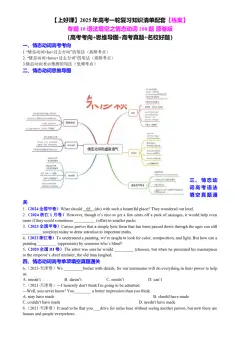
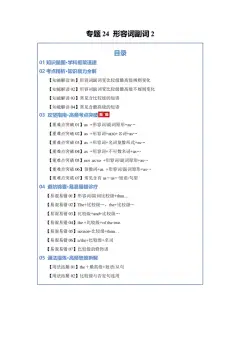
专题 01 语法填空之提示词为动词
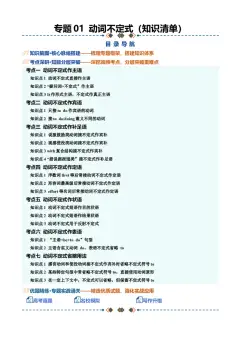
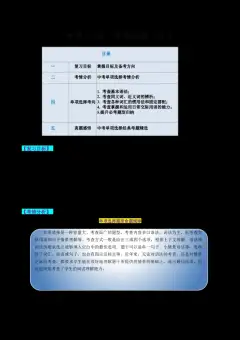
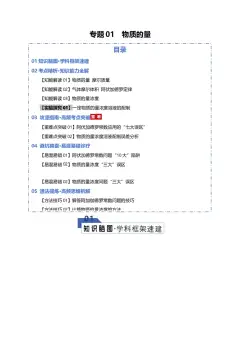
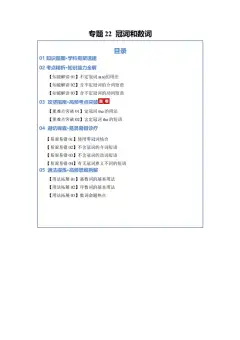
目录
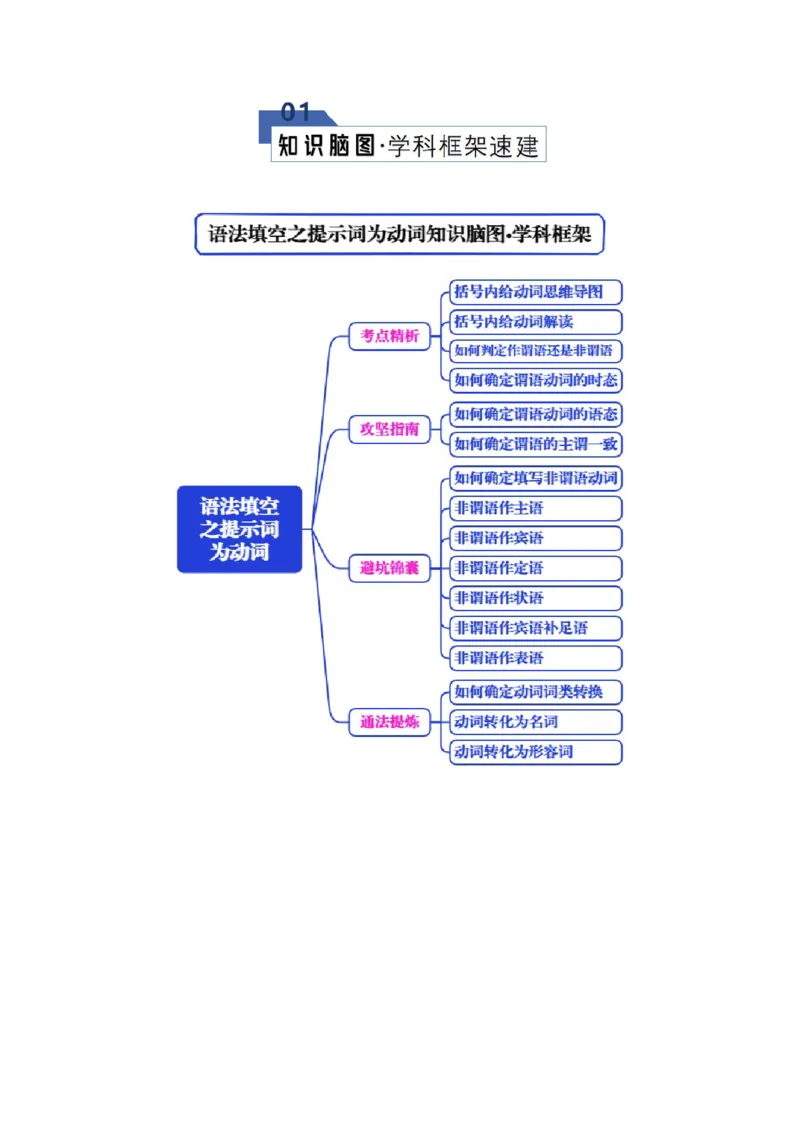
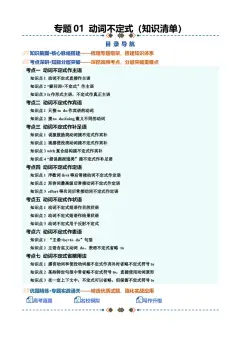
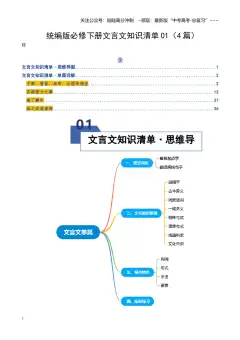
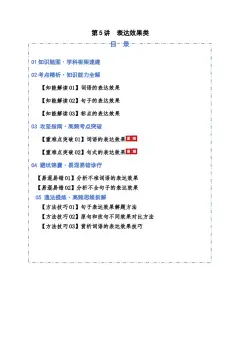
01知识脑图·学科框架速建
02考点精析·知识能力全解
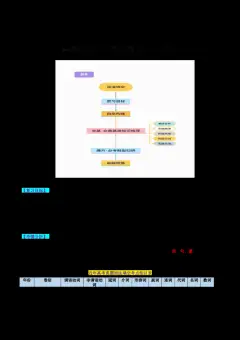
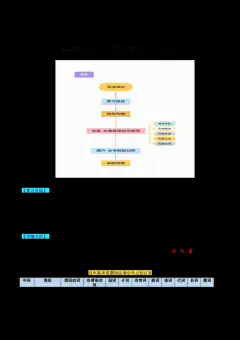
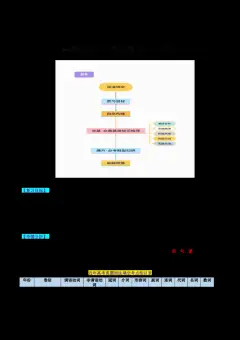
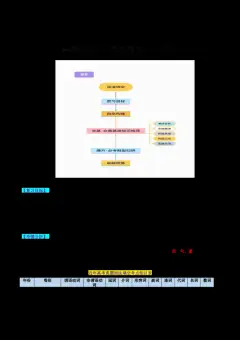
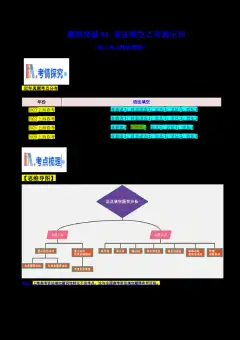
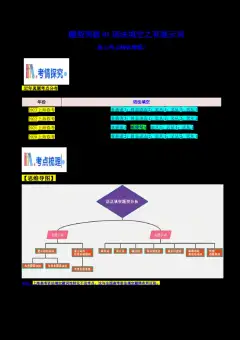
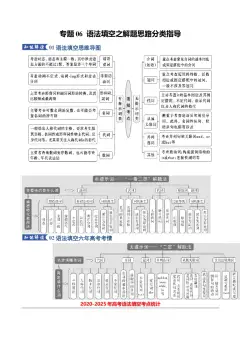
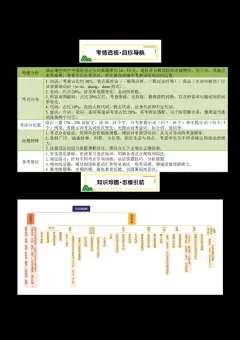
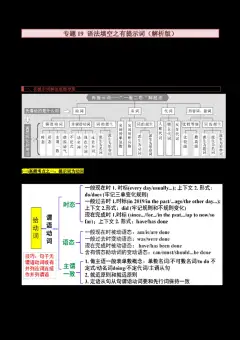
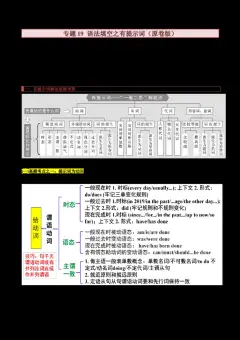
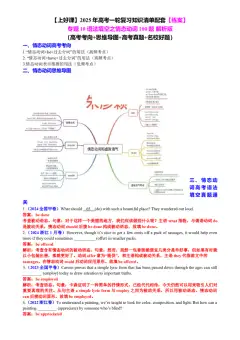
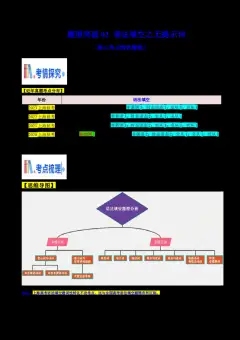
【知能解读01】括号内给动词思维导图
【知能解读02】括号内给动词解读
【知能解读03】如何判定作谓语还是非谓语
【知能解读04】如何确定谓语动词的时态
03 攻坚指南·高频考点突破
【重难点突破01】如何确定谓语动词的语态
【重难点突破02】如何确定谓语的主谓一致
04 避坑锦囊·易混易错诊疗
【易混易错01】如何确定填写非谓语动词
【易混易错02】非谓语作主语
【易混易错03】非谓语作宾语
【易混易错04】非谓语作定语
【易混易错05】非谓语作状语
【易混易错06】非谓语作宾语补足语
【易混易错07】非谓语作表语
05 通法提炼·高频思维拆解
【用法拓展01】如何确定填写动词词类转换
【用法拓展02】动词转化为名词
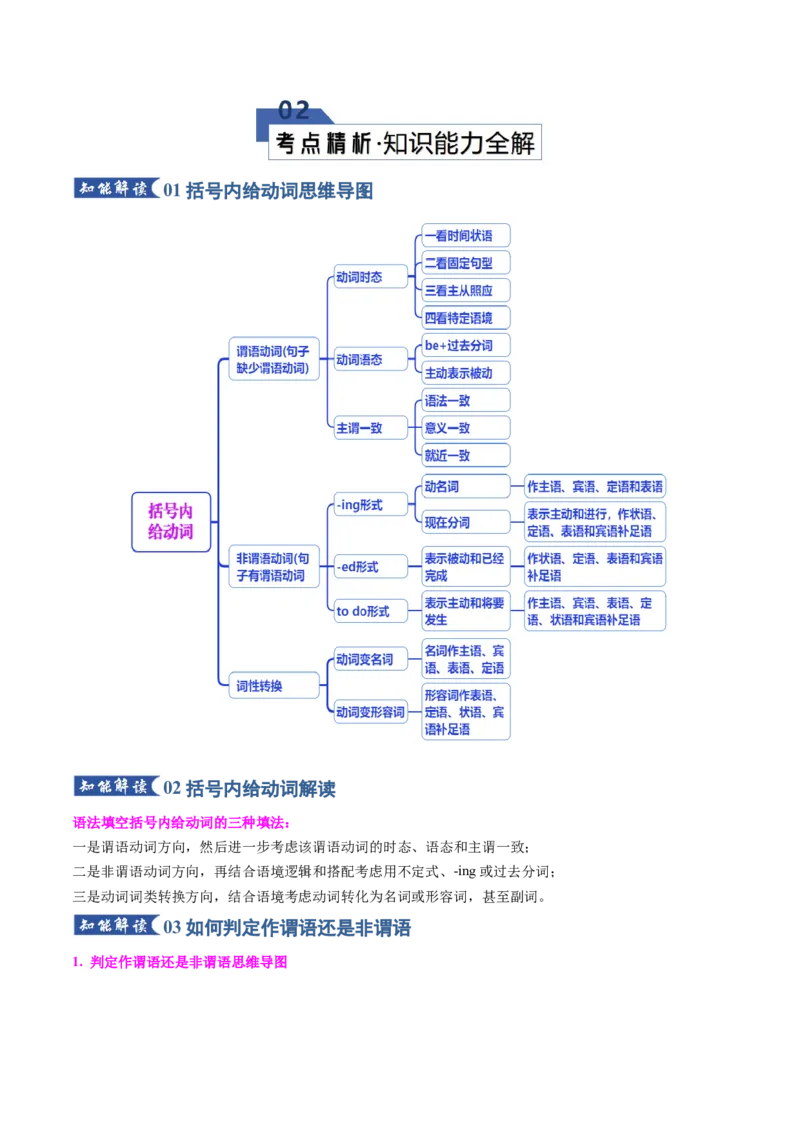
【用法拓展03】动词转化为形容词01括号内给动词思维导图
02括号内给动词解读
语法填空括号内给动词的三种填法:
一是谓语动词方向,然后进一步考虑该谓语动词的时态、语态和主谓一致;
二是非谓语动词方向,再结合语境逻辑和搭配考虑用不定式、-ing或过去分词;
三是动词词类转换方向,结合语境考虑动词转化为名词或形容词,甚至副词。
03如何判定作谓语还是非谓语
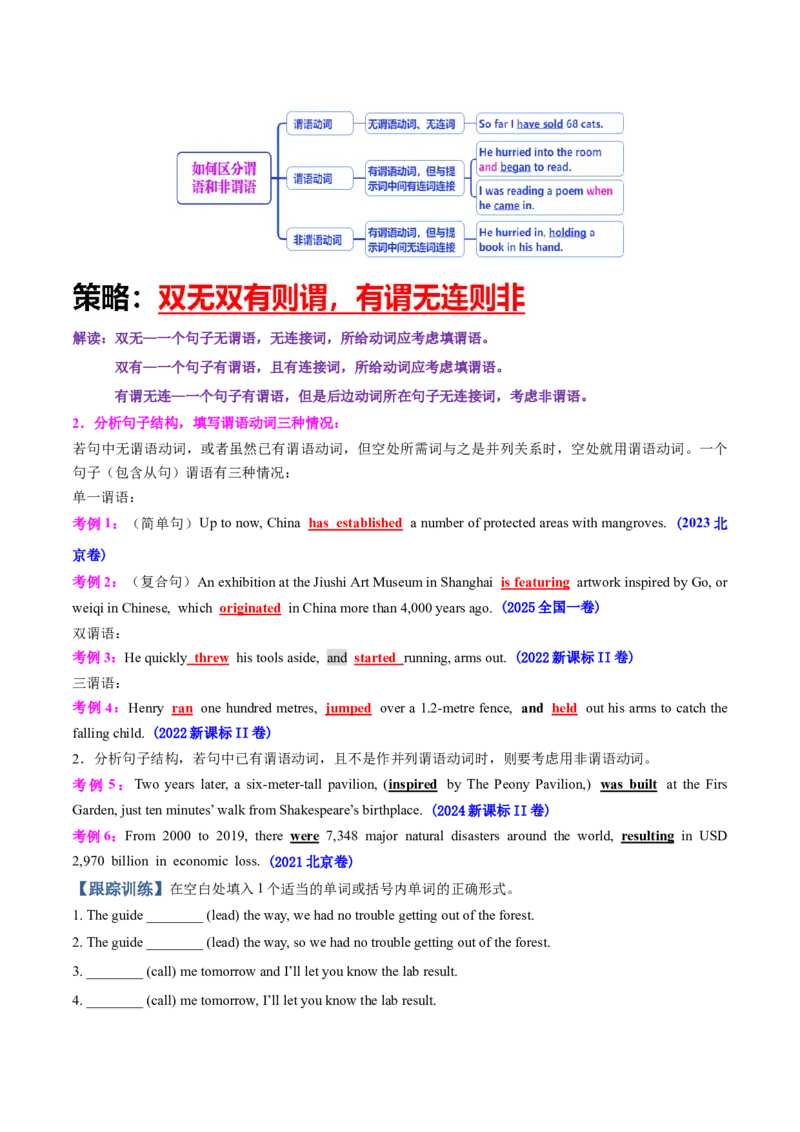
1. 判定作谓语还是非谓语思维导图解读:双无—一个句子无谓语,无连接词,所给动词应考虑填谓语。
双有—一个句子有谓语,且有连接词,所给动词应考虑填谓语。
有谓无连—一个句子有谓语,但是后边动词所在句子无连接词,考虑非谓语。
2.分析句子结构,填写谓语动词三种情况:
若句中无谓语动词,或者虽然已有谓语动词,但空处所需词与之是并列关系时,空处就用谓语动词。一个
句子(包含从句)谓语有三种情况:
单一谓语:
考例1:(简单句)Up to now, China has established a number of protected areas with mangroves. (2023北
京卷)
考例2:(复合句)An exhibition at the Jiushi Art Museum in Shanghai is featuring artwork inspired by Go, or
weiqi in Chinese, which originated in China more than 4,000 years ago. (2025全国一卷)
双谓语:
考例3:He quickly thr ew his tools aside, and started running, arms out. (2022新课标II卷)
三谓语:
考例4:Henry ran one hundred metres, jumped over a 1.2-metre fence, and held out his arms to catch the
falling child. (2022新课标II卷)
2.分析句子结构,若句中已有谓语动词,且不是作并列谓语动词时,则要考虑用非谓语动词。
考例 5:Two years later, a six-meter-tall pavilion, ( inspire d by The Peony Pavilion,) was built at the Firs
Garden, just ten minutes’ walk from Shakespeare’s birthplace. (2024新课标II卷)
考例6:From 2000 to 2019, there were 7,348 major natural disasters around the world, result ing in USD
2,970 billion in economic loss. (2021北京卷)
【跟踪训练】在空白处填入1个适当的单词或括号内单词的正确形式。
1. The guide ________ (lead) the way, we had no trouble getting out of the forest.
2. The guide ________ (lead) the way, so we had no trouble getting out of the forest.
3. ________ (call) me tomorrow and I’ll let you know the lab result.
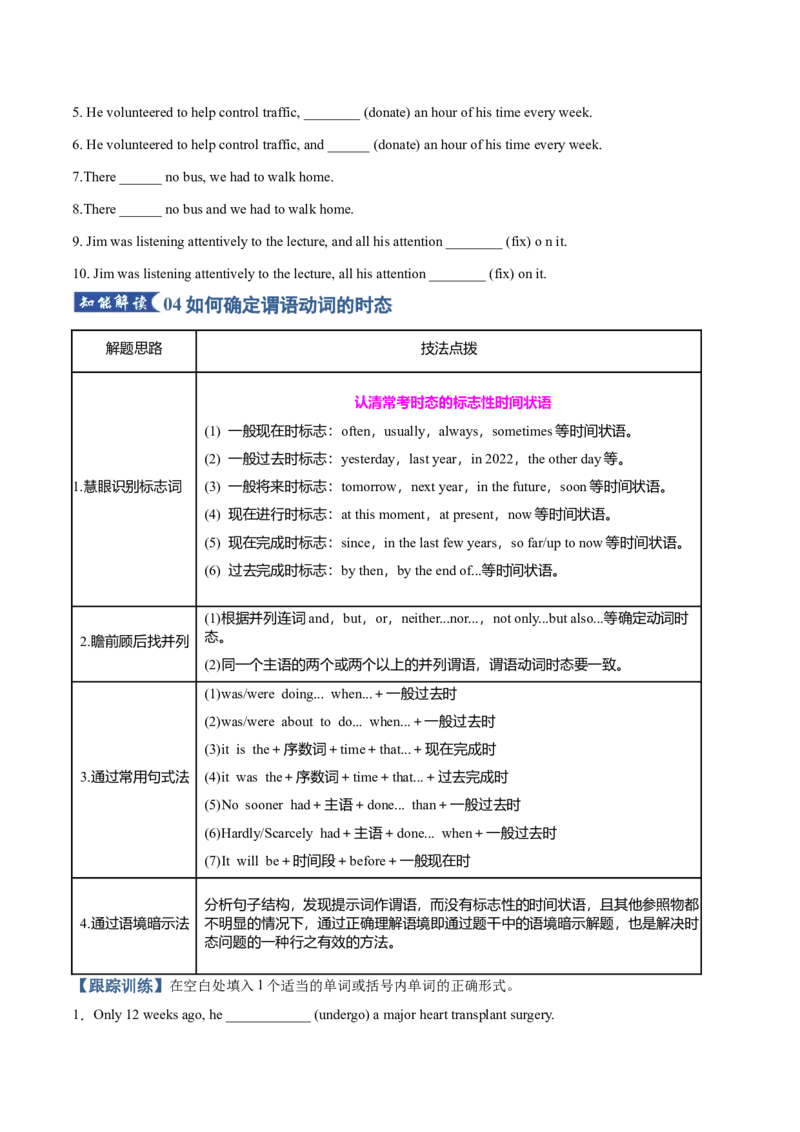
4. ________ (call) me tomorrow, I’ll let you know the lab result.5. He volunteered to help control traffic, ________ (donate) an hour of his time every week.
6. He volunteered to help control traffic, and ______ (donate) an hour of his time every week.
7.There ______ no bus, we had to walk home.
8.There ______ no bus and we had to walk home.
9. Jim was listening attentively to the lecture, and all his attention ________ (fix) o n it.
10. Jim was listening attentively to the lecture, all his attention ________ (fix) on it.
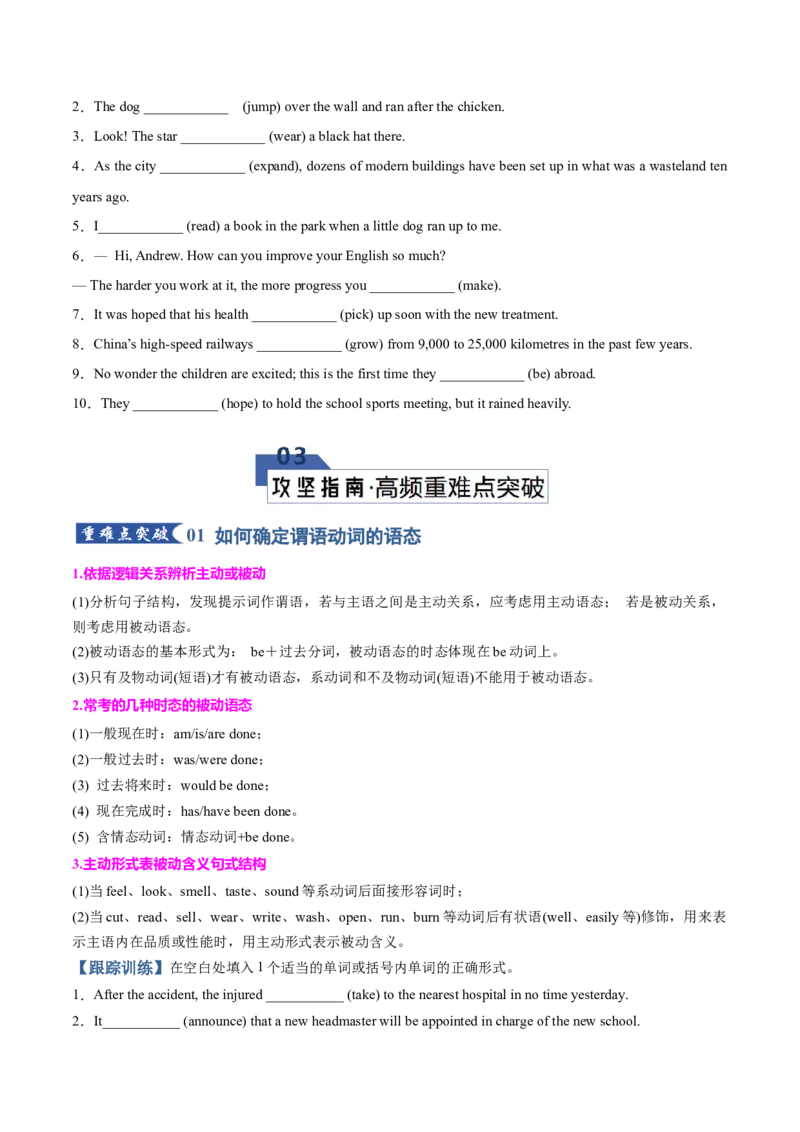
04如何确定谓语动词的时态
解题思路 技法点拨
认清常考时态的标志性时间状语
(1) 一般现在时标志:often,usually,always,sometimes等时间状语。
(2) 一般过去时标志:yesterday,last year,in 2022,the other day等。
1.慧眼识别标志词 (3) 一般将来时标志:tomorrow,next year,in the future,soon等时间状语。
(4) 现在进行时标志:at this moment,at present,now等时间状语。
(5) 现在完成时标志:since,in the last few years,so far/up to now等时间状语。
(6) 过去完成时标志:by then,by the end of...等时间状语。
(1)根据并列连词and,but,or,neither...nor...,not only...but also...等确定动词时
2.瞻前顾后找并列 态。
(2)同一个主语的两个或两个以上的并列谓语,谓语动词时态要一致。
(1)was/were doing... when...+一般过去时
(2)was/were about to do... when...+一般过去时
(3)it is the+序数词+time+that...+现在完成时
3.通过常用句式法 (4)it was the+序数词+time+that...+过去完成时
(5)No sooner had+主语+done... than+一般过去时
(6)Hardly/Scarcely had+主语+done... when+一般过去时
(7)It will be+时间段+before+一般现在时
分析句子结构,发现提示词作谓语,而没有标志性的时间状语,且其他参照物都
4.通过语境暗示法 不明显的情况下,通过正确理解语境即通过题干中的语境暗示解题,也是解决时
态问题的一种行之有效的方法。
【跟踪训练】在空白处填入1个适当的单词或括号内单词的正确形式。
1.Only 12 weeks ago, he ____________ (undergo) a major heart transplant surgery.2.The dog ____________ (jump) over the wall and ran after the chicken.
3.Look! The star ____________ (wear) a black hat there.
4.As the city ____________ (expand), dozens of modern buildings have been set up in what was a wasteland ten
years ago.
5.I____________ (read) a book in the park when a little dog ran up to me.
6.— Hi, Andrew. How can you improve your English so much?
— The harder you work at it, the more progress you ____________ (make).
7.It was hoped that his health ____________ (pick) up soon with the new treatment.
8.China’s high-speed railways ____________ (grow) from 9,000 to 25,000 kilometres in the past few years.
9.No wonder the children are excited; this is the first time they ____________ (be) abroad.
10.They ____________ (hope) to hold the school sports meeting, but it rained heavily.
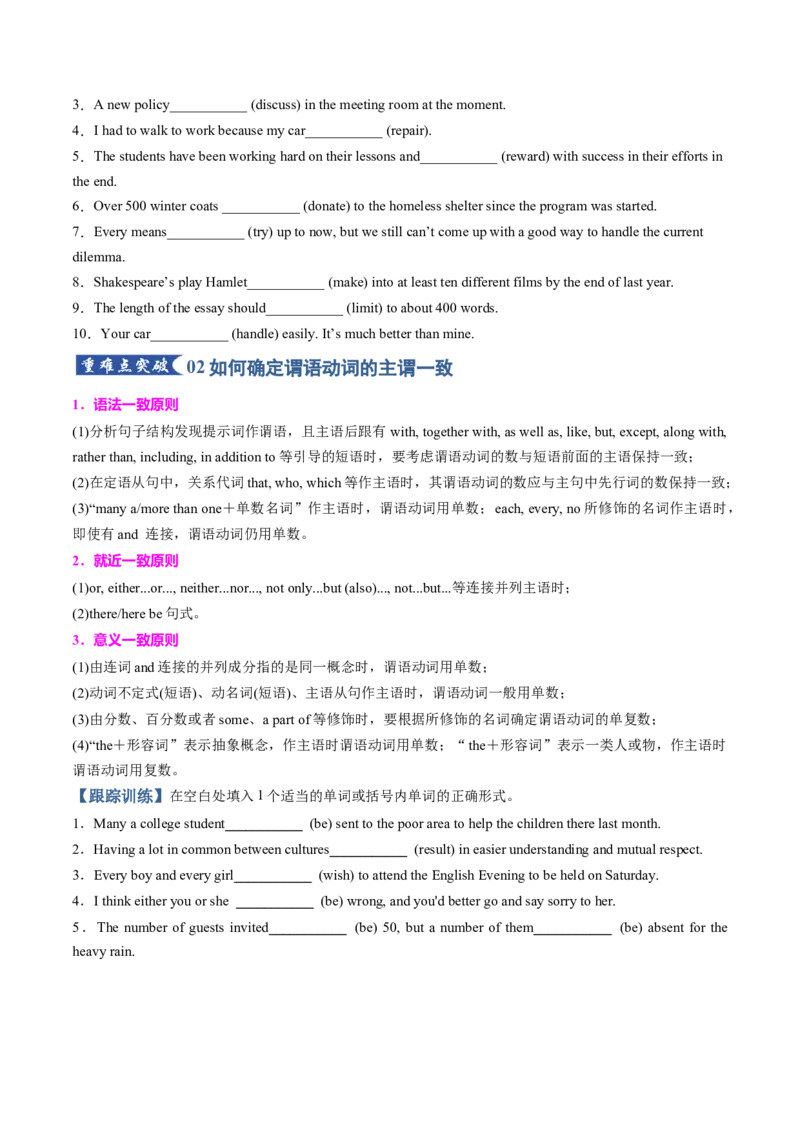
01 如何确定谓语动词的语态
1.依据逻辑关系辨析主动或被动
(1)分析句子结构,发现提示词作谓语,若与主语之间是主动关系,应考虑用主动语态; 若是被动关系,
则考虑用被动语态。
(2)被动语态的基本形式为: be+过去分词,被动语态的时态体现在be动词上。
(3)只有及物动词(短语)才有被动语态,系动词和不及物动词(短语)不能用于被动语态。
2.常考的几种时态的被动语态
(1)一般现在时:am/is/are done;
(2)一般过去时:was/were done;
(3) 过去将来时:would be done;
(4) 现在完成时:has/have been done。
(5) 含情态动词:情态动词+be done。
3.主动形式表被动含义句式结构
(1)当feel、look、smell、taste、sound等系动词后面接形容词时;
(2)当cut、read、sell、wear、write、wash、open、run、burn等动词后有状语(well、easily等)修饰,用来表
示主语内在品质或性能时,用主动形式表示被动含义。
【跟踪训练】在空白处填入1个适当的单词或括号内单词的正确形式。
1.After the accident, the injured ___________ (take) to the nearest hospital in no time yesterday.
2.It___________ (announce) that a new headmaster will be appointed in charge of the new school.3.A new policy___________ (discuss) in the meeting room at the moment.
4.I had to walk to work because my car___________ (repair).
5.The students have been working hard on their lessons and___________ (reward) with success in their efforts in
the end.
6.Over 500 winter coats ___________ (donate) to the homeless shelter since the program was started.
7.Every means___________ (try) up to now, but we still can’t come up with a good way to handle the current
dilemma.
8.Shakespeare’s play Hamlet___________ (make) into at least ten different films by the end of last year.
9.The length of the essay should___________ (limit) to about 400 words.
10.Your car___________ (handle) easily. It’s much better than mine.
02如何确定谓语动词的主谓一致
1.语法一致原则
(1)分析句子结构发现提示词作谓语,且主语后跟有with, together with, as well as, like, but, except, along with,
rather than, including, in addition to等引导的短语时,要考虑谓语动词的数与短语前面的主语保持一致;
(2)在定语从句中,关系代词that, who, which等作主语时,其谓语动词的数应与主句中先行词的数保持一致;
(3)“many a/more than one+单数名词”作主语时,谓语动词用单数;each, every, no所修饰的名词作主语时,
即使有and 连接,谓语动词仍用单数。
2.就近一致原则
(1)or, either...or..., neither...nor..., not only...but (also)..., not...but...等连接并列主语时;
(2)there/here be句式。
3.意义一致原则
(1)由连词and连接的并列成分指的是同一概念时,谓语动词用单数;
(2)动词不定式(短语)、动名词(短语)、主语从句作主语时,谓语动词一般用单数;
(3)由分数、百分数或者some、a part of等修饰时,要根据所修饰的名词确定谓语动词的单复数;
(4)“the+形容词”表示抽象概念,作主语时谓语动词用单数;“the+形容词”表示一类人或物,作主语时
谓语动词用复数。
【跟踪训练】在空白处填入1个适当的单词或括号内单词的正确形式。
1.Many a college student___________ (be) sent to the poor area to help the children there last month.
2.Having a lot in common between cultures___________ (result) in easier understanding and mutual respect.
3.Every boy and every girl___________ (wish) to attend the English Evening to be held on Saturday.
4.I think either you or she ___________ (be) wrong, and you'd better go and say sorry to her.
5.The number of guests invited___________ (be) 50, but a number of them___________ (be) absent for the
heavy rain.01 如何确定填写非谓语动词
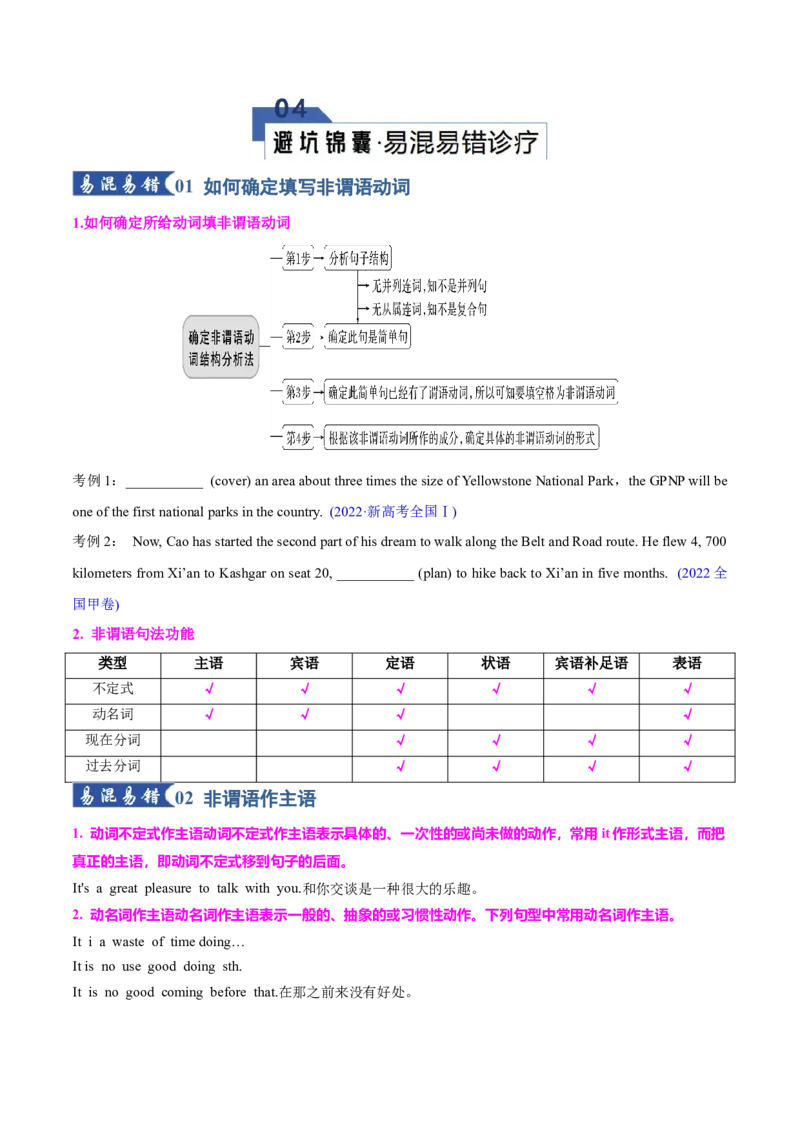
1.如何确定所给动词填非谓语动词
考例1:___________ (cover) an area about three times the size of Yellowstone National Park,the GPNP will be
one of the first national parks in the country. (2022·新高考全国Ⅰ)
考例2: Now, Cao has started the second part of his dream to walk along the Belt and Road route. He flew 4, 700
kilometers from Xi’an to Kashgar on seat 20, ___________ (plan) to hike back to Xi’an in five months. (2022全
国甲卷)
2. 非谓语句法功能
类型 主语 宾语 定语 状语 宾语补足语 表语
不定式 √ √ √ √ √ √
动名词 √ √ √ √
现在分词 √ √ √ √
过去分词 √ √ √ √
02 非谓语作主语
1. 动词不定式作主语动词不定式作主语表示具体的、一次性的或尚未做的动作,常用it作形式主语,而把
真正的主语,即动词不定式移到句子的后面。
It's a great pleasure to talk with you.和你交谈是一种很大的乐趣。
2. 动名词作主语动名词作主语表示一般的、抽象的或习惯性动作。下列句型中常用动名词作主语。
It i a waste of time doing…
It is no use good doing sth.
It is no good coming before that.在那之前来没有好处。3. 动词不定式与动名词作表语动词不定式作表语表示某一次具体的、特定的或有待实现的动作,而动名词
作表语表示通常的情况。
My dream is to enter Beijing University.我的梦想是考入北京大学。
My job is teaching you English.我的工作是教你们英语。
【跟踪训练】在空白处填入1个适当的单词或括号内单词的正确形式。
1.It’s no use ___________ (talk) to her. She is stubborn.
2.___________ (expose) to the sunlight for too long will be harmful to your skin.
3.There is no doubt that it is vital___________ (have) a good command of some knowledge of first aid.
4.It took her months ___________ (recover) from the shock of the accident.
5.It’s my honour ___________ (share) with you my views on this phenomenon today.
03 非谓语作宾语
1.不定式作宾语
①常跟不定式作宾语的动词:
决心学会想希望,拒绝设法愿假 decide/determine,learn,want,expect/hope/wish,refuse,manage,
装 volunteer,pretend
主动答应选计划,同意请求帮一
offer,promise,choose,plan,agree,ask/beg,help
帮
My English teacher promised to lend some books to me.我的英语老师答应借给我一些书。
We agreed to meet at the school gate.我们一致同意在校门口见面。
②动词tell,show,understand,know,explain,learn,advise等常接“疑问词+动词不定式”作宾语。
Please tell me when to start the project.请告诉我何时开始这个项目。
③在某些动词如find,think,consider,feel,make,believe后,常用it作形式宾语,然后加宾语补足语,
最后加不定式作真正的宾语。
We think it our duty to protect the environment.我们认为保护环境是我们的责任。
2.动名词作宾语
①常跟动名词作宾语的动词(短语):
考虑建议盼原谅,承认推迟没得 consider,suggest/advise,look forward to,excuse,admit,delay,
想 fancy
避免错过继续练,否认完成就欣
avoid,miss,go on/keep on,practise,deny,finish,enjoy/appreciate
赏
禁止想象才冒险,不禁介意准避
forbid,imagine,risk,can’t help,mind,allow/permit,escape
免
He tried to avoid answering my questions. 他试图对我的问题避而不答。
We only missed seeing each other by five minutes. 我们只因差五分钟而未能见面。
My mother couldn’t help smiling when she heard the good news.听到那个好消息,我妈妈情不自禁地笑起来。②介词后要跟动名词作宾语,但是介词but后跟不定式作宾语。
After eating in her restaurant people would become tired very quickly.
人们在她的餐馆里吃过饭以后,很快就会感到疲乏。
They had no choice but to wait here.他们别无选择只有在这儿等待。
③由“动词+介词”构成的短语,其后跟动名词作宾语,常见的有be used to (习惯于),feel like (想要),
insist on (坚持),get down to (开始),devote...to...(致力于…),object to (反对),stick to (坚持),give up
(放弃)等。
With many reference materials in hand,he got down to writing his graduation thesis.
手头有许多参考资料,他开始写毕业论文。
3.下列动词或短语既可以接动名词作宾语,也可以接动词不定式作宾语,但意义上有区别:
mean to do sth打算做某事mean doing sth意味着做某事
forget to do sth忘记要去做某事未做forget doing sth忘记做过某事已做过)
regret to do sth对要做的事感到遗憾未做regret doing sth对做过的事后悔已做
try to do sth努力去做某事try doing sth尝试做某事
go on to do sth继续做另一件事go on doing sth继续做原来做的事
remember to do sth记住去做某事未做remember doing sth记得做过某事已做
I meant to give you this book today,but I forgot.我本来打算今天给你这本书的,可是我忘了。
Missing this train means waiting for another hour. 错过这辆火车意味着得再等一小时。
4.在need,want,require等后表示被动意义,不定式要用被动语态,动名词不需要。
My bike needs to be repaired.=My bike needs repairing. 我的自行车需要修理。
【跟踪训练】在空白处填入1个适当的单词或括号内单词的正确形式。
1.Our neighbour threatened (call) the police if we didn’t stop the noise.
2.I found it difficult (fall) asleep in such a hot day.
3.She tried (breathe) slowly to calm her nerves, but failed.
4.He asked me if I had considered (visit) Zhangjiajie with him that weekend.
5.Many people now would rely on (surf) the Internet rather than read the newspaper for news.
04 非谓语作定语
1.不定式作定语
(1)不定式作定语常表示将来的动作;不定式的被动式to be done作定语表示将来、被动的动作。
You are supposed to take this opportunity to realize your dream.你应该抓住这个机会去实现你的梦想。
The question to be discussed at the meeting is very important.将在会议上讨论的那个问题非常重要。(2)不定式常放在某些名词或代词后作定语。如果作定语的不定式是不及物动词,或者不定式所修饰的名词
或代词是不定式动作的地点、工具等,不定式后需要加相应的介词。
He had no pen to write with so he had to borrow one from his neighbour.
他没有钢笔写字,不得不从邻居那儿借了一支。
(3)当中心词为序数词、最高级,the last,the only等或中心词被这类词修饰,且该中心词是作定语的非谓
语动词所表示的动作的执行者时,多用不定式作定语。
He is always the first to arrive at the school and the last to leave the school.
他总是第一个到校,最后一个离校。
(4)被修饰词是抽象名词时,常用不定式作定语。常见的该类名词有:ability,chance,idea,hope,
wish,fact,excuse,promise,attempt,way等。
The ability to express an idea is as important as the idea itself.
表达观点的能力与观点本身同等重要。
2.分词作定语
(1)及物动词的分词形式作定语作定语的及物动词的分词形式有:现在分词、“being+过去分词”、过去分
词。当被修饰的名词与分词之间为主动关系时,用现在分词;当被修饰的名词与分词之间为被动关系且表
正在进行时,用being+过去分词;当被修饰的名词与分词之间为被动关系且表完成或状态时,用过去分词。
The park was full of people enjoying themselves in the sunshine.
公园里人山人海,人们在阳光下玩得很快乐。(主动)
We must keep a secret of the things being discussed here.我们必须对在此讨论的问题保密。(被动、正在
进行)
The players selected from the whole country are expected to bring us honor in this summer game.
人们期待着从全国各地挑选出来的运动员能在今年夏季的赛事中给我们带来荣誉。(被动、完成)
(2)不及物动词的分词形式作定语作定语的不及物动词的分词形式有:现在分词和过去分词。现在分词表示
动作正在进行;过去分词只表示一个动作已完成,不表被动。
falling leaves正在下落的叶子(表正在进行)
fallen leaves落叶(表完成)
3.动名词作定语
动名词作定语常用来说明被修饰词的用途或目的。
a walking stick拐杖a reading room阅览室 a sleeping car卧铺车
【跟踪训练】在空白处填入1个适当的单词或括号内单词的正确形式。
1.Hangzhou will be the third Chinese city ___________ (host) the Asian Games after Beijing and Guangzhou.2.We are now at a ___________ (turn) point, so we should be very careful with our decision.
3.The couple lived in a furnished flat ___________ (measure) approximately 15 metres by 16 metres.
4.The old building ___________ (date) back to the Sui Dynasty is still in good condition.
5.I’m writing to apply for the position ___________ (advertise) on the newspaper and I think I’m qualified for it.
05 非谓语作状语
1.不定式作状语
(1)作目的状语
不定式作目的状语意为“为了”,可以单独放在句首、句中或句末。如果强调目的性,不定式前也可加in
order或so as,但so as to不能用于句首。
To pass the college entrance exam,we must work hard. 为了通过大学入学考试,我们必须努力学习。
The bus stopped in order to/so as to pick up passengers. 公共汽车停下来以便接载乘客。
(2)作结果状语
不定式作结果状语常表示令人意外的结果,其逻辑主语通常是句子的主语,常用于下列结构:only to(不
料……)、enough to(足够……)、too...to...(太……而不能……)、so/such...as to...(如此……以至于……)等。
Tom hurried back only to find that his mother had left. 汤姆匆忙赶回来,结果却发现他的母亲已经离开了。
He is clever enough to work out the difficult maths problem.他足够聪明,能解决这道数学难题。
I’m too tired to stay up any longer. 我太累了,不能再熬夜了。
(3)作原因状语
形容词或过去分词作表语时,后可接不定式作原因状语,用以说明产生这种情绪的原因或所表示的情况,
常用在“主语+系动词+形容词+to do”结构中。常用于这类结构的形容词和过去分词有sorry,
surprised,disappointed,excited,glad,happy,anxious,delighted,pleased,foolish等。
We were astonished to find the temple still in its original condition.
我们吃惊地发现,这座寺庙仍保持着最初的样子。
注意:形容词如easy,difficult,hard,cheap,expensive,fit,comfortable,heavy,good,important,
impossible,dangerous等,表示主语的特征或性质,后面也常用不定式作状语,不定式和句子主语之间存
在被动关系,但常用主动形式表示被动意义。
The morning air is so good to breathe that he gets up early every day.
早上的空气呼吸起来很清新,因此他每天都起得很早。
This book is difficult to understand. 这本书很难理解。
2.分词作状语
分词包括现在分词和过去分词,现在分词表示的动作与句子主语之间是主动关系,且含有进行的意义;过
去分词表示的动作与句子主语之间是被动关系,且含有完成的意义。
(1)作时间状语相当于when,while,before,since,as引导的时间状语从句。
Translated into English,the sentence was found to have an entirely different word order.
当这个句子被译成英语时,人们发现它有一个完全不同的语序。(2)作原因状语相当于because,since,as引导的原因状语从句。
①Not understanding this problem,he asked the teacher about it.
②Defeated by his deskmate,he felt discouraged.
由于被同桌打败了,他感到气馁。
(3)作条件状语相当于if,unless等引导的条件状语从句。
Given another hour,I can also work out this problem.
如果再给我一个小时,我也能解决这个问题。
(4)作结果状语常用现在分词表示自然而然的结果,分词前可接thus。
More highways have been built in China,making it much easier for people to travel from one place to another.
中国又建了很多高速公路,这使人们的出行变得更容易了。
(5)作方式或伴随状语表示一个同时发生的次要的(或者伴随的)动作,常用逗号与句子主体部分隔开,相当
于并列句。
One evening Harry phoned me,asking me to come to his flat as soon as possible.
一天晚上哈里给我打电话,要求我尽快去他的公寓。
(6)作让步状语相当于though,although,even if等引导的让步状语从句。
Warned of the danger,he still went skating on the thin ice.
虽然被警告有危险,他仍旧在薄冰上滑冰。
注意:某些动词的过去分词已经形容词化,且往往用于一些系表结构,此时这些过去分词既不表示被动,
也不表示完成,而表示一种状态,如:lost(迷路的)、seated(坐着的)、hidden(隐瞒的)、lost/absorbed(沉迷
于……的)、dressed(穿着……的)、tired(对……感到厌倦的)、excited(兴奋的)等。
Absorbed in his book,he didn’t notice me enter the room. 专心于读书,他没注意到我进入房间。
Dressed in red,she looks more beautiful. 穿着红色的衣服,她看上去更漂亮了。
【跟踪训练】在空白处填入1个适当的单词或括号内单词的正确形式。
1.___________(engage) in making a difference to society, the students sought to be active citizens.
2.___________ (convince) of the accuracy of the data, they stuck to their opinion.
3.___________ (combine) your knowledge with your experience, you are sure to succeed.
4.He hurriedly rushed to the station, only___________ (inform) that the train would arrive late.
5.___________ (free) ourselves from the physical and mental tension, we each need inner quietness.
06 非谓语作宾语补足语
1.后接动词不定式作宾语补足语的动词及动词短语
(1)有些动词或动词短语后接动词不定式作宾补,即“动词/动词短语+宾语+to do”。常见的这类动词或动
词短语有:advise建议allow允许encourage 鼓励permit准许forbid 禁止force 强迫intend打算invite 邀请
order 命令;要求persuade说服require 需要;要求remind 提醒warn 警告。
The doctor warned him not to eat too much meat. 医生警告他不要吃太多的肉。He depends on you to help him with his English. 他指望你帮助他学英语。
(2)下列句型中常用动词不定式作主语补足语,它们是:be
said/believed/known/reported/considered/thought+to do/to have done/to be done/to be doing/to have been
done sth
He is said to have been cheated in the street. 据说,他在大街上被骗了。
The accident is reported to have killed two people.据报道,那次事故中有两人丧生。
2.非谓语动词作感官动词、使役动词的宾补
(1)感官动词(短语)see,watch,observe,look at,notice,hear, feel的宾语补足语有四种形式。
I saw him leave a few minutes ago. 我看见他几分钟前离开了。
As I got closer,I saw him kicking his legs in the air and breathing heavily.
当我走近时,我看见他的腿在空中乱踢,并且呼吸沉重。
注意:“感官动词+宾语+省略to的动词不定式作宾语补足语”在变为被动语态时需加to。
The thief was observed to enter the bank.(被动语态) 有人看见小偷进了银行。
(2)使役动词make,let,have,get后接复合宾语的情况:
The teacher made some students stay in the classroom after school.老师让一些学生放学后待在教室里。
He tried to make himself understood.他尽量把自己的意思表达清楚。
Don’t let your child play with matches.别让你的孩子玩火柴。
3.“with+宾语+宾补”结构
(1)with+名词/代词+现在分词,现在分词可表示主动和动作正在进行。
He lay on the grass with his eyes looking at the sky. 他躺在草地上,眼睛望着天空。
(2)with+名词/代词+过去分词,过去分词可表示被动和动作已完成或表状态。
With his hair cut,he looked much younger. 理了发,他看起来年轻多了。
(3)with+名词/代词+不定式,不定式表示动作尚未发生。
With a lot of homework to do,I can’t go skating with you.因为有很多作业要做,我不能和你一起去滑冰。
【跟踪训练】在空白处填入1个适当的单词或括号内单词的正确形式。
1.We want to persuade males (think) about career options of going into nursing.
2.With prices (range)from about $40 to $100, the shoes can be easy to get.
3.The boat was filled with water and sank, and Toad found himself (struggle) in deep water.
4.We put up some photos of top universities in the classroom to keep ourselves (remind) of our
dreams.
5.With the package (deliver) to the door, she finally sighed with relief.07 非谓语作表语
1. 不定式(to do)作表语
用法:通常用于表达目的、意图、愿望、职业、能力等,对主语进行解释,说明主语的具体内容或目标。
My dream is to become a successful writer. 我的梦想是成为一名成功的作家。
2. 动名词(doing)作表语
用法:表示主语的惯常行为或状态,强调主语的性质或身份,通常与主语可互换位置且逻辑通顺。
My job is teaching English. 我的工作是教英语。
3. 分词(现在分词/过去分词)作表语
现在分词:表示主语的性质、特点或令人……的状态,常修饰物。
The news is exciting. 这个消息令人兴奋。
过去分词done:表示主语的感受或所处的被动状态,常修饰人。
We are excited at the good news. 我们对这个好消息感到兴奋。
【跟踪训练】在空白处填入1个适当的单词或括号内单词的正确形式。
1.He had only six years of schooling, and his ambition was (become) a sailor.
2.Your task is (clean) the old car over there on your own.
3.Although it has been buried underground for over 1,000 years, the ancient queen’s body remains well
(preserve).
4. (attach) to the email is a copy of document bearing her signature.
5.The guests came in, but she remained (sit) by the desk.
01 如何确定填写动词词类转换
提示词为动词,如果该动词在句中既不作谓语,也不作非谓语,则要考虑动词词形转换。动词转换成名词
还是形容词,则要根据句式结构以及空处所作成分进一步分析。
考 例 1 : Many supermarkets are no longer doing “buy one get one free” promotions because of the_________(criticize) that they lead to waste. Consumers prefer money off individual items. (2024浙江卷1月)
考例2:They all agreed and vowed (承诺) to promote the idea at the _________(complete) of their journey.
(2024全国甲卷)
02 动词转化为名词
名词后缀 单词示例
-er/ announce→announcer广播员 conduct→conductor指挥;售票员
-or instruct→instructor 指导者,教师 design→designer设计师
achieve→achievement成就 argue→argument辩论;论据
-ment
equip →equipment装备;设备 govern→government政府
-y recover→recovery恢复 discover→discovery发现
-ance/ appear→appearance出现;外貌 perform→performance表演;表现
-ence prefer→preference偏爱 refer→reference参考,查阅
-ure/ fail→failure失败;倒闭 press→pressure压力
-ture depart→departure离开;出发 mix→mixture混合(物)
hear→hearing听力,听觉 begin→beginning开始
-ing
build→building建筑 warn→warning 警告
correct→correction改正 celebrate→celebration庆祝
-ion/ conclude→conclusion结论;结束 discuss→discussion讨论;论述
-tion/ decide→decision决定 admit→admission承认;准许加入
-sion/ permit→permission允许,许可 invite→invitation邀请
explain→explanation解释 expect→expectation期望
【跟踪训练】在空白处填入1个适当的单词或括号内单词的正确形式。
1.If you fail to keep the dentist’s __________ (appoint), you’ll have to pay for it.
2.Many people choose the train in__________ (prefer) to the car to travel.
3.The __________ (explore) of Mars by the newest robotic system will begin next month.
4.The__________ (destroy) of such species could prevent researchers from finding cures for certain diseases.
5.The __________ (adapt) of the play by the famous writer became popular in the country.
03 动词转化为形容词
形容词后缀 单词示例
-able suit vt.适合→suitable adj.合适的adjust vt.调节→adjustable adj. 可调整的
-ed frustrate vt.使沮丧→frustrated adj. 沮丧的annoy vt.使生气→annoyed adj. 恼怒的
-ing convince vt.使信服→convincing adj.令人信服的thrill vt.使兴奋→ thrilling adj.令人兴奋的
-ful forget vt.忘记→forgetful adj.健忘的succeed vt.成功→successful adj. 成功的
-ive comprehend v. 理解→comprehensive adj. 综合性的create v. 创造→creative adj.有创造力的tolerate v.容忍→tolerant adj. 宽容的,容忍的ignore v. 忽视→ignorant adj. 无知的,愚昧
-ant
的
【跟踪训练】在空白处填入1个适当的单词或括号内单词的正确形式。
1.His mix of talent, ambition, energy, and luck made Dickens one of the world’s best-known and most
___________ (distinguish) writers.
2.At the graduation ceremony, I bowed low to our ___________ (dedicate) English teacher to thank her for her
guidance and encouragement.
3.Teaching young children is a ___________ (challenge) but rewarding job.
4.Standing on the top of the mountain, we can have a good view of the ___________ (surround) hills.
5.___________ (absorb) in his study, Mr. Li is always forgetting something, which often makes his wife angry.
括号内给动词综合能力提升
一、单句填空 在空白处填入1个适当的单词或括号内单词的正确形式。
1.It (strike) me that no one was at home when I found I had left my key behind at home.
2.I (expect) to arrive on time, but I was caught in the traffic jam.
3.If you look at all sides of the situation, you’ll find probably a solution that (suit) everyone.
4.He would have attended your birthday party, but he (occupy) himself with an important experiment.
5.What (attract) me most to the job was the chance to travel abroad.
6.She was astonished; this was the first time she (hear) of such things.
7.The naughty boy pretended (read) when the headmaster came into the classroom.
8.Teenagers may find it difficult (resist) peer pressure.
9. (admit) to Peking University makes my parents excited and proud.
10.It is no use (complain) all the time and the most important thing you should do is look for the
bright side of life.
11.I really appreciate your (call) back this afternoon.
12.With the final exam (approach), all the students were busy going over their lessons.
13.The five young men (arrest) by the police last week are being questioned in connection with one of
the attacks.
14.When (walk) his dog in the park, he came across an old friend of his.
15.The film star appeared, (accompany) by a team of strong bodyguards.
16.The school held an (impress) coming-of-age ceremony for the students.17.His (rely) advice helped me solve problems in cross-cultural communication.
18.His (commit) to science has inspired many young researchers.
19.The (distribute) of resources is unbalanced between rural and urban schools.
20.The movie is a faithful (adapt) of the classic novel, preserving most of the original plot.
二、动词与语法填空
(25-26高三上·山西大同·开学考试)阅读下面短文,在空白处填入1个适当的单词或括号内单词的正确形
式。
In Zhengzhou, Henan province, the brand-new Dahecun Site Museum takes visitors on a real-life journey
through the evolution of Chinese civilization 1 (date) back 7,000 years. Opened on June 14, the
museum showcases over 1,600 artifacts from more than 30 archaeological (考古学的) sites, many of 2
are being displayed publicly for the first time.
Never before has the early history of China felt so close. With 3 (advance) digital technology, the
museum breathes life into Yangshao culture, known for its painted pottery and marking 4 beginning of
modern Chinese archaeology.
One of the most eye-catching exhibits is a 6,000-year-old twin pottery pot. Not only does its side-by-side
design reflect tribal unity and friendship, but it also stands 5 a symbol of peace and artistic excellence.
This masterpiece, once 6 (keep) in the Henan Museum for over 50 years, has finally returned to where
it was first unearthed.
7 (equal) impressive is a city wall from the late Yangshao period, rare evidence of early Chinese
urban planning, which enables visitors 8 (admire) over 50 pottery pieces with sun and butterfly patterns
and gain insight into the imagination and beliefs of ancient people.
Not until one enters the immersive zone can the distant past feel so real. Recreated 9 (scene) of
pottery-making and farming allow visitors to see, hear and even smell the life of early settlers. So far, this unique
experience 10 (bring) Chinese culture to life.