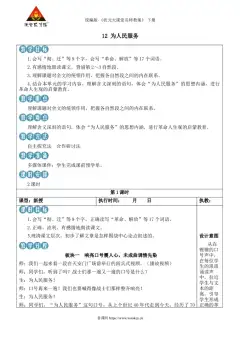
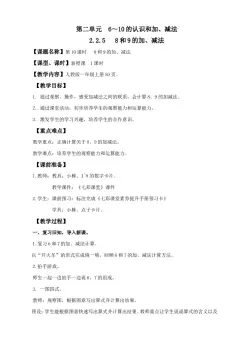
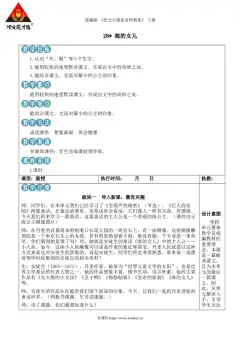
Lesson 14 May I go to Beijing?
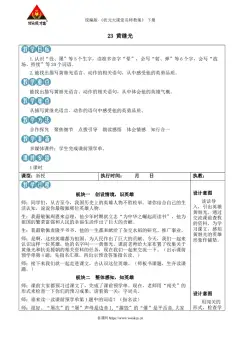
教学内容:
    听、说、读、写单词:may, young, come, great.
    掌握句型May I /we .......? Yes, you may. /No, you may not.
教学重难点:
    能听、说、读、写单词:may, young, come, great.
    掌握句型May I /we .......? Yes, you may. /No, you may not.
教   法:情景教学法
学法指导:小组合作
课件使用:单词卡
教学课时:2 课时
第一课时
Step1 Class Opening and review
1、 Class Opening
   Greeting [激情问候,营造宽松、民主、和谐的课堂氛围]
   Good morning/afternoon, class! Where do we live?
2、Review
(1)以旧引新:指名简单介绍Beijing. 教师引入新课。
     Beijing is very great.提问:Is Li Ming going on a trip?
Where is he going?
 (2)Li Ming want to come to Beijing,接下来他要干什么?播放课
文录音。
Step2 New Concepts
1、Demonstrate
(1)他征求妈妈的意见时会怎样说?教师 板书句型 May I go on
a trip to Beijing ?讲解句意
(2)利用单词卡向学生演示怎样替换句型: May I …? Yes, you
may. / No, you may not.
(3)两人一组边指着卡片边做对话练习。例如:May I read a book?
Yes, you may. / No, you may not (I’m afraid not).  May I eat an
apple?  May I live in Beijing?
(替换词语:read a book, sing a song, write a story, draw a picture,
eat an apple, go to Beijing, live in Beijing,…)
(4)指两名学生上台表演,师生共同评议。
2. Practice
(1)播放课文录音,让学生一边听一边跟读。
(2)小组内讨论自学,找出疑难单词和句子,并解决。
(3)小组汇报已解决的单词和句子,还有哪些不懂的地方。
(4)教师帮助学生解决难题。
(5)播放课文录音,让学生一边听一边跟读
(6)指名朗读,师生共同评议、正音。
(7)小组内分角色读课文。
Step3、布置作业
   用句型May I …? Yes, you may. / No, you may not.造句。
第二课时
Step1 Class Opening and review
1、Class Opening
   Greeting [激情问候,营造宽松、民主、和谐的课堂氛围]
   Good morning/afternoon, class! Where do we live?
2、Review
    表演课文对话
Step2:practice
1. 做“Mum, May I ?”游戏。
    方法:要求两人一组,一个站着,一个坐着。站着的学生扮演另一
个学生的妈妈或爸爸。这位学生要做某事前,必须问他的伙伴:
Mum/Dad, may I go to the library to read the book? 如果其同伴
说:Yes, you may go 这位学生便可以加入旅程并且说:Let’s go! 否
则,这个学生还要原地坐着,“旅程”中的学生便说Let’s go!并且再
找其他的学生。
  可以使用以下短语:read a book, sing a song, write a story,
draw a picture, eat an apple, go to Beijing, live in Beijing。
2、小组汇报,师生共同评议。教师及时给予鼓励。
Step3:let’s do it!
1、播放录音,学生做活动手册。
2、指名读出答案,师生共同评议。
3、再听录音,将题再看一遍。