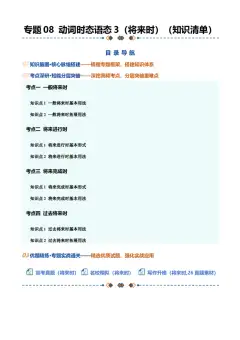
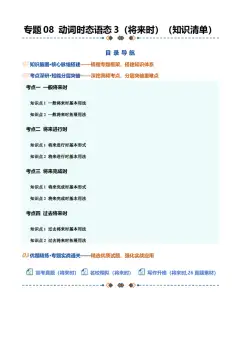
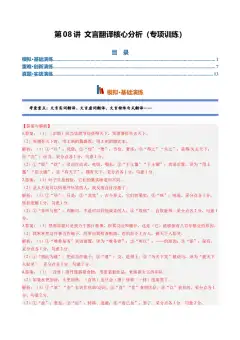
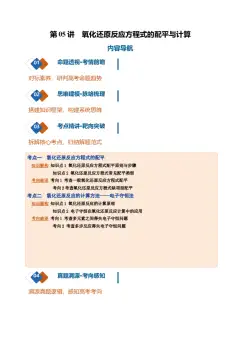
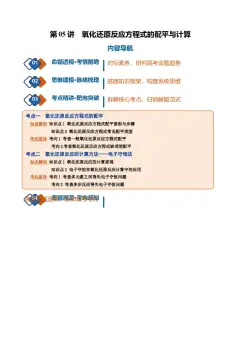
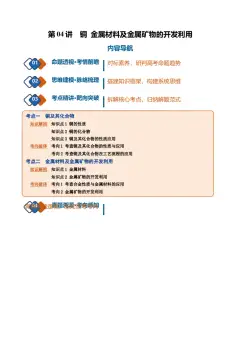
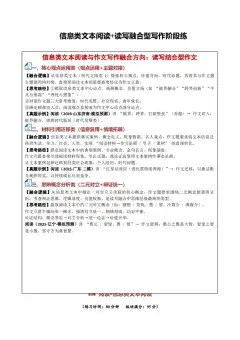
专题10  动词的将来时态+时态综合技能
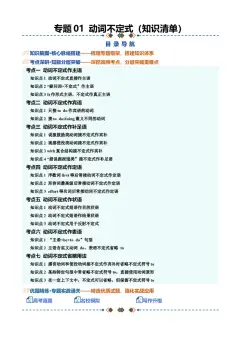
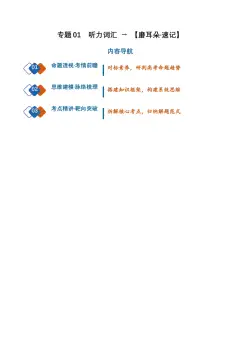
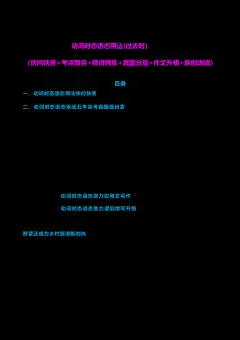
内容导航
01
命题透视·考情前瞻
对标素养,研判高考命题趋势
02
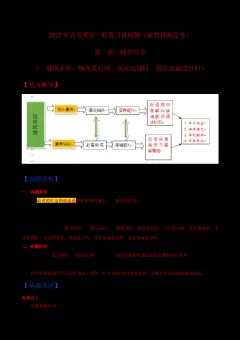
思维建模·脉络梳理
搭建知识框架,构建系统思维
03
考点精讲·靶向突破
拆解核心考点,归纳解题范式
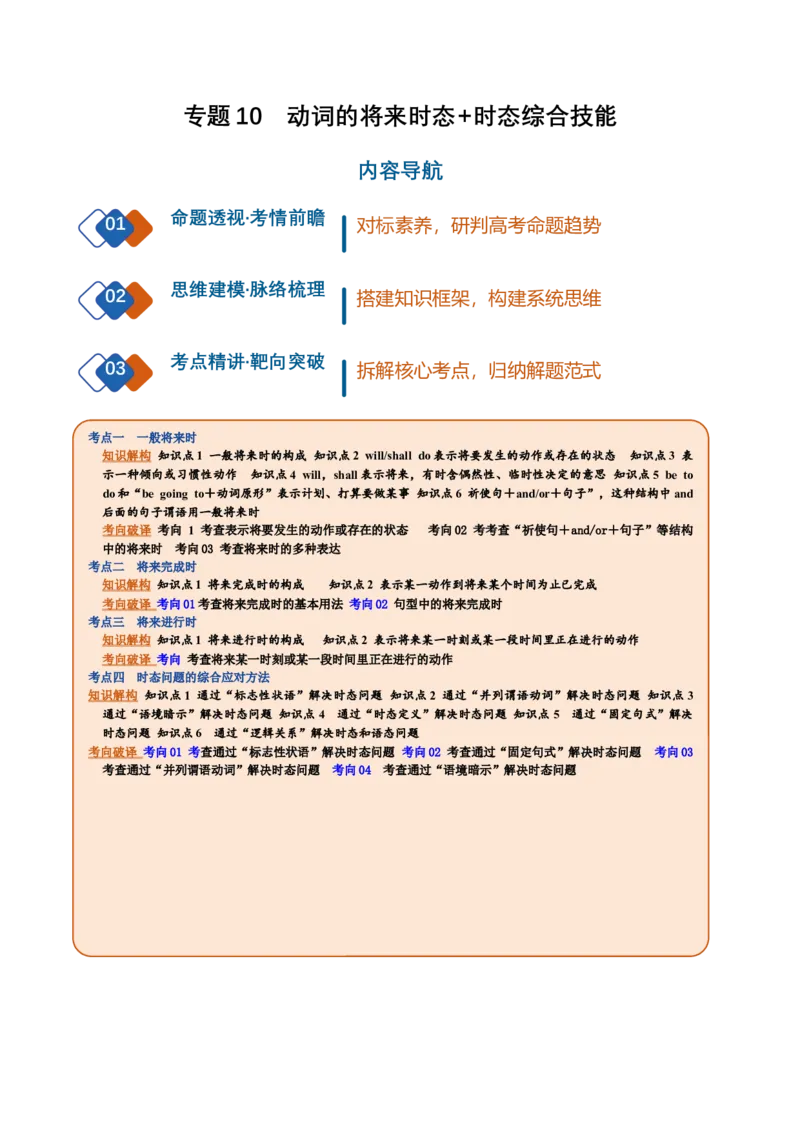
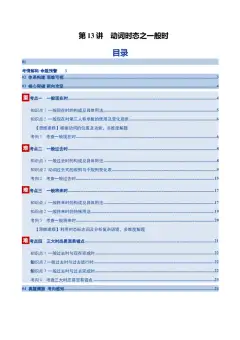
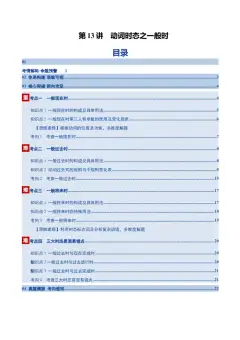
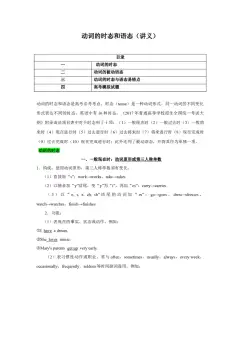
考点一  一般将来时
知识解构 知识点1 一般将来时的构成 知识点2 will/shall do 表示将要发生的动作或存在的状态  知识点3 表
示一种倾向或习惯性动作  知识点4 will,shall 表示将来,有时含偶然性、临时性决定的意思 知识点5 be to
do 和“be going to+动词原形”表示计划、打算要做某事 知识点6 祈使句+and/or+句子”,这种结构中and
后面的句子谓语用一般将来时
考向破译 考向 1 考查表示将要发生的动作或存在的状态   考向02 考考查“祈使句+and/or+句子”等结构
中的将来时  考向03 考查将来时的多种表达
考点二  将来完成时
知识解构 知识点1 将来完成时的构成    知识点2 表示某一动作到将来某个时间为止已完成
考向破译

  考向01 考查将来完成时的基本用法 考向02 句型中的将来完成时
考点三  将来进行时
知识解构 知识点1 将来进行时的构成   知识点2 表示将来某一时刻或某一段时间里正在进行的动作
考向破译

  考向 考查将来某一时刻或某一段时间里正在进行的动作
考点四  时态问题的综合应对方法
知识解构 知识点1 通过“标志性状语”解决时态问题 知识点2 通过“并列谓语动词”解决时态问题 知识点3
通过“语境暗示”解决时态问题 知识点4  通过“时态定义”解决时态问题 知识点5  通过“固定句式”解决
时态问题 知识点6  通过“逻辑关系”解决时态和语态问题
考向破译

  考向01 考查通过“标志性状语”解决时态问题 考向02 考查通过“固定句式”解决时态问题  考向03
考查通过“并列谓语动词”解决时态问题  考向04  考查通过“语境暗示”解决时态问题
命题透视·考情前瞻
——对标素养,研判高考命题趋势
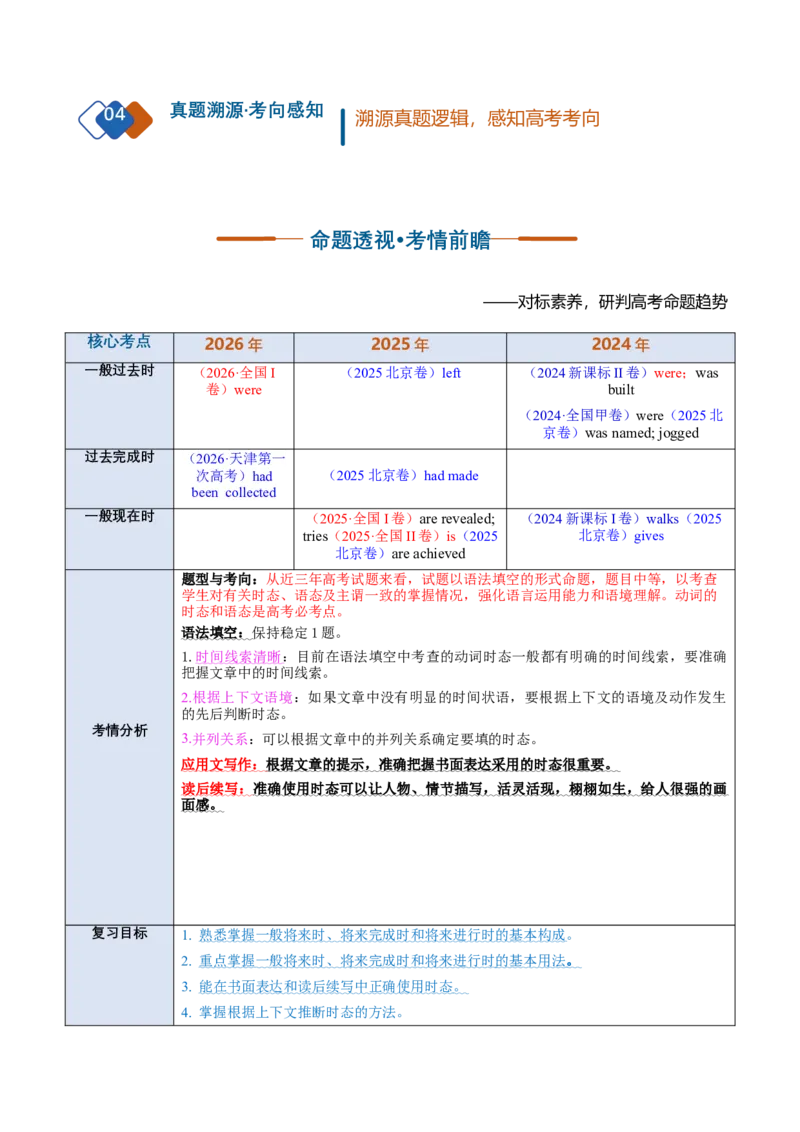
核心考点
2026 年
2025 年
2024 年
一般过去时
(2026·全国I
卷)were
(2025 北京卷)left
(2024 新课标II 卷)were;was
built
(2024·全国甲卷)were(2025 北
京卷)was named; jogged
过去完成时
(2026·天津第一
次高考)had
been collected
(2025 北京卷)had made
一般现在时
(2025·全国I 卷)are revealed;
tries(2025·全国II 卷)is(2025
北京卷)are achieved
(2024 新课标I 卷)walks(2025
北京卷)gives
考情分析
题型与考向:从近三年高考试题来看,试题以语法填空的形式命题,题目中等,以考查
学生对有关时态、语态及主谓一致的掌握情况,强化语言运用能力和语境理解。动词的
时态和语态是高考必考点。
语法填空:保持稳定1 题。
1.时间线索清晰:目前在语法填空中考查的动词时态一般都有明确的时间线索,要准确
把握文章中的时间线索。
2.根据上下文语境:如果文章中没有明显的时间状语,要根据上下文的语境及动作发生
的先后判断时态。
3.并列关系:可以根据文章中的并列关系确定要填的时态。
应用文写作

 :
  根据文章的提示,准确把握书面表达采用的时态很重要。


读后续写:

 准确使用时态可以让人物、情节描写,活灵活现,栩栩如生,给人很强的画


面感。
复习目标
1. 熟悉掌握一般将来时、将来完成时和将来进行时的基本构成。
2. 重点掌握

 一般将来时、将来完成时和将来进行时

 的基本用法

 。

3. 能在书面表达和读后续写中正确使用时态

 。

4. 掌握根据上下文推断时态的方法。
04
真题溯源·考向感知
溯源真题逻辑,感知高考考向
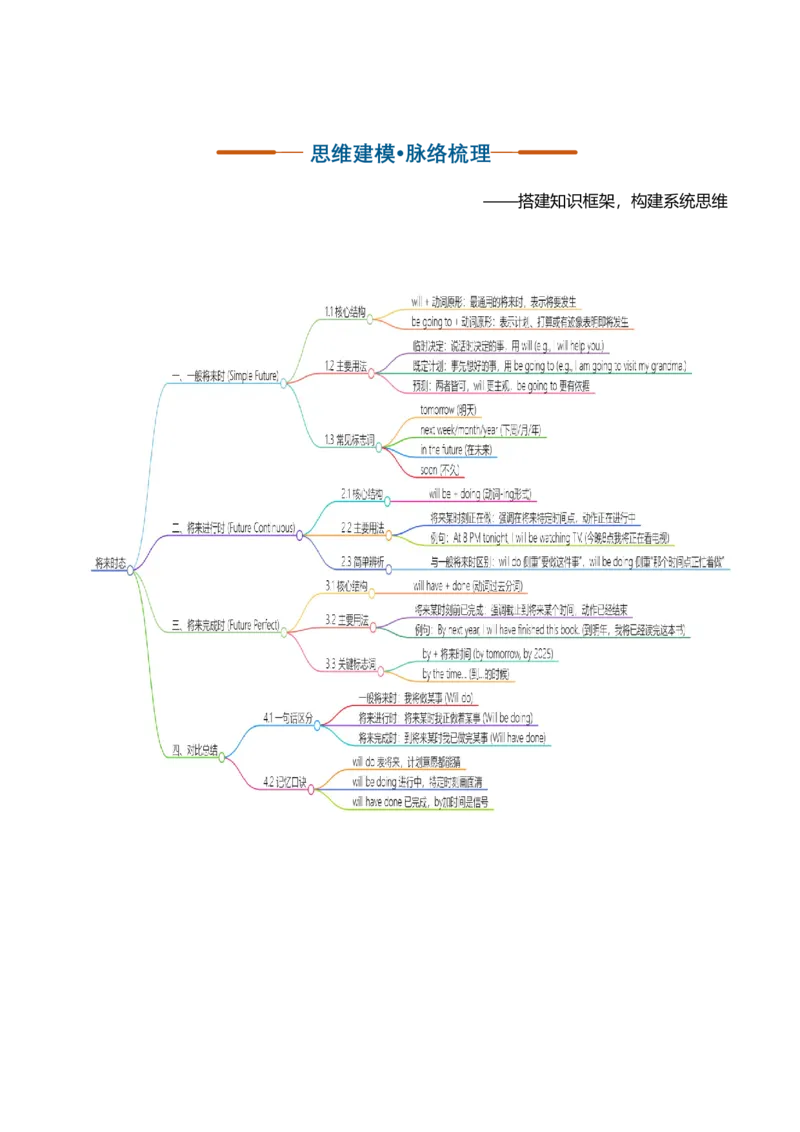
思维建模·脉络梳理
——搭建知识框架,构建系统思维
考点精讲·靶向突破
——拆解核心考点,归纳解题范式
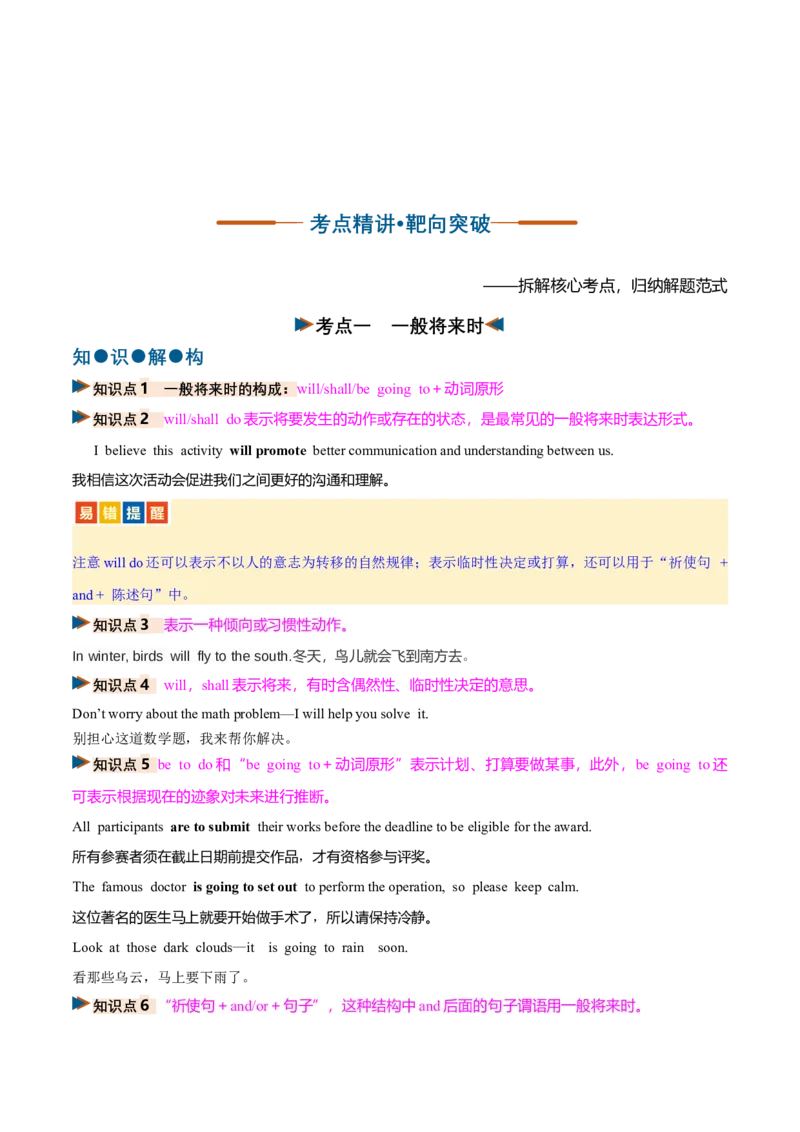
考点一  一般将来时
知●识●解●构
知识点1  一般将来时的构成:will/shall/be going to+动词原形
知识点2  will/shall do 表示将要发生的动作或存在的状态,是最常见的一般将来时表达形式。
   I believe this activity will promote better communication and understanding between us.
我相信这次活动会促进我们之间更好的沟通和理解。
注意will do 还可以表示不以人的意志为转移的自然规律;表示临时性决定或打算,还可以用于“祈使句 +
and + 陈述句”中。
知识点3  表示一种倾向或习惯性动作。
In winter, birds will fly to the south.冬天,鸟儿就会飞到南方去。
知识点4  will,shall 表示将来,有时含偶然性、临时性决定的意思。
Don’t worry about the math problem—I will help you solve it.
别担心这道数学题,我来帮你解决。
知识点5 be to do 和“be going to+动词原形”表示计划、打算要做某事,此外,be going to 还
可表示根据现在的迹象对未来进行推断。
All participants are to submit their works before the deadline to be eligible for the award.
所有参赛者须在截止日期前提交作品,才有资格参与评奖。
The famous doctor is going to set out to perform the operation, so please keep calm.
这位著名的医生马上就要开始做手术了,所以请保持冷静。
Look at those dark clouds—it is going to rain soon.
看那些乌云,马上要下雨了。
知识点6 “祈使句+and/or+句子”,这种结构中and 后面的句子谓语用一般将来时。
Work hard, and you will find a good way.
动动脑筋,你就会找到好方法。
知识点7 某些动词的一般现在时可以表示计划、安排将要做的事情,此种用法常常用于火车时刻、
飞机时刻、电影开演、作息安排等时刻表上。
知识点8 “be doing”表示近期的出行安排或事情即将发生,此结构中的动词一般为位置移动动
词。
She is returning to her hometown next month.
她下个月要回老家。
知识点9 “be about to+动词原形”表示打算或据安排即将发生的动作。它不与表示时间的副词或
其他时间状语连用。
I was about to leave the house when the phone rang.
我正要出门的时候,电话响了。
考●向●破●译
考向1  考查表示将要发生的动作或存在的状态
1.Add a few minutes of stretching to your morning routine, and it          (enhance) your flexibility and blood
circulation.
2.The symptoms of flu may be unpleasant, but they          (disappear) within a few days.
3.If their marketing plans succeed, their sales          (increase) by 20 percent.
在时间、条件等的状语从句中,用一般现在时表示一般将来时。
考向2  考查“祈使句+and/or+句子”等结构中的将来时
1.The more you practice something, the better at it you            (become).
2.Close the door of fear behind you, and you             (see) the door of faith open before you.
3.You’d better give me my book, otherwise I          (fail) in my test.
4.Never          you be admitted to your ideal university if you are addicted to online games.
考向3  考查将来时的多种表达
1.After professional testing, the service          (operate) on ten routes between five stations, mainly in East
China.
2.I          (weigh) up the pros and cons before applying for the detective internship program.
3.Look at those kids playing on the icy lake! They        (fall) in if they’re not careful!
4.We are about          (take) action to clean up the undergrowth in the park when a sudden rain starts to fall.
5.The new trainee          (learn) cross-cultural communication skills from the senior correspondent this
semester.
思维建模


✅技巧1:利用一般将来时的时间状语标志词tomorrow, the coming year,in the future,
tomorrow afternoon 等将来时间标志解题。

✅技巧2:根据常用一般将来时的句型解题,例如:祈使句+and/or+句子;be about to do……
when……。
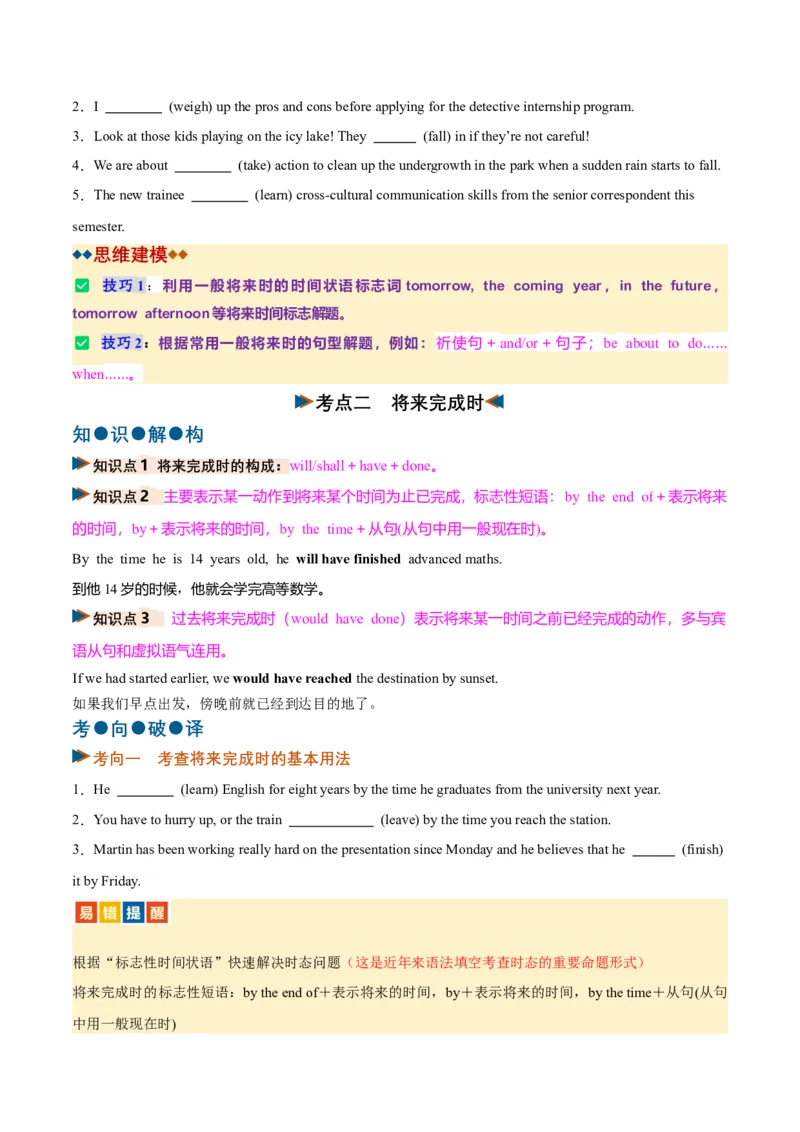
考点二  将来完成时
知●识●解●构
知识点1 将来完成时的构成:will/shall+have+done。
知识点2  主要表示某一动作到将来某个时间为止已完成,标志性短语:by the end of+表示将来
的时间,by+表示将来的时间,by the time+从句(从句中用一般现在时)。
By the time he is 14 years old, he will have finished advanced maths.
到他14 岁的时候,他就会学完高等数学。
知识点3   过去将来完成时(would have done)表示将来某一时间之前已经完成的动作,多与宾
语从句和虚拟语气连用。
If we had started earlier, we would have reached the destination by sunset.
如果我们早点出发,傍晚前就已经到达目的地了。
考●向●破●译
考向一  考查将来完成时的基本用法
1.He          (learn) English for eight years by the time he graduates from the university next year.
2.You have to hurry up, or the train              (leave) by the time you reach the station.
3.Martin has been working really hard on the presentation since Monday and he believes that he        (finish)
it by Friday.
根据“标志性时间状语”快速解决时态问题(这是近年来语法填空考查时态的重要命题形式)
将来完成时的标志性短语:by the end of+表示将来的时间,by+表示将来的时间,by the time+从句(从句
中用一般现在时)
考向二  考查句型中的将来完成时
1.If you keep practicing the piano for an hour every day, you              (master) all the basic techniques of
classical music by next summer.
2.If you go on at the present speed, you        (use) up all the petroleum (汽油) by the end of the month.
3.She        (struggle) with extreme pain to make it to that aid checkpoint without Bailey’s help.
思维建模


✅技巧1:利用将来完成时的时间状语标志词:by the end of+表示将来的时间,by+表示将来的时
间,by the time+从句(从句中用一般现在时)

✅技巧2:利用If 条件句型判断将来完成时。
考点三  将来进行时
知●识●解●构
知识点1  将来进行时的构成为:will/shall be+doing。
知识点2  表示将来某一时刻或某一段时间里正在进行的动作。常与at 8:00 am
tomorrow, in the next two months 等表示具体的时间点、时间段的时间状语连用。
He will be negotiating with the other company at this time next Tuesday.
下周二这个时候他将正与另一家公司谈判。
考●向●破●译
考向  考查将来某一时刻或某一段时间里正在进行的动作
1.At this time tomorrow, the research team          (analyze) the survey data, so they won’t be available.
2.When you arrive at the station at exactly 6: 30 tomorrow evening, a guide          (wait) for you at the east
exit with a yellow flag.
3.I can’t attend the meeting at 3 pm tomorrow because I            (discuss) the annual business plan at that
time with my team.
考点四  时态问题的综合应对方法
知●识●解●构
知识点1  通过“标志性状语”解决时态问题
在题干中,yesterday, tomorrow, always, since, in the past few years, over the years, by+时
间, so far 等都是动词时态常用的标志性状语,做题时可以通过寻找这些标志性状语来判定时态。
知识点2  通过“并列谓语动词”解决时态问题
当句中有两个或两个以上的动词时,它们之间可能是同时发生,也可能有一定的先后关系,我们可以
根据这种谓语动词的关系来判定时态。同一个主语的两个或两个以上的并列谓语,谓语动词的时态要一
致。
知识点3  通过“语境暗示”解决时态问题
有些题目在时间状语和其他参照物都不明显的情况下,通过“语境暗示”,正确分析语境也是解决时
态问题的一条行之有效的方法。
知识点4  通过“时态定义”解决时态问题
准确理解常考时态的定义是做题的根本。
知识点5  通过“固定句式”解决时态问题
掌握常用句式也是解决时态问题的快速且行之有效的方法。常见的句式如下:
①It's (high) time sb did sth 表示“正是某人做某事的时候”,从句要用一般过去时。
②It is/has been ... since ... 表示“自从……以来……”,since 之前用一般现在时或现在完成时,
since 后用一般过去时或接表示过去的时间状语。
③sb was/were doing sth when sb did sth 表示“正在做某事,这时突然……”。
④“It/This/That is/was+the+形容词最高级+n.+定语从句”句型中,定语从句的时态用现在/过去完
成时。
⑤“It is/was the first time+that 从句”句型中,从句的时态一般用现在/过去完成时。
⑥hardly, scarcely, barely+过去完成时+when+一般过去时,表示“一(刚)……就……”。
⑦no sooner+过去完成时+than+一般过去时,表示“一(刚)……就……”。
⑧by (the end of)+过去时间,句子谓语动词用过去完成时,表示“到过去某时为止,已经做了某
事”。
⑨by (the end of)+将来时间,句子谓语动词用将来完成时,表示“到将来某时为止,已经做了某
事”。
⑩“祈使句+and/or/otherwise+陈述句”,陈述句用一般将来时。
在时间、条件状语从句中,主句用一般
⑪
/过去将来时,从句用一般现在/过去时。
在宾语从句中,如果主句用一般过去时,从句应用过去的某种时态;从句表示客观事实或真理,用
⑫
一般现在时。
知识点5  通过“逻辑关系”解决时态和语态问题
有时候做题时,我们对于时态问题比较关注,但往往忽略了语态,因此我们可以采用“先语态、后时
态”的方式。解决语态问题主要是根据谓语动词与句子主语之间的逻辑关系,二者为主动关系用主动语
态,是被动关系则用被动语态。
考●向●破●译
考向一  考查通过“标志性状语”解决时态问题
1.(2026·河北枣强中学5 月阶段检测)In villages across China, over 130,000 skilled craftsmen are devoted to
preserving ancient traditions, which gradually fade away in modern society. People like Zhang Wennian, a 58 -year-
old brush maker from Anhui,        (spend) decades mastering their art to date.
2.(2026·河南省百师联盟模拟预测)“Here’s why now China          (advance) at such a fast rate and we
just aren’t. They have these cities that are so futuristic (未来派的) compared to anything we have,” a US netizen
said in a video posted on China’s social media platform Xiaohongshu.
3.(2026·T8 联盟新高考压轴训练(一))Four centuries ago, Ming Dynasty playwright (剧作家) Tang Xianzu
          (write) these lines into his classic play The Peony Pavilion (《牡丹亭》), giving Chinese literature a
feverish declaration of emotion — a love so intense that it overturns life and death.
考向二  考查通过“固定句式”解决时态问题
1.This is the first time in my life that I         (take) part in such a grand celebration.
2.I say to him with a cheerful smile,“Go to exercise and you ________ (feel) better.”
3.I          (organize) my words in my head when the girl next to me gave me a nudge.
考向三  考查通过“并列谓语动词”解决时态问题
1.He not only exercises outdoors but also         (read) books indoors every weekend.
2.Our hosts shared many of their experiences and        (recommend) wonderful places to eat, shop and visit
during our stay in the UK last summer.
3.The child, feeling sleepy,          (slide) into bed and closed his eyes.
考向四  考查通过“语境暗示”解决时态问题
1.Mr. Smith ______________ a book about China last year but I don’t know whether he has finished it.
  A. has written
B. wrote
C. had written
D. was writing
2. You’d better write down her phone number before you ________________ it.
  A. forget
B. are forgetting
C. forgot
D. will forget
真题溯源·考向感知
——溯源真题逻辑,感知高考考向
单句填空 在空白处填入1 个适当的单词或括号内单词的正确形式。
考点01 考查一般将来时
1.The number is an indicator of how quickly technology         (change) in many years.
2.It’s true that if one doesn’t take the first step, a journey          (remain) a dream forever.
3.If you destroy our home, we          (have) nowhere to live. Please think twice.
4.Technology          (assist) conventional educational ways in the future, and students can use computers to
learn with a personalized education system.
5.Linda was about           (start) telling her story when the phone rang.
考点02 考查将来完成时
1.(2026·四川省成都外国语学校期中)China         (reduce) the carbon dioxide emissions a lot by 2030,
the vice premier told the media.
2.(2026·黑龙江省双鸭山市第一中学高三上学期开学考试)By the time this letter reaches you, I

(leave)the country.
3.(2026·上海市南洋模范中学期中)It is reported that by the end of this month, the output of plastic in the
factory            (rise) by about 10%.
4 .(2026· 天津市西青区为名学校月考)The students have set a deadline by which everyone ________
(finish)reading the books assigned by their professor.
5.By the time I come back, I think you          (finish) all the work here.
考点03 考查将来进行时
1.In the future, we         (use) advanced technology every day for automatic control of just about everything
in our home.
2.Jane can't attend the meeting at 3 o'clock this afternoon because she        (teach) a class at that time.
3.Don’t call me at nine tomorrow because I            (study) at the library then.
4.You should work on your people skills, as you           (talk) to people all day.
5.Engineers are now working on a new concept: the rail drones of the future. They           (move) on the
track ahead of the train, and programmed to run autonomously.