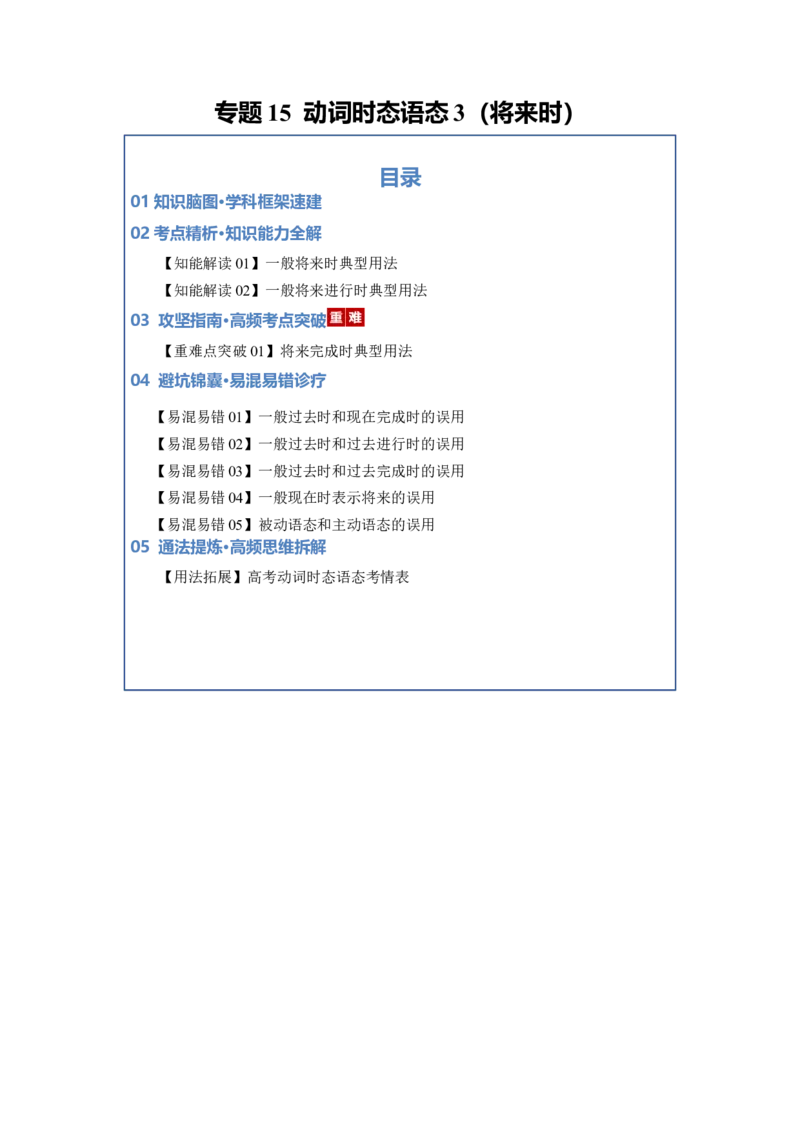
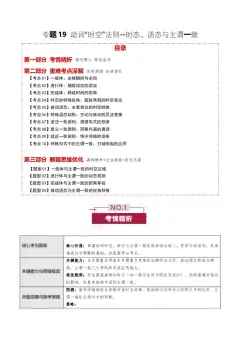
专题15 动词时态语态3(将来时)
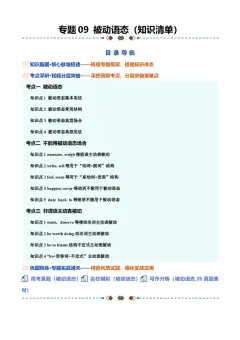
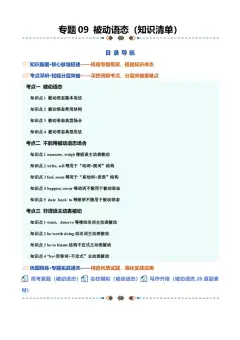
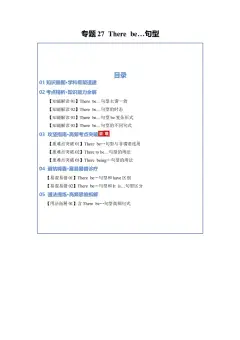
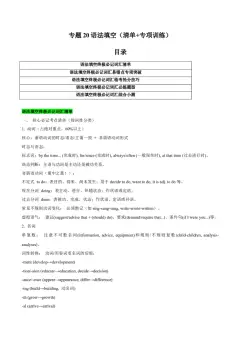
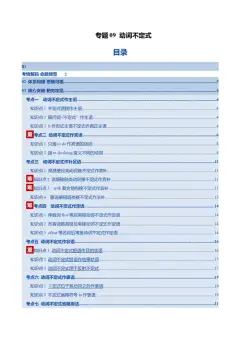
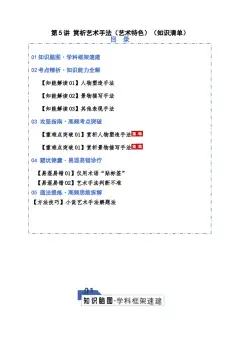
目录
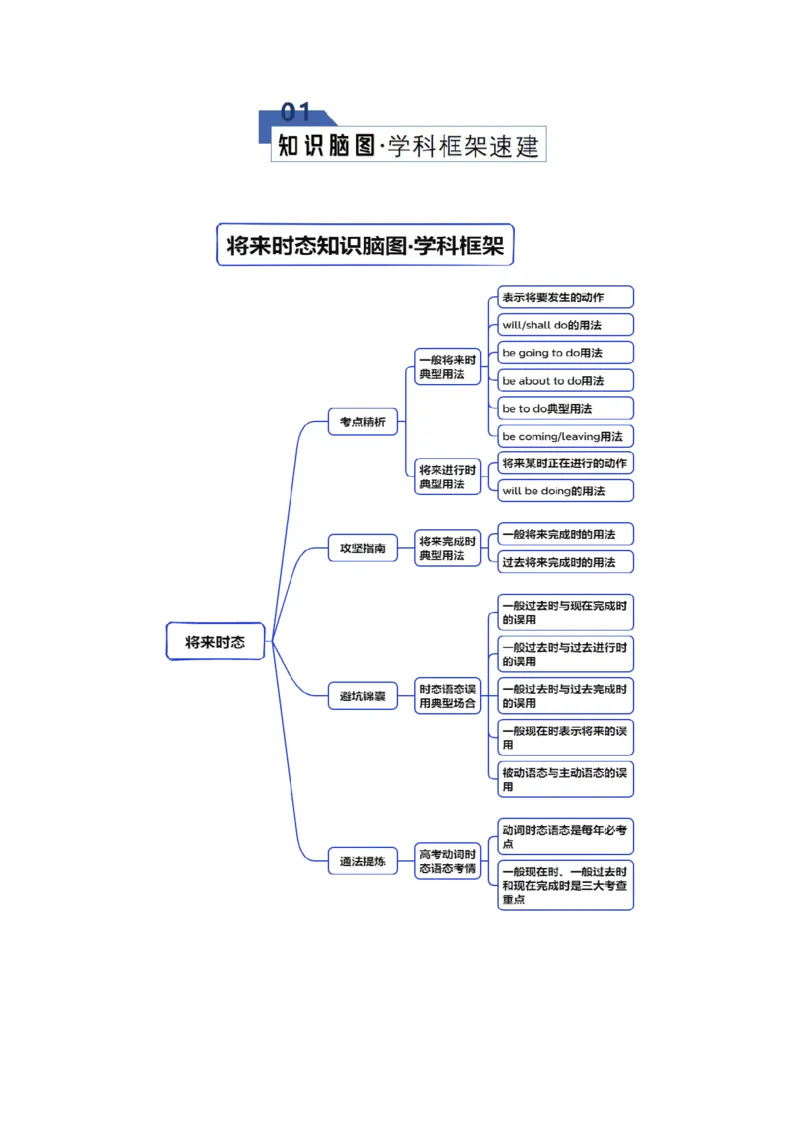
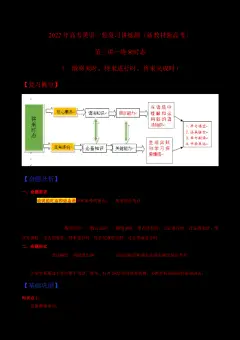
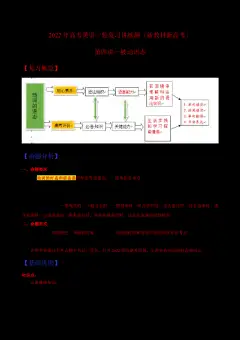
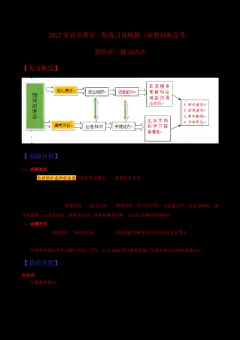
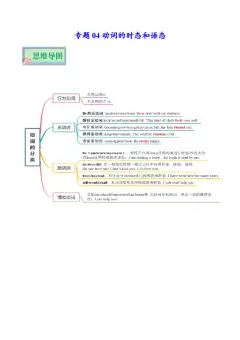
01 知识脑图·学科框架速建
02 考点精析·知识能力全解
【知能解读01】一般将来时典型用法
【知能解读02】一般将来进行时典型用法
03 攻坚指南·高频考点突破
【重难点突破01】将来完成时典型用法
04 避坑锦囊·易混易错诊疗
【易混易错01】一般过去时和现在完成时的误用
【易混易错02】一般过去时和过去进行时的误用
【易混易错03】一般过去时和过去完成时的误用
【易混易错04】一般现在时表示将来的误用
【易混易错05】被动语态和主动语态的误用
05 通法提炼·高频思维拆解
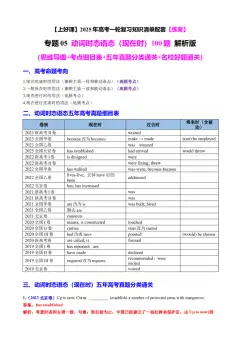
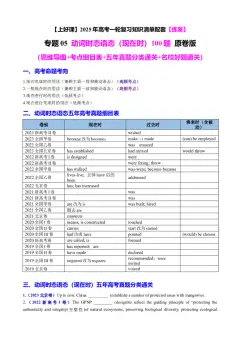
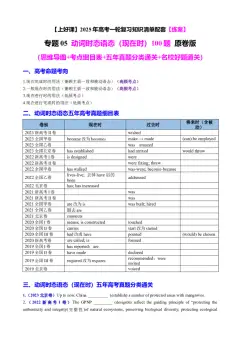
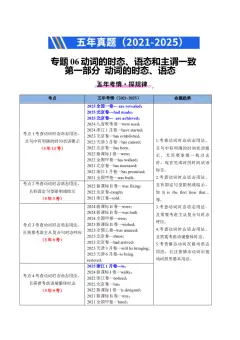
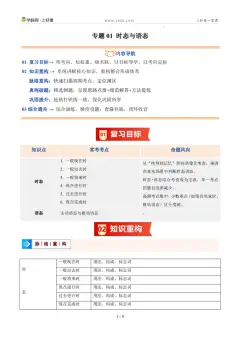
【用法拓展】高考动词时态语态考情表
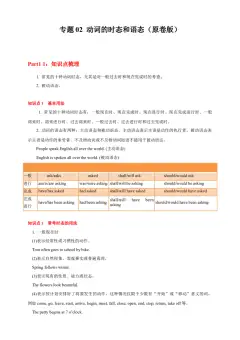
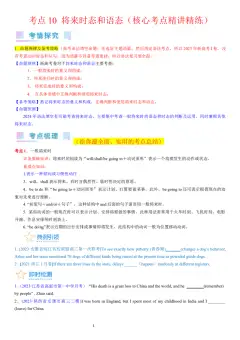
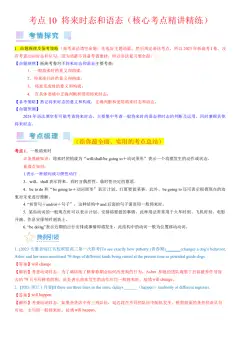
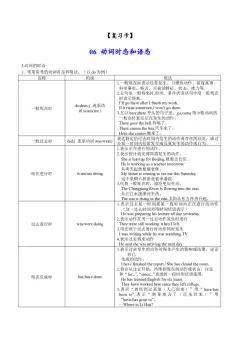
01 一般将来时典型用法
1.will/shall do 表示将要发生的动作或存在的状态,是最常见的一般将来时表达形式。
We shall leave for Beijing next Monday.
我们下周一将动身去北京。
I will help you with your homework this evening.
今晚我会帮你做作业。
用法拓展:注意will do 还可以表示不以人的意志为转移的自然规律;表示临时性决定或打算,还可以用
于“祈使句 + and + 陈述句”中。
Plants will die if they don’t get enough water.
植物如果得不到足够的水分,就会死亡。
Don’t worry about the math problem—I will help you solve it.
别担心这道数学题,我来帮你解决。
Work hard, and you will achieve your goals.
努力工作,你就会实现目标。
2. be going to do 也是一般将来时表达方式,表示推测时强调说话有充分依据,尤指天气变化。
Look at those dark clouds—it is going to rain soon.
看那些乌云,马上要下雨了。
3. “be about to+动词原形”表示打算或据安排即将发生的动作。它不与表示时间的副词或其他时间状语
连用。
She is about to speak—please be quiet.
她马上要发言了 —— 请安静。
4.“be to+动词原形”表示约定的、计划中的或按职责、义务要求要发生的动作,这种动作通常是人的意
志所能控制的,或用于征求意见。
The new library is to open

   to the public next week.
新图书馆定于下周向公众开放。
You are to report to the manager as soon as you arrive.
你一到就必须向经理报到。
5. come, go, leave, start, move, arrive 等位置转移的动词现在进行时表将来。
The train is coming in five minutes—hurry up!
火车五分钟后就到了 —— 快点!
She is returning to her hometown next month.
她下个月要回老家。
【跟踪训练】在空白处填入1 个适当的单词或括号内单词的正确形式。
1.—Look! The light is still on at noon.
—Sorry. I          (go) and turn it off.
2.Close the door of fear behind you, and you             (see) the door of faith open before you.
3.If people don’t stop polluting the air, more and more animals and plants        (die) out in the future.
4.I             (go) to visit China in two months because I’m very interested in China’s history and culture.
5.The plan they paid much attention to       (discuss) at tomorrow’s meeting.
02 一般将来进行时典型用法
将来进行时表示将来某一时间正在进行的动作,常用的时间状语有by this time tomorrow 等等。
At 7 p.m. tomorrow, I will be having dinner with my family.
明天晚上 7 点,我会正和家人吃晚饭。
When you arrive at the party, we will be dancing to the music.
你到派对时,我们会正随着音乐跳舞。
【跟踪训练】在空白处填入1 个适当的单词或括号内单词的正确形式。
1.Next weekend at this time, the entire family          (gather) at our grandparents’ house, enjoying a delicious
homemade meal.
2.You’d better not call Frank, as he        (deliver) an important speech at this time tomorrow.
3.I’m not available at three o’clock this Saturday. I          (wander) in the park with my daughter, which is a
special time for her.
4.Don’t phone me between 8: 00 and 10: 00. We           (have) classes then.
5.Mr. Jones can’t participate in our party at 8 o’clock this evening because he        a lecture then. (deliver)
01 将来完成时典型用法
1. 一般将来完成时(will have done)表示将来某一时间或动作发生之前已经完成的动作,通常与before
或by, by the end of, by the time…等结构连用。
By next July, I will have lived in this city for 10 years.
到明年 7 月,我就已经在这座城市住了 10 年了。
By the time the concert starts, they will have sold all the tickets.
到音乐会开始时,他们就已经卖完所有门票了。
2. 过去将来完成时(would have done)表示将来某一时间之前已经完成的动作,多与宾语从句和虚拟语气
连用。
He thought they would have arrived in Paris by that time.
他原以为到那时他们已经抵达巴黎了。
If we had started earlier, we would have reached the destination by sunset.
如果我们早点出发,傍晚前就已经到达目的地了。
【跟踪训练】在空白处填入1 个适当的单词或括号内单词的正确形式。
1.By this time of next year, all of you                  (begin) your own life.
2.I       (visit) all 50 U.S. states by my 13th birthday next month, becoming the youngest person ever to do so.
3.If the trend continues, by 2050, the world         (lose) two-thirds of its vertebrate biodiversity.
4.By the time he moves to Beijing next week, I           (return) his books.
5.She        (struggle) with extreme pain to make it to that aid checkpoint without Bailey’s help.
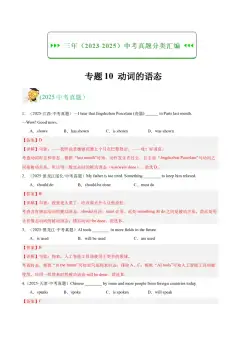
01 一般过去时和现在完成时的误用
例1. I had hoped to see her off at the station, but I _____________ too busy.
 A. was               B. had been                      C. would be                    D. would have been
02 一般过去时和过去进行时的误用
例2. She ________ to someone on the phone, so I just nodded to her and went away.
  A. talked              B. has talked       C. had talked            D. was talking
例3. Mr. Smith ______________ a book about China last year but I don’t know whether he has finished it.
  A. has written
B. wrote
C. had written
D. was writing
03 一般过去时和过去完成时的误用
例4. —Got your driving license?
—No. I ______ too busy to have enough practice, so I didn’t take the driving test last week.
  A. was
B. am
C. have been
D. had been
例5. —Did you have difficulty finding Ann’ house?
  —Not really. She ______________ us clear directions and we were able to find it easily.
  A. was to give
B. had given
C. was giving
D. would give
04 一般现在时表示将来的误用
例6. You’d better write down her phone number before you ________________ it.
  A. forget
B. are forgetting       C. forgot
D. will forget
例7. He is very busy. I don’t know if he ________________ or not tomorrow.
  A. come
B. comes
C. will come
D. is coming
05 被动语态和主动语态的误用
例8. —Do you like the material?
  —Yes, it _____________ very soft.
  A. is feeling
C. feels
B. felt
D. is felt
例9. —Excuse me, is the book Gone with the Wind by Margaret Mitchell available now?
  —Sorry, but it _________ (sell) so well that we don’t have any in store. (单句语法填空)
【跟踪训练】在空白处填入1 个适当的单词或括号内单词的正确形式。
1.Look at the timetable! Hurry up! Flight 4026          (take) off at 18:20.
2.I believe she will have a wonderful time here once she             (get) to know everyone else.
3 .Caring for the environment is becoming more and more important, because the earth’s natural resources
__________ (run) out.
4.In the past they           (quarrel) with each other about the education of their children.
5.In the past few years, online learning          (become) a significant part of the university and college
experience.
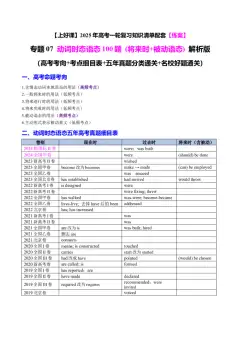
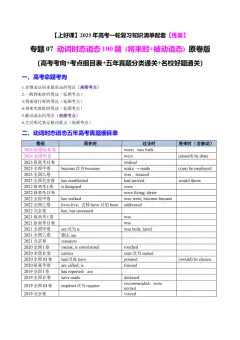
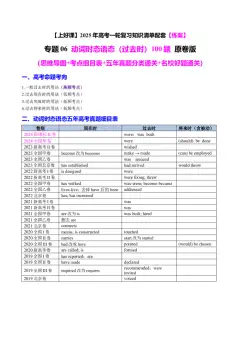
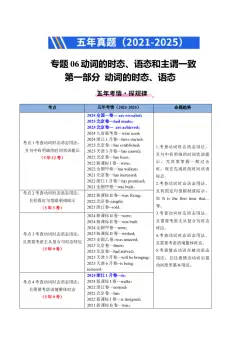
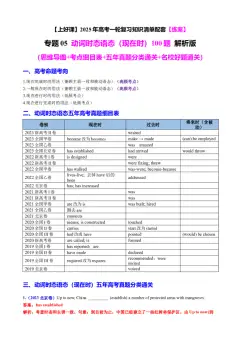
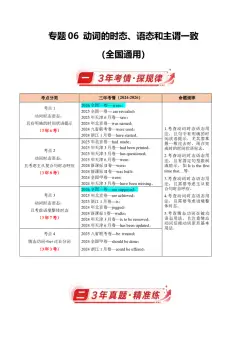
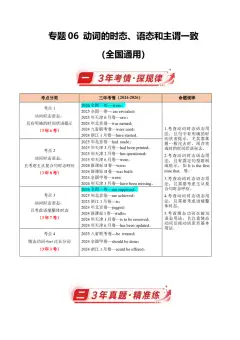
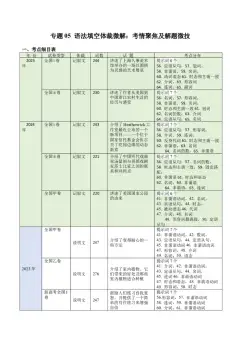
 高考动词时态语态考情表
卷别
现在时
过去时
将来时(含被动)
2025 全国一卷
are revealed; tries
2025 全国二卷
is
2025 北京卷
are achieved
had made, left
2024 新课标I 卷
walks
2024 新课标II 卷
were;was built
2024 全国甲卷
were
(should) be done
2024 北京卷
gives
was named; joggged
2023 新高考II 卷

wished

2023 全国甲卷
become 改为becomes
make 改为made
(can) be employed
2023 全国乙卷

was amazed

2023 全国北京卷
has established
had arrived
would throw
2022 新高考I 卷
is designed
were

2022 新高考II 卷

were fixing; threw

2022 全国甲卷
has walked
was-were; become-became

2022 全国乙卷
lives-live; 去have 后been
addressed

2022 北京卷
has; has increased


2021 新高考I 卷

was

2021 新高考II 卷

was

2021 全国甲卷
are 改为is
was built; hired

2021 全国乙卷
删去are


2021 北京卷
connects


2020 全国I 卷
means; is constructed
touched

2020 全国II 卷
carries
start 改为started

2020 全国III 卷
had 改成have
pointed
(would) be chosen
2020 新高考卷
are called; is
formed

2019 全国I 卷
has reported;are


2019 全国II 卷
have made
declared

2019 全国III 卷
required 改为requires
recommended;were invited

2019 北京卷

voiced

研读历年高考动词时态语态可以发现:
1.动词时态是语法填空题必考点,每份试卷考查1-2 次;
2.一般现在时、一般过去时和现在完成时是三大考查重点;
3.掌握每种动词时态的用法要点及固定句式是核心任务和突破点。
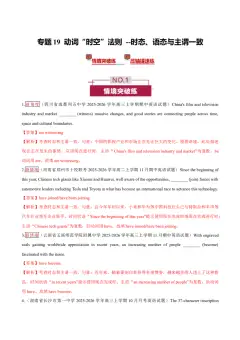
一、单项填空 在空白处填入1 个适当的单词或括号内单词的正确形式。
1.Dr. Smith, together with his wife and daughters,              (go) to visit Beijing, and will not be back until
next week.
2.I          (tell) him the news when he comes back.
3.Browse through the material, and you           (amaze) at the details of it.
4.The more you practise, the better you          (speak) English.
5.Jason set a goal that in five years he        (show) his works in the top gallery in that area.
6.She was beginning to have dreams of her own and she          (will) proceed to action.
7.She said that she           (water) the flower the next day but she didn’t.
8.Professor Craig          (give) a lecture on British literature this time tomorrow evening.
9.By February next year the foreign expert          (be) here on this job for five years.
10.I was caught in a traffic jam for over two hours;otherwise I          (keep) you waiting for such a long
动词时态语态(3)综合能力提升
time.
二、将来时态与语法填空
(2025 高三上·全国·专题练习)在空白处填入1 个适当的单词或括号内单词的正确形式。
China has completed construction on the world’s largest array ( 阵列) of telescopes. It will be pointed
directly at the sun     1    (study) how its behavior impacts the Earth.
The Daocheng Solar Radio Telescope     2    (locate) in Sichuan Province. Each one has a diameter of
19.7 feet and together they form a circle with a circumference (圆周) of 1.95 miles. The massive arrangement of
3    (science) machinery is set to observe solar activities, which can have     4    negative impact on power
networks.
“We can forecast whether a solar storm bursts toward the Earth,” Wu Lin, a     5    (design) of Ring
Array Solar Radio Imaging Telescope Project, said. “If it breaks out and reaches us, we     6    (be) able to
issue early warning to such a solar storm. In this way, we can provide space environment forecasts for normal     7
(operate) of satellites in space and power networks on ground.” The array will begin to operate     8    June
2023, upon completion of further testing.
China now has instruments that can observe all levels of the sun, from     9    (it) surface to the
outermost atmosphere. Having such a solar observatory in China will also improve data on solar activities      10
are not seen by telescopes in other time zones.