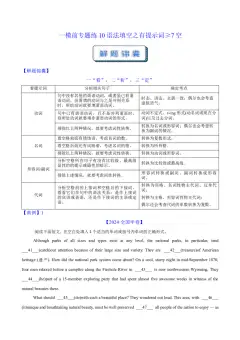
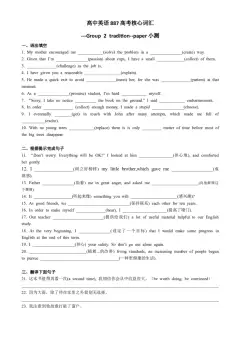
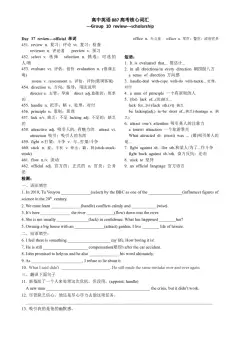
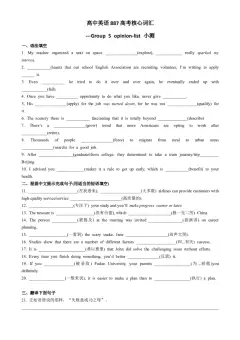
专题20 语法填空(清单+专项训练)
目录
语法填空终极必记词汇清单
语法填空终极必记词汇易错点专项突破
语法填空终极必记词汇临考抢分技巧
语法填空终极必记词汇必练题型
语法填空终极必记词汇综合小测
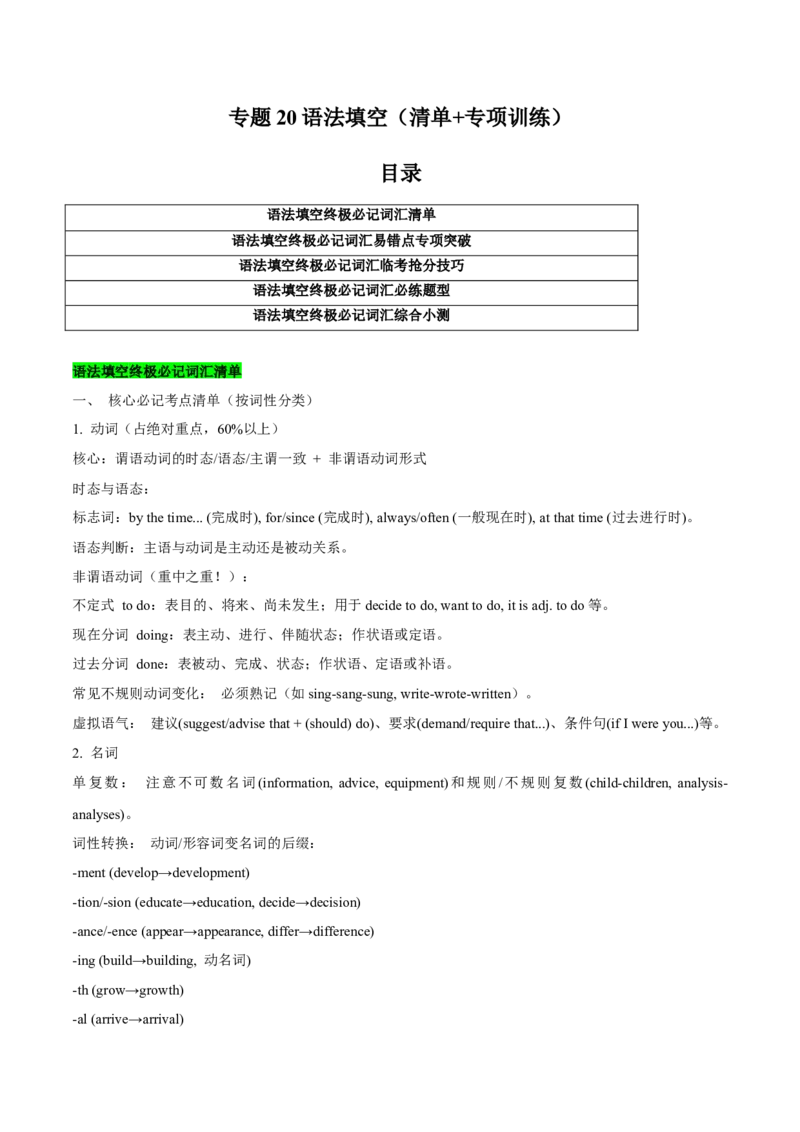
语法填空终极必记词汇清单
一、 核心必记考点清单(按词性分类)
1. 动词(占绝对重点,60%以上)
核心:谓语动词的时态/语态/主谓一致 + 非谓语动词形式
时态与语态:
标志词:by the time... (完成时), for/since (完成时), always/often (一般现在时), at that time (过去进行时)。
语态判断:主语与动词是主动还是被动关系。
非谓语动词(重中之重!):
不定式 to do:表目的、将来、尚未发生;用于decide to do, want to do, it is adj. to do 等。
现在分词 doing:表主动、进行、伴随状态;作状语或定语。
过去分词 done:表被动、完成、状态;作状语、定语或补语。
常见不规则动词变化: 必须熟记(如sing-sang-sung, write-wrote-written)。
虚拟语气: 建议(suggest/advise that + (should) do)、要求(demand/require that...)、条件句(if I were you...)等。
2. 名词
单复数: 注意不可数名词(information, advice, equipment)和规则/不规则复数(child-children, analysis-
analyses)。
词性转换: 动词/形容词变名词的后缀:
-ment (develop→development)
-tion/-sion (educate→education, decide→decision)
-ance/-ence (appear→appearance, differ→difference)
-ing (build→building, 动名词)
-th (grow→growth)
-al (arrive→arrival)
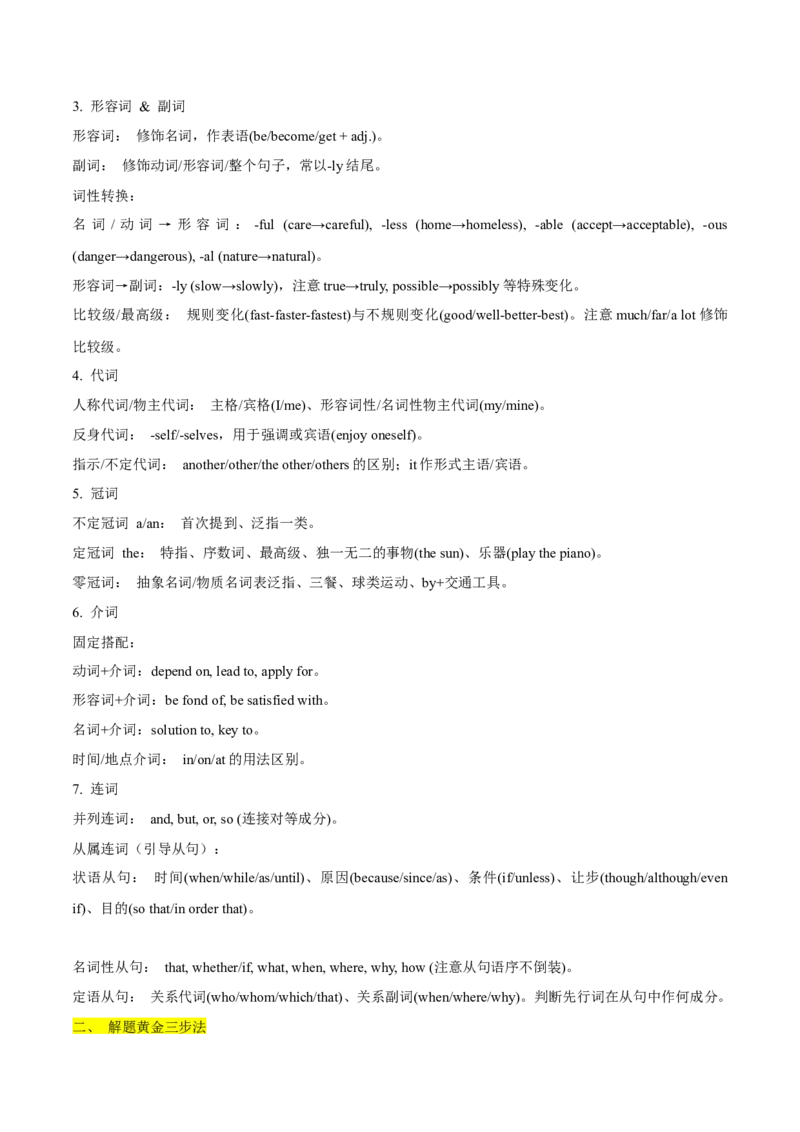
3. 形容词 & 副词
形容词: 修饰名词,作表语(be/become/get + adj.)。
副词: 修饰动词/形容词/整个句子,常以-ly 结尾。
词性转换:
名词/ 动词→形容词:-ful (care→careful), -less (home→homeless), -able (accept→acceptable), -ous
(danger→dangerous), -al (nature→natural)。
形容词→副词:-ly (slow→slowly),注意true→truly, possible→possibly 等特殊变化。
比较级/最高级: 规则变化(fast-faster-fastest)与不规则变化(good/well-better-best)。注意much/far/a lot 修饰
比较级。
4. 代词
人称代词/物主代词: 主格/宾格(I/me)、形容词性/名词性物主代词(my/mine)。
反身代词: -self/-selves,用于强调或宾语(enjoy oneself)。
指示/不定代词: another/other/the other/others 的区别;it 作形式主语/宾语。
5. 冠词
不定冠词 a/an: 首次提到、泛指一类。
定冠词 the: 特指、序数词、最高级、独一无二的事物(the sun)、乐器(play the piano)。
零冠词: 抽象名词/物质名词表泛指、三餐、球类运动、by+交通工具。
6. 介词
固定搭配:
动词+介词:depend on, lead to, apply for。
形容词+介词:be fond of, be satisfied with。
名词+介词:solution to, key to。
时间/地点介词: in/on/at 的用法区别。
7. 连词
并列连词: and, but, or, so (连接对等成分)。
从属连词(引导从句):
状语从句: 时间(when/while/as/until)、原因(because/since/as)、条件(if/unless)、让步(though/although/even
if)、目的(so that/in order that)。
名词性从句: that, whether/if, what, when, where, why, how (注意从句语序不倒装)。
定语从句: 关系代词(who/whom/which/that)、关系副词(when/where/why)。判断先行词在从句中作何成分。
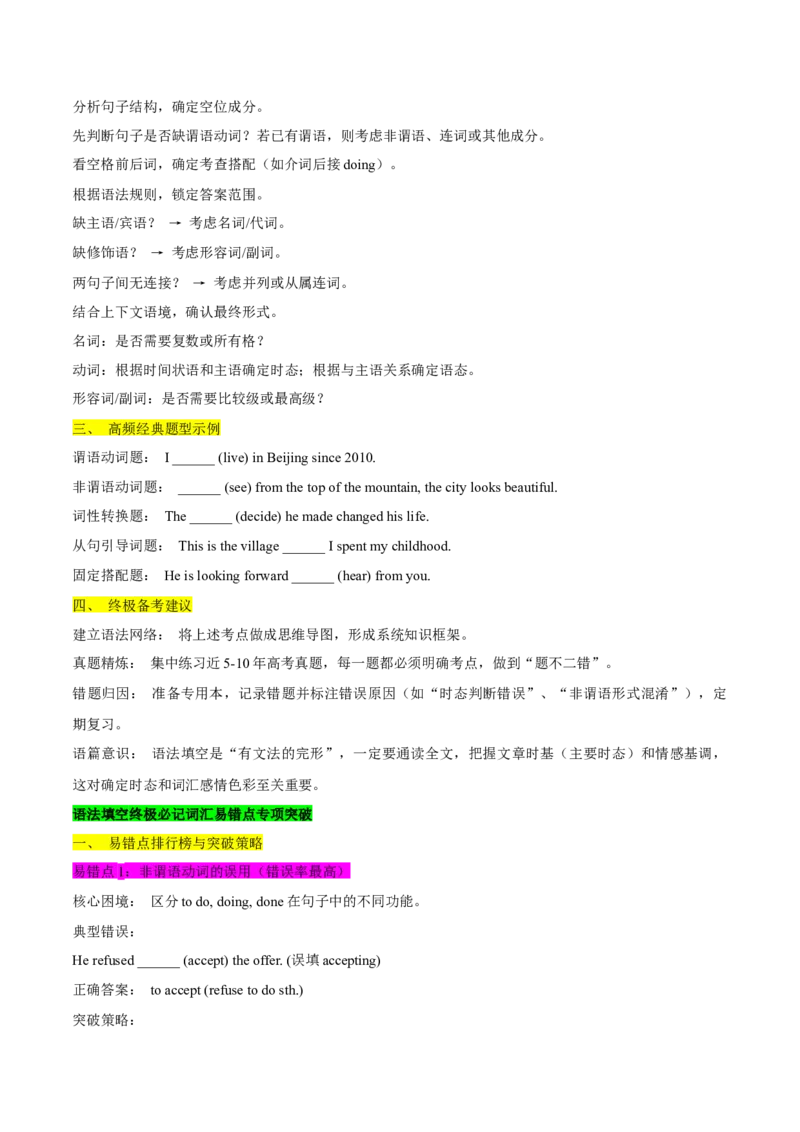
二、 解题黄金三步法
分析句子结构,确定空位成分。
先判断句子是否缺谓语动词?若已有谓语,则考虑非谓语、连词或其他成分。
看空格前后词,确定考查搭配(如介词后接doing)。
根据语法规则,锁定答案范围。
缺主语/宾语? → 考虑名词/代词。
缺修饰语? → 考虑形容词/副词。
两句子间无连接? → 考虑并列或从属连词。
结合上下文语境,确认最终形式。
名词:是否需要复数或所有格?
动词:根据时间状语和主语确定时态;根据与主语关系确定语态。
形容词/副词:是否需要比较级或最高级?
三、 高频经典题型示例
谓语动词题: I ______ (live) in Beijing since 2010.
非谓语动词题: ______ (see) from the top of the mountain, the city looks beautiful.
词性转换题: The ______ (decide) he made changed his life.
从句引导词题: This is the village ______ I spent my childhood.
固定搭配题: He is looking forward ______ (hear) from you.
四、 终极备考建议
建立语法网络: 将上述考点做成思维导图,形成系统知识框架。
真题精炼: 集中练习近5-10 年高考真题,每一题都必须明确考点,做到“题不二错”。
错题归因: 准备专用本,记录错题并标注错误原因(如“时态判断错误”、“非谓语形式混淆”),定
期复习。
语篇意识: 语法填空是“有文法的完形”,一定要通读全文,把握文章时基(主要时态)和情感基调,
这对确定时态和词汇感情色彩至关重要。
语法填空终极必记词汇易错点专项突破
一、 易错点排行榜与突破策略
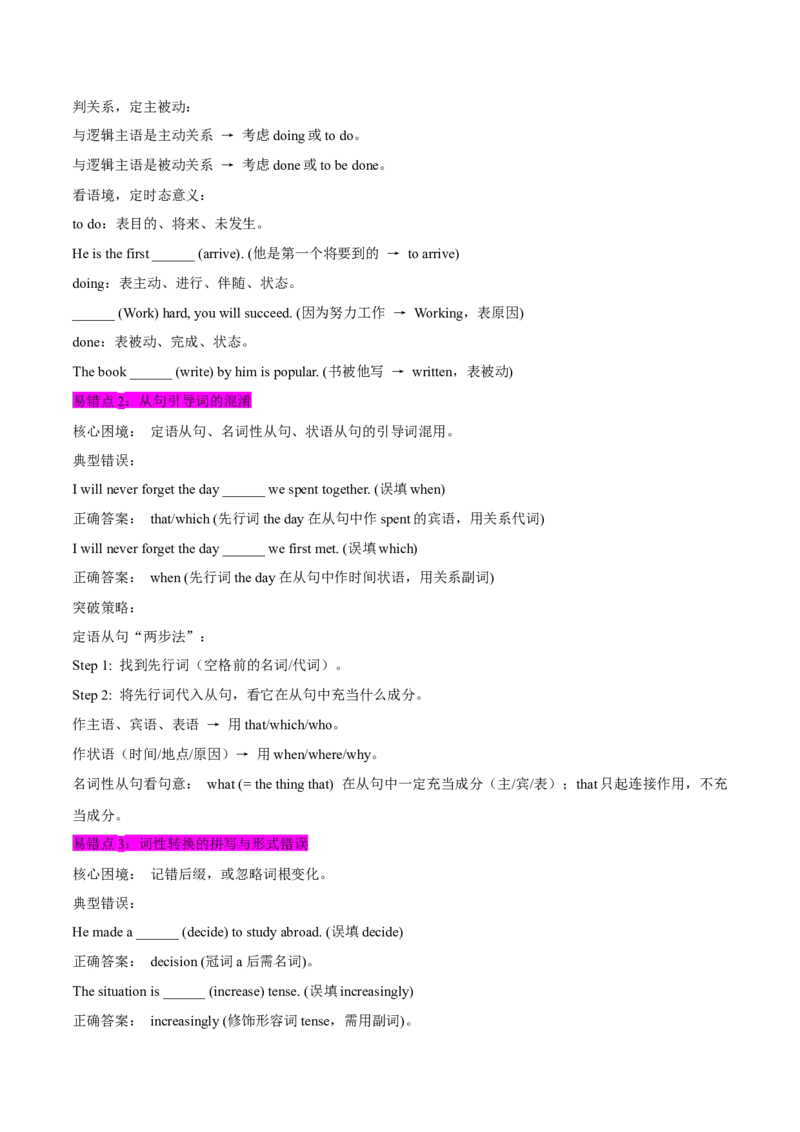
易错点1:非谓语动词的误用(错误率最高)
核心困境: 区分to do, doing, done 在句子中的不同功能。
典型错误:
He refused ______ (accept) the offer. (误填accepting)
正确答案: to accept (refuse to do sth.)
突破策略:
判关系,定主被动:
与逻辑主语是主动关系 → 考虑doing 或to do。
与逻辑主语是被动关系 → 考虑done 或to be done。
看语境,定时态意义:
to do:表目的、将来、未发生。
He is the first ______ (arrive). (他是第一个将要到的 → to arrive)
doing:表主动、进行、伴随、状态。
______ (Work) hard, you will succeed. (因为努力工作 → Working,表原因)
done:表被动、完成、状态。
The book ______ (write) by him is popular. (书被他写 → written,表被动)
易错点2:从句引导词的混淆
核心困境: 定语从句、名词性从句、状语从句的引导词混用。
典型错误:
I will never forget the day ______ we spent together. (误填when)
正确答案: that/which (先行词the day 在从句中作spent 的宾语,用关系代词)
I will never forget the day ______ we first met. (误填which)
正确答案: when (先行词the day 在从句中作时间状语,用关系副词)
突破策略:
定语从句“两步法”:
Step 1: 找到先行词(空格前的名词/代词)。
Step 2: 将先行词代入从句,看它在从句中充当什么成分。
作主语、宾语、表语 → 用that/which/who。
作状语(时间/地点/原因)→ 用when/where/why。
名词性从句看句意: what (= the thing that) 在从句中一定充当成分(主/宾/表);that 只起连接作用,不充
当成分。
易错点3:词性转换的拼写与形式错误
核心困境: 记错后缀,或忽略词根变化。
典型错误:
He made a ______ (decide) to study abroad. (误填decide)
正确答案: decision (冠词a 后需名词)。
The situation is ______ (increase) tense. (误填increasingly)
正确答案: increasingly (修饰形容词tense,需用副词)。
突破策略:
成分定词性: 空前空后是什么成分?
a/an/the/形容词性物主代词 + ______ → 必填名词。
be/become/feel + ______ → 常填形容词作表语。
动词/形容词 + ______ → 常填副词作状语。
常考后缀“记忆口诀”:
名转动:-ment (agree→agreement), -tion (educate→education), -sion (decide→decision), -ance/-ence
(appear→appearance)。
形转动/名:-en (wide→widen), -ize (modern→modernize), -th (long→length)。
动/名转形:-ful (care→careful), -less (hope→hopeless), -able (accept→acceptable), -ous (danger→dangerous), -al
(nature→natural)。
易错点4:冠词(a/an/the)的细微语境区别
核心困境: 抽象名词具体化、固定搭配、泛指与特判判断失误。
典型错误:
He plays ______ piano very well. (误填/ 或不填)
正确答案: the (演奏乐器前加the)。
______ knowledge is power. (误填A)
正确答案: / (零冠词,抽象名词泛指)。
突破策略:
“特指”检验法: 名词后面是否有of...短语、定语从句或上下文明确指代?如有,基本用the。
牢记“必加the”场景:
序数词、最高级前 (the first, the best)
世上独一无二 (the sun, the world)
部分地理名称 (the Great Wall)
形容词表一类人 (the rich, the old)
牢记“零冠词”场景:
三餐、球类、棋类 (have lunch, play football)
by+交通工具 (by car)
抽象名词、物质名词表泛指
易错点5:谓语动词时态与主谓一致
核心困境: 复杂语境下的时态呼应,以及主谓一致被插入语干扰。
典型错误:
He as well as his parents ______ (be) going to the park. (误填are)
正确答案: is (真正主语是He,as well as...是插入语)。
By the time he arrived, the meeting ______ (begin). (误填began)
正确答案: had begun (“到达”是过去,“开始”在到达之前,是“过去的过去”,用过去完成时)。
突破策略:
时态判定“三步走”:
Step 1: 找时间标志词 (yesterday, so far, by 2020)。
Step 2: 若无明显标志,看上下文句子的时态,保持一致性。
Step 3: 特别关注“过去的过去”用过去完成时。
主谓一致“去干扰”: 遇到with, along with, as well as, together with 等连接主语时,只看这些短语前面的
主语。
易错点6:逻辑连词与副词的误选
核心困境: 无法准确把握句间逻辑关系(因果、转折、递进、让步等)。
典型错误:
It was raining; ______, the game was canceled. (误填but)
正确答案: therefore/thus (前后是因果关系,非转折。but 是连词,不能用于分号后)。
突破策略:
逻辑关系判定法: 通读前后句,问自己“这两句是什么关系?”。
后句是前句的结果 → so, therefore, thus, as a result
后句是前句的转折/对比 → but, however, yet, while
后句是前句的递进/附加 → besides, moreover, furthermore
后句是前句的让步 → though, although, even though
结构区分法:
连词 (and, but, so, because, although):连接两个分句。
副词 (however, therefore, besides):常置于句首,用逗号隔开;或插入句中。
语法填空终极必记词汇临考抢分技巧
一、三大核心解题动作
动作一:判断动词形态
句子缺谓语吗?
缺 → 确定时态+语态+主谓一致
不缺 → 进入非谓语判断
非谓语三选一速判:
【主动/进行】→ doing
【被动/完成】→ done
【目的/将来】→ to do
动作二:从句引导词“三步定位”
看空格前有无名词(先行词)?
有 → 定语从句 → 关系词
无 → 状语/名词从句 → 连词
定语从句关键判断:
从句缺主/宾/表语 → that/which/who
从句缺状语 → when/where/why
动作三:词性转换“前后定词性”
空前词决定词性:
a/an/the/形容词性物主代词 + ______ → 必填【名词】
be/become/feel + ______ → 常填【形容词】
动词/形容词 + ______ → 常填【副词】
后缀速记:
名词后缀:-tion, -ment, -ness, -ence
形容词后缀:-ful, -less, -able, -ive
副词后缀:-ly(注意 truly, fully 等特殊形式)
【考场7 分钟 · 实战流程】
第一步:通读定基调(1 分钟)
快速浏览全文,不填空
确定文章基本时态(首句关键)
标记明显的时间状语(yesterday, so far, by...)
第二步:先做“送分题”(3 分钟)
四类必拿分题(见到直接填):
固定搭配题(一眼看出)
look forward to ______ (do) → doing
比较级/最高级(有than/the most)
much ______ (good) → better
冠词基础题
序数词/最高级前 → the
可数名词单数首次出现 → a/an
代词指代题
主语一致 → 反身代词(-self)
前文提到 → it/that
第三步:强攻“重难点”(2 分钟)
动词题 → 从句题 → 词性转换题
非谓语紧急判断法:
空格在句首 → 大概率 doing/done(作状语)
空格前是介词 → 一定 doing
空格前是使役动词(make/let/have)→ 省 to 不定式
第四步:检查“逻辑链”(1 分钟)
检查三项:
时态一致性:全文时态是否合理
主谓一致:主语与谓语是否单复数匹配
逻辑连词:句间关系是否通顺(尤其注意 however/therefore)
【四大抢分铁律】
铁律一:答案必有依据
每个空必须找到至少一个支撑点:
语法规则(时态、语态、从句规则)
固定搭配(动词短语、介词搭配)
上下文逻辑(因果、转折、并列)
忌:凭感觉填写!
铁律二:形式大于意义
先确定形式,再考虑意思:
先判断词性(名词/动词/形容词)
再判断形态(单数/复数;原级/比较级)
最后结合意思验证
例:______ (fortune), he passed the exam.
形式:句首逗号 → 副词 → fortunately
铁律三:不改第一感觉
除非发现确凿错误,否则:
第一次确定的答案,70%是正确的
犹豫时,选最初判断
只改有明显语法错误的答案
铁律四:每空必填
绝不留白!
即使不确定,也按最可能规则填
名词优先填复数(s/es)
动词优先填过去式/过去分词(-ed)
语法填空终极必记词汇必练题型
题型一:非谓语动词核心考法
1. The problem ______ (discuss) at tomorrow’s meeting is of great importance.
2. ______ (Work) as a volunteer for two years, he gained valuable experience.
题型二:从句引导词精准辨析
3. This is the very factory ______ I visited last year, and it’s not the one ______ I once worked.
4. ______ he said at the meeting made everyone present surprised.
题型三:词性转换高频模式
5. The ______ (propose) he put forward at the meeting was practical and received ______ (universe) support.
6. To finish the project on time, we need to work ______ (efficient) and make ______ (optimum) use of resources.
题型四:谓语动词时态语态
7. Great changes ______ (take) place in my hometown since 2010, and a new park ______ (build) now.
题型五:冠词与固定搭配
8. As ______ matter of fact, playing ______ chess develops our logical thinking.
题型六:逻辑连词与副词
9. The task was difficult; ______, we managed to complete it ahead of schedule.
题型七:代词与词义转换
10. One should learn to be independent and not rely constantly on ______ (other) help.
语法填空终极必记词汇综合小测
时间:45 分钟,满分45 分
Directions: Read the following passage. Fill in each blank with the proper form of the given word or with a proper
word (one word only).
(一)
A Lesson in Perseverance
Last Sunday, while browsing in an old bookstore, I came across a diary. Its cover was worn, ______ (1) (suggest)
frequent use. Curiosity led me to open it, and I found ______ (2) was the journal of a young inventor from the
1920s.
The first few pages described his ______ (3) (fail) attempts. “Another experiment went wrong today,” one entry
read. ______ (4) (obvious), frustration was his constant companion. However, the tone began to change after an
entry that said, “Instead of ______ (5) (give) up, I’ve decided to learn from these mistakes.” This ______ (6)
(mark) a turning point.
He started ______ (7) (record) every detail and analyzing what went wrong. Months later, his words became
______ (8) (hopeful) and confident. The final entry was just three words: “I did ______ (9) (it)!” attached to a
faded newspaper clipping about his ______ (10) (succeed) in creating a new battery.
That diary taught me more about resilience than any textbook ever could.
(二)
The Secret of the Old Well
In the village where I grew up, there was an old well, ______ (1) (surround) by ancient stones. No one had used it
for drinking in decades, and it was said to be dry. One summer, during a severe drought, Mr. Henderson, ______ (2)
was our science teacher, decided to investigate. He lowered a stone and listened. To ______ (3) (he) surprise, a
distant splash suggested water.
______ (4) (Encourage) by this discovery, he organized a cleanup. The work was ______ (5) (extreme) hard, with
villagers ______ (6) (remove) years of mud and leaves. After weeks of effort, clear water finally emerged. The
well’s revival was not just about water; it was about ______ (7) (revive) community spirit and hope.
At the celebration, Mr. Henderson made a ______ (8) (power) speech. “We often overlook potential right beneath
______ (9) (we) feet,” he said. The well stands today as a reminder that what seems lost can ______ (10) (find)
again with patience and effort.
(三)
The Language of Maps
Modern digital maps are incredibly convenient, but traditional paper maps tell a ______ (1) (differently) story. I
learned this from my grandfather, a retired cartographer. For him, map-making was an art ______ (2) required
patience and precision.
He once showed me how he ______ (3) (draw) a mountain range. It wasn’t just about lines; it was about ______ (4)
(understand) the land. He explained that a good map should feel like a conversation between the mapmaker and the
______ (5) (use).
Last year, he gave me his ______ (6) (old) compass. “This guided me not just ______ (7) direction, but in making
decisions with care,” he said. ______ (8) (Hold) it now, I feel connected to a fading tradition.
In an age of instant GPS, his lessons remind me that some journeys are about the process, not just the destination.
True navigation, perhaps, is about knowing ______ (9) you are in a much ______ (10) (broad) sense than just
coordinates.