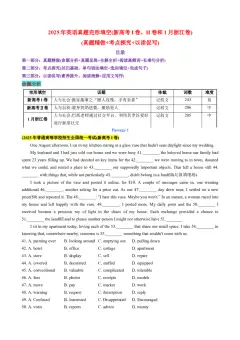
一模前专题练08 完形填空之夹叙夹议文
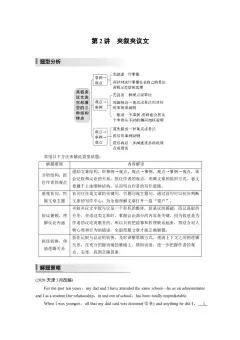
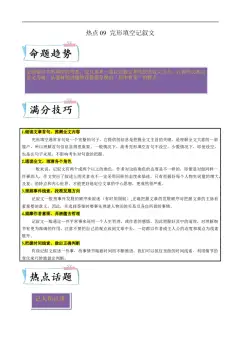
【体裁特点】
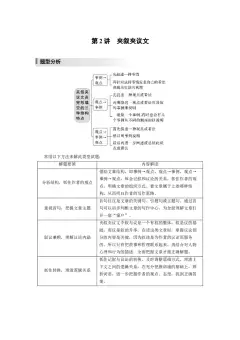
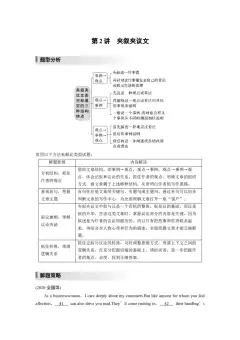
夹叙夹议文既有记叙文的特点,同时又具有议论文的特点:记叙和议论在文中交错运用,有的是以议
论引出记叙,有的是在记叙的基础上发表议论。文章一般具有深刻的哲理性,常常在平淡的故事中蕴含着
丰富的哲理;作者既可以让读者从一个简单的故事中体会到生活的意义,又能引起作者对人生、生活、社
会价值的思考及对人际关系等话题的自省反思。
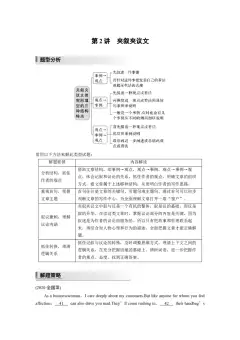
夹叙夹议文类的完形填空所选这类文章的组织方式一般有以下三种结构:“先叙后议”“先议后叙”
或“议叙交替”(常见的有三种模式:事例一观点;观点一事例;观点一事例一观点)。
【考情概览】
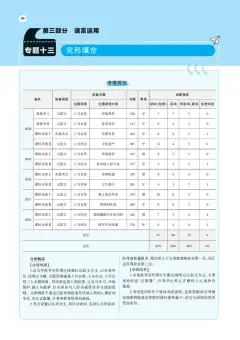
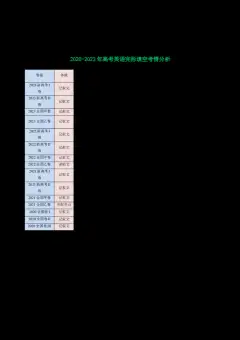
根据最近三年新高考的考情分析,完形填空记叙文集中考查:动词、名词、形容词和副词等实词(包括
它们的短语)在完形填空语篇中的上下文中的正确使用;考查的关键不仅仅考查考生的词汇知识,同时,以
文章为裁体,全面考查考生对文章的总体把握和全面理解,考查考生的逻辑分析,推理判断等思维能力。
所以,命题多以“句组层次”题为主,以“句内层次”和“语篇层次”题为辅。笔者以为夹叙夹议文体裁
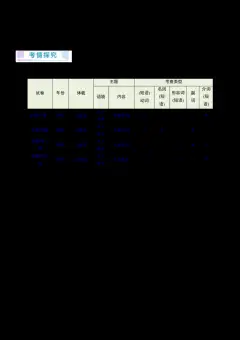
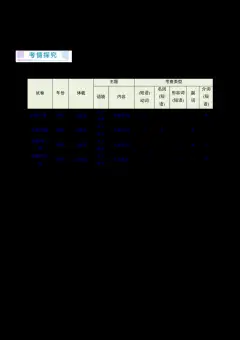
的完形填空也不会例外,但是考查重点可能有所不同(参看下列表格)。
   这里要求考生进一步了解记叙文和夹叙夹议文类的完形填空题各自的重点,做到解题时,心中有数。
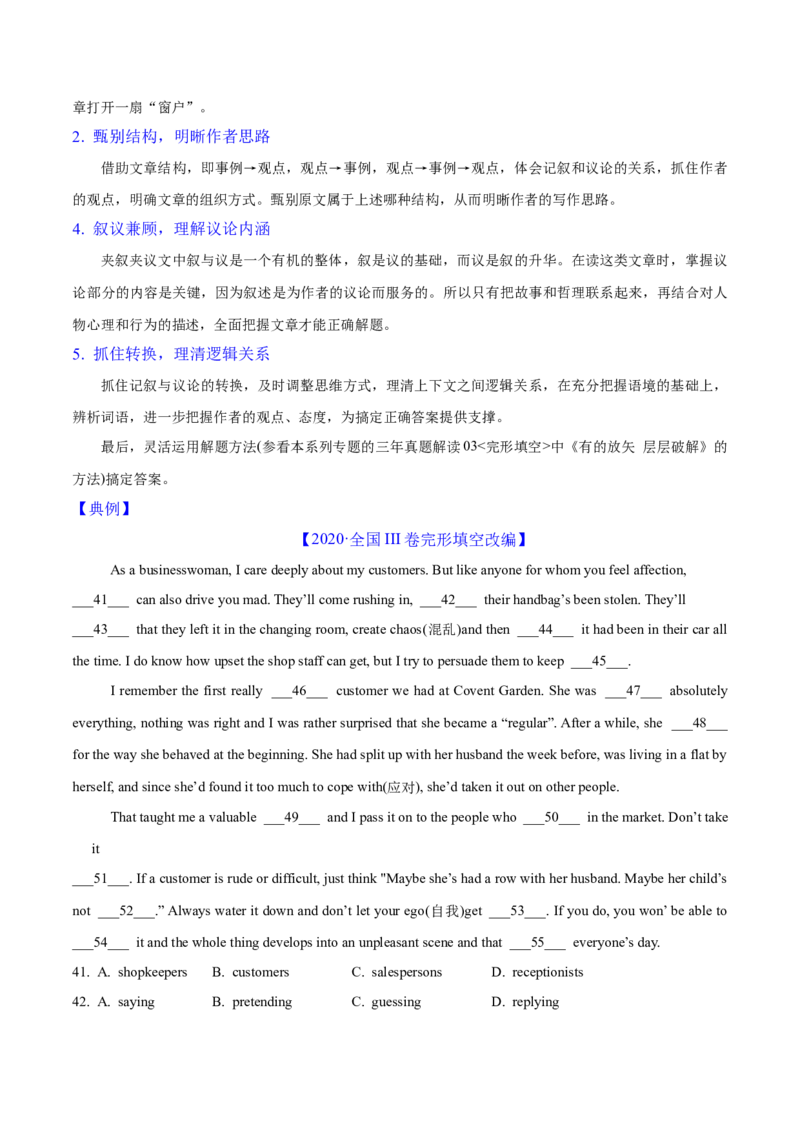
区分维度
记叙文
夹叙夹议文
核心定位
以“叙事写人”为绝对核心
以“叙事写人”为载体,
以“议论”为核心目的
写作目的
完整呈现事件(起因/经过/结果)、塑造人物形
象
借叙事写人的案例,
引出观点、道理或深层感悟
议论分布
议论相对极少(仅结尾可能简要升华主题)
议论贯穿全文
(穿插于叙事中,强化主旨)
内容侧重
侧重情节细节、人物动作、场景描写
侧重观点表达、逻辑分析、
情感抒发与主题深化
解题关键
抓时间线、事件发展顺序、人物行为
抓“叙事写人案例”与“议论观点”
的关联(议论为核心导向)
【解题锦囊】
1. 重视首句,把握文章主题
首句往往是文章的关键句、引题句或主题句。通过首句可以初步判断文章的写作中心,为全面理解文
章打开一扇“窗户”。
2. 甄别结构,明晰作者思路
借助文章结构,即事例→观点,观点→事例,观点→事例→观点,体会记叙和议论的关系,抓住作者
的观点,明确文章的组织方式。甄别原文属于上述哪种结构,从而明晰作者的写作思路。
4. 叙议兼顾,理解议论内涵
夹叙夹议文中叙与议是一个有机的整体,叙是议的基础,而议是叙的升华。在读这类文章时,掌握议
论部分的内容是关键,因为叙述是为作者的议论而服务的。所以只有把故事和哲理联系起来,再结合对人
物心理和行为的描述,全面把握文章才能正确解题。
5. 抓住转换,理清逻辑关系
抓住记叙与议论的转换,及时调整思维方式,理清上下文之间逻辑关系,在充分把握语境的基础上,
辨析词语,进一步把握作者的观点、态度,为搞定正确答案提供支撑。
最后,灵活运用解题方法(参看本系列专题的三年真题解读03<完形填空>中《有的放矢 层层破解》的
方法)搞定答案。
【典例】
【2020·全国III 卷完形填空改编】
As a businesswoman, I care deeply about my customers. But like anyone for whom you feel affection,
___41___ can also drive you mad. They’ll come rushing in, ___42___ their handbag’s been stolen. They’ll
___43___ that they left it in the changing room, create chaos(混乱)and then ___44___ it had been in their car all
the time. I do know how upset the shop staff can get, but I try to persuade them to keep ___45___.
I remember the first really ___46___ customer we had at Covent Garden. She was ___47___ absolutely
everything, nothing was right and I was rather surprised that she became a “regular”. After a while, she ___48___
for the way she behaved at the beginning. She had split up with her husband the week before, was living in a flat by
herself, and since she’d found it too much to cope with(应对), she’d taken it out on other people.
That taught me a valuable ___49___ and I pass it on to the people who ___50___ in the market. Don’t take
it
___51___. If a customer is rude or difficult, just think "Maybe she’s had a row with her husband. Maybe her child’s
not ___52___.” Always water it down and don’t let your ego(自我)get ___53___. If you do, you won’ be able to
___54___ it and the whole thing develops into an unpleasant scene and that ___55___ everyone’s day.
41. A. shopkeepers
B. customers
C. salespersons
D. receptionists
42. A. saying
B. pretending
C. guessing
D. replying
43. A. agree
B. promise
C. imagine
D. swear
44. A. forget
B. decide
C. discover
D. assume
45. A. fighting
B. smiling
C. waiting
D. changing
46. A. generous
B. polite
C. careless
D. difficult
47. A. curious about
B. displeased with
C. patient with
D. uncertain about
48. A. searched
B. argued
C. prayed
D. apologized
49. A. lesson
B. trick
C. skill
D. trade
50. A. work
B. shop
C. meet
D. quarrel
51. A. kindly
B. secretly
C. personally
D. casually
52. A. ready
B. away
C. up
D. well
53. A. out of sight
B. in the way
C. behind the scene
D. above the law
54. A. stress
B. expect
C. handle
D. blame
55. A. ruins
B. makes
C. starts
D. saves
【整体感知】(仅供考生自主练习或考试后反思<复盘>时以及教师考后讲评时参考)
1. 主旨大意:
2. 叙事角度:
3. 语篇结构:
4. 写作要素:人物:
时间:
地点;
事件:
原因:
结果:
5. 写作目的:
1
(2026 届浙江省ZDB 联盟高三一模)Long before my daughter Carolyn could speak, she would hold my
finger as she learned to walk. Whenever her tiny hand was in mine, I would tenderly squeeze it twice and
___41___ , “I love you.” That became our ___42___ . She adored this little secret, and the gesture became our
special way of ___43___. But as Carolyn grew older, I assumed there was no need for little secret ___44___
anymore.
On the evening of her junior high graduation ceremony, I saw Carolyn sitting ___45___ waiting for her turn
to perform. I wanted to ___46___ her, but I knew that anything I said would make her feel uncomfortable.
Then I ___47___ our secret signal. I left my seat and ___48___ to her. Carolyn watched each of my steps
as I ___49___ closer. Without speaking, I leaned over, took her hand and squeezed it twice. Her eyes met mine,
and I knew that she ___50___ the message. She instantly returned the ___51___, giving my hand two quick
squeezes in reply. We smiled.
Years later, on Carolyn’s wedding day, my heart was full of unspoken ___52___. Instead of risking tears, I
took her hand and ___53___ our familiar signal. She responded immediately, and in that ___54___ exchange, we
said everything without speaking. Some bonds never ___55___—they only grow deeper.
41. A. whisper
B. shout
C. announce
D. declare
42. A. habit
B. rule
C. secret
D. story
43. A. competing
B. connecting
C. exercising
D. debating
44. A. signals
B. gifts
C. promises
D. lessons
45. A. calmly
B. nervously
C. proudly
D. lazily
46. A. praise
B. surprise
C. remind
D. comfort
47. A. checked
B. interpreted
C. remembered
D. followed
48. A. turned back
B. got across
C. gave in
D. walked over
49. A. inched
B. jumped
C. rushed
D. floated
50. A. conveyed
B. doubted
C. recognized
D. ignored
51. A. gift
B. gesture
C. blessing
D. favor
52. A. regrets
B. wishes
C. memories
D. emotions
53. A. repeated
B. created
C. secured
D. exhibited
54. A. bitter
B. silent
C. formal
D. awesome
55. A. maintain
B. break
C. fade
D. end
2
(山东省德州市德州市校级联考2025-2026 学年高三上学期10 月月考)When Sarah first arrived in the
Caribbean for an infrastructure project, she was met with local skepticism. “People saw us as outsiders with no real
care for their lives,” she recalled. The sense of ___41___ grew in her, and her team faced frequent rejections of
their plans; community meetings would burst into arguments.
One afternoon, Sarah visited a bookstore run by Mrs. Alvarez. They chatted, and the elderly woman
mentioned how the old harbor had been the community’s heart — until a storm ___42___ it years ago. “No one’s
dared to ___43___ it since,” she said, her voice filled with regret.
Sarah saw a chance for the ___44___ of the growing distrust. She asked Mrs. Alvarez to gather a few
residents for a casual chat about the harbor’s past. To her ___45___, over fifty people came, ___46___ sharing old
photos and memories. That day, Sarah’s team ___47___ their blueprints and just listened.
As stories emerged, the community’s ___48___ attitude softened. Residents offered suggestions, and teens
helped compile historical records. The final construction plan ___49___ a memorial wall with quotes from those
stories — an idea born from listening.
Last month, the new harbor opened. Mrs. Alvarez placed a book of collected stories at the entrance.
“Infrastructure is steel and concrete,” she told Sarah, “but trust is ___50___ through stories. You built a bond.”
Sarah now ___51___ her time between regions, teaching others to use storytelling. “It’s about letting locals
see their ___52___ in the plans.” she says. She’s even ___53___ a handbook for the removal of cultural barriers.
This experience taught Sarah that genuine connection demands courage to ___54___ and patience to
nurture. “Every story is a brick,” she tells students. “Lay enough, and you’ll build an unbreakable ___55___.”
Today, walking along the harbor, she sees proof that understanding can bridge the deepest divides.
41. A. welcome
B. confidence
C. isolation
D. relief
42. A. protected
B. enlarged
C. surrounded
D. ruined
43. A. rebuild
B. visit
C. mention
D. paint
44. A. fade
B. pause
C. gain
D. end
45. A. disappointment B. relief
C. surprise
D. regret
46. A. eagerly
B. hesitantly
C. formally
D. secretly
47. A. took over
B. handed out
C. referred to
D. set aside
48. A. friendly
B. defensive
C. indifferent
D. conservative
49. A. included
B. described
C. rejected
D. replaced
50. A. broken
B. woven
C. forgotten
D. questioned
51. A. splits
B. values
C. wastes
D. counts
52. A. rights
B. needs
C. dreams
D. voices
53. A. reviewed
B. authored
C. revised
D. sponsored
54. A. listen
B. speak
C. insist
D. leave
55. A. wall
B. harbor
C. bridge
D. ship
3
(2026 届广东省广州市天河区高三一模)I was offered a “great” professional opportunity appealing to
everyone in my field. There was one problem: I didn’t want it. Despite this, I ___41___ said “yes” — it seemed
like a no-brainer.
While preparing for the new role, I experienced a ___42___ feeling in my chest and found myself weeping for no
reason. Concerned, I ___43___ the program director and explained my situation. She enthusiastically listed the
job’s incredible ___44___ like the flexible schedule, and the reasons why countless teachers would desire it. She
also made the case for why this ___45___ would provide exactly the recharge and restoration I needed. Her
infectious ___46___ pulled me back into the “should” mode, convincing me declining was ___47___. The
familiar internal dialogue of “I should; I should...” resounded, leaving me feeling ___48___.  Then, I made a
change. ___49___ focusing on why the opportunity seemed perfect for others, I asked: Is it right for me? This
simple ___50___ brought me freedom and clarity. By acknowledging my own feelings over external expectations,
I ___51___ with my true self. I realized I wished I wanted it; life would be easier. And yet, it was not what in
reality I wanted at this moment.
We’re often conditioned to ___52___ what we’re taught to want, prioritizing external guidelines for
happiness. However, these external constructs of fulfillment often ___53___ to match what you do want and what
actually makes you happy. ___54___ your own desires is an internal process that only you have access to. Trusting
your own wanting is the path back to your true self, and your power, which ultimately leads to genuine ___55___.
41. A. immediately
B. regularly
C. shyly
D. suddenly
42. A. funny
B. familiar
C. weighty
D. strange
43. A. referred to
B. reached out to
C. depended on
D. responded to
44. A. benefits
B. effects
C. requirements
D. opportunities
45. A. dream
B. moment
C. experience
D. schedule
46. A. enthusiasm
B. devotion
C. kindness
D. patience
47. A. mean
B. selfish
C. rude
D. foolish
48. A. trapped
B. hurt
C. concerned
D. disappointed
49. A. In addition to
B. Instead of
C. In spite of
D. By means of
50. A. troth
B. method
C. question
D. opinion
51. A. reconnected
B. discussed
C. worked
D. competed
52. A. learn
B. miss
C. practice
D. seek
53. A. have
B. continue
C. happen
D. appear
54. A. Discovering
B. Expressing
C. Balancing
D. Questioning
55. A. wisdom
B. admiration
C. happiness
D. success
4
(江苏省盐城市七校联盟第二次联考2025-2026 学年高三上学期10 月月考()We all have been in different
situations. Now ___41___ back to two situations from your past, one pleasant and the other unpleasant. ___42___
carefully whether you relive (再体验) them or just recall them. If you relive them, ___43___ the same emotions as
if you are undergoing the same situations again, you are ___44___ associated with the incidents. If you can
objectively recall the incidents in the past, it’s ___45___ that you are dissociated (使分离) from the incidents.
Now how do association and dissociation ___46___ us in our life?
The simple ___47___ I prefer to follow is to associate with positive things in life and dissociate from the
negative ones. Several months ago, my friends and I went to Ooty Hill Station. One friend, Amy, had been there
before — she’d had a wonderful time and ___48___ the beauty of nature. The only unpleasant thing was that her
ring fell into the ___49___. When we decided to take a boat ride, Amy was not willing to ___50___ us, as she had
associated the ___51___ with that unpleasant memory before closely. ___52___ she had many other pleasant
memories of her previous visit, she had closely ___53___ that unpleasant incident to heart and relived the same old
incident. Had she dissociated herself from that unpleasant incident, she could have figured out a way to keep the
___54___ safe during such a boat ride.
So, learning to make a good ___55___ of which to associate and which to dissociate will make our life
better.
41. A. date
B. go
C. turn
D. think
42. A. Achieve
B. Perform
C. Observe
D. Explain
43. A. experiencing
B. understanding
C. describing
D. watching
44. A. quickly
B. actively
C. gradually
D. certainly
45. A. possible
B. clear
C. fair
D. lucky
46. A. support
B. attract
C. protect
D. help
47. A. order
B. result
C. rule
D. policy
48. A. remembered
B. missed
C. enjoyed
D. watched
49. A. lake
B. field
C. forest
D. castle
50. A. aid
B. join
C. accept
D. ask
51. A. trip
B. stage
C. task
D. trick
52. A. But
B. While
C. Unless
D. Or
53. A. brought
B. put
C. given
D. taken
54. A. goods
B. valuables
C. materials
D. resources
55. A. offer
B. wish
C. choice
D. start
5
(2026 届四川省绵阳市高三英语第一学月模拟)People say that a dog is a man’s best friend. In my
___41___, my dog Sammy, a German Shepherd, ___42___ my life and made me a life saver.
Sammy taught me new kinds of love, protection, and responsibility. As her dog-dad, I felt a strong
connection with her, and our bond was ___43___.
Our ___44___ connection was through exercise and play. Whether running through bushland trails (小径)
or playing ball games, every day with Sammy was an ___45___. Even daily walks around the block were joyous,
no matter how busy or ___46___ I was. I loved her deeply, and it was never a ___47___.
When Sammy’s health ___48___, our adventures stopped. Eventually, Sammy was gone. Through this pain,
I found ___49___. I wear her ashes (骨灰) around my neck, which is a constant ___50___ of our friendship.
Sammy’s influence ___51___ our bond. The love I had for her extended to all animals. After Sammy
passed, I began volunteering with dog rescue ___52___. My favourite activity is taking dogs with ___53___
behaviors to various environments to help them adjust to new people and places. As a result, we have helped a
number of dogs get ___54___.
Sammy changed my life deeply. She helped me discover more about myself and other animals. She made me
a better person, and her ___55___ lives on in every animal saved.
41. A. case
B. study
C. turn
D. view
42. A. wrote
B. changed
C. developed
D. enriched
43. A. unpredictable
B. unreasonable
C. unbreakable
D. unreachable
44. A. greatest
B. richest
C. hardest
D. clearest
45. A. affair
B. adventure
C. appointment
D. amazement
46. A. tired
B. angry
C. discouraged
D. anxious
47. A. purpose
B. shame
C. task
D. burden
48. A. increased
B. turned
C. disappeared
D. declined
49. A. reliance
B. relief
C. strength
D. security
50. A. warning
B. reminder
C. replacement
D. evidence
51. A. came from
B. pushed forward
C. returned to
D. went beyond
52. A. institutes
B. companies
C. organizations
D. publishers
53. A. aggressive
B. sympathetic
C. astonishing
D. challenging
54. A. fed
B. trained
C. adopted
D. recovered
55. A. toughness
B. spirit
C. voice
D. mercy