一模前专题练09 完形填空之说明文&议论文
说明文
【体裁特点】
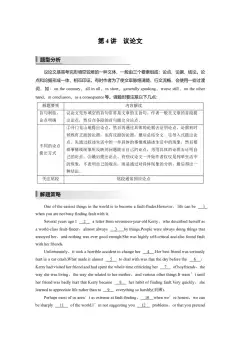
说明文是运用较为朴实的语言来客观地解释某个问题、某种现象类的文章。文章按一定的方法介绍事
物的类别、性质、特点、构造、成因、关系或事物的运动变化、发展的过程以及规律等。说明文类完形填
空具有如下特点:开篇点题,明确对象。作者一般在文章的首句直接提出说明的对象,然后从不同的角度
进行说明;难度较大,结构严谨。说明文往往比较正式,语言表达表述准确严谨,句子较长,结构较为复
杂。
【考情概览】
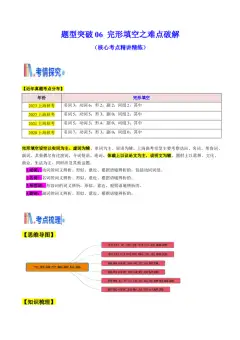
根据最近三年新高考的考情分析,完形填空记叙文集中考查:动词、名词、形容词和副词等实词(包括
它们的短语)在完形填空语篇中的上下文中的正确使用;考查的关键不仅仅考查考生的词汇知识,同时,以
文章为裁体,全面考查考生对文章的总体把握和全面理解,考查考生的逻辑分析,推理判断等思维能力。
所以,命题多以“句组层次”题为主,以“句内层次”和“语篇层次”题为辅。笔者以为说明文体裁的完
形填空也不会例外,但是考查重点可能有所不同(参看下列解题锦囊中的叙述)。
【解题锦囊】
1. 快速阅读全文,掌握文章大意
对于说明文体裁的完形填空文章我们可以跳过空格,进行粗读或略读,对文章的大意先有一个大体的
了解。说明文往往生词较多,而题材又比较广泛,所以阅读时,首先要能够掌握文章的大意。
2. 明确说明对象,理清段落关系
通读全文,明确作者是针对哪一个说明对象从不同的角度和侧面对其加以说明的。在阅读过程中要概
括、总结每一段说明的侧重点,理清各段之间的关系,加深对说明对象的理解。
3. 弄清说明顺序,把握作者态度
在说明的过程中作者会选择合理的说明顺序对说明对象进行解说。把握了说明顺序就能准确把握文章
的脉络,加深对整篇文章的理解。常见的说明顺序有时间顺序、空间顺序、逻辑顺序(如因果关系、果因关
系、先主后次等)和认识顺序(如由此及彼、由浅入深、由局部到整体、由现象到本质等)。另外,在理清作
者思路的基础上,还要注意反映作者态度的关键词或关键句,把握作者的写作情感和意图。
最后,灵活运用解题方法(参看本系列专题的三年真题解读03<完形填空>中《有的放矢 层层破解》的
方法)搞定答案。
【典例】
【2022·全国乙卷完形填空改编】
Young children across the globe enjoy playing games of hide and seek. For them, there’s something highly
exciting about ___41___ someone else’s glance and making oneself unable to be seen.
However, we all witness that preschool children are remarkably ___42___ at hiding. They often cover only
their eyes with their hands, leaving the rest of their bodies ___43___.
For a long time, this ineffective hiding method was ___44___ as evidence that children are hopelessly
“egocentric”( 自我中心的)creatures.But our surprising research results in child developmental psychology
___45___ that idea.
We brought young children aged 2-4 into our Minds in Development Lab at USC. Each ___46___ sat
down with an adult who covered her own eyes or ___47___ We then asked the child if she could ___48___ or
hear the adult. Surprisingly, children replied that they couldn’t. The same thing happened when the adult covered
her own mouth: Now children said that they couldn’t ___49___ to her.
A number of ___50___ ruled out that the children misunderstood what they were being asked. The results
were clear: Our young subjects comprehended the questions and knew exactly what was asked of them. Their
___51___ to the questions reflected their true ___52___ that “I can see you only if you can see me, too.” They
simply ___53___ mutual(相互的)recognition and regard. Our ___54___ suggest when a child “hides” by putting
a blanket over her head, it is not a result of egocentrism. In fact, children consider this method ___55___ when
others use it.
41. A. following
B. taking
C. escaping
D. directing
42. A. clever
B. bad
C. scared
D. quick
43. A. exposed
B. examined
C. untouched
D. imbalanced
44. A. supported
B. guaranteed
C. imagined
D. interpreted
45. A. explained
B. confirmed
C. contradicted
D. tested
46. A. parent
B. child
C. researcher
D. doctor
47. A. feet
B. nose
C. hands
D. ears
48. A. see
B. help
C. reach
D. fool
49. A. speak
B. listen
C. turn
D. wave
50. A. instructions
B. descriptions
C. experiments
D. assumptions
51. A. responses
B. approaches
C. contribution
D. sensitivity
52. A. ability
B. belief
C. identity
D. purpose
53. A. hold back
B. relate to
C. insist on
D. make up
54. A. limitations
B. requirements
C. theories
D. findings
55. A. tentative
B. impressive
C. creative
D. effective
【整体感知】(仅供考生自主练习或考试后反思<复盘>时以及教师考后讲评时参考)
一、快速阅读全文,掌握文章大意
二、明确说明对象,理清段落关系
1. 说明对象
2. 段落关系(逻辑递进)
三、弄清说明顺序,把握作者态度
1. 说明顺序
2. 作者态度
议论文
【体裁特点】
议论文是一种剖析事物、论述事理、发表见解或提出主张的说理性文章。文章或从正面提出某种见
解、主张,或是驳斥别人的错误观点。议论文类完形填空具有如下特点:开诚布公,论点明确。议论文一
般在首句提出论点,然后在各段的首句提出分论点;结构清晰,逻辑严谨。作者为了使文章的脉络清晰,
一般会使用一些逻辑关联词(或短语)使思维缜密、逻辑严谨;方法论证,合情合理。议论文都是按一定的
方法来论证的。所常用的论证方法有:归纳法、推理法(包括演绎法)、对照法等。
【考情概览】
根据最近三年新高考的考情分析,完形填空记叙文集中考查:动词、名词、形容词和副词等实词(包括
它们的短语)在完形填空语篇中的上下文中的正确使用;考查的关键不仅仅考查考生的词汇知识,同时,以
文章为裁体,全面考查考生对文章的总体把握和全面理解,考查考生的逻辑分析,推理判断等思维能力。
所以,命题多以“句组层次”题为主,以“句内层次”和“语篇层次”题为辅。笔者以为议论文体裁的完
形填空也不会例外,但是考查重点可能有所不同(参看下列解题锦囊中的叙述)。
【解题锦囊】
一、解读主旨
通常要解读首句和首段,因为首段常为引出话题,接下来的句子可能就是提出问题,为后面的讨论打
下伏笔。
二、分析段落
分析各段落中句与句之间的前后照应;分析(上)段尾句与(下)段首句之间的上下照应。
三、甄别“三论”
甄别核心论点有哪些(可能不止一个)、论据是什么(不止一个)以及运用了什么论证方法(最常用的是举
例论证,又称之为“事实论证”)。顺便划出反映文章主旨的词汇;
最后,灵活运用解题方法(参看本系列专题的三年真题解读03<完形填空>中《有的放矢 层层破解》的
方法)搞定答案。
【典例】
【2024-2025·甘肃省兰州市高三上四模】
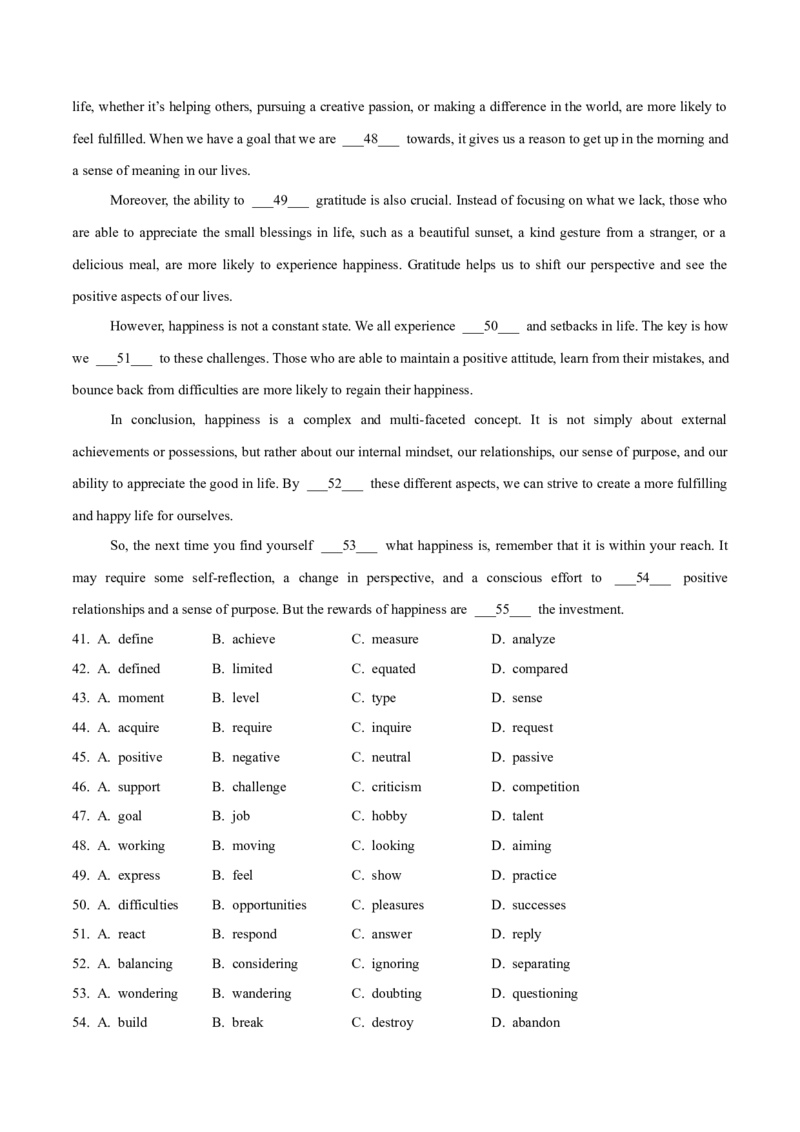
The concept of happiness is something that has intrigued philosophers, psychologists, and ordinary people
alike for centuries. What exactly is happiness, and how can we ___41___ it?
For some, happiness might be ___42___ by material possessions. They believe that having a big house, a
luxurious car, and the latest gadgets will bring them contentment. However, research has shown that while these
things can provide a ___43___ of pleasure, they do not necessarily lead to long-term happiness.
Others may think that achieving great success in their careers is the key to happiness. They work long hours,
strive for promotions, and aim to reach the top of their profession. But often, those who ___44___ high levels of
career success still feel a sense of emptiness inside.
In fact, happiness seems to be more closely related to our internal state of mind and our relationships with
others. People who have strong and ___45___ social connections, such as close friends and loving family
members, tend to report higher levels of happiness. Spending quality time with loved ones, sharing laughter and
tears, and providing ___46___ and receiving it in return can create a deep sense of well-being.
Another important factor in happiness is having a ___47___. People who have a clear sense of purpose in
life, whether it’s helping others, pursuing a creative passion, or making a difference in the world, are more likely to
feel fulfilled. When we have a goal that we are ___48___ towards, it gives us a reason to get up in the morning and
a sense of meaning in our lives.
Moreover, the ability to ___49___ gratitude is also crucial. Instead of focusing on what we lack, those who
are able to appreciate the small blessings in life, such as a beautiful sunset, a kind gesture from a stranger, or a
delicious meal, are more likely to experience happiness. Gratitude helps us to shift our perspective and see the
positive aspects of our lives.
However, happiness is not a constant state. We all experience ___50___ and setbacks in life. The key is how
we ___51___ to these challenges. Those who are able to maintain a positive attitude, learn from their mistakes, and
bounce back from difficulties are more likely to regain their happiness.
In conclusion, happiness is a complex and multi-faceted concept. It is not simply about external
achievements or possessions, but rather about our internal mindset, our relationships, our sense of purpose, and our
ability to appreciate the good in life. By ___52___ these different aspects, we can strive to create a more fulfilling
and happy life for ourselves.
So, the next time you find yourself ___53___ what happiness is, remember that it is within your reach. It
may require some self-reflection, a change in perspective, and a conscious effort to ___54___ positive
relationships and a sense of purpose. But the rewards of happiness are ___55___ the investment.
41. A. define
B. achieve
C. measure
D. analyze
42. A. defined
B. limited
C. equated
D. compared
43. A. moment
B. level
C. type
D. sense
44. A. acquire
B. require
C. inquire
D. request
45. A. positive
B. negative
C. neutral
D. passive
46. A. support
B. challenge
C. criticism
D. competition
47. A. goal
B. job
C. hobby
D. talent
48. A. working
B. moving
C. looking
D. aiming
49. A. express
B. feel
C. show
D. practice
50. A. difficulties
B. opportunities
C. pleasures
D. successes
51. A. react
B. respond
C. answer
D. reply
52. A. balancing
B. considering
C. ignoring
D. separating
53. A. wondering
B. wandering
C. doubting
D. questioning
54. A. build
B. break
C. destroy
D. abandon
55. A. worthy
B. worth
C. worthwhile
D. worthless
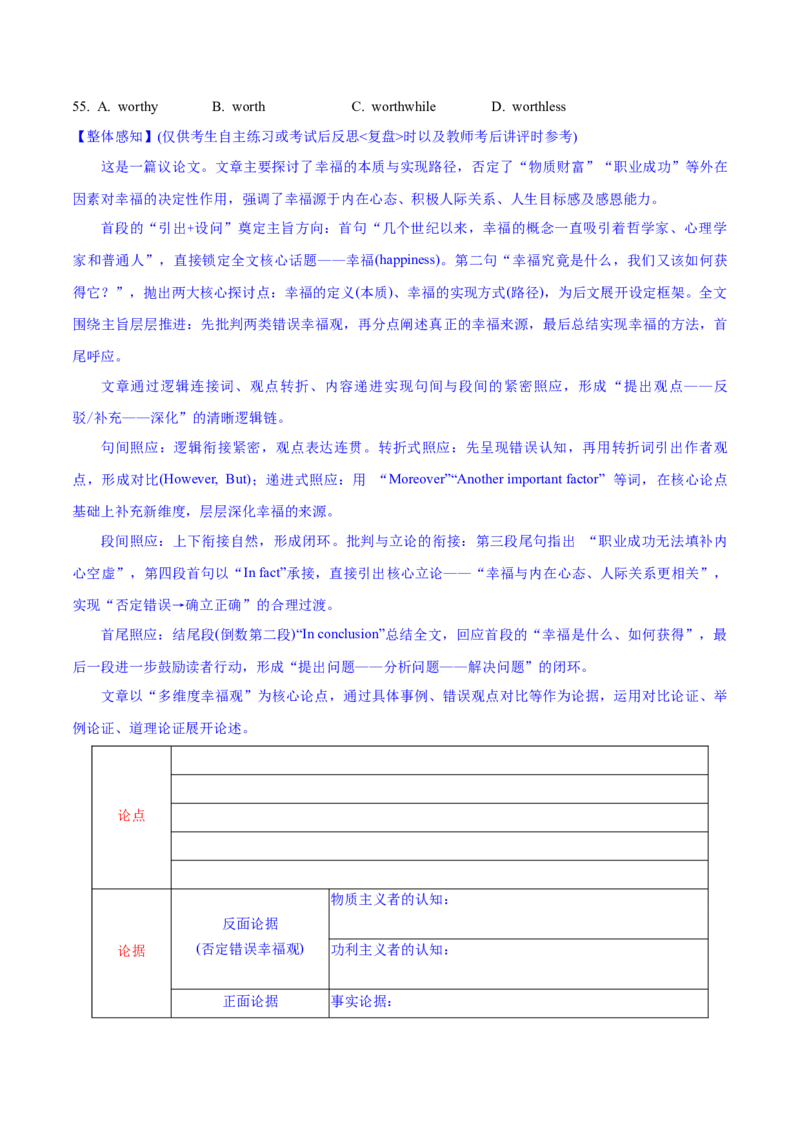
【整体感知】(仅供考生自主练习或考试后反思<复盘>时以及教师考后讲评时参考)
这是一篇议论文。文章主要探讨了幸福的本质与实现路径,否定了“物质财富”“职业成功”等外在
因素对幸福的决定性作用,强调了幸福源于内在心态、积极人际关系、人生目标感及感恩能力。
首段的“引出+设问”奠定主旨方向:首句“几个世纪以来,幸福的概念一直吸引着哲学家、心理学
家和普通人”,直接锁定全文核心话题——幸福(happiness)。第二句“幸福究竟是什么,我们又该如何获
得它?”,抛出两大核心探讨点:幸福的定义(本质)、幸福的实现方式(路径),为后文展开设定框架。全文
围绕主旨层层推进:先批判两类错误幸福观,再分点阐述真正的幸福来源,最后总结实现幸福的方法,首
尾呼应。
文章通过逻辑连接词、观点转折、内容递进实现句间与段间的紧密照应,形成“提出观点——反
驳/补充——深化”的清晰逻辑链。
句间照应:逻辑衔接紧密,观点表达连贯。转折式照应:先呈现错误认知,再用转折词引出作者观
点,形成对比(However, But);递进式照应:用 “Moreover”“Another important factor” 等词,在核心论点
基础上补充新维度,层层深化幸福的来源。
段间照应:上下衔接自然,形成闭环。批判与立论的衔接:第三段尾句指出 “职业成功无法填补内
心空虚”,第四段首句以“In fact”承接,直接引出核心立论——“幸福与内在心态、人际关系更相关”,
实现“否定错误→确立正确”的合理过渡。
首尾照应:结尾段(倒数第二段)“In conclusion”总结全文,回应首段的“幸福是什么、如何获得”,最
后一段进一步鼓励读者行动,形成“提出问题——分析问题——解决问题”的闭环。
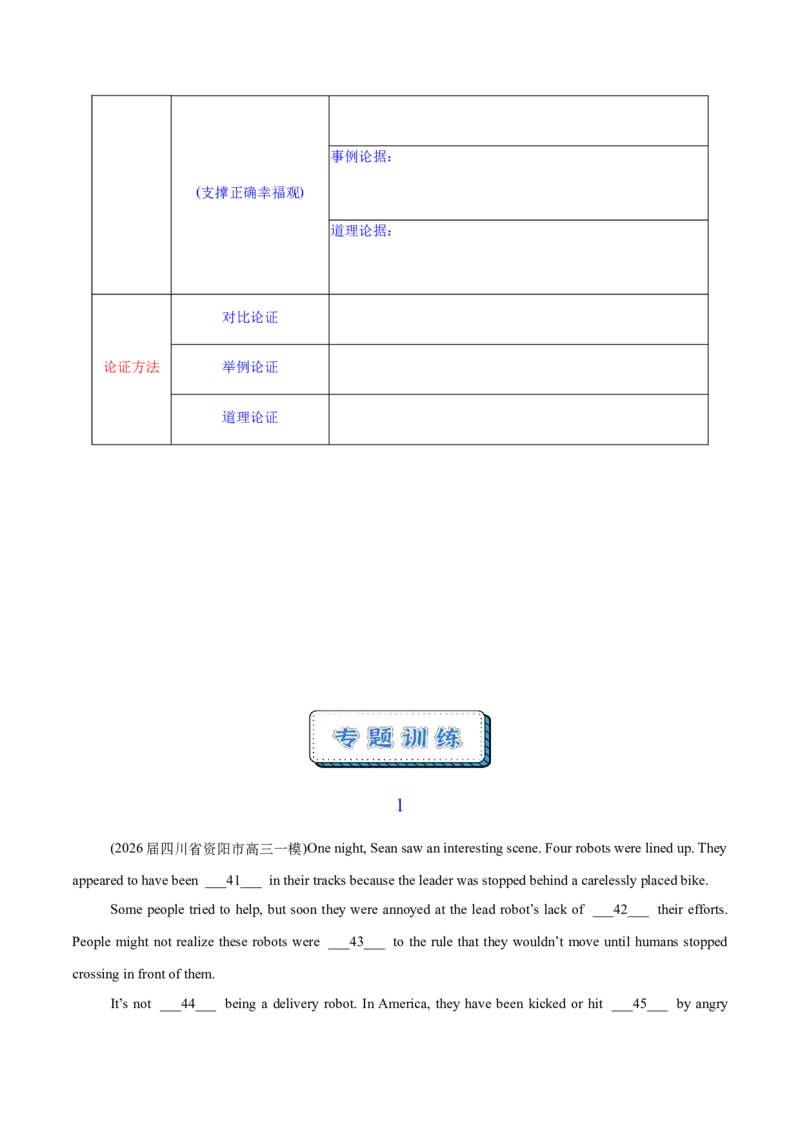
文章以“多维度幸福观”为核心论点,通过具体事例、错误观点对比等作为论据,运用对比论证、举
例论证、道理论证展开论述。
论点
论据
反面论据
(否定错误幸福观)
物质主义者的认知:
功利主义者的认知:
正面论据
事实论据:
(支撑正确幸福观)
事例论据:
道理论据:
论证方法
对比论证
举例论证
道理论证
1
(2026 届四川省资阳市高三一模)One night, Sean saw an interesting scene. Four robots were lined up. They
appeared to have been ___41___ in their tracks because the leader was stopped behind a carelessly placed bike.
Some people tried to help, but soon they were annoyed at the lead robot’s lack of ___42___ their efforts.
People might not realize these robots were ___43___ to the rule that they wouldn’t move until humans stopped
crossing in front of them.
It’s not ___44___ being a delivery robot. In America, they have been kicked or hit ___45___ by angry
people. They’ve become popular subjects of online fail videos. In these videos, they can be seen ___46___ stairs or
bumping into the furniture.
There are also some potential ___47___ to overcome before delivery robots can be widely used. Because of
___48___ concerns, many cities have banned these robots. A scientist from Michigan expressed similar ___49___.
He pointed out the danger the robots would bring to the public if they failed to work properly. ___50___, delivery
robots have a fairly low carrying capacity. That’s to say, the number and type of deliveries that they can complete is
few.
Besides, the robots need to remain within a certain range of a ___51___ station in case they run out of
power. Therefore, they are also ___52___ in their potential range. This could make their application ___53___,
especially in areas far from major city centers.
Society’s growing ___54___ for contactless delivery services has driven up demand for delivery robots.
However, these machines still have a long way to go before they have what it truly takes to face the ___55___
realities of the real world.
41. A. tested
B. targeted
C. stuck
D. harmed
42. A. response to
B. reward with
C. review of
D. blame for
43. A. important
B. loyal
C. close
D. unique
44. A. common
B. interesting
C. easy
D. fair
45. A. heavily
B. curiously
C. helplessly
D. carefully
46. A. walking up
B. sitting on
C. cleaning up
D. falling down
47. A. benefits
B. illnesses
C. challenges
D. mistakes
48. A. safety
B. health
C. environment
D. future
49. A. dreams
B. doubts
C. feelings
D. desires
50. A. Surprisingly
B. Additionally
C. Fortunately
D. Thankfully
51. A. charging
B. space
C. departing
D. comfort
52. A. lost
B. disappointed
C. limited
D. engaged
53. A. worthwhile
B. reliable
C. threatening
D. slow
54. A. control
B. preference
C. competition
D. fear
55. A. cultural
B. pleasant
C. physical
D. unpredictable
2
(贵州省贵阳市七校联考2025-2026 学年高三上学期联合考试一)On a hot summer morning in Colorado,
Derrick Hoffman was ___41___ examining a row of cherry tomato plants. He and his team were looking for the
___42___ tomatoes. The timing was important — these tomatoes had to match the school lunch schedule. Once
___43___, they would be sent to the Greeley Evans School District food services warehouse just five miles away.
Hoffman runs a 100-acre farm, where he grows a(n) ___44___ of vegetables like peppers, eggplants and
broccoli. This fall, his produce will be ___45___ in the cafeterias of local schools. He is part of the growing Farm
to School movement that is improving the ___46___ of school lunches.
When Farm to School programming works as designed, kids fill their ___47___ with fresh, nutritious food,
and local farm economies get a major ___48___, creating a more stable regional food supply chain. ___49___ call
it a “triple win” — benefiting kids, farmers, and schools.
However, it is not always easy to make this idea  ___50___ . Many schools struggle to purchase, store, and
prepare fresh, local food.  ___51___  harvest schedules with school menus, ensuring food safety, and training
cafeteria workers all  ___52___  time, money, and people working well together. Despite these challenges, the
movement is making  ___53___ . By 2019, over 60,000 schools had  ___54___  Farm to School programs.
For farmers like Hoffman, the Farm to School program is more than a business  ___55___  — it’s a way to
connect with the next generation, build healthier communities, and plant the seeds for a more sustainable future.
41. A. calmly
B. carefully
C. quickly
D. casually
42. A. softest
B. roundest
C. biggest
D. ripest
43. A. picked
B. planted
C. watered
D. stored
44. A. kind
B. amount
C. variety
D. group
45. A. served
B. displayed
C. sorted
D. packed
46. A. style
B. taste
C. quality
D. appearance
47. A. boxes
B. bags
C. hands
D. plates
48. A. label
B. boost
C. discount
D. update
49. A. Teachers
B. Opponents
C. Visitors
D. Advocates
50. A. change
B. work
C. break
D. stop
51. A. Matching
B. Following
C. Comparing
D. Choosing
52. A. increase
B. divide
C. require
D. save
53. A. sense
B. power
C. contact
D. progress
54. A. responded to
B. participated in
C. taken over
D. focused on
55. A. case
B. practice
C. solution
D. opportunity
3
(2026 届广东省中山市一中高三第二次模拟)Most of us think of electricity only when something goes
wrong. A storm ___41___ the power out, or there’s a short in the wiring, or the monthly bill is unexpectedly high.
Normally, we switch on, the juice flows, and we think nothing of it.
According to the International Energy Agency, rising overall demand for electricity is outstripping (超过) the
world’s efforts to improve efficiency and boost renewables. The fact is, economic development will inevitably
require greater ___42___ of electricity. It is increasingly clear that nuclear power plants must play an important
role in this equation (制衡关系).
Nuclear power is, in many ways, the most promising source of zero-carbon electricity. Unlike solar, wind
and water power, electricity from nuclear plants is ___43___. Generators keep running when the sun is not shining,
the wind is not blowing and water levels are low. Nevertheless, the industry has an uncertain and dangerous
___44___. Take the United States as an example. There are fewer commercial reactors (商用核反应堆) in
___45___ today in the country than there were a generation ago. This year could see three commercial reactors
___46___. There are plans to shut down about 20 more over the coming years.
The problem is a misunderstanding of ___47___. Humans are constantly exposed to radiation — from the
sun, from the universe, from the very ground we walk on. The alarming near-meltdown at Pennsylvania’s Three
Mile Island plant in 1979 ___48___ exposed neighbors to about one-sixth the radiation dose they would receive
from having a single X-ray.
Microsoft co-founder Bill Gates is one of a growing number of ___49___ who believe that cheaper, smaller
reactors must play a significant part in the post-carbon energy mix. His company Terra Power has announced plans
to build a next-generation nuclear reactor at the site of a former coal-fired power plant in Wyoming. The goal is to
prove that nuclear power can be ___50___ to the grid ( 输电网) at a competitive price and on a reasonable
timeline.
I’m an optimistic supporter of renewable energy sources. I’m also a (n) ___51___ student of the various
impediments (阻碍) to the growth of these sources. I agree with Gates that the surest path to net-zero carbon
emissions is one that ___52___ every non-carbon energy source, including nuclear power. The model to have in
mind is not the hulking plant like Chernobyl. Instead, let’s consider the small, reliable reactors that have ___53___
the United States’ submarines and aircraft carriers. In 50-plus years of cruising, they have had no ___54___.
Carbon emissions and other greenhouse gases are the environmental challenge of our age. Nuclear power is
one tool for ___55___ ourselves of them — while keeping the lights on.
41. A. breaks
B. knocks
C. moves
D. sends
42. A. costs
B. benefit
C. qualities
D. supplies
43. A. affordable
B. movable
C. predictable
D. variable
44. A. impact
B. potential
C. reputation
D. tendency
45. A. operation
B. demand
C. charge
D. preparation
46. A. rebuilt
B. refunded
C. restored
D. retired
47. A. instructions
B. policies
C. risks
D. tasks
48. A. ultimately
B. exceedingly
C. critically
D. privately
49. A. employers
B. investors
C. operators
D. researchers
50. A. added
B. compared
C. exposed
D. returned
51. A. idealistic
B. ignorant
C. primitive
D. realistic
52. A. monitors
B. fascinates
C. maximizes
D. composes
53. A. assembled
B. powered
C. developed
D. resembled
54. A. accident
B. function
C. improvement
D. performance
55. A. accusing
B. ridding
C. reminding
D. warning
4
(河北省部分省级示范性高中2025-2026 学年高三10 月阶段性测试)Imagine you are on a desert island
for the rest of your days. What one book would you most ___41___ to have with you? Much more often than not,
people ___42___ a great work of literature to keep them company for their ___43___ lives there.
Then, what is literature? The answer is found by ___44___ at literature itself. For example, consider the
very first ___45___ works we come into contact with over the ___46___ of our lives — children’s literature.
Most of us ___47___ the first steps into the world of reading in the ___48___: someone we love reads to us in
bed. So begins the lifelong journey through all ___49___ pages that lie ahead. As we grow up, the practice of
reading for pleasure — which ___50___ means reading literature — stays with us. Explaining to young children
the politics or the history would be ___51___. Literature, with its ability to communicate to all ages, can help.
___52___ we read well, we will find ourselves in a dialogue ___53___ the most creative minds of our own
time and of the past. It enriches life in ___54___ that nothing else quite can. It makes us more ___55___. The
better we learn to read literature, the better it will do that.
41. A. want
B. ask
C. allow
D. require
42. A. provide
B. choose
C. discover
D. follow
43. A. dangerous
B. happy
C. lonely
D. colourful
44. A. looking
B. working
C. arriving
D. pointing
45. A. developed
B. printed
C. designed
D. reported
46. A. pattern
B. course
C. event
D. condition
47. A. count
B. pave
C. watch
D. take
48. A. bookstore
B. classroom
C. bedroom
D. library
49. A. this
B. these
C. that
D. those
50. A. typically
B. perfectly
C. expectedly
D. similarly
51. A. convenient
B. common
C. private
D. difficult
52. A. Though
B. Since
C. If
D. Unless
53. A. for
B. beyond
C. with
D. into
54. A. cases
B. ways
C. positions
D. shapes
55. A. classical
B. standard
C. personal
D. human
5
(云南省昆明市一中等学校2025-2026 学年高三上学期第三次联考)The two famous authors, Kurt
Vonnegut and Joseph Heller, were invited to a party thrown by a billionaire (亿万富翁). As the host showed off his
___41___ house to all the guests he had invited and proudly ___42___ the rare works of art he had collected,
Vonnegut ___43___ that the host had probably earned more ___44___ in a single day than Heller had earned
from his most popular novel over its entire history. Heller ___45___ back and said, “Yes, he probably has, but I
have something he will never have — ___46___.”
Our society constantly ___47___ the idea that we never have enough. Every day, we are flooded with
___48___ urging us to spend not only what we have, but also what we don’t have, in order to acquire more and
more ___49___.
However, what we should do is to ___50___ what we already have and to open our hearts to it. When our
stomachs are satisfied with a simple ___51___, we already possess what we need. When we are clothed warmly
against the ___52___, we are sufficiently provided for. When we have a ___53___ to protect us from storms and
wind, we are ___54___ guarded. And when we are surrounded by those we love — and who love us ___55___ —
then we are truly rich beyond measure.
41. A. modest
B. tidy
C. grand
D. plain
42. A. gifted
B. arranged
C. inspected
D. displayed
43. A. confirmed
B. joked
C. insisted
D. advocated
44. A. wealth
B. respect
C. fame
D. credit
45. A. drew
B. fought
C. talked
D. smiled
46. A. talent
B. taste
C. enough
D. forever
47. A. adjusts
B. advertises
C. judges
D. abandons
48. A. messages
B. warnings
C. excuses.
D. instructions
49. A. experiences
B. memories
C. possessions
D. directions
50. A. sort
B. ignore
C. doubt
D. treasure
51. A. meal
B. service
C. order
D. break
52. A. shyness
B. coldness
C. weakness
D. darkness
53. A. shelter
B. blanket
C. destination
D. community
54. A. narrowly
B. secretly
C. regularly
D. properly
55. A. in vain
B. by chance
C. in return
D. by turns