文档文本内容
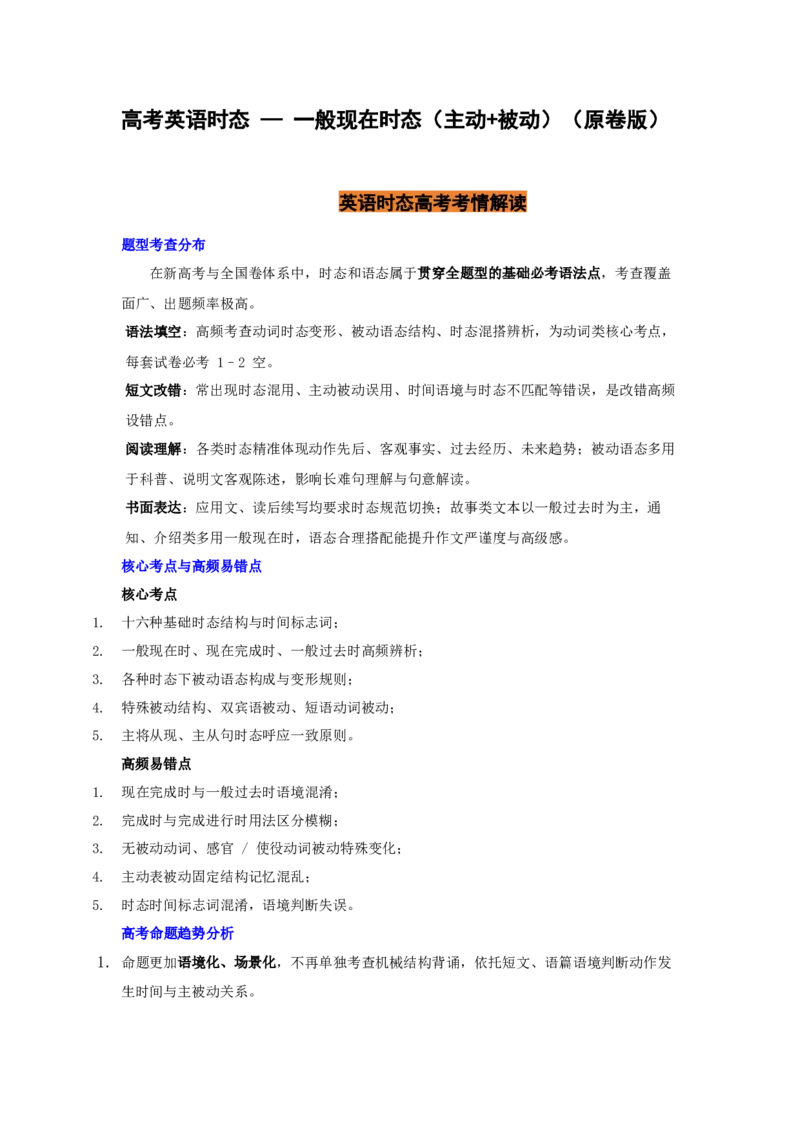
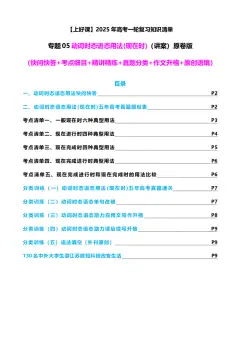
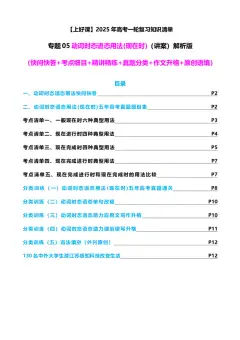
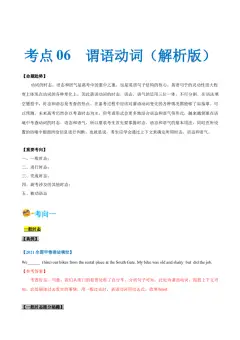
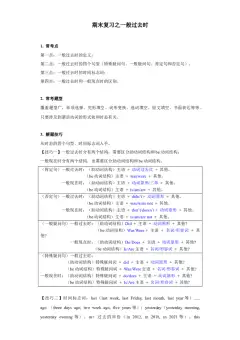
高考英语时态 — 一般现在时态(主动+被动)(原卷版)
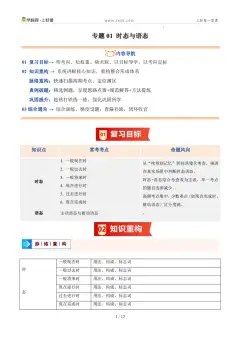
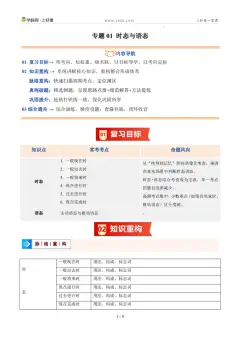
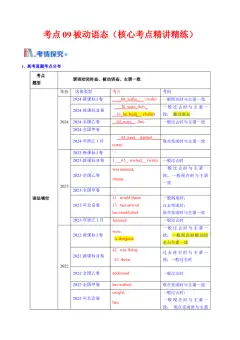
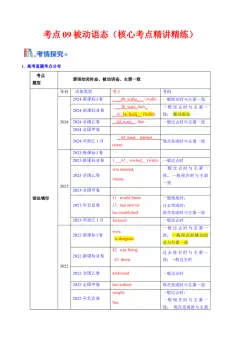
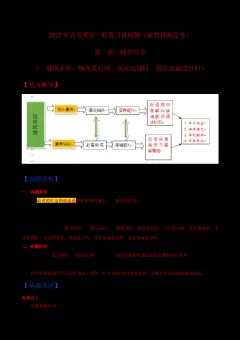
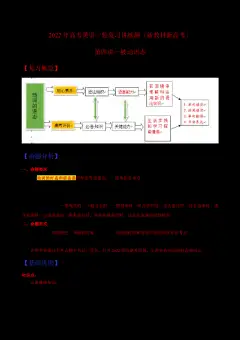
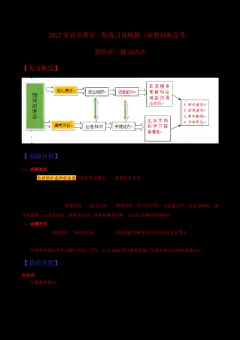
英语时态高考考情解读
题型考查分布
在新高考与全国卷体系中,时态和语态属于贯穿全题型的基础必考语法点,考查覆盖
面广、出题频率极高。
语法填空:高频考查动词时态变形、被动语态结构、时态混搭辨析,为动词类核心考点,
每套试卷必考 1–2 空。
短文改错:常出现时态混用、主动被动误用、时间语境与时态不匹配等错误,是改错高频
设错点。
阅读理解:各类时态精准体现动作先后、客观事实、过去经历、未来趋势;被动语态多用
于科普、说明文客观陈述,影响长难句理解与句意解读。
书面表达:应用文、读后续写均要求时态规范切换;故事类文本以一般过去时为主,通
知、介绍类多用一般现在时,语态合理搭配能提升作文严谨度与高级感。
核心考点与高频易错点
核心考点
1.
十六种基础时态结构与时间标志词;
2.
一般现在时、现在完成时、一般过去时高频辨析;
3.
各种时态下被动语态构成与变形规则;
4.
特殊被动结构、双宾语被动、短语动词被动;
5.
主将从现、主从句时态呼应一致原则。
高频易错点
1.
现在完成时与一般过去时语境混淆;
2.
完成时与完成进行时用法区分模糊;
3.
无被动动词、感官 / 使役动词被动特殊变化;
4.
主动表被动固定结构记忆混乱;
5.
时态时间标志词混淆,语境判断失误。
高考命题趋势分析
1. 命题更加语境化、场景化,不再单独考查机械结构背诵,依托短文、语篇语境判断动作发
生时间与主被动关系。
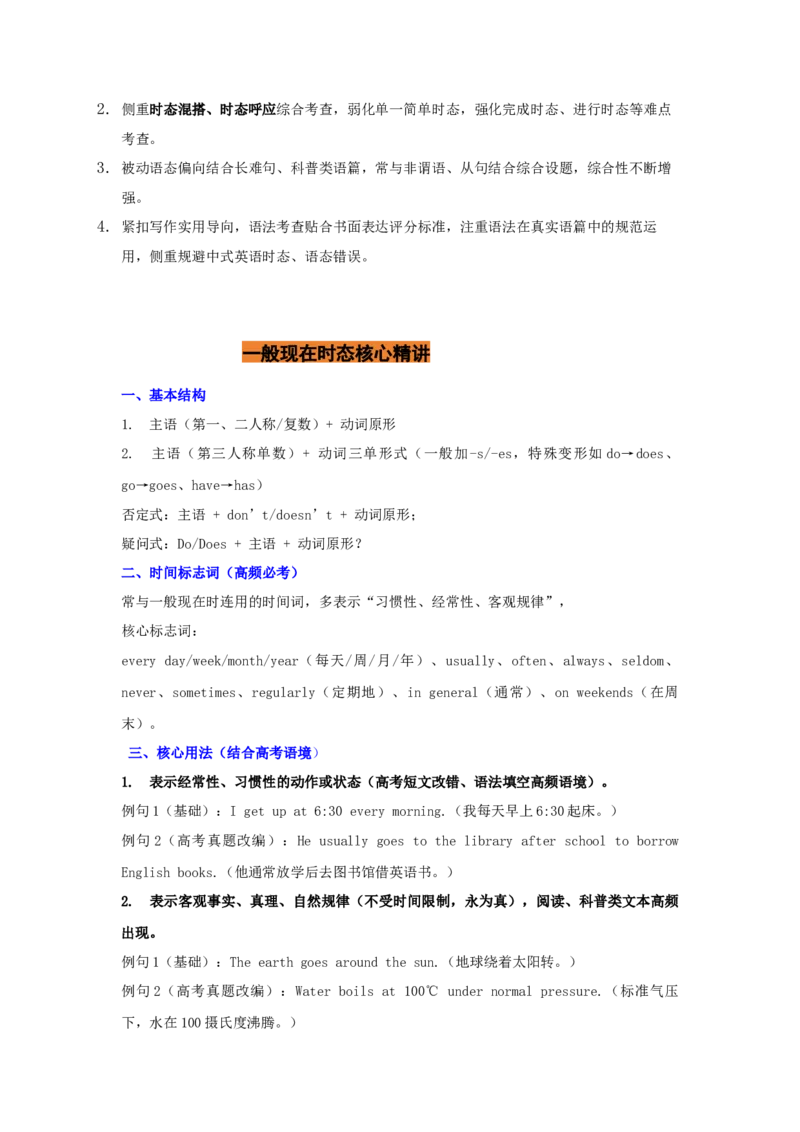
2. 侧重时态混搭、时态呼应综合考查,弱化单一简单时态,强化完成时态、进行时态等难点
考查。
3. 被动语态偏向结合长难句、科普类语篇,常与非谓语、从句结合综合设题,综合性不断增
强。
4. 紧扣写作实用导向,语法考查贴合书面表达评分标准,注重语法在真实语篇中的规范运
用,侧重规避中式英语时态、语态错误。
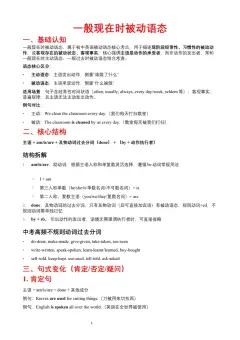
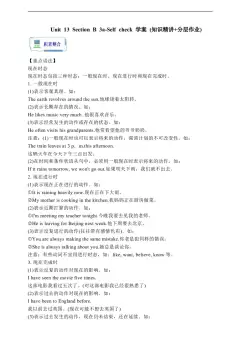
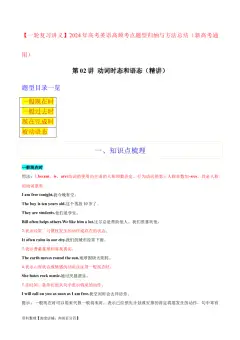
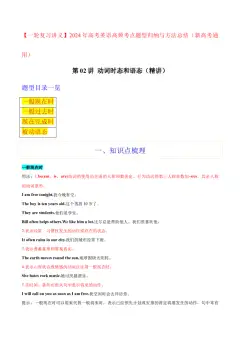
一般现在时态核心精讲
一、基本结构
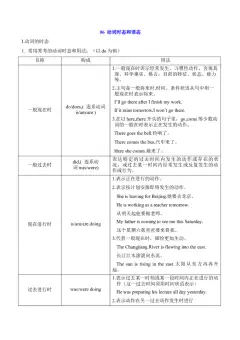
1.  主语(第一、二人称/复数)+ 动词原形
2.  主语(第三人称单数)+ 动词三单形式(一般加-s/-es,特殊变形如do→does、
go→goes、have→has)
否定式:主语 + don’t/doesn’t + 动词原形;
疑问式:Do/Does + 主语 + 动词原形?
二、时间标志词(高频必考)
常与一般现在时连用的时间词,多表示“习惯性、经常性、客观规律”,
核心标志词:
every day/week/month/year(每天/周/月/年)、usually、often、always、seldom、
never、sometimes、regularly(定期地)、in general(通常)、on weekends(在周
末)。
 三、核心用法(结合高考语境)
1.  表示经常性、习惯性的动作或状态(高考短文改错、语法填空高频语境)。
例句1(基础):I get up at 6:30 every morning.(我每天早上6:30 起床。)
例句2(高考真题改编):He usually goes to the library after school to borrow
English books.(他通常放学后去图书馆借英语书。)
2.  表示客观事实、真理、自然规律(不受时间限制,永为真),阅读、科普类文本高频
出现。
例句1(基础):The earth goes around the sun.(地球绕着太阳转。)
例句2(高考真题改编):Water boils at 100℃ under normal pressure.(标准气压
下,水在100 摄氏度沸腾。)
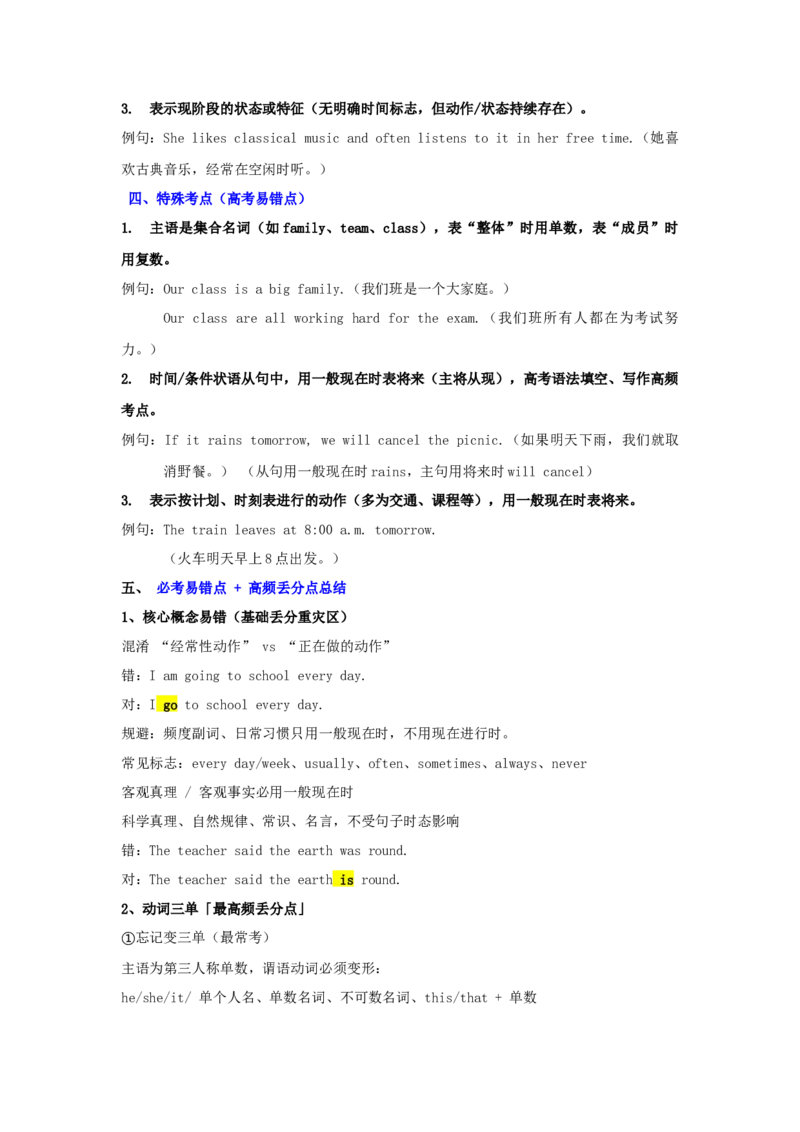
3.  表示现阶段的状态或特征(无明确时间标志,但动作/状态持续存在)。
例句:She likes classical music and often listens to it in her free time.(她喜
欢古典音乐,经常在空闲时听。)
 四、特殊考点(高考易错点)
1.  主语是集合名词(如family、team、class),表“整体”时用单数,表“成员”时
用复数。
例句:Our class is a big family.(我们班是一个大家庭。)
Our class are all working hard for the exam.(我们班所有人都在为考试努
力。)
2.  时间/条件状语从句中,用一般现在时表将来(主将从现),高考语法填空、写作高频
考点。
例句:If it rains tomorrow, we will cancel the picnic.(如果明天下雨,我们就取
消野餐。) (从句用一般现在时rains,主句用将来时will cancel)
3.  表示按计划、时刻表进行的动作(多为交通、课程等),用一般现在时表将来。
例句:The train leaves at 8:00 a.m. tomorrow.
(火车明天早上8 点出发。)
五、 必考易错点 + 高频丢分点总结
1、核心概念易错(基础丢分重灾区)
混淆 “经常性动作” vs “正在做的动作”
错:I am going to school every day.
对:I go to school every day.
规避:频度副词、日常习惯只用一般现在时,不用现在进行时。
常见标志:every day/week、usually、often、sometimes、always、never
客观真理 / 客观事实必用一般现在时
科学真理、自然规律、常识、名言,不受句子时态影响
错:The teacher said the earth was round.
对:The teacher said the earth is round.
2、动词三单「最高频丢分点」
①忘记变三单(最常考)
主语为第三人称单数,谓语动词必须变形:
he/she/it/ 单个人名、单数名词、不可数名词、this/that + 单数
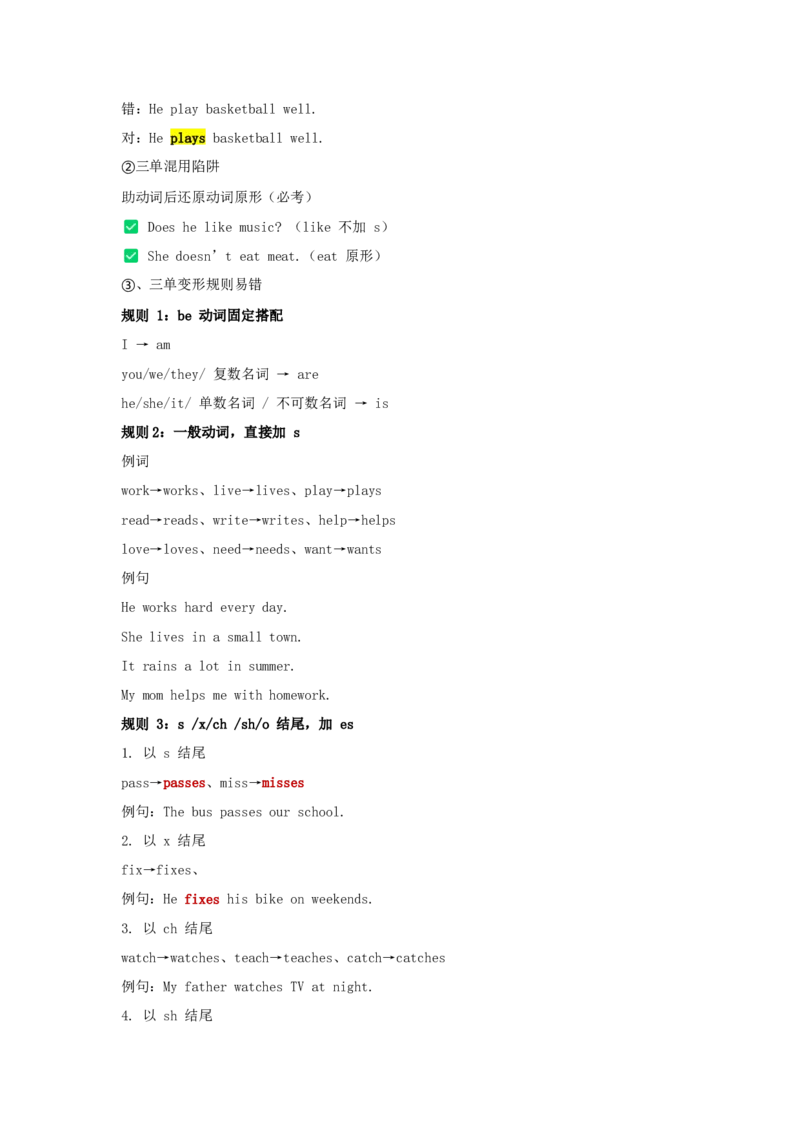
错:He play basketball well.
对:He plays basketball well.
②三单混用陷阱
助动词后还原动词原形(必考)

✅Does he like music? (like 不加 s)

✅She doesn’t eat meat.(eat 原形)
③、三单变形规则易错
规则 1:be 动词固定搭配
I → am
you/we/they/ 复数名词 → are
he/she/it/ 单数名词 / 不可数名词 → is
规则2:一般动词,直接加 s
例词
work→works、live→lives、play→plays
read→reads、write→writes、help→helps
love→loves、need→needs、want→wants
例句
He works hard every day.
She lives in a small town.
It rains a lot in summer.
My mom helps me with homework.
规则 3:s /x/ch /sh/o 结尾,加 es
1. 以 s 结尾
pass→passes、miss→misses
例句:The bus passes our school.
2. 以 x 结尾
fix→fixes、
例句:He fixes his bike on weekends.
3. 以 ch 结尾
watch→watches、teach→teaches、catch→catches
例句:My father watches TV at night.
4. 以 sh 结尾
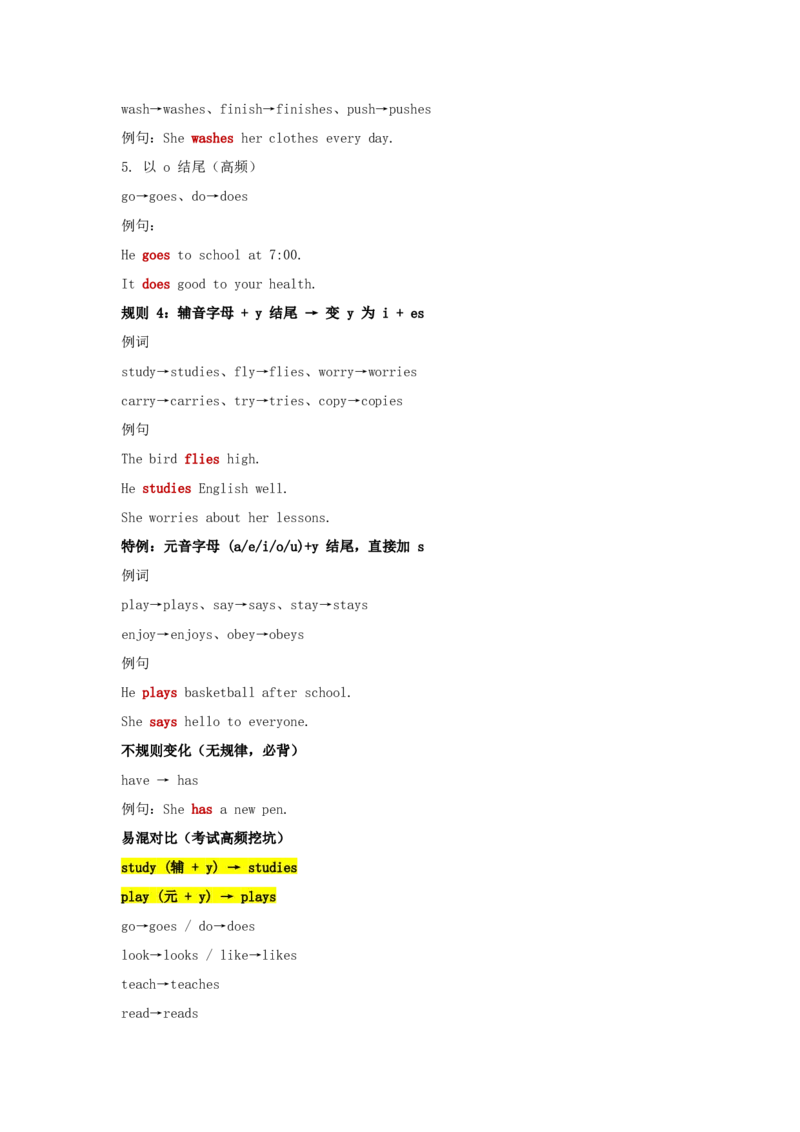
wash→washes、finish→finishes、push→pushes
例句:She washes her clothes every day.
5. 以 o 结尾(高频)
go→goes、do→does
例句:
He goes to school at 7:00.
It does good to your health.
规则 4:辅音字母 + y 结尾 → 变 y 为 i + es
例词
study→studies、fly→flies、worry→worries
carry→carries、try→tries、copy→copies
例句
The bird flies high.
He studies English well.
She worries about her lessons.
特例:元音字母 (a/e/i/o/u)+y 结尾,直接加 s
例词
play→plays、say→says、stay→stays
enjoy→enjoys、obey→obeys
例句
He plays basketball after school.
She says hello to everyone.
不规则变化(无规律,必背)
have → has
例句:She has a new pen.
易混对比(考试高频挖坑)
study (辅 + y) → studies
play (元 + y) → plays
go→goes / do→does
look→looks / like→likes
teach→teaches
read→reads
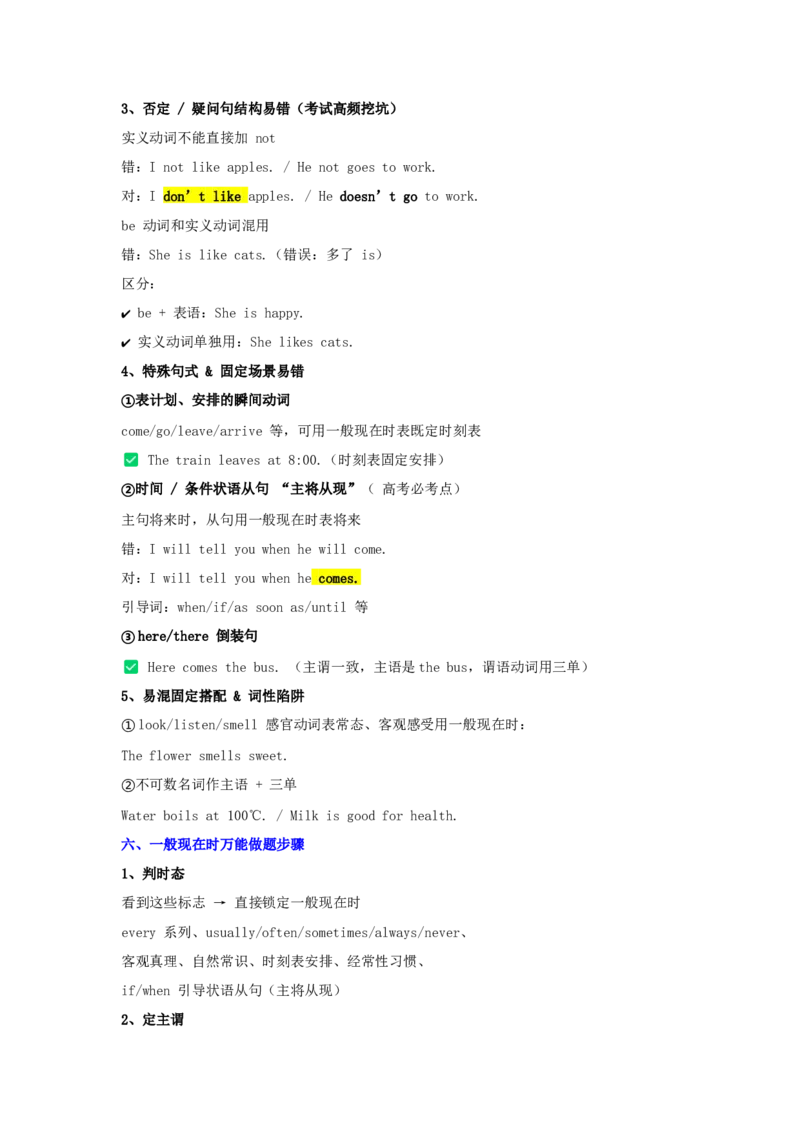
3、否定 / 疑问句结构易错(考试高频挖坑)
实义动词不能直接加 not
错:I not like apples. / He not goes to work.
对:I don’t like apples. / He doesn’t go to work.
be 动词和实义动词混用
错:She is like cats.(错误:多了 is)
区分:

✔be + 表语:She is happy.
 实义动词单独用:
✔
She likes cats.
4、特殊句式 & 固定场景易错
①表计划、安排的瞬间动词
come/go/leave/arrive 等,可用一般现在时表既定时刻表

✅The train leaves at 8:00.(时刻表固定安排)
②时间 / 条件状语从句 “主将从现”( 高考必考点)
主句将来时,从句用一般现在时表将来
错:I will tell you when he will come.
对:I will tell you when he comes.
引导词:when/if/as soon as/until 等
③here/there 倒装句

✅Here comes the bus. (主谓一致,主语是the bus,谓语动词用三单)
5、易混固定搭配 & 词性陷阱
①look/listen/smell 感官动词表常态、客观感受用一般现在时:
The flower smells sweet.
②不可数名词作主语 + 三单
Water boils at 100℃. / Milk is good for health.
六、一般现在时万能做题步骤
1、判时态
看到这些标志 → 直接锁定一般现在时
every 系列、usually/often/sometimes/always/never、
客观真理、自然常识、时刻表安排、经常性习惯、
if/when 引导状语从句(主将从现)
2、定主谓
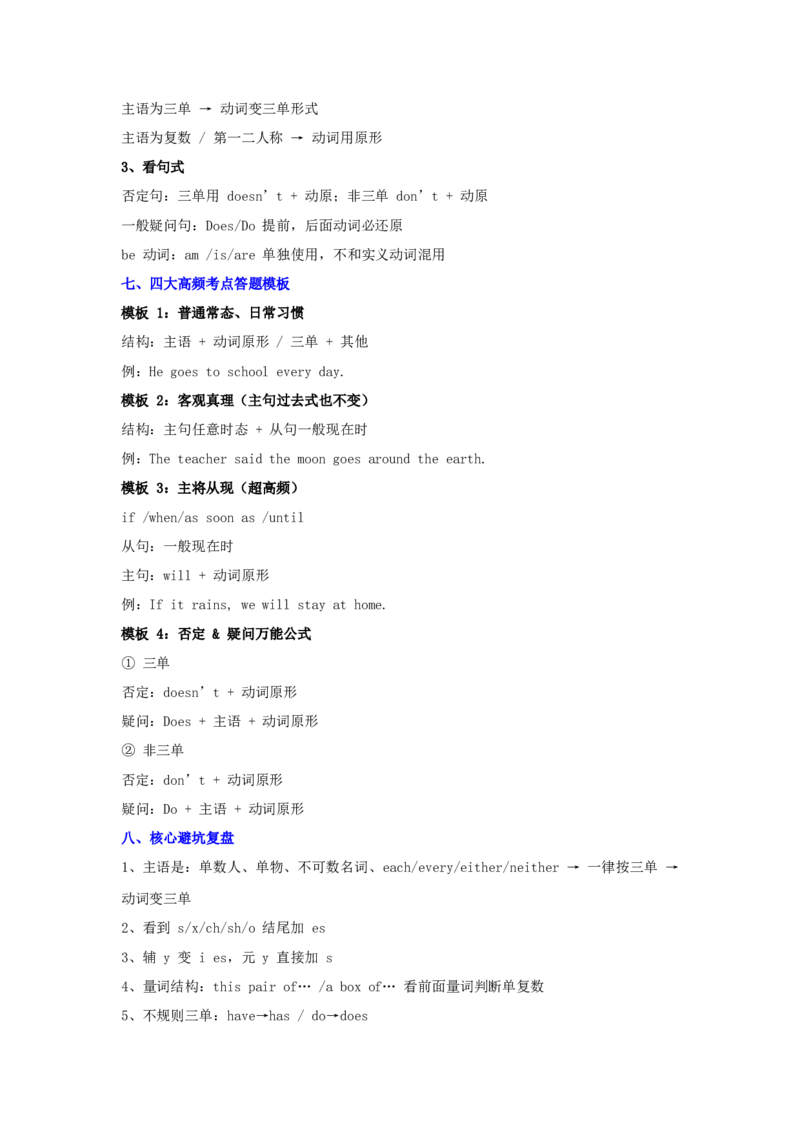
主语为三单 → 动词变三单形式
主语为复数 / 第一二人称 → 动词用原形
3、看句式
否定句:三单用 doesn’t + 动原;非三单 don’t + 动原
一般疑问句:Does/Do 提前,后面动词必还原
be 动词:am /is/are 单独使用,不和实义动词混用
七、四大高频考点答题模板
模板 1:普通常态、日常习惯
结构:主语 + 动词原形 / 三单 + 其他
例:He goes to school every day.
模板 2:客观真理(主句过去式也不变)
结构:主句任意时态 + 从句一般现在时
例:The teacher said the moon goes around the earth.
模板 3:主将从现(超高频)
if /when/as soon as /until
从句:一般现在时
主句:will + 动词原形
例:If it rains, we will stay at home.
模板 4:否定 & 疑问万能公式
① 三单
否定:doesn’t + 动词原形
疑问:Does + 主语 + 动词原形
② 非三单
否定:don’t + 动词原形
疑问:Do + 主语 + 动词原形
八、核心避坑复盘
1、主语是:单数人、单物、不可数名词、each/every/either/neither → 一律按三单 →
动词变三单
2、看到 s/x/ch/sh/o 结尾加 es
3、辅 y 变 i es,元 y 直接加 s
4、量词结构:this pair of… /a box of… 看前面量词判断单复数
5、不规则三单:have→has / do→does
6、助动词铁律:do/does/don’t/doesn’t 后,动词必用原形
7、主将从现:if/when/as soon as 引导状语从句,表将来用一般现在时
8、客观真理永久现:科学常识、自然规律,无视主句时态
9.感官动词 smell/look/taste/sound 表常态,用一般现在时
10.时刻表、固定行程:用一般现在时表将来(leave/start/begin)
11.情态动词(can/may/must/should 等)无三单变化,后接动词原形
12.集体名词表示整体作主语,动词用三单.
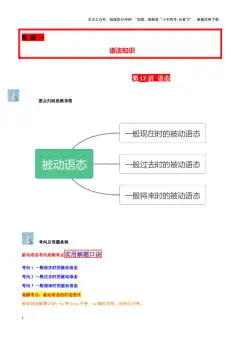
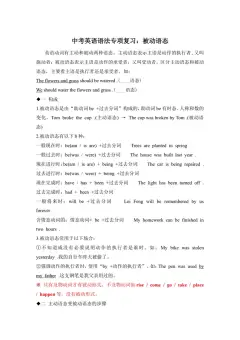
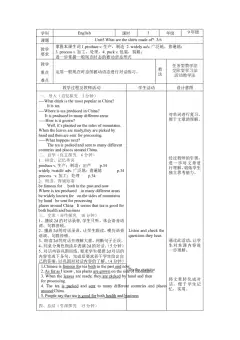
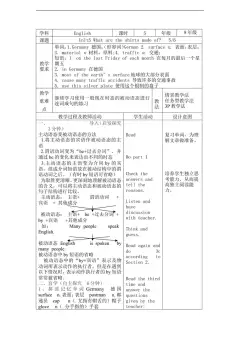
九、一般现在时态的被动语态
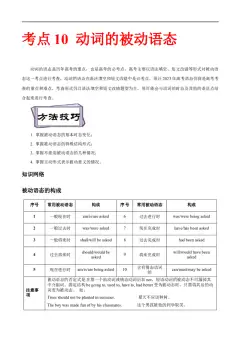
1、核心构成
结构:am /is/are + 过去分词(done)
人称搭配
I → am + done
He / She / It / 单数名词 / 不可数名词 → is + done
We / You / They / 复数名词 → are + done
2、基本句式
1. 肯定句
主语 + am/is/are + 过去分词例:Rice is grown in the south.水稻种植在南方。
2. 否定句
主语 + am/is/are + not + 过去分词例:Rules are not broken by students.学生不违
反规则。
3. 一般疑问句
Am/Is/Are + 主语 + 过去分词?回答:Yes, 主语 + am/is/are./ No, 主语 + am/is/are
not.例:Is English spoken here?— Yes, it is.
4. 特殊疑问句
特殊疑问词 + am/is/are + 主语 + 过去分词?例:When are flowers watered?花什么时
候被浇水?
3、核心用法
经常性、习惯性的被动动作常配标志词:always, usually, often, sometimes, every
day, on weekdays 等例:Homework is finished every evening.
客观事实、真理、常识例:The sun is covered by clouds sometimes.Metal is used
widely.
强调动作承受者当不知道动作执行者、无需说出执行者,或重点在承受对象时用被动。
例:This book is loved by kids.
4、主动变被动 转换规则
主动宾语 → 被动主语
主动谓语 → am/is/are + 过去分词
主动主语 → 置于 by 后(可省略)
时态保持不变(本题限定:一般现在时)主动:People make paper.被动:Paper is made
by people.
5、重点补充
1、by 短语用来引出动作执行者,日常表达中常省略。例:Cars are made (by workers)
in this factory.
2、感官 / 使役动词主动变被动make/let/have、see/hear/watch 等,主动省 to,被动
必须加 to。主动:He makes me laugh.被动:I am made to laugh by him.
3、高频易错
单复数一定要匹配:单数用 is,复数用 are
动词必须用过去分词,勿与过去式混淆
6、 单句语法填空
1.
Many trees ________ (plant) in our city every spring.
2.
English ________ (use) widely all over the world now.
3.
These windows ________ (not, clean) every day.
4.
How often ________ the sports meeting ________ (hold) in your school?
5.
A lot of useful things ________ (make) by workers every day.
6.
This kind of flower ________ (water) twice a day.
7.
Rules ________ (require) to follow by all students.
7、不用变被动 / 形式不变 特殊情况
1、本身表被动,无被动语态,不用变
感官系动词 + 形容词look /sound/smell /taste/feel 主动形式表被动含义,不加
be+done 例:The flower smells sweet. ( 不用 is smelt)
The cloth feels soft.
畅销、好写、好洗… 物性动词sell /wash/write /read/lock /wear 等主语是物,表事
物本身属性,主动表被动。
例:This book sells well. 畅销( 不用 is sold)
The pen writes smoothly.
The clothes wash easily.
2、固定短语 / 动词,永远无被动
不及物动词(无宾语,不能变被动)happen /take place /break out /appear/last
/rise 例:An accident happened yesterday.(无被动)
固定不及物词组come out(出版 / 开花)、come about、belong to、take place
例:This magazine comes out every month. (不用 is come out)
belong to / consist of / add up to 等无被动、无进行时
This bag belongs to me.
3、主动结构 = 被动含义,句式不改动
need / want / require + doing 主动 doing 表被动,不用 to be done= need to be
done 例:The room needs cleaning.= The room needs to be cleaned.
be worth doing 固定用主动表被动例:The book is worth reading.(
✗being read)
4、被动形式不变的固定特例(结构特殊)
get + 过去分词(另类被动)一般现在时:get/gets + done 表状态、偶然动作,也算被
动但结构不一样例:He gets hurt easily.
使役动词被动必还原 to(易混 “变化规则”)主动:make/see/hear sb do (省 to)被
动:be made/seen/heard to do(必须加 to,属于唯一变形特例)
8、单句语法填空
1.
This kind of apple ________ (taste) sweet and ________ (sell) well.
2.
Great changes ________ (take) place in our school every year.
3.
The bag ________ (belong) to me. Don’t touch it.
4.
The old room needs ________ (clean) every week.
5.
The novel is worth ________ (read).
6.
A traffic accident often ________ (happen) on this street.
7.
This pen ________ (write) very well.
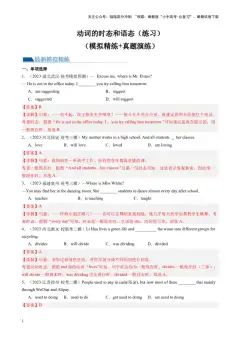
一般现在时态核心精练
基础版
用所给动词的正确形式填空,直击:三单、原形、否定、主将从现、客观真理、主谓
一致高频考点。
1.
The sun ______ (rise) in the east every day.
2.
My sister ______ (not like) fast food at all.
3.
Usually his father ______ (drive) to work.
4.
Light ______ (travel) much faster than sound.
5.
If it ______ (snow), we ______ (not go) out.
6.
The train ______ (leave) at 7 o’clock every morning.
7.
Look! Here ______ (come) our head teacher.
8.
She often ______ (study) English after dinner.
9.
Animals ______ (need) clean water to live.
10. Does your friend ______ (play) the piano well?
进阶版
一、单句语法填空
1. The moon ______ (go) around the earth.
2. My grandpa ______ (take) a walk every evening.
3. If you ______ (work) hard, you ______ (make) progress.
4. The little girl ______ (not watch) videos on school days.
5. Every student ______ (have) to finish homework on time.
6. When winter ______ (come), the weather ______ (get) cold.
7. Does your brother ______ (swim) in the river in summer?
8. This pair of shoes ______ (fit) me very well.
9. Most birds ______ (fly) south in winter.
10. Time ______ (wait) for no man.
二、语法填空
阅读短文,用括号内动词的适当形式填空
Life in my school 1________ (be) simple and meaningful. Our school
_2_______ (start) at 8:00 a.m. Every morning, all students 3________ (arrive)
early. My best friend Lily __4______ (like) reading and she _5_______ (read)
books during break time.
Our teacher always 6________ (say) that good habits 7________ (make) a
good student. If we _8_______ (follow) the rules, our school life _9_______
(become) better.
Nature also _10_______ (teach) us many lessons. For example, plants
_11_______ (grow) fast in warm weather.
一般现在时态过关达标练习
一、 单句语法填空  用所给动词的适当形式填空。
1.
He ______ (work) in a big hospital.
2.
My mother ______ (wash) clothes every evening.
3.
The bird ______ (fly) in the sky every morning.
4.
She ______ (go) to the library on weekends.
5.Tea ________ (grow) in many southern areas of China.
6.Students ________ (ask) not to run in the hallways.
7.The old books ________ (send) to poor schools every year.
8.The flowers ________ (look) beautiful in spring.
9.This magazine ________ (come) out every month.
10.Workers ________ (make) ________ (work) long hours by the boss every day.
二、语法填空
阅读短文,用所给动词的适当形式填空。
Every day, our school 1 ________(run) in good order. Many strict rules 2
________(set) for all students.Teachers 3________ (treat) us patiently every
day.
Homework 4_______ (finish) on time by most students.This kind of notebook
5__________ (sell) well, so many students buy it.Clean classrooms 6
__________(need) for our study. Our classroom 7_________ (clean) by us every
morning.Everyone 8 ________(know) the importance of manners.
Luckily, bad things 9________ (not, happen) often here.And no rubbish 10
_______(throw) everywhere in our school.
你都答对了吗?恭喜你成功晋级!下一关,解
锁一般过去时态吧。