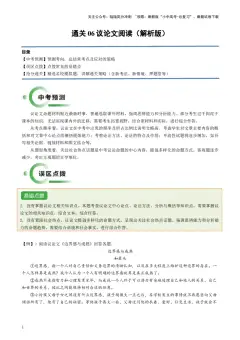
2026 年高考英语三轮押题03:完形填空之说明文、议论文
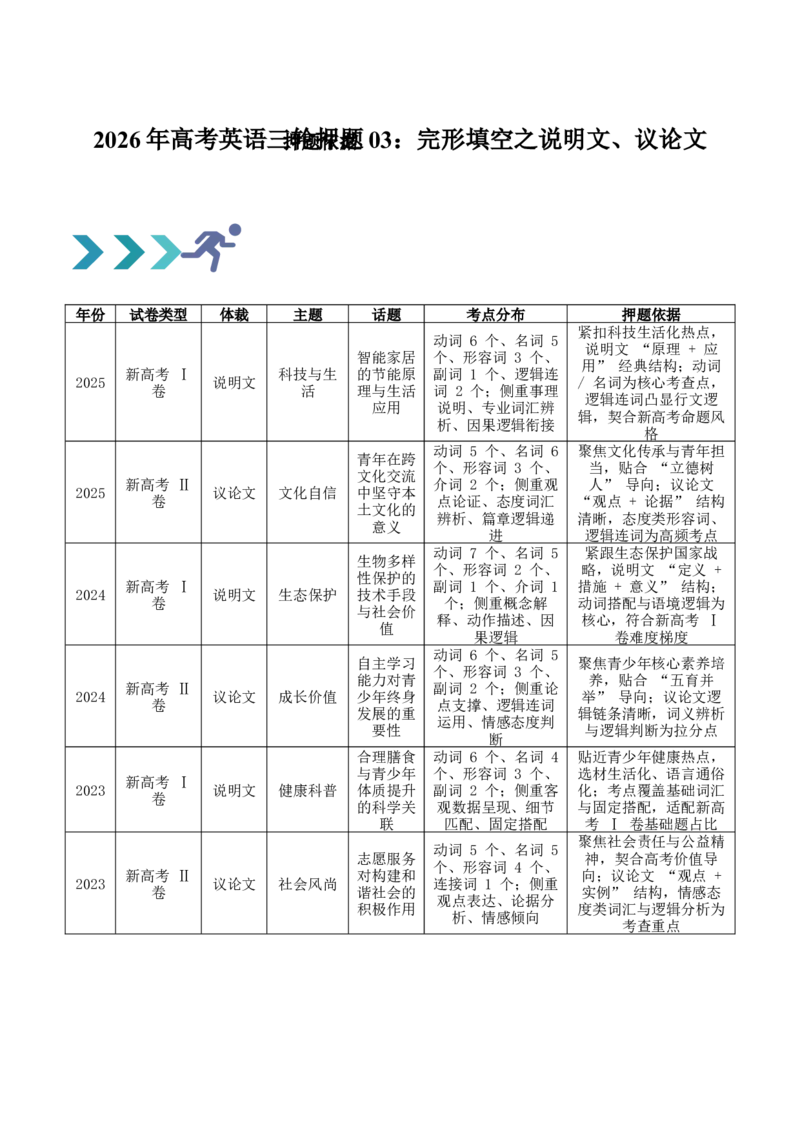
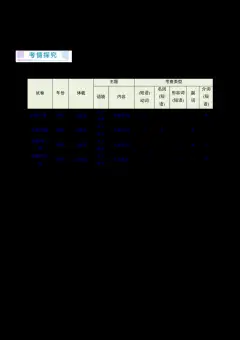
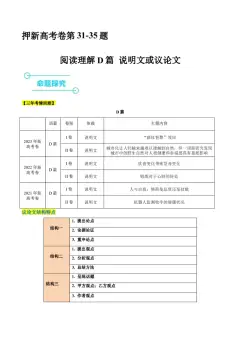
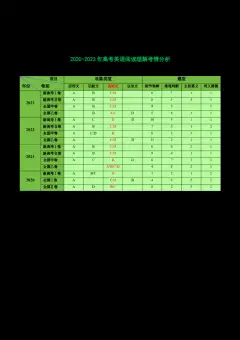
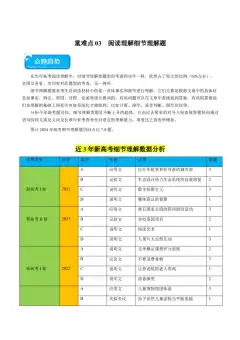
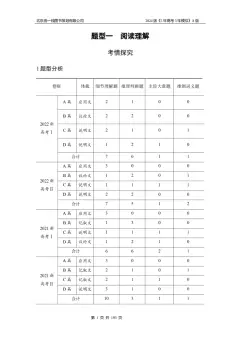
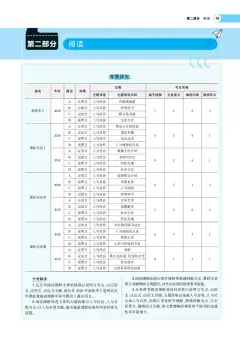
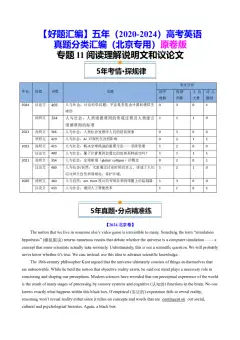
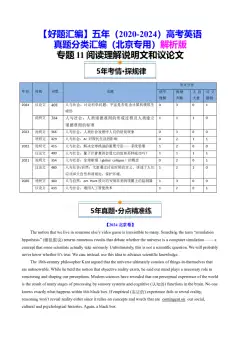
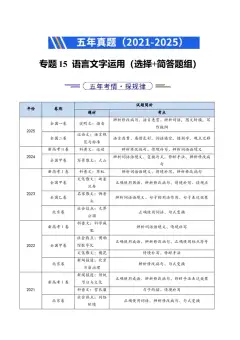
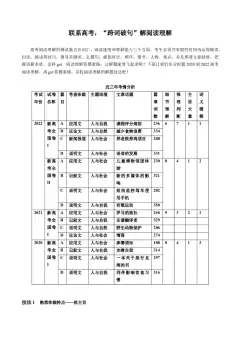
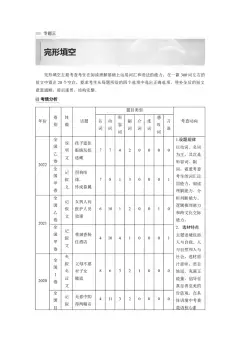
年份
试卷类型
体裁
主题
话题
考点分布
押题依据
2025
新高考 Ⅰ
卷
说明文
科技与生
活
智能家居
的节能原
理与生活
应用
动词 6 个、名词 5
个、形容词 3 个、
副词 1 个、逻辑连
词 2 个;侧重事理
说明、专业词汇辨
析、因果逻辑衔接
紧扣科技生活化热点,
说明文 “原理 + 应
用” 经典结构;动词
/ 名词为核心考查点,
逻辑连词凸显行文逻
辑,契合新高考命题风
格
2025
新高考 Ⅱ
卷
议论文
文化自信
青年在跨
文化交流
中坚守本
土文化的
意义
动词 5 个、名词 6
个、形容词 3 个、
介词 2 个;侧重观
点论证、态度词汇
辨析、篇章逻辑递
进
聚焦文化传承与青年担
当,贴合 “立德树
人” 导向;议论文
“观点 + 论据” 结构
清晰,态度类形容词、
逻辑连词为高频考点
2024
新高考 Ⅰ
卷
说明文
生态保护
生物多样
性保护的
技术手段
与社会价
值
动词 7 个、名词 5
个、形容词 2 个、
副词 1 个、介词 1
个;侧重概念解
释、动作描述、因
果逻辑
紧跟生态保护国家战
略,说明文 “定义 +
措施 + 意义” 结构;
动词搭配与语境逻辑为
核心,符合新高考 Ⅰ
卷难度梯度
2024
新高考 Ⅱ
卷
议论文
成长价值
自主学习
能力对青
少年终身
发展的重
要性
动词 6 个、名词 5
个、形容词 3 个、
副词 2 个;侧重论
点支撑、逻辑连词
运用、情感态度判
断
聚焦青少年核心素养培
养,贴合 “五育并
举” 导向;议论文逻
辑链条清晰,词义辨析
与逻辑判断为拉分点
2023
新高考 Ⅰ
卷
说明文
健康科普
合理膳食
与青少年
体质提升
的科学关
联
动词 6 个、名词 4
个、形容词 3 个、
副词 2 个;侧重客
观数据呈现、细节
匹配、固定搭配
贴近青少年健康热点,
选材生活化、语言通俗
化;考点覆盖基础词汇
与固定搭配,适配新高
考 Ⅰ 卷基础题占比
2023
新高考 Ⅱ
卷
议论文
社会风尚
志愿服务
对构建和
谐社会的
积极作用
动词 5 个、名词 5
个、形容词 4 个、
连接词 1 个;侧重
观点表达、论据分
析、情感倾向
聚焦社会责任与公益精
神,契合高考价值导
向;议论文 “观点 +
实例” 结构,情感态
度类词汇与逻辑分析为
考查重点
押题依据
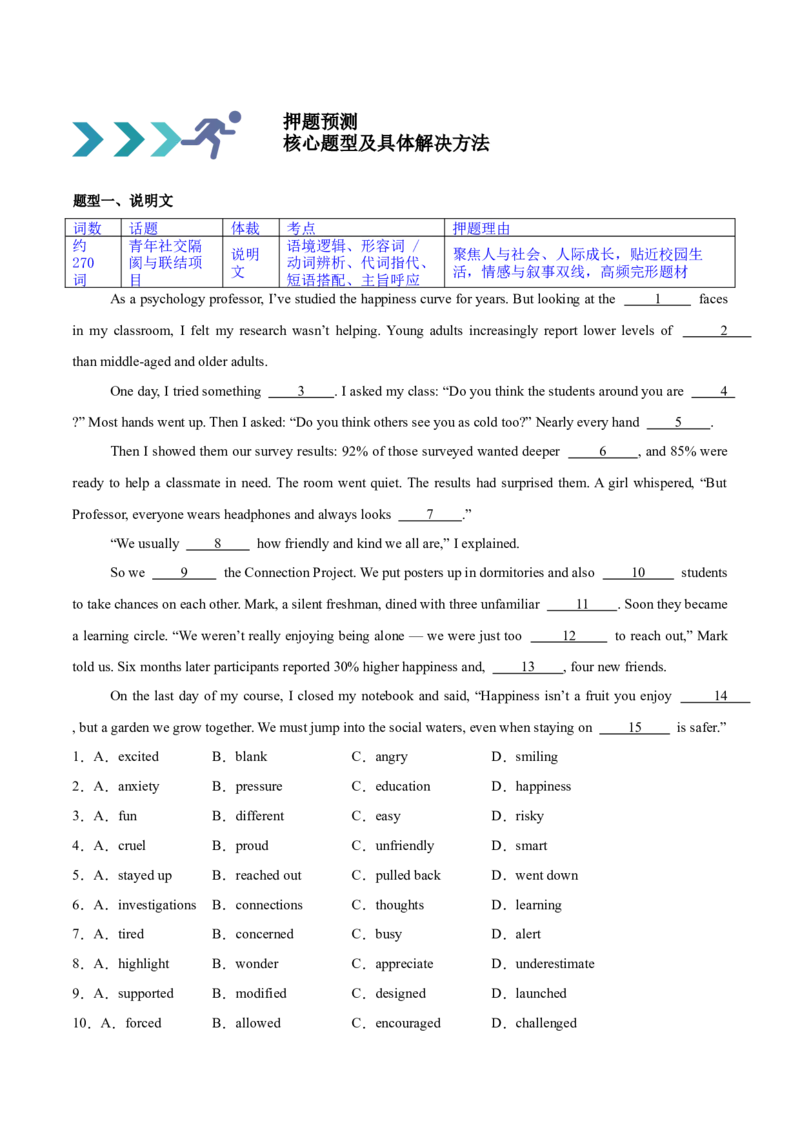
题型一、说明文
词数
话题
体裁
考点
押题理由
约
270
词
青年社交隔
阂与联结项
目
说明
文
语境逻辑、形容词 /
动词辨析、代词指代、
短语搭配、主旨呼应
聚焦人与社会、人际成长,贴近校园生
活,情感与叙事双线,高频完形题材
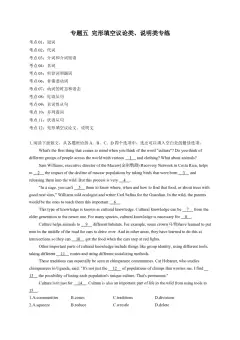
As a psychology professor, I’ve studied the happiness curve for years. But looking at the     1     faces
in my classroom, I felt my research wasn’t helping. Young adults increasingly report lower levels of     2

than middle-aged and older adults.
One day, I tried something     3    . I asked my class: “Do you think the students around you are     4
?” Most hands went up. Then I asked: “Do you think others see you as cold too?” Nearly every hand     5    .
Then I showed them our survey results: 92% of those surveyed wanted deeper     6    , and 85% were
ready to help a classmate in need. The room went quiet. The results had surprised them. A girl whispered, “But
Professor, everyone wears headphones and always looks     7    .”
“We usually     8     how friendly and kind we all are,” I explained.
So we     9     the Connection Project. We put posters up in dormitories and also     10     students
to take chances on each other. Mark, a silent freshman, dined with three unfamiliar     11    . Soon they became
a learning circle. “We weren’t really enjoying being alone — we were just too     12     to reach out,” Mark
told us. Six months later participants reported 30% higher happiness and,     13    , four new friends.
On the last day of my course, I closed my notebook and said, “Happiness isn’t a fruit you enjoy     14

, but a garden we grow together. We must jump into the social waters, even when staying on     15     is safer.”
1.A.excited
B.blank
C.angry
D.smiling
2.A.anxiety
B.pressure
C.education
D.happiness
3.A.fun
B.different
C.easy
D.risky
4.A.cruel
B.proud
C.unfriendly
D.smart
5.A.stayed up
B.reached out
C.pulled back
D.went down
6.A.investigations
B.connections
C.thoughts
D.learning
7.A.tired
B.concerned
C.busy
D.alert
8.A.highlight
B.wonder
C.appreciate
D.underestimate
9.A.supported
B.modified
C.designed
D.launched
10.A.forced
B.allowed
C.encouraged
D.challenged
押题预测
核心题型及具体解决方法
11.A.volunteers
B.professors
C.classmates
D.relatives
12.A.shy
B.lazy
C.modest
D.polite
13.A.for instance
B.in total
C.as usual
D.on average
14.A.alone
B.most
C.secretly
D.freely
15.A.stage
B.shore
C.site
D.campus
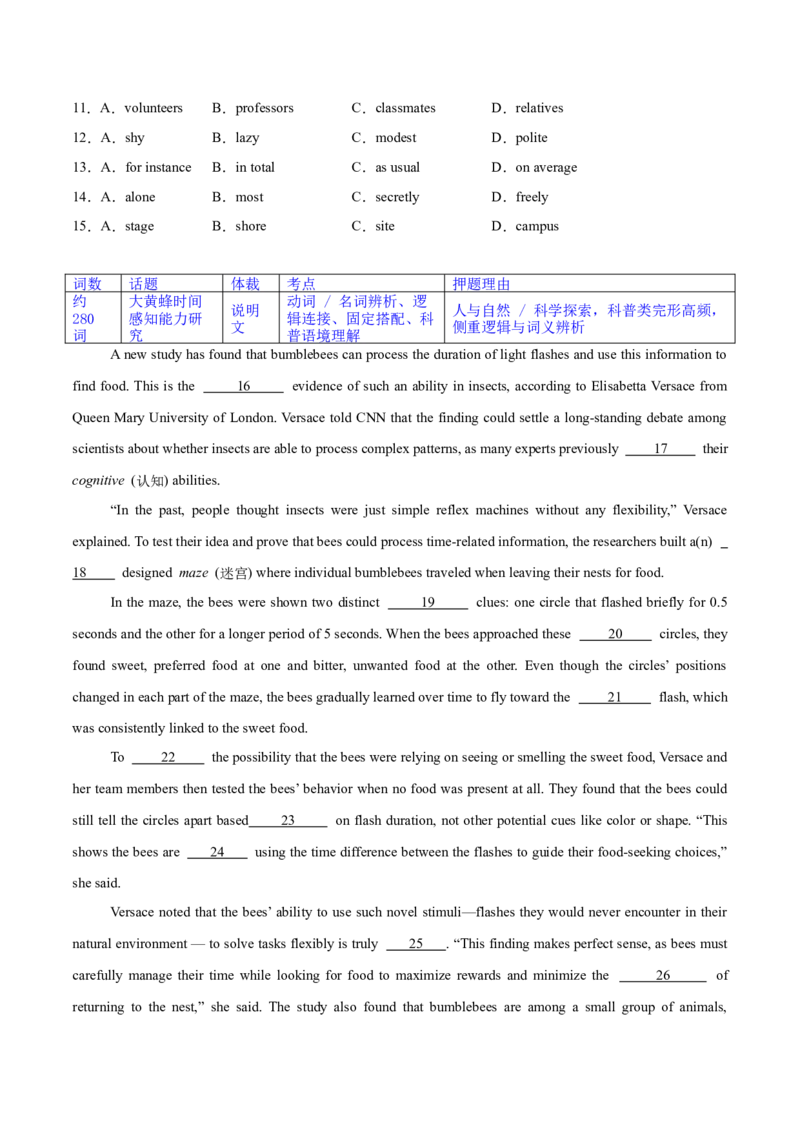
词数
话题
体裁
考点
押题理由
约
280
词
大黄蜂时间
感知能力研
究
说明
文
动词 / 名词辨析、逻
辑连接、固定搭配、科
普语境理解
人与自然 / 科学探索,科普类完形高频,
侧重逻辑与词义辨析
A new study has found that bumblebees can process the duration of light flashes and use this information to
find food. This is the     16     evidence of such an ability in insects, according to Elisabetta Versace from
Queen Mary University of London. Versace told CNN that the finding could settle a long-standing debate among
scientists about whether insects are able to process complex patterns, as many experts previously     17     their
cognitive (认知) abilities.
“In the past, people thought insects were just simple reflex machines without any flexibility,” Versace
explained. To test their idea and prove that bees could process time-related information, the researchers built a(n)
18     designed maze (迷宫) where individual bumblebees traveled when leaving their nests for food.
In the maze, the bees were shown two distinct     19     clues: one circle that flashed briefly for 0.5
seconds and the other for a longer period of 5 seconds. When the bees approached these     20     circles, they
found sweet, preferred food at one and bitter, unwanted food at the other. Even though the circles’ positions
changed in each part of the maze, the bees gradually learned over time to fly toward the     21     flash, which
was consistently linked to the sweet food.
To     22     the possibility that the bees were relying on seeing or smelling the sweet food, Versace and
her team members then tested the bees’ behavior when no food was present at all. They found that the bees could
still tell the circles apart based    23     on flash duration, not other potential cues like color or shape. “This
shows the bees are    24    using the time difference between the flashes to guide their food-seeking choices,”
she said.
Versace noted that the bees’ ability to use such novel stimuli—flashes they would never encounter in their
natural environment — to solve tasks flexibly is truly    25   . “This finding makes perfect sense, as bees must
carefully manage their time while looking for food to maximize rewards and minimize the     26     of
returning to the nest,” she said. The study also found that bumblebees are among a small group of animals,
including humans and pigeons, that can     27     between short and long flashes, a skill humans use to
understand Morse code, where short and long signals represent different letters.
While the neural mechanisms (神经机制) behind bees’     28     ability remain unclear, the team plans
to investigate them further in future research. They also aim to study bees living freely in colonies rather than
individually, and explore why some bees learn to     29     time duration faster than others. The findings    30
the long-held idea that bees are just instinct-driven machines. Besides, they highlight bees’ complex cognition and
offer new insights into how animals perceive time.
16.A.direct
B.first
C.concrete
D.physical
17.A.developed
B.possessed
C.demonstrated
D.underestimated
18.A.abstractly
B.carefully
C.complexly
D.conventionally
19.A.visual
B.verbal
C.potential
D.important
20.A.dark
B.wide
C.complete
D.respective
21.A.short
B.bright
C.sudden
D.complete
22.A.allow for
B.look into
C.rule out
D.open up
23.A.typically
B.simply
C.specially
D.purposefully
24.A.actually
B.accidentally
C.maximumly
D.casually
25.A.unique
B.doubtful
C.remarkable
D.measurable
26.A.fees
B.rates
C.costs
D.losses
27.A.shift
B.range
C.alternate
D.distinguish
28.A.food-seeking
B.time-setting
C.time-judging
D.food-processing
29.A.assess
B.reduce
C.invest
D.combine
30.A.convey
B.develop
C.explore
D.challenge
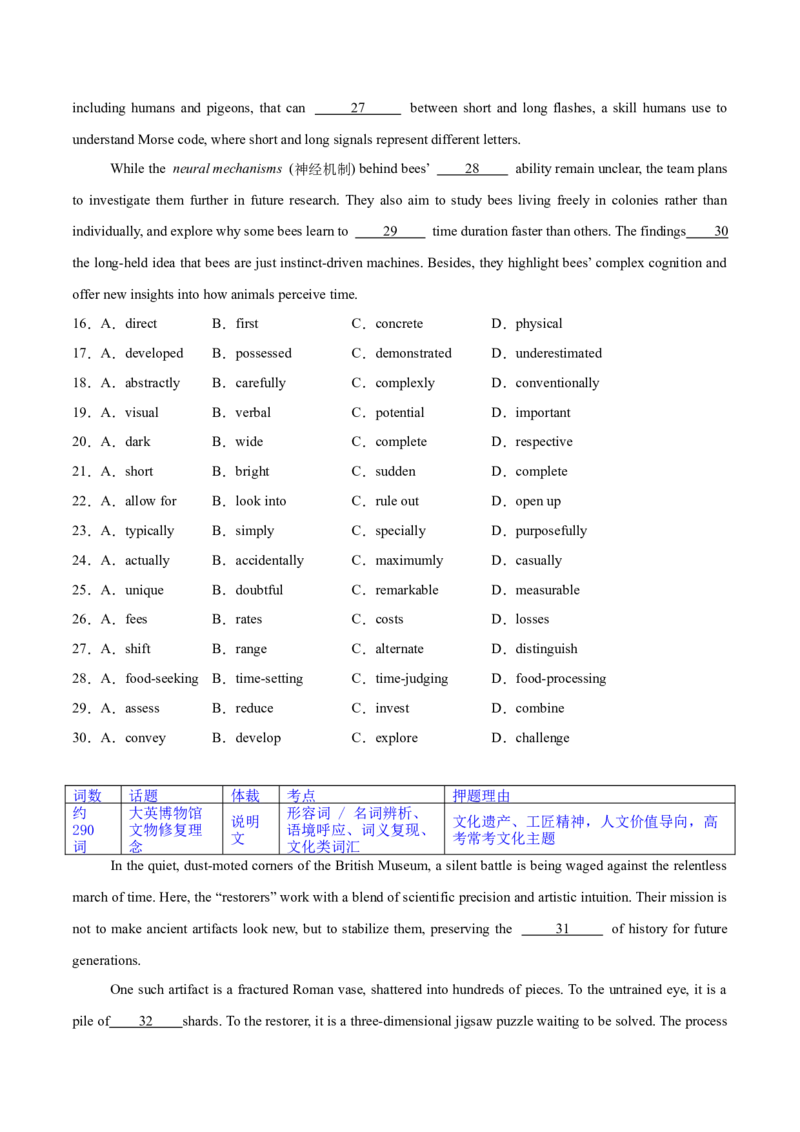
词数
话题
体裁
考点
押题理由
约
290
词
大英博物馆
文物修复理
念
说明
文
形容词 / 名词辨析、
语境呼应、词义复现、
文化类词汇
文化遗产、工匠精神,人文价值导向,高
考常考文化主题
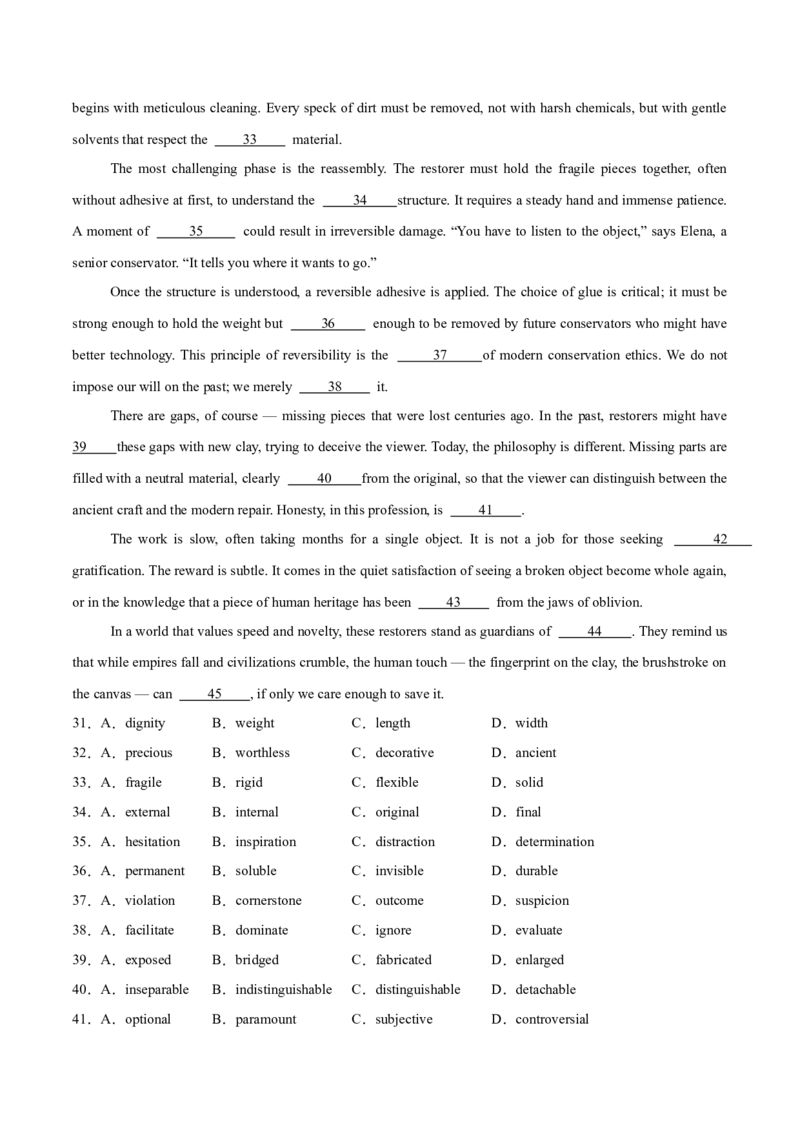
In the quiet, dust-moted corners of the British Museum, a silent battle is being waged against the relentless
march of time. Here, the “restorers” work with a blend of scientific precision and artistic intuition. Their mission is
not to make ancient artifacts look new, but to stabilize them, preserving the     31     of history for future
generations.
One such artifact is a fractured Roman vase, shattered into hundreds of pieces. To the untrained eye, it is a
pile of    32    shards. To the restorer, it is a three-dimensional jigsaw puzzle waiting to be solved. The process
begins with meticulous cleaning. Every speck of dirt must be removed, not with harsh chemicals, but with gentle
solvents that respect the     33     material.
The most challenging phase is the reassembly. The restorer must hold the fragile pieces together, often
without adhesive at first, to understand the     34    structure. It requires a steady hand and immense patience.
A moment of     35     could result in irreversible damage. “You have to listen to the object,” says Elena, a
senior conservator. “It tells you where it wants to go.”
Once the structure is understood, a reversible adhesive is applied. The choice of glue is critical; it must be
strong enough to hold the weight but     36     enough to be removed by future conservators who might have
better technology. This principle of reversibility is the     37    of modern conservation ethics. We do not
impose our will on the past; we merely     38     it.
There are gaps, of course — missing pieces that were lost centuries ago. In the past, restorers might have
39    these gaps with new clay, trying to deceive the viewer. Today, the philosophy is different. Missing parts are
filled with a neutral material, clearly     40    from the original, so that the viewer can distinguish between the
ancient craft and the modern repair. Honesty, in this profession, is     41    .
The work is slow, often taking months for a single object. It is not a job for those seeking     42

gratification. The reward is subtle. It comes in the quiet satisfaction of seeing a broken object become whole again,
or in the knowledge that a piece of human heritage has been     43     from the jaws of oblivion.
In a world that values speed and novelty, these restorers stand as guardians of     44    . They remind us
that while empires fall and civilizations crumble, the human touch — the fingerprint on the clay, the brushstroke on
the canvas — can     45    , if only we care enough to save it.
31.A.dignity
B.weight
C.length
D.width
32.A.precious
B.worthless
C.decorative
D.ancient
33.A.fragile
B.rigid
C.flexible
D.solid
34.A.external
B.internal
C.original
D.final
35.A.hesitation
B.inspiration
C.distraction
D.determination
36.A.permanent
B.soluble
C.invisible
D.durable
37.A.violation
B.cornerstone
C.outcome
D.suspicion
38.A.facilitate
B.dominate
C.ignore
D.evaluate
39.A.exposed
B.bridged
C.fabricated
D.enlarged
40.A.inseparable
B.indistinguishable
C.distinguishable
D.detachable
41.A.optional
B.paramount
C.subjective
D.controversial
42.A.delayed
B.spiritual
C.immediate
D.emotional
43.A.rescued
B.isolated
C.excluded
D.erased
44.A.innovation
B.efficiency
C.profit
D.permanence
45.A.fade
B.endure
C.vanish
D.collapse
词数
话题
体裁
考点
押题理由
约
265
词
野生熊救援
与垃圾警示
说明
文
动词 / 名词辨析、语
境逻辑、短语搭配、环
保主题词汇
人与自然、野生动物保护,正能量叙事,
细节题为主
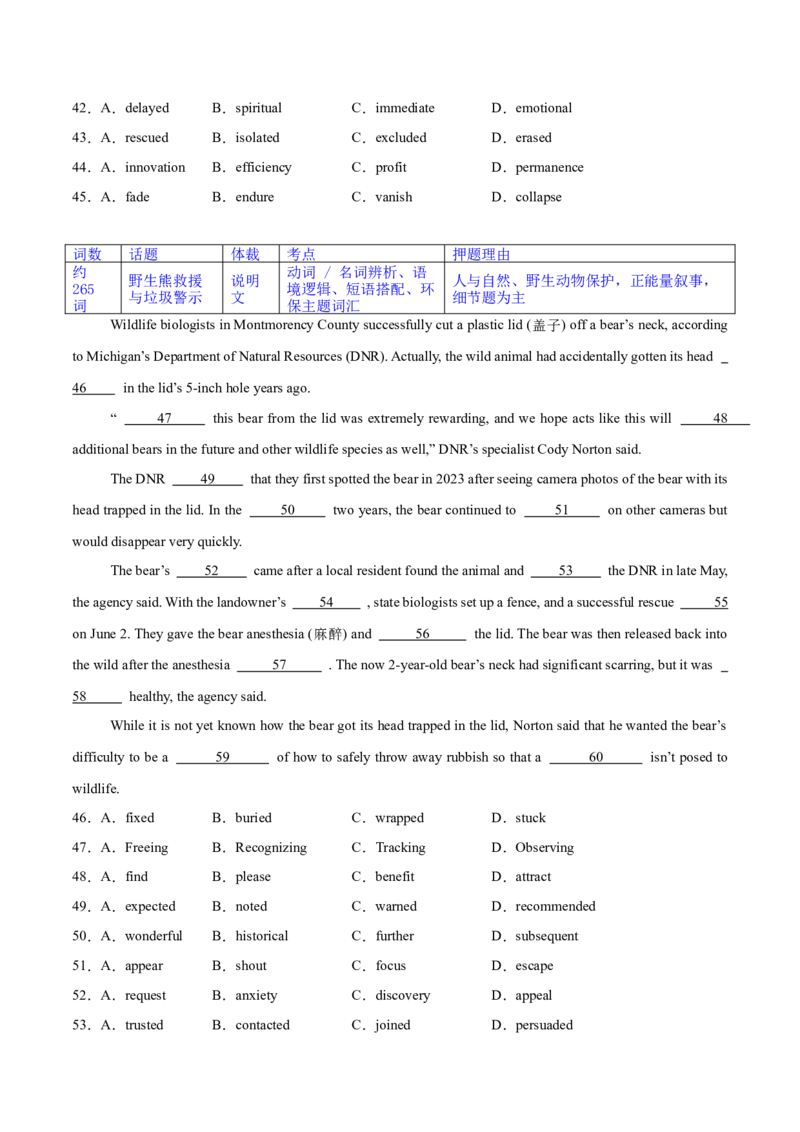
Wildlife biologists in Montmorency County successfully cut a plastic lid (盖子) off a bear’s neck, according
to Michigan’s Department of Natural Resources (DNR). Actually, the wild animal had accidentally gotten its head
46      in the lid’s 5-inch hole years ago.
“     47     this bear from the lid was extremely rewarding, and we hope acts like this will      48

additional bears in the future and other wildlife species as well,” DNR’s specialist Cody Norton said.
The DNR     49     that they first spotted the bear in 2023 after seeing camera photos of the bear with its
head trapped in the lid. In the     50     two years, the bear continued to     51     on other cameras but
would disappear very quickly.
The bear’s     52     came after a local resident found the animal and     53     the DNR in late May,
the agency said. With the landowner’s     54     , state biologists set up a fence, and a successful rescue      55
on June 2. They gave the bear anesthesia (麻醉) and      56      the lid. The bear was then released back into
the wild after the anesthesia      57      . The now 2-year-old bear’s neck had significant scarring, but it was
58      healthy, the agency said.
While it is not yet known how the bear got its head trapped in the lid, Norton said that he wanted the bear’s
difficulty to be a      59      of how to safely throw away rubbish so that a      60      isn’t posed to
wildlife.
46.A.fixed
B.buried
C.wrapped
D.stuck
47.A.Freeing
B.Recognizing
C.Tracking
D.Observing
48.A.find
B.please
C.benefit
D.attract
49.A.expected
B.noted
C.warned
D.recommended
50.A.wonderful
B.historical
C.further
D.subsequent
51.A.appear
B.shout
C.focus
D.escape
52.A.request
B.anxiety
C.discovery
D.appeal
53.A.trusted
B.contacted
C.joined
D.persuaded
54.A.invitation
B.permission
C.demand
D.assignment
55.A.continued
B.changed
C.extended
D.occurred
56.A.removed
B.collected
C.opened
D.returned
57.A.showed up
B.broke down
C.wore off
D.stood out
58.A.otherwise
B.therefore
C.instead
D.ever
59.A.theme
B.pattern
C.reminder
D.strategy
60.A.surprise
B.danger
C.camera
D.pressure
词数
话题
体裁
考点
押题理由
约
280
词
夏威夷火山
模拟火星实
验
说明
文
形容词 / 动词辨析、
因果逻辑、科研语境、
固定搭配
科技探索、航天主题,贴近前沿热点,逻
辑完形高频
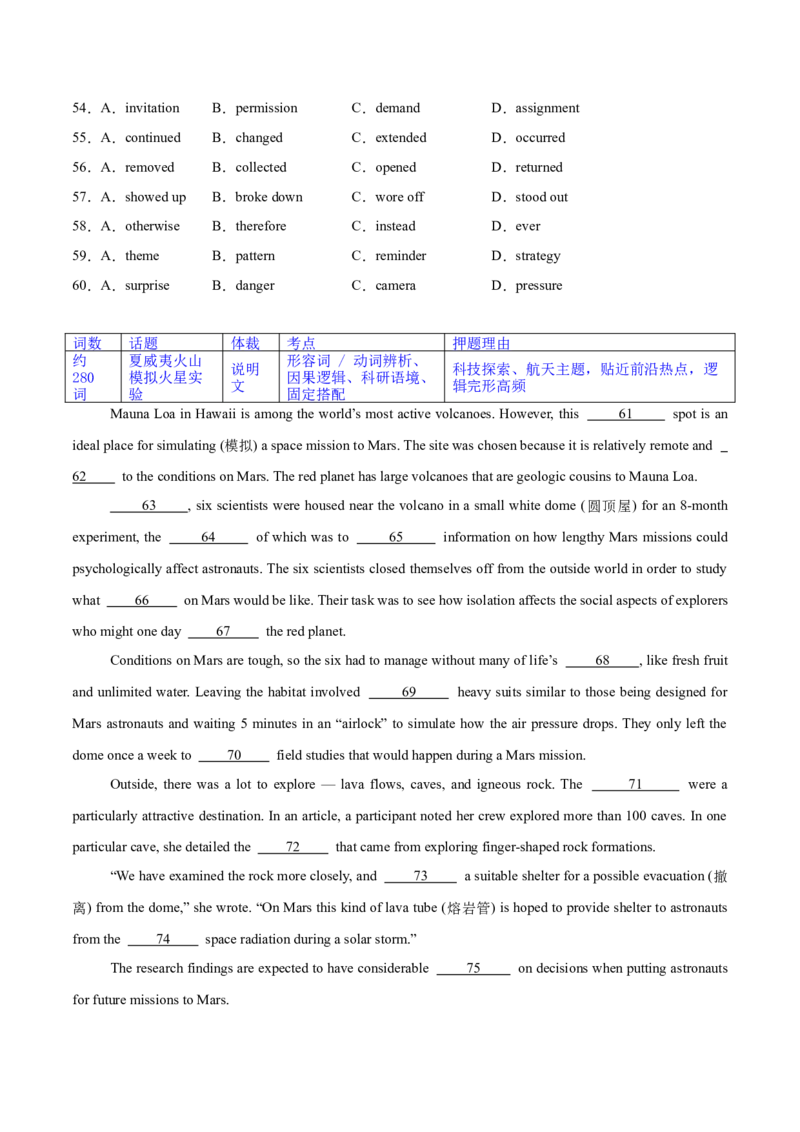
Mauna Loa in Hawaii is among the world’s most active volcanoes. However, this     61     spot is an
ideal place for simulating (模拟) a space mission to Mars. The site was chosen because it is relatively remote and
62     to the conditions on Mars. The red planet has large volcanoes that are geologic cousins to Mauna Loa.
    63    , six scientists were housed near the volcano in a small white dome (圆顶屋) for an 8-month
experiment, the     64     of which was to     65     information on how lengthy Mars missions could
psychologically affect astronauts. The six scientists closed themselves off from the outside world in order to study
what     66     on Mars would be like. Their task was to see how isolation affects the social aspects of explorers
who might one day     67     the red planet.
Conditions on Mars are tough, so the six had to manage without many of life’s     68    , like fresh fruit
and unlimited water. Leaving the habitat involved     69     heavy suits similar to those being designed for
Mars astronauts and waiting 5 minutes in an “airlock” to simulate how the air pressure drops. They only left the
dome once a week to     70     field studies that would happen during a Mars mission.
Outside, there was a lot to explore — lava flows, caves, and igneous rock. The     71     were a
particularly attractive destination. In an article, a participant noted her crew explored more than 100 caves. In one
particular cave, she detailed the     72     that came from exploring finger-shaped rock formations.
“We have examined the rock more closely, and     73     a suitable shelter for a possible evacuation (撤
离) from the dome,” she wrote. “On Mars this kind of lava tube (熔岩管) is hoped to provide shelter to astronauts
from the     74     space radiation during a solar storm.”
The research findings are expected to have considerable     75     on decisions when putting astronauts
for future missions to Mars.
61.A.uncertain
B.unimportant
C.unnecessary
D.unlikely
62.A.vital
B.linked
C.similar
D.beneficial
63.A.Therefore
B.Moreover
C.However
D.Still
64.A.cause
B.objective
C.result
D.challenge
65.A.send
B.store
C.change
D.download
66.A.weather
B.water
C.life
D.volcanoes
67.A.inhabit
B.pollute
C.picture
D.map
68.A.skills
B.fortunes
C.tools
D.luxuries
69.A.protecting
B.locating
C.carrying
D.wearing
70.A.keep an eye on B.carry out
C.break off
D.call off
71.A.shelters
B.rocks
C.caves
D.domes
72.A.relief
B.excitement
C.fear
D.peace
73.A.decorated
B.built
C.destroyed
D.found
74.A.harmful
B.random
C.mysterious
D.unexpected
75.A.limitations
B.pressure
C.influence
D.control
题型二、议论文
词数
话题
体裁
考点
押题理由
约
275
词
克服弱点、
突破局限
议论
文
名词 / 动词辨析、语
境逻辑、态度词、励志
主题
人与自我、成长励志,价值观导向,高频
议论文完形
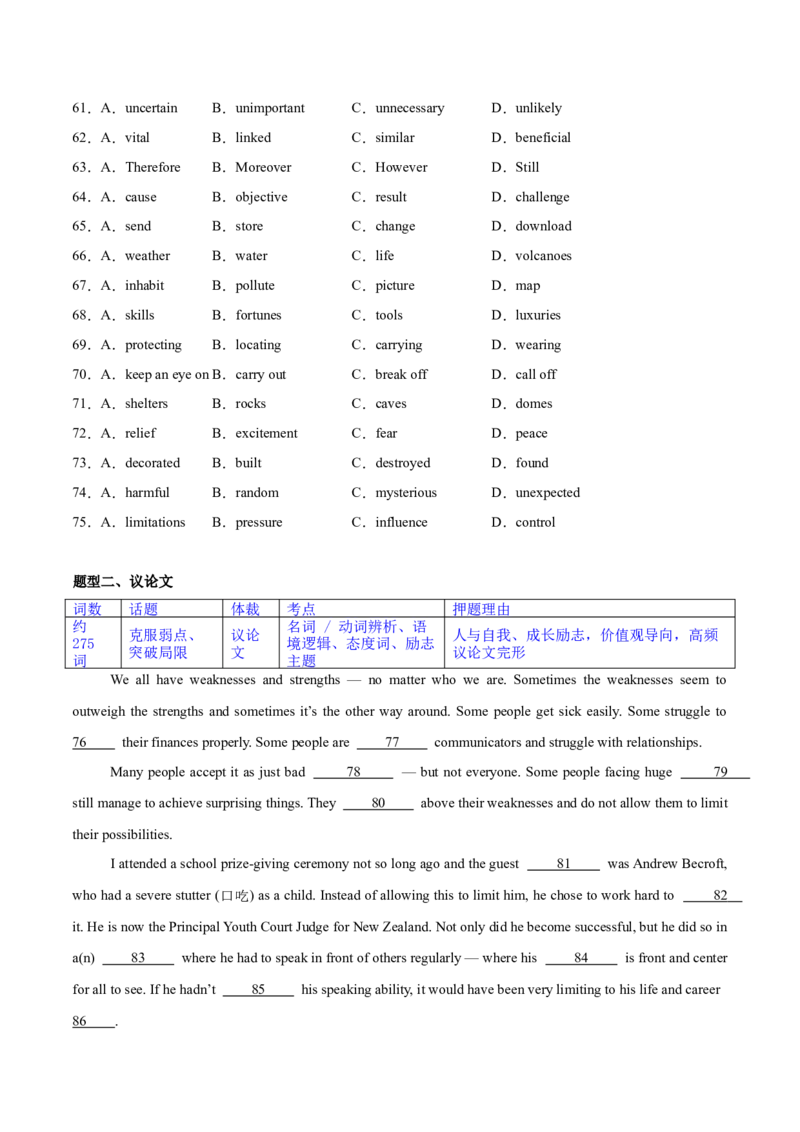
We all have weaknesses and strengths — no matter who we are. Sometimes the weaknesses seem to
outweigh the strengths and sometimes it’s the other way around. Some people get sick easily. Some struggle to
76     their finances properly. Some people are     77     communicators and struggle with relationships.
Many people accept it as just bad     78     — but not everyone. Some people facing huge     79

still manage to achieve surprising things. They     80     above their weaknesses and do not allow them to limit
their possibilities.
I attended a school prize-giving ceremony not so long ago and the guest     81     was Andrew Becroft,
who had a severe stutter (口吃) as a child. Instead of allowing this to limit him, he chose to work hard to     82
it. He is now the Principal Youth Court Judge for New Zealand. Not only did he become successful, but he did so in
a(n)     83     where he had to speak in front of others regularly — where his     84     is front and center
for all to see. If he hadn’t     85     his speaking ability, it would have been very limiting to his life and career
86    .
Here are some more     87    : Brett Eastburn has no arms or legs and yet is an inspirational speaker and
also a very good wrestler. Ringo Starr, drummer for the Beatles,     88     a very poor background. He was
constantly troubled by illness as a child and spent large amounts of time in hospital. Mark Inglis     89     both
of his legs below the knees in a mountaineering accident, but has since climbed Mt Everest.
Most of us will never have to face the challenges these people faced. Yet most of us will never achieve     90
that these people have had either, unless we choose to. If Mark Inglis can climb the highest mountain in the world
without legs, what can we do?
76.A.manage
B.obtain
C.share
D.divide
77.A.ridiculous
B.forgetful
C.useless
D.hopeless
78.A.impression
B.character
C.quality
D.fortune
79.A.criticism
B.pressure
C.limitations
D.losses
80.A.rise
B.behave
C.operate
D.escape
81.A.winner
B.speaker
C.organizer
D.scholar
82.A.avoid
B.treat
C.forget
D.overcome
83.A.atmosphere
B.profession
C.situation
D.institute
84.A.weakness
B.symptom
C.strength
D.impatience
85.A.put forward
B.taken up
C.made out
D.worked on
86.A.records
B.aspects
C.prospects
D.spirits
87.A.examples
B.incidents
C.disabilities
D.possibilities
88.A.resulted from
B.came from
C.heard from
D.suffered from
89.A.lost
B.injured
C.destroyed
D.broke
90.A.to the point
B.in the least
C.to the degree
D.on the whole
词数
话题
体裁
考点
押题理由
约
290
词
高中哲学社
团思辨成长
议论
文
名词 / 形容词辨析、
情感逻辑、语境呼应、
哲思词汇
人与自我、思维成长,思辨类完形,高考
新趋势
The philosophy club at our high school was an island of quiet conversation in a sea of athletic enthusiasm
and frenetic artistic preparation. I joined, not out of any deep Socratic calling, but because it met in a warm room
during the last period on Thursdays, and I had nowhere more compelling to be. Mr. Davies, our advisor, spoke with
a calm that seemed to absorb the surrounding noise. He never told us what to think, but persistently, gently, guided
us in how to think.
One week, he presented a classic dilemma: a runaway trolley is headed for five people tied to a track. You
can pull a lever, diverting it onto a side track where it will kill one person. Do you pull it? The room fractured. “It’s
simple math-save five!” argued one side. “But you’re making yourself an active agent in killing the one!” countered
another, their voice thick with     91    . I sat, my own opinion a ship adrift,     92     by each new
argument. Then Mr. Davies refined the scenario: “What if the single person on the side track is a child?” The ethical
calculus, once seemingly clear, dissolved into a     93     of gut feeling and tortured logic. I left that day
mentally drained, yet feeling a strange, electric     94     I hadn’t experienced in any other class. The questions
had no answers, and that, I was starting to see, was precisely the     95    .
Week after week, we wrestled with the nature of justice, the illusion of free will, the problem of other minds.
I began to perceive the world through a new     96    . A headline wasn’t just news; it was a nest of
unexamined premises. A disagreement with my father wasn’t just a clash of wills; it was a conflict of foundational
97    . I learned to deconstruct my own assumptions, to build logical     98     that could withstand scrutiny,
and, most painfully, to truly listen to perspectives that my instincts screamed to reject.
This newfound habit of interrogation didn’t make me popular. At lunch, my tendency to respond to a friend’s
strong opinion with “What leads you to that     99    ?” could be met with eye rolls. My social currency, once
based on easy agreement,     100     . Yet, in its place, I found a different, sturdier     101     : a
confidence born not of knowing the right answers, but of being able to     102     the right questions. I was no
longer a passive vessel for information; I was an active, if confused, participant in a much larger conversation.
On the final day, Mr. Davies gave each of us a smooth, river-worn stone. “Philosophy rarely provides     103
,” he said. “Its gift is the unsettled mind, the good question that     104     complacency. Keep this. Let it
remind you to stay     105    .” I keep that stone on my desk. In a cacophonous world of instant takes and
performative certainty, it is a quiet monument to doubt, to the weight of a thoughtful pause, and to the slow,
enduring work of building a mind that can think for itself.
91.A.anger
B.conviction
C.hesitation
D.humor
92.A.anchored
B.lifted
C.swayed
D.confirmed
93.A.solution
B.debate
C.fog
D.principle
94.A.fatigue
B.clarity
C.alienation
D.vitality
95.A.point
B.answer
C.problem
D.lesson
96.A.window
B.lens
C.mirror
D.filter
97.A.facts
B.values
C.personalities
D.experiences
98.A.bridges
B.walls
C.arguments
D.models
99.A.conclusion
B.feeling
C.fact
D.story
100.A.accumulated B.stabilized
C.plummeted
D.transformed
101.A.foundation
B.doubt
C.curiosity
D.tool
102.A.answer
B.avoid
C.frame
D.memorize
103.A.stones
B.questions
C.comforts
D.truths
104.A.accepts
B.seeks
C.disrupts
D.confirms
105.A.certain
B.silent
C.humble
D.questioning
词数
话题
体裁
考点
押题理由
约
260
词
室内穿鞋习
惯讨论
议论
文
动词 / 形容词辨析、
习语、语境逻辑、生活
话题
生活热点、健康观念,贴近日常,词义辨
析为主
My brother is a determined shoes-off-er. I visited him recently and, within a couple of minutes, he     106
at my feet in horror. “What are those?” he asked. “These?” I replied, pointing to my trainers. “I bought them only
—.” “No!” he     107    , his face red. “What are they doing in my house?”
This is the best way to     108     people. There are those who hate the thought of rubber on carpet, who
lie awake     109     because wearing outdoors shoes indoors breaks the natural order of things. Then there are
normal people like me, who really don’t care because they understand the     110     of doormats.
However, shoes-off-ers might be on to something. A recent study conducted by researchers at the University
of Houston has shown that 26.4% of shoes     111     the bacteria of Clostridium difficile. Work on a     112
? A 2014 study concluded that considering the herds you raise your boots are almost certainly covered in E. coli.
They are definitely     113     guests to your living rooms.
But I’m going to     114     myself. Sure, it might be more hygienic (卫生的) to remove your shoes at
the door, but only to a small extent. By all accounts, there is a     115     chance you will get ill when someone
is wearing shoes in your living room. And if you have got young kids, who rush in and out of the house without
116     at the first sign of the sun, it’s much more practical to keep your shoes on. Not to mention     117    :
Fewer things inspire more pity than the sight of adults     118     bending themselves into knots as they attempt
to do up their shoelaces in a narrow hallway at the     119     of a night.
True, the answer to both of these problems is slippers. But given the choice of slippers or E. coli, I’ll     120
the latter every time.
106.A.shot
B.gestured
C.pulled
D.leapt
107.A.protested
B.murmured
C.laughed
D.sighed
108.A.bully
B.relieve
C.split
D.understand
109.A.singing
B.reflecting
C.chewing
D.panicking
110.A.point
B.category
C.price
D.condition
111.A.eliminate
B.challenge
C.carry
D.change
112.A.roof
B.farm
C.ship
D.playground
113.A.decent
B.charming
C.selfish
D.unwelcome
114.A.put up with
B.look out for
C.get along with
D.stand up for
115.A.fat
B.good
C.high
D.real
116.A.company
B.enthusiasm
C.warning
D.collaboration
117.A.dignity
B.exhaustion
C.complexity
D.politeness
118.A.gracefully
B.painfully
C.voluntarily
D.creatively
119.A.start
B.end
C.height
D.cost
120.A.refuse
B.avoid
C.upgrade
D.take
词数
话题
体裁
考点
押题理由
约
285
词
数据与直觉
的选择
议论
文
名词 / 动词辨析、逻
辑连接、态度词、观点
类
理性思维、科技生活,思辨导向,高频议
论文完形
Who, or what, do you trust?
Every day, we turn to the internet to     121    : should we stay at that hotel, eat at this restaurant, ride
with that driver? We have become so used to the large-scale insights provided by     122    , many of us
wouldn’t even buy a toaster without first checking reviews. Their accessibility and apparent authority mean that
simply picking an appliance at random is almost     123     — why wouldn’t you ask Google first? And yet,
when it comes to many more fundamental choices — like what we choose to study — we often trust our instincts.
This, argues economist Seth Davidowitz, is where we are going wrong.     124    , following our instincts can
lead us to act on hidden prejudices or to keep following dead-end paths.
In his new book Don’t Trust Your Gut: Using data instead of instinct to make better choices, Seth
Davidowitz brings together “credible answers to     125     questions” as revealed by vast online data, so we
can apply them in order to be more successful and happier. “While we often think we know how to better ourselves,
the numbers, it turns out,     126    ,” he writes.
Some findings are indeed     127    , going against common belief — for example, the overstated
advantage of youth in starting a business. Others, however, may be more     128     expectations: we often
overestimate the pleasure of passive activities such as snacking and watching TV. Research by the London School
of Economics found that even relaxing tends to make people feel less     129     than anticipated. On the other
hand, we underestimate the     130     to our mood from visiting museums or libraries.
From work to relationships, Seth Davidowitz looks to the data for     131     on key decisions and,
where possible, tries it out for himself. In his book he writes that he used AI, market research and statistical analysis
— putting more than 100 edited images of himself into an online survey — to find out that people generally prefer
him with glasses and a beard. Though entertaining, his book is most     132     when it challenges popular
assumptions and demonstrates what works best for most people, so that all of us might learn from their example.
But his somewhat idealist view of data may create a     133     with a world already transformed by it.
134     may not lie, as Seth Davidowitz writes — but nor do they reveal the complete, complex picture, especially
when they are controlled by corporate interests. When our     135     is already being shaped by data in ways of
which we aren’t aware, perhaps success isn’t always a matter of making the right decision.
121.A.make decisions
B.express opinions
C.gain knowledge D.achieve success
122.A.experience
B.freedom
C.technology
D.power
123.A.rewarding
B.exhausting
C.effortless
D.unthinkable
124.A.By contrast
B.After all
C.Even so
D.In short
125.A.important
B.obvious
C.factual
D.uncomfortable
126.A.remain
B.disagree
C.approve
D.vary
127.A.misleading
B.original
C.surprising
D.experimental
128.A.dependent on B.beneficial to
C.consistent with
D.strict about
129.A.attentive
B.confused
C.confident
D.happy
130.A.boost
B.cost
C.risk
D.boredom
131.A.convenience B.guidance
C.diversity
D.precision
132.A.recreational
B.complicated
C.popular
D.practical
133.A.conflict
B.conversation
C.balance
D.relationship
134.A.Books
B.Resources
C.Numbers
D.Instincts
135.A.identity
B.behaviour
C.status
D.reputation
词数
话题
体裁
考点
押题理由
约
270
词
自我认知与
他人评价
议论
文
名词 / 动词辨析、心
理语境、逻辑呼应、成
长主题
人与自我、心理健康,贴近青少年成长,
高考热点
Most of us pursue self-respect and positive self-perception (自我认知). Comments that     136     our
self-worth feel uncomfortable, but whether they truly hurt us is     137     subjective, depending on how we
138     others’ words or actions.
Taking things personally means interpreting situations as negative     139     about oneself — a
psychological tendency called “personalisation (个人化归因)”. For example, a boss pointing out     140     in
a report might be misread as thinking you incompetent. Or if your friends cancel a get-together, you might believe
they plan to     141     you. This often pairs with “mind reading”:     142     you know others’ thoughts
without asking directly, like believing your boss finds you useless.
But     143     usually tells a different story: your boss may want to help you improve, and friends might
have canceled because they were unwell. To counter this,     144     negative assumptions by putting yourself
in others’ shoes, which reveals alternative interpretations— such as your boss’s feedback showing care for your
growth, or your friendship being strong enough to allow     145    .
The type of     146     you hold also matters. “Hubristic pride”, feeling naturally outstanding, makes you
more likely to take things personally. However, “authentic pride” — being proud of your efforts, intentions and
147     — will reduces this tendency. Developing authentic pride can     148     you to protect your self-
worth and carry you through     149    . Ultimately, our attitude     150     the foundation of true self-
respect.
136.A.affect
B.damage
C.reflect
D.avoid
137.A.equally
B.slightly
C.rarely
D.highly
138.A.interpret
B.choose
C.accept
D.reject
139.A.curiosity
B.enquiry
C.judgements
D.complaint
140.A.differences
B.facts
C.details
D.flaws
141.A.turn away from
B.put up with
C.stand up for
D.get along with
142.A.denying
B.proving
C.assuming
D.promising
143.A.expectation
B.reality
C.experience
D.imagination
144.A.hold
B.accept
C.challenge
D.prove
145.A.flexibility
B.growth
C.cheat
D.carelessness
146.A.value
B.mood
C.belief
D.pride
147.A.luck
B.achievements
C.appearance
D.gifts
148.A.equip
B.force
C.request
D.remind
149.A.self-image
B.self-control
C.self-awareness
D.self-doubts
150.A.lowers
B.shakes
C.lays
D.simplifies