专题11  动词的被动语态
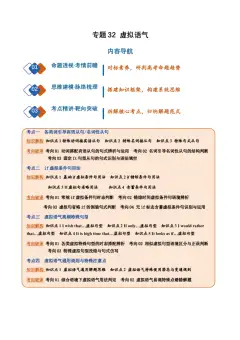
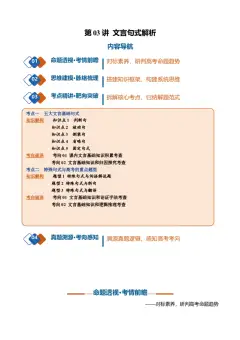
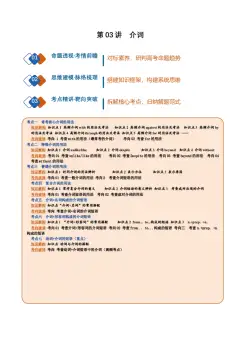
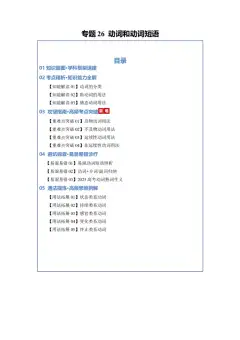
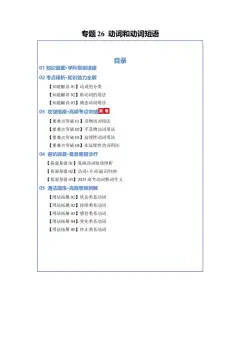
内容导航
01
命题透视·考情前瞻
对标素养,研判高考命题趋势
02
思维建模·脉络梳理
搭建知识框架,构建系统思维
03
考点精讲·靶向突破
拆解核心考点,归纳解题范式
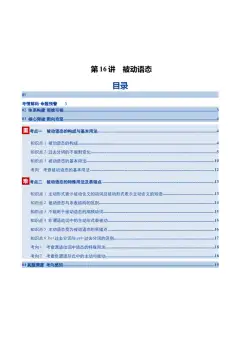
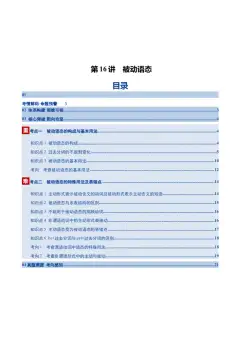
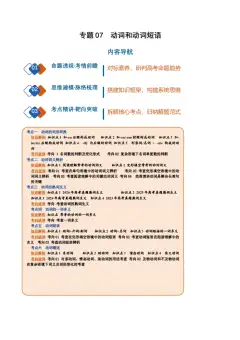
考点一  动词被动语态的构成
知识解构 知识点1 be +过去分词 知识点2 被动语态的基本用法  知识点3 常用时态的被动语
态构成形式概览  考向破译 考向 1  考查被动语态的基本用法  考向02 考查含有情态动词的
被动语态
考点二  被动语态的特殊用法
知识解构 知识点1 主动形式表示被动的常见情况  知识点2 不能用于被动语态的高频动词与短
语  知识点3 被动语态与系表结构的区别   知识点4  非谓语形式中的主动形式表被动含义 知
识点5  be+过去分词与get+过去分词的区别 知识点6  主动语态变为被动语态应注意的问题
知识点7  under+抽象名词”结构含有被动之意  知识点8   seat, devote 等动词无宾语时,常
用被动结构
考向破译

  考向01 考查主动形式表示被动的情况 考向02 考查描述事物的性质、特征时,不用
被动语态,不强调动作  考向03 考查含有under 的短语,表示被动含义 考向04  考查被动结
构表示主动含义
04
真题溯源·考向感知
溯源真题逻辑,感知高考考向
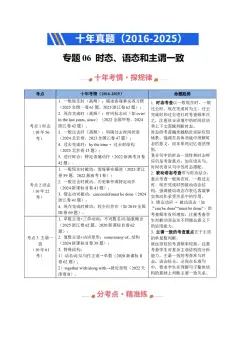
命题透视·考情前瞻
——对标素养,研判高考命题趋势
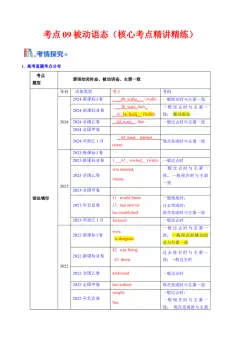
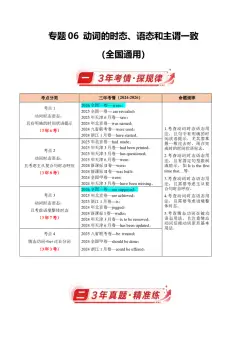
核心考点
2026 年
2025 年
2024 年
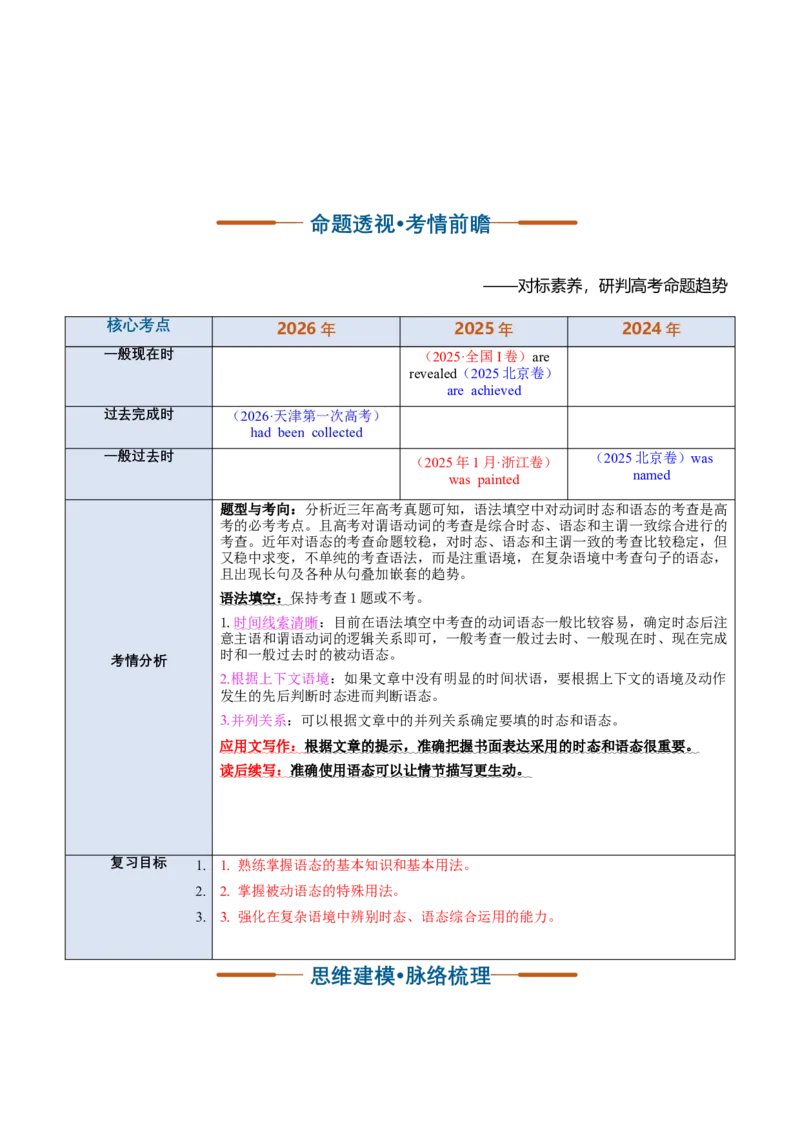
一般现在时
(2025·全国I 卷)are
revealed(2025 北京卷)
are achieved
过去完成时
(2026·天津第一次高考)
had been collected
一般过去时
(2025 年1 月·浙江卷)
was painted
(2025 北京卷)was
named
考情分析
题型与考向:分析近三年高考真题可知,语法填空中对动词时态和语态的考查是高
考的必考考点。且高考对谓语动词的考查是综合时态、语态和主谓一致综合进行的
考查。近年对语态的考查命题较稳,对时态、语态和主谓一致的考查比较稳定,但
又稳中求变,不单纯的考查语法,而是注重语境,在复杂语境中考查句子的语态,
且出现长句及各种从句叠加嵌套的趋势。
语法填空:保持考查1 题或不考。
1.时间线索清晰:目前在语法填空中考查的动词语态一般比较容易,确定时态后注
意主语和谓语动词的逻辑关系即可,一般考查一般过去时、一般现在时、现在完成
时和一般过去时的被动语态。
2.根据上下文语境:如果文章中没有明显的时间状语,要根据上下文的语境及动作
发生的先后判断时态进而判断语态。
3.并列关系:可以根据文章中的并列关系确定要填的时态和语态。
应用文写作

 :
  根据文章的提示,准确把握书面表达采用的时态和语态很重要。


读后续写:

 准确使用语态可以让情节描写更生动。


复习目标
1.
1. 熟练掌握语态的基本知识和基本用法。
2.
2. 掌握被动语态的特殊用法。
3.
3. 强化在复杂语境中辨别时态、语态综合运用的能力。
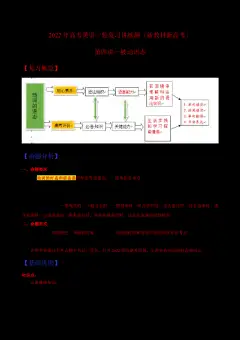
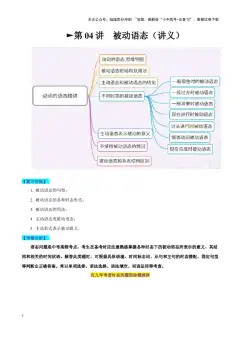
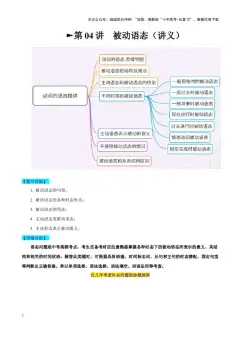
思维建模·脉络梳理
——搭建知识框架,构建系统思维
考点精讲·靶向突破
——拆解核心考点,归纳解题范式
考点一  动词被动语态的构成
知●识●解●构
知识点1  动词被动语态的构成:be +过去分词
英语中的及物动词一般有主动语态和被动语态两种形式。被动语态由“助动词be+过去分词”构成,助动
词be 随着主语的人称、数和句子的时态的不同而变化。
形式
时间
一般式
进行式
完成式
现在
am/ is/ are done
am/ is/are being done
have/has been done
过去
was/were done
was/were being done
had been done
将来
shall/will be done
shall/will have been done
知识点2  被动语态的基本用法
 (1)不知道或没有必要指明动作的执行者。
Attention, please! A meeting will be held in the office at 8:00 am tomorrow.
请注意!明天上午八点在办公室召开会议。
(2)强调或突出动作的承受者或事件本身。
The woman was taken to hospital.
那位女士被送进了医院。
(3)动作执行者被较长的修饰语修饰。
The idea was supported by those who wished to make much money.
想挣许多钱的人们支持那个主意。
(4)动作的执行者是无生命的事物而不是人
All the employees except the manager are encouraged to work online at home.
除了经理以外,所有的雇员都被鼓励居家线上办公。
(5)含有情态动词的被动语态
The plan ought to be put into practice as soon as possible.这项计划应该尽早执行。
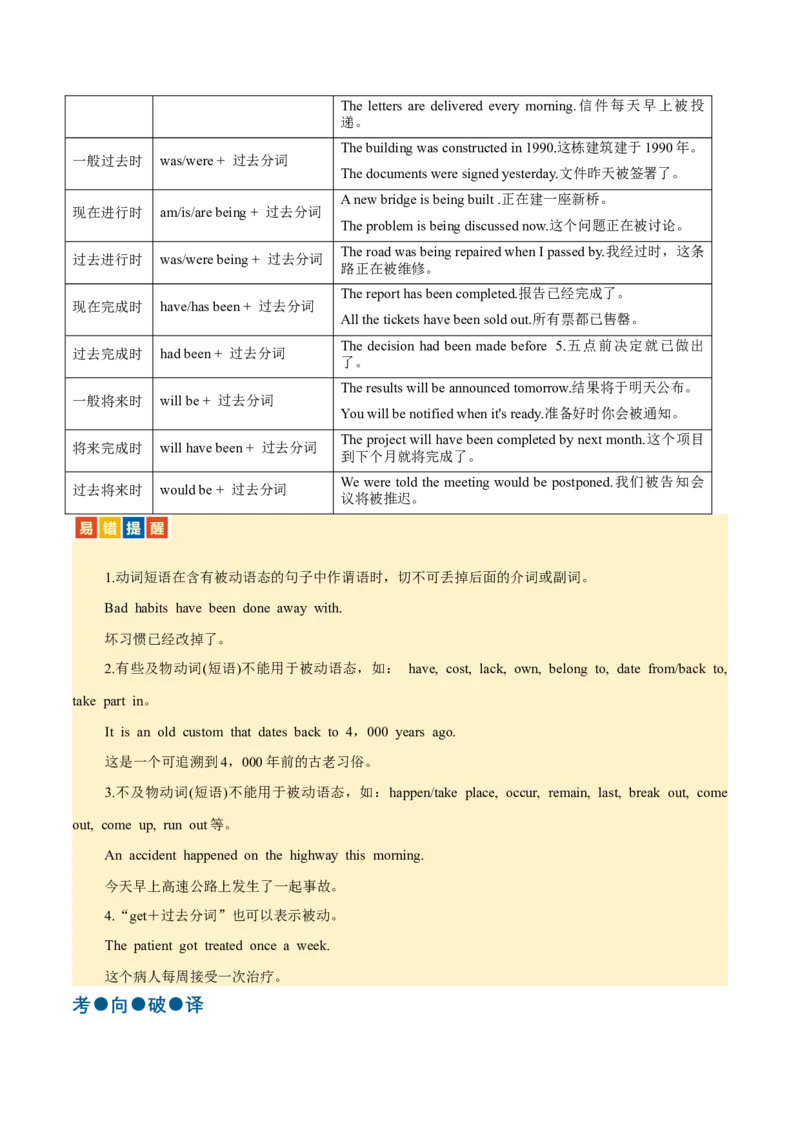
知识点3  常用时态的被动语态构成形式概览。
时态
构成
示例
一般现在时
am/is/are + 过去分词
English is spoken in many countries.许多国家都说英语。
The letters are delivered every morning. 信件每天早上被投
递。
一般过去时
was/were + 过去分词
The building was constructed in 1990.这栋建筑建于1990 年。
The documents were signed yesterday.文件昨天被签署了。
现在进行时
am/is/are being + 过去分词
A new bridge is being built .正在建一座新桥。
The problem is being discussed now.这个问题正在被讨论。
过去进行时
was/were being + 过去分词
The road was being repaired when I passed by.我经过时,这条
路正在被维修。
现在完成时
have/has been + 过去分词
The report has been completed.报告已经完成了。
All the tickets have been sold out.所有票都已售罄。
过去完成时
had been + 过去分词
The decision had been made before 5.五点前决定就已做出
了。
一般将来时
will be + 过去分词
The results will be announced tomorrow.结果将于明天公布。
You will be notified when it's ready.准备好时你会被通知。
将来完成时
will have been + 过去分词
The project will have been completed by next month.这个项目
到下个月就将完成了。
过去将来时
would be + 过去分词
We were told the meeting would be postponed.我们被告知会
议将被推迟。
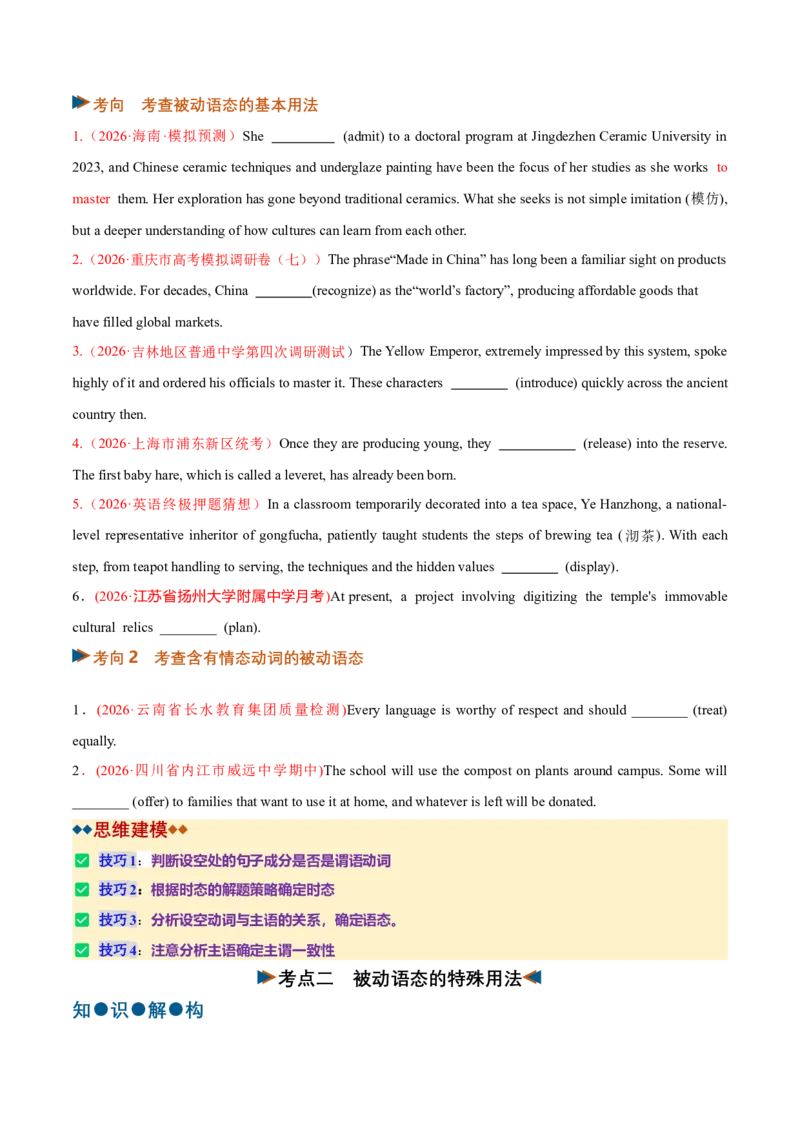
1.动词短语在含有被动语态的句子中作谓语时,切不可丢掉后面的介词或副词。
Bad habits have been done away with.
坏习惯已经改掉了。
2.有些及物动词(短语)不能用于被动语态,如: have, cost, lack, own, belong to, date from/back to,
take part in。
It is an old custom that dates back to 4,000 years ago.
这是一个可追溯到4,000 年前的古老习俗。
3.不及物动词(短语)不能用于被动语态,如:happen/take place, occur, remain, last, break out, come
out, come up, run out 等。
An accident happened on the highway this morning.
今天早上高速公路上发生了一起事故。
4.“get+过去分词”也可以表示被动。
The patient got treated once a week.
这个病人每周接受一次治疗。
考●向●破●译
考向  考查被动语态的基本用法
1.(2026·海南·模拟预测)She          (admit) to a doctoral program at Jingdezhen Ceramic University in
2023, and Chinese ceramic techniques and underglaze painting have been the focus of her studies as she works to
master them. Her exploration has gone beyond traditional ceramics. What she seeks is not simple imitation (模仿),
but a deeper understanding of how cultures can learn from each other.
2.(2026·重庆市高考模拟调研卷(七))The phrase“Made in China” has long been a familiar sight on products
worldwide. For decades, China         (recognize) as the“world’s factory”, producing affordable goods that
have filled global markets.
3.(2026·吉林地区普通中学第四次调研测试)The Yellow Emperor, extremely impressed by this system, spoke
highly of it and ordered his officials to master it. These characters          (introduce) quickly across the ancient
country then.
4.(2026·上海市浦东新区统考)Once they are producing young, they            (release) into the reserve.
The first baby hare, which is called a leveret, has already been born.
5.(2026·英语终极押题猜想)In a classroom temporarily decorated into a tea space, Ye Hanzhong, a national-
level representative inheritor of gongfucha, patiently taught students the steps of brewing tea ( 沏茶). With each
step, from teapot handling to serving, the techniques and the hidden values          (display).
6.(2026·江苏省扬州大学附属中学月考)At present, a project involving digitizing the temple's immovable
cultural relics ________ (plan).
考向2  考查含有情态动词的被动语态
1.(2026·云南省长水教育集团质量检测)Every language is worthy of respect and should ________ (treat)
equally.
2.(2026·四川省内江市威远中学期中)The school will use the compost on plants around campus. Some will
________ (offer) to families that want to use it at home, and whatever is left will be donated.
思维建模


✅技巧1:判断设空处的句子成分是否是谓语动词

✅技巧2:根据时态的解题策略确定时态

✅技巧3:分析设空动词与主语的关系,确定语态。

✅技巧4:注意分析主语确定主谓一致性
考点二  被动语态的特殊用法
知●识●解●构
知识点1 主动形式表示被动的常见情况
(1)系动词smell, taste, feel, look, sound, prove 等后接形容词作表语,用主动形式表示被动意义。
This kind of wool shirt feels soft.
这种羊毛衫摸起来很软。
(2)表示主语的某种属性特征或功能的动词,如:read, write, sell, wash, clean 等,常与well, badly, easily,
smoothly 等副词连用,用主动形式表示被动意义。
Have you bought the book that sells well these days?
你买了最近畅销的那本书了吗?
(3)在need, want, require, deserve, bear 等动词或worth 等形容词的后面通常加动名词,用主动形式表示被
动意义,其含义相当于动词不定式的被动形式。
The house needs repairing/to be repaired.
这所房子需要修理。
The film is really worth seeing.
这部电影的确值得一看。
(4)在某些“主语(人/物)+be+形容词+不定式”结构中用不定式的主动形式表示被动意义。常见的形容词
有nice, easy, fit, hard, difficult, important, impossible, pleasant, interesting 等。
The problem is difficult to work out.(可看作to work out 前省略了for me)
这个问题很难解决。
(5) 被动形式表示主动含义的短语
be devoted to 致力于……         be seated 坐着;     be dressed 穿着;
be addicted to 沉溺于……         be hidden 躲藏;
be lost 迷路;                   be drunk 喝醉;
What some teenagers don’t realize is how difficult life can be after they get addicted to drugs.
一些青少年没有意识到一旦他们染上毒瘾,生活会变得多么困难。
知识点2  不能用于被动语态的高频动词与短语
1.有些及物动词(短语)不能用于被动语态。常见的有have、cost、lack、own、belong to、take part in
等。
2.不及物动词(短语)不能用于被动语态。常见的有happen/take place/occur、remain、break out、last、
come out、come up、lose heart、date from (back to)、run out 等。
The war broke out in 1937. 战争爆发于1937 年。
The plan worked out successfully. 计划成功实施了。
知识点3   被动语态与系表结构的区别
1.被动语态中的过去分词强调动作;系表结构中的过去分词相当于形容词,强调主语的特点或状态。
例1.The book was sold by a certain bookstore. (被动语态)
这本书在某一家书店出售。
例2. The book is well sold. (系表结构)
这本书卖得好。
2.被动语态常由greatly, much 等词修饰;系表结构常由very, quite, rather, too, so, more, most 等词修
饰。
例1.I was greatly moved by her kindness.(系表结构)
   我被她的善良深深地打动了。
例2.He is very satisfied with your paper. (系表结构)
他对你的论文非常满意。
3.被动语态一般由“be+过去分词”构成;系表结构除了与be 动词连用外,还可以用其他系动词,
如,become,  get, turn, sound, lie, remain, seem, appear 等。
例1.These English songs have been taught many times on the radio.(被动语态)
 这些英文歌曲在收音机里已经教过很多遍了。
例2.  She suddenly became interested in the picture. (系表结构)
   她突然变得对这幅画有兴趣了。
知识点4  非谓语形式中的主动形式表被动含义
1.在need、want、require、deserve、bear, worth 等动词后用动词-ing 形式的主动形式表示被动意义,其含
义相当于动词不定式的被动形式。
The house needs repairing/to be repaired. 这栋房子需要修缮。
A dog’s eating habit requires training before it is properly established.
在狗的饮食习惯被正确地建立之前,需要进行定期的训练。
The place is worth visiting.
=The place is worthy to be visited.这个地方值得游览。
2.在某些“主语(人/物)+be+形容词+动词不定式”结构中,动词不定式的主动形式表示被动意义。这些
形容词有nice、easy、fit、hard、difficult、important、impossible、pleasant、interesting 等。
The problem is difficult to work out. 这个问题很难解决。
This kind of water isn't fit to drink.这种水不适合饮用。
The room is comfortable to live in.这个房间住起来很舒适。
3.be to blame(受谴责), be to rent(待出租)结构中用主动形式表被动意义。
Who is to blame for the mistake?谁应该为这个错误负责?
The truck driver was to blame. 卡车司机应受谴责。
If anyone is to blame, it’s me. 如果有人该承担责任,那就是我。
4.在“have+宾语+to do”结构中,句子主语是不定式的逻辑主语时。
I have some clothes to wash. (动作由我发出,我来洗)
Sir, do you have any clothes to be washed?(衣服不是由主语you 来洗)
在too...to 结构和enough to 结构中,可以用不定式的主动形式表示被动含义。
Now mobile phones are cheap enough to buy. 现在买手机很便宜。
The box is too heavy to carry.这个箱子太重,搬不动。
知识点5  be+过去分词与get+过去分词的区别
1.“be+过去分词”既可以表示动作,也可以表示状态,多表示一般的动作或状态。
2.“be+过去分词”多表示经过安排、考虑的动作。
3.“get+过去分词”多用于表示动作的结果或动作变化的逐渐性。只能表示动作。
4.“get+过去分词”可表示出乎意料的动作。且构成疑问句时,需借助助动词do 的适当形式。
The tree is broken. 树断了。
The tree got broken in the snow. 这颗树在大雪中被弄断了。
The bridge was built in 1866 and in now still in a good state.这座古老的桥是1866 年建造的,现在还完
好。
How did the painting get damaged?这幅画怎么被破坏的?
Many animals got killed in the wild when searching for food.许多动物在野外觅食时被杀死。
知识点6  主动语态变为被动语态应注意的问题
1.主动变为被动时双宾语的变化。
My friend gave me an interesting book on my birthday.我的朋友在我生日时给了我一本有趣的书。
→An interesting book was given to me (by my friend) on my birthday.
→I was given an interesting book (by my friend) on my birthday.
2.主动变为被动时,宾语成主语;作宾补的不定式如果省略了to,变成被动语态时,需加上to。
The boss made him work all day long.→He was made to work all day long (by the boss).
老板让他整天都工作。
3.短语动词变被动语态时,注意介词短语的完整性。
Your pronunciation and spelling should be paid attention to. 你应该注意你的发音和拼写。
They have sent for a doctor.→A doctor has been sent for.他们已经请了一位医生。
4.情态动词, be going to, be to, be sure to, have to 等结构变为被动语态时,只需将它们后面的动词原形变为
“be+过去分词”。
We can repair this watch in two days.→This watch can be repaired in two days.
我们可以在两天内修好这块手表。
5.当句子的谓语为say, believe, expect, think, know, write, consider, report 等时,被动语态有两种形式:
a.谓语动词用被动语态,动词不定式作主补。
b.用it 作形式主语,真正的主语用主语从句来表示。
People know paper was made in China first.众所周知,纸最先在中国被制造。
→Paper was known to be made in China first.
→It is known that paper was made in China first.
类似句型有:It is said/known/suggested/believed/hoped/thought that ...
知识点7  under+抽象名词”结构含有被动之意,如under attack 遭到攻击, under discussion 被讨
论, under construction 在建造中, under repair 在维修中, under threat 受到威胁, under treatment 接受治
疗, under control 被控制等。
The old bridge is under repair and will reopen next month.
这座旧桥正在维修,下月将重新开放。
知识点8   seat, devote 等动词无宾语时,常用被动结构。这些动词短语有:dress oneself in 给自
己穿上, devote oneself to 致力于, commit oneself to 使自己致力于, apply oneself to 专心于, seat
oneself 使自己就座等。
She was dressed in a red coat when I saw her. 我见到她时,她穿着一件红色外套。
考●向●破●译
考向一  考查主动形式表示被动的情况
1.He wrote a book about his travelling experiences around the world, which         (sell) quite well in Europe
then.
2.The driver          for the accident last week, but actually, he is not the one who is         .(blame)
3.It was only after he had read the papers that Mr Gross realized that the task was extremely difficult

(finish).
4.With so many key files          (delete), he had to speed up his action in case of being discovered.
5.This pen          (write) smoothly and it’s a birthday gift from my grandfather.
6.With a present          (buy), he hurried to the department store.
7.Many famous places of interest like Mount Wuyi and Gulang Island are well worth          (visit).
考向二  考查描述事物的性质、特征时,不用被动语态,不强调动作。(通常一般现在
时)
1.This glass         (break) easily, so please put a “Handle with Care” sticker on the box before you mail it.
2.This newly developed cloth          (wash) easily and dries within minutes, making it ideal for outdoor
sportswear.
3.The flowers in the garden          (smell) sweet after the rain.
考向三 考查含有under 的短语,表示被动含义
1.The subway was scheduled for completion by the end of last year, but it is still under ________(construct)
now.
2.We have to take another road because this road is ________ repair.
考向四 考查被动结构表示主动含义
1.Shortly after we          (seat), a waiter came over to our table to serve us with a smile.
2.Over the past decades, the founder of the firm            (commit) to innovation in key technologies.
3.Some famous artists, including Mr Li,          (devote) to Beijing Opera for twenty years.
思维建模


✅技巧1:熟记常用主动形式表示被动含义的句型、短语和词汇。

✅技巧2:注意分清楚:具体动作行为和性质、特征的区别。
真题溯源·考向感知
——溯源真题逻辑,感知高考考向
单句填空 在空白处填入1 个适当的单词或括号内单词的正确形式。
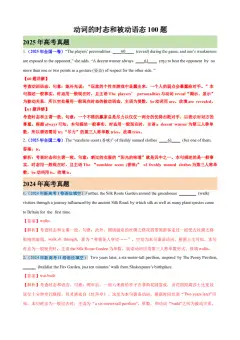
1. (2025 全国一卷)“The players’ personalities ___________ (reveal) during the game, and one’s weaknesses are
exposed to the opponent,” she adds.
2. (2025 北京卷)Some choices are quick, while others take more thought. Usually, better outcomes
___________ (achieve) through a thorough understanding of strategies like risk tolerance.
3.(2025 八省联考卷)Every language is worthy of respect and should ___________ (treat) equally.
4.(2024 新课标II 卷)Two years later, a six-meter-tall pavilion, inspired by The Peony Pavilion, ___________
(build)at the Firs Garden, just ten minutes’ walk from Shakespeare’s birthplace.
5.(2024 全国甲卷)What should ___________ (do) with such a beautiful place? They wondered out loud.
6.(2024 浙江1 月卷)However, though it’s nice to get a few cents off a pack of sausages, it would help even
more if they could sometimes __________ (offer) in smaller packs.
7. (2024 九省联考卷)Fountain pens __________ (use) in schools long ago and have been regaining popularity
lately because they are refillable.
8.(2023 全国乙卷)Having visited several times over the last 10 years, I _________ (amaze) by the co-
existence of old and new, and how a city was able to keep such a rich heritage (遗产) while constantly growing.
9.(2023 全国甲卷)Carson proves that a simple lyric form that has been passed down through the ages can still
_________ (employ) today to draw attention to important truths.
10.(2023 天津6 月卷)The wooden tower that _________(restore) will be open to tourists soon, and the work is
almost finished.